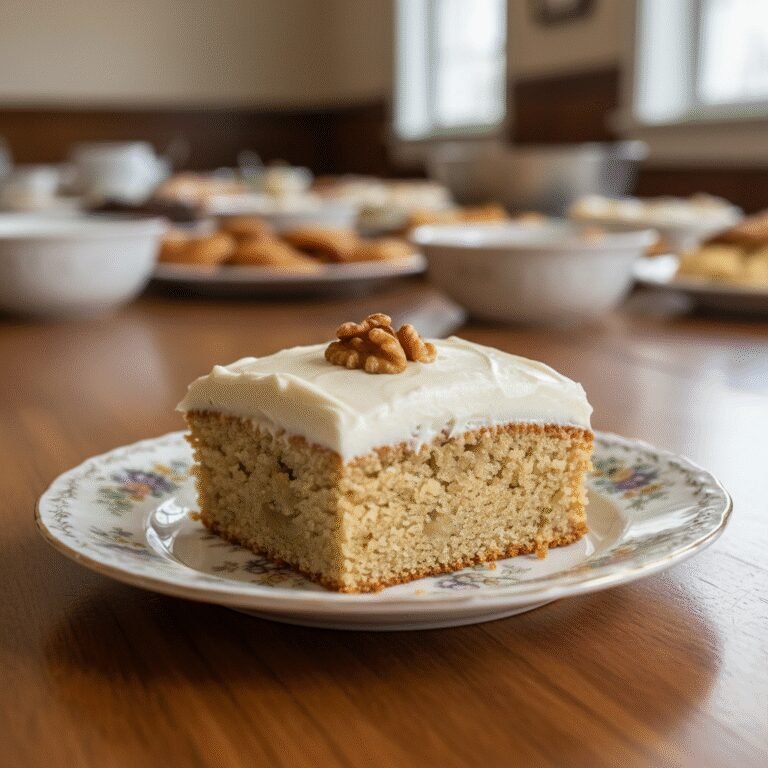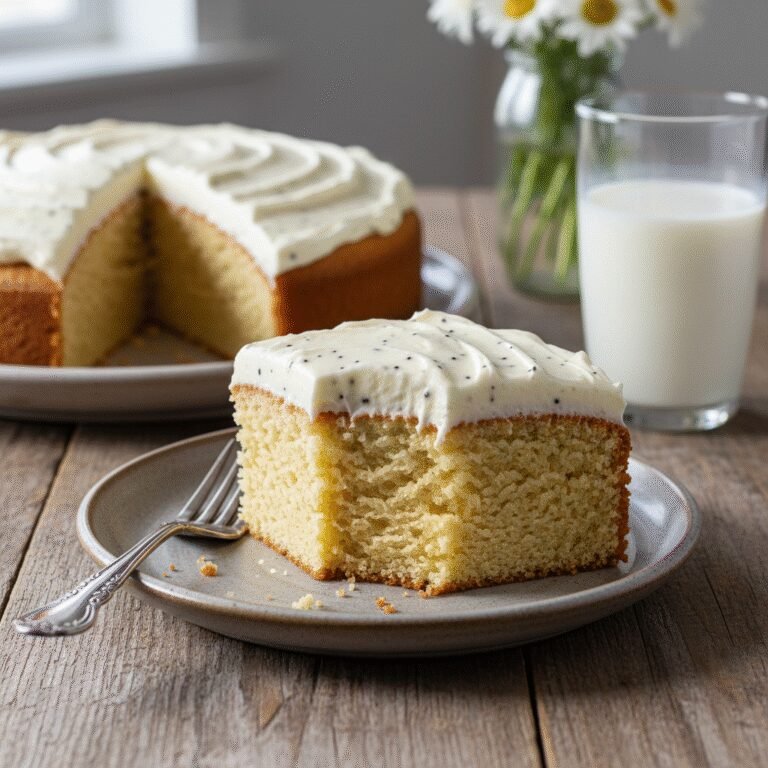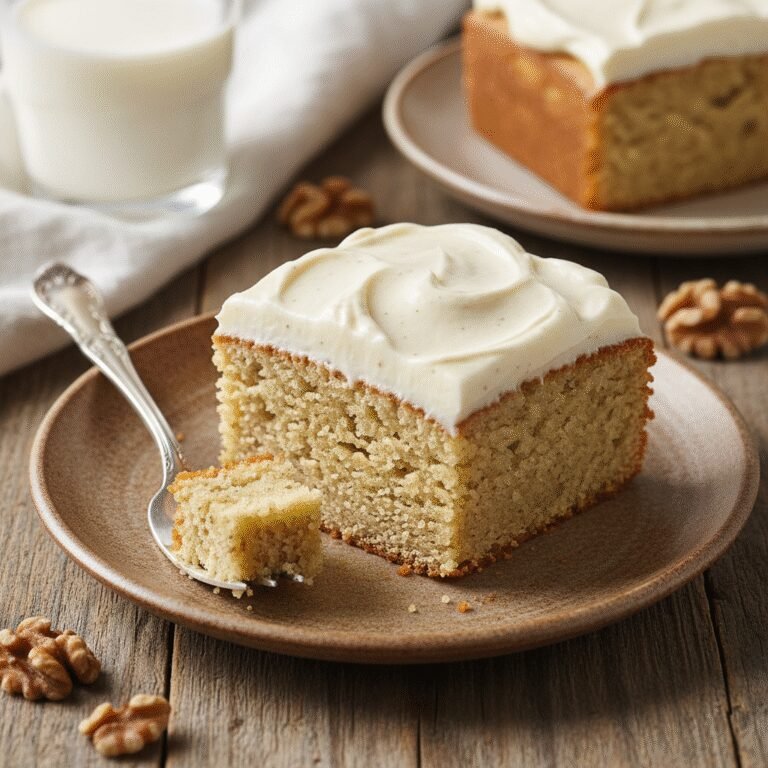
The Ultimate Moist Vanilla Sheet Cake With Whipped Vanilla Bean Frosting
Moist Vanilla Sheet Cake With Vanilla Frosting Recipe
Discover the secret to the perfect vanilla sheet cake that stays incredibly moist for days. This recipe pairs a tender, plush crumb with a cloud-like whipped vanilla bean frosting, making it the ultimate crowd-pleaser for birthdays, potlucks, and celebrations.
25 minutes
35 minutes
1 hour 15 minutes (plus cooling)
12-15 servings
Dessert
Baking
American
Vegetarian
There is something undeniably nostalgic and comforting about a classic vanilla sheet cake. It is the centerpiece of childhood birthday parties, the reliable star of church potlucks, and the sweet ending to backyard barbecues across America. While chocolate often steals the spotlight, a truly exceptional vanilla cake is a masterpiece of baking science. This isn’t just another dry, crumbly yellow cake; this is a celebration of pure vanilla flavor with a texture so moist and plush it practically melts in your mouth.
The beauty of this recipe lies in its simplicity and its impeccable crumb structure. Many vanilla cakes suffer from being too dense or drying out within hours of baking. However, through years of testing and tweaking, I have developed a formula that balances the richness of butter with the tenderizing properties of sour cream and oil. The result is a cake that is sturdy enough to hold a generous layer of frosting yet delicate enough to feel light on the palate.
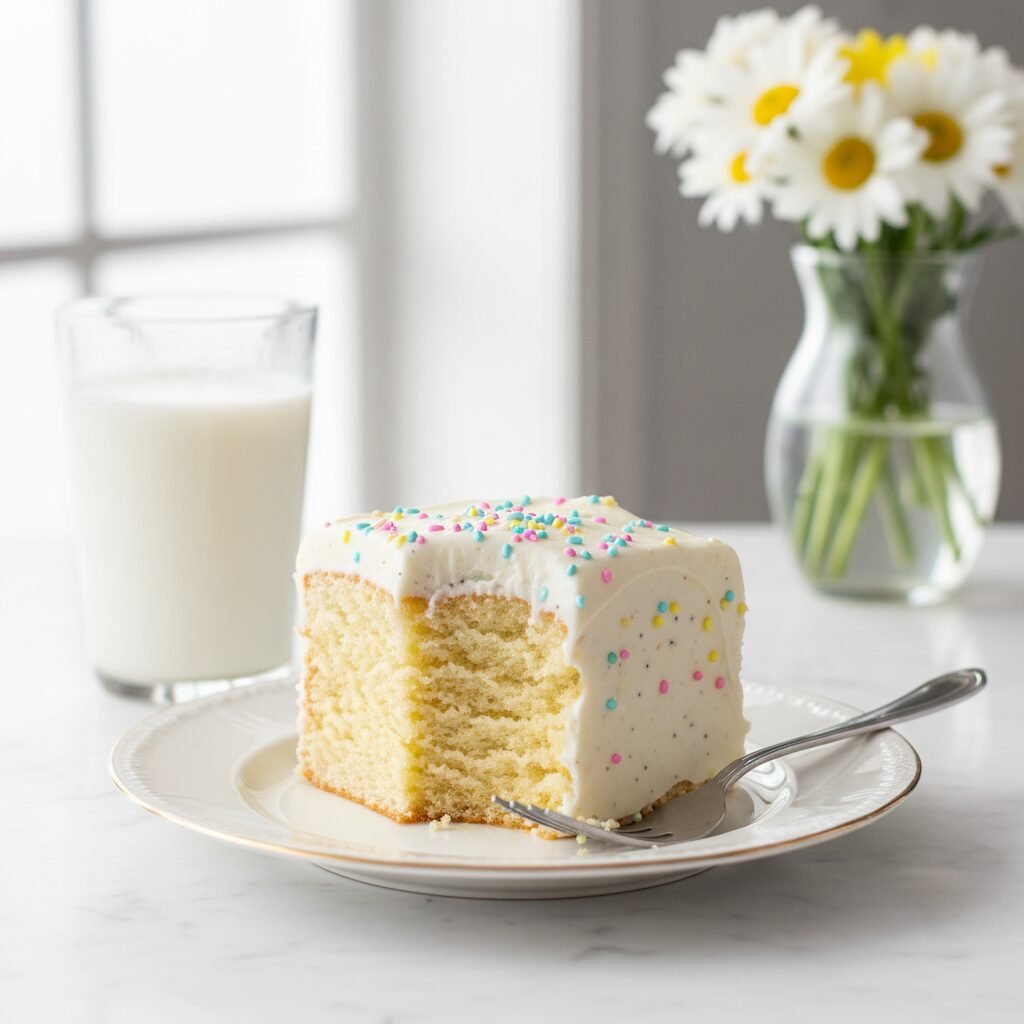
We top this golden beauty with a whipped vanilla bean buttercream that is far superior to the cloyingly sweet frostings found in grocery store bakeries. By whipping the butter for an extended period before adding sugar, we create an aeration that mimics the texture of whipped cream while maintaining the stability of buttercream. Whether you are a seasoned baker or a novice in the kitchen, this recipe is designed to be foolproof, delivering bakery-quality results right from your home oven. Get ready to fill your kitchen with the intoxicating aroma of warm vanilla and butter.
History & Origins
The concept of the sheet cake is deeply rooted in mid-20th-century American home baking culture, evolving alongside the mass production of the standard 9×13-inch baking pan. While cakes have been baked for centuries, the ‘sheet’ format gained immense popularity in the 1950s and 60s as suburban expansion fueled a culture of neighborhood gatherings and block parties. The rectangular shape made it incredibly easy to transport, slice, and serve to large crowds, earning it the moniker of the ‘kitchen cake’ or ‘picnic cake.’
Historically, the ‘Texas Sheet Cake’ is the most famous iteration, usually chocolate with a poured fudge icing. However, the vanilla counterpart has a quieter but equally significant history. Originally derived from pound cake recipes which were heavy and dense, the modern vanilla sheet cake evolved with the introduction of chemical leaveners like baking powder and baking soda, as well as the availability of finer cake flours.
In the Southern United States, vanilla sheet cakes became a staple at weddings and christenings, often referred to as ‘White Velvet’ or ‘Silver’ cakes when egg yolks were omitted to preserve a pristine white color. This specific recipe pays homage to those vintage community cookbook gems but updates the method for the modern palate, ensuring a moistness that those early recipes sometimes lacked. It represents the evolution of American baking from necessity and convenience to a craft focused on texture and flavor depth.
Why This Recipe Works
The science behind this moist vanilla sheet cake relies on a few key interactions between fat, acid, and flour. First, we use a combination of unsalted butter and neutral vegetable oil. Butter provides that undeniable, rich flavor that shortening cannot replicate, while the oil ensures the cake remains moist at room temperature. Butter is solid at room temperature, which can lead to a dry mouthfeel if used exclusively, but the liquid state of oil coats the flour proteins, preventing toughness and keeping the crumb tender for days.
Secondly, the inclusion of full-fat sour cream is a game-changer. The acidity in the sour cream tenderizes the gluten strands in the flour, resulting in a finer, softer crumb. It also activates the baking soda, providing a crucial lift that prevents the cake from becoming dense or gummy. We also utilize the ‘reverse creaming’ method in spirit—by ensuring our dry ingredients are well-sifted and alternating wet and dry additions, we minimize gluten development.
Finally, the frosting technique distinguishes this recipe. We whip the butter alone for a full 5-7 minutes before adding any sugar. This creates a pale, aerated base that dissolves the powdered sugar more effectively, preventing that gritty texture often found in homemade buttercreams. The addition of a pinch of salt and heavy cream creates an emulsion that is silky, stable, and perfectly sweet without being overwhelming.
Why You’ll Love This Recipe
- ✓Stays moist for up to 4 days thanks to the oil-butter blend.
- ✓Feeds a crowd easily, making it perfect for parties.
- ✓Features real vanilla bean specks for a gourmet look and taste.
- ✓The frosting is light and airy, not heavy or greasy.
- ✓Simple one-pan baking method means easier cleanup.
- ✓Versatile base that pairs with fruit, sprinkles, or chocolate ganache.
Equipment You’ll Need
- ✓9×13 inch baking pan (metal preferred)
- ✓Stand mixer or electric hand mixer
- ✓Large mixing bowls
- ✓Rubber spatula
- ✓Sifter or fine-mesh sieve
- ✓Measuring cups and spoons
- ✓Offset spatula for frosting
- ✓Wire cooling rack
Ingredients
- ✓2 1/2 cups Cake Flour (sifted)
- ✓2 cups Granulated Sugar
- ✓2 1/2 tsp Baking Powder
- ✓1/2 tsp Baking Soda
- ✓1 tsp Fine Sea Salt
- ✓1 cup Unsalted Butter (room temperature, cut into cubes)
- ✓3 large Eggs (room temperature)
- ✓2 large Egg Yolks (room temperature)
- ✓1 tbsp Pure Vanilla Extract
- ✓1/2 cup Sour Cream (full fat, room temperature)
- ✓1/3 cup Vegetable Oil (or Canola Oil)
- ✓1 cup Whole Milk (room temperature)
- ✓FOR THE FROSTING:
- ✓1 1/2 cups Unsalted Butter (slightly softened)
- ✓4-5 cups Powdered Sugar (sifted)
- ✓1 tbsp Vanilla Bean Paste (or high-quality extract)
- ✓3-4 tbsp Heavy Cream
- ✓Pinch of Salt
Instructions
- Preheat your oven to 350°F (175°C). Grease a 9×13 inch baking pan generously with butter or non-stick spray and line the bottom with parchment paper for easy removal.
- In a medium bowl, sift together the cake flour, baking powder, baking soda, and salt. Whisk to ensure even distribution. Set aside.
- In the bowl of a stand mixer fitted with the paddle attachment, beat the room temperature butter and granulated sugar on medium-high speed for 3-4 minutes until light, fluffy, and pale in color.
- Lower the speed to medium and add the vegetable oil. Beat for another minute until fully incorporated.
- Add the eggs and egg yolks one at a time, beating well after each addition and scraping down the sides of the bowl to ensure the mixture is homogenous. Stir in the vanilla extract.
- In a small measuring cup, whisk together the sour cream and whole milk until smooth.
- Reduce the mixer speed to low. Add the dry ingredients in three parts, alternating with the milk/sour cream mixture in two parts (Dry-Wet-Dry-Wet-Dry). Mix only until the flour streaks disappear. Do not overmix.
- Pour the batter into the prepared pan and smooth the top with an offset spatula. Tap the pan gently on the counter to release any large air bubbles.
- Bake for 30-35 minutes, or until a toothpick inserted into the center comes out clean or with just a few moist crumbs attached. The top should be golden brown and spring back when lightly touched.
- Remove from the oven and let the cake cool completely in the pan on a wire rack. This is crucial as the cake sets while cooling.
- While the cake cools, make the frosting. In a clean mixer bowl, whip the 1 1/2 cups of butter on high speed for 5-7 minutes. It should become incredibly pale and creamy.
- Reduce speed to low and gradually add the powdered sugar, one cup at a time. Once all sugar is added, increase speed to high and whip for 3 minutes.
- Add the vanilla bean paste, heavy cream, and a pinch of salt. Whip for an additional 2 minutes until the texture is light and spreadable.
- Spread the frosting generously over the cooled cake. Top with sprinkles if desired. Slice into squares and serve.
Expert Cooking Tips
- ✓Ensure all ingredients, especially eggs, butter, and dairy, are at room temperature to prevent the batter from curdling.
- ✓Weigh your flour using a kitchen scale for the most accurate results; too much flour leads to a dry cake.
- ✓Do not overmix the batter once the flour is added; stop as soon as the white streaks disappear to keep the cake tender.
- ✓Use a light-colored metal pan for baking; dark metal or glass pans can cause the edges to overcook before the center is done.
- ✓Cool the cake completely before frosting, otherwise, the butter in the frosting will melt and slide off.
- ✓Whip the frosting longer than you think is necessary; the extra air makes it less sweet and more luxurious.
Substitutions and Variations
If you do not have cake flour, you can make a DIY version by removing 2 tablespoons of all-purpose flour per cup and replacing it with cornstarch, sifting them together multiple times. If you prefer a tangier cake, you can substitute the sour cream with full-fat Greek yogurt or buttermilk (though reduce the liquid milk slightly if using buttermilk). For a dairy-free version, use high-quality plant-based butter sticks and unsweetened almond or soy milk, keeping in mind the flavor profile may shift slightly. The vegetable oil can be swapped for melted coconut oil, though this will impart a coconut flavor. For the frosting, vanilla extract works if you don’t have vanilla bean paste, but the paste provides those lovely visible specks.
Common Mistakes to Avoid
The most common mistake is over-baking the cake. Start checking for doneness 5 minutes before the recipe states. A dry cake is often just an over-baked cake. Another frequent error is using cold ingredients. Cold eggs and milk will seize the creamed butter, causing the batter to break and resulting in a dense, uneven texture. Avoid scooping flour directly with the measuring cup, which packs it down; instead, spoon the flour into the cup and level it off. Finally, do not rush the cooling process by putting the warm cake in the fridge, as this can make the crumb sticky and dense.
Serving Suggestions
This cake is best served at room temperature to ensure the frosting is soft and the cake is plush. It pairs beautifully with fresh berries—strawberries or raspberries add a nice tart contrast to the sweet vanilla. For a summer gathering, serve it with a scoop of peach ice cream. If you are serving this for a birthday, classic rainbow sprinkles are a must. You can also drizzle a bit of salted caramel sauce over individual slices for a decadent twist. A cold glass of milk or a hot cup of black coffee are the perfect beverage companions.
Storage and Reheating Tips
Store the frosted cake in an airtight container or cover the pan tightly with plastic wrap. It can be kept at room temperature for up to 3 days, which is often preferred to keep the butter in the cake soft. If you live in a very hot or humid climate, you may need to refrigerate it. If refrigerated, let the slices sit on the counter for 20 minutes before eating to return to room temperature. The cake can also be frozen; place slices on a baking sheet to freeze the frosting solid, then wrap tightly in plastic wrap and foil. Freeze for up to 3 months.
Nutrition Facts (Estimated)
| Serving Size | 1 slice (1/15th of cake) |
| Calories | 420 |
| Fat | 22g |
| Saturated Fat | 12g |
| Unsaturated Fat | 8g |
| Trans Fat | 0g |
| Cholesterol | 65mg |
| Sodium | 210mg |
| Carbohydrates | 52g |
| Fiber | 1g |
| Sugar | 38g |
| Protein | 4g |
Frequently Asked Questions
Can I make this cake ahead of time?
Yes! In fact, this cake tastes even better the next day as the flavors meld and the moisture redistributes. You can bake it one day in advance and frost it the day of serving, or frost it and store it covered at room temperature overnight.
Why did my cake sink in the middle?
Sinking usually happens if the oven door was opened too early, causing a sudden temperature drop, or if the cake was underbaked. It can also be caused by expired baking powder or over-creaming the butter and sugar, incorporating too much air that collapses later.
Can I use this recipe for cupcakes?
Absolutely. This batter makes excellent cupcakes. Line a muffin tin with liners and bake at 350°F for 18-22 minutes. It should yield approximately 24 standard cupcakes.
Is vanilla bean paste necessary?
While not strictly necessary, vanilla bean paste adds a depth of flavor and visual appeal (little black specks) that extract cannot match. However, a high-quality pure vanilla extract is a perfectly acceptable substitute.
Can I use salted butter instead of unsalted?
You can, but you should reduce the added salt in the recipe to 1/2 teaspoon. Using unsalted butter gives you complete control over the sodium level and flavor profile.
How do I get my frosting so white?
The key to white buttercream is whipping the butter for a long time (5-7 minutes) before adding sugar. This incorporates air and lightens the yellow color significantly. You can also add a tiny, toothpick-tip amount of purple food coloring to neutralize the yellow tones.
Why is my frosting grainy?
Grainy frosting is usually caused by powdered sugar that wasn’t sifted or butter that was too cold or too melted. Ensure your butter is soft but cool to the touch, and always sift your sugar to remove lumps.
Can I bake this in two round pans?
Yes, this recipe fits into two 8-inch or 9-inch round cake pans. You will need to adjust the baking time to approximately 25-30 minutes. Keep an eye on them and use the toothpick test.
Conclusion
There you have it—the only vanilla sheet cake recipe you will ever need. By combining the best aspects of oil-based and butter-based cakes, we achieve a texture that is unparalleled in moisture and tenderness. Whether you are celebrating a milestone or just need a sweet pick-me-up on a Tuesday, this cake delivers comfort and joy in every bite. Don’t forget to take your time whipping that frosting; the cloud-like texture is worth every extra minute. Happy baking, and I hope this recipe becomes a cherished tradition in your kitchen just as it is in mine.