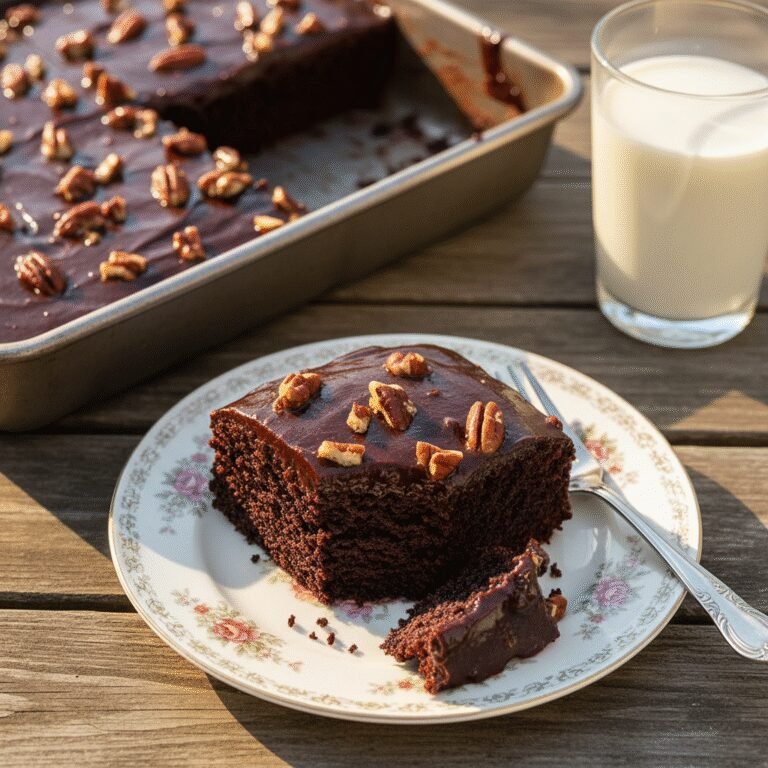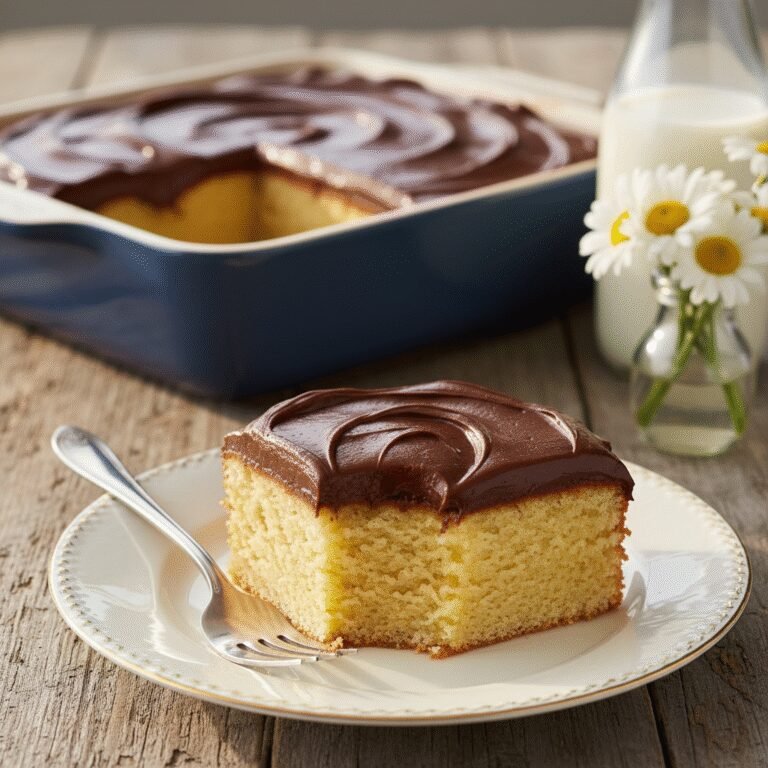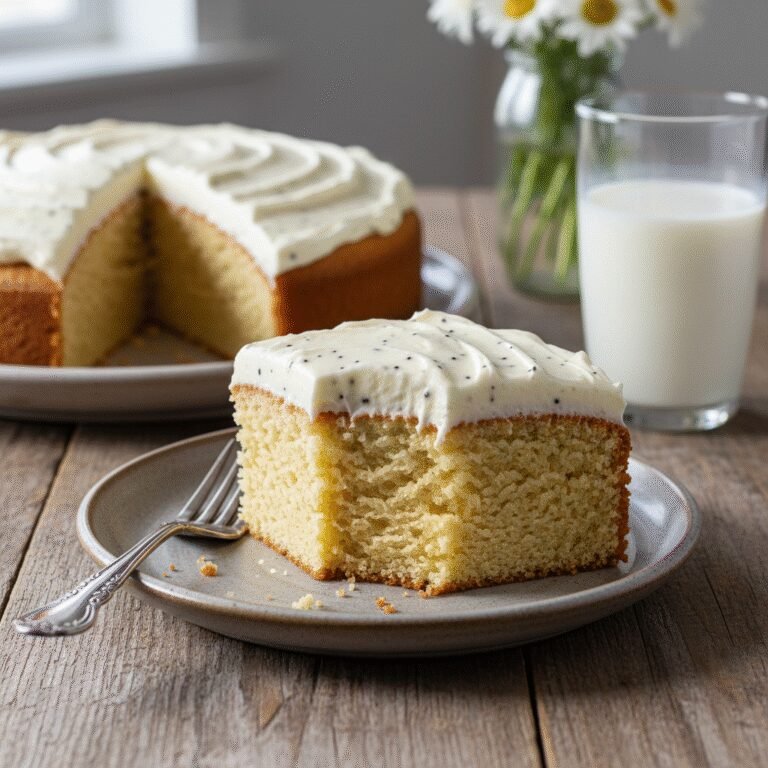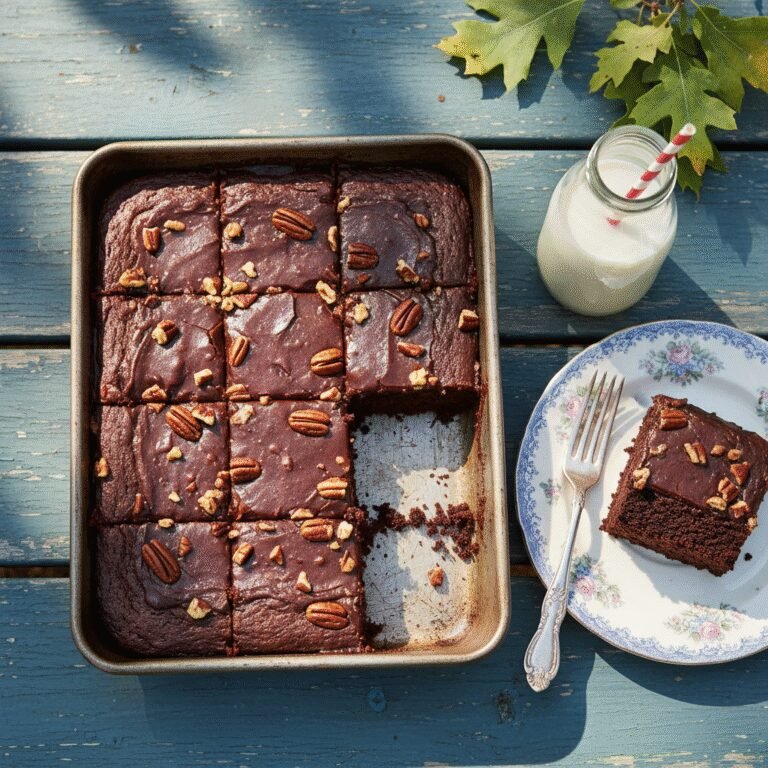
The Ultimate Moist Vanilla Sheet Cake With Fluffy Peanut Butter Frosting
Moist Vanilla Sheet Cake With Peanut Butter Frosting Recipe
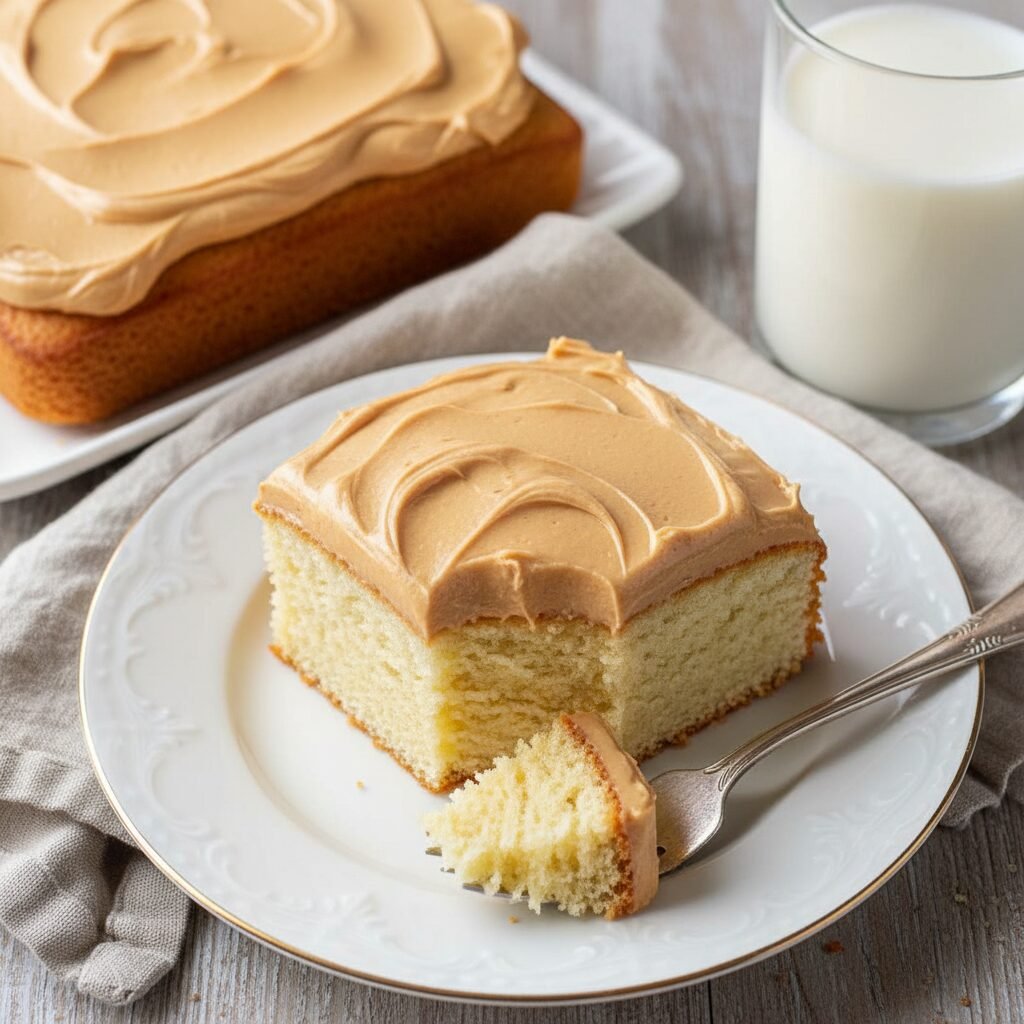
This incredible Moist Vanilla Sheet Cake is the definition of a crowd-pleaser, featuring a tender, melt-in-your-mouth vanilla crumb topped with a luscious, creamy peanut butter frosting. It is the perfect balance of sweet and salty, making it an instant favorite for birthdays, potlucks, and cozy family desserts.
20 minutes
30 minutes
50 minutes (plus cooling)
24 servings
Dessert
Baking
American
Vegetarian
There is something profoundly comforting about a classic sheet cake. Unlike towering layer cakes that require structural engineering and precise decoration, the sheet cake is humble, accessible, and undeniably delicious. This Moist Vanilla Sheet Cake with Peanut Butter Frosting is a love letter to traditional home baking, evoking memories of school fetes, church potlucks, and Sunday afternoon treats. The magic of this recipe lies in the texture of the cake itself. We aren’t looking for a dense pound cake or a sponge that relies heavily on syrup; we want a velvety, soft crumb that is substantial enough to hold the frosting but light enough to melt on the tongue. The vanilla flavor is pure and aromatic, providing the perfect canvas for the star of the show: the peanut butter frosting.
While chocolate and peanut butter are a famous duo, there is a sophisticated subtlety to pairing peanut butter with vanilla. The buttery, floral notes of a high-quality vanilla extract lift the earthy, savory richness of the roasted peanuts, creating a flavor profile that is sweet without being cloying. This frosting is whipped to perfection—light, airy, and creamy—draped generously over the cooled cake in swoops and swirls. This recipe is designed for real life; it feeds a crowd, travels exceptionally well in its pan, and stays moist for days thanks to a few secret ingredients in the batter. Whether you are an experienced baker looking for a reliable staple or a novice wanting to impress without stress, this vanilla sheet cake is your answer. It represents the best of American comfort baking: simple ingredients, straightforward techniques, and a result that feels like a warm hug.
History & Origins
The concept of the ‘sheet cake’ is deeply rooted in American baking history, evolving alongside the availability of standardized baking pans and the rise of community gatherings in the 20th century. While cakes have been baked in shallow pans for centuries, the specific cultural phenomenon of the frosted sheet cake gained massive popularity in the mid-1900s. It became the go-to solution for feeding large groups efficiently, contrasting with the more labor-intensive European tortes or high-rising layer cakes. The most famous iteration is likely the ‘Texas Sheet Cake,’ traditionally a chocolate buttermilk cake poured hot over a chocolate icing. However, the vanilla version has carved out its own significant place in culinary history.
Historically, vanilla was a luxury spice, but as vanilla extract became a pantry staple in American households post-WWII, vanilla cakes transitioned from special-occasion treats to everyday comforts. The addition of peanut butter frosting is a distinctly American innovation. Peanut butter, popularized at the 1904 St. Louis World’s Fair, quickly became a national obsession. By the mid-century, home economists and food corporations were publishing recipes that incorporated peanut butter into everything from cookies to frostings. The marriage of a simple ‘yellow cake’ or vanilla sheet cake with this savory-sweet nut butter reflects the American palate’s love for contrasting flavors. This specific combination—vanilla and peanut butter—is often associated with Southern hospitality and Midwestern practicality, representing a baking tradition that values flavor and generosity above intricate decoration.
Why This Recipe Works
This recipe succeeds where others fail due to a carefully calibrated balance of fat and moisture. Many vanilla cakes suffer from being dry or bland, but this formulation uses a specific combination of butter and oil. Butter provides the essential dairy flavor and tender crumb, while neutral oil ensures the cake stays moist for days, as oil remains liquid at room temperature unlike butter. Furthermore, the inclusion of sour cream is a game-changer. The acidity in the sour cream tenderizes the gluten strands in the flour, resulting in a softer texture, while its thickness adds body to the batter without thinning it out like milk or water would.
For the frosting, the ratio of peanut butter to butter is critical. Too much peanut butter can make the frosting heavy, sticky, and difficult to spread (often tearing the delicate surface of the cake). This recipe uses a whipped buttercream base where the butter is aerated before the peanut butter is added, creating a fluffy, cloud-like consistency that carries the peanut flavor without the density. Finally, the use of a sheet pan (typically 9×13 for this recipe) ensures even heat distribution. Unlike deep round pans where the edges can dry out before the center is cooked, the increased surface area of a sheet cake allows for a uniform bake, ensuring every square is perfectly moist from edge to center.
Why You’ll Love This Recipe
- ✓Stays moist for up to 4 days due to the sour cream and oil blend.
- ✓Perfect ratio of salty peanut butter to sweet vanilla cake.
- ✓Feeds a crowd easily, yielding 20-24 squares.
- ✓No complex decorating skills required—rustic swirls look best.
- ✓Travel-friendly: can be transported directly in the baking pan.
- ✓Versatile base that allows for various toppings like chopped nuts or sprinkles.
Equipment You’ll Need
- ✓9×13 inch baking pan (metal preferred)
- ✓Stand mixer or electric hand mixer
- ✓Large mixing bowl
- ✓Medium mixing bowl
- ✓Whisk
- ✓Rubber spatula
- ✓Offset spatula for frosting
- ✓Wire cooling rack
Ingredients
- ✓2 1/2 cups All-purpose flour, spooned and leveled
- ✓2 1/2 tsp Baking powder
- ✓1/2 tsp Salt
- ✓3/4 cup Unsalted butter, softened to room temperature
- ✓1/4 cup Vegetable oil (or canola oil)
- ✓1 3/4 cups Granulated white sugar
- ✓3 Large eggs, room temperature
- ✓1 tbsp Pure vanilla extract
- ✓1/2 cup Sour cream, room temperature
- ✓3/4 cup Whole milk, room temperature
- ✓1 cup Creamy peanut butter (standard commercial brand, not natural)
- ✓1/2 cup Unsalted butter (for frosting), softened
- ✓3 cups Powdered sugar, sifted
- ✓1 tsp Vanilla extract (for frosting)
- ✓1/4 cup Heavy cream or milk (for frosting)
- ✓Pinch of salt (for frosting)
Instructions
- Preheat your oven to 350°F (175°C). Grease a 9×13 inch baking pan generously with butter or cooking spray and lightly dust with flour, or line with parchment paper for easy removal.
- In a medium bowl, whisk together the flour, baking powder, and salt until well combined. Set aside.
- In the bowl of a stand mixer fitted with the paddle attachment (or a large bowl using a hand mixer), beat the 3/4 cup softened butter, vegetable oil, and granulated sugar on medium-high speed for about 3-4 minutes until the mixture is pale, light, and fluffy.
- Add the eggs one at a time, beating well after each addition and scraping down the sides of the bowl as needed. Stir in the 1 tablespoon of vanilla extract.
- Reduce the mixer speed to low. Add half of the dry flour mixture to the wet ingredients and mix until just combined.
- Add the sour cream and whole milk, mixing gently until incorporated.
- Add the remaining flour mixture and mix on low speed only until the streaks of flour disappear. Do not overmix.
- Pour the batter into the prepared baking pan and smooth the top with a spatula to ensure an even layer.
- Bake for 28-32 minutes, or until a toothpick inserted into the center comes out clean or with just a few moist crumbs attached. The top should be golden brown and spring back when lightly touched.
- Remove the cake from the oven and place the pan on a wire rack. Allow the cake to cool completely in the pan before frosting. This usually takes about 1-2 hours.
- While the cake cools, make the frosting. In a large bowl, beat the 1/2 cup softened butter and 1 cup creamy peanut butter together on medium speed until smooth and creamy.
- Gradually add the powdered sugar, about one cup at a time, mixing on low speed until incorporated. The mixture will be thick.
- Add the vanilla extract, a pinch of salt, and 2 tablespoons of the heavy cream. Beat on medium-high speed for 3 minutes to whip air into the frosting. Add more cream, one tablespoon at a time, until you reach your desired spreading consistency.
- Once the cake is fully cooled, dollop the frosting over the top. Use an offset spatula to spread it evenly to the edges, creating swirls for texture.
- Slice into squares and serve immediately, or cover and store.
Expert Cooking Tips
- ✓Ensure all cold ingredients (eggs, milk, sour cream, butter) are at room temperature before starting. This ensures a smooth, emulsified batter.
- ✓Do not use ‘natural’ peanut butter that requires stirring for the frosting. The oil separation can cause the frosting to break or become greasy; stick to standard commercial brands like Jif or Skippy.
- ✓Weigh your flour or use the spoon-and-level method. Scooping directly with the measuring cup packs the flour and leads to a dry, dense cake.
- ✓Sift the powdered sugar before making the frosting to avoid gritty lumps in your smooth buttercream.
- ✓If using a glass baking dish, reduce the oven temperature by 25°F and check the cake a few minutes early, as glass conducts heat differently than metal.
- ✓Don’t skip the salt in the frosting; it cuts through the sweetness of the sugar and enhances the peanut flavor.
Substitutions and Variations
Baking is a science, but there is some room for flexibility in this recipe. For the flour, you can use cake flour instead of all-purpose for an even lighter, more delicate crumb; use 2 3/4 cups of cake flour to replace the 2 1/2 cups of all-purpose. If you don’t have sour cream, full-fat plain Greek yogurt or buttermilk are excellent substitutes that provide similar acidity and moisture. In terms of oil, melted coconut oil or avocado oil can replace vegetable oil, though coconut oil may impart a slight flavor. For the frosting, if you have a peanut allergy, this cake pairs beautifully with chocolate buttercream, cream cheese frosting, or a simple vanilla bean buttercream. If you prefer almond butter or cashew butter, you can swap them for peanut butter, provided they are the ‘no-stir’ creamy variety to maintain the texture. For a gluten-free version, swap the all-purpose flour for a high-quality 1:1 gluten-free baking flour blend that includes xanthan gum.
Common Mistakes to Avoid
The most common mistake with sheet cakes is overbaking. Because the cake is relatively thin compared to a bundt or layer cake, it can go from perfectly moist to dry in a matter of minutes. Start checking for doneness at the 28-minute mark. Another frequent error is frosting the cake while it is still warm. Even a slightly warm cake will melt the butter in the frosting, causing it to slide off or become greasy and translucent. Patience is key—let it cool completely. Mixing is also a pitfall; overmixing the batter once the flour is added develops gluten, which results in a tough, rubbery cake rather than a tender one. Stop mixing as soon as the white flour streaks disappear. Lastly, using cold butter for the frosting will result in lumps that are impossible to beat out; ensure your butter is soft enough to leave an indent when pressed but not melted.
Serving Suggestions
This cake is a nostalgic classic that speaks for itself, but simple garnishes can elevate the presentation. A sprinkling of chopped roasted salted peanuts adds a wonderful crunch and visual cue to the flavor profile. For a festive touch, rainbow sprinkles make it perfect for birthdays. Serve this cake simply with a tall glass of cold milk or a hot cup of coffee to balance the sweetness. If you want to turn it into a plated dessert, serve a warm square with a scoop of vanilla bean ice cream and a drizzle of chocolate sauce or caramel. It is excellent for picnics and potlucks because it can be served directly from the pan without the need for delicate plating.
Storage and Reheating Tips
This cake stores beautifully and actually tastes even better the next day as the flavors meld. It can be kept at room temperature in an airtight container or covered tightly with plastic wrap for up to 3 days. If your kitchen is particularly hot or humid, you may prefer to store it in the refrigerator for up to 5 days, but be sure to let it come to room temperature before serving to soften the buttercream. For long-term storage, you can freeze the frosted cake. Place the cut squares on a baking sheet in the freezer for an hour to set the frosting, then wrap each square individually in plastic wrap and then foil. Freeze for up to 3 months. Thaw on the counter for a few hours before enjoying.
Nutrition Facts (Estimated)
| Serving Size | 1 square |
| Calories | 380 |
| Fat | 20g |
| Saturated Fat | 9g |
| Unsaturated Fat | 10g |
| Trans Fat | 0g |
| Cholesterol | 45mg |
| Sodium | 210mg |
| Carbohydrates | 46g |
| Fiber | 1g |
| Sugar | 32g |
| Protein | 5g |
Frequently Asked Questions
Can I make this cake ahead of time?
Yes, absolutely. The cake stays moist for several days. You can bake the cake one day in advance, keep it covered at room temperature, and frost it on the day of serving, or make the entire dish a day ahead.
Why did my cake sink in the middle?
Sinking usually happens if the oven door was opened too early, causing a temperature drop, or if the cake was underbaked. It can also be caused by over-leavening (too much baking powder) or over-beating the eggs.
Can I bake this in a jelly roll pan for a thinner cake?
Yes, you can use a 10×15 inch jelly roll pan. The baking time will need to be reduced significantly, likely to 18-22 minutes. Watch it closely.
Is the sour cream necessary?
The sour cream is highly recommended for moisture and texture. If you must omit it, substitute it with an equal amount of full-fat plain yogurt or buttermilk.
My frosting is too stiff, what do I do?
If the frosting is too difficult to spread, add more heavy cream or milk, one teaspoon at a time, beating in between until it reaches a spreadable consistency.
Can I use salted butter instead of unsalted?
Yes, you can. If you use salted butter in the cake and frosting, omit the additional salt listed in the ingredients to prevent the dessert from becoming too salty.
How do I get clean slices?
For bakery-style clean cuts, wipe your knife with a warm, damp cloth between each slice. This prevents the frosting from dragging and smearing across the layers.
Can I use natural peanut butter?
It is not recommended. Natural peanut butter separates and can make the frosting oily or gritty. Commercial stabilized peanut butter (like Jif or Skippy) works best for a smooth buttercream.
Conclusion
This Moist Vanilla Sheet Cake with Peanut Butter Frosting is more than just a recipe; it is a reliable companion for life’s celebrations, big and small. The combination of the tender, aromatic vanilla sponge and the rich, fluffy peanut butter topping creates a harmony of flavors that feels both timeless and exciting. It proves that you don’t need complicated techniques or fancy equipment to create a bakery-quality dessert right in your own kitchen. We hope this cake brings as much joy to your table as it has to ours. Don’t forget to pin this recipe for your next gathering, and let us know in the comments how it turned out!