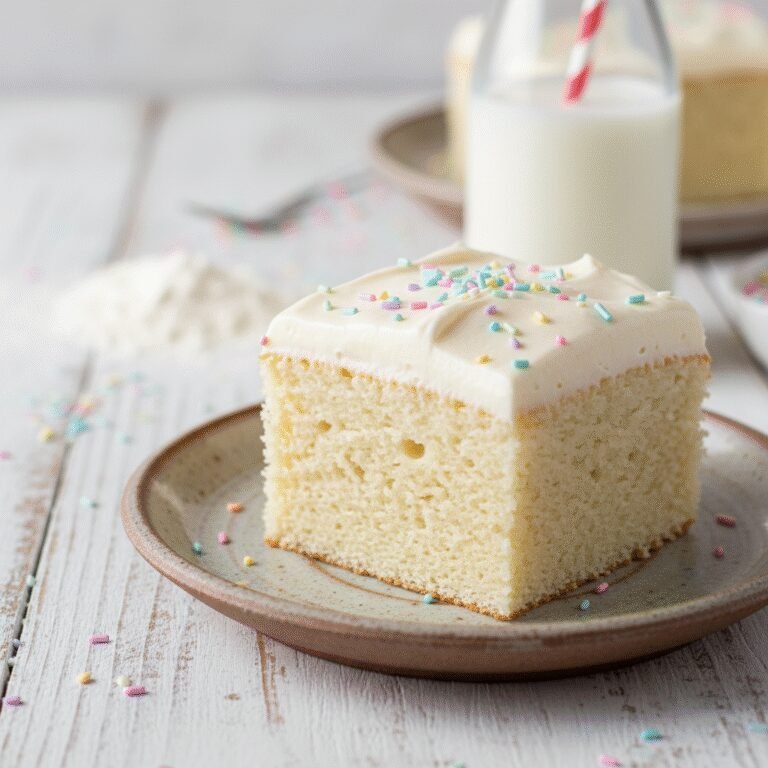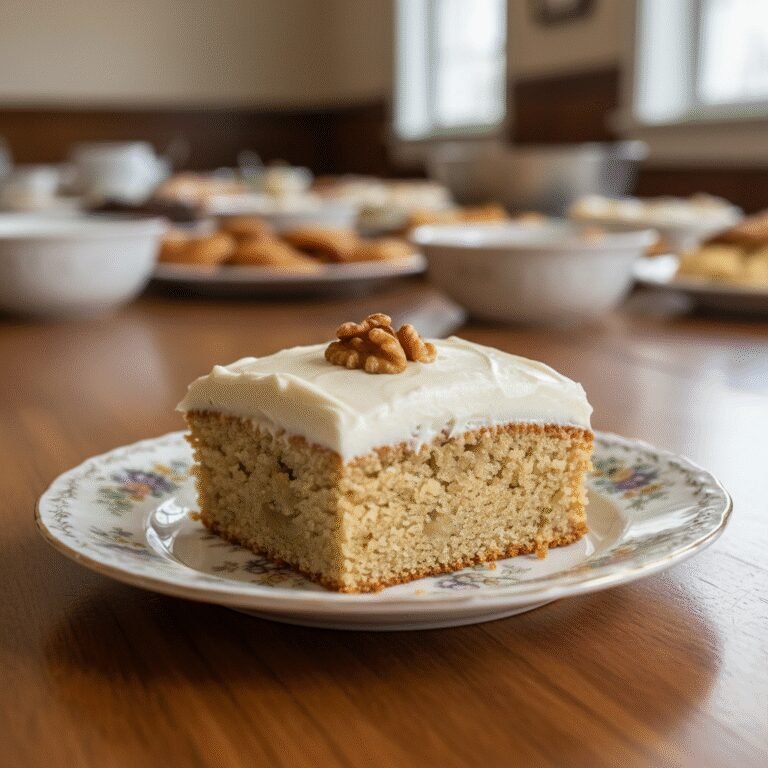
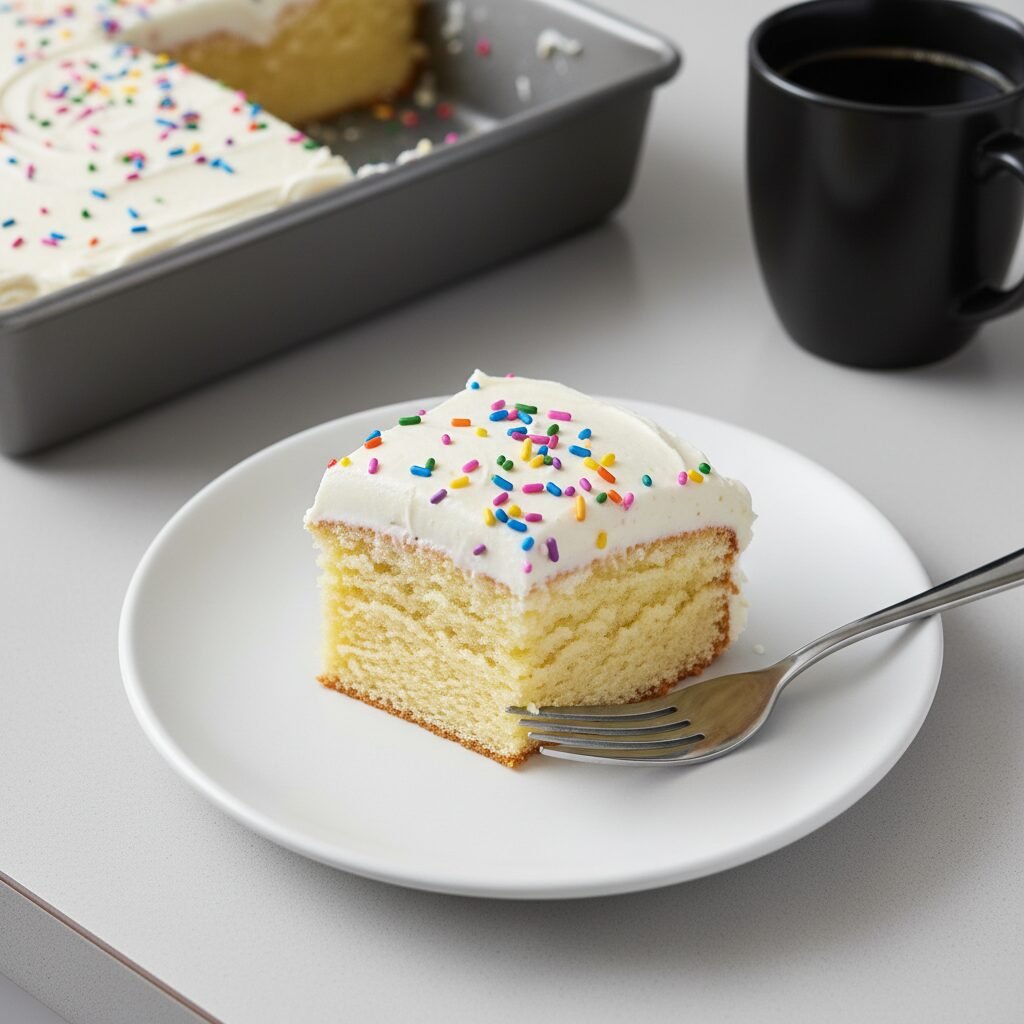
The Ultimate Moist Vanilla Sheet Cake for Office Parties: A Crowd-Pleasing Classic
Moist Vanilla Sheet Cake For Office Party Recipe
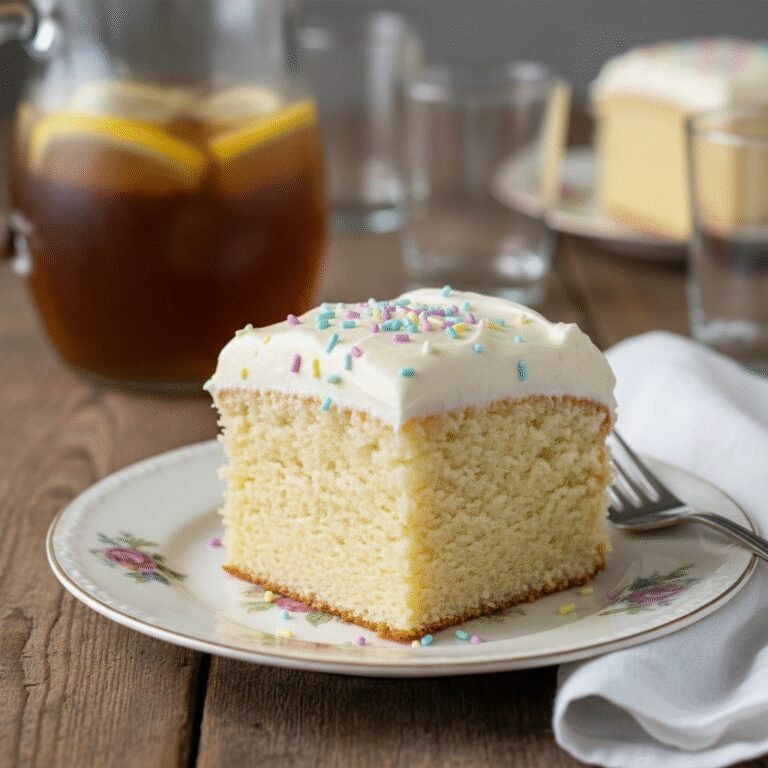
Be the hero of the breakroom with this impossibly moist vanilla sheet cake. Designed specifically for feeding a crowd, this recipe combines the nostalgic flavor of a classic yellow cake with a sturdy, transportable crumb and a velvety buttercream that will have your coworkers begging for the recipe.
25 minutes
35 minutes
1 hour 30 minutes (includes cooling)
20 servings
Dessert
Baking
American
Vegetarian
There is a specific kind of culinary magic that happens when you bring a homemade dessert into the workplace. The fluorescent lights seem to dim, the hum of the printer fades into the background, and for a brief moment, the team is united by the universal language of sugar and butter. However, not all cakes are created equal, especially when it comes to the logistical challenges of an office party. We have all been there: the dry, lackluster grocery store sheet cake that leaves a waxy film on the roof of your mouth, or the ambitious layer cake that slides apart during the morning commute. This recipe for the Ultimate Moist Vanilla Sheet Cake is the antidote to those office party woes. It is engineered to be robust enough to survive the drive to work yet delicate enough to melt in your mouth.
This isn’t just a cake; it’s a morale booster in a 9×13 pan. The flavor profile is deeply nostalgic, echoing the boxed mixes of our childhood but elevated with real vanilla bean paste, tangy sour cream, and high-quality butter. The crumb is tight and tender, preventing it from crumbling onto keyboards, while the frosting is a whipped dream of American buttercream that crusts perfectly for transport. Whether you are celebrating a colleague’s birthday, a retirement, or just the fact that it is Friday, this vanilla sheet cake is the reliable, delicious, and visually stunning centerpiece your office party deserves. We are ditching the dry crumbs and embracing a cake that stays moist for days, ensuring that even the folks who are out of the office on the big day can enjoy a fresh-tasting slice when they return.
History & Origins
The sheet cake is a distinctly American baking phenomenon, rising to prominence in the mid-20th century alongside the suburban boom and the explosion of convenience cooking. While cake baking has centuries of European lineage, the concept of a single-layer cake baked in a rectangular pan—specifically the iconic 9×13 inch metal pan—is a testament to American practicality and ingenuity. In the 1950s, as aluminum became cheaper and more widely available, the 9×13 pan became a staple in every household, perfectly sized for family gatherings, church potlucks, and community socials. It was the era of the ‘social cake,’ a dessert meant to be sliced into squares and served directly from the vessel in which it was baked.
Unlike the delicate, high-maintenance layer cakes of the Victorian era or the intricate tortes of Europe, the sheet cake was democratic and accessible. It didn’t require advanced piping skills or precarious stacking. The ‘Texas Sheet Cake,’ typically chocolate, is perhaps the most famous iteration, known for its pour-over icing. However, the vanilla sheet cake has always held its own as a versatile canvas for celebrations. In the context of office culture, the sheet cake became the standard for efficiency. As workplaces expanded in the 1980s and 90s, the need for a dessert that could feed twenty people without requiring a waiter to slice it became apparent. This recipe honors that history of communal eating. It taps into the tradition of the ‘potluck hero,’ refining the mid-century methods with modern understanding of food chemistry to create a cake that honors its humble roots while delivering a bakery-quality experience.
Why This Recipe Works
The science behind this vanilla sheet cake focuses entirely on moisture retention and structural integrity, two qualities often at odds in baking. Most standard butter cakes rely solely on butter for fat, which provides flavor but can lead to a dry texture once the cake cools, as butter solidifies at room temperature. This recipe utilizes a ‘hybrid fat’ method, employing both unsalted butter and neutral oil. The butter offers that classic, rich dairy flavor we crave, while the oil remains liquid at room temperature, coating the flour proteins and ensuring the cake stays soft and moist for days—perfect for an office environment where the cake might sit out for hours.
Furthermore, we incorporate sour cream into the batter. The acidity in the sour cream does two things: it tenderizes the gluten strands to prevent toughness, and it activates the baking soda for a superior rise. We also use a method often called ‘reverse creaming’ or a modified two-stage method, where the dry ingredients are coated with the fat before the liquids are added. This limits gluten development, resulting in a velvety, plush texture rather than a bready one. Finally, the ratio of sugar to flour is kept high; sugar is hygroscopic, meaning it attracts and holds water. By optimizing this ratio, we ensure the moisture is locked into the crumb, preventing the dreaded ‘stale breakroom cake’ syndrome.
Why You’ll Love This Recipe
- ✓Stays moist for up to 4 days thanks to the oil-butter blend.
- ✓Sturdy enough to transport without sliding or cracking.
- ✓Feeds a large crowd (12-20 people) easily.
- ✓Perfectly flat surface for easy decorating or writing messages.
- ✓Nostalgic vanilla flavor that appeals to picky eaters.
Equipment You’ll Need
- ✓9×13 inch baking pan (metal preferred)
- ✓Stand mixer or electric hand mixer
- ✓Large mixing bowls
- ✓Rubber spatula
- ✓Whisk
- ✓Measuring cups and spoons
- ✓Offset spatula for frosting
- ✓Wire cooling rack
Ingredients
- ✓2 1/2 cups All-Purpose Flour
- ✓2 cups Granulated Sugar
- ✓2 1/2 tsp Baking Powder
- ✓1/2 tsp Baking Soda
- ✓1 tsp Salt
- ✓3/4 cup Unsalted Butter, room temperature
- ✓1/2 cup Vegetable Oil (or Canola)
- ✓3 large Eggs, room temperature
- ✓2 large Egg Yolks, room temperature
- ✓1 tbsp Pure Vanilla Extract
- ✓1 cup Full-Fat Sour Cream, room temperature
- ✓1/2 cup Whole Milk, room temperature
- ✓For the Frosting: 1 1/2 cups Unsalted Butter (softened)
- ✓For the Frosting: 5-6 cups Powdered Sugar
- ✓For the Frosting: 1/4 cup Heavy Cream
- ✓For the Frosting: 2 tsp Vanilla Bean Paste or Extract
- ✓For the Frosting: Pinch of salt
Instructions
- Preheat your oven to 350°F (175°C). Grease a 9×13 inch baking pan generously with butter or non-stick spray and line the bottom with parchment paper for easy removal.
- In a medium bowl, whisk together the flour, baking powder, baking soda, and salt. Set aside.
- In the bowl of a stand mixer fitted with the paddle attachment, beat the room temperature butter, oil, and granulated sugar on medium-high speed for about 5 minutes. The mixture should look pale, fluffy, and almost white.
- Reduce the mixer speed to medium-low. Add the eggs and egg yolks one at a time, beating well after each addition and scraping down the sides of the bowl. Stir in the vanilla extract.
- In a separate small bowl or jug, whisk together the sour cream and whole milk until smooth.
- Reduce mixer speed to low. Add one-third of the dry ingredients to the butter mixture, followed by half of the sour cream mixture. Repeat, ending with the dry ingredients. Mix only until just combined and no streaks of flour remain. Do not overmix.
- Pour the batter into the prepared pan and use an offset spatula to smooth the top evenly.
- Bake for 30-38 minutes, or until a toothpick inserted into the center comes out clean or with just a few moist crumbs. The top should be golden brown and spring back slightly when pressed.
- Remove from the oven and place the pan on a wire rack. Allow the cake to cool completely in the pan before frosting. This is crucial to prevent the frosting from melting.
- While the cake cools, make the frosting. Beat the softened butter on medium-high speed for 5 minutes until incredibly pale and creamy.
- Add the powdered sugar one cup at a time, mixing on low speed until incorporated. Add the heavy cream, vanilla, and salt. Increase speed to high and whip for 3-4 minutes until fluffy and spreadable.
- Once the cake is cool, spread the frosting generously over the top. Add sprinkles immediately if using.
- Slice into squares and serve, or cover with a lid/plastic wrap for transport.
Expert Cooking Tips
- ✓Room temperature ingredients are non-negotiable; cold eggs or dairy will curdle the batter and result in a dense cake.
- ✓Weigh your flour if possible (approx 120g per cup) to avoid a dry cake.
- ✓Use vanilla bean paste in the frosting for those beautiful black specks that signal ‘homemade.’
- ✓Don’t open the oven door before the 25-minute mark to prevent the center from sinking.
- ✓If using a glass pan, reduce oven temperature by 25°F as glass conducts heat differently.
- ✓Beat the frosting longer than you think; the extra air makes it melt-in-your-mouth good.
Substitutions and Variations
Baking is chemistry, but there is some room for flexibility in this recipe. If you do not have sour cream, full-fat Greek yogurt is an excellent 1:1 substitute that provides similar acidity and fat content. Buttermilk can also be used, though the batter will be slightly thinner; if using buttermilk, omit the whole milk and use 1.5 cups of buttermilk total. For the oil, any neutral oil works, such as canola, vegetable, or grapeseed oil; melted coconut oil can be used but may impart a slight coconut flavor. If you need to make this gluten-free, a high-quality ‘cup-for-cup’ gluten-free flour blend usually works well, though the texture may be slightly more crumbly. For the frosting, if you find American buttercream too sweet, you can substitute it with a Swiss Meringue Buttercream or a Cream Cheese frosting, though the latter requires refrigeration which might be tricky for an all-day office event.
Common Mistakes to Avoid
The most common mistake with sheet cakes is over-baking. Because the surface area is large, the edges can dry out before the center is done. Start checking the cake 5 minutes before the recipe says to. Another major error is over-mixing the batter once the flour is added. Over-mixing develops gluten, turning your tender cake into a chewy bread-like texture; always mix on low and stop as soon as the flour disappears. Using cold ingredients is another culprit for failure; if your butter or eggs are cold, they won’t emulsify properly, leading to a heavy, greasy crumb. Finally, do not try to frost a warm cake. It requires patience, but if the cake possesses any heat, the butter in the frosting will slide right off, creating a messy, greasy puddle.
Serving Suggestions
For an office party, presentation and ease of service are key. Slice the cake into even squares before you leave the house or right when you arrive; a 9×13 pan typically yields 20 generous squares or 24 smaller ones. You can garnish each square with a single fresh raspberry or a mint leaf for a touch of elegance. If it is a birthday, distinct, colorful sprinkles are a must. Serve alongside coffee or cold milk. If you want to elevate the experience, bring a bottle of caramel sauce or a bowl of fresh macerated strawberries on the side so colleagues can customize their slices. For a festive holiday twist, crush peppermint candies over the top or use seasonal colored sprinkles.
Storage and Reheating Tips
This cake is a champion of storage, which is why it is perfect for office environments. Because of the oil and sour cream, it stays moist at room temperature for up to 4 days. Keep it covered tightly with a lid or plastic wrap to prevent air exposure. If you have used a cream cheese frosting instead of the buttercream listed, you must refrigerate the cake, but be sure to let it come to room temperature before serving for the best texture. You can also freeze individual slices. Wrap them tightly in plastic wrap and then foil; they will keep for up to 3 months in the freezer. Thaw on the counter for an hour before eating—a perfect secret stash for those stressful workdays.
Nutrition Facts (Estimated)
| Serving Size | 1 slice |
| Calories | 420 |
| Fat | 22g |
| Saturated Fat | 10g |
| Unsaturated Fat | 11g |
| Trans Fat | 0g |
| Cholesterol | 65mg |
| Sodium | 210mg |
| Carbohydrates | 54g |
| Fiber | 0.5g |
| Sugar | 35g |
| Protein | 4g |
Frequently Asked Questions
Can I make this cake the day before the party?
Absolutely. In fact, the flavor often improves and the crumb softens even more after sitting overnight. Just ensure it is covered airtight.
Why do I need both butter and oil?
Butter provides the delicious flavor, while oil provides superior moisture and keeps the cake soft even when cool. It is the best of both worlds.
Can I use salted butter?
Yes, you can. If you use salted butter, reduce the added salt in the recipe to 1/2 teaspoon to avoid a salty aftertaste.
How do I transport this without ruining the frosting?
If you have a baking pan with a snap-on lid, that is ideal. If not, stick a few toothpicks into the cake to tent the plastic wrap so it doesn’t touch the frosting.
Can I double this recipe?
Yes, but you will need a larger pan (like a half-sheet pan) or two 9×13 pans. Baking time will decrease significantly for a thinner layer in a half-sheet pan.
My cake sank in the middle. Why?
This usually happens if the oven door was opened too early, releasing heat, or if there was too much leavening (baking powder/soda). Ensure your oven temperature is accurate.
Can I add nuts or chocolate chips?
Yes! Toss 1 cup of nuts or chips in a tablespoon of flour (to prevent sinking) and fold them in at the very end.
Is this recipe suitable for cupcakes?
Yes, this batter makes excellent cupcakes. Bake them for 18-22 minutes at 350°F. It should yield about 24-30 cupcakes.
Conclusion
Bringing food to the office is an act of care, a way to break up the monotony of the work week and share a moment of joy with your team. This Moist Vanilla Sheet Cake is more than just a recipe; it is a reliable tool in your social arsenal. With its tender crumb, rich vanilla flavor, and foolproof preparation, it is guaranteed to disappear from the breakroom table in record time. So, preheat your oven, grab that 9×13 pan, and get ready to receive the highest compliment a coworker can give: ‘Can you email me this recipe?’ Happy baking!