The Ultimate Moist Vanilla Pound Cake with Silky Vanilla Glaze
Moist Vanilla Pound Cake With Vanilla Glaze Recipe
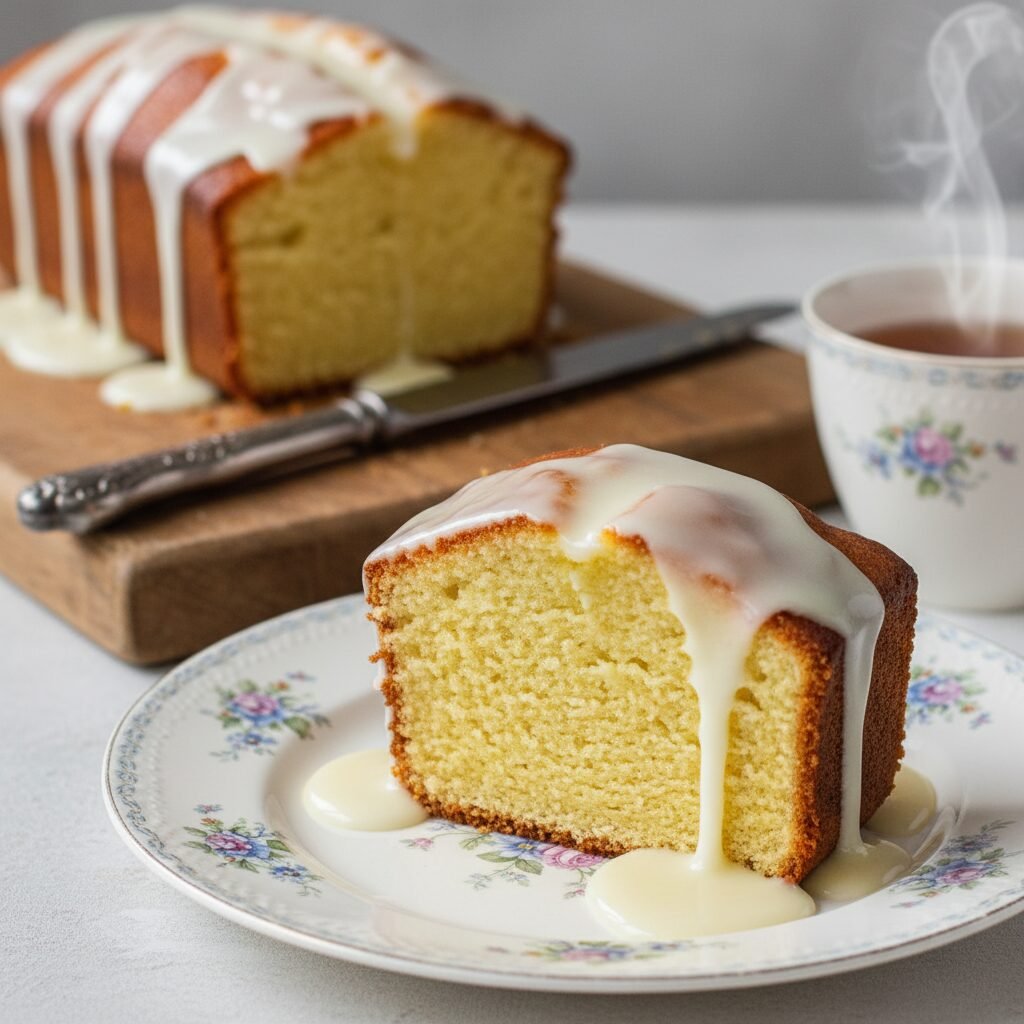
Experience the perfect balance of dense, velvety crumb and rich buttery flavor with this fool-proof vanilla pound cake recipe. Topped with a luscious, milky vanilla glaze that sets to a delicate crackle, this is the only pound cake recipe you will ever need.
20 minutes
60 minutes
1 hour 30 minutes
1 Loaf (10-12 servings)
Dessert
Baking
American
Vegetarian
There is something undeniably comforting about a classic vanilla pound cake. It doesn’t rely on flashy decorations or complex flavor combinations; instead, it stands proudly on the merit of its texture and the purity of its ingredients. This Moist Vanilla Pound Cake with Vanilla Glaze is the result of years of testing to find that elusive sweet spot between a dense, traditional pound cake and a moist, tender crumb that melts in your mouth. Unlike many dry, lackluster cakes that require a beverage to wash them down, this recipe promises a buttery richness that stays moist for days.
The secret lies in the meticulous balance of fat and sugar, combined with the addition of sour cream, which ensures the cake remains tender without becoming heavy. The aroma that fills your kitchen while this bakes—notes of caramelized sugar, warm butter, and floral vanilla—is enough to gather the whole family. We finish it off with a simple yet elegant vanilla glaze. This glaze isn’t just for looks; it adds an extra layer of sweetness and locks in the moisture as it sets. Whether you are serving this at a sophisticated afternoon tea, bringing it to a potluck, or simply enjoying a slice with your morning coffee, this cake delivers a nostalgic, bakery-quality experience right from your home oven. It is a blank canvas for toppings like fresh berries or whipped cream, but honestly, it is absolute perfection all on its own.
History & Origins
The history of the pound cake is as rich and dense as the cake itself. Dating back to the early 1700s in Northern Europe, the original recipe was incredibly simple—and incredibly heavy. It called for exactly one pound of each of four ingredients: flour, butter, eggs, and sugar. This 1:1:1:1 ratio made it easy for bakers to remember the recipe in an era when literacy was lower and standardized measuring cups didn’t exist. In France, a similar cake is known as ‘quatre-quarts’, meaning ‘four quarters’, referencing the equal weight of the ingredients.
As the recipe migrated to the United States, specifically the South, it became a staple of American baking. Over the centuries, bakers began to tweak the formula to create a lighter, more palatable texture. Leavening agents like baking soda and baking powder were introduced in the 19th century, allowing the cake to rise higher and have a softer crumb. Liquids like milk, buttermilk, or sour cream were added to adjust the moisture content. While today’s ‘pound cake’ rarely contains a literal pound of each ingredient, the name endures as a testament to its buttery, substantial roots. It remains a symbol of traditional hospitality and home baking, proving that the simplest recipes often have the most enduring legacies.
Why This Recipe Works
This recipe succeeds where others fail because it respects the science of emulsion while incorporating modern ingredients for texture optimization. First, we rely on the ‘creaming method’, beating the butter and sugar until pale and fluffy. This incorporates microscopic air bubbles into the batter, which expand during baking to provide lift. Many recipes stop there, but we take it a step further by using room-temperature eggs added one at a time. This prevents the butter from seizing and breaking the emulsion, ensuring a smooth, uniform batter that rises evenly.
The true game-changer in this recipe, however, is the inclusion of full-fat sour cream. The acidity in the sour cream tenderizes the gluten strands in the flour, preventing the cake from becoming tough or rubbery. Furthermore, the extra fat content contributes to that luxurious, velvety mouthfeel that distinguishes a great pound cake from a good one. We also use a mix of granulated sugar for structure and a hint of brown sugar (optional, but recommended) or just high-quality vanilla extract to deepen the flavor profile. Finally, the glaze is applied after the cake has cooled slightly but is still warm enough to let some syrup seep into the crust, creating a seamless bond between the topping and the cake.
Why You’ll Love This Recipe
- ✓Incredibly moist and dense crumb texture.
- ✓Rich, buttery flavor enhanced with double vanilla.
- ✓Stays fresh for days due to the sour cream content.
- ✓Simple pantry ingredients with no complex techniques.
- ✓Versatile base that pairs with fruit, chocolate, or nuts.
- ✓The glaze adds a beautiful, professional finish.
Equipment You’ll Need
- ✓9×5 inch Loaf Pan
- ✓Stand Mixer or Electric Hand Mixer
- ✓Large Mixing Bowl
- ✓Rubber Spatula
- ✓Wire Cooling Rack
- ✓Whisk
- ✓Parchment Paper
Ingredients
- ✓1 1/2 cups All-Purpose Flour (spooned and leveled)
- ✓1 tsp Baking Powder
- ✓1/2 tsp Salt
- ✓1 cup Unsalted Butter, softened to room temperature
- ✓1 cup Granulated White Sugar
- ✓4 Large Eggs, room temperature
- ✓2 tsp Pure Vanilla Extract
- ✓1/2 cup Full-Fat Sour Cream, room temperature
- ✓1 cup Powdered Sugar (for glaze)
- ✓2 tbsp Whole Milk or Heavy Cream (for glaze)
- ✓1/2 tsp Vanilla Extract (for glaze)
Instructions
- Preheat your oven to 350°F (175°C). Grease a 9×5 inch loaf pan generously with butter or non-stick spray and line it with parchment paper, leaving an overhang on the sides for easy removal.
- In a medium bowl, whisk together the flour, baking powder, and salt until well combined. Set aside.
- In the bowl of a stand mixer fitted with the paddle attachment (or a large bowl using a hand mixer), beat the softened butter and granulated sugar on medium-high speed for about 3-5 minutes. The mixture should look pale, fluffy, and aerated.
- Reduce the mixer speed to medium. Add the eggs one at a time, beating well after each addition. Scrape down the sides and bottom of the bowl with a rubber spatula to ensure everything is incorporated.
- Mix in the 2 teaspoons of vanilla extract and the sour cream until just combined.
- Turn the mixer to low speed. Gradually add the dry ingredients to the wet ingredients. Mix only until the flour streaks disappear. Do not overmix, or the cake will be tough.
- Pour the batter into the prepared loaf pan and smooth the top with a spatula. Tap the pan on the counter a few times to release any large air bubbles.
- Bake for 55-65 minutes. The cake is done when a toothpick inserted into the center comes out clean or with just a few moist crumbs attached. The top should be golden brown and cracked.
- Remove from the oven and let the cake cool in the pan for 15-20 minutes. Then, use the parchment paper handles to lift it out onto a wire rack to cool completely.
- While the cake cools, make the glaze. Whisk together the powdered sugar, milk (or cream), and 1/2 teaspoon vanilla extract in a small bowl until smooth. Adjust consistency with more milk or sugar if needed.
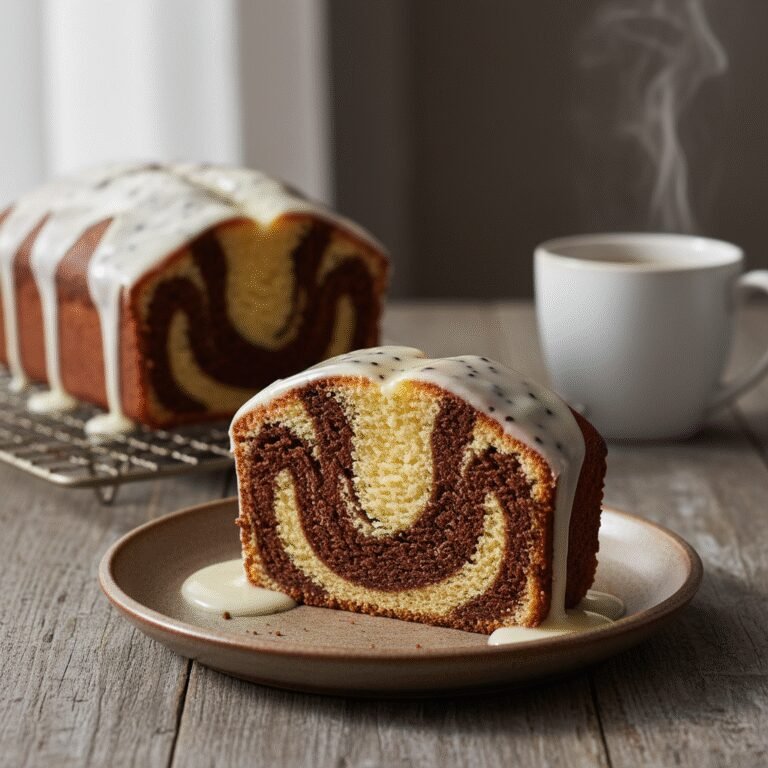
- Once the cake is cool, drizzle the glaze generously over the top, allowing it to drip down the sides. Let the glaze set for 10 minutes before slicing.
Expert Cooking Tips
- ✓Room temperature ingredients are non-negotiable; cold eggs or butter will break the batter emulsion.
- ✓Measure flour correctly by spooning it into the cup and leveling it off, rather than scooping directly.
- ✓Do not open the oven door before the 45-minute mark to prevent the cake from sinking.
- ✓If the top is browning too quickly, tent the loaf pan loosely with aluminum foil halfway through baking.
- ✓Beat the butter and sugar long enough; this aeration is crucial for the cake’s lift.
- ✓Use high-quality vanilla extract or vanilla bean paste for the best flavor profile.
- ✓Let the cake cool completely before glazing, otherwise, the glaze will melt and run off completely.
Substitutions and Variations
If you do not have sour cream on hand, full-fat Greek yogurt is an excellent substitute that provides a similar tang and moisture content. You can also use buttermilk, though the batter may be slightly thinner. For the flour, cake flour can be used for an even lighter crumb, but increase the amount by 2 tablespoons per cup. If you need to make this gluten-free, a high-quality 1:1 gluten-free baking flour blend usually works well, though the texture may be slightly less dense. Salted butter can be used in place of unsalted; just omit the additional salt listed in the dry ingredients. For a citrus twist, add lemon or orange zest to the sugar before creaming.
Common Mistakes to Avoid
The most common mistake with pound cake is overmixing the batter after adding the flour. This develops the gluten too much, leading to a tough, bread-like texture rather than a tender cake. Another frequent error is using cold ingredients. If your butter is too cold, it won’t cream properly with the sugar; if your eggs are cold, they will curdle the butter mixture. Baking at the wrong temperature is also a culprit; ensure your oven is calibrated, as an oven running too hot will burn the outside before the inside is cooked. Finally, slicing the cake while it is still too hot can cause it to crumble and fall apart; patience is key.
Serving Suggestions
This pound cake is incredibly versatile. Serve thick slices on their own with a cup of hot coffee or tea for breakfast. For a dessert presentation, top a slice with macerated strawberries and a dollop of freshly whipped cream to make a simple strawberry shortcake. It also pairs beautifully with a scoop of vanilla bean ice cream and a drizzle of warm caramel sauce. In the summer, grilled pound cake is a treat—brush slices with a little melted butter and grill for a minute on each side, then top with peaches and honey.
Storage and Reheating Tips
Store leftover pound cake in an airtight container at room temperature for up to 3-4 days. The glaze helps seal in moisture, keeping it fresh. If you live in a very hot or humid climate, you may want to refrigerate it, but bring it to room temperature before eating for the best texture. This cake freezes beautifully. To freeze, wrap the unglazed cake (or individual slices) tightly in plastic wrap, then a layer of aluminum foil. It can be frozen for up to 3 months. Thaw overnight on the counter before glazing and serving.
Nutrition Facts (Estimated)
| Serving Size | 1 slice |
| Calories | 380 |
| Fat | 18g |
| Saturated Fat | 11g |
| Unsaturated Fat | 6g |
| Trans Fat | 0.5g |
| Cholesterol | 85mg |
| Sodium | 180mg |
| Carbohydrates | 52g |
| Fiber | 0.5g |
| Sugar | 28g |
| Protein | 4g |
Frequently Asked Questions
Why is my pound cake dry?
Dryness is usually caused by overbaking or measuring the flour incorrectly (packing it into the cup). Ensure you check the cake a few minutes before the timer goes off and use the spoon-and-level method for flour.
Can I bake this in a Bundt pan?
Yes, but you will need to double the recipe for a standard 10-12 cup Bundt pan. The baking time will also increase to approximately 70-85 minutes.
Why did my cake sink in the middle?
Sinking often happens if the oven door was opened too early, releasing heat, or if the cake was underbaked. It can also result from over-leavening (too much baking powder).
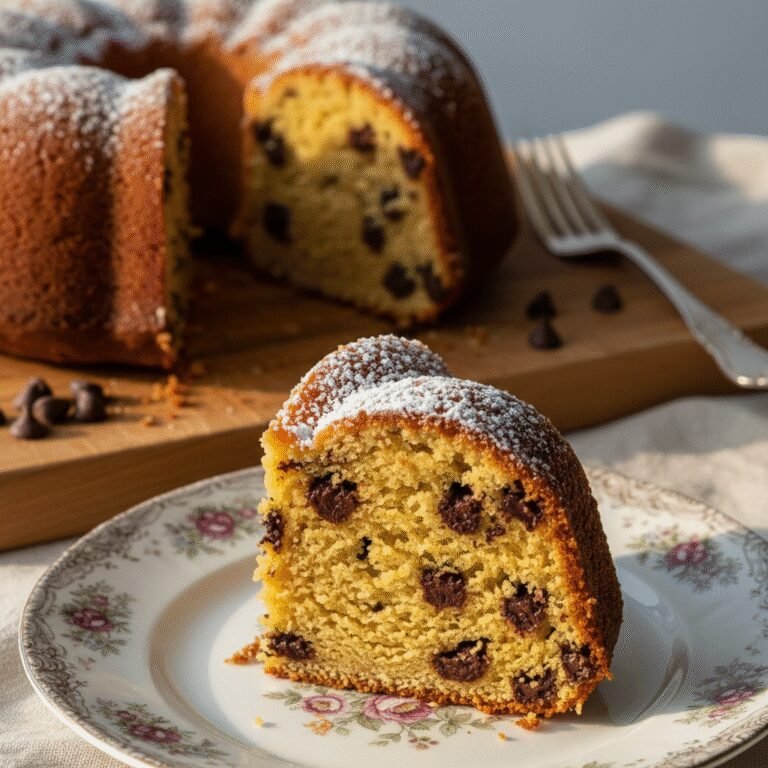
Can I add mix-ins like chocolate chips or nuts?
Absolutely. You can fold in up to 1 cup of nuts, chocolate chips, or dried fruit. Toss them in a tablespoon of flour before adding to prevent them from sinking to the bottom.
How do I quickly bring eggs to room temperature?
Place the cold eggs in a bowl of warm (not hot) water for about 5-10 minutes.
Can I use margarine instead of butter?
It is not recommended. Pound cake relies heavily on the flavor and structure provided by real butter. Margarine has a higher water content and different fat structure which can alter the texture.
Why does the top crack?
A crack down the center is actually a signature characteristic of a classic pound cake! The batter on the outside sets first, and as the batter in the center rises, it bursts through the crust.
Can I make this recipe ahead of time?
Yes, pound cake often tastes even better the next day as the flavors have time to meld. Just keep it wrapped tightly to prevent drying out.
Conclusion
Mastering the art of the vanilla pound cake is a milestone for any home baker. This recipe offers a reliable, delicious path to that achievement, yielding a cake that is both humble in appearance and luxurious in taste. Whether you are baking for a special occasion or just need a slice of comfort on a rainy day, this Moist Vanilla Pound Cake with Vanilla Glaze is sure to become a cherished favorite in your recipe box. Don’t forget to share your results and tag us on social media—we love seeing your beautiful creations!