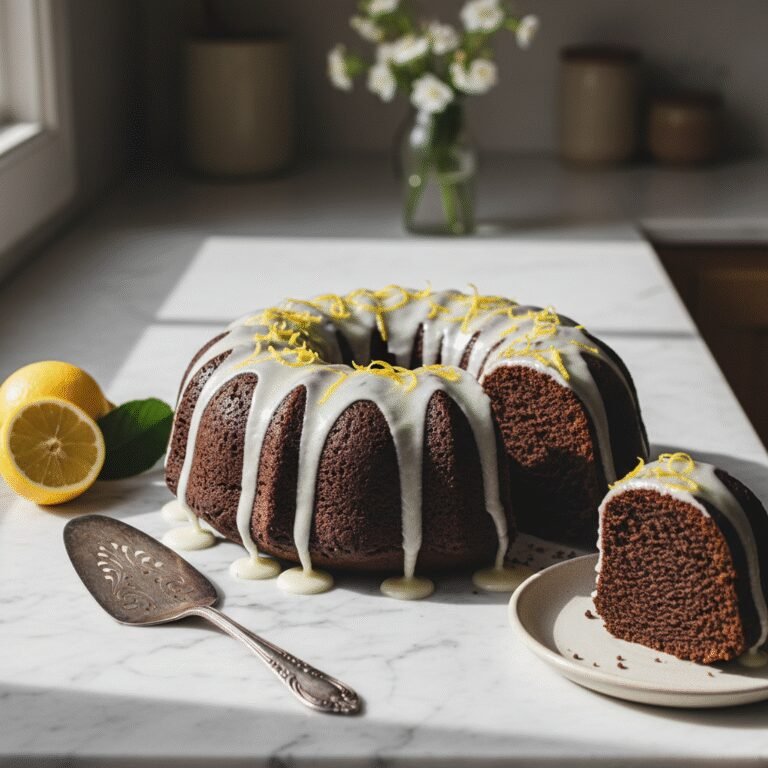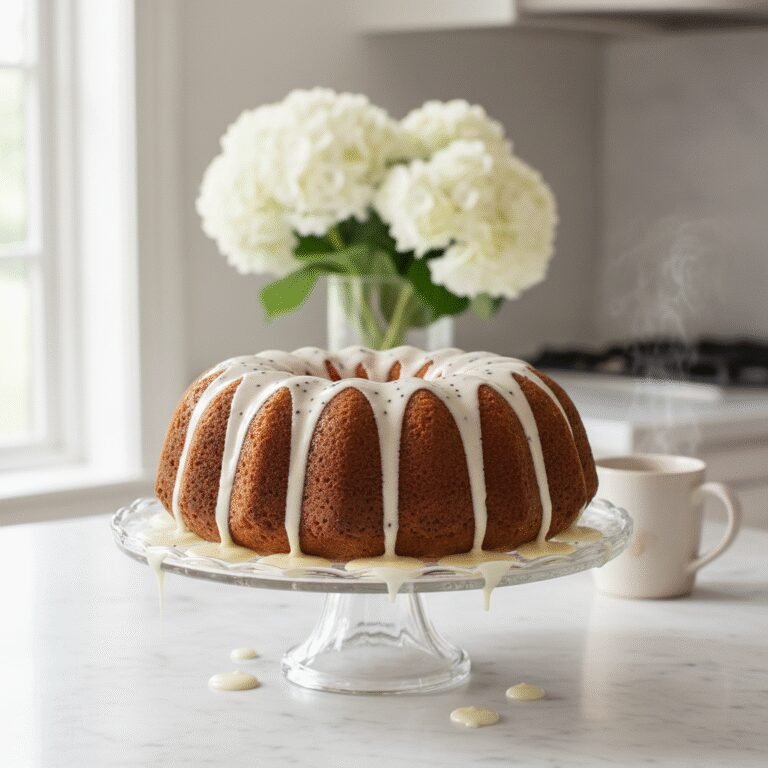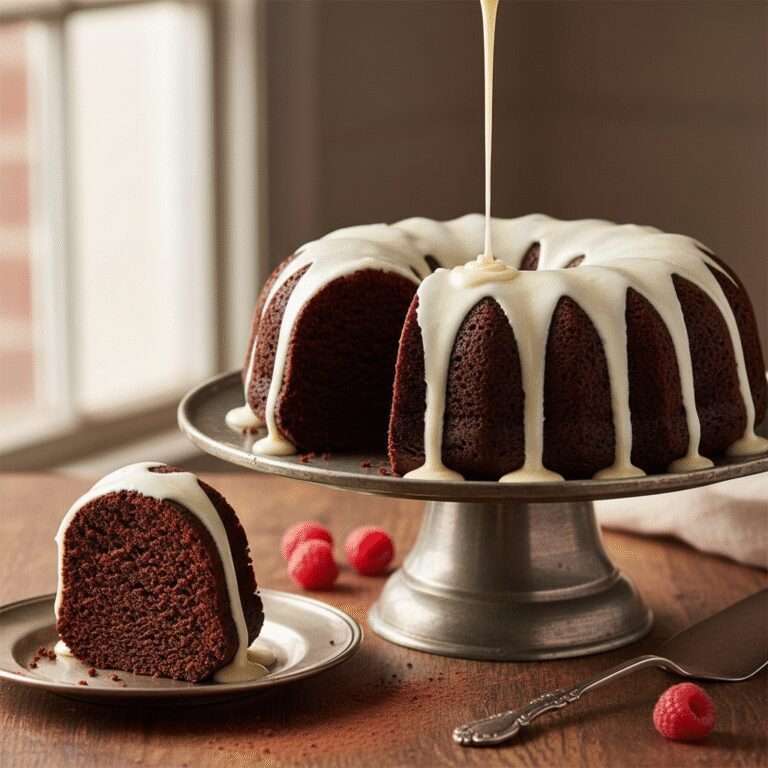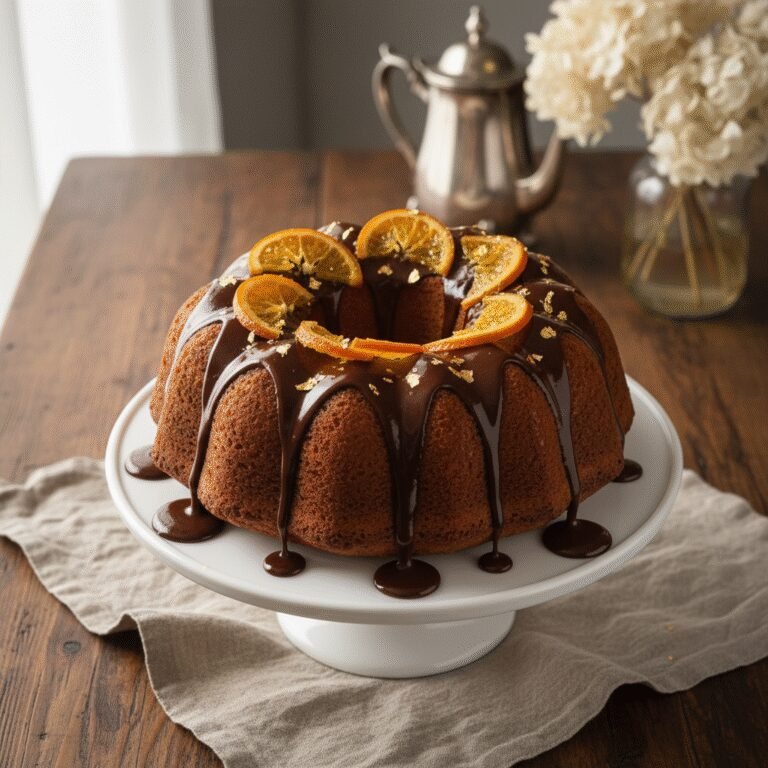
The Ultimate Moist Vanilla Bundt Cake with Rich Vanilla Bean Glaze
Moist Vanilla Bundt Cake With Vanilla Glaze Recipe
Discover the secret to the most tender, melt-in-your-mouth vanilla bundt cake you will ever taste. Infused with pure vanilla bean paste and topped with a glossy, sweet glaze, this recipe transforms simple pantry staples into an elegant showstopper perfect for any celebration.
20 minutes
55 minutes
1 hour 15 minutes
12-14 servings
Dessert
Baking
American
Vegetarian
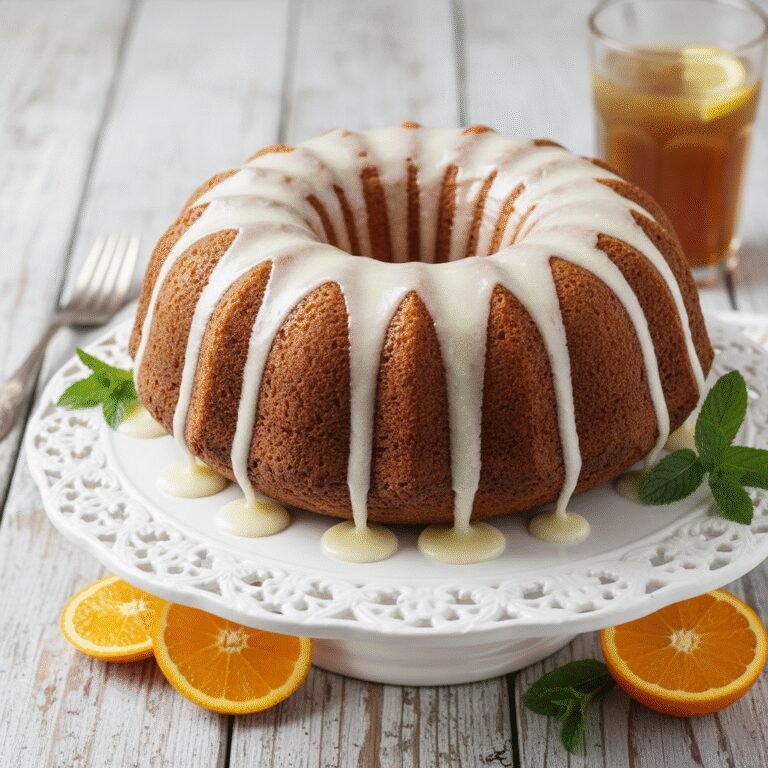
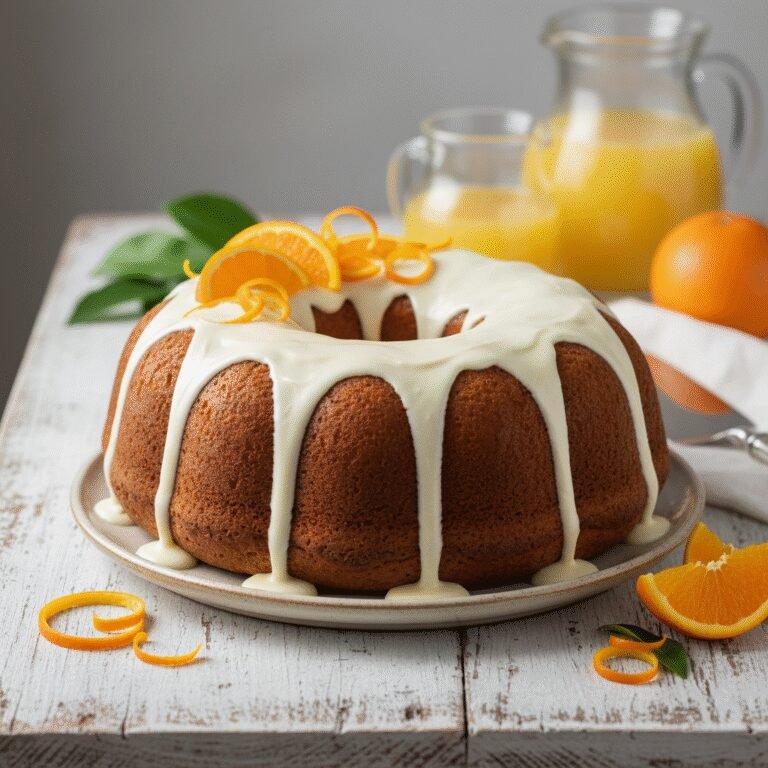
Vanilla is often unfairly characterized as ‘plain’ or ‘boring,’ but when treated with respect and high-quality ingredients, it becomes one of the most complex and comforting flavors in the baking world. This Moist Vanilla Bundt Cake is a love letter to that aromatic complexity. Unlike a standard sponge cake, a bundt cake offers a unique eating experience; the fluted edges create more surface area for a golden, slightly crisp crust that encases a dense, velvety interior. This recipe has been meticulously tested to achieve that elusive balance between a heavy pound cake and a light butter cake.
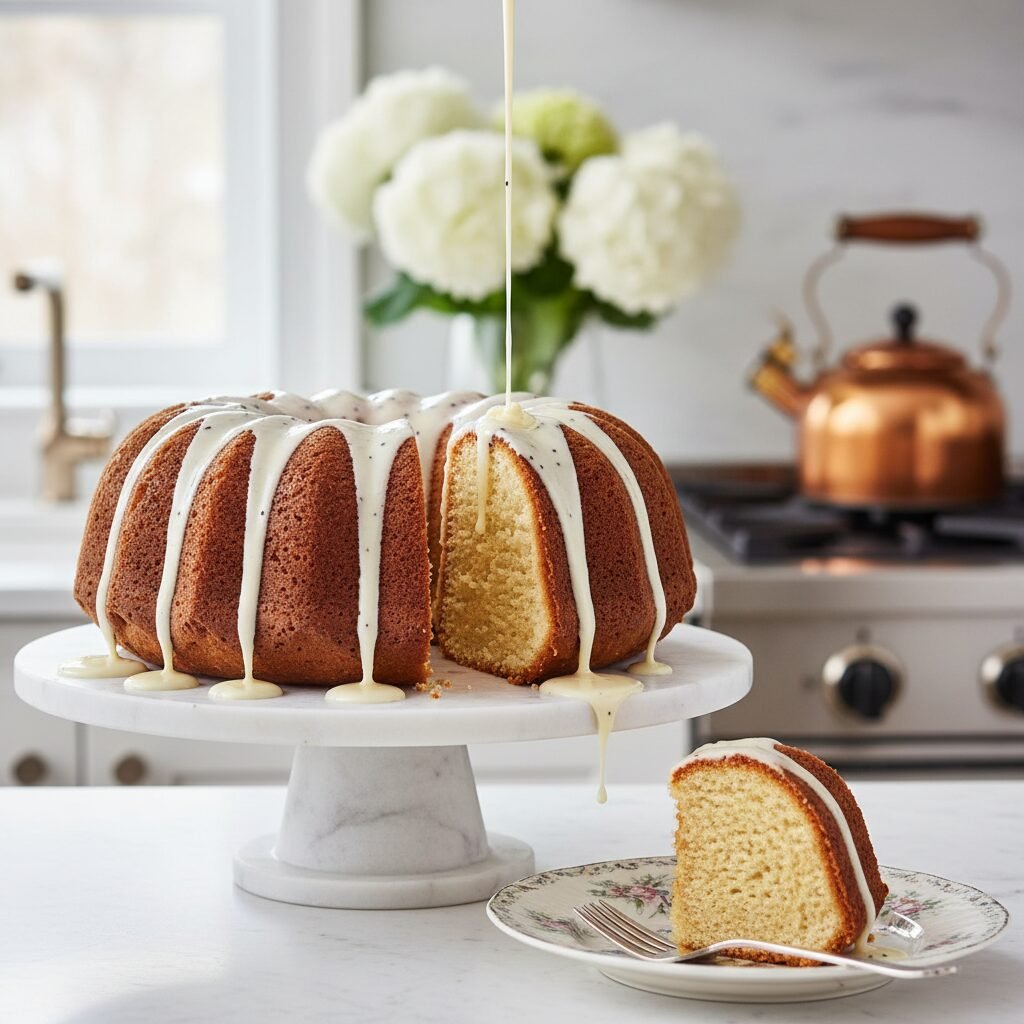
The magic lies in the crumb—it is incredibly tight yet remarkably tender, dissolving on the tongue with a rich, buttery finish. We utilize a combination of butter and oil to ensure the cake remains soft for days, while the addition of full-fat sour cream provides a tangy depth that cuts through the sweetness. As the cake bakes, your kitchen will be filled with the intoxicating scent of warm sugar and floral vanilla. But the experience doesn’t end when the timer goes off. The crowning glory is the thick, opaque vanilla bean glaze that cascades down the ridges of the cake, settling into every nook and cranny. It sets into a delicate shell that provides a textural contrast to the soft crumb beneath. Whether you are serving this for a Sunday brunch, a birthday party, or simply as a comforting treat with your afternoon coffee, this cake promises to be the star of the table. It is nostalgic yet sophisticated, simple yet impressive—the veritable ‘little black dress’ of desserts.
History & Origins
The iconic shape of the Bundt cake is deeply rooted in European history, specifically deriving from a traditional brioche-like cake called ‘Gugelhupf’ or ‘Kugelhopf,’ which was popular in Germany, Austria, and Alsace. These cakes were baked in ceramic or metal pans with a central tube, designed to allow heat to penetrate the center of the dense dough more evenly. However, the ‘Bundt’ as we know it in America is a relatively modern invention, inextricably linked to the story of H. David Dalquist and his company, Nordic Ware.
In 1950, a group of women from the Minneapolis chapter of the Hadassah Society approached Dalquist, asking him to recreate the heavy cast-iron Kugelhopf pans they remembered from their homelands. Dalquist obliged, casting a lighter version in aluminum and trademarking the name ‘Bundt.’ For over a decade, the pans sold poorly, gathering dust in hardware stores. The turning point came in 1966 during the prestigious Pillsbury Bake-Off. A contestant named Ella Helfrich used a Nordic Ware pan to create her ‘Tunnel of Fudge’ cake. Although she placed second, her recipe captivated the nation. It was a viral moment before the internet existed; Pillsbury received over 200,000 requests for the pan, sending Nordic Ware into round-the-clock production. Since then, the Bundt pan has become a staple in American kitchens, evolving from a niche ethnic cookware item to a symbol of home baking and hospitality. This vanilla version pays homage to that history by focusing on the pure, unadulterated flavor of the cake itself, allowing the beautiful architecture of the pan to take center stage.
Why This Recipe Works
This recipe succeeds where many others fail—dryness—by employing a specific balance of fats and liquid dairy. Many bundt cakes rely solely on butter for flavor, which is excellent, but butter is about 18-20% water. When that water evaporates during the long bake time required for a bundt, the cake can become dry. By substituting a portion of the butter with neutral vegetable oil, which is 100% fat, we ensure the cake retains superior moisture and stays soft even after cooling. Oil coats the flour proteins better than butter, inhibiting gluten formation and resulting in a more tender crumb.
Furthermore, the inclusion of room-temperature sour cream is scientifically crucial. The acidity in the sour cream tenderizes the gluten strands and reacts with the baking soda to create carbon dioxide, giving the cake a gentle lift and a fine, velvety texture. We also use a ‘reverse creaming’ adjacent method where we ensure the dry ingredients are thoroughly sifted and the wet ingredients are emulsified before combining, preventing the batter from breaking. Finally, the glaze is designed to be thick enough to cling to the ridges rather than running straight off; using heavy cream instead of milk in the glaze adds a richness and viscosity that creates that picture-perfect drip.
Why You’ll Love This Recipe
- ✓Stays moist for up to 4 days thanks to the sour cream and oil blend.
- ✓Uses vanilla bean paste for visible specks of vanilla and intense flavor.
- ✓The glaze sets perfectly without becoming brittle or cracking.
- ✓Requires standard pantry ingredients with no complex techniques.
- ✓The dense, velvety crumb is perfect for dipping in coffee or tea.
Equipment You’ll Need
- ✓10-12 cup Bundt pan
- ✓Stand mixer or electric hand mixer
- ✓Large mixing bowl
- ✓Medium mixing bowl
- ✓Whisk
- ✓Rubber spatula
- ✓Cooling rack
- ✓Measuring cups and spoons
Ingredients
- ✓3 cups All-Purpose Flour (spooned and leveled)
- ✓1 teaspoon Baking Powder
- ✓1/2 teaspoon Baking Soda
- ✓1 teaspoon Sea Salt
- ✓1 cup Unsalted Butter, softened to room temperature
- ✓1/4 cup Vegetable Oil (or Canola Oil)
- ✓2 cups Granulated Sugar
- ✓4 Large Eggs, room temperature
- ✓1 tablespoon Vanilla Bean Paste (or high-quality extract)
- ✓1 cup Full-Fat Sour Cream, room temperature
- ✓2 cups Powdered Sugar (for glaze)
- ✓3-4 tablespoons Heavy Cream (for glaze)
- ✓1 teaspoon Vanilla Extract (for glaze)
- ✓Pinch of salt (for glaze)
Instructions
- 1. Preheat your oven to 350°F (175°C). Thoroughly grease your Bundt pan with baking spray containing flour, or grease with butter and dust with flour, tapping out the excess. This is the most critical step to ensure release.
- 2. In a medium bowl, whisk together the flour, baking powder, baking soda, and salt until well combined. Set aside.
- 3. In the bowl of a stand mixer fitted with the paddle attachment (or a large bowl with a hand mixer), beat the softened butter, vegetable oil, and granulated sugar on medium-high speed for 5-7 minutes. The mixture should look pale, fluffy, and aerated.
- 4. Add the eggs one at a time, beating well after each addition and scraping down the sides of the bowl. Mix in the vanilla bean paste.
- 5. Reduce the mixer speed to low. Add half of the flour mixture and mix until just combined. Add the full cup of sour cream and mix briefly. Then, add the remaining flour mixture.
- 6. Mix on low speed until the flour just disappears. Do not overmix. Use a spatula to give the batter a final fold by hand, ensuring no flour pockets remain at the bottom.
- 7. Pour the batter into the prepared Bundt pan and smooth the top with a spatula. Tap the pan firmly on the counter 2-3 times to release any large air bubbles.
- 8. Bake for 50-60 minutes, or until a wooden skewer inserted into the deepest part of the cake comes out clean or with a few moist crumbs attached.
- 9. Remove from the oven and let the cake cool in the pan for exactly 10 minutes. Then, invert the pan onto a wire cooling rack to release the cake. Let it cool completely before glazing.
- 10. To make the glaze, whisk the powdered sugar, heavy cream, vanilla extract, and a pinch of salt in a small bowl until smooth and thick. If it’s too thick, add more cream 1 teaspoon at a time.
- 11. Drizzle the glaze over the completely cooled cake, allowing it to drip down the sides naturally. Let the glaze set for 15 minutes before slicing.
Expert Cooking Tips
- ✓Room temperature ingredients are non-negotiable; cold eggs or dairy will curdle the batter.
- ✓Grease every nook of the pan immediately before filling it, not way in advance, to prevent the oil from sliding down.
- ✓Weigh your flour if possible (approx 120g per cup) or use the spoon-and-level method to avoid a dense cake.
- ✓Don’t open the oven door before the 45-minute mark, as the draft can cause the cake to collapse.
- ✓If the top of the cake is browning too quickly before the center is done, tent it loosely with aluminum foil.
- ✓Use a wooden skewer rather than a metal tester; the wood grips the moist crumbs better for an accurate test.
- ✓Letting the cake cool in the pan for exactly 10 minutes is the sweet spot; too hot and it breaks, too cold and it sticks.
Substitutions and Variations
If you do not have sour cream, full-fat Greek yogurt is an excellent 1:1 substitute that provides a similar tang and moisture content. In a pinch, you can make a buttermilk substitute by adding a tablespoon of lemon juice to a cup of whole milk, though the texture may be slightly less rich. For the fat, while we recommend unsalted butter to control sodium, salted butter can be used; just reduce the added salt in the recipe to 1/2 teaspoon. If you prefer not to use vegetable oil, melted coconut oil works well, though it may impart a slight coconut flavor. For the flour, cake flour can be used for an even lighter crumb, but increase the amount by 2 tablespoons per cup. Gluten-free 1-to-1 baking flour blends generally work well in this recipe, though the cake may not rise quite as high. For the glaze, milk or half-and-half can replace heavy cream, but the glaze will be more translucent.
Common Mistakes to Avoid
The most frequent tragedy with Bundt cakes is the cake sticking to the pan. This often happens because the pan wasn’t greased thoroughly enough or was greased with just butter, which contains milk solids that act like glue. Always use a baking spray with flour or shortening dusted with flour. Another common mistake is overmixing the batter once the flour is added. This develops the gluten too much, resulting in a rubbery, tough cake rather than a tender one. Additionally, slicing the cake while it is still warm is tempting but disastrous; the crumb structure needs to set as it cools, otherwise, the slices will crumble and fall apart. Finally, using old baking powder or soda can result in a dense, flat cake, so always check expiration dates.
Serving Suggestions
This cake is stunning on its own, but it pairs beautifully with fresh berries—strawberries, raspberries, or blueberries—which add a tart contrast to the sweet glaze. A dollop of freshly whipped cream or a scoop of vanilla bean ice cream turns a slice into a decadent dessert course. For a brunch setting, serve slices alongside a strong espresso or a cup of Earl Grey tea; the bergamot in the tea complements the vanilla notes perfectly. In the autumn, you can garnish the cake with edible gold leaf or candied pecans for a festive look.
Storage and Reheating Tips
This cake stores exceptionally well due to the oil content. Keep it in an airtight cake dome or container at room temperature for up to 4 days. Refrigeration can actually dry out the cake faster, so it is best avoided unless your kitchen is extremely hot and humid. If you want to freeze the cake, you can do so either whole or in slices. Wrap the unglazed cake tightly in plastic wrap, followed by a layer of aluminum foil, and freeze for up to 3 months. Thaw overnight on the counter before glazing and serving. If freezing slices, place parchment paper between them to prevent sticking.
Nutrition Facts (Estimated)
| Serving Size | 1 slice |
| Calories | 420 |
| Fat | 22g |
| Saturated Fat | 12g |
| Unsaturated Fat | 9g |
| Trans Fat | 0g |
| Cholesterol | 85mg |
| Sodium | 210mg |
| Carbohydrates | 54g |
| Fiber | 1g |
| Sugar | 32g |
| Protein | 5g |
Frequently Asked Questions
Why did my Bundt cake stick to the pan?
Sticking usually occurs due to insufficient greasing or greasing with plain butter. The milk solids in butter can act as an adhesive. Use a dedicated baking spray with flour, or thoroughly coat with shortening and dust with flour.
Can I make this cake ahead of time?
Yes, this cake actually tastes better the next day as the flavors have time to meld and the moisture distributes evenly. Bake it the day before you plan to serve it and glaze it on the day of serving.
Why is my cake dense and heavy?
This is likely due to over-measuring the flour or overmixing the batter. Always spoon and level your flour into the measuring cup rather than scooping directly from the bag.
Can I use a different extract flavor?
Absolutely! Almond extract creates a lovely ‘wedding cake’ flavor, while lemon or orange extract adds a bright, citrusy note that pairs well with the vanilla base.
How do I know when the cake is truly done?
Visual cues include the cake pulling away slightly from the sides of the pan. A skewer inserted near the center tube should come out clean or with just a few moist crumbs, never wet batter.
My glaze is too runny, how do I fix it?
Simply add more powdered sugar, a tablespoon at a time, whisking constantly until you reach the desired consistency. If it’s too thick, add tiny drops of cream.
Do I have to use a Bundt pan?
Ideally, yes, as the batter volume and density are calculated for a tube pan. If you use two 9-inch round pans or a 9×13 pan, you will need to significantly reduce the baking time to about 30-35 minutes.
Can I add mix-ins like chocolate chips?
Yes, you can fold in about 1 cup of chocolate chips or nuts. Toss them in a tablespoon of flour before adding to the batter to prevent them from sinking to the bottom.
Conclusion
There is something profoundly satisfying about pulling a perfect Bundt cake out of the oven. It feels like a triumph of home baking—simple, honest, and undeniably delicious. This Moist Vanilla Bundt Cake is more than just a recipe; it’s a reliable companion for life’s sweet moments. Whether you’re an experienced baker or trying your first Bundt, the combination of the tender, aromatic crumb and the sweet, creamy glaze is guaranteed to bring a smile to anyone’s face. So, preheat your oven, grease that pan well, and get ready to enjoy the ultimate vanilla experience. Happy baking!