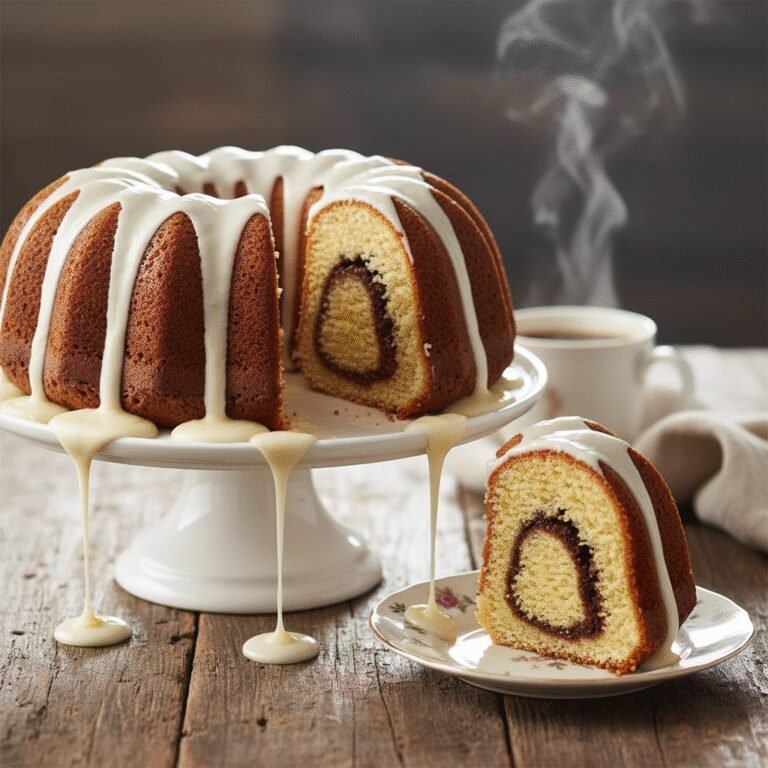
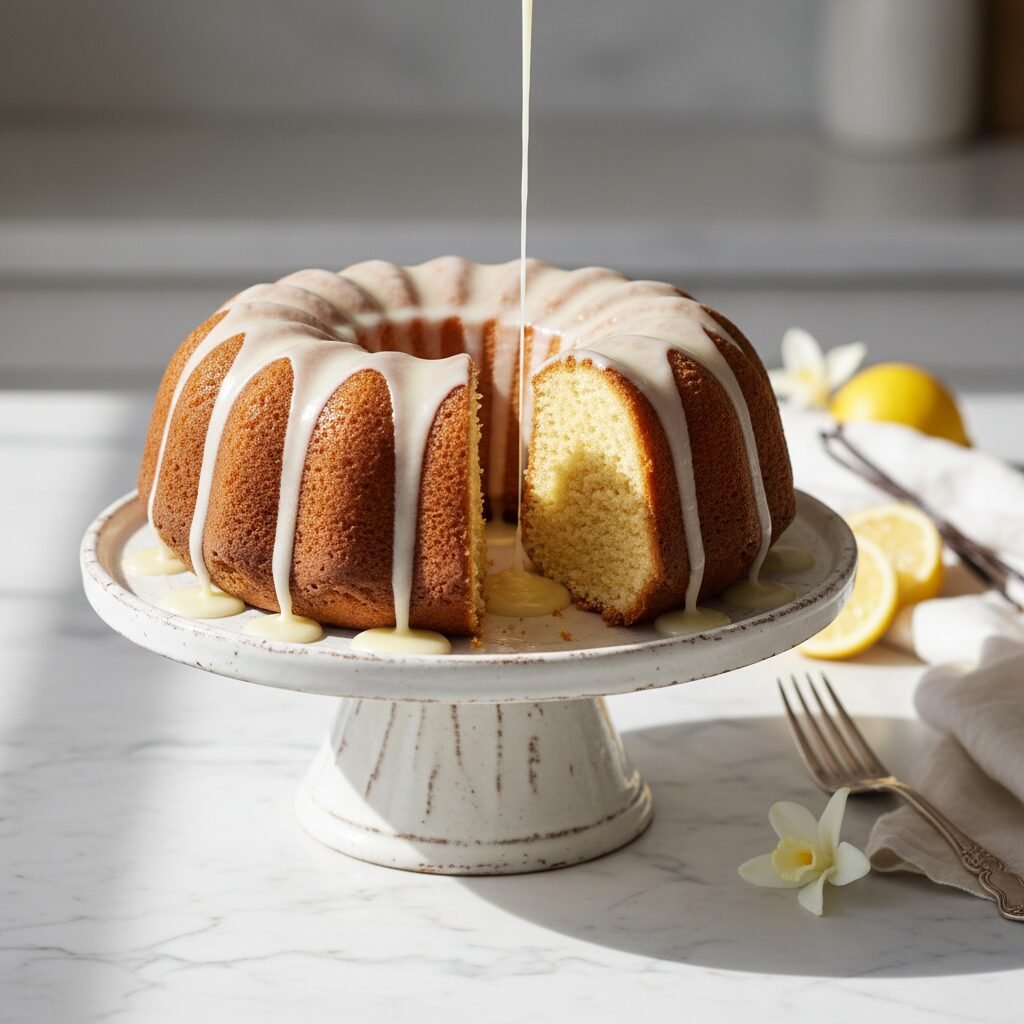
The Ultimate Moist Vanilla Bundt Cake With Zesty Lemon Glaze
Moist Vanilla Bundt Cake With Lemon Glaze Recipe
Experience the perfect balance of a dense, velvety crumb and bright citrus notes with this fail-proof vanilla bundt cake recipe. Topped with a silky lemon glaze, this dessert is an elegant showstopper that requires minimal effort but delivers maximum flavor.
20 minutes
55 minutes
1 hour 30 minutes
12-14 servings
Dessert
Baking
American
Vegetarian
There is something undeniably elegant about a bundt cake. Unlike its layered cousins that require meticulous stacking and frosting skills, the bundt cake relies on the architectural beauty of the pan and the integrity of the crumb itself. This Moist Vanilla Bundt Cake with Lemon Glaze is the epitome of comfort baking meets sophisticated presentation. It is the kind of recipe that fills your kitchen with the intoxicating aroma of warm vanilla and butter, promising a slice of pure happiness. What sets this particular recipe apart is its incredible texture. We are moving away from dry, airy sponges and embracing a tighter, moist crumb that melts in your mouth, reminiscent of a high-quality pound cake but with a lighter tenderness. The vanilla flavor is robust, not an afterthought, achieved by using both vanilla bean paste and pure extract. But the real magic happens when the richness of the buttery cake meets the sharp, sweet acidity of the lemon glaze. It cuts through the density, providing a refreshing finish that makes it impossible to stop at just one slice. Whether you are hosting a bridal shower, looking for the perfect Sunday brunch addition, or simply craving a sweet treat to pair with your afternoon coffee, this cake delivers on all fronts. It is sturdy enough to travel well, stays moist for days, and looks professionally made with nothing more than a simple pour of glaze.
History & Origins
The iconic shape of the bundt cake is deeply rooted in European baking traditions, specifically derived from the ‘Gugelhupf,’ a yeast-based cake popular in Germany, Austria, and Alsace. The word ‘Bundt’ is widely believed to be a derivative of the German word ‘Bund,’ which can mean a gathering or alliance, fitting for a cake designed to be shared among friends. However, the bundt cake as we know it in America has a distinct mid-century modern origin story. In 1950, H. David Dalquist, the founder of Nordic Ware, was approached by a group of Jewish women from the Hadassah Society in Minneapolis. They wanted a modern version of the ceramic Gugelhupf molds used by their mothers in the old country. Dalquist cast the first aluminum pan, trademarking the name ‘Bundt’ by adding a ‘t’ to the end. For over a decade, the pan sold poorly, languishing in obscurity until the 1966 Pillsbury Bake-Off. A contestant named Ella Helfrich won second place with her ‘Tunnel of Fudge’ cake, baked in a Nordic Ware Bundt pan. Overnight, the pan became a sensation, appearing in kitchens across the United States. Since then, the bundt cake has evolved from heavy, dense fruit cakes and gelatin molds to sophisticated, flavorful desserts like this vanilla bean iteration. It represents a shift in American baking culture toward accessible elegance—desserts that look intricate due to the mold but are actually quite simple to execute.
Why This Recipe Works
This recipe succeeds where many others fail because it meticulously balances the ratio of fat, sugar, and flour to ensure moisture without heaviness. The secret weapon here is sour cream. While milk adds liquid, sour cream adds fat and acidity. The acid in the sour cream tenderizes the gluten strands in the flour, resulting in a crumb that is soft rather than chewy. Furthermore, the high fat content ensures the cake remains moist for days after baking. We also utilize a ‘reverse creaming’ hybrid technique or ensure the butter is beaten with sugar for a full five minutes to incorporate maximum air, which is essential for lifting the heavy batter in a deep pan. We use cake flour instead of all-purpose flour; the lower protein content in cake flour prevents the development of tough gluten, ensuring that velvety texture we desire. Finally, the glaze is not just sugar and water; it uses fresh lemon juice and zest. Applying the glaze while the cake is slightly warm allows a portion of it to seep into the crust, infusing the outer layer with citrus flavor while leaving a beautiful, semi-translucent drip on the outside.
Why You’ll Love This Recipe
- ✓Stays moist for up to 4 days at room temperature.
- ✓No advanced decorating skills required; the pan does the work.
- ✓Perfect balance of sweet vanilla and tart lemon.
- ✓Freezes beautifully for make-ahead meal prep.
- ✓Uses pantry staple ingredients.
- ✓Dense, pound-cake-like texture that doesn’t crumble.
Equipment You’ll Need
- ✓10-12 cup Bundt pan
- ✓Stand mixer or electric hand mixer
- ✓Large mixing bowl
- ✓Medium mixing bowl
- ✓Whisk
- ✓Rubber spatula
- ✓Cooling rack
- ✓Zester/Microplane
- ✓Measuring cups and spoons
Ingredients
- ✓3 cups Cake flour, sifted
- ✓1 tsp Baking powder
- ✓1/2 tsp Baking soda
- ✓1 tsp Fine sea salt
- ✓1 cup Unsalted butter, softened to room temperature
- ✓2 cups Granulated sugar
- ✓4 large Eggs, room temperature
- ✓1 tbsp Vanilla bean paste (or high-quality extract)
- ✓1 cup Full-fat sour cream, room temperature
- ✓2 cups Powdered sugar, sifted (for glaze)
- ✓3-4 tbsp Fresh lemon juice (for glaze)
- ✓1 tbsp Lemon zest (for glaze)
- ✓1 tbsp Unsalted butter, melted (for glaze)
Instructions
- Preheat your oven to 350°F (175°C). Thoroughly grease your Bundt pan with butter or non-stick baking spray, ensuring every crevice is coated. Dust with flour and tap out the excess. This is the most critical step to prevent sticking.
- In a medium bowl, whisk together the sifted cake flour, baking powder, baking soda, and salt. Set aside.
- In the bowl of a stand mixer fitted with the paddle attachment, cream the softened butter and granulated sugar on medium-high speed for 5-7 minutes. The mixture should look pale, fluffy, and aerated.
- Reduce the mixer speed to medium-low. Add the eggs one at a time, mixing well after each addition and scraping down the sides of the bowl. Beat in the vanilla bean paste.
- Reduce speed to low. Add one-third of the flour mixture, followed by half of the sour cream. Repeat with the second third of flour and the remaining sour cream, finishing with the final portion of flour. Mix only until just combined to avoid overworking the gluten.
- Give the batter a final stir by hand with a spatula to ensure no flour pockets remain at the bottom. Pour the batter into the prepared pan and smooth the top. Tap the pan firmly on the counter 3 times to release air bubbles.
- Bake for 50-60 minutes, or until a skewer inserted into the thickest part of the cake comes out clean or with just a few moist crumbs.
- Remove from the oven and let the cake cool in the pan for exactly 10 minutes. Then, invert the cake onto a wire cooling rack to cool completely.
- While the cake cools, make the glaze. Whisk together the powdered sugar, melted butter, lemon juice, and lemon zest until smooth. Adjust consistency with more juice or sugar if needed.
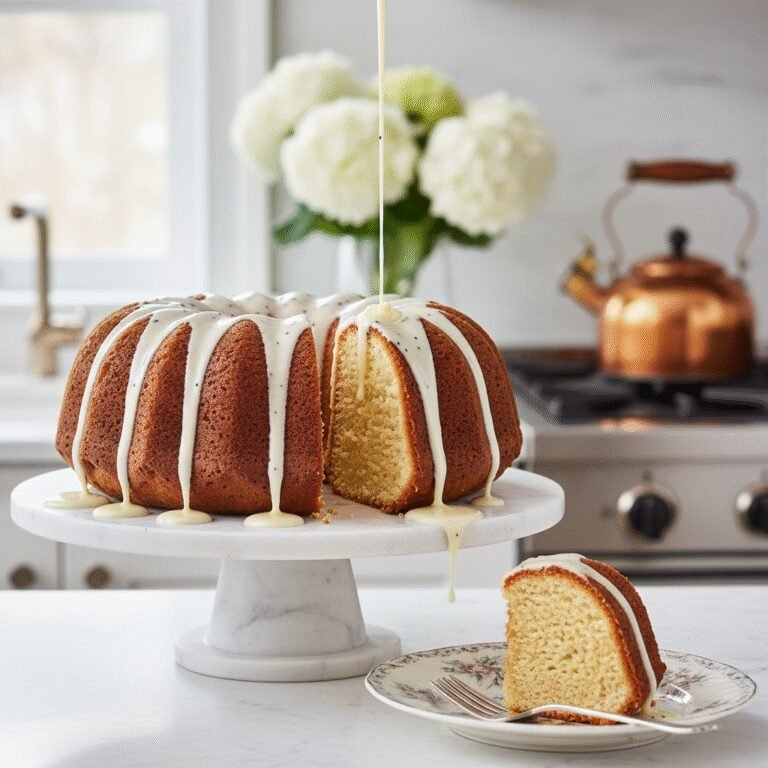
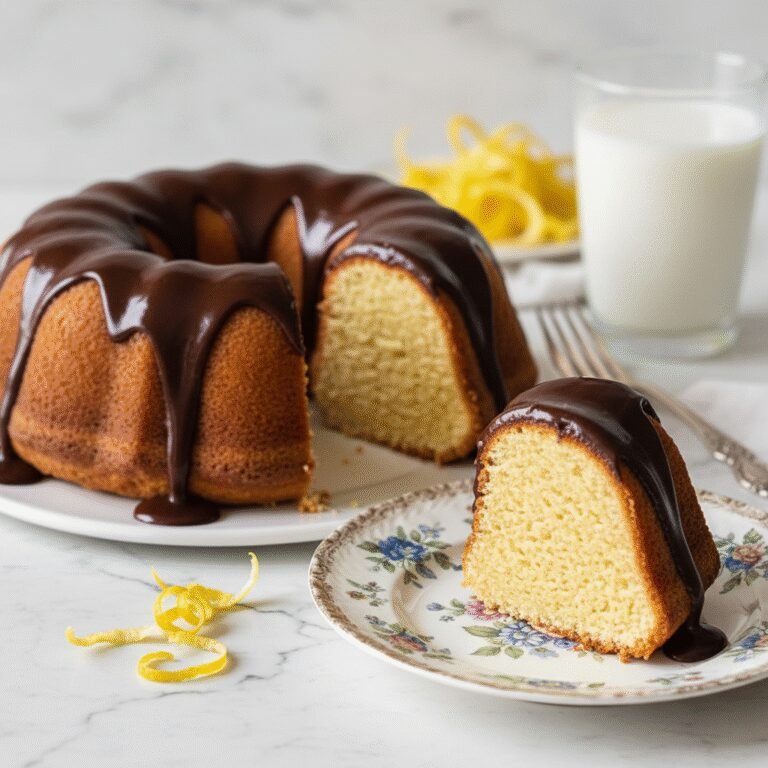
- Once the cake is cool (or slightly warm), pour the glaze over the top, letting it drip down the sides naturally. Let the glaze set for 15 minutes before slicing.
Expert Cooking Tips
- ✓Room temperature ingredients are non-negotiable; they emulsify better, creating a smoother batter and better rise.
- ✓Do not skimp on greasing the pan. Use a pastry brush to get into every groove.
- ✓Measure flour by weight or use the spoon-and-level method to avoid a dense, dry cake.
- ✓Cooling in the pan for exactly 10 minutes is the sweet spot; too soon and it breaks, too long and it steams and sticks.
- ✓Tap the pan on the counter before baking to remove large air bubbles that cause holes in the cake.
- ✓If the top of the cake browns too quickly while baking, tent it loosely with aluminum foil.
Substitutions and Variations
If you do not have cake flour, you can make a substitute by measuring 1 cup of all-purpose flour, removing 2 tablespoons, and replacing them with 2 tablespoons of cornstarch. Sift together twice. For the sour cream, full-fat Greek yogurt is an excellent 1:1 substitute that provides similar acidity and moisture. If you prefer a different citrus profile, orange or lime juice and zest work beautifully in place of lemon for the glaze. For a dairy-free version, use a high-quality plant-based butter stick and a thick coconut yogurt, though the texture may be slightly less rich. Vanilla extract can be used instead of paste, but the paste provides those beautiful speckles.
Common Mistakes to Avoid
The most heartbreaking mistake is the cake sticking to the pan. This usually happens because the pan wasn’t greased thoroughly or the cake cooled in the pan for too long. Another common error is overmixing the batter after adding the flour; this develops gluten and leads to a tough, rubbery cake rather than a tender one. Opening the oven door too early can cause the cake to collapse, so resist the urge to check until at least 45 minutes have passed. Finally, applying the glaze to a piping hot cake will cause it to melt right off and disappear; wait until it is warm or cool.
Serving Suggestions
This cake is stunning on its own, but it pairs wonderfully with a dollop of freshly whipped cream or a scoop of vanilla bean ice cream. Fresh berries, such as raspberries or blueberries, add a pop of color and tartness that complements the lemon glaze. Serve with a hot cup of dark roast coffee or Earl Grey tea to balance the sweetness. For a festive touch, garnish with candied lemon peel or edible flowers.
Storage and Reheating Tips
Store the cake in an airtight container at room temperature for up to 4 days. The glaze acts as a seal, keeping the moisture inside. If you live in a very hot or humid climate, you may refrigerate it, but bring it to room temperature before serving for the best texture. To freeze, wrap individual slices or the whole unglazed cake tightly in plastic wrap, followed by a layer of aluminum foil. It can be frozen for up to 3 months. Thaw overnight in the refrigerator or on the counter.
Nutrition Facts (Estimated)
| Serving Size | 1 slice |
| Calories | 420 |
| Fat | 22g |
| Saturated Fat | 13g |
| Unsaturated Fat | 8g |
| Trans Fat | 0g |
| Cholesterol | 85mg |
| Sodium | 180mg |
| Carbohydrates | 54g |
| Fiber | 1g |
| Sugar | 32g |
| Protein | 5g |
Frequently Asked Questions
Why did my bundt cake stick to the pan?
Sticking usually occurs due to insufficient greasing or leaving the cake in the pan too long after baking. As the sugar cools, it acts like glue. Invert the cake after 10 minutes of cooling.
Can I use all-purpose flour instead of cake flour?
Yes, but the texture will be slightly denser and more bread-like. Cake flour has less protein, yielding a tender, velvety crumb.
How do I know when the cake is done?
Insert a wooden skewer into the deepest part of the cake. It should come out clean or with a few moist crumbs attached. If it has wet batter, it needs more time.
Can I make this recipe in a regular cake pan?
Yes, you can divide the batter between two 9-inch round pans or a 9×13 rectangular pan. You will need to reduce the baking time to approximately 30-40 minutes.
Why is my glaze too runny?
You likely added too much lemon juice. Add more sifted powdered sugar a tablespoon at a time until you reach a thick, pourable consistency.
Can I add mix-ins like blueberries or chocolate chips?
Absolutely. Toss your mix-ins in a tablespoon of flour before folding them into the batter to prevent them from sinking to the bottom of the cake.
Why did my cake sink in the middle?
This can happen if the oven door was opened too early, the oven wasn’t hot enough, or there was too much leavening agent (baking powder/soda).
Is the lemon flavor strong?
The cake itself is primarily vanilla. The lemon flavor comes entirely from the glaze, providing a nice contrast without being overpowering.
Conclusion
Baking this Moist Vanilla Bundt Cake with Lemon Glaze is more than just following a recipe; it is about creating a moment of joy in your kitchen. The simplicity of the ingredients, combined with the stunning visual payoff of the bundt shape, makes this a recipe you will return to time and time again. Whether you are a novice baker looking for a foolproof win or a seasoned pro wanting a reliable classic, this cake promises satisfaction in every bite. So dust off that bundt pan, grab your lemons, and get ready to bake the most delicious, crowd-pleasing cake of the season.