The Ultimate Moist Vanilla Bundt Cake With Rich Chocolate Glaze
Moist Vanilla Bundt Cake With Chocolate Glaze Recipe
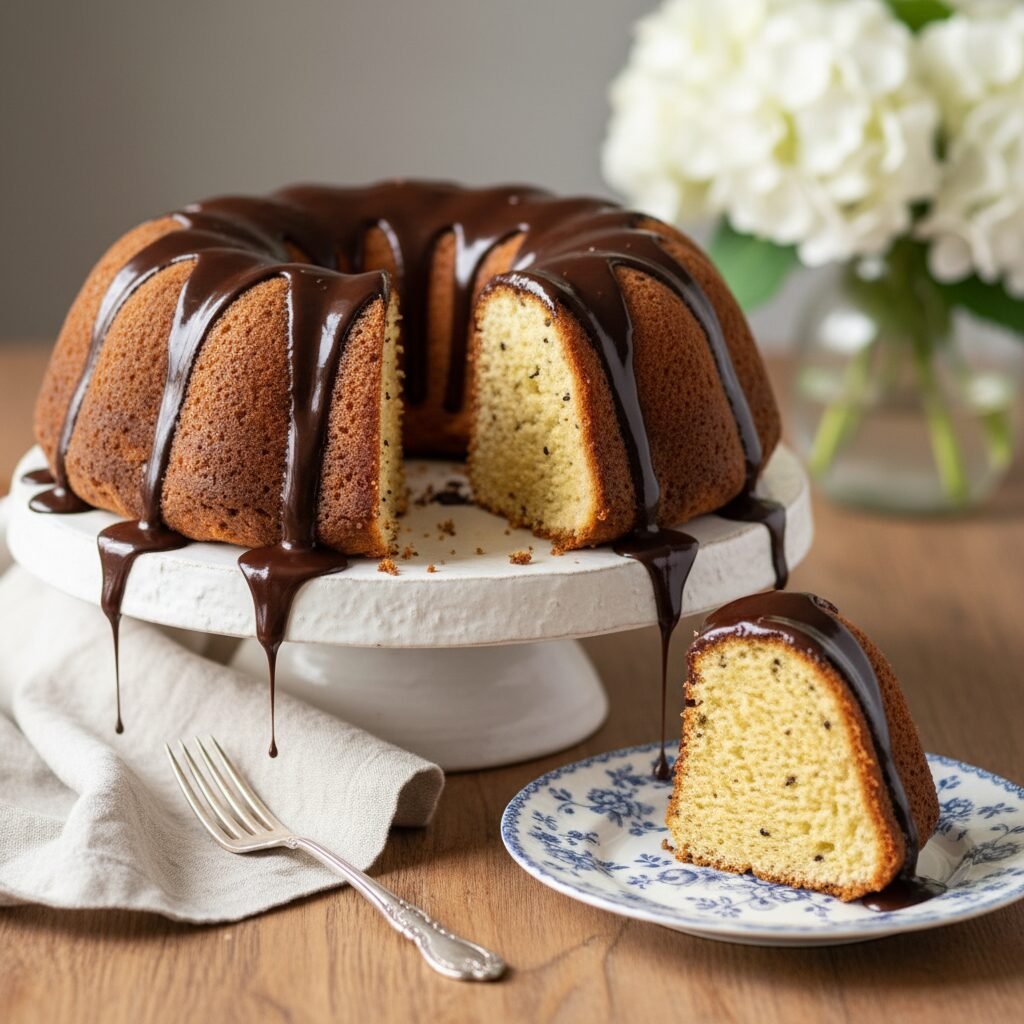
Discover the secret to the most tender, melt-in-your-mouth vanilla bundt cake you’ll ever taste. Infused with aromatic vanilla bean and topped with a silky, decadent chocolate ganache glaze, this recipe is a showstopper that’s surprisingly easy to master for any occasion.
20 minutes
55 minutes
1 hour 15 minutes
12-14 servings
Dessert
Baking
American
Vegetarian
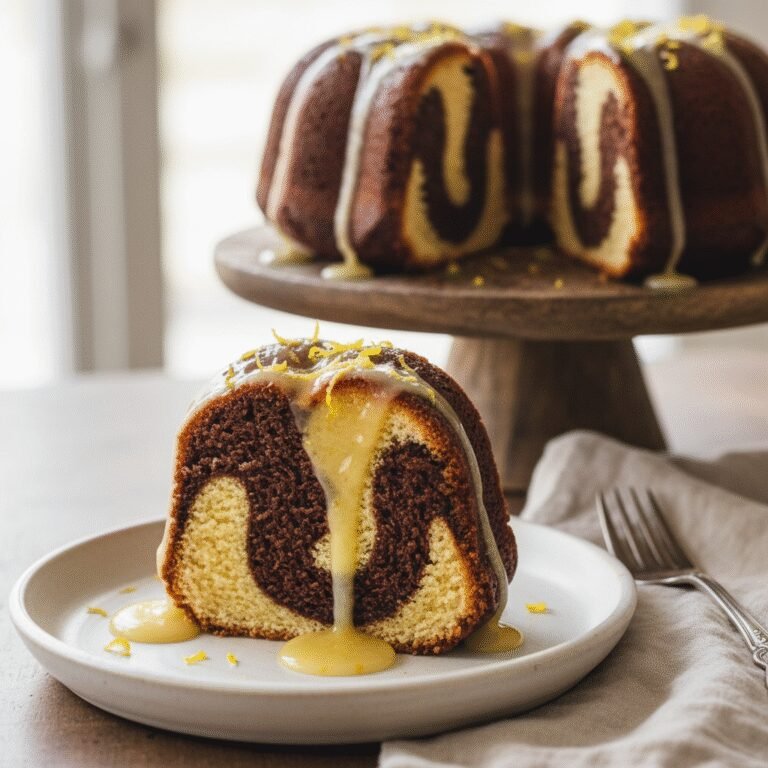
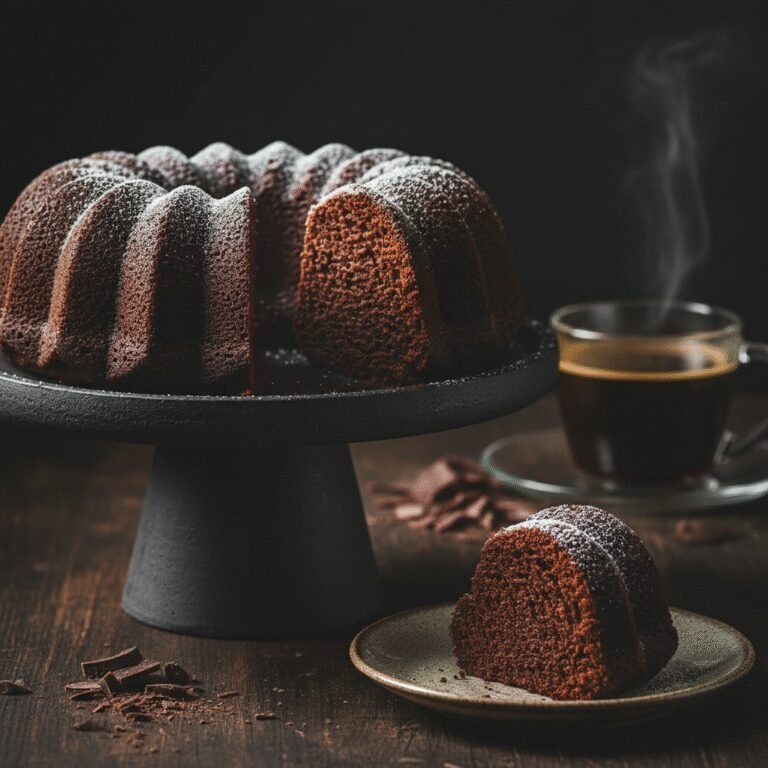
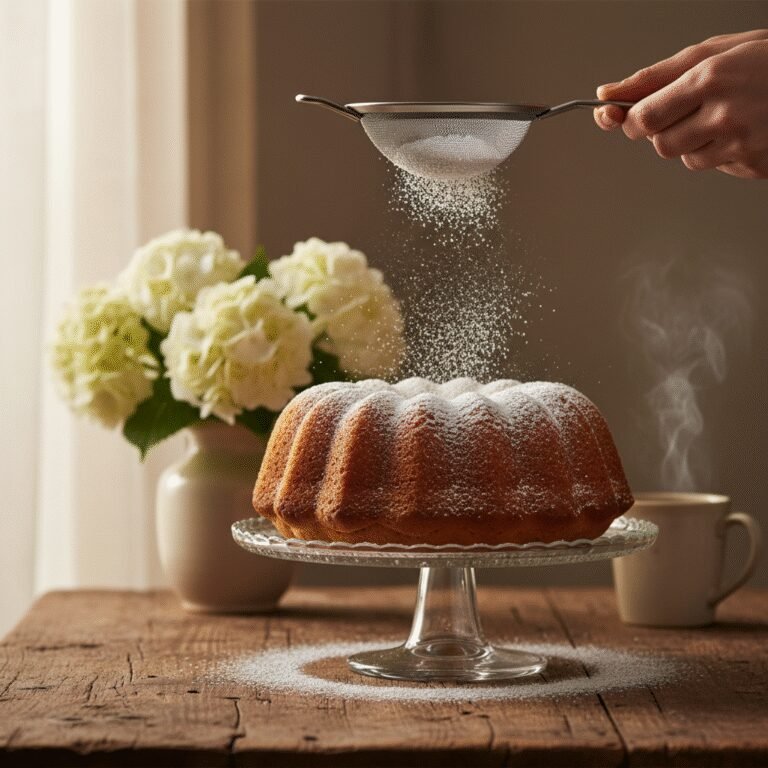
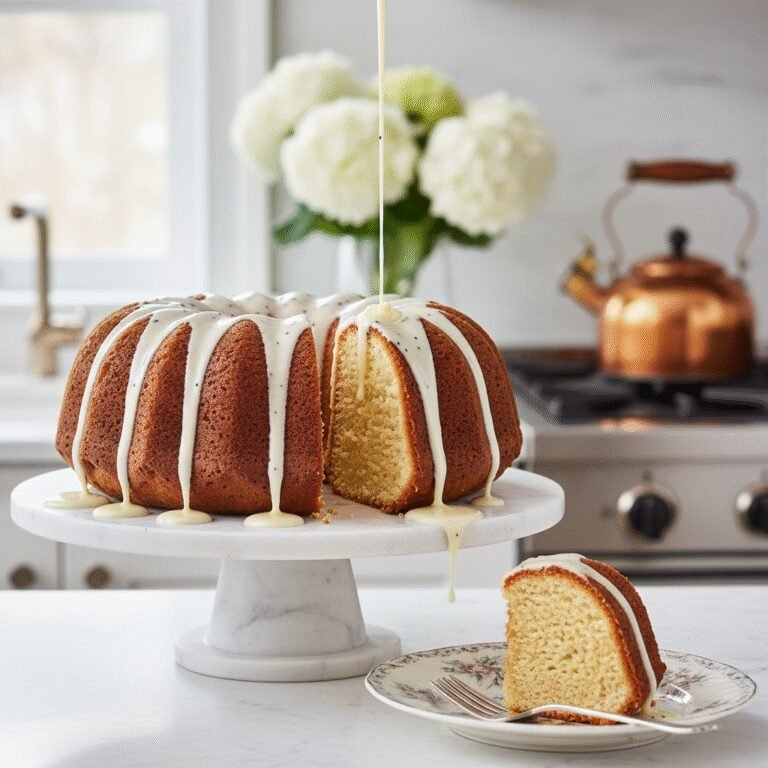
There is something undeniably elegant about a bundt cake. Unlike layered confections that require precarious stacking and intricate frosting skills, the bundt cake relies on the beauty of its shape and the integrity of its crumb. But let’s be honest: we have all suffered through a slice of dry, dense sponge that requires a glass of milk just to swallow. That ends today. This Moist Vanilla Bundt Cake with Chocolate Glaze is the result of years of testing to find the perfect balance between density and fluffiness. It is a celebration of pure vanilla flavor, amplified by a rich, buttery crumb that stays moist for days.
The magic lies in the combination of ingredients designed to lock in moisture without weighing down the batter. We aren’t just making a cake; we are crafting a sensory experience. From the moment the scent of baking butter and vanilla wafts through your kitchen to the satisfaction of pouring that glossy, dark chocolate glaze over the golden ridges, this recipe is pure therapy. It’s the kind of dessert that feels at home on a rustic holiday table or as a comforting treat for a rainy Tuesday afternoon. The contrast between the fragrant, light-colored cake and the dark, bittersweet glaze creates a visual and flavor profile that is sophisticated yet universally loved. Whether you are a seasoned baker or a novice looking to impress, this recipe delivers high-end bakery results right from your home oven.
History & Origins
The bundt cake is an iconic piece of American baking history, but its roots travel much further back to Europe. The distinctive ring shape is derived from the ‘Gugelhupf’, a brioche-style yeast cake popular in Germany, Austria, and Alsace for centuries. The name ‘bundt’ is thought to come from the German word ‘Bund’, which can mean a gathering or alliance, fitting for a cake intended to be shared among friends.
However, the bundt cake as we know it today is a distinctly mid-century American phenomenon. In 1950, H. David Dalquist, the founder of Nordic Ware, was approached by a group of Jewish women from the Hadassah Society in Minneapolis. They wanted a modern version of the ceramic Gugelhupf molds used by their mothers in the old country. Dalquist cast the pan in aluminum and trademarked the name ‘Bundt’.
Sales were initially slow, and the pan nearly ceased production until the 1966 Pillsbury Bake-Off. A contestant named Ella Helfrich won second place with her ‘Tunnel of Fudge’ cake, baked in a Nordic Ware Bundt pan. Overnight, the pan became a sensation, appearing in kitchens across the United States. Since then, the bundt cake has evolved from heavy, dense pound cakes to lighter, more flavorful creations like this vanilla version. It remains a symbol of hospitality and nostalgic comfort, proving that good design and delicious flavor never go out of style.
Why This Recipe Works
The success of this specific recipe hinges on the ‘reverse creaming’ method and the inclusion of sour cream. Traditional creaming involves beating butter and sugar first, which can sometimes incorporate too much air or lead to over-mixing later, resulting in a tough texture. In this recipe, we ensure a velvety, fine crumb by carefully controlling the gluten development.
Furthermore, the inclusion of full-fat sour cream is non-negotiable. Sour cream introduces acidity, which tenderizes the gluten strands in the flour, resulting in a softer bite. It also adds a density of fat that oil or milk alone cannot provide, ensuring the cake remains moist long after it has cooled. We also use a combination of butter and a small amount of oil; butter provides that classic flavor, while oil remains liquid at room temperature, keeping the cake soft. Finally, the glaze is a true ganache made with heavy cream and chocolate, not a confectioner’s sugar icing. This ensures the topping is rich and creamy rather than sweet and gritty, providing the perfect counterpoint to the sweet vanilla sponge.
Why You’ll Love This Recipe
- ✓Incredibly moist crumb that stays fresh for days.
- ✓Deep, authentic vanilla flavor using vanilla bean paste.
- ✓Foolproof glossy chocolate glaze that sets perfectly.
- ✓No complex decorating skills required.
- ✓Perfect for freezing and making ahead of time.
- ✓Uses pantry staples available in any grocery store.
Equipment You’ll Need
- ✓10-12 cup Bundt pan
- ✓Stand mixer or electric hand mixer
- ✓Large mixing bowl
- ✓Medium mixing bowl
- ✓Wire cooling rack
- ✓Whisk
- ✓Rubber spatula
- ✓Small saucepan (for glaze)
Ingredients
- ✓3 cups All-Purpose Flour
- ✓2 1/2 cups Granulated Sugar
- ✓1 tsp Baking Powder
- ✓1/2 tsp Baking Soda
- ✓1 tsp Salt
- ✓1 cup Unsalted Butter, room temperature
- ✓1/4 cup Vegetable Oil
- ✓1 cup Full-Fat Sour Cream, room temperature
- ✓4 Large Eggs, room temperature
- ✓1 tbsp Vanilla Bean Paste (or high-quality extract)
- ✓GLAZE: 1/2 cup Heavy Cream
- ✓GLAZE: 4 oz Semi-Sweet Chocolate, chopped
- ✓GLAZE: 1 tsp Corn Syrup (optional for shine)
- ✓GLAZE: 1/2 tsp Vanilla Extract
Instructions
- Preheat your oven to 350°F (175°C). Thoroughly grease your bundt pan with butter and dust with flour, or use a baking spray containing flour. Ensure every crevice is coated.
- In a medium bowl, whisk together the flour, baking powder, baking soda, and salt. Set aside.
- In the bowl of a stand mixer fitted with the paddle attachment, beat the softened butter, vegetable oil, and granulated sugar on medium-high speed for 5 minutes until pale and fluffy.
- Add the eggs one at a time, beating well after each addition and scraping down the sides of the bowl.
- Mix in the vanilla bean paste.
- Reduce the mixer speed to low. Add one-third of the flour mixture, followed by half of the sour cream. Repeat, ending with the flour mixture. Mix only until just combined; do not overmix.
- Pour the batter into the prepared bundt pan and smooth the top with a spatula. Tap the pan firmly on the counter twice to release air bubbles.
- Bake for 50-60 minutes, or until a skewer inserted into the center comes out clean or with just a few moist crumbs.
- Allow the cake to cool in the pan for exactly 10 minutes, then invert onto a wire rack to cool completely.
- Make the glaze: Place chopped chocolate and corn syrup in a heatproof bowl. Heat heavy cream in a saucepan until simmering (do not boil). Pour hot cream over chocolate and let sit for 5 minutes.
- Whisk the glaze gently starting from the center until smooth and glossy. Stir in vanilla.
- Once the cake is cool, pour the glaze over the top, letting it drip down the sides. Let set for 20 minutes before slicing.
Expert Cooking Tips
- ✓Room temperature ingredients are crucial for a smooth emulsion and even baking.
- ✓Do not skip the cooling time in the pan; turning it out too early can cause the cake to break.
- ✓Weigh your flour if possible (approx. 120g per cup) to avoid a dense cake.
- ✓Use vanilla bean paste for speckles of vanilla and a more intense flavor.
- ✓Grease the pan immediately before filling so the oil doesn’t slide down the sides.
- ✓If the top of the cake is browning too fast, tent it loosely with aluminum foil.
- ✓Tap the pan on the counter before baking to remove large air pockets.
Substitutions and Variations
Baking is a science, but there is some room for flexibility. If you do not have sour cream, full-fat Greek yogurt is an excellent 1:1 substitute that provides similar tang and moisture. Buttermilk can also be used, though the batter will be slightly thinner. For the fat, you can substitute the vegetable oil with melted coconut oil or canola oil. If you need to make this gluten-free, use a high-quality 1:1 gluten-free flour blend that contains xanthan gum; the texture will be slightly different but still delicious. For the glaze, you can use milk chocolate for a sweeter finish or dark chocolate (70% cocoa) for a more sophisticated, bitter contrast. If you don’t have heavy cream, you can melt the chocolate with a tablespoon of butter for a different style of ganache, though it won’t be as pourable.
Common Mistakes to Avoid
The most common mistake with bundt cakes is improper pan preparation. Even non-stick pans need to be greased and floured thoroughly; otherwise, the intricate design will cause the cake to stick and tear upon release. Another frequent error is over-mixing the batter after adding the flour. This develops gluten and leads to a tough, rubbery cake rather than a tender one. Baking temperature is also critical; oven thermostats can be inaccurate, so an oven thermometer is recommended. Finally, do not glaze the cake while it is still warm. The heat will melt the ganache, causing it to run off completely and pool at the bottom rather than clinging to the sides.
Serving Suggestions
This cake is a stunner on its own, but you can elevate the presentation with a few simple additions. Serve slices with a dollop of freshly whipped cream and a handful of fresh berries—raspberries or strawberries work particularly well against the chocolate glaze. For a warm, cozy vibe, serve it with a scoop of coffee ice cream or a drizzle of salted caramel sauce. It pairs beautifully with a dark roast coffee or an Earl Grey tea in the afternoon. If serving for a celebration, garnish the top of the glazed cake with edible gold leaf or shaved chocolate curls for a professional bakery look.
Storage and Reheating Tips
This cake has excellent keeping qualities thanks to the sour cream and oil. Store the cake in an airtight container at room temperature for up to 3 days. If you live in a very hot or humid climate, you may prefer to refrigerate it, but bring it to room temperature before serving for the best texture and flavor. To freeze, wrap individual slices or the whole unglazed cake tightly in plastic wrap, followed by a layer of aluminum foil. It can be frozen for up to 3 months. Thaw overnight on the counter. It is best to freeze the cake without the glaze and add the glaze fresh after thawing.
Nutrition Facts (Estimated)
| Serving Size | 1 slice |
| Calories | 420 |
| Fat | 22g |
| Saturated Fat | 13g |
| Unsaturated Fat | 8g |
| Trans Fat | 0g |
| Cholesterol | 85mg |
| Sodium | 210mg |
| Carbohydrates | 52g |
| Fiber | 1g |
| Sugar | 28g |
| Protein | 5g |
Frequently Asked Questions
Why did my bundt cake stick to the pan?
Sticking usually happens because the pan wasn’t greased thoroughly enough or the cake was removed too soon (or too late). Use a baking spray with flour or brush with melted shortening and dust with flour.
Can I use a different pan if I don’t have a bundt pan?
Yes, but the baking time will change. You can use two 9-inch round cake pans or a 9×13 inch rectangular pan. Start checking for doneness at 30-35 minutes.
How do I know when the cake is perfectly done?
Insert a wooden skewer into the thickest part of the cake. It should come out clean or with a few moist crumbs attached. If it has wet batter, it needs more time.
Can I reduce the sugar in this recipe?
Sugar provides moisture and structure, not just sweetness. Reducing it significantly will alter the texture and shelf-life. We recommend sticking to the recipe for the best crumb.
Why did my glaze turn grainy?
Grainy ganache is usually caused by overheating the chocolate or getting water into the mixture. Ensure your cream is hot but not boiling, and whisk gently.
Can I add nuts or chips to the batter?
Absolutely! Toss 1 cup of chocolate chips or chopped nuts in a tablespoon of flour (to prevent sinking) and fold them in at the very end.
Is it necessary to use room temperature ingredients?
Yes. Cold ingredients do not emulsify properly with the butter and sugar, leading to a batter that may curdle or bake unevenly.
Why is my cake dense?
Density is often caused by over-mixing the batter or measuring flour by volume (scooping the cup into the bag) rather than weighing it or using the spoon-and-level method.
Conclusion
Mastering the perfect Vanilla Bundt Cake is a feather in the cap of any home baker. It is a recipe that rewards patience and precision with a dessert that is universally adored. The interplay between the aromatic, tender vanilla sponge and the luxurious chocolate glaze creates a bite that is simple yet sophisticated. Whether you are baking for a birthday, a bake sale, or just a weekend treat, this recipe is guaranteed to become a cherished favorite in your collection. Happy baking!