The Ultimate Moist Sour Cream Pound Cake With Lemon Glaze
Moist Sour Cream Pound Cake With Lemon Glaze Recipe
Discover the secret to the most velvety, melt-in-your-mouth pound cake you will ever bake. Enriched with tangy sour cream and finished with a bright, zesty lemon glaze, this recipe transforms a classic dessert into a show-stopping masterpiece perfect for any occasion.
20 minutes
1 hour 15 minutes
1 hour 50 minutes
12-16 servings
Dessert
Baking
American / Southern
Vegetarian
There are few things in the baking world as universally comforting as a slice of homemade pound cake, but not all pound cakes are created equal. We have all experienced the disappointment of a dry, crumbly slice that requires a gallon of milk to wash down. This recipe for Moist Sour Cream Pound Cake with Lemon Glaze is the antithesis of those dry desserts. It represents the pinnacle of Southern-style baking, where the texture is dense yet impossibly soft, possessing a velvety crumb that seems to dissolve on the tongue. The magic lies in the balance of ingredients; the richness of the butter is cut by the tang of the sour cream, creating a depth of flavor that is sophisticated yet nostalgic.
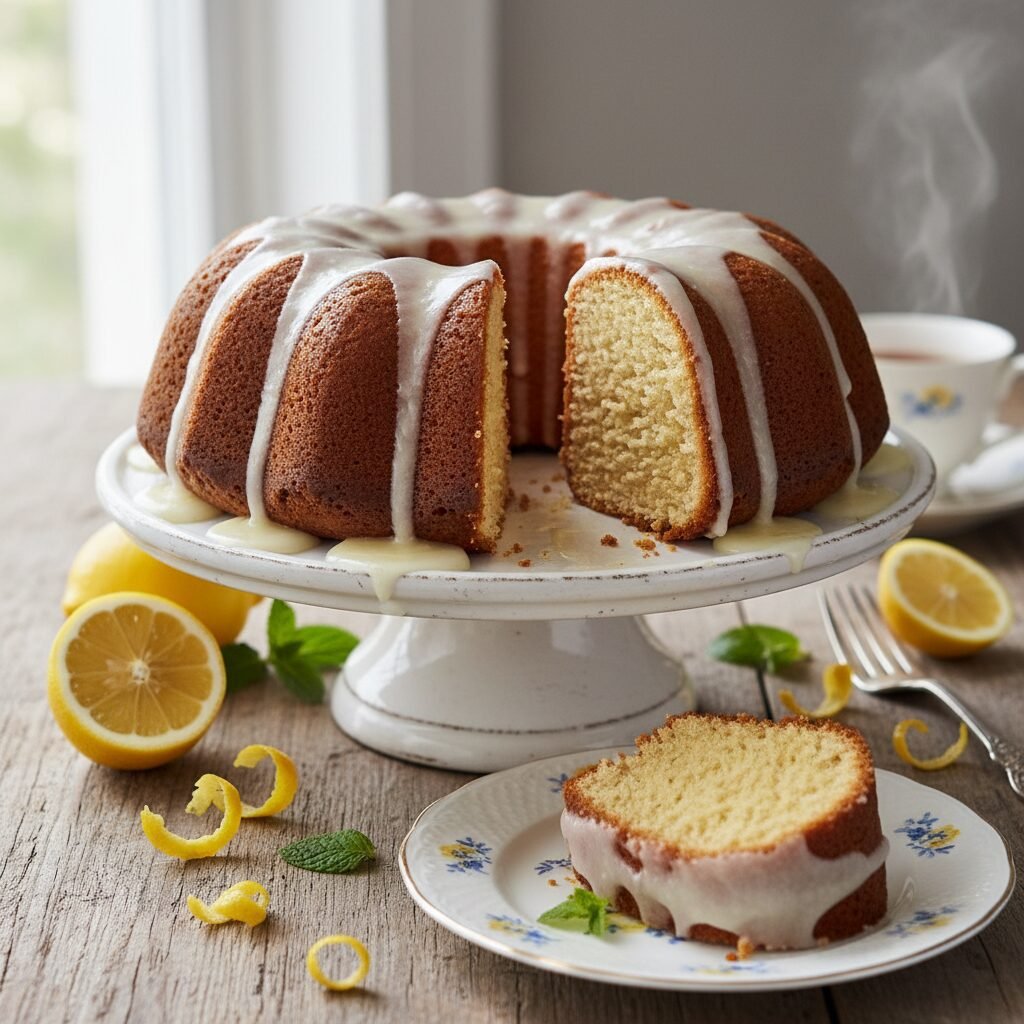
When you pull this cake out of the oven, the aroma of caramelized sugar and warm vanilla fills the kitchen, promising a treat that is well worth the wait. But the real showstopper is the glaze. While the cake itself is mildly sweet and buttery, the lemon glaze adds a sharp, citrusy brightness that awakens the palate. It drips down the golden ridges of the Bundt shape, settling into the crevices to ensure every bite has that perfect sweet-tart ratio. Whether you are serving this at a summer brunch, a holiday gathering, or simply keeping it on the counter for a week of decadent breakfasts, this cake manages to be both elegant and homely. It is sturdy enough to transport to a potluck yet delicate enough to serve on your finest china. Prepare yourself for a baking experience that returns to the roots of what makes dessert so special: high-quality ingredients, patience, and a result that tastes like pure love.
History & Origins
The history of the pound cake is a fascinating journey through culinary evolution, dating back to the early 1700s in Northern Europe. The name ‘pound cake’ was originally quite literal; the recipe called for one pound each of flour, sugar, butter, and eggs. This 1:1:1:1 ratio made it incredibly easy for home bakers to remember, especially in an era when literacy was not widespread and cookbooks were a luxury item. These original cakes were dense, heavy, and relied solely on the air beaten into the eggs for leavening, as chemical leaveners like baking soda and baking powder had not yet been invented.
As the recipe migrated to America, particularly the American South, it began to evolve. By the mid-19th century, bakers started experimenting to lighten the texture. The publication of ‘American Cookery’ in 1796 by Amelia Simmons hinted at these changes, but the real transformation occurred in the 20th century with the availability of consistent leavening agents and the introduction of acidic dairy products. Southern bakers, known for their resourcefulness and love for rich flavors, began incorporating buttermilk and sour cream into the batter. This was a game-changer. The acidity in these dairy products reacted with the baking soda to tenderize the gluten, resulting in a cake that retained the traditional density but gained a moisture and tenderness that the original ‘pound’ recipe lacked. Today, the sour cream pound cake is considered a staple of American heritage baking, representing a perfect marriage of Old World simplicity and New World innovation.
Why This Recipe Works
This recipe succeeds where many others fail due to the specific chemical interactions between the ingredients, primarily centered around the sour cream. Sour cream is the MVP (Most Valuable Player) of this batter for two distinct reasons: fat content and acidity. First, sour cream has a high fat content. Unlike milk or water, which can evaporate during the long baking process, the fat in sour cream remains, coating the flour proteins and preventing them from forming tough gluten networks. This ensures the cake remains moist for days after baking.
Secondly, the acidity of the sour cream breaks down the gluten strands in the flour, which tenderizes the crumb significantly. It also activates the baking soda, providing a consistent lift that helps the heavy batter rise without becoming airy like a sponge cake; we want that signature tight, dense pound cake texture, not a fluffy birthday cake texture. Furthermore, we use the ‘creaming method’—beating the butter and sugar until pale and fluffy—to mechanically incorporate air. This aeration acts as a physical leavener. By adding the eggs one at a time, we create a stable emulsion that traps that air and moisture. Finally, the lemon glaze isn’t just a garnish; it provides a necessary acidic contrast to the high sugar and fat content of the cake, balancing the flavor profile so it isn’t cloyingly sweet.
Why You’ll Love This Recipe
- ✓Incredibly moist texture that stays fresh for days.
- ✓Tangy lemon glaze cuts through the rich, buttery crumb.
- ✓Uses pantry staples for an easy, accessible baking project.
- ✓Freezes beautifully, making it perfect for make-ahead desserts.
- ✓Classic Bundt shape makes for a stunning presentation.
Equipment You’ll Need
- ✓10-12 cup Bundt pan
- ✓Stand mixer or electric hand mixer
- ✓Large mixing bowl
- ✓Rubber spatula
- ✓Wire cooling rack
- ✓Whisk
- ✓Citrus zester/microplane
Ingredients
- ✓3 cups (360g) all-purpose flour, sifted
- ✓1/2 teaspoon baking soda
- ✓1/2 teaspoon salt
- ✓1 cup (226g) unsalted butter, softened to room temperature
- ✓2 1/2 cups (500g) granulated sugar
- ✓6 large eggs, room temperature
- ✓1 cup (240g) full-fat sour cream, room temperature
- ✓1 tablespoon pure vanilla extract
- ✓1 tablespoon fresh lemon zest
- ✓FOR THE GLAZE: 1 1/2 cups powdered sugar
- ✓FOR THE GLAZE: 2-3 tablespoons fresh lemon juice
- ✓FOR THE GLAZE: 1 teaspoon lemon zest (optional garnish)
Instructions
- Preheat your oven to 325°F (165°C). Thoroughly grease and flour a 10-12 cup Bundt pan. Be meticulous here; get into every crevice to ensure the cake releases perfectly later. Alternatively, use a baking spray containing flour.
- In a medium bowl, sift together the flour, baking soda, and salt. Set this dry mixture aside.
- In the bowl of a stand mixer fitted with the paddle attachment (or a large bowl with a hand mixer), cream the softened butter and granulated sugar together on medium-high speed. Beat for about 5-7 minutes until the mixture is very pale, fluffy, and aerated.
- Reduce the mixer speed to medium. Add the eggs one at a time, beating well after each addition. Scrape down the sides and bottom of the bowl with a rubber spatula periodically to ensure even mixing.
- Stir in the vanilla extract and the 1 tablespoon of lemon zest.
- Reduce the mixer speed to low. Add the flour mixture and the sour cream alternately, starting and ending with the flour (3 additions of flour, 2 additions of sour cream). Mix only until the flour is just incorporated. Do not overmix.
- Pour the thick batter into the prepared Bundt pan. Smooth the top with your spatula. Tap the pan gently on the counter a few times to release any large air bubbles.
- Bake in the preheated oven for 70 to 85 minutes. The cake is done when the top is golden brown and a long wooden skewer inserted into the center comes out clean or with just a few moist crumbs attached.
- Remove the cake from the oven and let it cool in the pan for exactly 10-15 minutes. Cooling too long can make it stick; cooling too little can cause it to break.
- Invert the cake onto a wire cooling rack and lift off the pan. Allow the cake to cool completely to room temperature before glazing.
- To make the glaze, whisk together the powdered sugar and 2 tablespoons of lemon juice in a small bowl. Add more juice, a teaspoon at a time, until you reach a thick but pourable consistency.
- Drizzle the glaze over the cooled cake and sprinkle with extra lemon zest if desired. Let the glaze set for 15 minutes before slicing.
Expert Cooking Tips
- ✓Room temperature ingredients are non-negotiable. Cold eggs or sour cream will cause the butter to seize, breaking your batter emulsion.
- ✓Don’t skimp on the creaming time. Beating the butter and sugar for a full 5-7 minutes creates the structure for the cake.
- ✓Measure flour correctly. Use a kitchen scale for accuracy, or the ‘spoon and level’ method if using cups. Scooping directly packs the flour and leads to a dry cake.
- ✓Grease the pan right before filling. If you grease it too early, the oil can slide down the sides of the pan, leaving the top edges exposed to sticking.
- ✓Check the cake at the 60-minute mark. If the top is browning too quickly but the center is raw, tent it loosely with aluminum foil.
- ✓Let the cake cool completely before glazing. If the cake is warm, the glaze will simply melt and run off completely.
Substitutions and Variations
If you find yourself without sour cream, full-fat Greek yogurt is the best 1:1 substitution as it mimics the texture and acidity closely. In a pinch, you can use full-fat buttermilk, though the batter will be slightly thinner. For the flour, cake flour can be used for an even lighter crumb, but you will need to increase the volume by about 2 tablespoons per cup. If you prefer a different citrus profile, orange or lime zest and juice work beautifully in place of lemon. For a vanilla-forward cake without citrus, simply omit the zest and replace the lemon glaze with a vanilla bean glaze made with milk and vanilla bean paste. Salted butter can be used, but omit the additional salt in the dry ingredients.
Common Mistakes to Avoid
The most common mistake is opening the oven door too often. Pound cakes are heavy and need consistent heat to rise; opening the door causes temperature fluctuations that can make the cake collapse. Another major error is under-greasing the Bundt pan. Bundt designs are intricate, and without thorough greasing (and flouring), the cake will tear upon release. Overmixing the batter once the flour is added is the culprit for tough, rubbery cakes; always mix on low and stop as soon as the white streaks disappear. Finally, cutting the cake while it is still warm might be tempting, but it will cause the steam to escape rapidly, drying out the cake and making the slices crumble.
Serving Suggestions
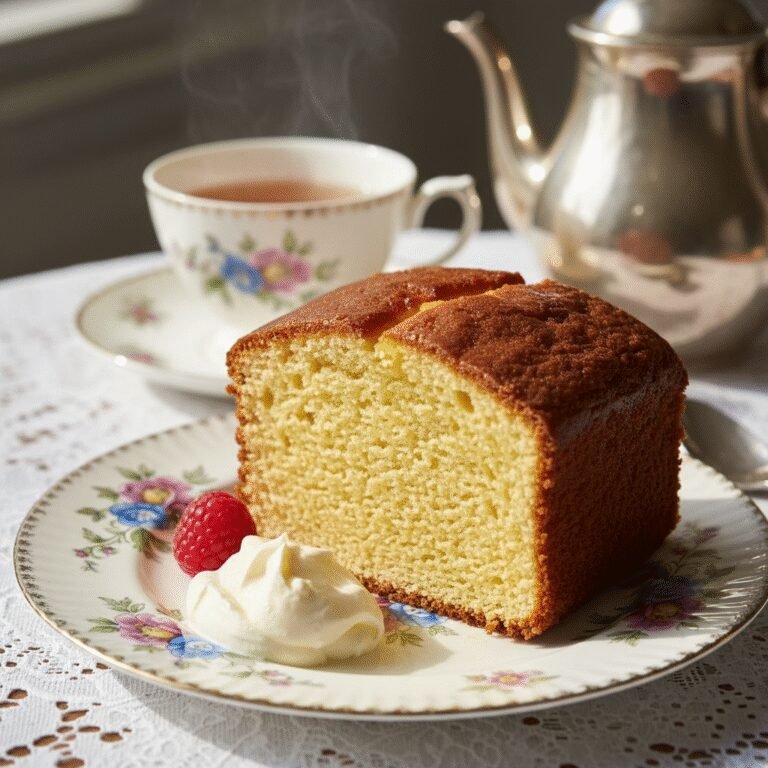
This cake is stunning on its own, but it pairs wonderfully with fresh berries—strawberries, blueberries, or raspberries—macerated in a little sugar. A dollop of freshly whipped cream or a scoop of vanilla bean ice cream elevates it to a dinner-party dessert. For a cozy afternoon treat, serve a slice alongside a hot cup of Earl Grey tea or a dark roast coffee; the citrus notes in the cake complement the tannins in tea and coffee perfectly. In the summer, garnish the plate with edible flowers and mint leaves for a garden-party vibe.
Storage and Reheating Tips
Pound cake actually improves in flavor and moisture the day after baking. Store the cake in an airtight cake carrier at room temperature for up to 4 days. If you live in a very hot or humid climate, you may refrigerate it, but bring it to room temperature before serving for the best texture. This cake freezes exceptionally well. To freeze, wrap individual slices or the whole cake tightly in plastic wrap, followed by a layer of aluminum foil. It can be frozen for up to 3 months. Thaw overnight on the counter before serving. If freezing the whole cake, it is best to freeze it unglazed and add the glaze fresh after thawing.
Nutrition Facts (Estimated)
| Serving Size | 1 slice |
| Calories | 480 |
| Fat | 24g |
| Saturated Fat | 14g |
| Unsaturated Fat | 8g |
| Trans Fat | 0.5g |
| Cholesterol | 115mg |
| Sodium | 180mg |
| Carbohydrates | 62g |
| Fiber | 1g |
| Sugar | 38g |
| Protein | 5g |
Frequently Asked Questions
Why did my pound cake fall in the center?
This usually happens if the cake was underbaked or the oven door was opened too early. It can also be caused by over-creaming the butter and sugar (incorporating too much air) or using too much leavening.
Can I bake this in loaf pans instead of a Bundt pan?
Yes, this recipe yields enough batter for two standard 9×5 inch loaf pans. You will need to reduce the baking time to approximately 50-60 minutes. Test for doneness starting at 50 minutes.
Why is my cake dry?
Dryness is typically caused by overbaking or measuring flour incorrectly (packing it into the cup). It can also happen if you used low-fat ingredients; stick to full-fat sour cream and butter.
How do I get the cake out of the Bundt pan without breaking it?
Ensure the pan is thoroughly greased and floured. Let the cake cool for exactly 10-15 minutes. If it cools too long, the sugars harden and stick; too short, and the structure is too fragile. Shake the pan gently side-to-side to loosen before inverting.
Can I make this cake ahead of time?
Absolutely. In fact, the flavors meld and the texture becomes even more moist on the second day. It is an excellent candidate for make-ahead entertaining.
What does the baking soda do in this recipe?
Baking soda reacts with the acidity in the sour cream to create carbon dioxide bubbles, which helps the heavy batter rise. It also promotes browning.
My ingredients were cold, can I still bake it?
It is highly recommended to wait. Cold ingredients don’t emulsify with the butter properly, leading to a curdled batter and a dense, greasy final cake. You can quick-warm eggs in warm water for 5 minutes.
Can I add mix-ins like blueberries or nuts?
Yes! You can add up to 1.5 cups of blueberries or chopped nuts. Toss them in a tablespoon of flour before folding them in to prevent them from sinking to the bottom.
Conclusion
There is a reason this Moist Sour Cream Pound Cake remains a classic: it delivers comfort and elegance in equal measure. The combination of the dense, buttery interior and the bright, snapping lemon glaze creates a sensory experience that store-bought cakes simply cannot replicate. Whether you are a novice baker looking to master a staple or a seasoned pro wanting a reliable crowd-pleaser, this recipe is guaranteed to earn a permanent spot in your collection. So preheat that oven, zest those lemons, and get ready to enjoy the best slice of cake you’ve ever had. Happy baking!