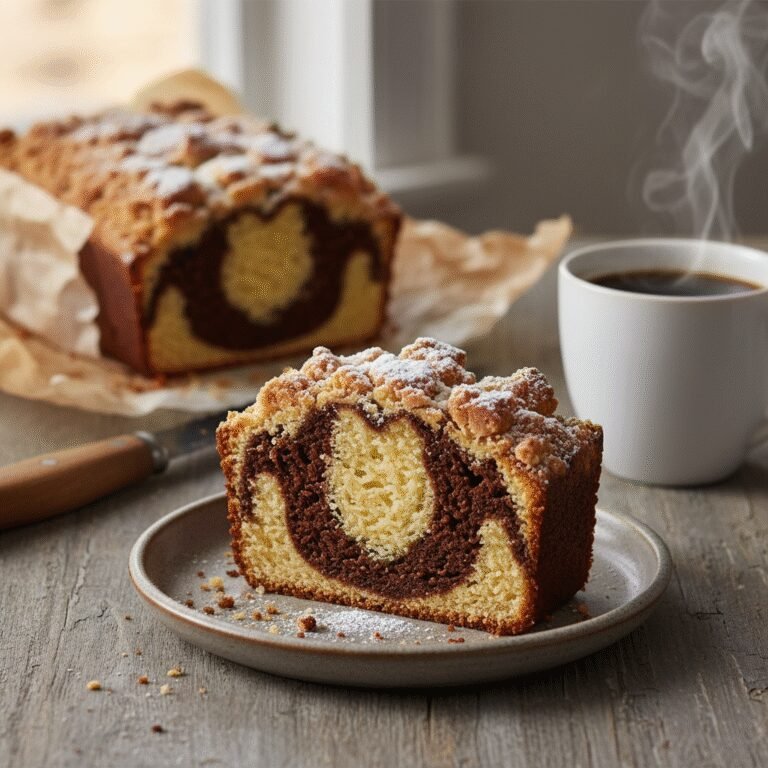
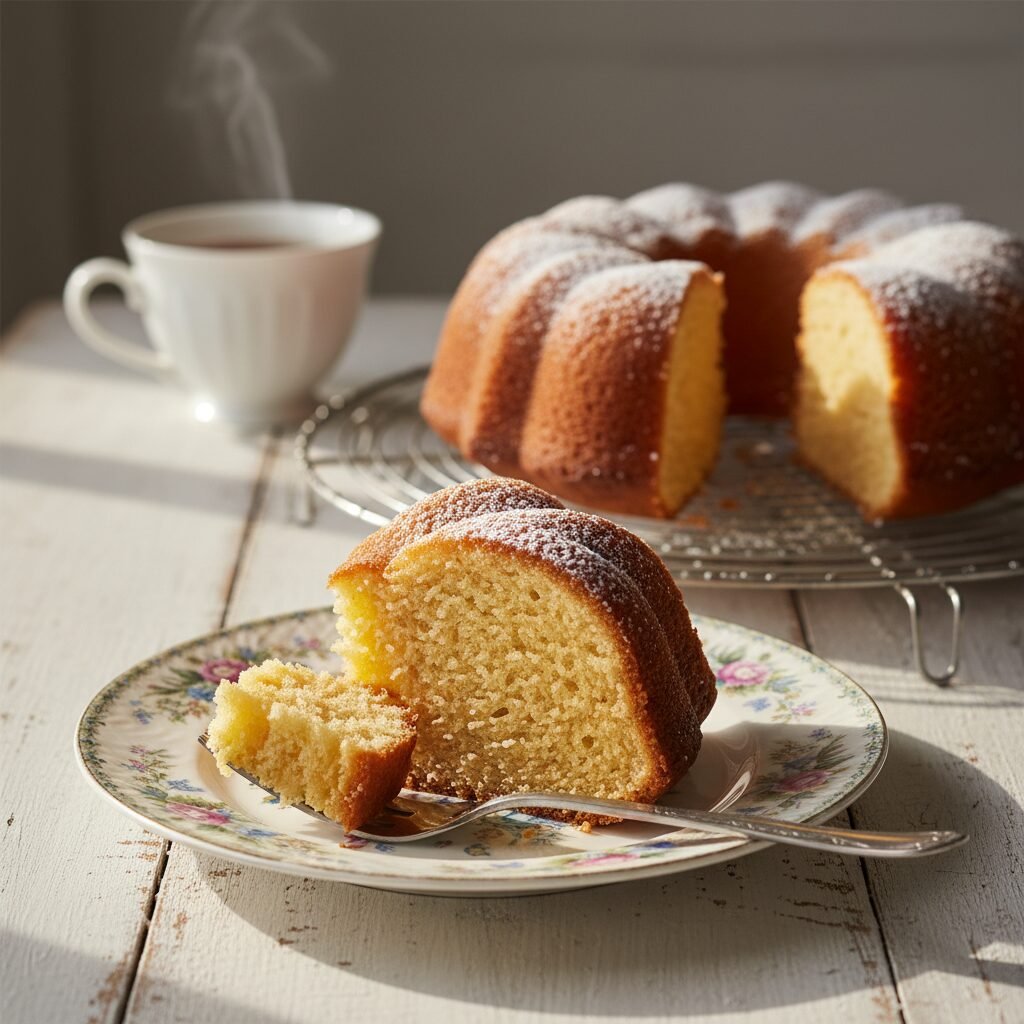
The Ultimate Moist Sour Cream Pound Cake: A Melt-in-Your-Mouth Classic
Moist Sour Cream Pound Cake Recipe
Discover the secret to the most tender, velvety cake you will ever bake. This Old Fashioned Sour Cream Pound Cake recipe uses a rich batter to create a golden crust and a dense, moist crumb that stays fresh for days.
20 minutes
1 hour 20 minutes
1 hour 50 minutes
12-16 servings
Dessert
Baking
American (Southern)
Vegetarian
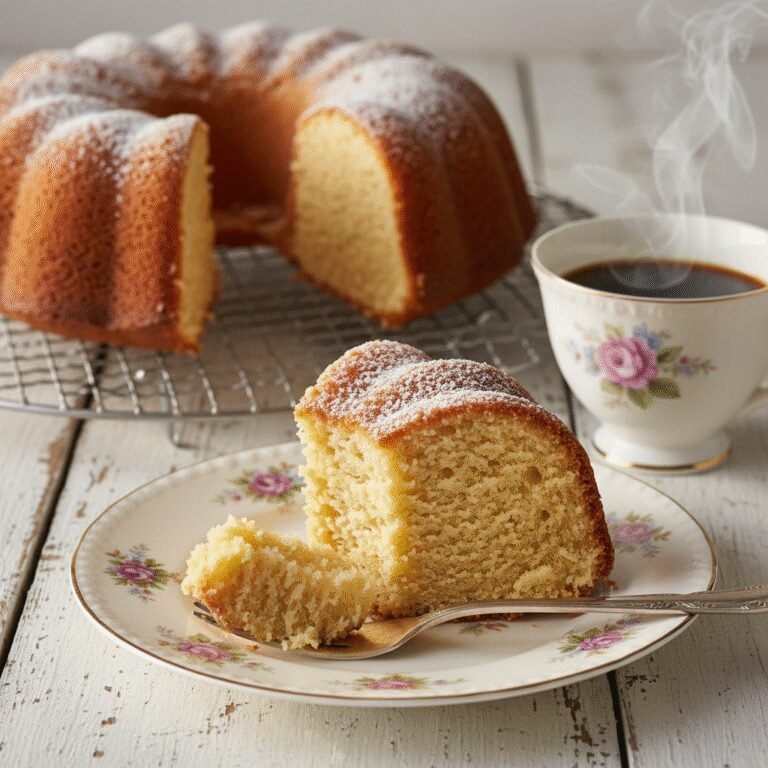
There are few things in the baking world as comforting, reliable, and universally adored as a classic pound cake. But not just any pound cake—we are talking about the kind that boasts a golden, slightly crisp exterior that gives way to a dense, velvety interior so moist it practically melts on your tongue. This Moist Sour Cream Pound Cake is the ‘little black dress’ of the dessert world: elegant in its simplicity, perfect for any occasion, and easily dressed up or down. Whether you are serving it plain with a hot cup of coffee for breakfast, or topping it with macerated strawberries and fresh whipped cream for a summer dinner party, it never fails to impress.
What sets this specific recipe apart from the dry, crumbly sponge cakes you might find at a grocery store is the inclusion of full-fat sour cream. It transforms the texture entirely, offering a richness that butter alone cannot achieve. The vanilla aroma that fills your kitchen while this bakes is enough to bring the whole family running. This is the kind of heirloom recipe that gets passed down through generations, often found on a handwritten index card in a grandmother’s recipe box. It is sturdy enough to travel, freezes beautifully, and, miraculously, tastes even better the day after it is baked. If you have been searching for that elusive, perfect bundt cake that is foolproof and fantastically flavorful, your search ends here.
History & Origins
The history of the pound cake is as rich and dense as the cake itself. Tracing its roots back to Northern Europe in the early 1700s, the original pound cake was named for its incredibly simple ratio of ingredients: one pound of flour, one pound of butter, one pound of eggs, and one pound of sugar. In the days before literacy was widespread and kitchen scales were common, this easy-to-remember formula allowed home bakers to produce a consistent product without a written recipe. However, these early iterations were massive, heavy cakes that relied solely on the air beaten into the eggs for leavening, resulting in a much denser product than we are used to today.
As the recipe migrated to America, particularly the Southern states, it began to evolve. By the mid-19th century, chemical leaveners like baking soda and baking powder were introduced, lightening the crumb significantly. However, the real game-changer came in the mid-20th century with the widespread availability of cultured dairy products like sour cream. Southern bakers, always looking for ways to add moisture and richness to their baked goods, began incorporating sour cream into the batter. This innovation addressed the common complaint that traditional pound cakes could be dry. The acid in the sour cream tenderized the gluten, while the extra fat ensured a moist crumb. Today, the Sour Cream Pound Cake is considered a staple of American baking, a centerpiece at church potlucks, funeral receptions, and holiday tables, representing the pinnacle of comfort food evolution.
Why This Recipe Works
This recipe succeeds where others fail primarily due to the science of emulsion and acidity. First, the sheer volume of fat provided by both the butter and the sour cream coats the flour proteins. This coating inhibits the formation of tough gluten strands when the flour is mixed with the wet ingredients. Less gluten development means a more tender, ‘short’ texture that is characteristic of a high-quality pound cake.
Secondly, sour cream is acidic. This acidity does double duty: it adds a subtle tang that cuts through the intense sweetness of the sugar, balancing the flavor profile, and it reacts with the baking soda. This reaction produces carbon dioxide gas, which helps lift the heavy batter, ensuring the cake isn’t a brick. Furthermore, the thickness of the sour cream adds body to the batter, helping to suspend air bubbles created during the creaming of the butter and sugar. Finally, the specific baking temperature and time allow the exterior to caramelize into a delicious crust while the interior cooks slowly and evenly, locking in moisture. By using room temperature ingredients, you ensure a stable emulsion, preventing the batter from breaking or curdling, which guarantees that velvety, fine crumb structure shown in professional bakery photos.
Why You’ll Love This Recipe
- ✓Incredibly moist texture that stays fresh for days.
- ✓Rich, buttery flavor with a hint of vanilla.
- ✓Beautiful golden-brown crust.
- ✓Simple pantry ingredients.
- ✓Freezes perfectly for make-ahead desserts.
Equipment You’ll Need
- ✓10-12 cup Bundt pan or Tube pan
- ✓Stand mixer or electric hand mixer
- ✓Large mixing bowl
- ✓Rubber spatula
- ✓Wire cooling rack
- ✓Sifter or fine-mesh sieve
- ✓Skewer or cake tester
Ingredients
- ✓3 cups granulated sugar
- ✓1 cup (2 sticks) unsalted butter, softened to room temperature
- ✓6 large eggs, room temperature
- ✓3 cups all-purpose flour (sifted)
- ✓1 cup full-fat sour cream, room temperature
- ✓1/4 teaspoon baking soda
- ✓1/4 teaspoon salt
- ✓2 teaspoons pure vanilla extract
- ✓1 teaspoon almond extract (optional)
Instructions
- Preheat your oven to 325°F (165°C). Thoroughly grease and flour a 10-12 cup Bundt pan. Ensure you get into every crevice to prevent sticking. Tap out excess flour.
- In the bowl of a stand mixer fitted with the paddle attachment, cream the softened butter and granulated sugar together on medium-high speed. Beat for a full 5-7 minutes until the mixture is very pale yellow and fluffy. Do not rush this step; it creates the air needed for the cake to rise.
- Add the eggs one at a time, beating well after each addition. Scrape down the sides and bottom of the bowl with a rubber spatula to ensure everything is incorporated.
- In a separate medium bowl, sift together the flour, baking soda, and salt.
- Reduce the mixer speed to low. Add the flour mixture and the sour cream alternately to the butter-egg mixture, beginning and ending with the flour (Flour -> Sour Cream -> Flour -> Sour Cream -> Flour). Mix only until the flour is just incorporated. Do not overmix.
- Stir in the vanilla extract (and almond extract if using). Give the batter one final gentle stir by hand with the spatula to ensure no pockets of flour remain at the bottom.
- Pour the batter into the prepared Bundt pan. Smooth the top evenly. Tap the pan on the counter 2-3 times to release any large air bubbles.
- Bake for 1 hour and 15 minutes to 1 hour and 30 minutes. The cake is done when the top is golden brown and a long skewer inserted into the center comes out clean or with just a few moist crumbs.
- Remove from the oven and let the cake cool in the pan on a wire rack for exactly 15-20 minutes. This allows the structure to set.
- Invert the cake onto the wire rack to cool completely before slicing. Dust with powdered sugar or glaze if desired.
Expert Cooking Tips
- ✓Room Temperature is Key: Cold ingredients will cause the batter to curdle. Ensure butter, eggs, and sour cream are at room temperature before starting.
- ✓Grease Generously: Bundt pans are notorious for sticking. Use a baking spray containing flour, or meticulously butter and flour every nook.
- ✓Don’t Overmix: Once the flour hits the wet ingredients, mix gently. Overmixing develops gluten, leading to a tough, rubbery cake.
- ✓Measure Flour Correctly: Use the ‘spoon and level’ method. Scooping directly with the measuring cup packs the flour, resulting in a dry cake.
- ✓Cooling Time: Do not try to remove the cake from the pan immediately. It is too fragile when hot. The 15-20 minute rest is crucial.
- ✓Oven Thermometer: Ovens vary. Use an internal thermometer to ensure you are baking at the true temperature.
Substitutions and Variations
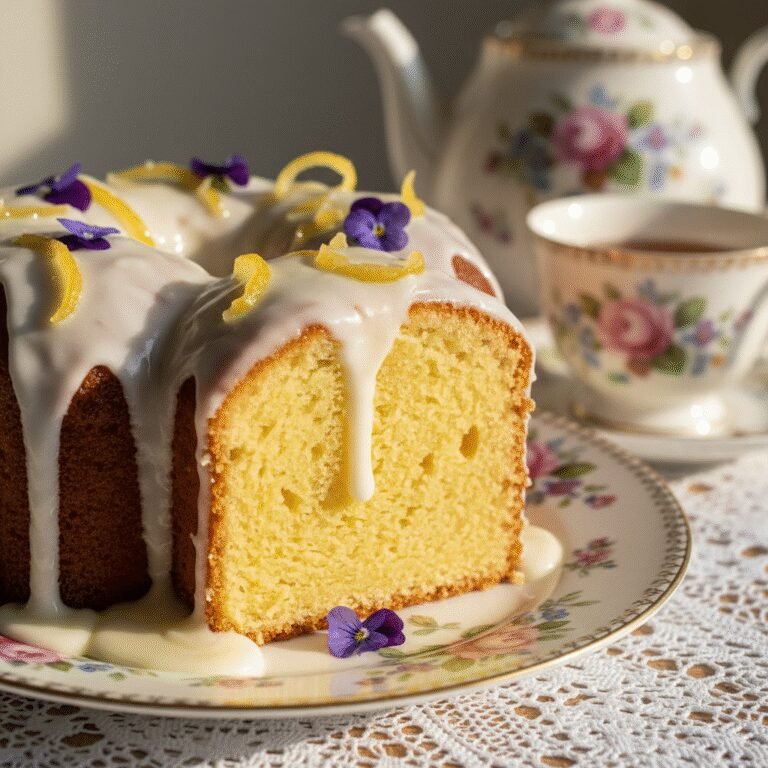
If you find yourself without sour cream, full-fat plain Greek yogurt is the best substitute; it offers a similar tang and consistency, though the texture may be slightly denser. For a buttermilk pound cake, you can substitute the sour cream with buttermilk, but you may need to increase the flour by 2-3 tablespoons to compensate for the thinner liquid. If you only have salted butter, omit the additional 1/4 teaspoon of salt listed in the ingredients. While all-purpose flour is standard, you can use cake flour for an even lighter crumb; just increase the volume to 3 cups plus 2 tablespoons. For flavor variations, swap the almond extract for lemon extract and add the zest of one lemon for a citrus twist.
Common Mistakes to Avoid
The most common mistake is rushing the creaming process. If you don’t beat the butter and sugar long enough (at least 5 minutes), the cake will be dense and heavy rather than velvety. Another issue is opening the oven door too frequently; this causes temperature fluctuations that can make the cake fall in the center. Removing the cake from the pan too soon or too late is also a pitfall; too soon and it breaks, too late and the sugars solidify, gluing the cake to the pan. Finally, using low-fat or non-fat sour cream is a mistake—this cake relies on fat for moisture, so stick to the full-fat version for the best results.
Serving Suggestions
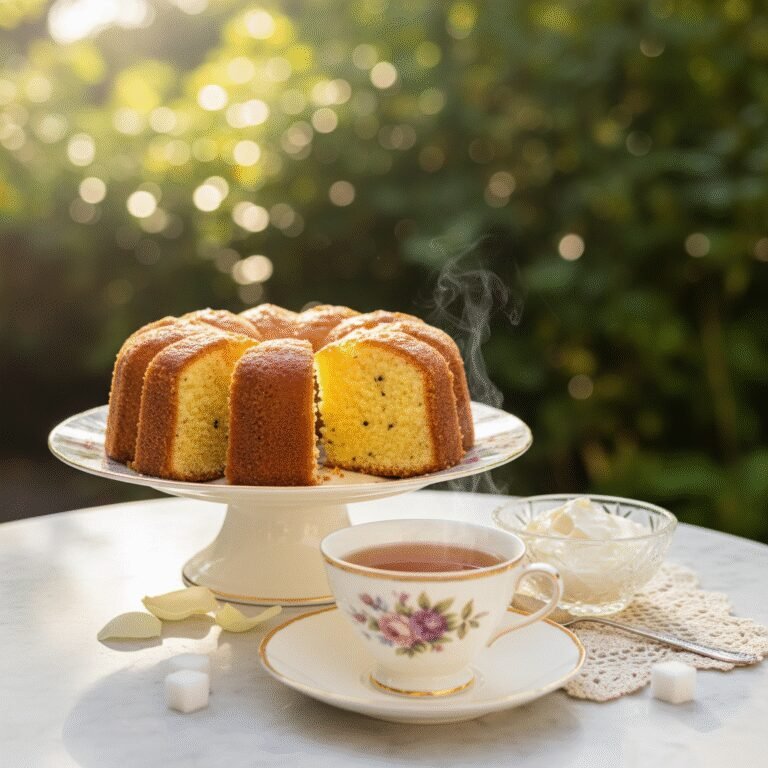
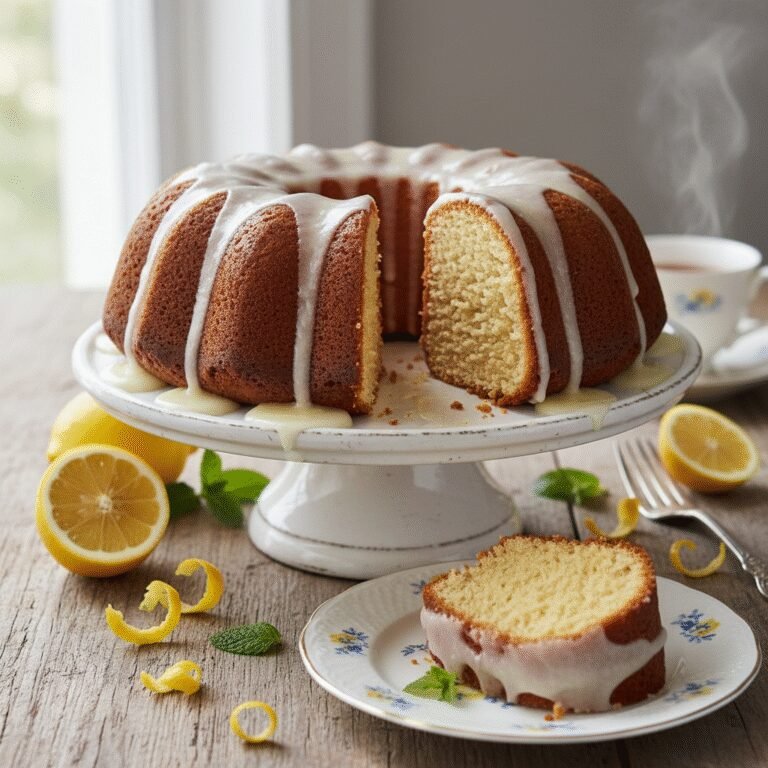
This cake is incredibly versatile. For a simple presentation, a dusting of confectioners’ sugar is elegant and sufficient. For a brunch spread, serve slices slightly warm with a pat of salted butter. In the summer, it pairs beautifully with fresh berries (strawberries, blueberries, raspberries) and a dollop of whipped cream or a scoop of vanilla bean ice cream. For a more decadent dessert, drizzle a warm lemon glaze, chocolate ganache, or a caramel sauce over the top. It also pairs exceptionally well with coffee, Earl Grey tea, or a cold glass of milk.
Storage and Reheating Tips
Moist Sour Cream Pound Cake actually tastes better the next day as the flavors meld and the moisture distributes. Store the cake at room temperature in an airtight cake carrier or under a glass dome for up to 4-5 days. Do not refrigerate it, as the cold environment will dry out the crumb and alter the texture. If you want to store it longer, this cake freezes exceptionally well. Wrap individual slices or the whole cake tightly in plastic wrap, then a layer of aluminum foil. It can be frozen for up to 3 months. Thaw at room temperature before serving.
Nutrition Facts (Estimated)
| Serving Size | 1 slice |
| Calories | 480 |
| Fat | 26g |
| Saturated Fat | 16g |
| Unsaturated Fat | 8g |
| Trans Fat | 0g |
| Cholesterol | 115mg |
| Sodium | 160mg |
| Carbohydrates | 58g |
| Fiber | 1g |
| Sugar | 38g |
| Protein | 6g |
Frequently Asked Questions
Why did my pound cake fall in the center?
This usually happens if the cake was underbaked or if the oven door was opened too early, causing a drop in temperature. It can also result from over-creaming the butter and sugar, incorporating too much air that the structure can’t support.
Can I bake this in a loaf pan instead of a Bundt pan?
Yes, but you will need to split the batter between two 9×5 inch loaf pans. The baking time will likely be shorter, around 50-60 minutes. Keep an eye on them.
Why is my cake dry?
Dryness usually comes from measuring flour incorrectly (packing it down) or overbaking. Check the cake 5-10 minutes before the timer goes off.
Can I add mix-ins like chocolate chips or nuts?
Absolutely. You can add up to 1 cup of chopped nuts, chocolate chips, or dried fruit. Toss them in a tablespoon of flour before adding to the batter to prevent them from sinking to the bottom.
Do I really need to sift the flour?
Yes, sifting aerates the flour and ensures there are no lumps. This is crucial for achieving that fine, velvety crumb texture.
My cake stuck to the pan. What do I do?
If it sticks, try placing the pan in a shallow hot water bath for a few minutes to melt the butter grease slightly. In the future, ensure you grease every crevice thoroughly.
Can I use margarine instead of butter?
It is not recommended. Margarine has a higher water content and different flavor profile. For the classic pound cake taste and texture, real butter is essential.
What is the best way to grease a Bundt pan?
A baking spray that contains flour (like Baker’s Joy) is the most effective. Alternatively, brush melted butter into the grooves and dust with flour, shaking out the excess.
Conclusion
There is something truly special about pulling a heavy, golden Bundt cake out of the oven. This Moist Sour Cream Pound Cake is more than just a recipe; it is a gesture of love and hospitality. Its rich flavor and perfect texture make it a timeless classic that belongs in every baker’s repertoire. Whether you are a novice baker or a seasoned pro, this recipe promises a result that is bakery-worthy and deeply satisfying. So, grab your Bundt pan, soften that butter, and get ready to fill your home with the most incredible aroma. We guarantee this will become your go-to cake for years to come.