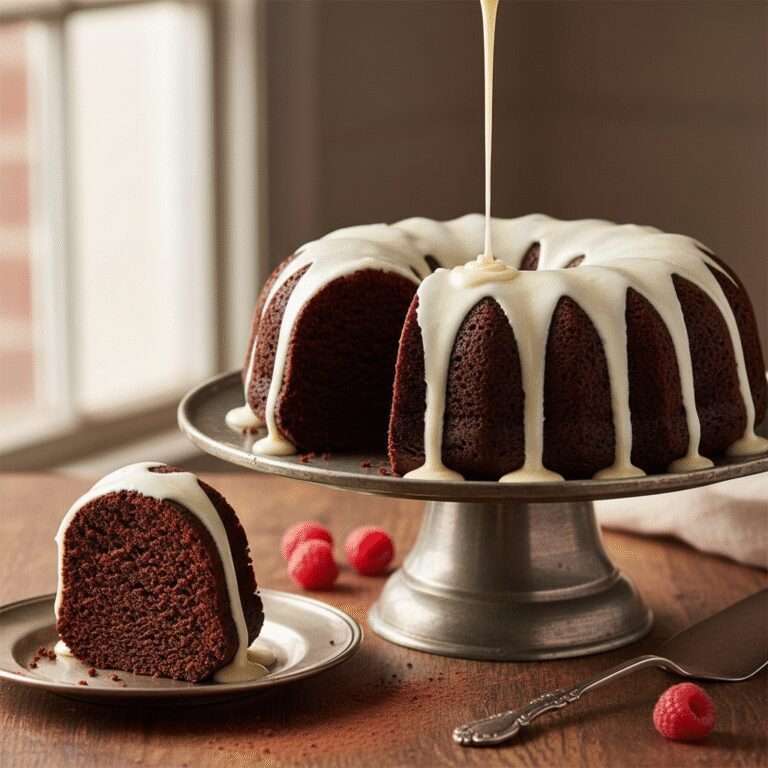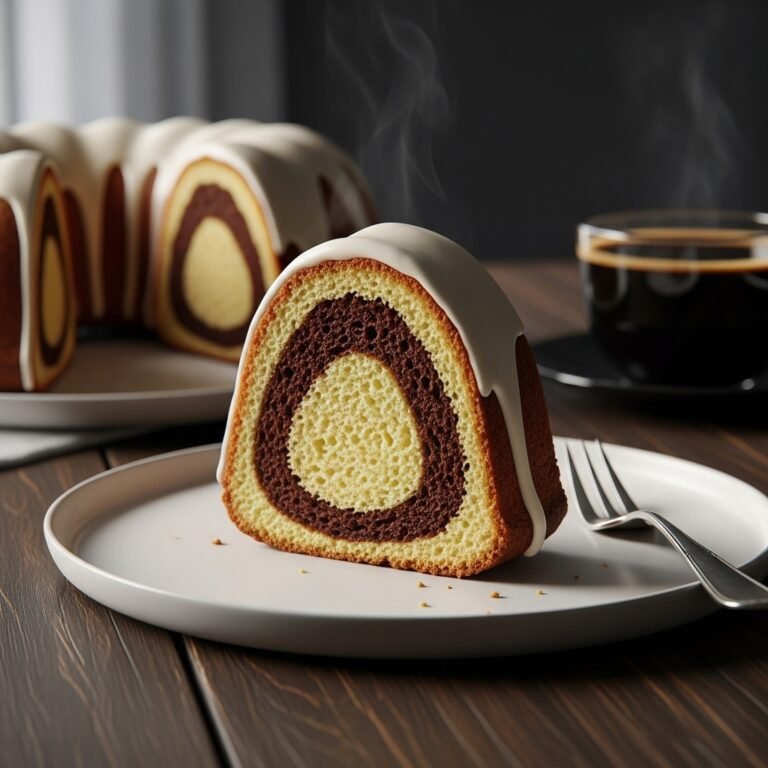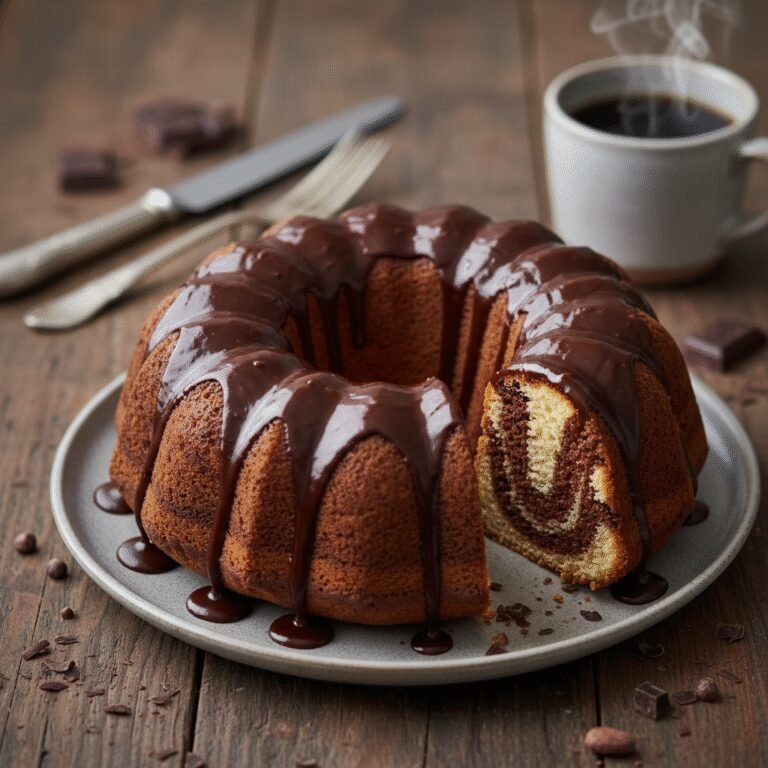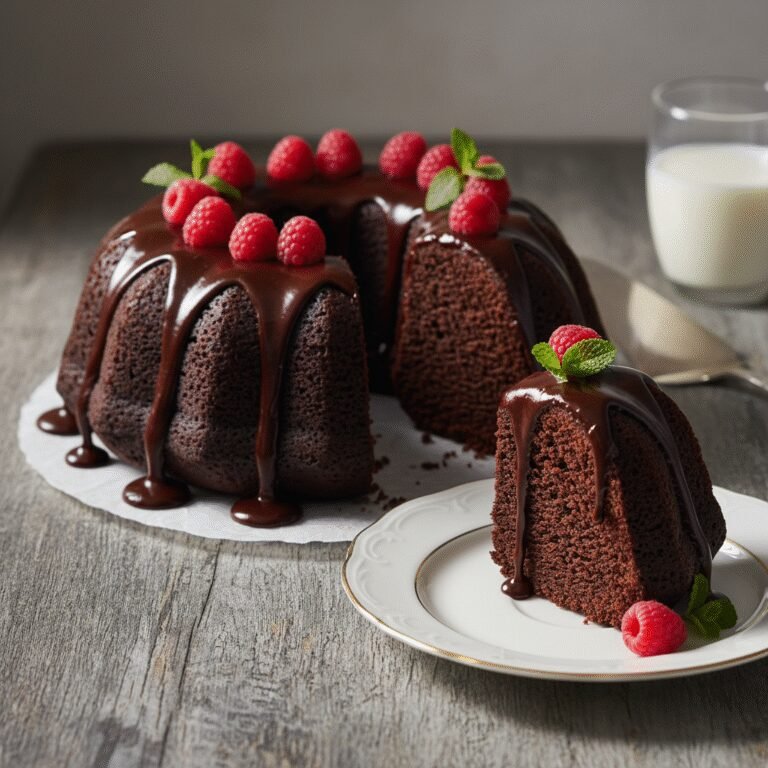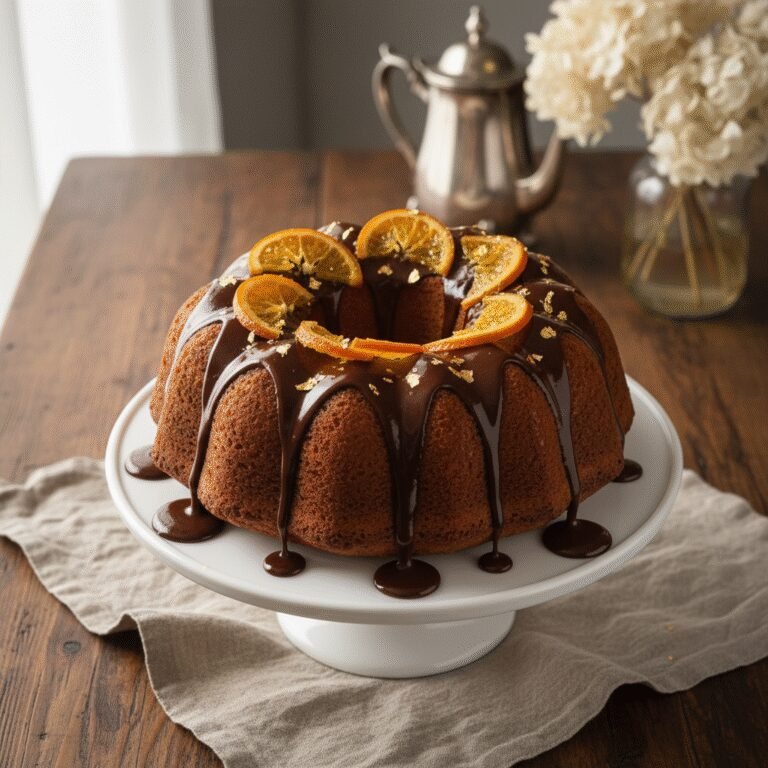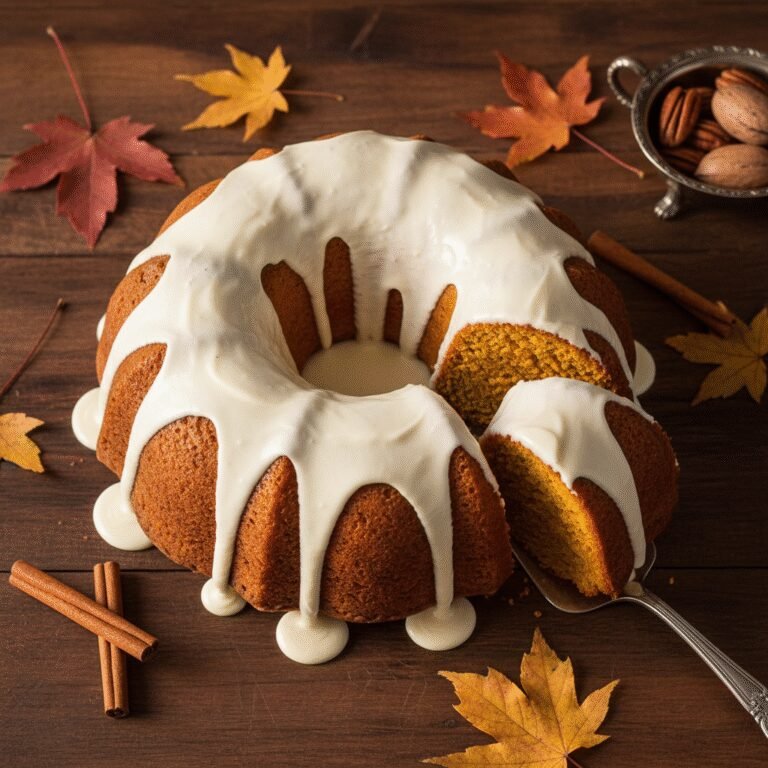
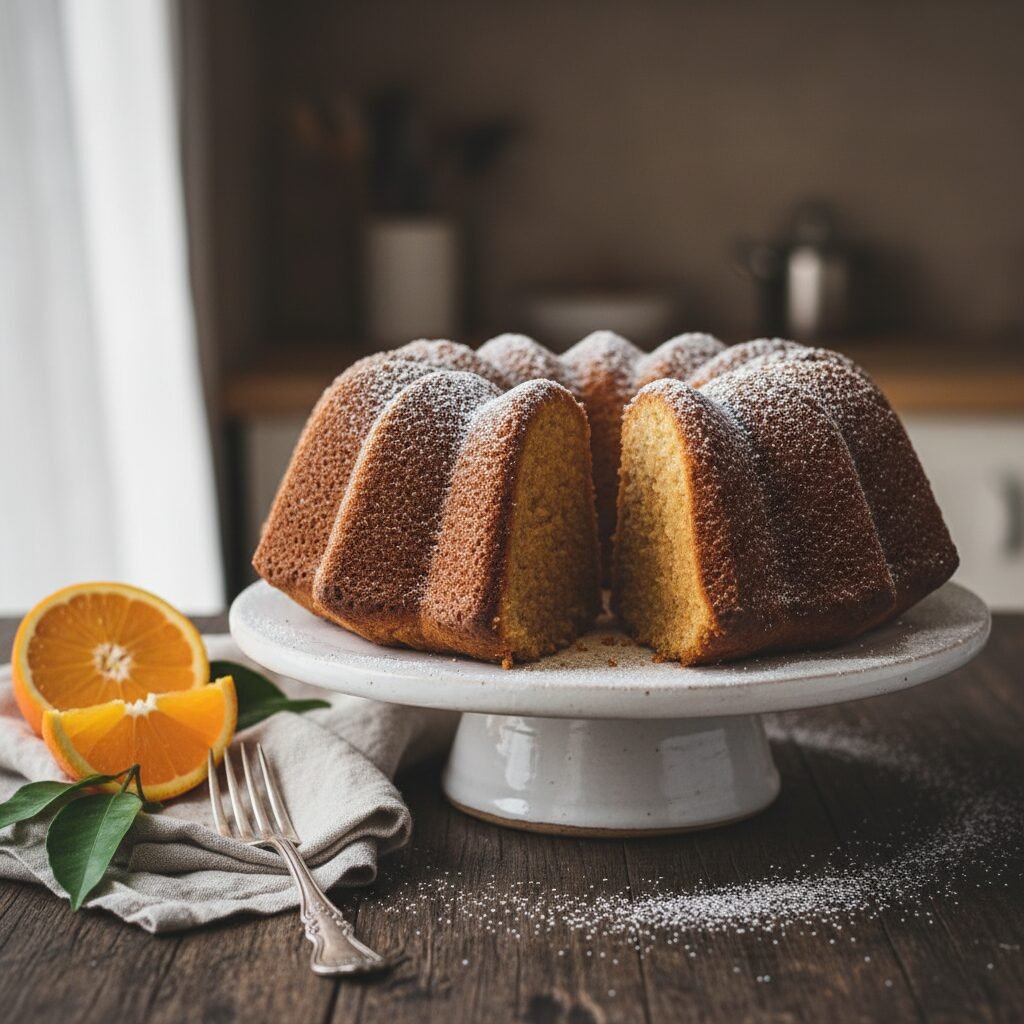
The Ultimate Moist Orange Bundt Cake with Powdered Sugar Dusting
Moist Orange Bundt Cake With Powdered Sugar Recipe
This incredibly moist Orange Bundt Cake is like sunshine on a plate, bursting with fresh citrus flavor and a tender, melt-in-your-mouth crumb. It is an easy, fail-proof dessert finished with a simple dusting of powdered sugar that makes it perfect for breakfast, brunch, or an elegant tea time treat.
20 minutes
50 minutes
1 hour 10 minutes
12-14 servings
Dessert
Baking
American
Vegetarian
There are few things in the baking world as satisfyingly simple yet elegantly impressive as a classic Bundt cake. This Moist Orange Bundt Cake is the epitome of comfort baking, delivering a vibrant explosion of citrus flavor wrapped in a texture that is undeniably plush and tender. Unlike layer cakes that require fussy frosting and stacking, the beauty of this dessert lies in the pan itself and the quality of the crumb. We are talking about a cake that perfumes your entire home with the scent of warm vanilla and zesty orange as it bakes, creating an atmosphere of anticipation that is almost as good as the first bite. The secret to the incredible texture here is the combination of fresh orange juice, zest, and a dairy element like sour cream or Greek yogurt, which ensures the cake remains soft for days. It strikes the perfect balance between dense and fluffy, a characteristic hallmark of the best pound cakes. While many orange cakes rely heavily on artificial extracts, this recipe champions the whole fruit. We rub the orange zest directly into the sugar before mixing, a technique that releases the essential oils and infuses every single grain of sugar with aromatic citrus notes. This cake does not need a heavy glaze or buttercream to shine; a light, snowy dusting of powdered sugar highlights the intricate ridges of the Bundt shape and adds just enough sweetness to counter the tangy zest. Whether you are a seasoned baker looking for a reliable staple or a novice wanting to bring something spectacular to a potluck, this recipe is your golden ticket. It pairs beautifully with a dark roast coffee in the morning or a dollop of whipped cream and berries for an after-dinner delight. It is nostalgic, comforting, and sophisticated all at once.
History & Origins
The history of the Bundt cake is a fascinating journey that bridges European tradition with mid-century American innovation. The cake’s lineage can be traced back to the European ‘Gugelhupf’ or ‘Kugelhopf,’ a yeast-based brioche-style cake popular in Germany, Austria, and Alsace, traditionally baked in a fluted, ring-shaped mold. The central tube in the pan was designed not just for aesthetics, but for engineering; it allowed heat to penetrate the center of the dense batter, ensuring an even bake. However, the Bundt cake as we know it in America is a relatively modern phenomenon. In the 1950s, H. David Dalquist, the founder of the cookware company Nordic Ware, was approached by a group of Jewish women from the Hadassah Society in Minneapolis. They wanted a modern version of the ceramic Kugelhopf molds they remembered from the old country but made from lighter, more conductive aluminum. Dalquist obliged and trademarked the name ‘Bundt,’ adding a ‘t’ to the German word ‘Bund’ (meaning an alliance or gathering) to improve pronunciation and trademarkability. For over a decade, the pans sold poorly. It wasn’t until 1966, when Ella Helfrich won second place in the Pillsbury Bake-Off with her ‘Tunnel of Fudge’ cake, that the Bundt pan skyrocketed to fame. Suddenly, every American household needed one. Since then, the Bundt cake has evolved from heavy, fudge-filled rings to lighter, fruit-forward variations like this Orange Bundt. Citrus cakes specifically gained popularity in the warmer American states like Florida and California, where oranges were abundant. This recipe pays homage to that mid-century resurgence, combining the classic European ring shape with the fresh, bright flavors of American produce.
Why This Recipe Works
This recipe succeeds where many others fail because it is meticulously balanced to prevent the two most common Bundt cake sins: dryness and lack of flavor. First, let’s talk about moisture. While butter offers great flavor, it contains water that evaporates during baking. This recipe utilizes a blend of oil and a rich dairy product (sour cream or full-fat Greek yogurt). Oil is 100% fat and remains liquid at room temperature, which coats the flour proteins and prevents gluten over-development, resulting in a sensation of moistness that lasts for days. The sour cream adds acidity, which tenderizes the crumb and reacts with the baking soda to create a lovely lift. Secondly, the flavor profile is amplified through the ‘reverse creaming’ of the zest. By rubbing the orange zest into the granulated sugar at the very beginning, the abrasive sugar crystals tear open the zest’s oil cells, releasing the potent orange oil directly into the base of the batter. This creates a depth of citrus flavor that juice alone cannot achieve. Finally, the structural integrity is key. A Bundt pan holds a lot of batter, so the leavening agents (baking powder and soda) are carefully calculated to support the heavy batter as it rises, ensuring the cake fills the intricate designs of the mold without collapsing or overflowing. The result is a cake that releases easily, cuts cleanly, and tastes vibrant.
Why You’ll Love This Recipe
- ✓Incredibly moist texture that stays fresh for days.
- ✓Intense natural orange flavor from zest and fresh juice.
- ✓No mixer required; can be made with two bowls and a whisk.
- ✓Beautiful presentation with minimal decorating effort.
- ✓Freezes exceptionally well for make-ahead meal prep.
- ✓Perfect balance of sweet and tangy notes.
Equipment You’ll Need
- ✓10-12 cup Bundt pan
- ✓Large mixing bowl
- ✓Medium mixing bowl
- ✓Whisk
- ✓Rubber spatula
- ✓Microplane or citrus zester
- ✓Measuring cups and spoons
- ✓Wire cooling rack
- ✓Sifter or fine-mesh sieve
Ingredients
- ✓2 1/2 cups All-purpose flour
- ✓2 cups Granulated sugar
- ✓1 1/2 teaspoons Baking powder
- ✓1/2 teaspoon Baking soda
- ✓1/2 teaspoon Salt
- ✓3 large Eggs, room temperature
- ✓1 cup Sour cream or full-fat Greek yogurt, room temperature
- ✓3/4 cup Vegetable oil or canola oil
- ✓1/2 cup Freshly squeezed orange juice (about 2 oranges)
- ✓2 tablespoons Fresh orange zest (about 2-3 oranges)
- ✓1 teaspoon Pure vanilla extract
- ✓1/4 cup Powdered sugar (for dusting)
Instructions
- Preheat your oven to 350°F (175°C). Thoroughly grease your Bundt pan with baking spray (the kind with flour in it) or butter and flour, ensuring every nook and cranny is coated to prevent sticking.
- In a large mixing bowl, combine the granulated sugar and the fresh orange zest. Use your fingertips to rub the zest into the sugar for about 1-2 minutes until the sugar looks like wet sand and is very fragrant.
- Add the flour, baking powder, baking soda, and salt to the sugar-zest mixture. Whisk well to combine and distribute the leavening agents evenly.
- In a separate medium bowl, whisk together the room temperature eggs, sour cream (or yogurt), vegetable oil, fresh orange juice, and vanilla extract until the mixture is completely smooth and emulsified.
- Pour the wet ingredients into the dry ingredients. Using a rubber spatula or a wooden spoon, gently fold the mixture together. Stir just until the flour streaks disappear. Do not overmix, or the cake will be tough.
- Pour the batter into the prepared Bundt pan. Tap the pan firmly on the counter 2-3 times to release any large air bubbles trapped in the batter.
- Bake in the center of the oven for 45-55 minutes, or until a wooden skewer inserted into the thickest part of the cake comes out clean or with just a few moist crumbs attached.
- Remove from the oven and let the cake cool in the pan for exactly 10 minutes. This allows the structure to set slightly.
- Place a wire cooling rack over the top of the pan, then carefully invert the cake onto the rack. Gently lift the pan off. If greased properly, it should slide right out.
- Allow the cake to cool completely to room temperature. Once cool, use a sifter to generously dust the top with powdered sugar before slicing and serving.
Expert Cooking Tips
- ✓Room temperature ingredients are non-negotiable; they emulsify better creating a uniform crumb.
- ✓Grease the pan right before filling it; if you grease it too early, the oil can slide down the sides.
- ✓Do not use bottled orange juice; the flavor difference is significant and bottled juice often has added bitterness.
- ✓Measure flour by spooning it into the cup and leveling it off, rather than scooping directly, to avoid a dense cake.
- ✓If the top of the cake is browning too quickly in the oven, loosely tent it with aluminum foil for the last 15 minutes.
- ✓Letting the cake cool in the pan for exactly 10 minutes is the ‘Goldilocks’ zone—too hot and it breaks, too cold and it sticks.
- ✓For an extra punch of flavor, you can brush the warm cake with an orange simple syrup before dusting with sugar.
Substitutions and Variations
Baking is chemistry, but there is some room for flexibility in this recipe. If you do not have sour cream, full-fat plain Greek yogurt is the best 1:1 substitute; plain regular yogurt works too but may result in a slightly thinner batter. You can use buttermilk, but reduce the amount slightly to maintain the right consistency. For the oil, any neutral oil like canola, vegetable, or grapeseed works best to let the orange flavor shine, but melted coconut oil or even a mild olive oil can add a unique dimension if you prefer. If you want to make this gluten-free, use a high-quality 1:1 gluten-free flour blend that contains xanthan gum; the texture will be slightly different but still delicious. If you run out of oranges, this recipe works beautifully with lemons (reduce zest to 1.5 tablespoons), blood oranges, or even grapefruits for a more bitter-sweet profile. For a lower sugar option, you can reduce the granulated sugar by 1/4 cup, though this may slightly alter the moisture level.
Common Mistakes to Avoid
The most heartbreaking mistake with Bundt cakes is the ‘stick.’ This usually happens because the pan wasn’t greased thoroughly enough or the cake was flipped too early or too late. Always use a pastry brush to get the grease into every crevice. Another common error is overmixing the batter. Once the wet and dry ingredients meet, gluten begins to form. If you mix too vigorously, you will end up with a rubbery, tough cake instead of a tender one. Using cold ingredients is another pitfall; cold eggs and sour cream will cause the oil to seize up and the batter to curdle, leading to an uneven bake. Finally, avoid opening the oven door repeatedly during the first 30 minutes of baking. The rush of cold air can cause the cake to collapse before the structure has set.
Serving Suggestions
This cake is elegant in its simplicity, making it versatile for various occasions. Serve a thick slice alongside a hot cup of Earl Grey tea or black coffee for breakfast or an afternoon pick-me-up. For a dessert presentation, pair it with a dollop of freshly whipped cream or a scoop of vanilla bean ice cream. Fresh berries, such as raspberries or strawberries, add a nice color contrast and tartness. If you want to dress it up for a holiday or celebration, garnish the plate with candied orange peels or edible flowers. It also travels exceptionally well, making it a perfect candidate for picnics, church potlucks, or giving as a thoughtful housewarming gift wrapped in cellophane.
Storage and Reheating Tips
One of the best features of this oil-based cake is its shelf life. It can be stored at room temperature in an airtight container or a cake dome for up to 3 to 4 days without drying out. In fact, the flavors often meld and improve on the second day. If you live in a very hot or humid climate, you might prefer to store it in the refrigerator for up to a week, but bring it to room temperature before eating for the best texture. For long-term storage, this cake freezes beautifully. You can freeze the whole cake (wrapped tightly in plastic wrap and then foil) for up to 3 months. Alternatively, freeze individual slices separated by parchment paper in a freezer bag, allowing you to thaw a single serving whenever a craving strikes.
Nutrition Facts (Estimated)
| Serving Size | 1 slice |
| Calories | 380 |
| Fat | 18g |
| Saturated Fat | 3g |
| Unsaturated Fat | 14g |
| Trans Fat | 0g |
| Cholesterol | 45mg |
| Sodium | 210mg |
| Carbohydrates | 52g |
| Fiber | 1g |
| Sugar | 28g |
| Protein | 5g |
Frequently Asked Questions
Why did my Bundt cake stick to the pan?
Sticking is usually due to insufficient greasing or the condition of the pan. Older non-stick pans can lose their coating. Ensure you grease every crevice right before baking, or use a ‘baking spray’ that contains flour.
Can I use butter instead of oil?
You can, but the texture will change. Butter makes a denser, slightly drier cake that hardens when cool. Oil ensures the cake stays moist and soft even when stored in the fridge.
My cake sank in the middle. What happened?
This is often caused by underbaking or opening the oven door too early. It can also happen if there was too much leavening (baking powder/soda) or if the batter was overmixed.
Can I add a glaze instead of powdered sugar?
Absolutely. A simple glaze made of powdered sugar and orange juice is delicious. Pour it over the cake while it is completely cool to prevent it from melting off.
How do I measure the flour correctly?
Avoid scooping the flour directly with the measuring cup, which packs it down. Instead, fluff the flour, spoon it into the cup, and level it off with a knife.
Can I make this recipe in a regular cake pan?
Yes, you can split the batter between two 9-inch round cake pans or a 9×13 rectangular pan. You will need to reduce the baking time to approximately 30-35 minutes.
Why is my cake dense?
Density can result from overmixing the batter (developing too much gluten), expired baking powder, or not creaming the liquid ingredients thoroughly enough.
Do I really need to use fresh orange juice?
Yes, fresh juice provides a bright, floral acidity that bottled concentrate lacks. Bottled juice can make the cake taste artificial or overly sweet.
Conclusion
There is something deeply rewarding about pulling a perfect Bundt cake out of the oven. This Moist Orange Bundt Cake with Powdered Sugar is a testament to the power of simple, fresh ingredients coming together to create something magical. It avoids the complexity of layer cakes while delivering maximum flavor payoff. Whether you are baking for a quiet Sunday morning at home or a festive gathering with friends, this cake promises to deliver joy in every citrus-infused bite. The soft crumb, the aromatic zest, and the delicate sweetness make it a recipe you will find yourself returning to season after season. So, grab your oranges, preheat your oven, and get ready to bake a new family favorite.