Sunshine on a Plate: The Ultimate Moist Orange Bundt Cake with Zesty Lemon Glaze
Moist Orange Bundt Cake With Lemon Glaze Recipe
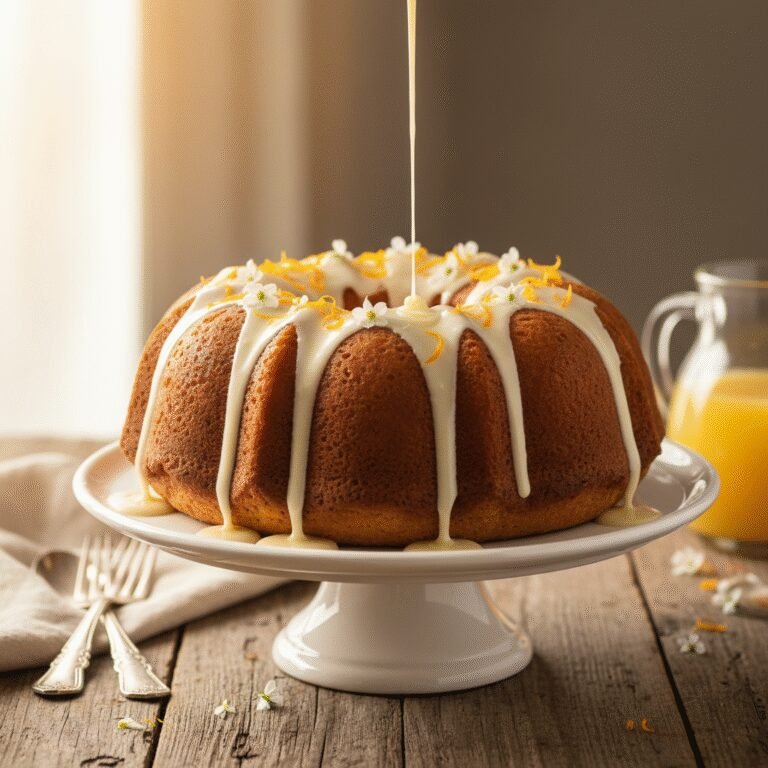
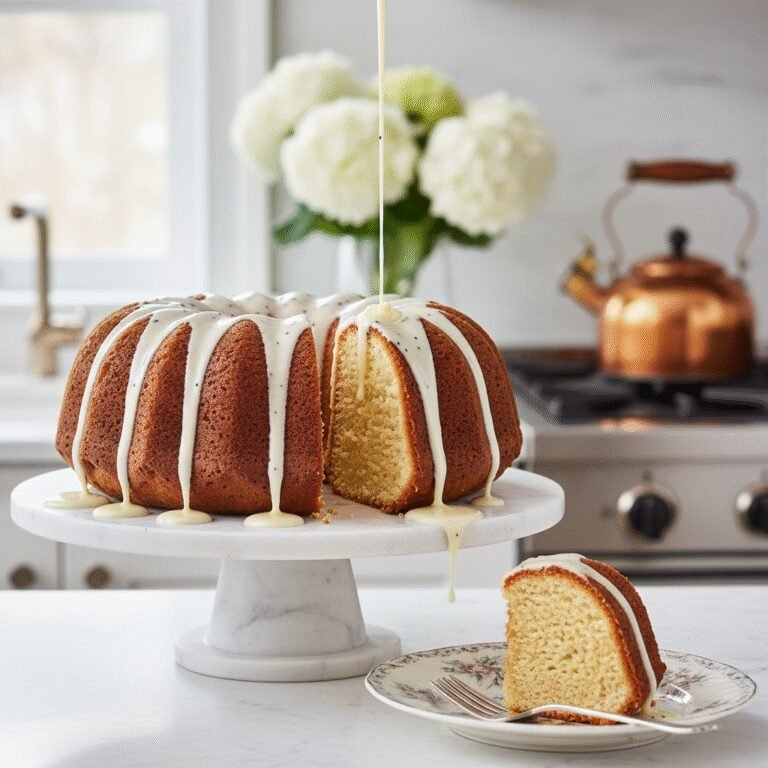
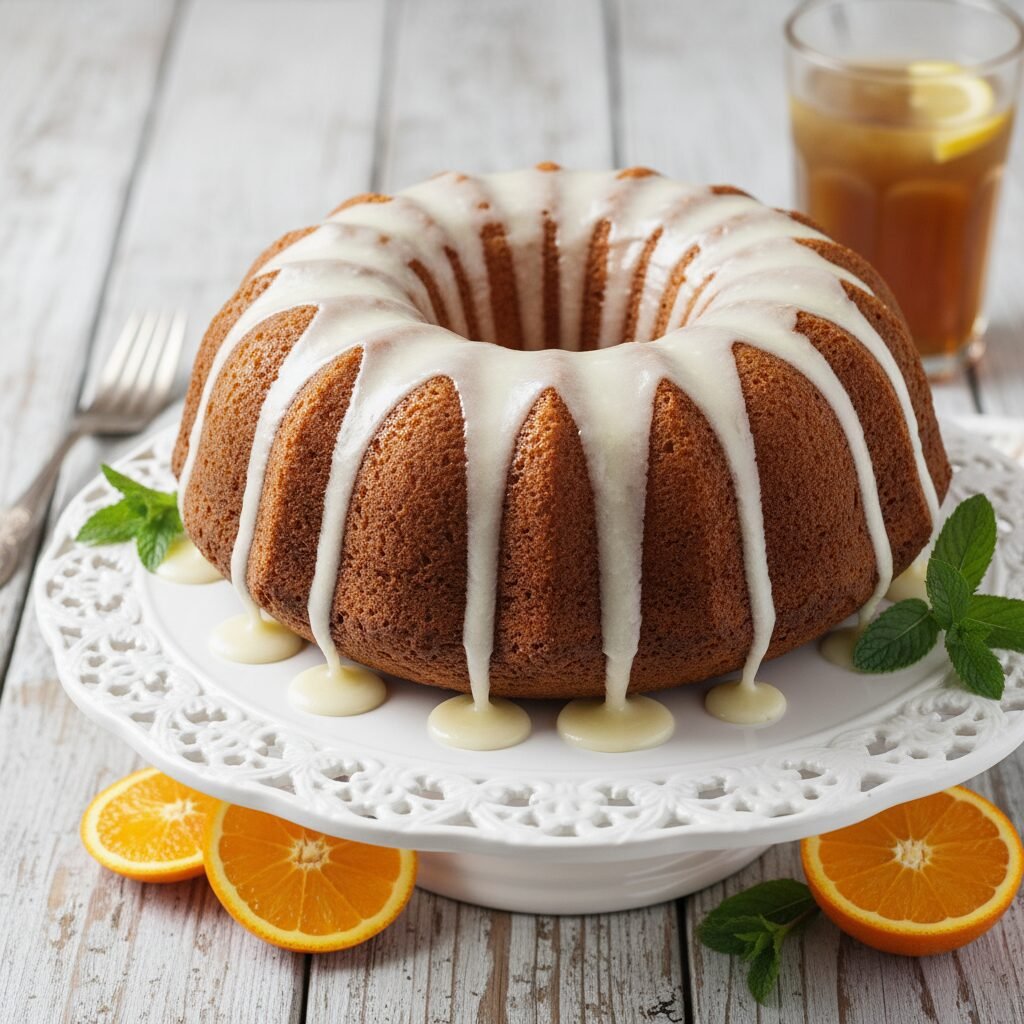
Brighten up your baking repertoire with this incredibly moist Orange Bundt Cake, finished with a tart and sweet lemon glaze. Bursting with fresh citrus flavor and boasting a tender, melt-in-your-mouth crumb, this recipe is the perfect centerpiece for brunch, afternoon tea, or a sunny dessert spread.
20 minutes
55 minutes
1 hour 30 minutes
12-16 servings
Dessert
Baking
American
Vegetarian
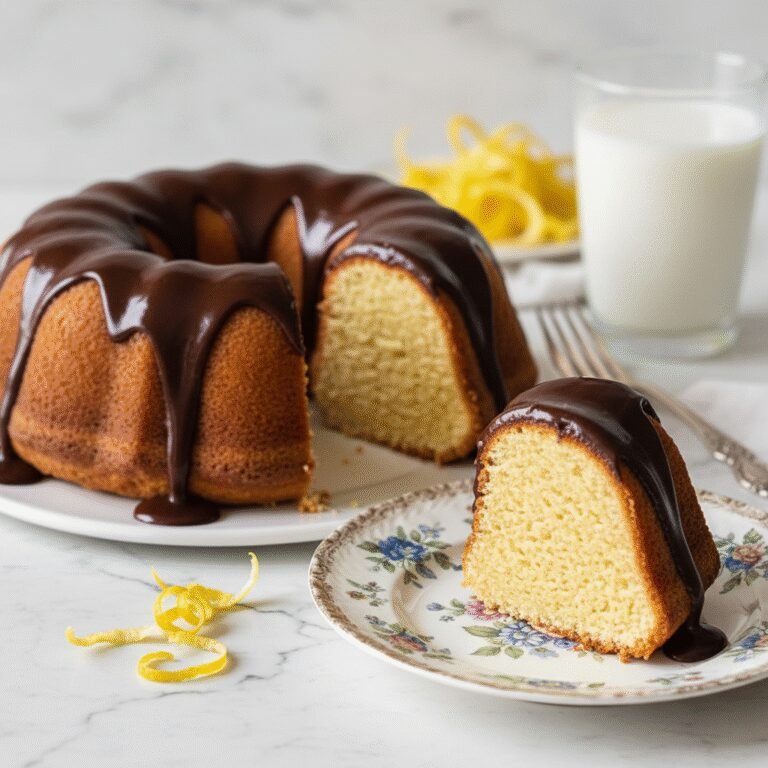
There is something undeniably cheerful about a Bundt cake. Unlike their high-maintenance layered cousins, which require leveling, stacking, and meticulous frosting, the Bundt is the epitome of effortless elegance. But do not let its simplicity fool you; this Moist Orange Bundt Cake with Lemon Glaze is a showstopper in both flavor and texture. We are talking about a crumb so tender it practically sighs when you slice it, infused with the sunny, floral essence of fresh oranges. It is the culinary equivalent of a warm ray of sunshine on a cloudy day.
The secret to this cake’s success lies in its aggressive use of fresh citrus. We don’t just use the juice; we rub the zest directly into the sugar, releasing essential oils that permeate every single bite. The result is a flavor profile that is vibrant and aromatic, perfectly balanced by the rich, buttery undertones of the batter. And then, there is the glaze. A simple mixture of powdered sugar and fresh lemon juice creates a tart, bright contrast to the sweet orange crumb. As it sets, it forms a delicate, crackly shell that adds a lovely textural element to the soft cake beneath.
This recipe is designed for everyone, from the novice baker looking for a foolproof win to the seasoned pro wanting a reliable, crowd-pleasing recipe for a potluck or holiday table. It keeps remarkably well, staying moist for days thanks to a specific blend of fats and dairy. Whether you are serving it with a dollop of whipped cream and berries or enjoying a slice plain with your morning coffee, this Orange Bundt Cake is destined to become a permanent fixture in your recipe box.
History & Origins
The history of the Bundt cake is a fascinating journey that bridges Old World European traditions with mid-century American innovation. The cake’s distinctive ring shape is derived from the ‘Gugelhupf’ or ‘Kugelhopf,’ a yeast-based cake traditionally baked in a fluted tube pan, popular in Germany, Austria, and Alsace for centuries. These cakes were often dense, bread-like, and studded with nuts and dried fruits. However, the modern incarnation of the Bundt cake is distinctly American, thanks to a Minneapolis-based company called Nordic Ware.
In the late 1940s, H. David Dalquist, the founder of Nordic Ware, was approached by a group of Jewish women from the local Hadassah society. They were looking for a modern version of the traditional ceramic Kugelhopf pans they had used in the old country, but they wanted something lighter and made of cast aluminum. Dalquist obliged, creating the fluted aluminum pan and trademarking the name ‘Bundt’ (adding a ‘t’ to the German word ‘Bund,’ meaning an alliance or bond, to trademark it and perhaps distance it from the German-American Bund).
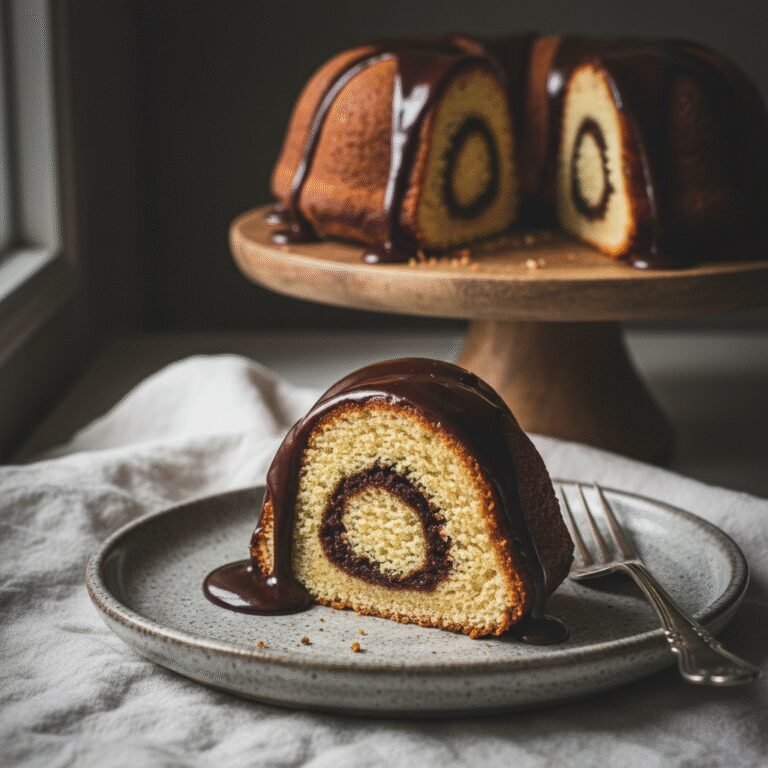
Initially, the pan was a slow seller and was nearly discontinued. The turning point came in 1966 during the Pillsbury Bake-Off, when a contestant named Ella Helfrich won second place with her ‘Tunnel of Fudge’ cake, baked in a Nordic Ware Bundt pan. The recipe became a national sensation, propelling the Bundt pan into millions of American kitchens. Since then, the Bundt has evolved from heavy, yeasted cakes to the rich, moist, baking-powder-leavened pound cakes we adore today. This orange variation pays homage to the pan’s ability to bake dense, heavy batters evenly, creating a golden crust that releases easily from the intricate molds.
Why This Recipe Works
This recipe succeeds where many Bundt cakes fail—avoiding the dreaded dryness—through a scientifically balanced approach to fats and acidity. First, we utilize a ‘dual-fat’ method. While butter provides that unmistakable rich flavor and golden crust, oil is liquid at room temperature, which ensures the cake remains sensationally moist and tender for days, not just hours. By using a combination of both, we get the best of both worlds: flavor and longevity.
Secondly, the incorporation of sour cream (or full-fat Greek yogurt) is non-negotiable. The acidity in the sour cream does two things: it tenderizes the gluten strands in the flour, preventing the cake from becoming tough or rubbery, and it reacts with the baking soda to create a superior rise and a fine, velvety crumb.
Furthermore, the method of ‘massaging’ the orange zest into the granulated sugar before creaming is a crucial technique. Sugar crystals act as an abrasive, tearing open the zest’s cells and releasing potent citrus oils that would otherwise be lost. This ensures the orange flavor is deep and pervasive, rather than superficial. Finally, the lemon glaze provides a necessary ‘acid spike.’ The cake itself is sweet and fragrant, so the sharp, tart lemon icing cuts through the richness, cleansing the palate and making you ready for the next bite.
Why You’ll Love This Recipe
- ✓Incredibly moist texture that stays fresh for days.
- ✓Vibrant natural citrus flavor using fresh zest and juice.
- ✓Beautiful presentation with minimal decorating effort.
- ✓Freezer-friendly, making it perfect for make-ahead events.
- ✓Balanced sweetness with a tart lemon glaze finish.
- ✓No fancy mixer required; can be made with a hand mixer.
Equipment You’ll Need
- ✓10-12 cup Bundt pan
- ✓Stand mixer or electric hand mixer
- ✓Large mixing bowl
- ✓Medium mixing bowl
- ✓Whisk
- ✓Rubber spatula
- ✓Microplane or zester
- ✓Citrus juicer
- ✓Wire cooling rack
Ingredients
- ✓2 1/2 cups all-purpose flour
- ✓1/2 teaspoon baking soda
- ✓1/2 teaspoon baking powder
- ✓1 teaspoon salt
- ✓2 cups granulated sugar
- ✓2 tablespoons fresh orange zest (approx. 2 oranges)
- ✓1 cup unsalted butter, softened
- ✓1/4 cup vegetable oil (or canola oil)
- ✓4 large eggs, room temperature
- ✓1 teaspoon pure vanilla extract
- ✓1/2 cup sour cream or full-fat Greek yogurt, room temperature
- ✓1/2 cup fresh orange juice
- ✓GLAZE: 1 1/2 cups powdered sugar, sifted
- ✓GLAZE: 2-3 tablespoons fresh lemon juice
- ✓GLAZE: 1 teaspoon fresh lemon zest
Instructions
- Preheat your oven to 350°F (175°C). Thoroughly grease your Bundt pan with butter or non-stick baking spray (the kind with flour in it works best) and dust with flour, tapping out the excess. Ensure every nook and cranny is coated.
- In a medium bowl, whisk together the flour, baking soda, baking powder, and salt. Set this dry mixture aside.
- In the bowl of a stand mixer (or a large bowl), combine the granulated sugar and orange zest. Use your fingers to rub the zest into the sugar until it becomes fragrant and resembles wet sand.
- Add the softened butter and vegetable oil to the sugar mixture. Beat on medium-high speed for about 3-5 minutes until the mixture is pale, light, and fluffy. Scrape down the sides of the bowl as needed.
- Add the eggs one at a time, beating well after each addition. Stir in the vanilla extract.
- Reduce the mixer speed to low. Add one-third of the flour mixture, followed by half of the sour cream and half of the orange juice. Mix just until combined.
- Add another third of the flour mixture, followed by the remaining sour cream and orange juice. Finish with the final third of the flour mixture. Mix only until no streaks of flour remain. Do not overmix.
- Pour the batter into the prepared Bundt pan and smooth the top with a spatula. Tap the pan firmly on the counter 2-3 times to release any trapped air bubbles.
- Bake for 50-60 minutes, or until a cake tester or wooden skewer inserted into the center comes out clean or with just a few moist crumbs attached.
- Remove from the oven and let the cake cool in the pan for exactly 10 minutes. Then, invert the cake onto a wire cooling rack to cool completely.
- While the cake cools, make the glaze. Whisk together the sifted powdered sugar, lemon zest, and 2 tablespoons of lemon juice. Add more juice, a teaspoon at a time, until you reach a thick but pourable consistency.
- Once the cake is completely cool, drizzle the glaze over the top, allowing it to drip down the sides. Let the glaze set for 15 minutes before slicing.
Expert Cooking Tips
- ✓Room Temperature Ingredients: Ensure your eggs, butter, and sour cream are at room temperature. This allows them to emulsify properly, creating a smoother batter and a better rise.
- ✓Grease the Pan Well: Bundt pans are notorious for sticking. Use a baking spray that contains flour, or grease generously with shortening and dust with flour, ensuring you get into every crevice.
- ✓Don’t Overmix: Once the flour is added, mix gently. Overmixing develops gluten, which can lead to a tough, rubbery cake rather than a tender one.
- ✓Measure Flour Correctly: Use the spoon-and-level method. Spoon flour into the measuring cup and level it off with a knife. Scooping directly packs the flour, leading to a dry cake.
- ✓Cooling Time: Let the cake cool in the pan for 10 minutes—no more, no less. Too hot, and it’s fragile; too cool, and the sugars solidify, making it stick to the pan.
- ✓Zest First: Always zest your citrus before juicing it. It is nearly impossible to zest a squeezed lemon or orange.
Substitutions and Variations
Baking is a science, but there is some room for flexibility in this recipe. If you do not have sour cream, full-fat Greek yogurt is an excellent 1:1 substitution that maintains the moisture and acidity needed. In a pinch, buttermilk can work, though the batter will be slightly thinner. For the fat, you can replace the vegetable oil with melted coconut oil, though this may impart a slight coconut flavor. If you prefer an all-butter cake, replace the 1/4 cup oil with an additional 1/4 cup of softened butter, but be aware the cake may dry out slightly faster. For the citrus, blood oranges or tangerines make a beautiful variation for the cake base. If you want to avoid a lemon glaze, an orange glaze works perfectly well, or simply dust the cooled cake with powdered sugar for a lighter finish. Gluten-free baking blends (specifically those measuring 1:1 with xanthan gum) generally work well in this recipe, though the texture may be slightly denser.
Common Mistakes to Avoid
The most common mistake with Bundt cakes is improper pan preparation. Even non-stick pans need to be greased and floured; otherwise, the intricate designs will tear upon release. Another frequent error is opening the oven door too early. Bundt cakes are heavy and take a long time to bake; opening the door causes a temperature drop that can cause the cake to collapse. Trust the timer and only check towards the end. Additionally, using bottled citrus juice instead of fresh is a mistake here. Bottled juice lacks the brightness and floral notes of fresh juice and often contains preservatives that alter the flavor profile. Finally, do not glaze the cake while it is warm. The glaze will simply melt and slide right off, soaking into the cake and making it soggy rather than creating that beautiful white drizzle.
Serving Suggestions
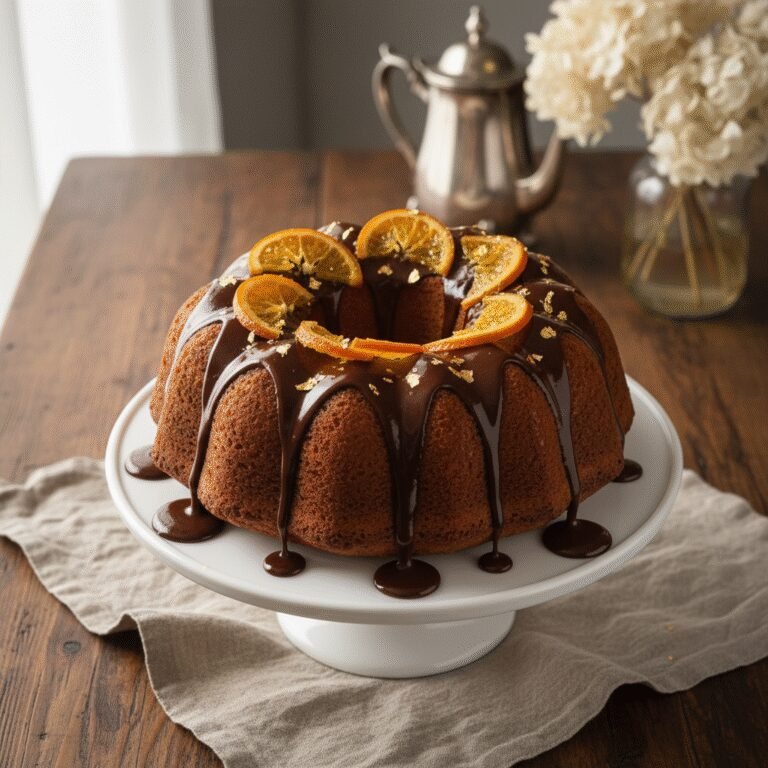
This cake is versatile enough for breakfast, brunch, or dessert. For a brunch setting, serve slices alongside a fresh fruit salad of strawberries, blueberries, and kiwi to complement the citrus notes. A dollop of lightly sweetened whipped cream or a scoop of vanilla bean ice cream turns this into a decadent dessert. If you want to elevate the presentation for a dinner party, garnish the top of the glazed cake with candied orange peel, edible flowers (like pansies or nasturtiums), or fresh mint leaves. It pairs beautifully with Earl Grey tea, which shares similar bergamot citrus notes, or a robust dark roast coffee to contrast the sweetness.
Storage and Reheating Tips
One of the best features of this cake is its shelf life. It can be stored at room temperature in an airtight container or cake dome for up to 4 days. In fact, the flavors often meld and improve on the second day. If you live in a very hot or humid climate, you may want to store it in the refrigerator, but bring it to room temperature before serving for the best texture. For long-term storage, this cake freezes beautifully. You can freeze the whole unglazed cake or individual slices. Wrap tightly in plastic wrap, followed by a layer of aluminum foil. It will keep in the freezer for up to 3 months. Thaw overnight on the counter and glaze before serving if freezing the whole cake.
Nutrition Facts (Estimated)
| Serving Size | 1 slice |
| Calories | 380 |
| Fat | 18g |
| Saturated Fat | 10g |
| Unsaturated Fat | 7g |
| Trans Fat | 0g |
| Cholesterol | 65mg |
| Sodium | 180mg |
| Carbohydrates | 52g |
| Fiber | 1g |
| Sugar | 28g |
| Protein | 5g |
Frequently Asked Questions
Why did my Bundt cake stick to the pan?
Sticking usually happens because the pan wasn’t greased thoroughly enough, or the cake cooled in the pan for too long. The sugars in the cake harden as they cool, acting like glue. Stick to the 10-minute cooling rule.
Can I use store-bought orange juice?
Technically yes, but it is not recommended. Freshly squeezed juice provides a much brighter, authentic flavor and works better with the baking soda. Store-bought juice often has added sugar and lacks the necessary acidity.
My cake is too brown on the outside but raw in the middle. What happened?
Your oven temperature might be running high. Bundt cakes are dense and need time. If the top is browning too fast, tent it loosely with aluminum foil after 30-40 minutes to prevent burning while the center cooks.
Can I make this recipe into cupcakes or a loaf cake?
Yes. For two loaf pans, bake for about 45-55 minutes. For cupcakes, bake for 18-22 minutes. Adjust the timing and always check for doneness with a toothpick.
Can I reduce the sugar in this recipe?
Sugar provides moisture and structure, not just sweetness. Reducing it significantly will affect the texture, making the cake drier and denser. You could reduce it by about 1/4 cup without disaster, but proceed with caution.
Why did my cake sink in the middle?
This can happen if the oven door was opened too early, the batter was overmixed (incorporating too much air that collapses), or the leavening agents (baking soda/powder) were expired.
Do I have to use a Bundt pan?
If you don’t have a Bundt pan, you can use two 9×5 inch loaf pans or a 9×13 inch rectangular pan. The baking time will need to be adjusted downward for the rectangular pan.
Can I add mix-ins like poppy seeds or cranberries?
Absolutely! 2 tablespoons of poppy seeds or 1 cup of fresh/dried cranberries (tossed in a little flour to prevent sinking) would be delicious additions to this batter.
Is the glaze necessary?
Not strictly, but it balances the flavors. If you skip the glaze, a dusting of powdered sugar makes for a pretty, less sweet finish.
How do I know when the cake is truly done?
Because the cake is dense, the toothpick test is best. It should come out clean or with a few moist crumbs. Also, the cake should gently spring back when pressed lightly with a finger.
Conclusion
We hope this Moist Orange Bundt Cake with Lemon Glaze brings a burst of citrusy joy to your kitchen. It is a recipe that proves baking doesn’t need to be complicated to be spectacular. The combination of the tender, aromatic sponge and the sharp, sweet glaze is truly timeless. Whether you are baking for a special occasion or just to treat yourself on a weekend, this cake delivers on all fronts—taste, texture, and visual appeal. Don’t forget to share your creations on Pinterest and tag us so we can see your beautiful Bundts! Happy baking!