The Ultimate Moist Marble Pound Cake With Chocolate Chips
Moist Marble Pound Cake With Chocolate Chips Recipe
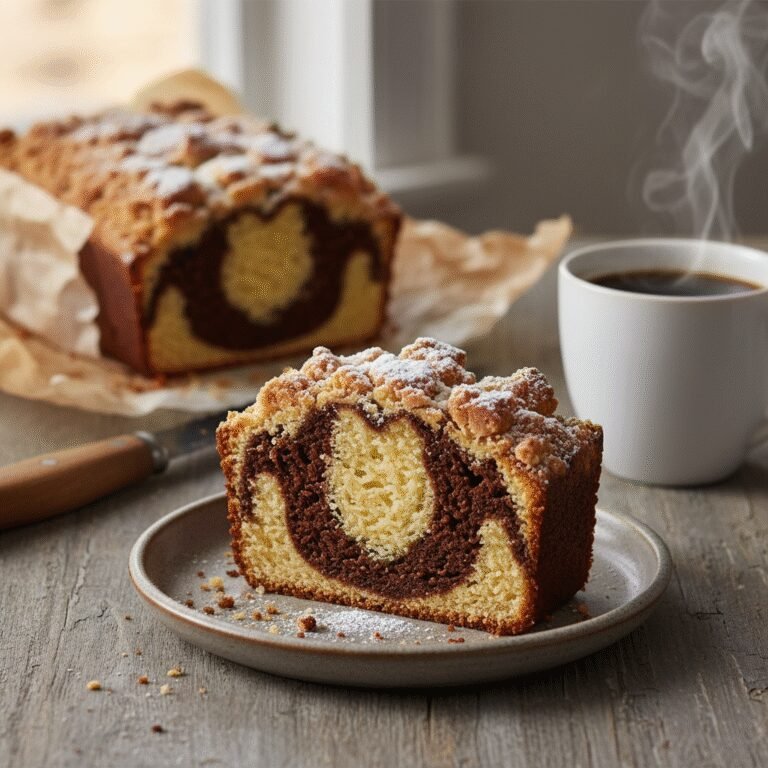
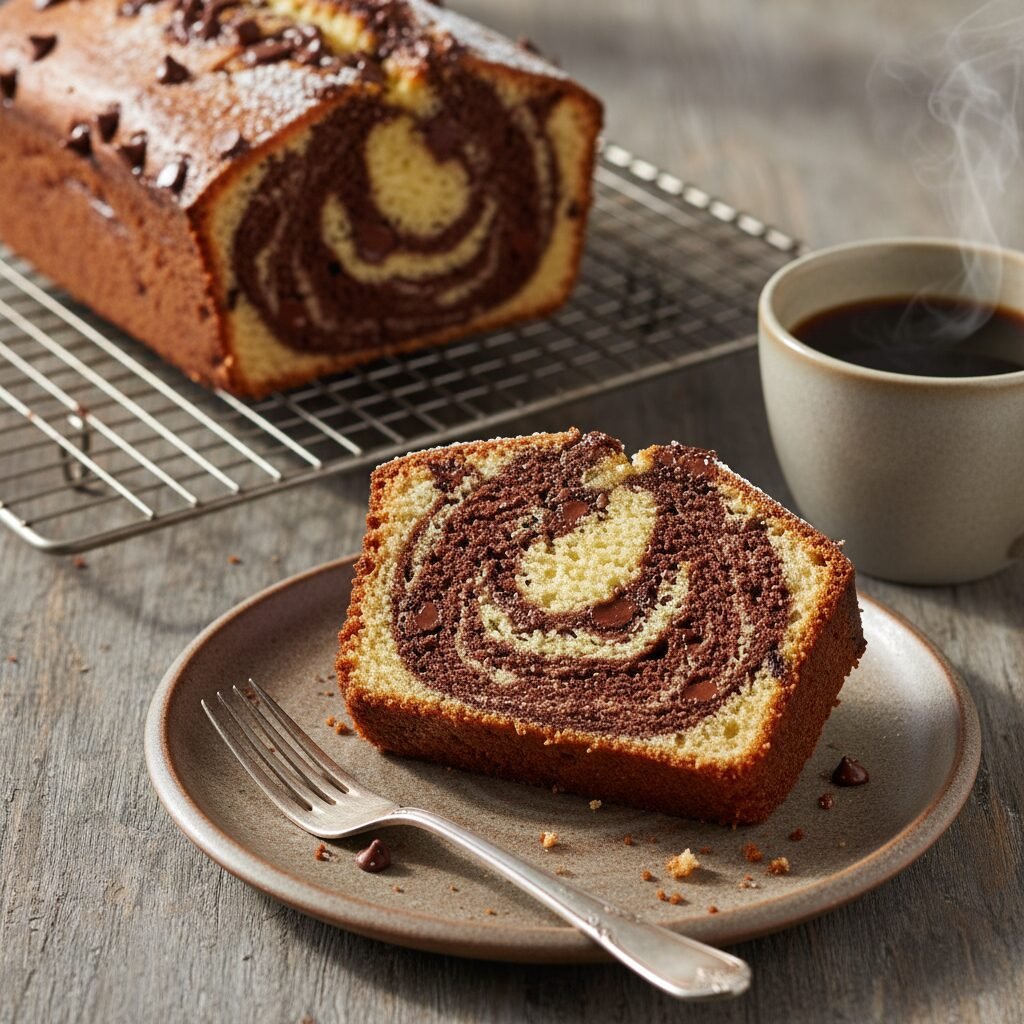
This buttery, dense marble pound cake swirls rich chocolate and vanilla batters together with semi-sweet chocolate chips in every bite. It is the perfect companion for your morning coffee or a decadent afternoon treat that stays incredibly moist for days.
25 minutes
65 minutes
1 hour 30 minutes
1 Loaf (10-12 slices)
Dessert
Baking
American / European
Vegetarian
There is something undeniably comforting about a classic pound cake. It is the kind of dessert that doesn’t need fancy frosting or elaborate decoration to shine; its beauty lies in its simplicity and its crumb. But when you take that buttery, vanilla-scented foundation and ripple it with ribbons of rich chocolate batter and studded chocolate chips, you elevate a simple staple into a show-stopping masterpiece. This Moist Marble Pound Cake with Chocolate Chips is the answer to the age-old indecision between vanilla and chocolate. Why choose one when you can have both, interwoven in a beautiful, artistic swirl?
What sets this particular recipe apart is its texture. Pound cakes can notoriously lean towards the dry side if not careful, but this recipe utilizes sour cream and a specific creaming method to ensure a velvety, melt-in-your-mouth crumb that remains soft for days. The addition of chocolate chips adds a delightful textural contrast—little pockets of decadence that break up the dense, tender cake. Whether you are serving this at a Sunday brunch, slicing it up for a bake sale, or sneaking a piece for a midnight snack, this marble cake delivers on all fronts: visual appeal, deep flavor, and satisfying texture. It is a nostalgic recipe with a modern, chocolatey twist that is guaranteed to become a permanent fixture in your baking rotation.
History & Origins
The history of the pound cake creates a fascinating timeline of baking evolution. The original recipe dates back to the early 1700s in Northern Europe and England. It earned its name from the simple, memorable ratio of ingredients: one pound each of flour, butter, sugar, and eggs. This massive recipe would yield multiple cakes and was designed for large families or gatherings. In those days, chemical leaveners like baking soda or powder didn’t exist; the rise of the cake depended entirely on the air whipped into the batter during the arduous process of beating the eggs and butter—sometimes for over an hour by hand.
The concept of ‘marble cake’ arrived later, originating from German immigrants in the 19th century. Known as ‘Marmorkuchen,’ early versions didn’t actually use chocolate. Instead, bakers would color part of the batter with molasses and spices to create the contrasting swirl. It wasn’t until chocolate became more accessible and affordable in the late Victorian era that the chocolate-vanilla combination we know and love today became the standard. This recipe marries the ancient British tradition of the dense, buttery pound cake with the German artistic flair of marbling, and adds a distinctly American touch with the inclusion of chocolate chips, creating a global fusion of baking history in a single loaf pan.
Why This Recipe Works
This recipe succeeds where many others fail because it meticulously balances fat, sugar, and moisture to prevent the dreaded ‘dry pound cake’ syndrome. First, we use a combination of butter and sour cream. While butter provides the iconic flavor and tender crumb, the acidity and fat content in the sour cream break down the gluten strands in the flour, resulting in a softer texture that stays moist much longer than a butter-only cake. The sour cream also adds a subtle tang that cuts through the sweetness.
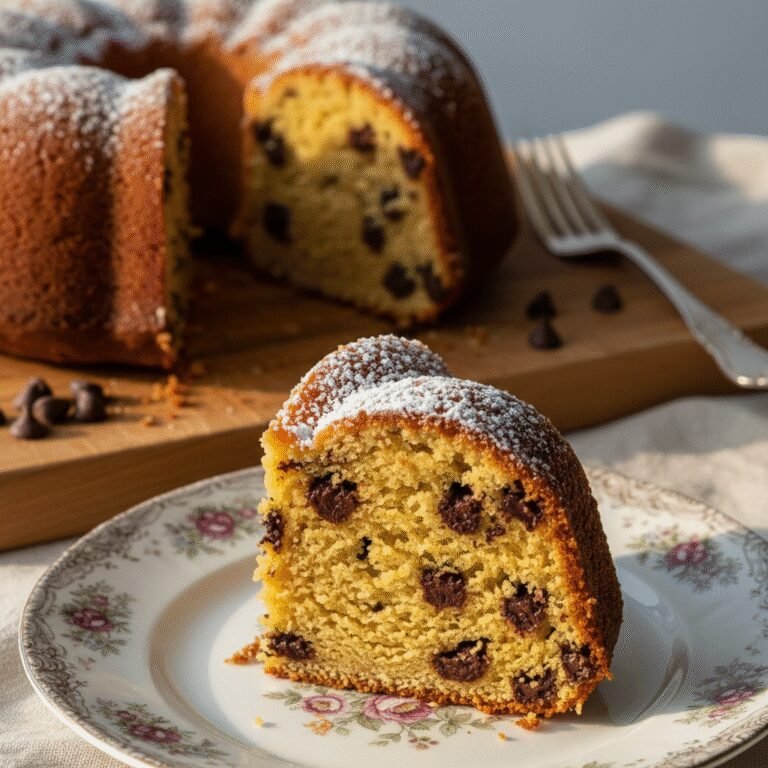
Secondly, the method of incorporating the chocolate is crucial. Rather than just adding dry cocoa powder to the batter—which would dry out the chocolate swirl—we bloom the cocoa in a small amount of hot milk and butter first. This not only intensifies the chocolate flavor but ensures the chocolate batter has the same consistency as the vanilla batter, preventing it from sinking to the bottom of the pan. Finally, we toss the chocolate chips in a teaspoon of flour before folding them in. This creates friction, allowing the chips to suspend throughout the batter rather than sinking to the bottom, ensuring every slice has an equitable distribution of chocolate.
Why You’ll Love This Recipe
- ✓Stays moist for up to 4 days thanks to the sour cream addition.
- ✓Beautiful, Instagram-worthy swirls of chocolate and vanilla.
- ✓Double chocolate flavor with cocoa batter and semi-sweet chips.
- ✓Dense, velvety crumb perfect for dunking in coffee.
- ✓Freezes beautifully for make-ahead convenience.
- ✓Simple ingredients found in any standard pantry.
Equipment You’ll Need
- ✓9×5 inch Loaf Pan
- ✓Stand Mixer or Electric Hand Mixer
- ✓Large Mixing Bowl
- ✓Medium Mixing Bowl
- ✓Small Bowl (for cocoa paste)
- ✓Rubber Spatula
- ✓Skewer or Butter Knife (for swirling)
- ✓Cooling Rack
Ingredients
- ✓1 3/4 cups Cake Flour (spooned and leveled)
- ✓1 tsp Baking Powder
- ✓1/2 tsp Salt
- ✓1 cup Unsalted Butter, softened to room temperature
- ✓1 cup Granulated Sugar
- ✓4 Large Eggs, room temperature
- ✓2 tsp Pure Vanilla Extract
- ✓1/3 cup Sour Cream, room temperature
- ✓3 tbsp Unsweetened Cocoa Powder
- ✓2 tbsp Whole Milk
- ✓1 tbsp Melted Butter
- ✓2/3 cup Semi-Sweet Chocolate Chips
- ✓1 tsp Flour (for coating chips)
Instructions
- Preheat your oven to 325°F (163°C). Grease a 9×5 inch loaf pan generously with butter and dust with flour, or line it with parchment paper leaving an overhang for easy removal.
- In a medium bowl, whisk together the cake flour, baking powder, and salt. Set aside.
- In the bowl of a stand mixer fitted with the paddle attachment (or a large bowl with a hand mixer), cream the softened butter and granulated sugar on medium-high speed for 5-7 minutes. The mixture should look pale, fluffy, and almost white.
- Add the eggs one at a time, beating well after each addition. Scrape down the sides of the bowl as needed. Mix in the vanilla extract.
- Reduce the mixer speed to low. Add half of the dry ingredients, mixing just until combined. Add the sour cream, mix briefly, and then add the remaining dry ingredients. Do not overmix; stop when streaks of flour disappear.
- Remove about 1 cup of the batter and place it into a separate medium bowl. This will become your chocolate batter.
- In a small bowl, whisk together the cocoa powder, whole milk, and 1 tablespoon of melted butter until smooth. Fold this chocolate paste into the reserved 1 cup of batter until fully combined.
- Toss the chocolate chips with 1 teaspoon of flour in a small dish. Fold the coated chips into the chocolate batter (or split them between both batters if you prefer).
- Using a spoon or ice cream scoop, dollop alternating spoonfuls of vanilla and chocolate batter into the prepared loaf pan. Once all batter is in, take a skewer or butter knife and gently swirl through the batter in a figure-eight motion. Do not over-swirl, or the colors will muddy.
- Bake for 60-70 minutes, or until a toothpick inserted into the center comes out clean or with just a few moist crumbs. If the top is browning too quickly after 45 minutes, tent loosely with aluminum foil.
- Remove from the oven and let the cake cool in the pan for 15 minutes. Then, lift it out using the parchment paper or invert onto a wire rack to cool completely before slicing.
Expert Cooking Tips
- ✓Room Temperature is Key: Ensure butter, eggs, and sour cream are truly at room temperature. Cold ingredients will cause the batter to curdle and result in a dense, uneven bake.
- ✓Don’t Skimp on Creaming: Beating the butter and sugar for the full 5-7 minutes incorporates air, which is the primary leavening agent for a classic pound cake texture.
- ✓Measure Flour Correctly: Use the spoon-and-level method or a kitchen scale. Scooping directly with the cup packs the flour and leads to a dry cake.
- ✓The Swirl Strategy: Less is more when swirling. Run your knife through the batter 2 or 3 times maximum. Too much mixing creates a light brown cake instead of a marble effect.
- ✓Cake Flour vs. All-Purpose: Cake flour has less protein, yielding a more tender crumb. If you must use AP flour, remove 2 tablespoons of flour per cup and replace with cornstarch.
- ✓Preventing Sinking Chips: Coating the chocolate chips in a dusting of flour gives them ‘grip’ so they stay suspended in the batter.
Substitutions and Variations
If you do not have cake flour, you can make a DIY version by measuring 1 cup of all-purpose flour, removing 2 tablespoons, and replacing them with 2 tablespoons of cornstarch; sift together twice before using. For the sour cream, full-fat Greek yogurt is an excellent 1:1 substitute that provides similar moisture and tang. If you need to make this dairy-free, use high-quality plant-based butter sticks and a dairy-free yogurt alternative, though the texture may be slightly less rich. You can swap semi-sweet chocolate chips for milk chocolate, dark chocolate chunks, or even white chocolate chips depending on your sweetness preference. For a different flavor profile, try adding orange zest to the vanilla batter, which pairs beautifully with the chocolate.
Common Mistakes to Avoid
The most common mistake with pound cake is overmixing the batter once the flour is added. This develops too much gluten and results in a tough, rubbery cake rather than a tender one. Another frequent error is opening the oven door too early; the rush of cold air can cause the cake to collapse in the center. Wait until at least 50 minutes have passed before checking. Additionally, using cold ingredients is a recipe for disaster; the emulsion will break, and the cake won’t rise properly. Finally, don’t slice the cake while it’s hot. Pound cake needs to set structurally as it cools; slicing too early will cause it to crumble and fall apart.
Serving Suggestions
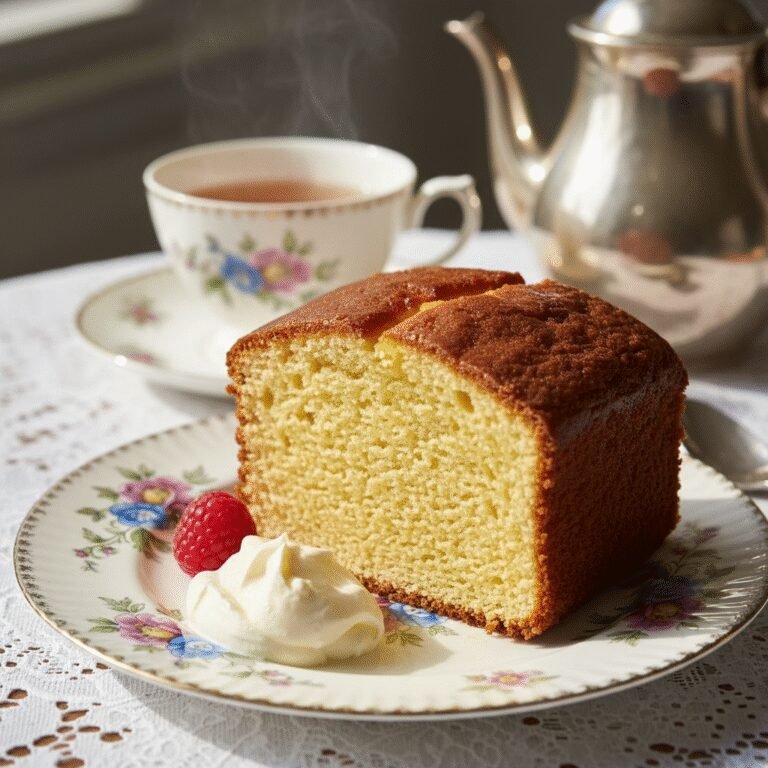
This cake is rich enough to be served on its own, but it pairs wonderfully with various accompaniments. Serve a slice warm with a dollop of freshly whipped cream and fresh raspberries for an elegant dessert. For breakfast, toast a slice lightly and smear it with a bit of salted butter or cream cheese. It is also exceptional when served alongside a hot cup of dark roast coffee or an espresso, as the bitterness of the coffee balances the sweet, buttery richness of the cake. For a summer treat, serve with a scoop of vanilla bean ice cream and a drizzle of hot fudge sauce.
Storage and Reheating Tips
This pound cake actually tastes better the day after baking as the flavors have time to meld and the moisture redistributes. Store the completely cooled cake in an airtight container or wrap it tightly in plastic wrap at room temperature for up to 4 days. Avoid refrigerating it, as the cold air will dry out the butter-based crumb and make it feel stale. For long-term storage, wrap the loaf (or individual slices) in plastic wrap and then in aluminum foil, and freeze for up to 3 months. Thaw at room temperature before serving.
Nutrition Facts (Estimated)
| Serving Size | 1 slice |
| Calories | 445 |
| Fat | 24g |
| Saturated Fat | 14g |
| Unsaturated Fat | 8g |
| Trans Fat | 0.5g |
| Cholesterol | 95mg |
| Sodium | 180mg |
| Carbohydrates | 52g |
| Fiber | 2g |
| Sugar | 28g |
| Protein | 6g |
Frequently Asked Questions
Why is my pound cake dry?
Dryness usually stems from over-baking or measuring flour incorrectly (packing it into the cup). It can also happen if you didn’t beat the butter and sugar long enough to incorporate air.
Can I use all-purpose flour instead of cake flour?
Yes, but the texture will be slightly denser and more bread-like. Cake flour is recommended for that melt-in-your-mouth tenderness.
Why did my chocolate chips sink to the bottom?
The batter might have been too thin, or the chips too heavy. Tossing them in a teaspoon of flour before folding them in creates friction that helps hold them in place.
How do I get the perfect swirl?
Layer the batters like a checkerboard or drop random dollops, then use a knife to swirl in a figure-8 motion just a few times. Do not over-mix.
Can I double this recipe?
Yes, you can double the ingredients to make two loaves. Bake them side-by-side with a little space between pans for air circulation.
Why do ingredients need to be room temperature?
Room temperature ingredients emulsify (bond) much better, trapping air which expands during baking to create a fluffy cake. Cold ingredients create a curdled, heavy batter.
Can I use cocoa powder for the chocolate part without the milk/butter mix?
It is not recommended. Adding dry cocoa powder directly will dry out the chocolate portion of the cake. The milk and butter mixture ensures the moisture levels remain consistent across both batters.
How do I know when it is done?
Insert a skewer into the thickest part of the cake (usually the center crack). It should come out clean or with a few moist crumbs, but no wet batter.
Can I make this in a bundt pan?
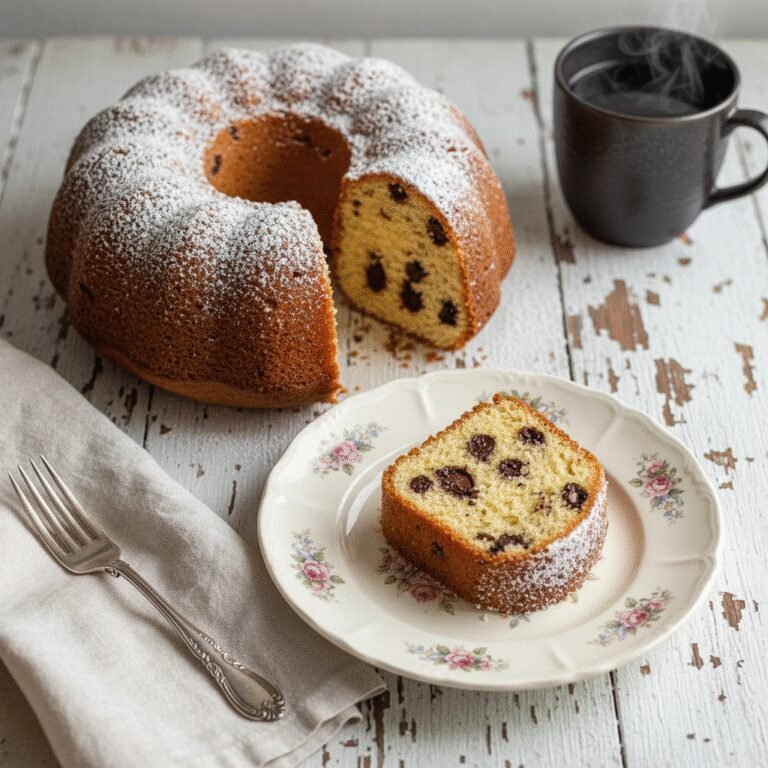
Yes, but you may need to increase the recipe by 1.5x or 2x depending on the size of your bundt pan, and adjust baking time accordingly (usually 50-60 minutes).
Conclusion
Baking this Moist Marble Pound Cake with Chocolate Chips is more than just following a recipe; it is about creating a moment of indulgence. The process of swirling the batters is therapeutic, and the anticipation while the kitchen fills with the scent of vanilla and cocoa is unbeatable. Whether you are an experienced baker or a novice, this recipe offers a high reward for your efforts. It is robust, flavorful, and visually stunning—a true centerpiece for any table. So, preheat your oven, grab your favorite mixing bowl, and get ready to bake the best loaf cake you’ve ever tasted. Enjoy every bite!