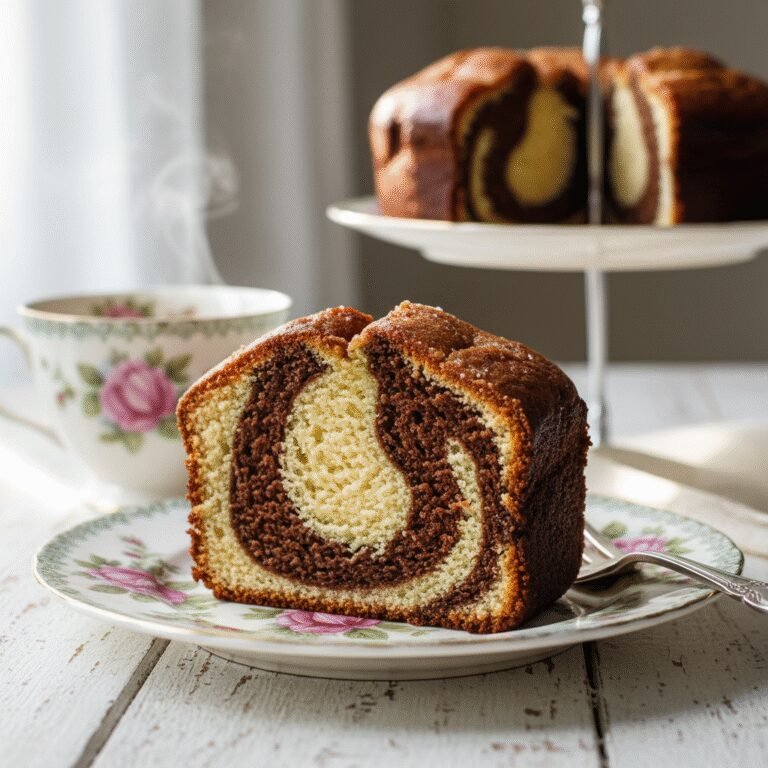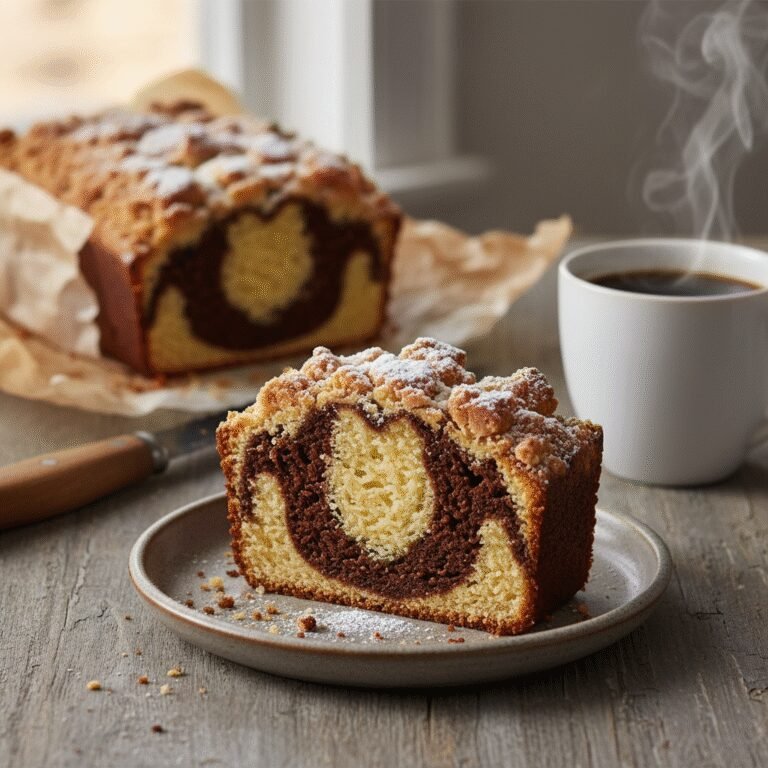
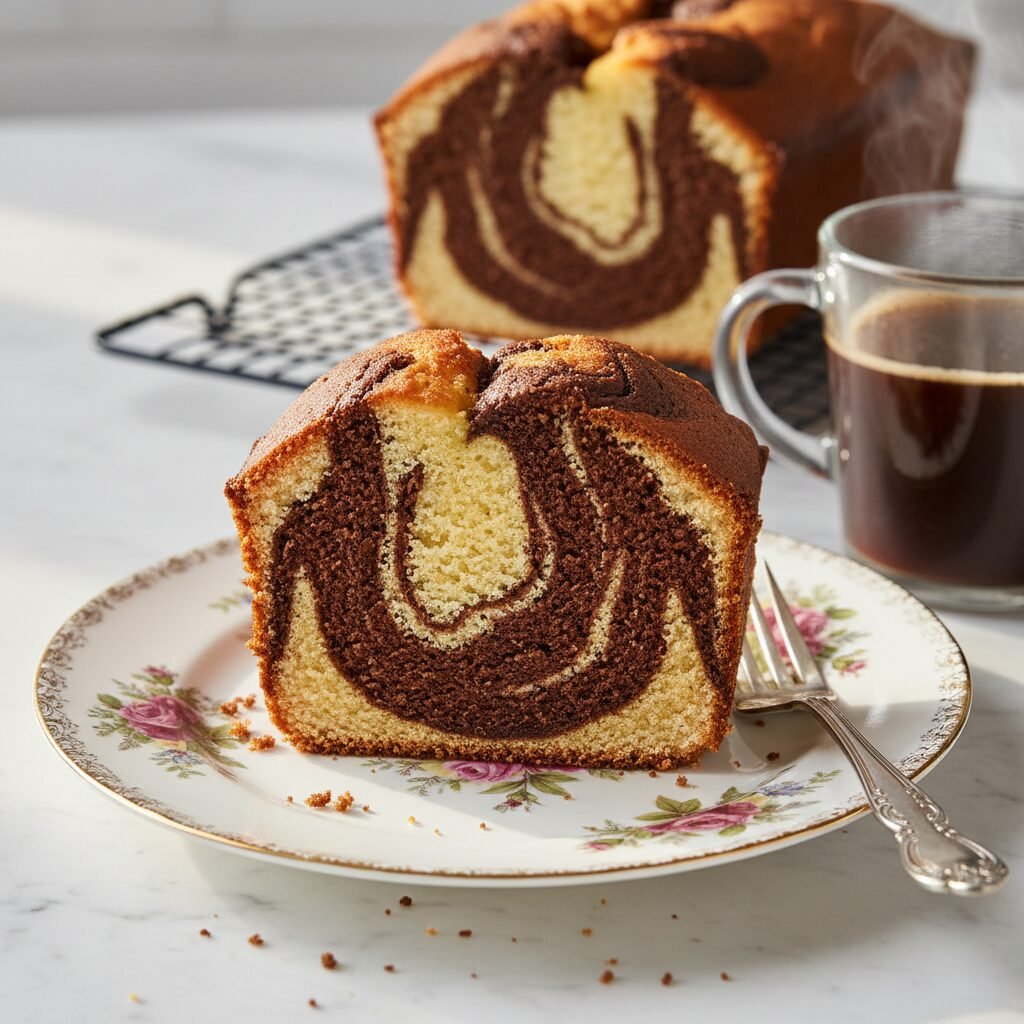
The Ultimate Moist Marble Pound Cake Recipe
Moist Marble Pound Cake Recipe
Experience the best of both worlds with this buttery, dense, and incredibly moist Marble Pound Cake. Swirls of rich chocolate and aromatic vanilla batter create a stunning visual treat that tastes as good as it looks, perfect for breakfast or dessert.
20 minutes
60 minutes
1 hour 20 minutes
1 Loaf (10-12 Slices)
Dessert
Baking
American / German
Vegetarian
There is something undeniably nostalgic and comforting about a classic pound cake. It is the kind of dessert that doesn’t need flashy frosting or complex garnishes to shine; its beauty lies in its simplicity and its rich, buttery texture. But when you cannot decide between the aromatic warmth of vanilla and the deep indulgence of chocolate, this Moist Marble Pound Cake is the ultimate solution. This recipe takes the traditional pound cake concept—a dense, tight crumb with a golden crust—and elevates it with a mesmerizing swirl of chocolate batter.
The secret to this cake’s incredible texture is the careful balance of ingredients. We are moving away from the dry, crumbly cakes of the past and embracing a recipe that uses sour cream and room-temperature butter to ensure every bite melts in your mouth. The vanilla portion is fragrant and sweet, while the chocolate swirl is robust and fudgy, created by mixing high-quality cocoa powder into a portion of the master batter.
When you slice into a loaf of marble cake, the reveal is always a surprise; no two slices are ever the same. The artistic swirls make it a showstopper for brunch tables, holiday gatherings, or just a cozy afternoon with a cup of coffee. Whether you are a seasoned baker or a novice in the kitchen, this recipe is designed to be foolproof, delivering a bakery-quality loaf that stays moist for days. Get ready to fill your kitchen with the intoxicating aroma of butter, sugar, and cocoa.
History & Origins
The pound cake dates back to the early 1700s in Northern Europe, primarily Britain. The original recipe was incredibly easy to remember for the illiterate population of the time: one pound each of flour, sugar, butter, and eggs. This 1:1:1:1 ratio produced a heavy, dense cake that could feed a large family and kept well for days. As the recipe traveled to America and evolved through the 19th century, leavening agents like baking powder were introduced to lighten the density, creating the ‘butter cakes’ we are more familiar with today.
The ‘marble’ aspect of the cake has its own distinct lineage, tracing back to 19th-century Germany. Known as ‘Marmorkuchen’ (marble cake), early versions did not actually use chocolate. Instead, bakers would swirl in molasses and spices to create the dark streaks against the light batter. It wasn’t until chocolate became more affordable and accessible in the late Victorian era that cocoa replaced molasses, giving birth to the chocolate-vanilla combination we adore today. Jewish immigrants brought these German baking traditions to the United States, where marble cake became a staple in bakeries and delicatessens, particularly in New York. Today, the marble pound cake represents a beautiful intersection of British practicality and German creativity, remaining a beloved classic in American baking culture.
Why This Recipe Works
This recipe succeeds where many others fail—specifically in the realm of moisture retention and flavor distinctiveness. Traditional pound cakes can often turn out dry or heavy if the ratio of fat to flour isn’t managed correctly. This recipe incorporates sour cream, which adds fat and acidity. The acidity tenderizes the gluten strands in the flour, resulting in a softer, more velvety crumb, while the extra fat ensures the cake remains moist days after baking.
Furthermore, the ‘creaming method’ used here is pivotal. By beating the butter and sugar together until pale and fluffy (aeration), we create tiny air pockets that expand during baking, giving the heavy batter a necessary lift. For the chocolate swirl, we don’t just dump dry cocoa powder into the batter, which can dry it out. Instead, we often recommend blooming the cocoa or ensuring the base batter is wet enough to handle the addition. The chocolate portion is derived from the same base as the vanilla, ensuring the two batters bake at the same rate and have a consistent texture, preventing the dreaded separation or sinking that can happen when mixing two different densities of batter.
Why You’ll Love This Recipe
- ✓Stunning visual swirl pattern unique to every slice.
- ✓Incredibly moist texture thanks to the addition of sour cream.
- ✓Rich buttery flavor balanced with deep cocoa notes.
- ✓Freezes beautifully for make-ahead desserts.
- ✓Simple ingredients found in any standard pantry.
- ✓No fancy decorating skills required.
Equipment You’ll Need
- ✓9×5 inch Loaf Pan
- ✓Stand Mixer or Hand Mixer
- ✓Large Mixing Bowls
- ✓Rubber Spatula
- ✓Whisk
- ✓Cooling Rack
- ✓Butter Knife or Skewer (for swirling)
Ingredients
- ✓2 cups Cake Flour (sifted)
- ✓1 tsp Baking Powder
- ✓1/2 tsp Salt
- ✓1 cup Unsalted Butter (room temperature)
- ✓1 1/2 cups Granulated Sugar
- ✓4 Large Eggs (room temperature)
- ✓2 tsp Pure Vanilla Extract
- ✓1/2 cup Sour Cream (room temperature)
- ✓1/4 cup Unsweetened Cocoa Powder
- ✓2 tbsp Whole Milk
Instructions
- Preheat your oven to 325°F (163°C). Grease a 9×5 inch loaf pan generously with butter and dust with flour, or line it with parchment paper leaving an overhang for easy removal.
- In a medium bowl, whisk together the sifted cake flour, baking powder, and salt. Set aside.
- In the bowl of a stand mixer fitted with the paddle attachment (or using a hand mixer), cream the softened butter and granulated sugar on medium-high speed for about 5 minutes. The mixture should look pale yellow and fluffy.
- Reduce the mixer speed to medium-low. Add the eggs one at a time, beating well after each addition. Scrape down the sides of the bowl as needed to ensure even mixing. Stir in the vanilla extract.
- Reduce speed to low. Add half of the flour mixture, mixing just until combined. Add the sour cream, mix briefly, then add the remaining flour mixture. Do not overmix; stop when streaks of flour disappear.
- Remove about 1 cup of the batter and place it into a separate small bowl. Sift the cocoa powder into this small bowl and add the 2 tablespoons of milk. Fold gently until the chocolate batter is uniform.
- Using a spoon or ice cream scoop, alternate dollops of vanilla and chocolate batter into the prepared loaf pan. You can do a checkerboard pattern or layer them.
- Take a butter knife or a wooden skewer and run it through the batter in a zigzag motion to swirl the colors. Be careful not to over-swirl, or the colors will muddle together.
- Bake for 55-65 minutes, or until a toothpick inserted into the center comes out clean or with just a few moist crumbs. If the top browns too quickly, tent loosely with aluminum foil after 40 minutes.
- Remove from the oven and let the cake cool in the pan for 15 minutes. Then, lift it out using the parchment paper or invert it onto a wire rack to cool completely before slicing.
Expert Cooking Tips
- ✓Room temperature ingredients are non-negotiable; they emulsify better creating a smoother batter.
- ✓Weigh your flour using a kitchen scale (approx 120g per cup) to avoid a dense, dry cake.
- ✓Do not overmix the batter once the flour is added, as this develops gluten and makes the cake tough.
- ✓Tap the pan on the counter before baking to release any large air bubbles.
- ✓Tent the cake with foil if the top is browning too fast but the center is still jiggly.
- ✓Use good quality cocoa powder (Dutch-processed is often richer) for the best chocolate flavor.
Substitutions and Variations
If you do not have cake flour, you can make a substitute by removing 2 tablespoons of all-purpose flour from every cup and replacing it with cornstarch, then sifting well. You can substitute full-fat Greek yogurt for the sour cream if necessary, though sour cream offers a slightly richer flavor. If you want to make this dairy-free, use a high-quality plant-based butter block and a dairy-free yogurt alternative, though the texture may vary slightly. For a different flavor profile, try adding orange zest to the vanilla batter or a drop of peppermint extract to the chocolate batter.
Common Mistakes to Avoid
The most common mistake is using cold butter or eggs, which causes the batter to curdle and results in an uneven bake. Another frequent error is ‘over-swirling’ the batter; if you mix too much with the knife, you lose the distinct marble pattern and end up with a light brown cake. Opening the oven door too frequently to check on the cake can cause the center to sink due to temperature fluctuation. Finally, slicing the cake while it is still hot will cause it to crumble; pound cake needs to set as it cools.
Serving Suggestions
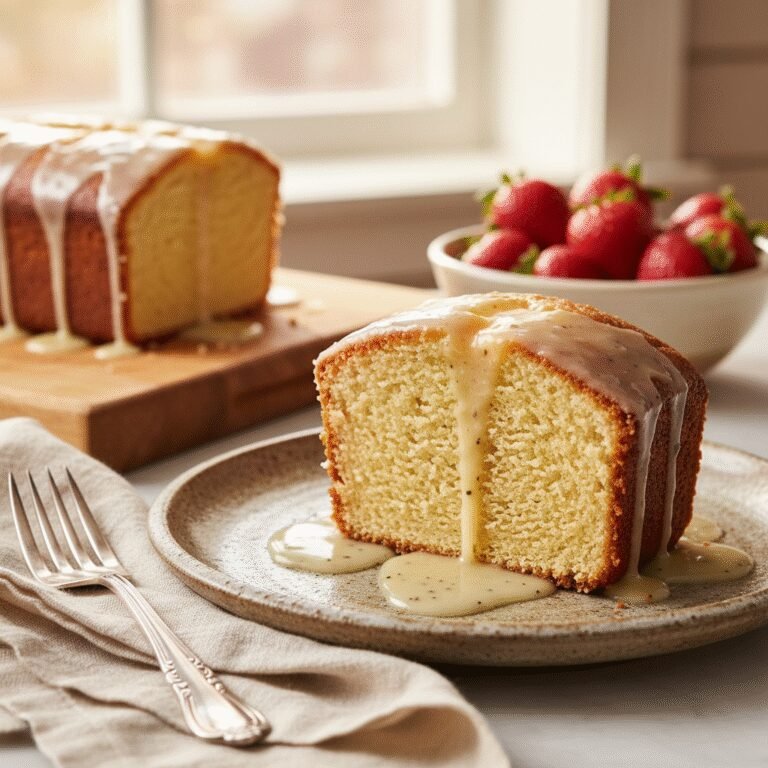
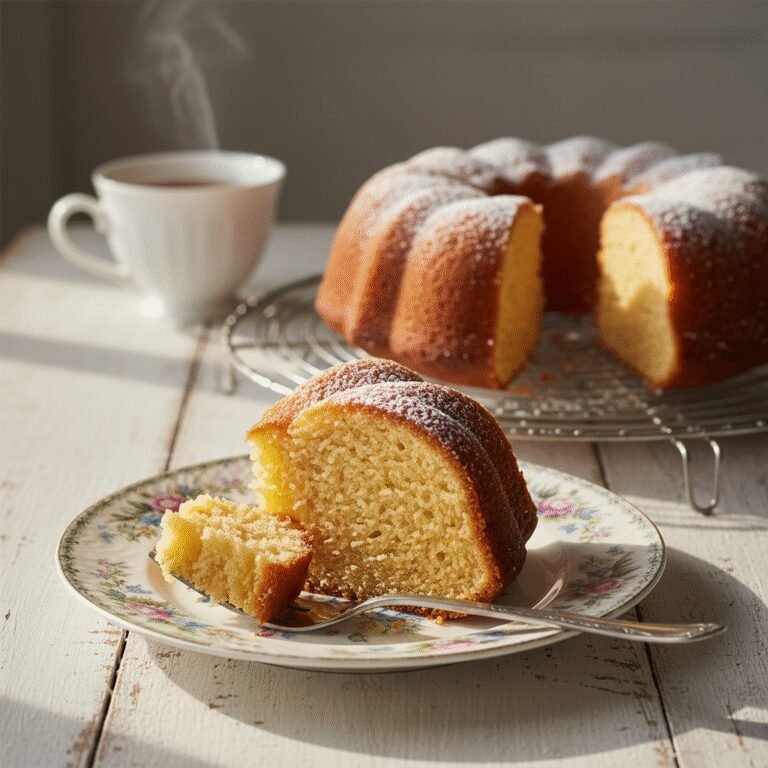
This cake is rich enough to be served on its own, but it pairs wonderfully with a dollop of lightly sweetened whipped cream and fresh raspberries or strawberries to cut through the richness. For a warm dessert, toast a slice and serve it with a scoop of vanilla bean ice cream. It is also the perfect companion for a strong cup of black coffee or an afternoon Earl Grey tea.
Storage and Reheating Tips
Store the completely cooled cake in an airtight container at room temperature for up to 3 days. To extend its life, you can refrigerate it for up to 1 week, though this may firm up the texture (bring to room temp before eating). For long-term storage, wrap individual slices or the whole loaf tightly in plastic wrap, then in aluminum foil, and freeze for up to 3 months. Thaw on the counter before serving.
Nutrition Facts (Estimated)
| Serving Size | 1 slice |
| Calories | 380 |
| Fat | 21g |
| Saturated Fat | 12g |
| Unsaturated Fat | 8g |
| Trans Fat | 0g |
| Cholesterol | 95mg |
| Sodium | 180mg |
| Carbohydrates | 44g |
| Fiber | 1g |
| Sugar | 24g |
| Protein | 5g |
Frequently Asked Questions
Why is my pound cake dry?
Dryness usually comes from over-baking or measuring flour incorrectly (scooping instead of weighing). Ensure you check the cake a few minutes before the timer goes off and use the spoon-and-level method for flour if you don’t have a scale.
Can I bake this in a bundt pan?
Yes, but you will likely need to double the recipe for a standard 10-12 cup Bundt pan, and the baking time will increase significantly. Always check doneness with a skewer.
Why did my chocolate batter sink to the bottom?
Chocolate batter is naturally heavier than vanilla. If your vanilla batter is too light (over-aerated) or the chocolate batter is too dense, it may sink. Adding the milk to the chocolate portion helps match the consistencies.
How do I get the perfect crack on top?
The signature crack happens naturally as the batter expands. To encourage a centered crack, you can pipe a thin line of softened butter down the center of the batter right before putting it in the oven.
Can I use oil instead of butter?
Technically yes, but it won’t be a ‘pound cake’ in terms of flavor or texture. Butter provides the structure and distinct flavor essential to this recipe. We recommend sticking to butter for this specific cake.
Why are my swirls not visible?
This is likely due to over-swirling. You only need a few zigzag motions with a knife. If you mix it like you are stirring soup, the colors will blend into a light brown instead of remaining distinct.
Can I use semi-sweet chocolate chips instead of cocoa powder?
Melted chocolate can be used, but it changes the texture more drastically than cocoa powder, often making the chocolate parts harder once cooled. Cocoa powder provides flavor without altering the structure as much.
Is salted or unsalted butter better?
Unsalted butter is preferred so you can control the sodium level. If you only have salted butter, omit the 1/2 tsp of salt listed in the ingredients.
Conclusion
Mastering the Moist Marble Pound Cake is a feather in the cap of any home baker. It is a recipe that rewards patience and precision with a loaf that is as beautiful as it is delicious. Whether you are gifting it to a neighbor, bringing it to a potluck, or simply enjoying a slice in the quiet of your kitchen, this cake promises a moment of pure indulgence. The interplay of chocolate and vanilla ensures that every bite is interesting, and the tender crumb will have you coming back for ‘just one more sliver.’ Happy baking!