The Ultimate Moist Marble Bundt Cake: A Swirled Masterpiece of Vanilla and Chocolate
Moist Marble Bundt Cake Recipe
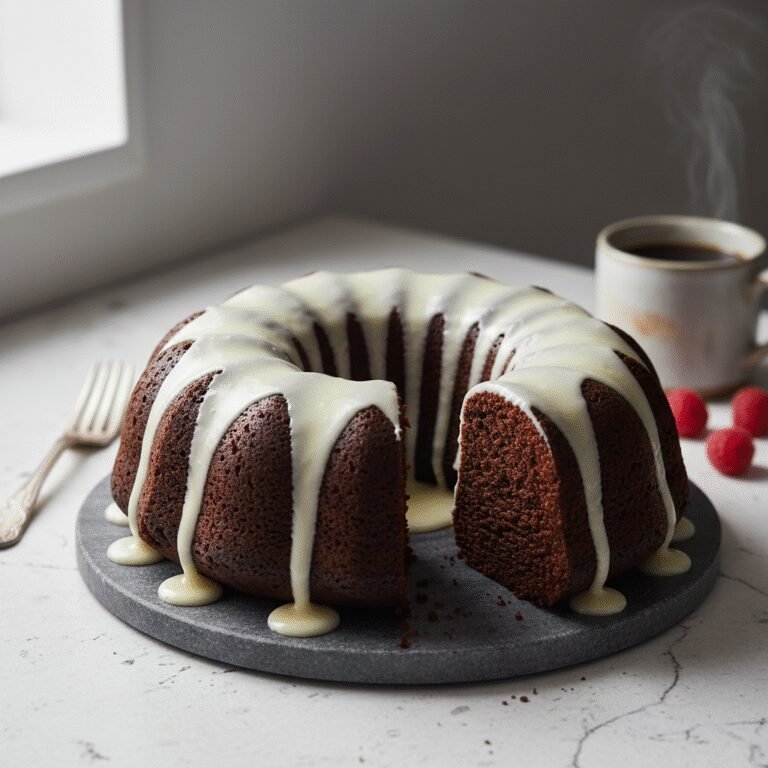
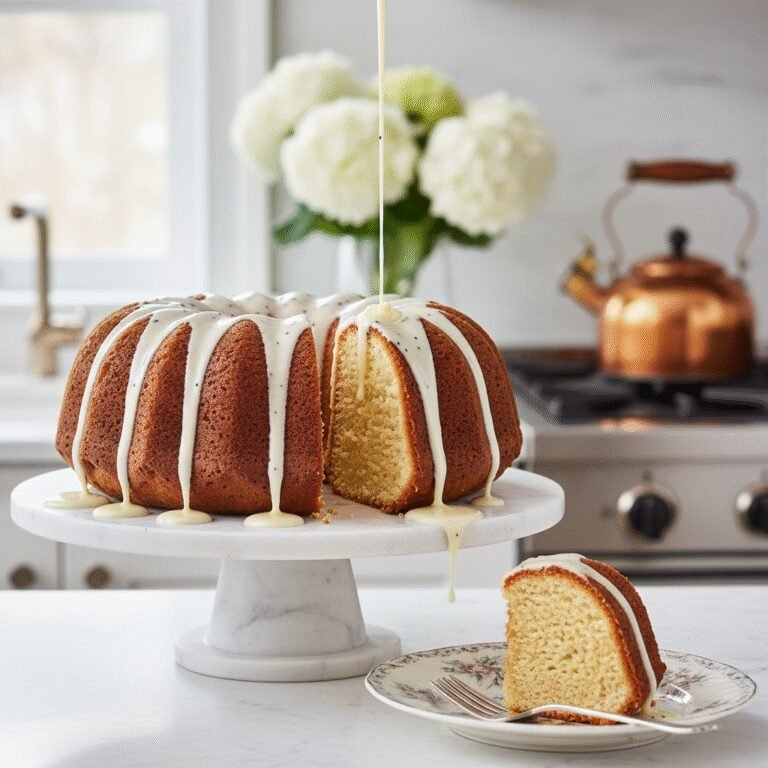
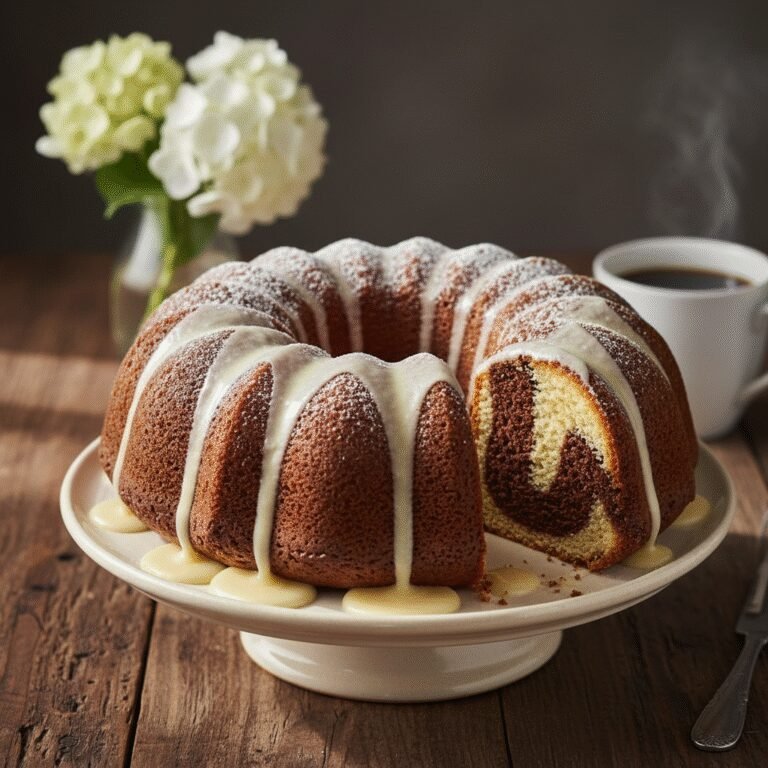
Experience the best of both worlds with this incredibly moist Marble Bundt Cake. Featuring a tender crumb, distinct swirls of rich chocolate and buttery vanilla, and a silky ganache glaze, this show-stopping dessert is easier to make than it looks and perfect for any celebration.
25 minutes
55 minutes
1 hour 20 minutes
12-14 servings
Dessert
Baking
American / German
Vegetarian
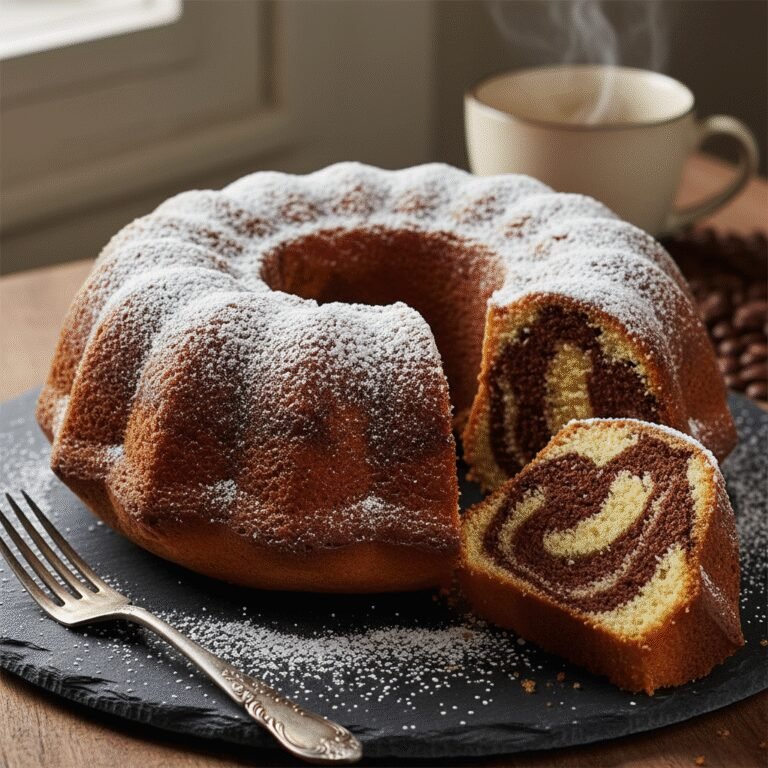
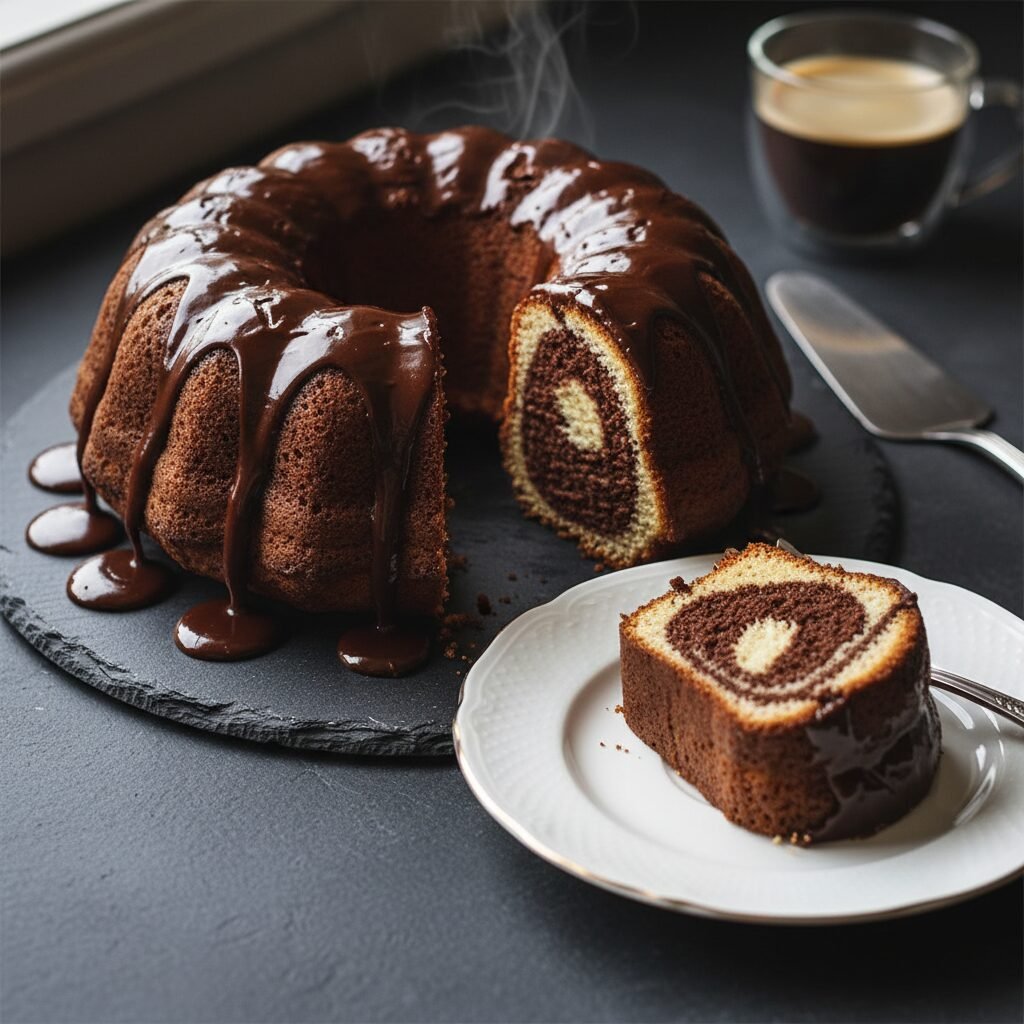
There is something undeniably nostalgic and comforting about a classic Marble Bundt Cake. It stands as a testament to the beauty of simplicity in baking, where two distinct flavors—deep, velvety chocolate and fragrant, buttery vanilla—dance together in a single pan to create a visual and culinary masterpiece. This recipe is not just another cake; it is the result of years of tweaking and testing to achieve the perfect balance of density and fluffiness. Unlike many bundt cakes that can turn out dry or heavy, this version relies on the magic of sour cream and room-temperature butter to ensure a crumb that remains moist for days. The visual appeal of cutting into a bundt cake to reveal a unique, chaotic, yet beautiful pattern of swirls makes every slice a surprise. Whether you are serving this at a Sunday family brunch, a holiday gathering, or simply enjoying a slice with your afternoon coffee, this cake delivers on all fronts. The vanilla batter is infused with real vanilla bean paste for speckles of flavor, while the chocolate portion utilizes high-quality Dutch-processed cocoa for a smoother, less acidic chocolate punch. We finish it off with a glossy chocolate ganache that drapes elegantly over the ridges of the bundt, pooling at the bottom of the plate. This introduction to the world of marbling is designed to guide you through the process, ensuring that your batter doesn’t just mix into a light brown mess, but maintains distinct, striking definitions that look as professional as they taste delicious. Get ready to elevate your baking game with a recipe that promises to become a permanent fixture in your recipe box.
History & Origins
The history of the marble cake, or ‘Marmorform’ as it was originally known, traces its roots back to 19th-century Germany. Before chocolate became affordable and widely accessible, early versions of marble cake were actually swirled with spices and molasses or dark fruits to create the contrasting color. It wasn’t until the mid-19th century, as chocolate became more prevalent in Western baking, that the chocolate and vanilla combination we know and love today became the standard. German immigrants brought these techniques to America, where they quickly gained popularity. The Bundt pan itself, however, has a distinctively American success story with European origins. The word ‘Bundt’ is derived from the German word ‘Bundkuchen,’ a ring-shaped coffee cake. In the 1950s, H. David Dalquist, the founder of Nordic Ware, trademarked the name ‘Bundt’ and began manufacturing the cast aluminum pans in Minneapolis. Initially, sales were slow, and the pan nearly faced discontinuation. The turning point came in 1966 when Ella Helfrich won second place in the Pillsbury Bake-Off with her ‘Tunnel of Fudge’ cake, baked in a Nordic Ware Bundt pan. Overnight, the pan became a kitchen staple across the United States. The marriage of the traditional German marble cake batter with the iconic American Bundt shape created a dessert that is visually stunning and deeply rooted in baking history. Today, the Marble Bundt Cake represents a fusion of Old World tradition and mid-century modern American home baking culture.
Why This Recipe Works
This recipe succeeds where others fail primarily due to the careful engineering of the batter’s consistency and fat content. One of the biggest challenges with marble cakes is that the chocolate batter is often heavier than the vanilla batter, causing it to sink to the bottom or ruin the swirl pattern. To combat this, this recipe uses a base batter that is divided, with the chocolate portion receiving a mixture of cocoa powder bloomed in boiling water rather than melted chocolate. Blooming the cocoa releases its full flavor profile without adding the weight and density of cocoa butter found in melted chocolate bars, ensuring both batters have the same specific gravity. Furthermore, the inclusion of sour cream is a non-negotiable factor in this recipe’s success. The acidity in the sour cream tenderizes the gluten strands in the flour, resulting in a softer crumb, while its high fat content ensures the cake stays moist long after it has cooled. We also utilize the ‘creaming method’—beating butter and sugar until pale and airy—to incorporate mechanical leavening. This aeration, combined with chemical leavening agents, ensures the heavy batter lifts beautifully in the deep bundt pan, preventing a dense, brick-like texture. Finally, baking at a slightly lower temperature of 325°F (165°C) allows the heat to penetrate the thick batter evenly without burning the exterior crust before the interior is fully set.
Why You’ll Love This Recipe
- ✓Perfectly moist crumb that stays fresh for days.
- ✓High-contrast chocolate and vanilla swirls for a stunning presentation.
- ✓Rich chocolate ganache glaze adds a luxurious finish.
- ✓Uses simple pantry staples like sour cream and cocoa powder.
- ✓Sturdy enough for transport, making it ideal for potlucks.
- ✓Freezes beautifully for make-ahead convenience.
Equipment You’ll Need
- ✓10-12 cup Bundt pan
- ✓Stand mixer or electric hand mixer
- ✓Large mixing bowl
- ✓Medium mixing bowl
- ✓Whisk
- ✓Rubber spatula
- ✓Wire cooling rack
- ✓Small saucepan (for glaze)
- ✓Skewer or butter knife (for swirling)
Ingredients
- ✓3 cups all-purpose flour
- ✓2 1/2 teaspoons baking powder
- ✓1/2 teaspoon salt
- ✓1 cup unsalted butter, room temperature
- ✓2 cups granulated sugar
- ✓4 large eggs, room temperature
- ✓1 tablespoon pure vanilla extract
- ✓1 cup full-fat sour cream, room temperature
- ✓1/2 cup unsweetened Dutch-process cocoa powder
- ✓6 tablespoons boiling water
- ✓1/4 cup granulated sugar (for chocolate batter)
- ✓For the Ganache: 4 oz semi-sweet chocolate, chopped
- ✓For the Ganache: 1/2 cup heavy cream
Instructions
- Preheat your oven to 325°F (165°C). Generously grease your Bundt pan with butter or non-stick baking spray, ensuring you get into every crevice. Dust with flour and tap out the excess.
- In a medium bowl, whisk together the flour, baking powder, and salt. Set aside.
- In the bowl of a stand mixer fitted with the paddle attachment, beat the room temperature butter on medium-high speed until creamy, about 1 minute.
- Gradually add the 2 cups of sugar and continue beating on medium-high speed for 3-5 minutes until the mixture is pale, light, and fluffy. Scrape down the sides of the bowl as needed.
- Add the eggs one at a time, beating well after each addition. Stir in the vanilla extract.
- Reduce the mixer speed to low. Add the flour mixture in three parts, alternating with the sour cream, beginning and ending with the flour. Mix only until just combined to avoid overworking the gluten.
- In a separate small bowl, whisk the cocoa powder, 1/4 cup sugar, and boiling water together until smooth. This mixture should be thick but pourable.
- Remove about 2 cups of the vanilla batter and add it to the cocoa mixture. Fold gently with a spatula until fully combined and no white streaks remain. This is your chocolate batter.
- To assemble, spoon about one-third of the vanilla batter into the prepared pan. Top with half of the chocolate batter. Repeat with remaining vanilla and chocolate batters, ending with vanilla on top.
- Using a butter knife or a long skewer, swirl the batters together. Insert the knife effectively to the bottom of the pan and make ‘figure-8’ motions around the circle. Do not over-swirl, or the colors will muddy.
- Bake for 50-60 minutes, or until a wooden skewer inserted into the thickest part of the cake comes out clean or with just a few moist crumbs.
- Remove from the oven and let the cake cool in the pan for exactly 10 minutes. Then, invert the cake onto a wire rack to cool completely.
- While the cake cools, make the ganache. Place chopped chocolate in a heatproof bowl. Heat heavy cream in a small saucepan until it just begins to simmer. Pour hot cream over chocolate and let sit for 5 minutes. Whisk gently until smooth and glossy.
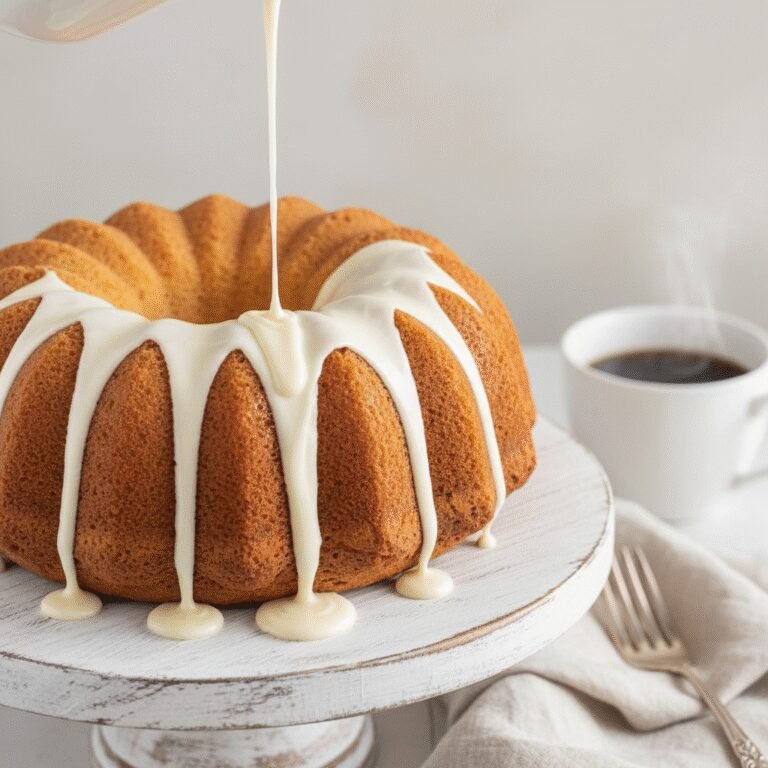
- Once the cake is cool, pour the ganache over the top, letting it drip down the sides. Allow the glaze to set slightly before slicing.
Expert Cooking Tips
- ✓Room Temperature Ingredients: Ensure your butter, eggs, and sour cream are at room temperature. This creates an emulsion that traps air, resulting in a fluffy cake.
- ✓Proper Pan Prep: Bundt pans are notorious for sticking. Use a baking spray that contains flour, or grease thoroughly with shortening and dust with flour, tapping out the excess.
- ✓Don’t Over-mix: Once the flour is added, mix gently. Over-mixing develops gluten, which leads to a tough, dense cake.
- ✓The Swirl Technique: Less is more when it comes to marbling. A few figure-8 motions are sufficient; too much mixing turns the cake light brown instead of marbled.
- ✓Cooling Time: Let the cake cool in the pan for 10 minutes exactly. Too short, and it might break apart; too long, and the sugars will solidify, making it stick to the pan.
- ✓Cocoa Choice: Use Dutch-process cocoa for a darker color and a smoother, mellower chocolate flavor that contrasts well with the sweet vanilla.
Substitutions and Variations
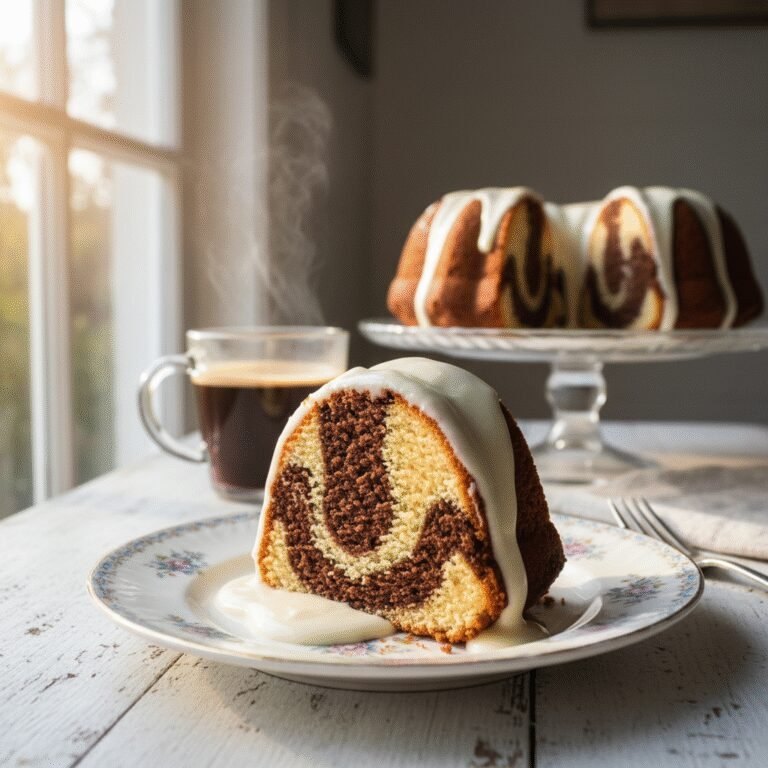
Baking is a science, but there is some room for flexibility in this recipe. If you do not have sour cream, full-fat plain Greek yogurt is an excellent 1:1 substitute that provides similar acidity and moisture. For the fat, while butter provides the best flavor, you can substitute half of the butter with a neutral oil (like vegetable or canola oil) if you prefer a slightly lighter crumb, though you will lose some of the buttery richness. If you don’t have Dutch-process cocoa powder, natural cocoa powder can be used, but add a pinch of baking soda to the chocolate batter to neutralize the acidity. For a gluten-free version, use a high-quality 1-to-1 gluten-free baking flour blend that contains xanthan gum; the texture may be slightly different, but still delicious. In terms of the glaze, if you prefer not to use ganache, a simple vanilla icing made from powdered sugar and milk, or a dusting of confectioners’ sugar, works beautifully.
Common Mistakes to Avoid
The most common mistake with Bundt cakes is removing the cake from the pan too early or too late. Stick to the 10-minute rule strictly. Another frequent error is over-swirling the batter. It is tempting to keep mixing to ensure it looks pretty, but the magic happens inside the cake; over-swirling blends the batters into a single color. Additionally, measuring flour incorrectly can lead to a dry cake. Avoid scooping the flour directly with the measuring cup, which packs it down. Instead, spoon the flour into the cup and level it off with a knife. Finally, ensure your oven temperature is accurate; Bundt cakes are dense and take a long time to bake. If your oven runs hot, the outside will burn before the inside is cooked. Use an oven thermometer if you are unsure.
Serving Suggestions
This Moist Marble Bundt Cake is versatile enough to be served at various occasions. For an elegant dessert course, serve a slice slightly warmed with a dollop of freshly whipped cream and a side of fresh raspberries or strawberries to cut through the richness. It pairs exceptionally well with beverages; try it with a dark roast coffee or a shot of espresso to complement the chocolate swirls, or a cold glass of milk for a nostalgic treat. If serving at a party, place the whole cake on a pedestal stand as a centerpiece before slicing. For a festive touch during the holidays, garnish the top with candied orange peel or edible gold leaf on top of the ganache.
Storage and Reheating Tips
To keep your Bundt cake fresh, store it in an airtight container at room temperature for up to 3-4 days. The high fat content helps it stay moist. If you live in a very hot or humid climate, you may want to refrigerate it, but be sure to bring it back to room temperature before serving for the best texture. This cake also freezes exceptionally well. You can freeze individual slices wrapped tightly in plastic wrap and then aluminum foil for up to 3 months. Alternatively, freeze the whole cake (without the ganache glaze, if possible) by wrapping it in several layers of plastic wrap and foil. Thaw overnight on the counter before glazing and serving.
Nutrition Facts (Estimated)
| Serving Size | 1 slice |
| Calories | 480 |
| Fat | 24g |
| Saturated Fat | 14g |
| Unsaturated Fat | 8g |
| Trans Fat | 0g |
| Cholesterol | 85mg |
| Sodium | 210mg |
| Carbohydrates | 62g |
| Fiber | 2g |
| Sugar | 32g |
| Protein | 6g |
Frequently Asked Questions
Why did my Bundt cake stick to the pan?
Sticking usually happens because the pan wasn’t greased thoroughly enough, or the cake cooled in the pan for too long. Sugars in the cake harden as they cool, acting like glue. Ensure you grease every nook and cranny and invert the cake after 10 minutes.
Can I use buttermilk instead of sour cream?
Yes, buttermilk can be used, but because it is thinner than sour cream, you should use slightly less (about 3/4 cup) or add a tablespoon more flour to maintain the batter’s consistency.
Why is my marble cake dry?
Dryness is often caused by over-baking or measuring flour incorrectly. Check the cake for doneness 5 minutes before the timer goes off. Also, ensure you are spooning and leveling your flour rather than scooping.
How do I get the swirls to look defined?
Alternate scoops of vanilla and chocolate batter into the pan (checkerboard style) and then run a knife through it sparingly. Do not mix; just cut through the batter in a few figure-8 motions.
Can I make this recipe in a regular cake pan?
Yes, this batter can be baked in two 9-inch round cake pans or a 9×13 rectangular pan. However, the baking time will need to be reduced significantly, likely to around 30-40 minutes. Keep an eye on it.
What is the best way to melt chocolate for the ganache?
The pouring hot cream method is gentlest. Alternatively, you can use a double boiler or microwave the chocolate in 20-second bursts, stirring in between, until smooth.
Why did my chocolate batter sink to the bottom?
This happens when the chocolate batter is significantly denser than the vanilla. This recipe mitigates that by using cocoa powder and water instead of heavy melted chocolate, keeping the specific gravity of both batters similar.
Can I add nuts to this recipe?
Absolutely! Finely chopped walnuts or pecans make a great addition. Fold about 1/2 to 3/4 cup of nuts into the vanilla batter before swirling.
Conclusion
Mastering the Moist Marble Bundt Cake is a rewarding experience that yields a dessert as beautiful as it is delicious. By following the steps to ensure equal batter density and proper marbling, you elevate a simple concept into a bakery-quality treat. The contrast of flavors, the tender crumb, and the stunning visual appeal make this cake a timeless favorite that appeals to both adults and children alike. Whether you are a seasoned baker or trying your hand at a Bundt for the first time, this recipe is designed to provide foolproof results. So dust off that Bundt pan, preheat your oven, and get ready to enjoy a slice of pure, swirled happiness.