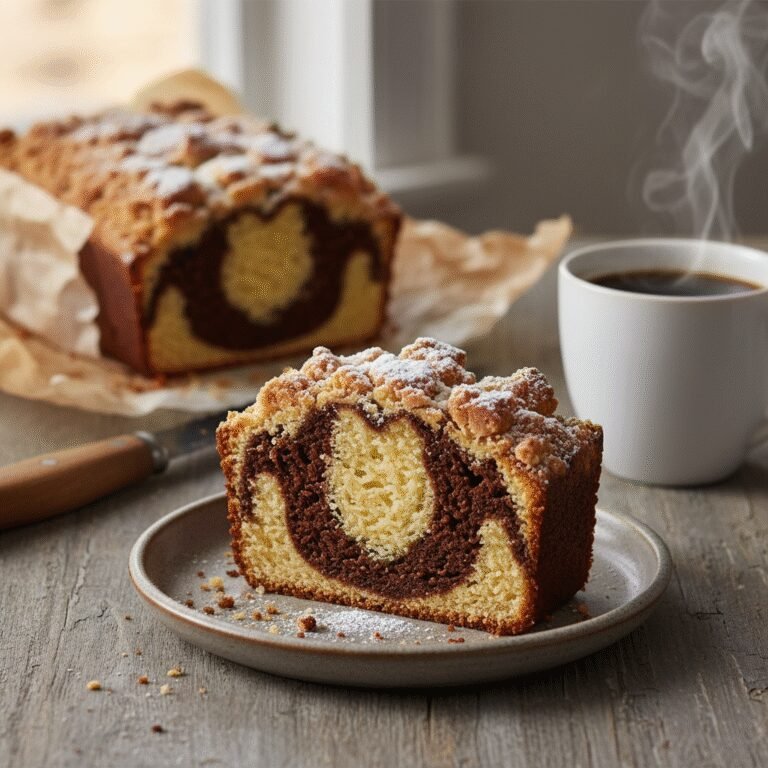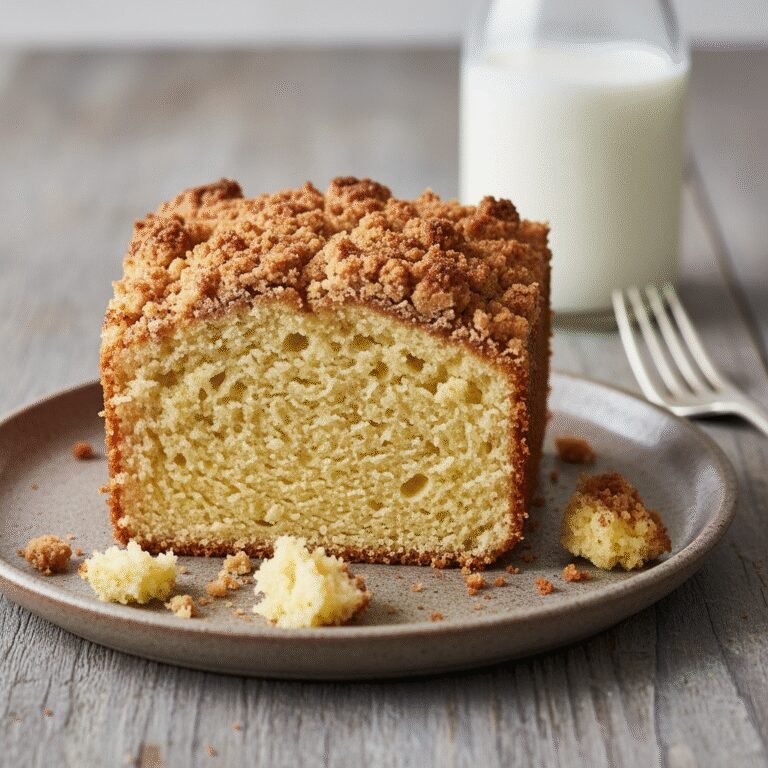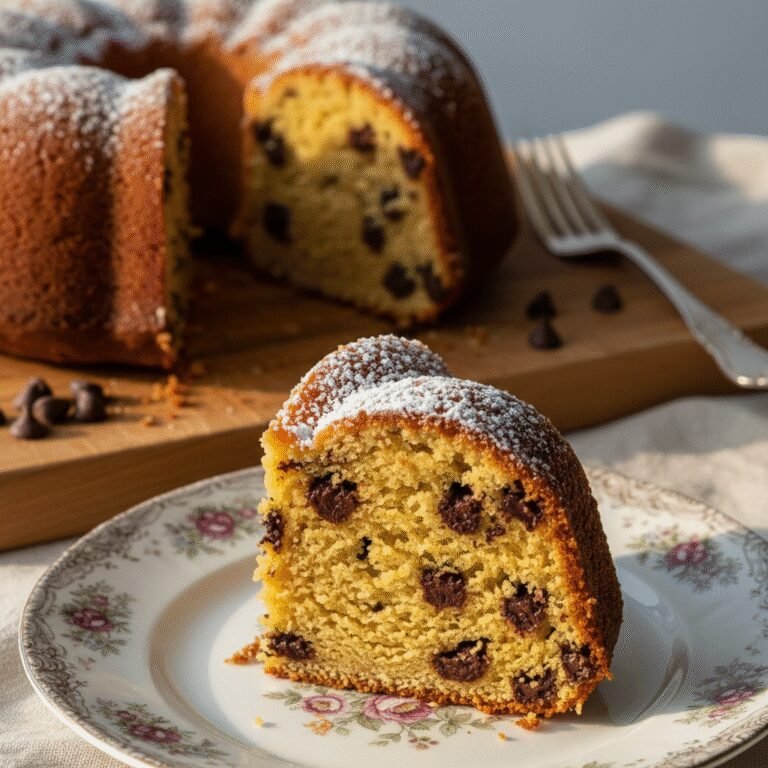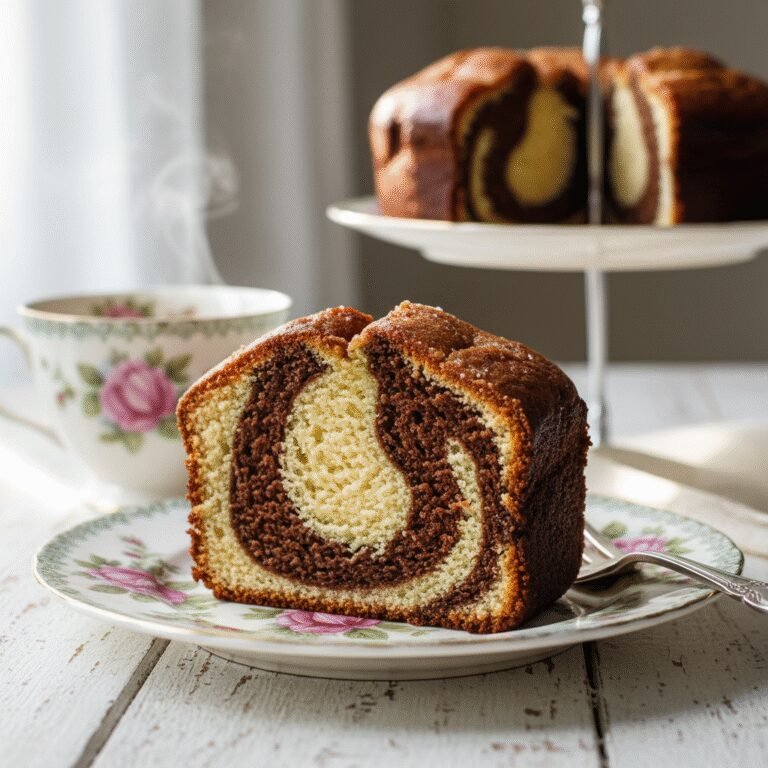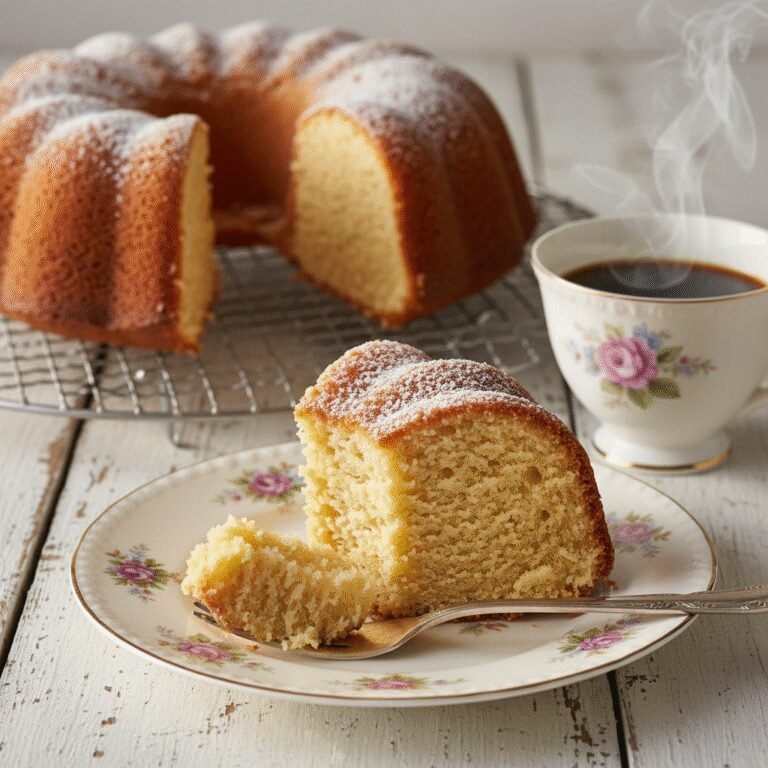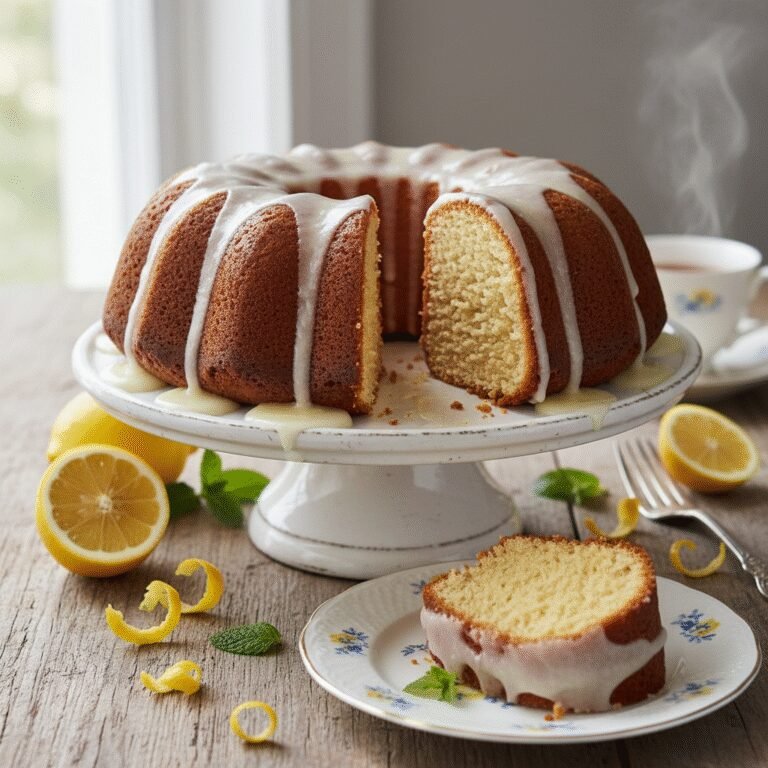
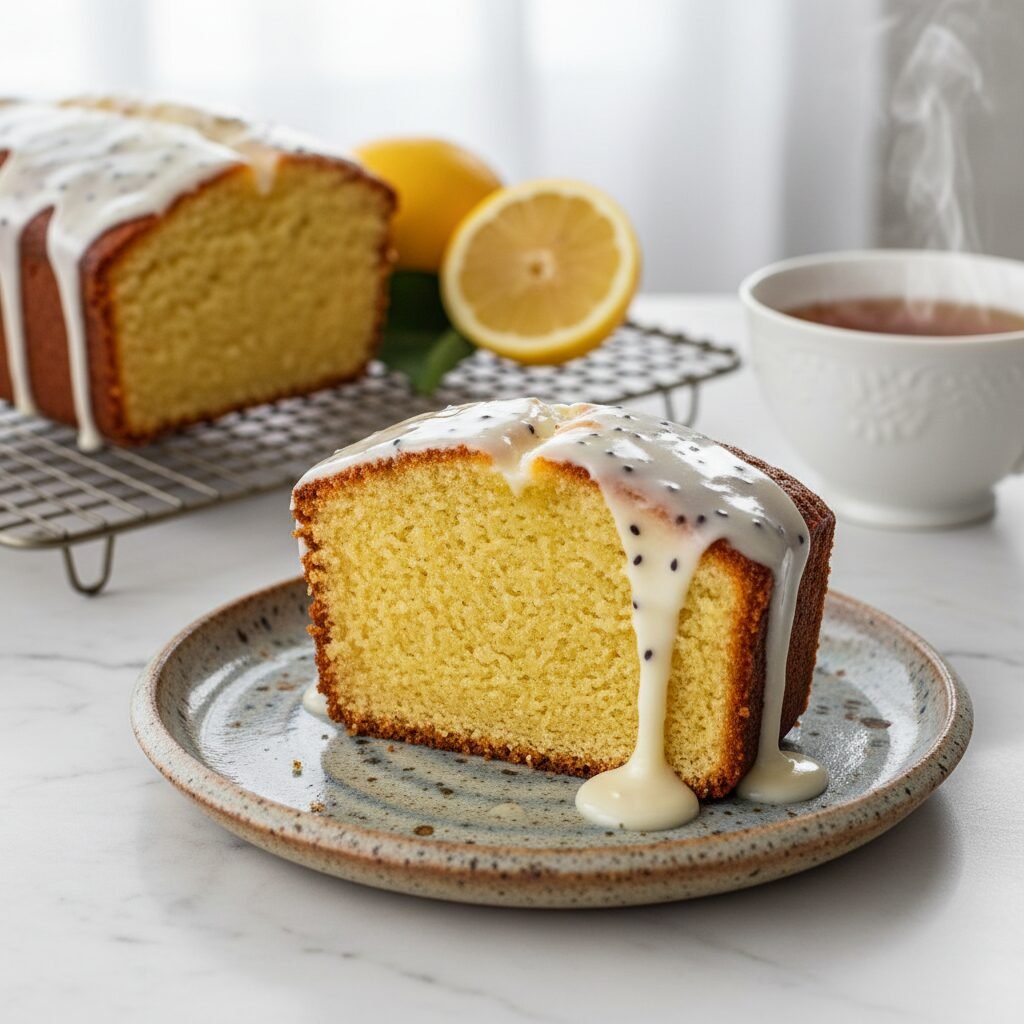
The Ultimate Moist Lemon Pound Cake With Vanilla Glaze
Moist Lemon Pound Cake With Vanilla Glaze Recipe
This incredibly moist lemon pound cake is bursting with bright citrus flavor and topped with a silky, sweet vanilla bean glaze. It is the perfect balance of tart and sweet, featuring a tender, buttery crumb that melts in your mouth—ideal for breakfast, brunch, or dessert.
20 minutes
55 minutes
1 hour 15 minutes
1 Loaf (10-12 Slices)
Dessert
Baking
American
Vegetarian
There is something undeniably cheerful about a lemon pound cake. It is the culinary equivalent of a ray of sunshine on a cloudy day. When you slice into a loaf that has been baked to golden perfection, the aroma of zesty citrus and caramelized butter instantly fills the kitchen, creating a sense of warmth and comfort that few other desserts can rival. This Moist Lemon Pound Cake with Vanilla Glaze is not just another recipe; it is the result of years of tweaking and testing to achieve the absolute perfect texture. We are talking about a crumb that is dense yet tender, heavy enough to satisfy but light enough to keep you coming back for a second slice.
The secret lies in the balance of ingredients. Too often, pound cakes can veer into the territory of being overly dry or delightfully heavy but lacking in flavor. This recipe combats dryness with the addition of sour cream or Greek yogurt, which ensures the cake stays moist for days. The flavor profile is elevated by rubbing fresh lemon zest directly into the sugar before mixing—a technique that releases the essential oils of the fruit, infusing every grain of sugar with potent citrus perfume. The vanilla glaze provides a creamy, sweet counterpoint to the tartness of the lemon, creating a harmony of flavors that dances on the palate. Whether you are serving this at a sophisticated afternoon tea, a casual Sunday brunch, or simply enjoying a quiet slice with your morning coffee, this lemon pound cake promises to deliver pure joy in every bite. It’s a classic recipe reimagined for the modern baker who demands both ease and excellence.
History & Origins
The pound cake is a dessert with a lineage as rich and dense as the cake itself. Its origins can be traced back to Northern Europe in the early 1700s. The name ‘pound cake’ was quite literal in its inception; the original recipes called for a pound each of four staple ingredients: flour, butter, eggs, and sugar. This 1:1:1:1 ratio made the recipe incredibly easy to remember for home cooks in an era before standardized measuring cups and spoons were common household items. It was a cake designed to feed a crowd, robust and heavy, often baked in large pans.
As the recipe migrated to America, it appeared in the first American cookbook, ‘American Cookery’ by Amelia Simmons, published in 1796. Over the centuries, the pound cake evolved significantly. By the mid-19th century, bakers began to incorporate leavening agents like baking soda and baking powder, which allowed for a lighter, more airy texture than the original dense brick of cake. The introduction of milk, sour cream, and fruit juices also changed the hydration and flavor profile.
The Lemon Pound Cake specifically gained popularity in the 20th century as access to fresh citrus became more consistent year-round due to improved transportation networks. The addition of acidic lemon juice and zest not only brightened the flavor but also interacted with the leavening agents and proteins in the flour to tenderize the crumb. Today, the lemon pound cake is a staple of American coffee shops and Southern hospitality, representing a bridge between the hearty, simple cakes of the past and the refined, flavor-forward pastries of the present.
Why This Recipe Works
This recipe succeeds where many others fail due to the precise chemistry of the ingredients and the method of incorporation. First and foremost, the ‘creaming method’ is utilized here. By beating the room-temperature butter and sugar together for a full 5-7 minutes, we mechanically trap air into the fat structure. This aeration is crucial because pound cakes are naturally dense; the trapped air expands during baking, providing lift and a velvety texture.
Secondly, the inclusion of sour cream (or full-fat Greek yogurt) is a game-changer. While milk adds liquid, sour cream adds fat and acidity. The acidity relaxes the gluten strands in the flour, resulting in a more tender crumb, while the fat coats the flour particles, preventing toughness and retaining moisture long after the cake has cooled.
Thirdly, we employ the technique of ‘zest rubbing.’ Lemon oil is located in the rind of the fruit. By using your fingers to rub the zest into the granulated sugar before adding the butter, the abrasive sugar crystals break down the zest’s cells, releasing the oils and perfuming the entire batter more effectively than simply stirring the zest in later. Finally, the vanilla glaze is made with heavy cream rather than water or milk, ensuring it sets into a thick, opaque, and luxurious topping rather than a thin, runny icing that disappears into the cake.
Why You’ll Love This Recipe
- ✓Incredibly moist texture thanks to sour cream.
- ✓Intense lemon flavor from zest-infused sugar.
- ✓Keeps fresh for days without drying out.
- ✓Simple ingredients you likely have in your pantry.
- ✓Versatile: perfect for breakfast, snack, or dessert.
- ✓Freezer-friendly for make-ahead convenience.
Equipment You’ll Need
- ✓9×5 inch Loaf Pan
- ✓Stand Mixer or Electric Hand Mixer
- ✓Microplane Zester
- ✓Large Mixing Bowls
- ✓Rubber Spatula
- ✓Wire Cooling Rack
- ✓Measuring Cups and Spoons
- ✓Parchment Paper
Ingredients
- ✓1 1/2 cups All-Purpose Flour
- ✓1 teaspoon Baking Powder
- ✓1/2 teaspoon Salt
- ✓1 cup Granulated Sugar
- ✓1 tablespoon Fresh Lemon Zest (approx. 2 lemons)
- ✓3/4 cup Unsalted Butter, room temperature
- ✓3 Large Eggs, room temperature
- ✓1 teaspoon Pure Vanilla Extract
- ✓1/4 cup Fresh Lemon Juice
- ✓1/2 cup Sour Cream or Full-Fat Greek Yogurt, room temperature
- ✓1 cup Powdered Sugar (for glaze)
- ✓2 tablespoons Heavy Cream or Milk (for glaze)
- ✓1/2 teaspoon Vanilla Bean Paste or Extract (for glaze)
Instructions
- Preheat your oven to 350°F (175°C). Grease a 9×5 inch loaf pan generously with butter or non-stick spray and line it with parchment paper, leaving an overhang on the sides for easy removal.
- In a medium bowl, whisk together the flour, baking powder, and salt. Set this dry mixture aside.
- In the bowl of a stand mixer (or a large bowl if using a hand mixer), combine the granulated sugar and lemon zest. Use your clean fingertips to rub the zest into the sugar until the sugar looks like wet sand and is very fragrant.
- Add the softened butter to the lemon-sugar mixture. Beat on medium-high speed for about 5-7 minutes until the mixture is pale, light, and fluffy. Scrape down the sides of the bowl as needed.
- Add the eggs one at a time, beating well after each addition. Mix in the vanilla extract and fresh lemon juice. (Note: The mixture might look slightly curdled after adding the lemon juice; this is normal and will resolve once flour is added).
- Reduce the mixer speed to low. Add half of the flour mixture, mixing just until combined. Then add the sour cream. Finally, add the remaining flour mixture, mixing only until no streaks of flour remain. Do not overmix.
- Pour the batter into the prepared loaf pan and smooth the top with a spatula. Tap the pan on the counter a few times to release any large air bubbles.
- Bake for 50-60 minutes, or until a toothpick inserted into the center comes out clean or with just a few moist crumbs attached. If the top is browning too quickly, tent it loosely with aluminum foil after 40 minutes.
- Remove the cake from the oven and let it cool in the pan for 15 minutes. Then, use the parchment paper handles to lift the cake out and transfer it to a wire rack to cool completely.
- While the cake cools, prepare the glaze. Whisk together the powdered sugar, heavy cream, and vanilla bean paste until smooth. Adjust consistency with more cream (to thin) or sugar (to thicken) if desired.
- Once the cake is completely cool, drizzle the glaze generously over the top, allowing it to drip down the sides. Let the glaze set for 15 minutes before slicing.
Expert Cooking Tips
- ✓Room temperature ingredients are non-negotiable; they emulsify better creating a smoother batter.
- ✓Do not skimp on the creaming time; beating the butter and sugar creates the structure.
- ✓Measure flour correctly by spooning it into the cup and leveling it off, rather than scooping directly.
- ✓Use fresh lemon juice, not bottled, for the brightest flavor.
- ✓Tent the cake with foil if it starts getting too dark before the center is cooked.
- ✓Let the cake cool completely before glazing, or the glaze will melt right off.
- ✓Rubbing the zest into the sugar is a secret professional tip for maximum aroma.
Substitutions and Variations
This recipe is quite adaptable if you find yourself missing an ingredient. If you do not have sour cream, full-fat plain Greek yogurt is the best 1:1 substitution and works perfectly to maintain moisture. In a pinch, buttermilk can work, though the batter will be slightly thinner. For the flour, you can use cake flour for an even lighter crumb, but increase the amount by 2 tablespoons per cup. If you are gluten-free, a high-quality 1:1 gluten-free baking flour blend (like King Arthur or Bob’s Red Mill) works very well in this dense cake. For the fat, stick to butter for the flavor, but if you must, a high-quality margarine can be used, though the flavor profile will change. If you don’t have heavy cream for the glaze, whole milk or even lemon juice (for a double lemon kick) can be substituted.
Common Mistakes to Avoid
The most common mistake is overmixing the batter after adding the flour. Once the flour hits the liquid, gluten begins to form. If you mix too vigorously, you will end up with a tough, rubbery cake instead of a tender one. Another frequent error is baking temperature inaccuracies; oven dials are often wrong, so use an oven thermometer. Opening the oven door too often to check the cake can cause the center to sink due to temperature fluctuation. Finally, using cold ingredients is a recipe for disaster; cold eggs and sour cream will cause the butter to seize and the batter to curdle, leading to an uneven bake.
Serving Suggestions
This cake is stunning on its own, but you can dress it up for special occasions. Serve slices with a dollop of freshly whipped cream and a handful of fresh berries (raspberries or blueberries pair beautifully with lemon). For a warm dessert, toast a slice lightly in a pan with butter and serve it with a scoop of vanilla bean ice cream. It also pairs exceptionally well with Earl Grey tea or a light roast coffee.
Storage and Reheating Tips
This pound cake stores beautifully. Keep it in an airtight container at room temperature for up to 3-4 days; the flavor actually improves on the second day as the moisture redistributes. For longer storage, wrap the cake (whole or sliced) tightly in plastic wrap, then a layer of aluminum foil, and freeze for up to 3 months. Thaw frozen slices on the counter for an hour before eating. Avoid storing it in the refrigerator unless your kitchen is very hot, as the cold air can dry out the crumb faster.
Nutrition Facts (Estimated)
| Serving Size | 1 slice |
| Calories | 340 |
| Fat | 16g |
| Saturated Fat | 9g |
| Unsaturated Fat | 6g |
| Trans Fat | 0g |
| Cholesterol | 65mg |
| Sodium | 180mg |
| Carbohydrates | 46g |
| Fiber | 1g |
| Sugar | 28g |
| Protein | 4g |
Frequently Asked Questions
Why did my pound cake fall in the middle?
This usually happens if the cake was underbaked or if the oven door was opened too early during the baking process, causing a sudden drop in temperature.
Can I use a bundt pan instead of a loaf pan?
Yes, but the baking time will vary. A bundt pan usually cooks faster due to the center hole. Start checking for doneness around 40-45 minutes.
Why is my cake dry?
Dry cake is typically the result of overbaking or measuring too much flour. Always spoon and level your flour, and watch the oven timer closely.
Can I add poppy seeds to this recipe?
Absolutely! Add 1-2 tablespoons of poppy seeds with the dry ingredients to turn this into a classic Lemon Poppy Seed Cake.
My glaze is too runny, how do I fix it?
simply add more powdered sugar, a tablespoon at a time, whisking until you reach your desired thickness.
Can I use bottled lemon juice?
You can, but fresh lemon juice provides a much cleaner, brighter, and less artificial flavor that really makes the cake shine.
Do I have to use room temperature eggs?
Yes, cold eggs can shock the butter, causing the batter to curdle and break, which affects the final texture and rise of the cake.
How do I know when the cake is effectively done?
A toothpick inserted into the deepest part of the crack in the center should come out clean or with a few moist crumbs, but no wet batter.
Conclusion
Mastering this Moist Lemon Pound Cake with Vanilla Glaze adds a timeless classic to your baking repertoire. It is a recipe that manages to be both sophisticated and homey, offering a slice of sunshine regardless of the season. The interplay between the dense, buttery cake and the sharp, aromatic lemon makes every bite a discovery of flavor. Whether you are a novice baker looking for a forgiving yet impressive project, or a seasoned pro searching for that ultimate texture, this cake delivers. So, preheat your oven, zest those lemons, and get ready to fill your home with the most incredible aroma imaginable. Happy baking!