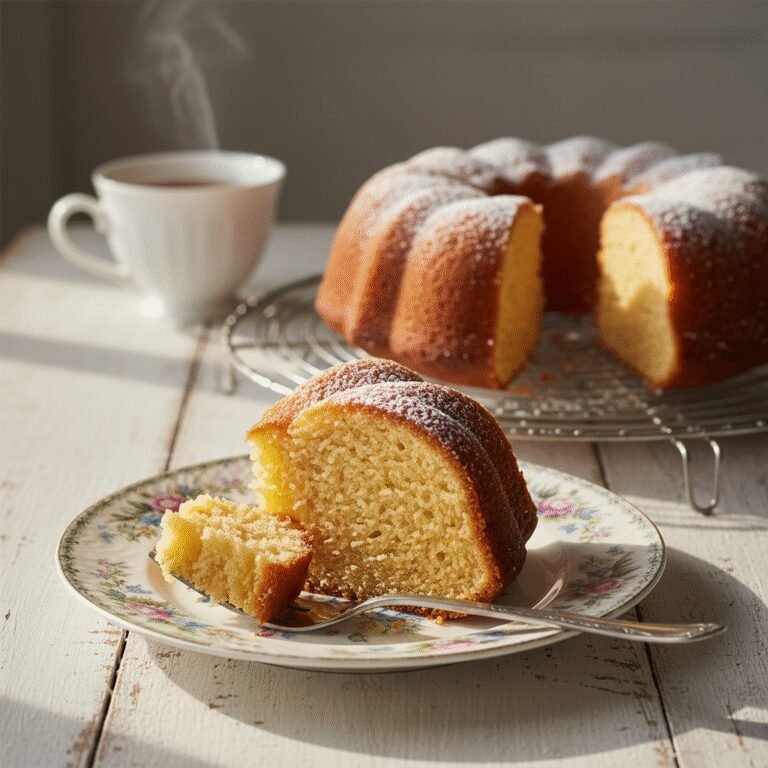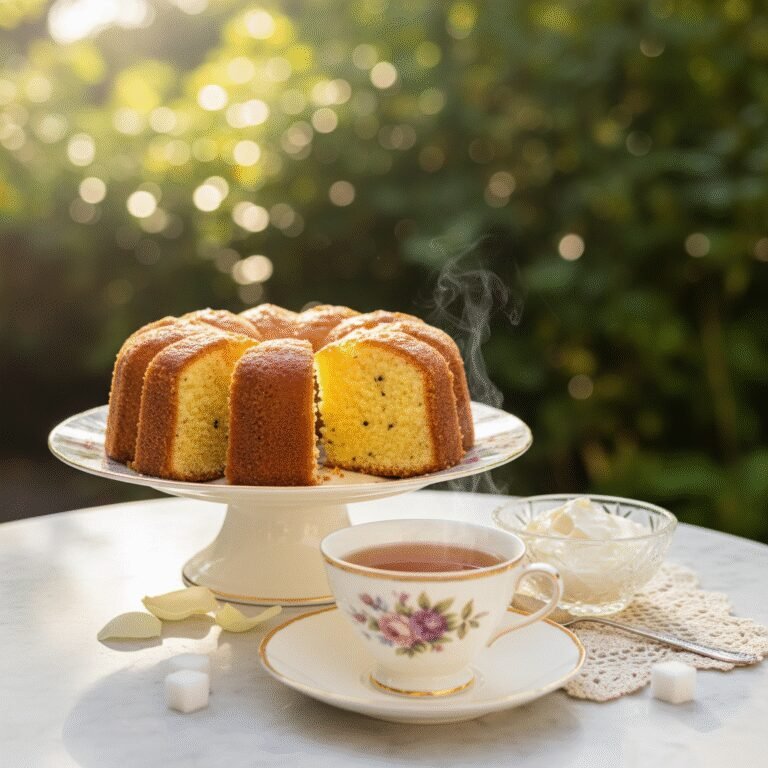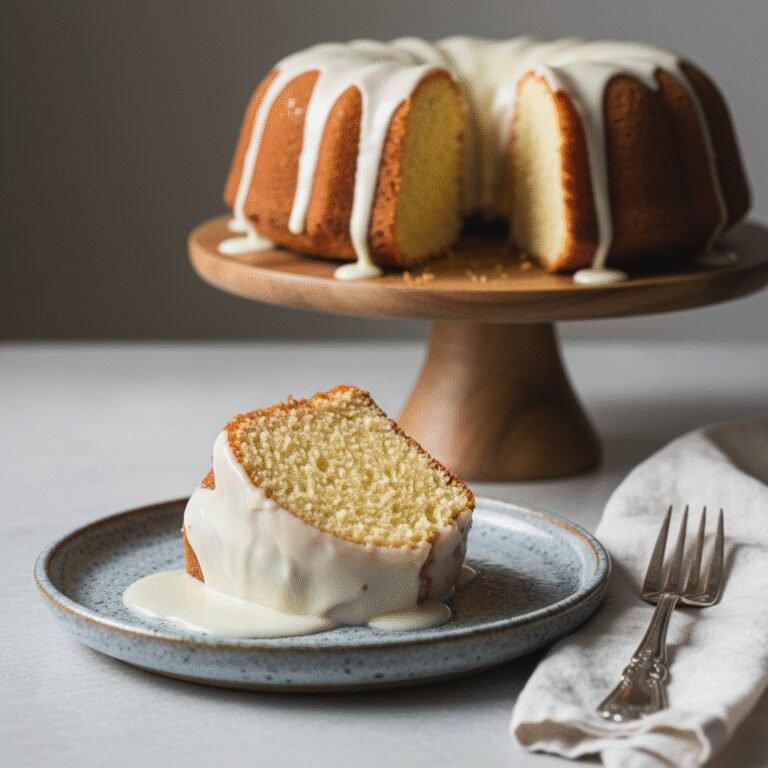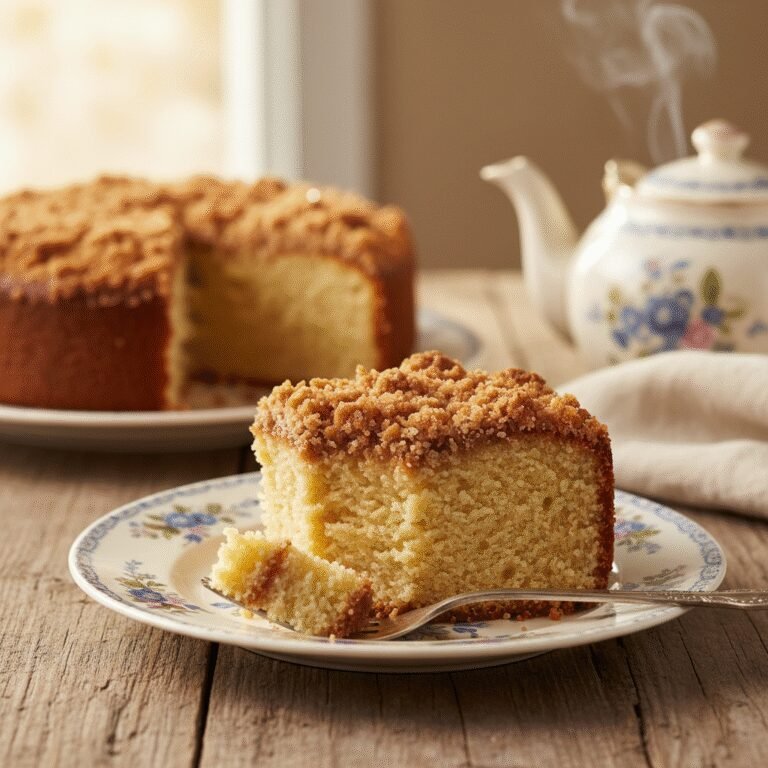
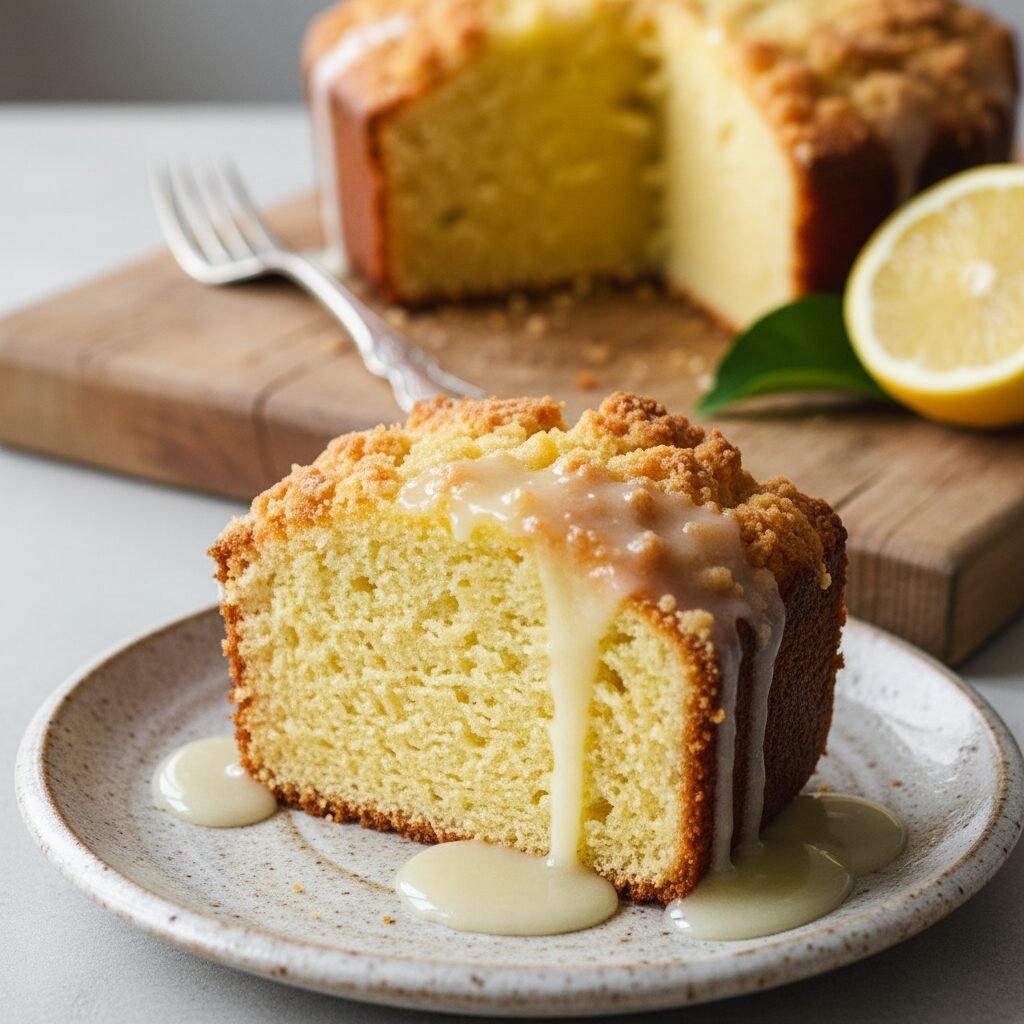
The Ultimate Moist Lemon Pound Cake with Buttery Crumb Topping
Moist Lemon Pound Cake With Crumb Topping Recipe
Experience the perfect marriage of zesty citrus and rich buttery goodness with this Moist Lemon Pound Cake. Topped with a crunchy, golden streusel and finished with a tart lemon glaze, this recipe transforms a classic tea-time staple into an unforgettable dessert experience.
20 minutes
55 minutes
1 hour 25 minutes
1 Loaf (10-12 slices)
Dessert
Baking
American
Vegetarian
There is something undeniably comforting about a classic pound cake. It is the kind of dessert that feels like a warm hug—dense, buttery, and reliable. But when you infuse that traditional base with the bright, sunny disposition of fresh lemons and crown it with a decadent crumb topping, you elevate a humble loaf into a masterpiece of texture and flavor. This Moist Lemon Pound Cake with Crumb Topping is designed for those who refuse to choose between the tenderness of a cake and the crunch of a coffee cake streusel.
The secret to this recipe’s success lies in its texture. Too often, pound cakes can veer into dry territory, becoming heavy rather than dense. By incorporating sour cream and carefully creaming the butter and sugar, we achieve a crumb that is velvety and impossibly moist. The lemon flavor is not shy here; we use both the zest and the juice to ensure a permeating citrus aroma that cuts through the richness of the butter.
Then comes the pièce de résistance: the crumb topping. A thick layer of buttery, sugary streusel adds a necessary textural contrast to the soft cake. It creates a jagged, golden landscape on top of the loaf that catches the tart lemon glaze, creating pockets of intense sweetness and acidity. Whether you are serving this for a sophisticated brunch, an afternoon tea, or simply enjoying a slice as a midnight snack, this lemon pound cake promises to be the bright spot in your day.
History & Origins
The history of the pound cake is as rich as the dessert itself, dating back to the early 1700s in Northern Europe. The name is literal and practical; the original recipes called for a pound each of four ingredients: flour, butter, eggs, and sugar. This 1:1:1:1 ratio made it easy for bakers to remember the recipe without written instructions, a necessity in an era where literacy was not universal and kitchen scales were a luxury. These early cakes were dense and heavy, leavened only by the air beaten into the eggs and batter during the arduous mixing process.
As the recipe migrated to America with European settlers, it evolved. By the mid-19th century, bakers began experimenting with leavening agents like baking powder and baking soda, which allowed for a lighter, more airy texture while maintaining that signature density. The introduction of ‘sour’ ingredients like buttermilk or sour cream became popular in the Southern United States, adding tenderness and tang that the original recipe lacked.
The addition of the crumb topping, or ‘streusel,’ nods to German baking traditions. Streusel, meaning ‘something scattered or strewn,’ was traditionally used on yeast breads and fruit cakes. Merging the Anglo-American pound cake with the German streusel creates a hybrid that celebrates the best of Western baking traditions. Today, the lemon pound cake is a staple of American coffee shops and home kitchens alike, representing a centuries-long journey from a heavy, practical loaf to a refined, zesty, and textured delight.
Why This Recipe Works
This recipe succeeds because it meticulously balances moisture, acidity, and structure. The primary challenge with pound cake is preventing dryness. We solve this by using a combination of high-fat butter and full-fat sour cream. The acid in the sour cream tenderizes the gluten strands in the flour, resulting in a softer crumb, while the fat content ensures the cake stays moist for days.
Furthermore, we utilize the ‘reverse creaming’ method’s cousin—traditional creaming but with specific attention to temperature. Beating room-temperature butter with sugar creates microscopic air pockets. When the cake bakes, the baking powder expands these pockets, giving the cake lift without making it fluffy like a sponge cake; it retains that desirable, tight pound cake grain.
Flavor-wise, we use lemon zest rubbed directly into the sugar before mixing. The abrasive action of the sugar crystals releases the essential oils in the zest, distributing the lemon flavor far more effectively than juice alone. Finally, the crumb topping adds a crucial textural dimension. A soft cake needs a crunch to prevent ‘palate fatigue,’ and the cold butter in the topping creates a crisp, cookie-like crust that contrasts beautifully with the tender interior.
Why You’ll Love This Recipe
- ✓Incredibly moist texture thanks to sour cream
- ✓Double dose of lemon from zest and fresh juice
- ✓Thick, buttery, crunchy streusel topping
- ✓Stays fresh and moist for several days
- ✓Perfect balance of sweet and tart flavors
- ✓Freezer-friendly for make-ahead convenience
Equipment You’ll Need
- ✓9×5 inch Loaf Pan
- ✓Stand Mixer or Hand Mixer
- ✓Large Mixing Bowl
- ✓Medium Mixing Bowl
- ✓Microplane or Zester
- ✓Citrus Juicer
- ✓Wire Cooling Rack
- ✓Parchment Paper
Ingredients
- ✓For the Cake: 1 1/2 cups all-purpose flour
- ✓1 teaspoon baking powder
- ✓1/2 teaspoon salt
- ✓1 cup granulated sugar
- ✓1 tablespoon fresh lemon zest (approx. 2 lemons)
- ✓1/2 cup unsalted butter, softened to room temperature
- ✓2 large eggs, room temperature
- ✓1/2 cup sour cream or plain Greek yogurt, room temperature
- ✓2 tablespoons fresh lemon juice
- ✓1 teaspoon vanilla extract
- ✓For the Crumb Topping: 1/2 cup all-purpose flour
- ✓1/3 cup granulated sugar
- ✓1 pinch salt
- ✓3 tablespoons unsalted butter, melted
- ✓For the Glaze: 1/2 cup powdered sugar
- ✓1-2 tablespoons fresh lemon juice
Instructions
- 1. Preheat your oven to 350°F (175°C). Grease a 9×5 inch loaf pan liberally with butter or non-stick spray and line with parchment paper, leaving an overhang on the sides for easy removal.
- 2. Prepare the Crumb Topping: In a small bowl, whisk together the 1/2 cup flour, 1/3 cup sugar, and pinch of salt. Pour in the melted butter and use a fork to toss the mixture until moist crumbs form. Set aside.
- 3. Prepare the Lemon Sugar: In the bowl of your stand mixer (or a large bowl), combine the 1 cup granulated sugar and fresh lemon zest. Use your fingertips to rub the zest into the sugar until it becomes fragrant and looks like wet sand.
- 4. Cream Butter and Sugar: Add the softened butter to the lemon sugar. Beat on medium-high speed for about 3-4 minutes until the mixture is pale, light, and fluffy. Scrape down the sides of the bowl.
- 5. Add Eggs: Add the eggs one at a time, beating well after each addition. Stir in the vanilla extract and the 2 tablespoons of lemon juice. (Note: The mixture might look slightly curdled due to the acid; this is normal).
- 6. Dry Ingredients: In a separate medium bowl, whisk together the 1 1/2 cups flour, baking powder, and salt.
- 7. Combine: Reduce the mixer speed to low. Add half of the flour mixture to the butter mixture, mixing just until combined. Add the sour cream and mix. Finally, add the remaining flour mixture and mix until just no streaks of flour remain. Do not overmix.
- 8. Assemble: Pour the batter into the prepared loaf pan and smooth the top with a spatula. Sprinkle the crumb topping evenly over the batter, breaking up any large chunks with your fingers.
- 9. Bake: Bake for 50-60 minutes. Check at the 40-minute mark; if the topping is browning too quickly, loosely tent the pan with aluminum foil. The cake is done when a toothpick inserted into the center comes out clean or with just a few moist crumbs.
- 10. Cool: Remove from the oven and let the cake cool in the pan for 15 minutes. Then, use the parchment paper handles to lift the cake out and place it on a wire rack to cool completely.
- 11. Glaze: Once the cake is cool, whisk together the powdered sugar and lemon juice in a small bowl until smooth. Drizzle over the crumb topping before slicing.
Expert Cooking Tips
- ✓Room Temperature Ingredients: Ensure your butter, eggs, and sour cream are at room temperature. This creates a smoother emulsion and a better rise.
- ✓Rub the Zest: Don’t skip rubbing the zest into the sugar. It releases the oils and prevents the zest from clumping in the batter.
- ✓Don’t Overmix: Once the flour is added, mix gently. Overworking the gluten will result in a tough, rubbery loaf instead of a tender one.
- ✓Tent with Foil: Crumb toppings contain sugar which burns easily. Keep an eye on the oven and cover the top with foil if it gets dark before the center is cooked.
- ✓Cool Before Glazing: If you glaze the cake while it’s hot, the icing will melt right into the crumb topping and disappear. Wait until it’s cool for that beautiful white drizzle.
Substitutions and Variations
Baking is chemistry, but there is some room for flexibility in this recipe. If you do not have sour cream, full-fat plain Greek yogurt is an excellent 1:1 substitution that provides similar tang and moisture. In a pinch, buttermilk can work, though the batter will be slightly thinner. For the flour, you can use a high-quality 1:1 Gluten-Free Baking Flour blend if you are catering to dietary restrictions; look for a blend that contains xanthan gum. If you prefer a different citrus profile, this recipe adapts beautifully to oranges, blood oranges, or grapefruits—simply swap the zest and juice ratios equally. While butter is recommended for the classic pound cake flavor, you can substitute 50% of the butter with a neutral oil (like vegetable or canola) if you want an even softer crumb, though you will lose some of the buttery richness.
Common Mistakes to Avoid
The most common mistake with pound cake is overbaking, which leads to a dry, crumbly texture. Because ovens vary, rely on the toothpick test rather than the timer alone. Another pitfall is using cold ingredients; if your butter or eggs are cold, the batter will curdle and not aerate properly, leading to a dense, greasy loaf. Opening the oven door too frequently is another error; the rush of cold air can cause the cake to collapse in the center before the structure has set. Finally, be careful when measuring flour. Scooping directly with the measuring cup packs the flour down, leading to too much flour and a dry cake. Instead, spoon the flour into the cup and level it off with a knife.
Serving Suggestions
This Moist Lemon Pound Cake is incredibly versatile. It is robust enough to be served as a breakfast item alongside a hot cup of coffee or Earl Grey tea. For a more elegant dessert presentation, serve a thick slice with a dollop of freshly whipped cream and a handful of fresh raspberries or blueberries; the berries complement the lemon flavor perfectly. If you want to lean into the ‘dessert’ aspect, warm a slice slightly in the microwave and serve it with a scoop of vanilla bean ice cream. It is also excellent served as part of a brunch spread, as the citrus flavor acts as a nice palate cleanser after savory egg dishes.
Storage and Reheating Tips
Proper storage is key to maintaining the moisture of this pound cake. At room temperature, store the cake in an airtight container or wrap it tightly in plastic wrap; it will stay fresh for 3-4 days. In fact, the flavor often improves on the second day as the moisture redistributes. For longer storage, you can refrigerate the loaf for up to 1 week, though this may dry it out slightly, so ensure it is very well wrapped. This cake freezes exceptionally well. Wrap individual slices or the whole loaf in plastic wrap, followed by a layer of aluminum foil. It can be frozen for up to 3 months. Thaw at room temperature before serving.
Nutrition Facts (Estimated)
| Serving Size | 1 Slice |
| Calories | 420 |
| Fat | 22g |
| Saturated Fat | 13g |
| Unsaturated Fat | 8g |
| Trans Fat | 0.5g |
| Cholesterol | 85mg |
| Sodium | 180mg |
| Carbohydrates | 52g |
| Fiber | 1g |
| Sugar | 28g |
| Protein | 5g |
Frequently Asked Questions
Why did my crumb topping sink into the cake?
This usually happens if the batter is too thin or if the cake was underbaked. Ensure you measure your flour correctly. Also, don’t press the crumbs down; just scatter them lightly on top.
Can I use bottled lemon juice instead of fresh?
Technically yes, but we strongly advise against it. Bottled lemon juice lacks the floral notes of fresh lemon and often has a harsh, metallic aftertaste. Since lemon is the star flavor, fresh is best.
Why is my pound cake dry?
Dryness is usually caused by overbaking or measuring too much flour. Use the ‘spoon and level’ method for flour and start checking the cake for doneness 5-10 minutes before the recipe says.
Can I make this in a bundt pan?
Yes, but you will need to double the recipe for a standard 10-12 cup bundt pan. The baking time will also increase to approximately 60-75 minutes. Note that the crumb topping will end up on the ‘bottom’ when you flip the bundt, so it might be better to put the crumbs in the bottom of the pan first.
Can I reduce the sugar in this recipe?
Sugar provides moisture and tenderness, not just sweetness. Reducing it significantly will alter the texture, making the cake more bread-like and dry. We recommend sticking to the recipe for the best texture.
My cake is browning too fast on top but is raw in the middle. What do I do?
This is common with sugary toppings. Loosely tent the loaf pan with aluminum foil. This shields the top from direct heat while allowing the interior to continue cooking.
Can I use salted butter instead of unsalted?
Yes. If you use salted butter, simply omit the 1/2 teaspoon of added salt in the cake batter. The result will be nearly identical.
How do I know when the cake is completely done?
Insert a wooden skewer or toothpick into the deepest part of the center crack. It should come out clean or with a few moist crumbs attached. If you see wet batter, it needs more time.
Conclusion
This Moist Lemon Pound Cake with Crumb Topping is more than just a recipe; it is a reliable companion for your coffee breaks, celebrations, and quiet moments of indulgence. The interplay between the tender, citrus-infused crumb and the buttery, crunchy topping creates a sensory experience that store-bought cakes simply cannot replicate. It is a testament to the magic that happens when simple ingredients like butter, sugar, and lemons are treated with care and technique. We hope this loaf brings a burst of sunshine into your kitchen. Don’t forget to pin this recipe for later and share your baking success stories in the comments below!