The Ultimate Moist Lemon Pound Cake With Chocolate Chips
Moist Lemon Pound Cake With Chocolate Chips Recipe
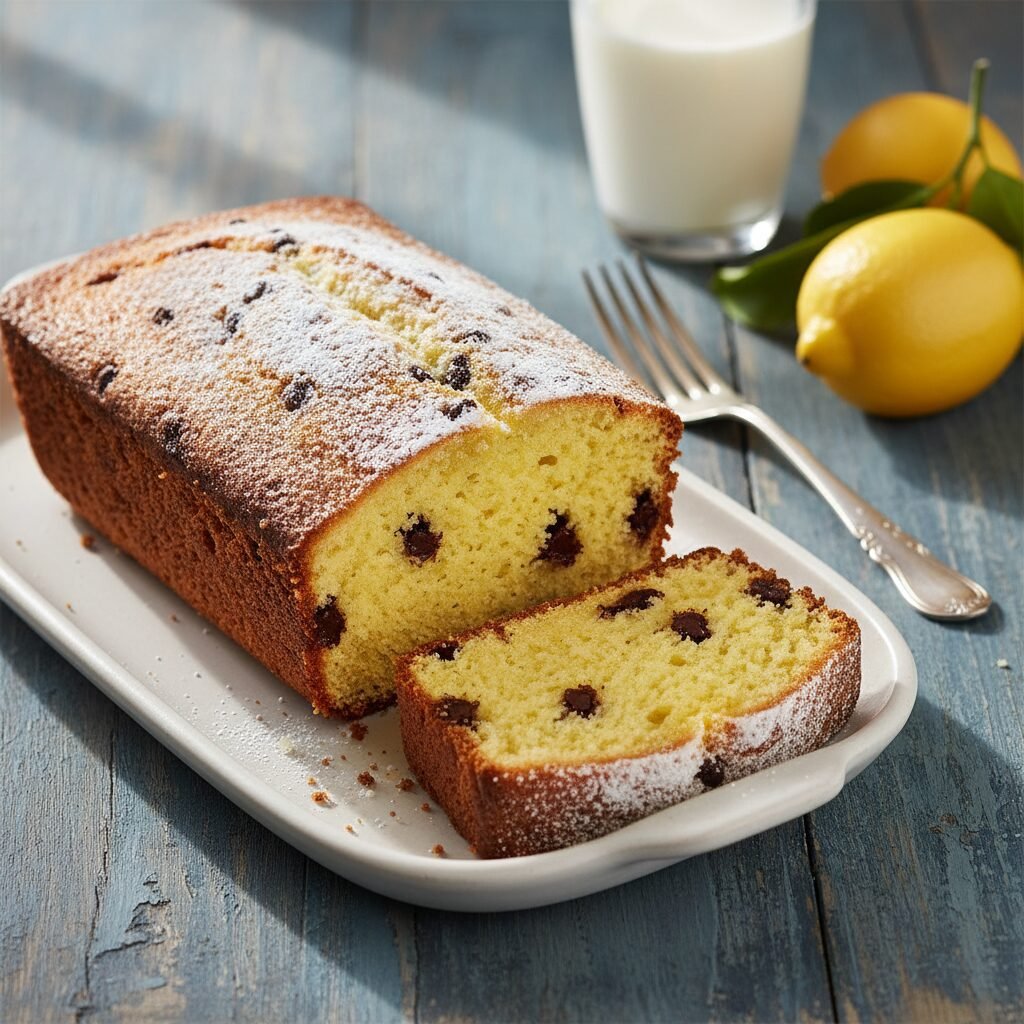
Experience the perfect marriage of zesty brightness and rich indulgence with this Moist Lemon Pound Cake with Chocolate Chips. Bursting with fresh citrus flavor and studded with semi-sweet chocolate, this dense yet tender loaf is the ultimate comfort bake for any season.
20 minutes
60 minutes
1 hour 20 minutes
1 Loaf (10-12 Slices)
Dessert
Baking
American
Vegetarian
There are few flavor combinations as surprisingly delightful as the pairing of bright, acidic lemon and deep, rich chocolate. While orange and chocolate often steal the spotlight in the confectionery world, the contrast between the sharp zest of a lemon and the creamy sweetness of chocolate chips creates a sophisticated palate experience that is both refreshing and indulgent. This recipe for Moist Lemon Pound Cake with Chocolate Chips is designed to be the definitive version of this concept, moving away from dry, crumbly loaves to a texture that is luxuriously dense, velvety, and incredibly moist.
Baking the perfect pound cake is an art form that balances structure with tenderness. Often, pound cakes can lean towards being overly heavy or, conversely, too airy like a sponge cake. This recipe strikes the perfect middle ground, offering that classic ‘tight crumb’ associated with traditional pound cakes while incorporating modern baking techniques to ensure it stays fresh for days. The secret lies in the inclusion of sour cream and the specific method of incorporating the lemon zest, which infuses the natural oils throughout the batter rather than just sitting on the surface.
Whether you are looking for a show-stopping dessert for a spring brunch, a comforting slice to accompany your afternoon tea, or a reliable treat to bring to a potluck, this cake delivers. It challenges the notion that lemon desserts must only be paired with berries or vanilla, proving that chocolate is a worthy companion to citrus. Get ready to fill your kitchen with the intoxicating aroma of butter, toasted sugar, and fresh lemon.
History & Origins
The history of the pound cake is as rich and dense as the cake itself, dating back to the early 1700s in Northern Europe. The name ‘pound cake’ was originally a literal recipe instruction: it called for one pound each of flour, butter, eggs, and sugar. This simple 1:1:1:1 ratio made it easy for bakers to remember without written recipes, which was crucial in an era where literacy was not widespread and standardized measuring cups did not exist. These early cakes were massive, dense, and relied solely on the air beaten into the eggs and butter for leavening, as chemical leaveners like baking powder and baking soda had not yet been invented.
As the recipe migrated to America, particularly the Southern states, it evolved. By the mid-19th century, bakers began modifying the proportions to create a lighter, more palatable texture. The introduction of chemical leaveners allowed for a reduction in eggs and the addition of liquids like milk, juices, or wine. The ‘sour cream pound cake’ became a staple in American baking during the 20th century, prized for its ability to keep the cake moist in varying climates.
The specific innovation of adding chocolate chips to a lemon batter is a more contemporary twist, likely emerging from the modern fusion food movement of the late 20th century where contrasting flavor profiles became fashionable. While traditionalists might stick to a lemon glaze, the addition of chocolate chips represents the playful evolution of home baking, where the rules are bent to accommodate personal cravings and the desire for textural contrast.
Why This Recipe Works
This recipe succeeds where many others fail due to three critical chemical interactions: fat emulsification, acidity, and suspension. First, the inclusion of sour cream is non-negotiable. Unlike milk, sour cream has a high fat content and high acidity. The fat coats the flour proteins (gluten), shortening the strands and preventing the cake from becoming tough or rubbery, which is the primary culprit of a dry pound cake. The acidity in the sour cream and the fresh lemon juice also tenderizes the crumb and activates the baking powder/soda for a better rise.
Secondly, the technique of ‘rubbing’ the lemon zest into the granulated sugar before creaming the butter is a game-changer. Sugar crystals are abrasive; by rubbing the zest against them, you rupture the oil cells in the lemon skin, releasing the essential oils directly into the sugar. This ensures the lemon flavor is baked into the very DNA of the cake, rather than fading away during the long bake time.
Finally, the ‘sinking chip’ problem is solved through density and coating. Because this is a true pound cake batter, it is thick enough to suspend the chocolate chips. However, we add an extra layer of insurance by tossing the chips in a small amount of flour before folding them in. This creates friction between the chips and the batter, locking them in place so you get a perfect distribution of chocolate in every bite, rather than a layer of chocolate at the bottom of the pan.
Why You’ll Love This Recipe
- ✓Incredibly moist crumb thanks to sour cream and butter.
- ✓Bright, natural lemon flavor infused into the sugar.
- ✓Perfect distribution of chocolate chips—no sinking!
- ✓Stays fresh and soft for up to 4 days.
- ✓Freezes beautifully for make-ahead meal prep.
- ✓Simple pantry ingredients with a gourmet result.
Equipment You’ll Need
- ✓9×5 inch Loaf Pan
- ✓Electric Stand Mixer or Hand Mixer
- ✓Large Mixing Bowl
- ✓Medium Mixing Bowl
- ✓Microplane or Zester
- ✓Citrus Juicer
- ✓Rubber Spatula
- ✓Wire Cooling Rack
- ✓Parchment Paper
Ingredients
- ✓1 1/2 cups All-Purpose Flour
- ✓1 teaspoon Baking Powder
- ✓1/4 teaspoon Baking Soda
- ✓1/2 teaspoon Salt
- ✓1 cup Unsalted Butter, softened to room temperature
- ✓1 cup Granulated White Sugar
- ✓2 tablespoons Fresh Lemon Zest (approx. 2 lemons)
- ✓3 Large Eggs, room temperature
- ✓1 teaspoon Pure Vanilla Extract
- ✓1/4 cup Fresh Lemon Juice
- ✓1/2 cup Full-Fat Sour Cream, room temperature
- ✓1 cup Semi-Sweet Chocolate Chips
- ✓1 tablespoon All-Purpose Flour (for dusting chips)
Instructions
- Preheat your oven to 350°F (175°C). Grease a 9×5 inch loaf pan generously with butter or non-stick spray, and line the bottom and sides with parchment paper for easy removal.
- In a medium bowl, whisk together the 1 1/2 cups flour, baking powder, baking soda, and salt until well combined. Set aside.
- In the bowl of a stand mixer (or a large bowl), place the granulated sugar and the fresh lemon zest. Using your clean fingers, rub the zest into the sugar for 1-2 minutes until the sugar is fragrant, moist, and pale yellow.
- Add the softened butter to the lemon-sugar mixture. Beat on medium-high speed for 3-5 minutes until the mixture is very pale, light, and fluffy. Do not rush this step; it aerates the cake.
- Lower the mixer speed to medium. Add the eggs one at a time, beating well after each addition and scraping down the sides of the bowl to ensure everything is incorporated. Stir in the vanilla extract and lemon juice (the mixture may look slightly curdled at this point; this is normal).
- Reduce mixer speed to low. Add half of the flour mixture, mixing just until the flour streaks disappear.
- Add the sour cream and mix until combined. Then, add the remaining flour mixture, mixing only until just combined. Do not overmix.
- In a small bowl, toss the chocolate chips with the 1 tablespoon of flour. Fold these dusted chips gently into the batter using a rubber spatula.
- Pour the batter into the prepared loaf pan and smooth the top with the spatula. Tap the pan on the counter once to release large air bubbles.
- Bake for 55-65 minutes, or until a toothpick inserted into the center comes out clean or with just a few moist crumbs attached. Tent with foil after 40 minutes if the top is browning too quickly.
- Remove from the oven and let the cake cool in the pan for 15 minutes. Then, lift it out using the parchment paper handles and transfer to a wire rack to cool completely before slicing.
Expert Cooking Tips
- ✓Room Temperature Ingredients: Ensure butter, eggs, and sour cream are at room temperature to prevent the batter from separating.
- ✓Zest First: Always zest your lemons before juicing them; it is nearly impossible to zest a squishy, juiced lemon.
- ✓Don’t Overmix: Once the flour hits the liquid, gluten begins to form. Overmixing yields a tough cake. Stop when you see no more white powder.
- ✓Flour the Chips: Coating the chocolate chips in a little flour gives them ‘grip’, preventing them from sinking to the bottom of the loaf.
- ✓Check for Doneness: Ovens vary. Start checking at 50 minutes. A wet toothpick means it needs more time; a clean one means pull it out immediately.
- ✓Cooling is Key: Pound cake is fragile when hot. Let it set in the pan for 15 minutes to firm up before moving it.
- ✓Quality Matters: Use real butter and fresh lemon juice. Bottled lemon juice lacks the flavor complexity needed for this recipe.
Substitutions and Variations
Baking is a science, but there is some room for flexibility in this recipe. If you do not have sour cream, full-fat Greek yogurt is an excellent 1:1 substitute that maintains the tangy moisture profile. For the flour, you can use a high-quality gluten-free 1:1 baking flour blend (like King Arthur or Bob’s Red Mill) if you are avoiding gluten, though the texture may be slightly less dense. If you prefer a different chocolate profile, white chocolate chips pair beautifully with lemon for a sweeter, creamier taste, while dark chocolate chunks offer a more sophisticated, bitter contrast. You can also substitute the butter for a high-quality plant-based butter stick for a dairy-free version, provided you also swap the sour cream for a dairy-free coconut yogurt or almond milk yogurt alternative.
Common Mistakes to Avoid
The most common mistake with pound cake is incorrect measuring of flour. If you scoop the measuring cup directly into the flour bag, you compress the flour and can end up with 20% more than the recipe calls for, resulting in a dry, brick-like cake. Always use the ‘spoon and level’ method or a kitchen scale. Another error is rushing the creaming process. The butter and sugar need to be beaten for several minutes to trap air; this mechanical leavening is crucial for the cake’s lift. Finally, opening the oven door too frequently can cause the temperature to drop and the cake to collapse in the center. Trust your timer and use the oven light.
Serving Suggestions
This cake is versatile enough to be served at various temperatures and with different accompaniments. It is delightful served slightly warm with a scoop of vanilla bean ice cream or a dollop of freshly whipped cream for dessert. For breakfast or brunch, serve a slice at room temperature alongside a hot cup of Earl Grey tea or a cappuccino; the bergamot in the tea complements the lemon beautifully. If you want to elevate the presentation, dust the top with powdered sugar or drizzle with a simple glaze made from powdered sugar and lemon juice. A garnish of candied lemon peel or fresh mint leaves adds a professional touch.
Storage and Reheating Tips
Pound cakes actually improve in flavor and texture the day after baking as the moisture redistributes and the flavors meld. Store the completely cooled cake in an airtight container or wrap it tightly in plastic wrap at room temperature for up to 4 days. For longer storage, wrap the cake in plastic wrap and then in aluminum foil, and freeze for up to 3 months. To eat, thaw the wrapped cake on the counter overnight. Individual slices can also be frozen for a quick grab-and-go treat; just microwave a frozen slice for 15-20 seconds to revive that fresh-baked warmth.
Nutrition Facts (Estimated)
| Serving Size | 1 Slice |
| Calories | 385 |
| Fat | 19g |
| Saturated Fat | 11g |
| Unsaturated Fat | 7g |
| Trans Fat | 0g |
| Cholesterol | 65mg |
| Sodium | 180mg |
| Carbohydrates | 48g |
| Fiber | 2g |
| Sugar | 28g |
| Protein | 5g |
Frequently Asked Questions
Why did my chocolate chips sink to the bottom?
This usually happens if the batter is too thin or the chips weren’t coated. Ensure you toss the chips in flour before adding them, and double-check your liquid measurements.
Can I use bottled lemon juice?
Technically yes, but it is not recommended. Bottled juice often contains preservatives that alter the flavor. Fresh lemon juice provides a much brighter, cleaner citrus taste.
My cake is browning too fast on top but is raw in the middle. What do I do?
This is common with sugar-heavy batters. Simply tent a piece of aluminum foil loosely over the top of the loaf pan after about 40 minutes of baking to shield it from direct heat.
Can I make this recipe in a bundt pan?
Yes, but you will need to double the recipe ingredients to fill a standard 10-12 cup bundt pan. Baking time will also need to be adjusted, likely to 65-75 minutes.
Why does my pound cake have a crack on top?
A crack down the center is actually the signature of a good pound cake! As the batter rises and sets on the edges first, the center continues to expand, creating a beautiful rustic split.
Can I use Meyer lemons?
Absolutely. Meyer lemons are sweeter and more floral than standard lemons. The cake will have a slightly more complex, less aggressive tartness.
How do I know when the butter is properly creamed?
The mixture should look pale yellow (almost white) and have increased significantly in volume. When you rub a bit between your fingers, the sugar granules should feel smaller and less gritty.
Can I reduce the sugar?
Reducing sugar affects not just sweetness but also moisture and texture. It is not recommended to reduce it by more than 1/4 cup, or the cake may become dry and tough.
Conclusion
This Moist Lemon Pound Cake with Chocolate Chips is more than just a recipe; it’s a reliable friend in your baking repertoire. It bridges the gap between a refreshing summer citrus treat and a cozy winter chocolate comfort food. By following the tips on ingredient temperature and mixing methods, you are guaranteed a loaf that is bakery-quality in both taste and appearance. Whether you share it with friends, gift it to a neighbor, or keep it all to yourself (we won’t judge!), this cake is sure to bring a moment of joy to your day. Happy baking!