
The Ultimate Moist Lemon Cupcakes With Tangy Cream Cheese Frosting
Moist Lemon Cupcake With Cream Cheese Frosting Recipe
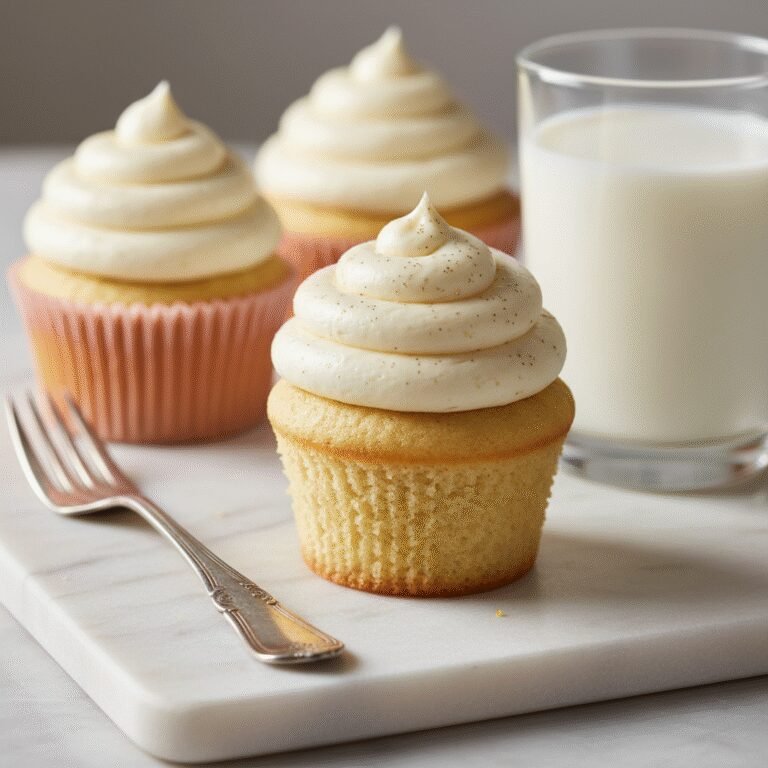
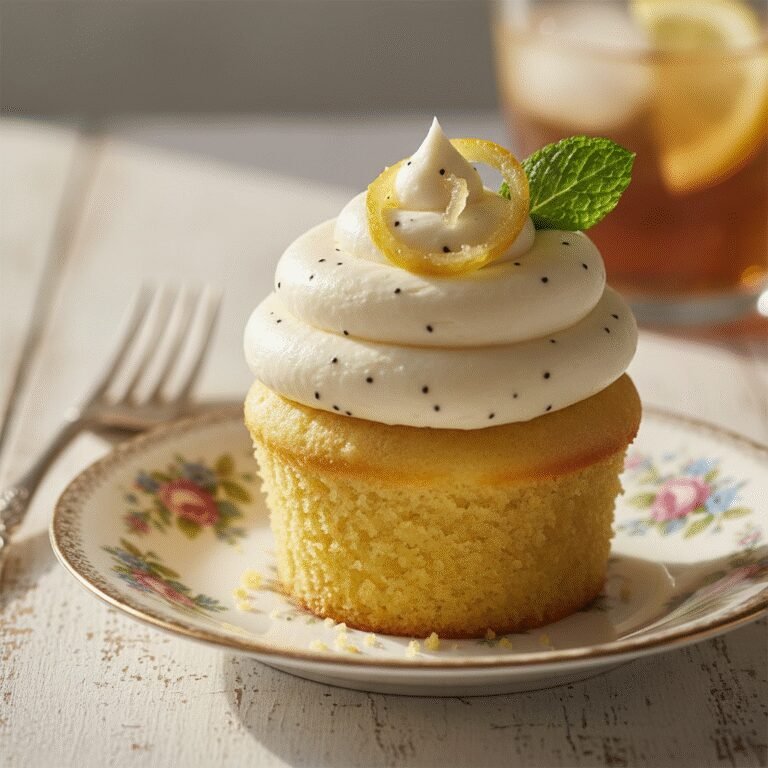
These aren’t just cupcakes; they are bite-sized bursts of sunshine. Featuring an incredibly tender, moist crumb infused with fresh lemon zest and topped with a velvety, tangy cream cheese frosting, this recipe strikes the perfect balance between sweet and tart.
25 minutes
20 minutes
45 minutes
14 cupcakes
Dessert
Baking
American
Vegetarian
If you have been searching for the holy grail of lemon desserts, look no further. There is something undeniably cheerful about a lemon cupcake. It invokes feelings of spring afternoons, garden parties, and the simple joy of a bright, citrusy flavor cutting through the richness of butter and sugar. However, finding a lemon cupcake recipe that delivers a punchy citrus flavor without drying out the sponge can be a culinary challenge. Many recipes rely solely on extracts, resulting in an artificial taste, or they overcompensate with juice, messing up the chemistry and leading to a dense, gummy texture.
This recipe changes the game. We have meticulously tested the ratios to ensure that every bite is light, fluffy, and incredibly moist. The secret lies in the trifecta of fat sources—butter for flavor, oil for lasting moisture, and sour cream for that tender, velvety crumb. But the real star is the method of infusing flavor: rubbing fresh lemon zest directly into the sugar before creaming releases the essential oils, permeating the entire batter with a natural, floral lemon aroma that extracts simply cannot mimic.
To crown this masterpiece, we swap the traditional heavy buttercream for a lighter, tangier cream cheese frosting. The slight savoriness of the cream cheese pairs beautifully with the acidity of the lemon, creating a sophisticated flavor profile that isn’t cloyingly sweet. Whether you are baking for a bridal shower, an Easter brunch, or just a Tuesday pick-me-up, these cupcakes promise to be the highlight of your table.
History & Origins
The humble cupcake has a surprisingly long and storied history, dating back to 1796 when Amelia Simmons wrote a recipe for ‘a light cake to bake in small cups’ in her cookbook, ‘American Cookery.’ However, the term ‘cupcake’ itself didn’t truly gain traction until the early 19th century. Originally, these small cakes were baked in heavy pottery cups or ramekins before the invention of the muffin tin. They were revolutionary for home bakers because they cooked much faster than large hearth cakes and allowed for easier portion control.
Lemon as a primary flavor in baking became particularly fashionable during the Victorian era, where citrus was seen as a refreshing palate cleanser and a sign of elegance. The Victorians loved their tea cakes, and the inclusion of lemon zest and juice became a staple in English and American kitchens alike. As for the frosting, cream cheese frosting is a more modern American invention, largely popularized in the mid-20th century alongside the rise of carrot cake. The combination of the two—a historic lemon sponge with a modern, tangy cream cheese topping—represents a beautiful evolution of American baking. It marries the delicate, tea-time traditions of the past with the bold, rich textures preferred in contemporary desserts. Today, the lemon cupcake is a staple of bakeries worldwide, symbolizing a classic comfort that transcends trends.
Why This Recipe Works
This recipe succeeds where others fail due to a careful balance of acidity and fat. Lemon juice is highly acidic, which can inhibit the rise of baked goods if not properly buffered. In this recipe, we use both baking powder and baking soda. The baking soda reacts immediately with the acid in the lemon juice, buttermilk, and sour cream to create carbon dioxide bubbles, giving the cupcakes a superior lift and a fluffy texture.
Furthermore, the texture is optimized by using a ‘blended fat’ method. Butter provides the distinct, creamy flavor that we all love, but butter is 18-20% water and solid at room temperature, which can lead to dry cakes if overbaked. By substituting a portion of the fat with vegetable oil, which is 100% fat and liquid at room temperature, we ensure the cupcakes stay soft and moist for days. The addition of sour cream adds density and richness without weighing down the crumb. Finally, the technique of rubbing lemon zest into the granulated sugar acts as an abrasive to burst the oil cells in the zest, ensuring the lemon flavor is distributed evenly throughout the batter rather than getting lost during the baking process.
Why You’ll Love This Recipe
- ✓Incredibly moist crumb thanks to sour cream and buttermilk.
- ✓Natural, vibrant lemon flavor using fresh zest and juice.
- ✓Perfect balance of sweet and tangy.
- ✓Stays soft for days due to the oil-butter combination.
- ✓Velvety cream cheese frosting that pipes beautifully.
- ✓Ideal for spring holidays, showers, and parties.
Equipment You’ll Need
- ✓Muffin tin (12-cup)
- ✓Cupcake liners
- ✓Stand mixer or electric hand mixer
- ✓Microplane or zester
- ✓Mixing bowls
- ✓Whisk
- ✓Rubber spatula
- ✓Piping bag and star tip (optional)
Ingredients
- ✓1 2/3 cups All-purpose flour
- ✓1/2 tsp Baking powder
- ✓1/4 tsp Baking soda
- ✓1/2 tsp Salt
- ✓1/2 cup Unsalted butter, softened to room temperature
- ✓1 cup Granulated sugar
- ✓1 tbsp Fresh lemon zest (approx. 2 lemons)
- ✓1 large Egg, room temperature
- ✓1/4 cup Vegetable oil (or canola oil)
- ✓2 tsp Vanilla extract
- ✓1/4 cup Sour cream, room temperature
- ✓1/2 cup Buttermilk, room temperature
- ✓2 tbsp Fresh lemon juice
- ✓8 oz Full-fat block cream cheese, softened (Frosting)
- ✓1/2 cup Unsalted butter, softened (Frosting)
- ✓3 cups Powdered sugar, sifted (Frosting)
- ✓1 tsp Vanilla extract (Frosting)
- ✓1 tbsp Fresh lemon juice (Frosting)
- ✓Pinch of salt (Frosting)
Instructions
- Preheat oven to 350°F (175°C). Line a standard muffin tin with cupcake liners. This recipe yields about 14 cupcakes, so have a second pan ready or bake in two batches.
- In a medium bowl, whisk together the flour, baking powder, baking soda, and salt until well combined. Set aside.
- In the bowl of a stand mixer fitted with the paddle attachment, combine the granulated sugar and lemon zest. Rub the zest into the sugar with your fingertips until the sugar is fragrant and moist.
- Add the softened butter to the sugar mixture and beat on medium-high speed for about 3 minutes until light, fluffy, and pale yellow.
- Lower the speed and add the egg, beating until fully incorporated. Scrape down the sides of the bowl.
- Add the vegetable oil, vanilla extract, and sour cream. Mix until smooth.
- In a small measuring cup, whisk together the buttermilk and fresh lemon juice.
- With the mixer on low speed, add half of the dry ingredients to the butter mixture. Mix just until the flour streaks disappear.
- Pour in the buttermilk/lemon juice mixture and mix until combined.
- Add the remaining dry ingredients and mix gently. Do not overmix; stop when you see the last trace of flour disappear. Use a spatula to fold the batter manually once or twice to ensure the bottom is incorporated.
- Fill the cupcake liners about 2/3 full. Do not overfill, or they will spill over and flatten.
- Bake for 18-21 minutes, or until a toothpick inserted into the center comes out clean or with just a few moist crumbs. The tops should spring back when lightly touched.
- Remove from the oven and let the cupcakes cool in the pan for 5 minutes, then transfer them to a wire rack to cool completely before frosting.
- To make the frosting: Beat the softened cream cheese and butter together on high speed until smooth and creamy (about 3-5 minutes).
- Reduce speed to low and gradually add the powdered sugar, one cup at a time. Once all sugar is added, increase speed to high and beat for 2 minutes until fluffy.
- Add the vanilla extract, lemon juice, and a pinch of salt. Beat for another minute until combined. Pipe onto cooled cupcakes.
Expert Cooking Tips
- ✓Room temperature ingredients are non-negotiable. Cold eggs or dairy will cause the batter to curdle and result in a dense cupcake.
- ✓Do not skip rubbing the zest into the sugar. This releases the oils and prevents the zest from clumping.
- ✓Measure flour correctly by spooning it into the measuring cup and leveling it off, rather than scooping directly from the bag which packs it down.
- ✓Avoid overmixing the batter once the flour is added. Overmixing develops gluten and leads to tough, rubbery cupcakes.
- ✓If you don’t have buttermilk, make a substitute by adding 1/2 tablespoon of vinegar or lemon juice to 1/2 cup of whole milk and letting it sit for 5 minutes.
- ✓Use block cream cheese for the frosting, not the spreadable tub kind, to ensure the frosting holds its shape.
- ✓Cool the cupcakes completely before frosting, otherwise, the butter in the frosting will melt and slide right off.
Substitutions and Variations
Baking is a science, but there is some room for flexibility if you are in a pinch. For the flour, you can use cake flour for an even lighter crumb, though all-purpose works perfectly well. If you need a gluten-free option, a high-quality 1:1 gluten-free baking flour blend (containing xanthan gum) is a direct swap. For the fat, you can use melted coconut oil instead of vegetable oil, though it may impart a slight coconut flavor. Greek yogurt (full fat) is an excellent substitute for sour cream if that is what you have on hand; just ensure it is plain and unsweetened. If you prefer a less tangy frosting, you can omit the cream cheese entirely and make a standard American buttercream by doubling the butter and adding a splash of milk. For the lemon juice, fresh is always best, but high-quality bottled organic lemon juice can work in the batter; however, avoid bottled juice for the frosting as the flavor is too sharp.
Common Mistakes to Avoid
The most common mistake with lemon cupcakes is overbaking. Because the batter contains acidic ingredients and oil, the color might not get deeply golden brown even when they are done. Rely on the toothpick test rather than color. Another frequent error is using cold butter or cream cheese for the frosting. If the ingredients are cold, you will end up with lumpy frosting that is impossible to pipe. Conversely, if the butter is melted or too soft (oily), the frosting will be soupy. Another issue is filling the liners too high. This batter has a good rise; filling them to the brim will cause them to overflow and create ‘muffin tops’ that fuse together on the pan. Finally, zesting too deeply into the white pith of the lemon will result in a bitter aftertaste. Only zest the bright yellow outer layer.
Serving Suggestions
These cupcakes are stunning on their own, but you can elevate the presentation for special occasions. Garnish each cupcake with a thin slice of fresh lemon, a curl of candied lemon peel, or a sprig of fresh mint or thyme for a pop of green. For a spring look, top with edible flowers like pansies or violets. Serve these alongside a hot cup of Earl Grey tea, which complements the citrus notes perfectly, or with a glass of chilled prosecco for a brunch setting. If serving for a birthday, yellow sprinkles or white edible pearls add a festive touch without overwhelming the elegant look.
Storage and Reheating Tips
Because of the cream cheese frosting, these cupcakes must be stored in the refrigerator if you are keeping them for more than a few hours. Place them in an airtight container to prevent the cake from drying out; they will keep for up to 4 days. However, cold cake can taste dry, so remove them from the fridge 30 to 60 minutes before serving to allow the frosting and crumb to come to room temperature. Unfrosted cupcakes can be frozen for up to 3 months. Wrap each cupcake tightly in plastic wrap and place them in a freezer bag. Thaw at room temperature before frosting. You can also freeze the frosting separately, though you may need to re-whip it after thawing to restore the texture.
Nutrition Facts (Estimated)
| Serving Size | 1 cupcake |
| Calories | 340 |
| Fat | 18g |
| Saturated Fat | 10g |
| Unsaturated Fat | 7g |
| Trans Fat | 0g |
| Cholesterol | 65mg |
| Sodium | 190mg |
| Carbohydrates | 42g |
| Fiber | 0.5g |
| Sugar | 28g |
| Protein | 4g |
Frequently Asked Questions
Why did my cupcakes sink in the middle?
Sinking usually happens if the oven door was opened too early, causing a sudden temperature drop, or if the batter was over-mixed, incorporating too much air that collapses during cooling. It can also mean the leavening agents (baking powder/soda) are expired.
Can I use Meyer lemons instead of regular lemons?
Absolutely! Meyer lemons are sweeter and more floral than standard lemons. If you use them, the cupcake will have a slightly more delicate, less tart flavor profile.
My frosting is too runny, how do I fix it?
If the frosting is too soft, your butter or cream cheese may have been too warm. Try chilling the bowl in the fridge for 20 minutes and whipping again. You can also add more powdered sugar, 1/4 cup at a time, to stiffen it up.
Can I make this recipe as a cake instead?
Yes, this batter works for a cake. It will fill two 8-inch round cake pans. You will need to increase the baking time to approximately 25-30 minutes. Keep an eye on it and use the toothpick test.
Why do I need both butter and oil?
Butter provides the delicious flavor and structure, while oil coats the flour proteins better than butter, inhibiting gluten formation and keeping the cake moist for a longer period. Using both gives you the best of both worlds.
Can I reduce the sugar in the recipe?
We don’t recommend reducing the sugar significantly. Sugar doesn’t just provide sweetness; it also contributes to the moisture and tenderness of the crumb. Reducing it too much can lead to a dry, tough cupcake.
Do I have to use cake flour?
No, this recipe is specifically developed for all-purpose flour. Cake flour might make the structure too delicate to hold up the rich cream cheese frosting. Stick to AP flour for the best results.
How do I get a high dome on my cupcakes?
Starting the oven at a higher temperature (like 400°F) for 5 minutes and then lowering it can help, but for this specific recipe, the chemical reaction between the acid and baking soda creates a nice natural dome at 350°F without needing temperature tricks.
Conclusion
There is truly nothing like the satisfaction of biting into a homemade cupcake that tastes better than anything you could buy at a bakery. These Moist Lemon Cupcakes with Cream Cheese Frosting are a testament to the power of simple, fresh ingredients coming together in perfect harmony. The bright zest lifts the spirit, while the tender crumb comforts the soul. Whether you are an experienced baker or trying your hand at scratch-baking for the first time, this recipe is forgiving, reliable, and absolutely delicious. We hope this becomes a go-to in your recipe box for years to come. Happy baking!