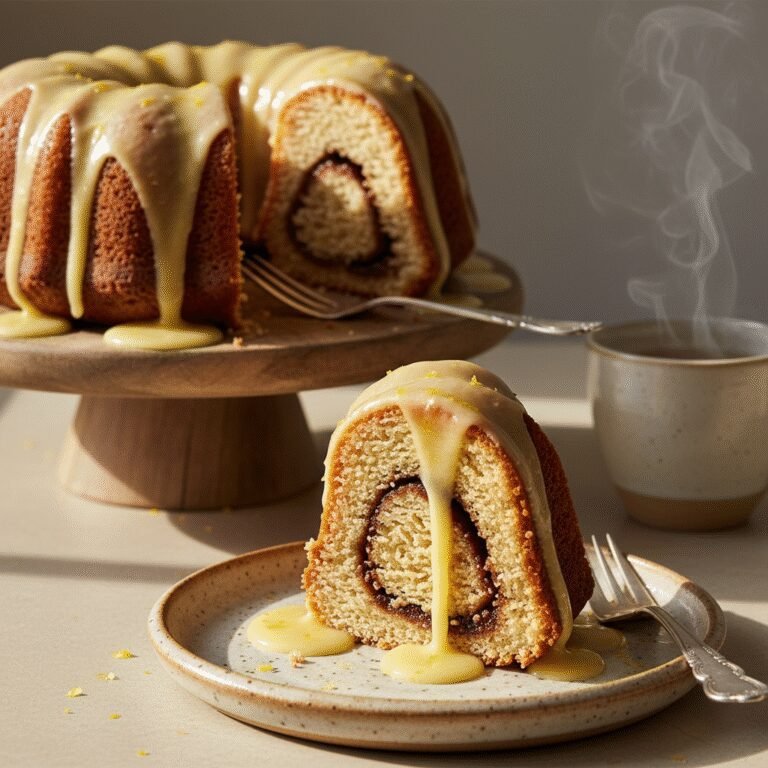
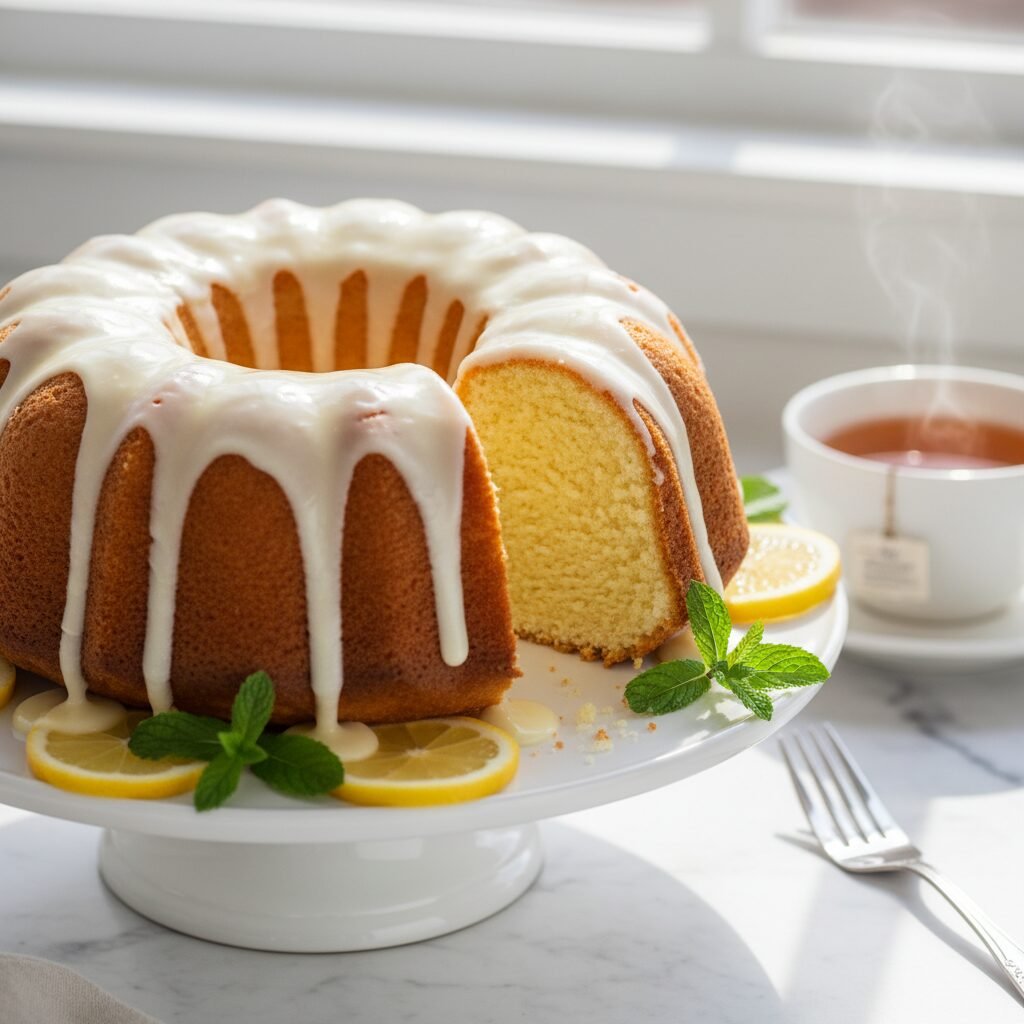
The Ultimate Moist Lemon Bundt Cake With Vanilla Glaze
Moist Lemon Bundt Cake With Vanilla Glaze Recipe
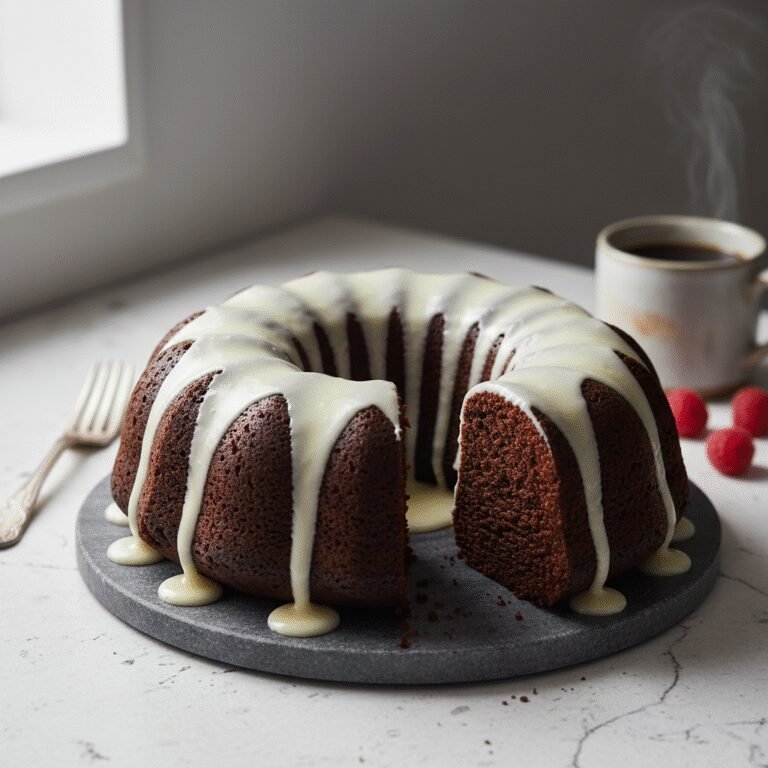
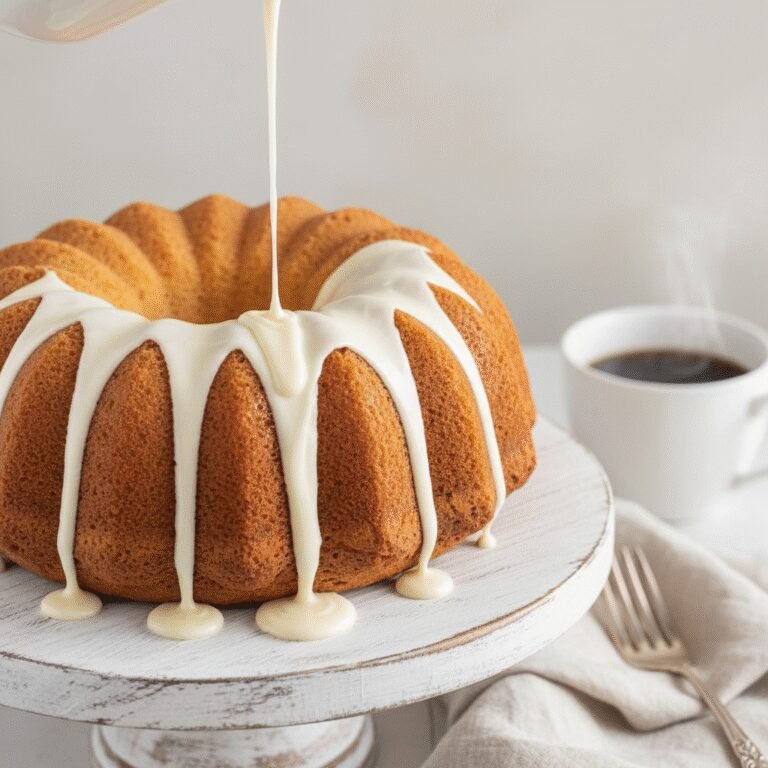
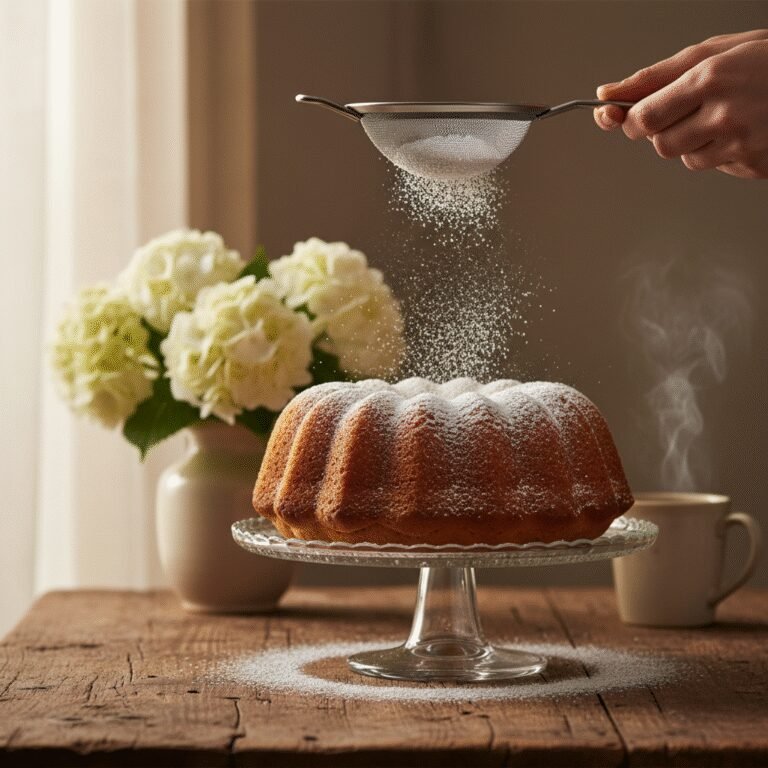
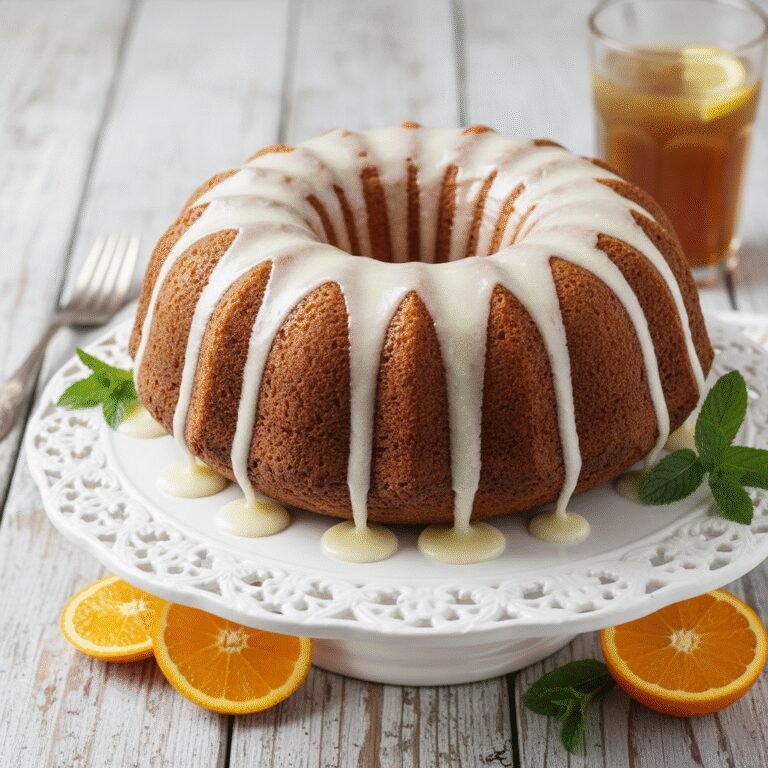
Bursting with bright citrus flavor and drenched in a silky vanilla bean glaze, this Moist Lemon Bundt Cake is the definition of sunshine on a plate. It is incredibly tender, easy to make, and perfect for everything from Easter brunch to a cozy afternoon tea.
20 minutes
55 minutes
1 hour 15 minutes
12-14 servings
Dessert
Baking
American
Vegetarian
If there is one dessert that screams ‘happiness,’ it is a perfectly baked lemon cake. This Moist Lemon Bundt Cake with Vanilla Glaze is not just another citrus dessert; it is a celebration of texture and flavor balance. The crumb is exceptionally tender—almost velvety—thanks to the addition of rich sour cream and a blend of butter and oil. Unlike many bundt cakes that can turn out dry or dense, this recipe guarantees a light, melt-in-your-mouth experience that stays fresh for days. The magic starts with the preparation: we rub fresh lemon zest directly into the sugar, releasing essential oils that infuse every single grain with aromatic citrus punch before the batter is even mixed. As the cake bakes, your kitchen will fill with the intoxicating scent of warm vanilla and toasted lemon. But the pièce de résistance is the glaze. A thick, opaque ribbon of sweet vanilla icing that cascades down the fluted edges of the cake, settling into every nook and cranny. The contrast between the zesty, tart cake and the sweet, creamy glaze is what makes this recipe a timeless classic. Whether you are a seasoned baker or a novice in the kitchen, this foolproof recipe delivers bakery-quality results that look as stunning as they taste. It is the kind of cake you bring to a potluck and leave with an empty platter and five requests for the recipe.
History & Origins
The Bundt cake, an iconic shape in American baking, has roots that stretch back to European traditions, specifically the ‘Gugelhupf’ or ‘Bundkuchen’ popular in Germany, Austria, and Alsace. These early cakes were brioche-like, yeast-risen treats baked in fluted, ring-shaped ceramic molds. The central tube allowed heat to penetrate the dense dough more evenly, ensuring a thorough bake. However, the modern Bundt cake as we know it is a distinctly American success story, largely attributed to H. David Dalquist, the founder of Nordic Ware. In 1950, at the request of a group of Jewish women in Minneapolis who wanted to recreate the heavy cakes of their European heritage, Dalquist cast the first aluminum Bundt pan. Initially, sales were lackluster, and the pan nearly faded into obscurity. The turning point came in 1966 during the Pillsbury Bake-Off, when Ella Helfrich used the pan to create the ‘Tunnel of Fudge’ cake. It won second place, but it won the hearts of American home bakers, launching a craze that saw Bundt pans appearing in kitchens across the country. Lemon Bundt cakes, specifically, became a staple of mid-century hospitality, often associated with garden parties, church socials, and spring celebrations. The marriage of the sturdy, architectural Bundt shape with the bright, palate-cleansing flavor of lemon created a dessert that was both elegant enough for company and simple enough for a Tuesday night treat. Today, the Lemon Bundt Cake remains a symbol of comforting, nostalgic home baking.
Why This Recipe Works
This recipe succeeds where others fail because it meticulously balances fat, acidity, and technique. First, we use a combination of unsalted butter and neutral oil. Butter provides that classic, rich flavor that we crave in baked goods, while the oil ensures the cake remains moist and soft even after it cools, as oil remains liquid at room temperature. Second, the inclusion of full-fat sour cream is non-negotiable. The acidity in the sour cream tenderizes the gluten strands in the flour, resulting in a finer, softer crumb, while its thickness adds body to the batter without thinning it out like milk would. Third, the ‘reverse creaming’ or sugar-rubbing technique is employed here: by massaging the lemon zest into the granulated sugar with your fingertips, the abrasive sugar crystals tear open the zest’s oil pockets. This ensures the lemon flavor is distributed evenly throughout the batter rather than getting lost in pockets. Finally, the chemical reaction between the acidic lemon juice and the baking soda/powder provides a consistent rise, ensuring the cake fills the intricate designs of the Bundt pan perfectly. The glaze is designed to be thick enough to cling to the ridges rather than running off completely, providing a sweet counterpoint to the tart crumb.
Why You’ll Love This Recipe
- ✓Incredibly moist texture that lasts for days thanks to sour cream and oil.
- ✓Intense natural lemon flavor derived from fresh zest and juice.
- ✓Beautiful presentation with minimal effort using a standard Bundt pan.
- ✓The vanilla glaze sets perfectly, creating a slight crust that melts in your mouth.
- ✓Freezer-friendly, making it perfect for make-ahead entertaining.
Equipment You’ll Need
- ✓10-12 cup Bundt pan
- ✓Stand mixer or electric hand mixer
- ✓Microplane or fine zester
- ✓Citrus juicer
- ✓Large mixing bowl
- ✓Wire cooling rack
- ✓Silicone spatula
- ✓Whisk
Ingredients
- ✓3 cups All-purpose flour (spooned and leveled)
- ✓1/2 teaspoon Baking soda
- ✓1/2 teaspoon Baking powder
- ✓1 teaspoon Salt
- ✓2 1/2 cups Granulated sugar
- ✓3 tablespoons Fresh lemon zest (approx. 3 lemons)
- ✓1 cup Unsalted butter, softened to room temperature
- ✓1/2 cup Vegetable oil (or canola oil)
- ✓5 large Eggs, room temperature
- ✓1 teaspoon Pure vanilla extract
- ✓1/3 cup Fresh lemon juice
- ✓1 cup Full-fat sour cream, room temperature
- ✓2 cups Powdered sugar (for glaze)
- ✓3-4 tablespoons Milk or heavy cream (for glaze)
- ✓1/2 teaspoon Vanilla bean paste or extract (for glaze)
Instructions
- Preheat your oven to 350°F (175°C). Thoroughly grease your Bundt pan with butter and dust with flour, or use a baking spray containing flour. Ensure every crevice is coated to prevent sticking.
- In a medium bowl, whisk together the flour, baking soda, baking powder, and salt. Set aside.
- In the bowl of a stand mixer (or a large bowl), combine the granulated sugar and lemon zest. Use your clean fingers to rub the zest into the sugar until it becomes fragrant and resembles wet sand. This releases the lemon oils.
- Add the softened butter and vegetable oil to the sugar mixture. Beat on medium-high speed for about 3-4 minutes until the mixture is pale, light, and fluffy.
- Add the eggs one at a time, beating well after each addition. Scrape down the sides of the bowl as needed. Mix in the vanilla extract and lemon juice. (The mixture may look slightly curdled at this point; this is normal).
- Reduce the mixer speed to low. Add half of the flour mixture, followed by the sour cream, and then the remaining flour mixture. Mix just until combined—do not overmix, or the cake will be dense.
- Pour the batter into the prepared Bundt pan and smooth the top with a spatula. Tap the pan gently on the counter to release any air bubbles.
- Bake for 50-60 minutes, or until a skewer inserted into the thickest part of the cake comes out clean or with just a few moist crumbs.
- Remove from the oven and let the cake cool in the pan for exactly 10 minutes. Then, invert the cake onto a wire rack to cool completely before glazing.
- To make the glaze: Whisk together the powdered sugar, vanilla, and 3 tablespoons of milk. Add more milk, one teaspoon at a time, until you reach a thick but pourable consistency.
- Drizzle the glaze over the completely cooled cake. Garnish with extra lemon zest if desired.
Expert Cooking Tips
- ✓Room Temperature Ingredients: Ensure your butter, eggs, and sour cream are at room temperature. This allows them to emulsify properly, creating a smoother batter and better rise.
- ✓Proper Pan Prep: Bundt pans are notorious for sticking. Use a baking spray that contains flour (like Baker’s Joy) or be very diligent about buttering and flouring every ridge.
- ✓Don’t Overmix: Once the flour is added, mix gently. Overworking the gluten will result in a tough, rubbery cake instead of a tender one.
- ✓Zest Before Juicing: It is much easier to zest a firm, whole lemon than one that has been cut and juiced.
- ✓Cooling Time: Do not try to remove the cake from the pan immediately. The 10-minute rest allows the structure to set slightly so it doesn’t break apart when inverted.
- ✓Spoon and Level Flour: Don’t scoop flour directly with the measuring cup. Spoon it into the cup and level it off to avoid packing too much flour, which leads to a dry cake.
Substitutions and Variations
This recipe is versatile enough to handle a few swaps if necessary. If you don’t have sour cream, plain full-fat Greek yogurt is an excellent 1:1 substitute that maintains the moisture and tang. For the vegetable oil, you can use melted coconut oil, though it may impart a slight coconut flavor, or light olive oil for a more complex profile. If you are out of fresh lemons, do not use bottled lemon juice as the flavor will be metallic and artificial; instead, you can swap for oranges or grapefruits for a different citrus twist. For a gluten-free version, replace the all-purpose flour with a high-quality 1:1 gluten-free baking flour blend that includes xanthan gum. Regarding the glaze, if you prefer a tart icing, swap the milk for lemon juice.
Common Mistakes to Avoid
The most common mistake with Bundt cakes is removing them from the pan too early or too late. If you flip it immediately, it’s too fragile and will break. If you leave it in the pan until it’s cold, the sugars will caramelize and stick to the pan like glue. The 10-minute window is crucial. Another error is glazing a warm cake. If the cake retains any heat, the glaze will melt, become translucent, and run right off onto the plate. Patience is key; let the cake reach room temperature. Finally, failing to zest deep enough or zesting the white pith can ruin the flavor. Only zest the bright yellow skin; the white pith underneath is bitter.
Serving Suggestions
This cake is a showstopper on its own, but it pairs beautifully with fresh berries—raspberries, blueberries, or sliced strawberries—to cut through the sweetness. A dollop of lightly sweetened whipped cream or a scoop of vanilla bean ice cream makes it a decadent dessert course. For a sophisticated afternoon tea, serve thin slices alongside a cup of Earl Grey or Chamomile tea. In the summer, a glass of sparkling lemonade or iced tea complements the citrus notes perfectly.
Storage and Reheating Tips
This cake stores exceptionally well thanks to the oil and sour cream. It can be kept at room temperature in an airtight container or cake dome for up to 3 days. If you live in a very hot or humid climate, store it in the refrigerator for up to 5 days, but let it come to room temperature before serving for the best texture. To freeze, wrap individual slices or the entire unglazed cake tightly in plastic wrap, followed by a layer of aluminum foil. It can be frozen for up to 3 months. Thaw overnight in the refrigerator or on the counter.
Nutrition Facts (Estimated)
| Serving Size | 1 slice |
| Calories | 420 |
| Fat | 22g |
| Saturated Fat | 10g |
| Unsaturated Fat | 11g |
| Trans Fat | 0g |
| Cholesterol | 85mg |
| Sodium | 210mg |
| Carbohydrates | 54g |
| Fiber | 1g |
| Sugar | 32g |
| Protein | 5g |
Frequently Asked Questions
Why did my Bundt cake stick to the pan?
Sticking usually happens because the pan wasn’t greased thoroughly enough, or the coating on the pan is old and scratched. Use a baking spray with flour, or melt butter and brush it into every crevice before dusting with flour.
Can I make this cake ahead of time?
Yes! In fact, this cake often tastes better the next day as the flavors have time to meld and the moisture redistributes. Just wrap it well to keep it from drying out.
Can I use bottled lemon juice?
We strongly recommend against it. Bottled lemon juice contains preservatives that alter the flavor, making it taste flat or metallic. Fresh lemons provide the bright, floral acidity needed for this recipe.
Why is my cake dense?
A dense cake is usually the result of overmixing the batter after adding the flour, or measuring the flour incorrectly (packing it down). It could also mean your baking powder/soda is expired.
Do I have to use a Bundt pan?
While this recipe is designed for a Bundt pan, you can split the batter between two 8×4 inch loaf pans. Adjust the baking time to roughly 45-50 minutes and check for doneness.
Can I reduce the sugar?
Sugar provides moisture and structure, not just sweetness. Reducing it significantly will alter the texture, making the cake drier and less tender. We recommend sticking to the recipe for the best crumb.
How do I know when the cake is done?
Insert a long wooden skewer into the center of the cake. It should come out clean or with a few moist crumbs attached. If there is raw batter on the stick, it needs more time.
My glaze is too runny, how do I fix it?
Simply add more powdered sugar, a tablespoon at a time, whisking until it reaches your desired thickness. If it’s too thick, add a tiny splash of milk.
Conclusion
There is something profoundly comforting about a homemade lemon cake. It manages to be both nostalgic and refreshing, simple yet sophisticated. This Moist Lemon Bundt Cake with Vanilla Glaze is a reliable recipe that you will find yourself returning to time and time again, whether for a special celebration or just to brighten up a rainy Tuesday. The preparation is therapeutic, the aroma is heavenly, and the first bite is pure joy. We hope this cake brings a little slice of sunshine into your kitchen. Happy baking!