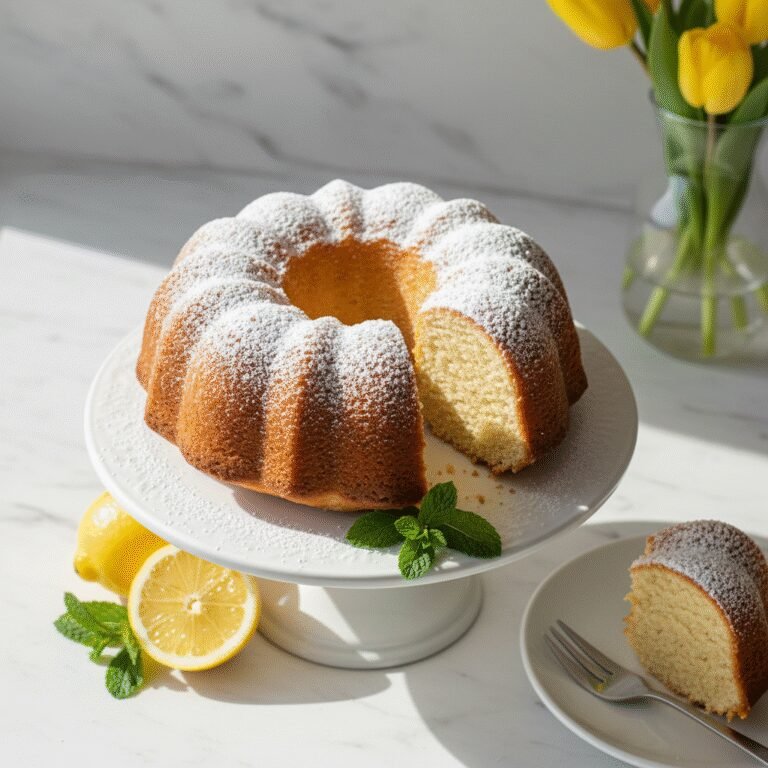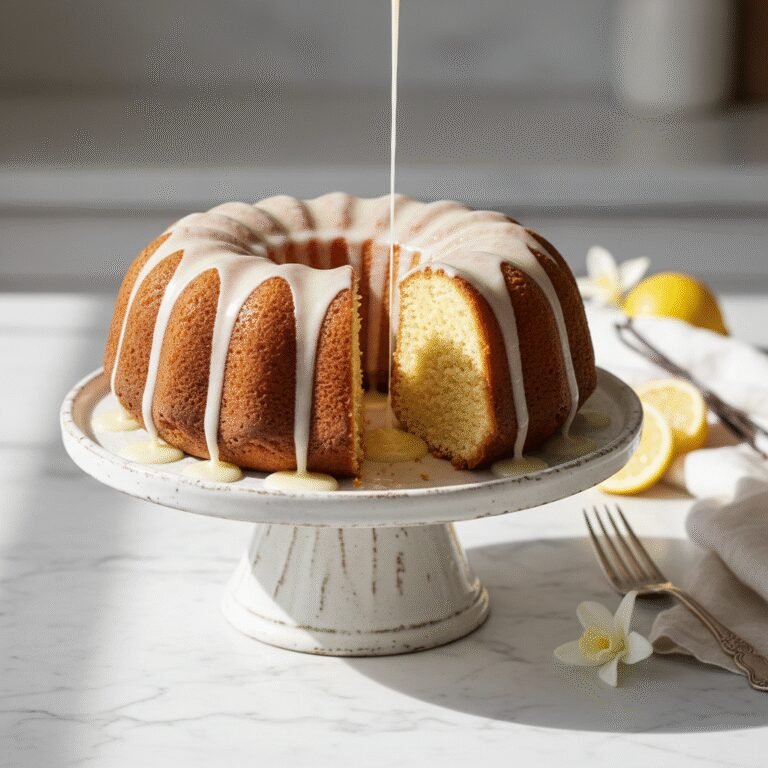
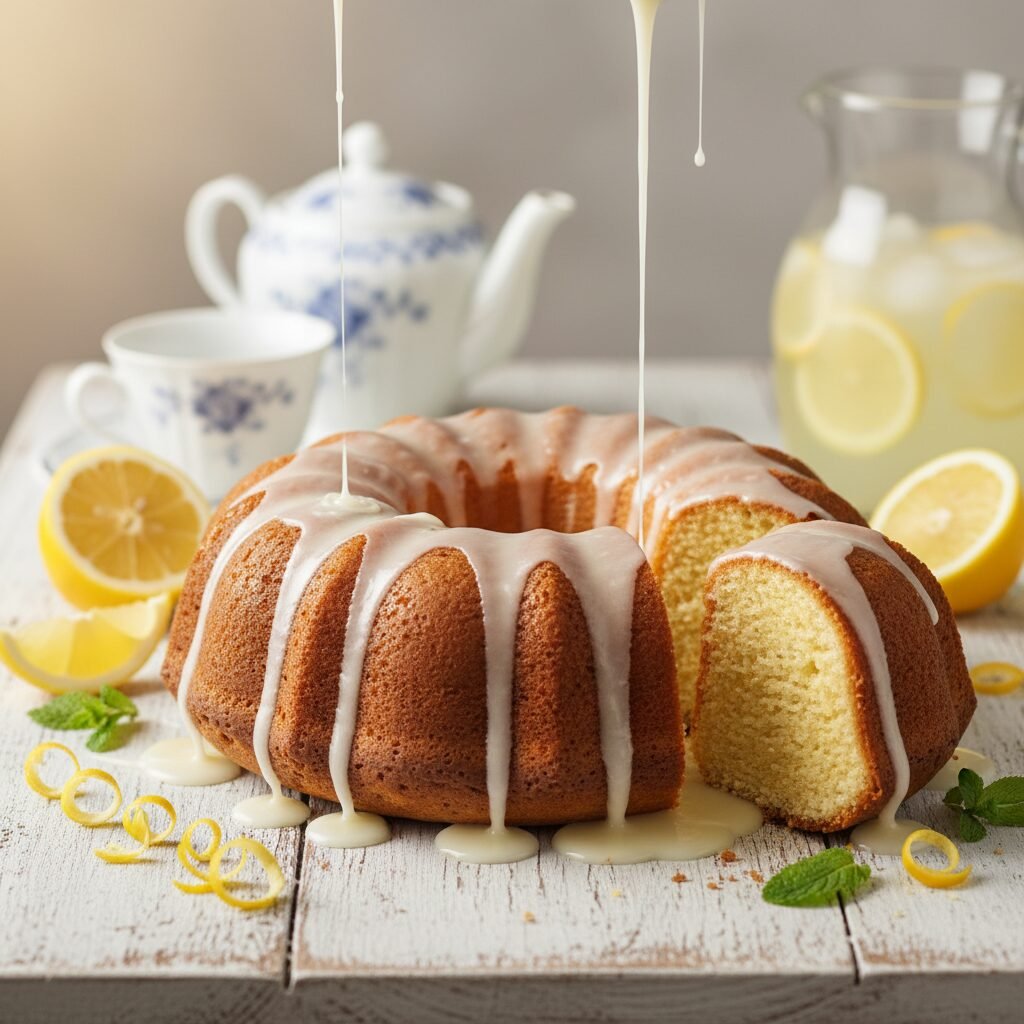
The Ultimate Moist Lemon Bundt Cake with Zesty Glaze
Moist Lemon Bundt Cake With Lemon Glaze Recipe
This isn’t just another lemon cake; it is a sunshine-filled masterpiece boasting a tender, melt-in-your-mouth crumb and a double dose of citrus. Drenched in a tart lemon syrup and finished with a sweet, opaque glaze, this Lemon Bundt Cake is the perfect balance of sweet and tangy for any occasion.
20 minutes
55 minutes
1 hour 25 minutes
12-14 servings
Dessert
Baking
American
Vegetarian
There is something undeniably cheerful about a lemon dessert. It captures the essence of sunshine on a plate, lifting spirits with its bright aroma and zesty flavor profile. This Moist Lemon Bundt Cake is the absolute pinnacle of citrus baking. Unlike many sponge cakes that can turn out dry or lackluster, this recipe relies on a specific combination of fats and dairy to ensure a dense, velvety crumb that stays moist for days.
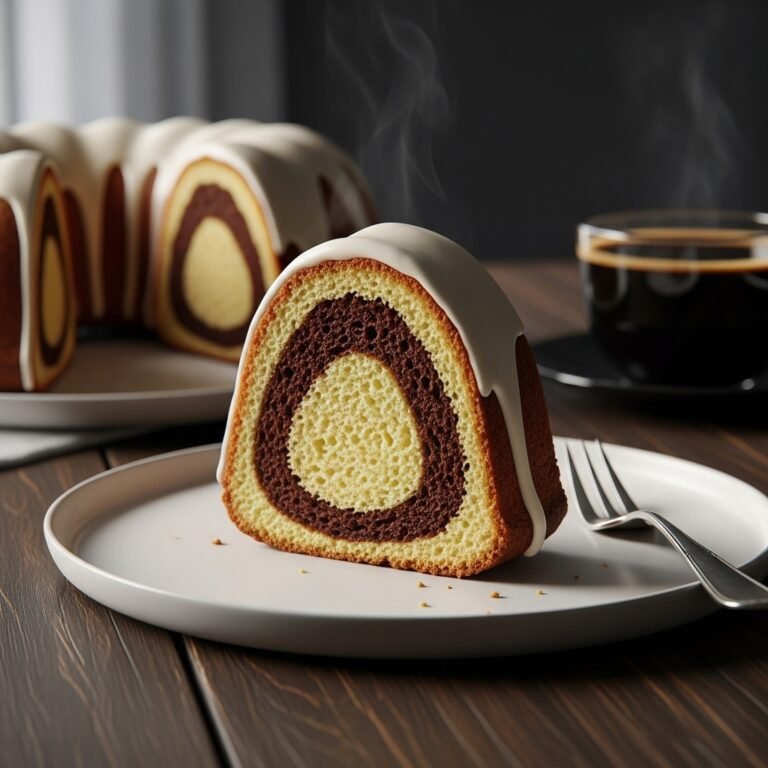
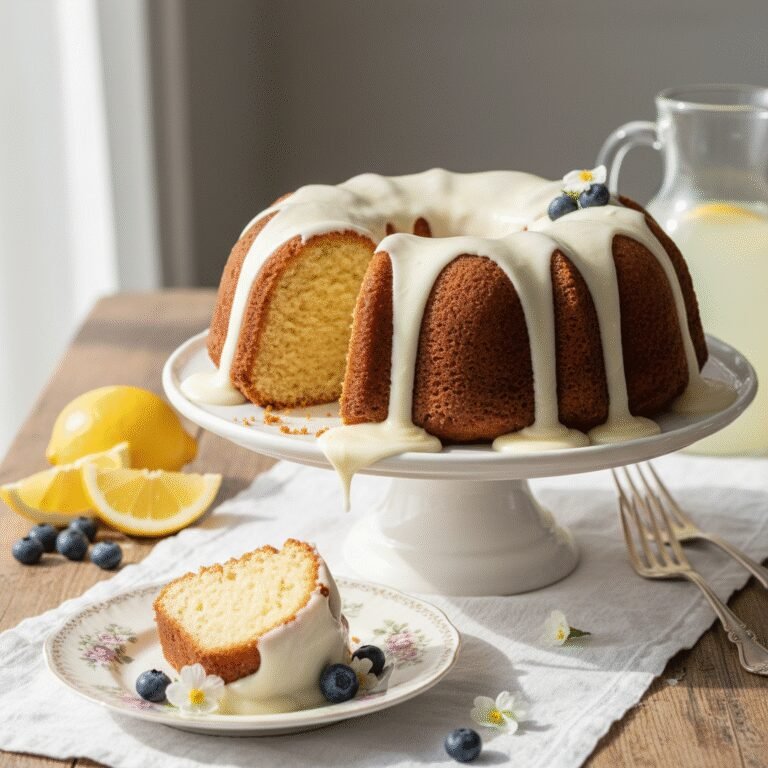
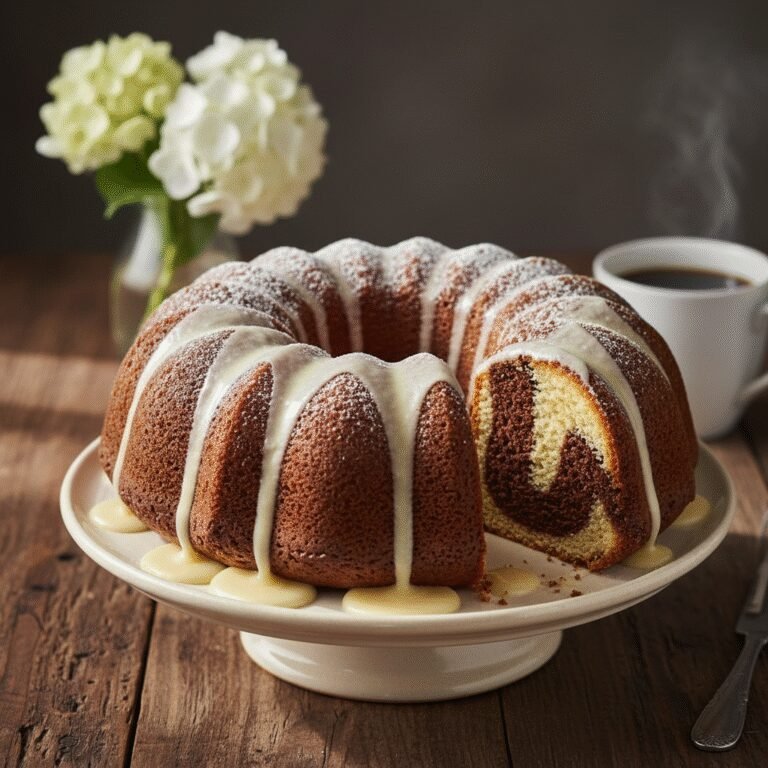
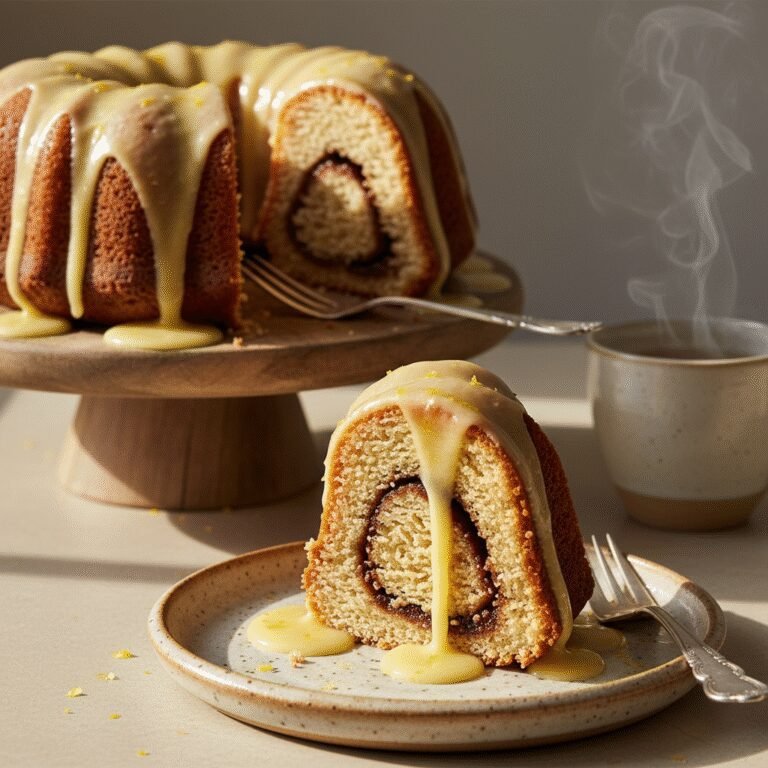
Imagine slicing into a golden-brown crust to reveal a vibrant yellow interior, speckled with fresh lemon zest. The magic happens the moment the cake comes out of the oven; we soak it with a tart lemon syrup that permeates every pore of the sponge, locking in moisture and amplifying that pucker-inducing lemon flavor. Finally, a thick, snow-white icing drizzles down the fluted sides, offering a sweet, creamy counterpoint to the acidity of the fruit.
This cake is designed for the lemon lover who wants boldness. It’s not a whisper of lemon; it’s a shout. Perfect for Easter brunch, a summer afternoon tea, or simply a comforting weekend baking project, this recipe is visually stunning yet surprisingly forgiving. The Bundt shape does most of the decorating work for you, creating an elegant centerpiece that requires minimal effort to look professional. Whether you are a seasoned baker or a novice in the kitchen, this recipe promises high-reward results that will have your friends and family asking for the secret ingredient.
History & Origins
The Bundt cake is an iconic piece of American culinary history, but its roots stretch back to Europe. The name ‘Bundt’ is derived from the German word ‘Bundkuchen,’ a donut-shaped cake that was traditionally served at gatherings or ‘Bund’ (meaning an alliance or bond). These early European cakes were often yeast-risen, similar to a brioche or a Gugelhupf, popular in Germany, Austria, and Alsace.
However, the modern Bundt cake as we know it—a chemically leavened, dense butter cake—is a distinctly American evolution, largely thanks to H. David Dalquist, the founder of Nordic Ware. In 1950, Dalquist was approached by members of the Minneapolis chapter of the Hadassah Society who wanted a modern version of the traditional ceramic Gugelhupf pans used by their mothers. Dalquist cast the pan in aluminum and trademarked the name ‘Bundt’ (adding the ‘t’ presumably to aid pronunciation or trademarking).
For over a decade, the pan sold poorly. It wasn’t until the 1966 Pillsbury Bake-Off, where Ella Helfrich won second place with her ‘Tunnel of Fudge’ cake baked in a Nordic Ware Bundt pan, that the craze truly exploded. Suddenly, every American household needed a Bundt pan. Lemon cakes, specifically, became a staple of the 1970s, evolving from the simple ‘1-2-3-4’ pound cake recipes of the South. The addition of lemon glaze and syrup was popularized to mimic the preservation techniques of British drizzle cakes, ensuring the cake remained moist during the longer bake times required by the deep, fluted pans. Today, the Lemon Bundt is a timeless classic, representing the intersection of European tradition and mid-century American innovation.
Why This Recipe Works
The success of this Moist Lemon Bundt Cake lies in the careful balance of its fat and acid content. Lemon juice is highly acidic, which can sometimes inhibit the rising power of baking powder if not balanced correctly, or it can curdle the batter. To combat this, we use a combination of butter and oil. Butter provides that classic, rich dairy flavor that we crave in a pound cake, while vegetable oil ensures the cake remains soft and moist even after it cools (since oil remains liquid at room temperature, whereas butter solidifies).
Furthermore, the inclusion of sour cream (or full-fat Greek yogurt) is non-negotiable. The acidity in the sour cream tenderizes the gluten strands in the flour, resulting in a finer, softer crumb, while its thickness adds body to the batter, preventing the cake from collapsing. We also utilize the ‘reverse creaming’ method or a modified creaming method where we ensure the fat coats the flour particles effectively, limiting gluten development.
The true secret, however, is the double-glaze technique. By brushing a simple lemon syrup over the hot cake, we infuse moisture directly into the structure. The cake absorbs this liquid like a sponge. The second glaze—the thick white icing—sits on top to seal that moisture in and provides the necessary textural contrast. This multi-layered approach guarantees a cake that is never dry and packs a punch of flavor in every single bite.
Why You’ll Love This Recipe
- ✓Intense triple-lemon flavor from zest, juice, and syrup.
- ✓Stays moist for up to 5 days thanks to the oil-butter blend.
- ✓Beautiful presentation with minimal decorating skills required.
- ✓Freezer-friendly slices for meal prepping desserts.
- ✓Perfect balance of tart and sweet.
Equipment You’ll Need
- ✓10-12 cup Bundt pan
- ✓Stand mixer or electric hand mixer
- ✓Microplane or fine zester
- ✓Citrus juicer
- ✓Wire cooling rack
- ✓Pastry brush
- ✓Large mixing bowls
- ✓Rubber spatula
Ingredients
- ✓3 cups All-purpose flour
- ✓1 tsp Baking powder
- ✓1/2 tsp Baking soda
- ✓1 tsp Salt
- ✓1 cup Unsalted butter, room temperature
- ✓1/4 cup Vegetable oil or canola oil
- ✓2 cups Granulated sugar
- ✓4 large Eggs, room temperature
- ✓1 tbsp Lemon zest (freshly grated, approx. 2 lemons)
- ✓1/4 cup Fresh lemon juice
- ✓1 cup Full-fat sour cream or Greek yogurt
- ✓1 tsp Pure vanilla extract
- ✓SYRUP: 1/3 cup granulated sugar + 1/3 cup fresh lemon juice
- ✓GLAZE: 2 cups powdered sugar + 3-4 tbsp fresh lemon juice + 1 tsp milk (optional for opacity)
Instructions
- 1. Preheat your oven to 350°F (175°C). Thoroughly grease your Bundt pan with baking spray (the kind with flour in it) or butter and flour, ensuring every nook and cranny is coated to prevent sticking.
- 2. In a medium bowl, whisk together the flour, baking powder, baking soda, and salt. Set aside.
- 3. In the bowl of a stand mixer fitted with the paddle attachment, beat the butter, oil, and granulated sugar on medium-high speed for 5 minutes until pale and fluffy. This aeration is crucial for the cake’s lift.
- 4. Add the eggs one at a time, beating well after each addition and scraping down the sides of the bowl. Beat in the lemon zest and vanilla extract.
- 5. Reduce the mixer speed to low. Add one-third of the flour mixture, followed by half of the sour cream and half of the lemon juice. Repeat, ending with the flour mixture. Mix only until just combined; do not overmix.
- 6. Pour the batter into the prepared Bundt pan and smooth the top with a spatula. Tap the pan gently on the counter to release any large air bubbles.
- 7. Bake for 50-60 minutes, or until a skewer inserted into the thickest part of the cake comes out clean or with just a few moist crumbs.
- 8. While the cake bakes, make the syrup: Combine 1/3 cup sugar and 1/3 cup lemon juice in a small saucepan over low heat just until the sugar dissolves. Do not boil.
- 9. When the cake comes out of the oven, let it cool in the pan for exactly 10 minutes. Invert it onto a wire rack set over a baking sheet.
- 10. While the cake is still warm, brush the lemon syrup all over the exterior, allowing it to soak in.
- 11. Allow the cake to cool completely before glazing. Whisk the powdered sugar with lemon juice until thick and pourable. Drizzle over the cooled cake.
Expert Cooking Tips
- ✓Room Temperature Ingredients: Ensure eggs, butter, and sour cream are at room temperature to prevent the batter from curdling.
- ✓Greasing the Pan: Bundt pans are notorious for sticking. Use a baking spray containing flour, or use melted shortening followed by a dusting of flour.
- ✓Zesting: Zest the lemons directly into the sugar and rub it with your fingers before mixing to release the essential oils.
- ✓Don’t Overmix: Once the flour is added, mix gently. Overmixing develops gluten and leads to a tough, rubbery cake.
- ✓Cooling Time: Do not leave the cake in the pan longer than 10 minutes after baking, or the sugars will solidify and cause it to stick.
- ✓Glaze Consistency: If the glaze is too thin, add more powdered sugar. If too thick, add juice drop by drop.
Substitutions and Variations
Baking is a science, but there is room for flexibility. If you do not have sour cream, full-fat plain Greek yogurt is an excellent 1:1 substitute that maintains the acidity and moisture. For the oil, any neutral oil like canola, vegetable, or grapeseed works; avoid olive oil unless you want that specific flavor profile. If you are gluten-free, use a high-quality 1:1 gluten-free flour blend that contains xanthan gum; the texture may be slightly denser but still delicious. In a pinch, if you don’t have fresh lemons (though highly recommended), you can use bottled juice, but you will miss out on the essential oils from the zest—consider adding a drop of food-grade lemon oil if doing this. For a different citrus twist, this recipe works beautifully with blood oranges or grapefruits.
Common Mistakes to Avoid
The most heartbreaking mistake with Bundt cakes is the cake sticking to the pan. This usually happens because the pan wasn’t greased thoroughly enough or the coating slid down the sides while the oven preheated. Always grease right before filling. Another common issue is a dense or gummy streak at the bottom (which is the top when baking). This is often caused by under-baking or opening the oven door too early, causing the cake to fall. Trust the skewer test. Finally, applying the thick white glaze while the cake is still hot will cause it to melt and run off completely; patience is key—wait until the cake is cool to the touch for that picture-perfect drip.
Serving Suggestions
This cake is stunning enough to be served on its own, but a few accompaniments can elevate it. Serve slices with a dollop of lightly sweetened whipped cream or a scoop of vanilla bean ice cream to cut the tartness. Fresh berries—especially raspberries, blueberries, or strawberries—pair beautifully with lemon and add a pop of color. For a brunch setting, serve alongside hot Earl Grey tea or a crisp iced coffee. If you are gifting this cake, wrap it in clear cellophane with a yellow ribbon; the glaze holds up well for transport.
Storage and Reheating Tips
Because of the glaze and the moist crumb, this cake stores exceptionally well. Keep it in an airtight cake carrier at room temperature for up to 3 days. If you live in a very hot or humid climate, you may want to refrigerate it, but bring it to room temperature before serving for the best texture. The cake also freezes beautifully. You can freeze the whole unglazed cake or individual slices. Wrap slices tightly in plastic wrap and then aluminum foil. Freeze for up to 3 months. Thaw on the counter for an hour before eating.
Nutrition Facts (Estimated)
| Serving Size | 1 slice |
| Calories | 420 kcal |
| Fat | 22g |
| Saturated Fat | 12g |
| Unsaturated Fat | 9g |
| Trans Fat | 0g |
| Cholesterol | 85mg |
| Sodium | 210mg |
| Carbohydrates | 54g |
| Fiber | 1g |
| Sugar | 32g |
| Protein | 5g |
Frequently Asked Questions
Why did my Bundt cake stick to the pan?
This is usually due to insufficient greasing or greasing too early. Use a pastry brush to get the fat into every crevice of the design, and do this right before pouring the batter.
Can I make this cake ahead of time?
Yes! In fact, the flavor often improves the next day as the lemon syrup distributes further. Bake it the day before serving and store it covered at room temperature.
My glaze is too runny/translucent. How do I fix it?
Add more powdered sugar a tablespoon at a time. You want a consistency like honey or molasses so it drips slowly and stays opaque.
Can I use Meyer lemons?
Absolutely. Meyer lemons are sweeter and less acidic, so the cake will have a floral, milder lemon flavor. You might want to reduce the sugar in the syrup slightly.
Why is my cake dry?
Overbaking is the main culprit. Check the cake 5 minutes before the recipe states. Also, ensure you measured flour correctly (spoon and level method, not scooping).
Can I use poppy seeds in this recipe?
Yes, add 2 tablespoons of poppy seeds with the dry ingredients for a classic Lemon Poppy Seed Bundt Cake.
What if I don’t have a Bundt pan?
You can bake this in two 9×5 inch loaf pans. Adjust the baking time to roughly 45-50 minutes.
Why did my cake sink in the middle?
This can happen if the oven door was opened too early, the leavening agents were expired, or the batter was overmixed.
Conclusion
There are few things in the baking world as satisfying as turning out a perfect Bundt cake. This Moist Lemon Bundt Cake with Lemon Glaze delivers on every promise: it is visually impressive, incredibly delicious, and comforting to the core. Whether you are baking for a special celebration or simply to brighten up a rainy Tuesday, this recipe is sure to become a cherished favorite in your recipe box. The burst of citrus is a reminder that simple ingredients, treated with care, can create extraordinary memories. Happy baking!