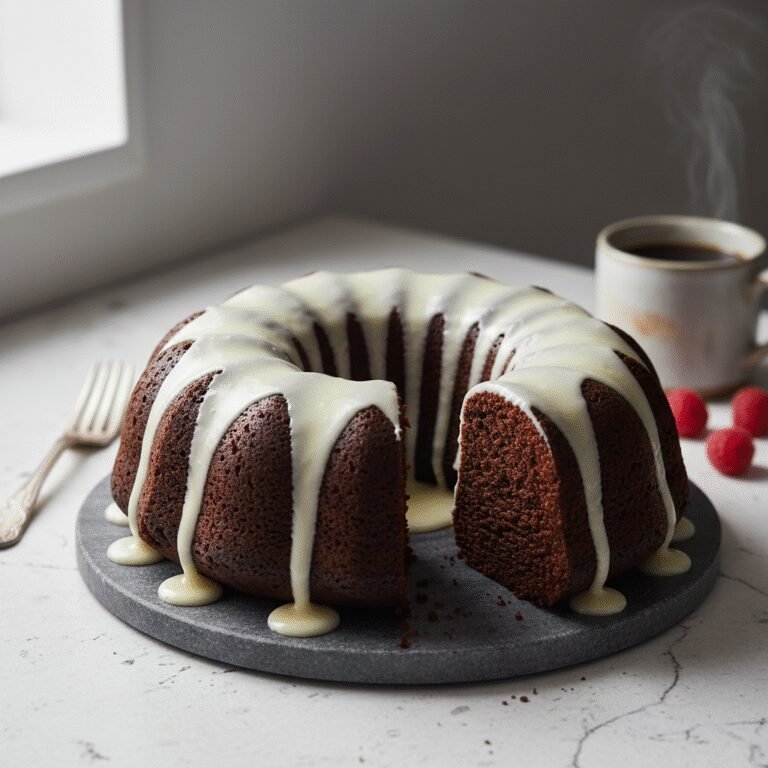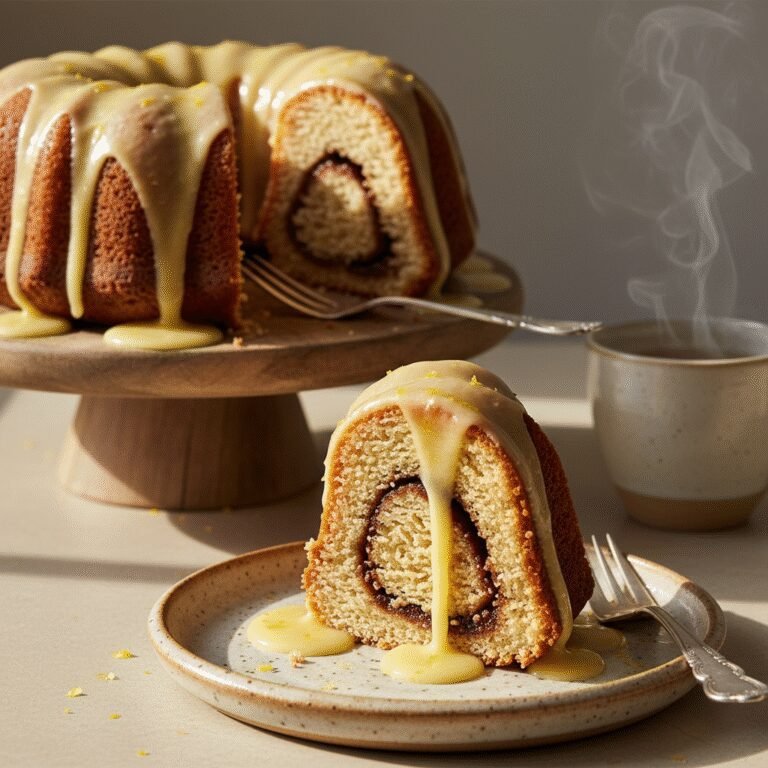
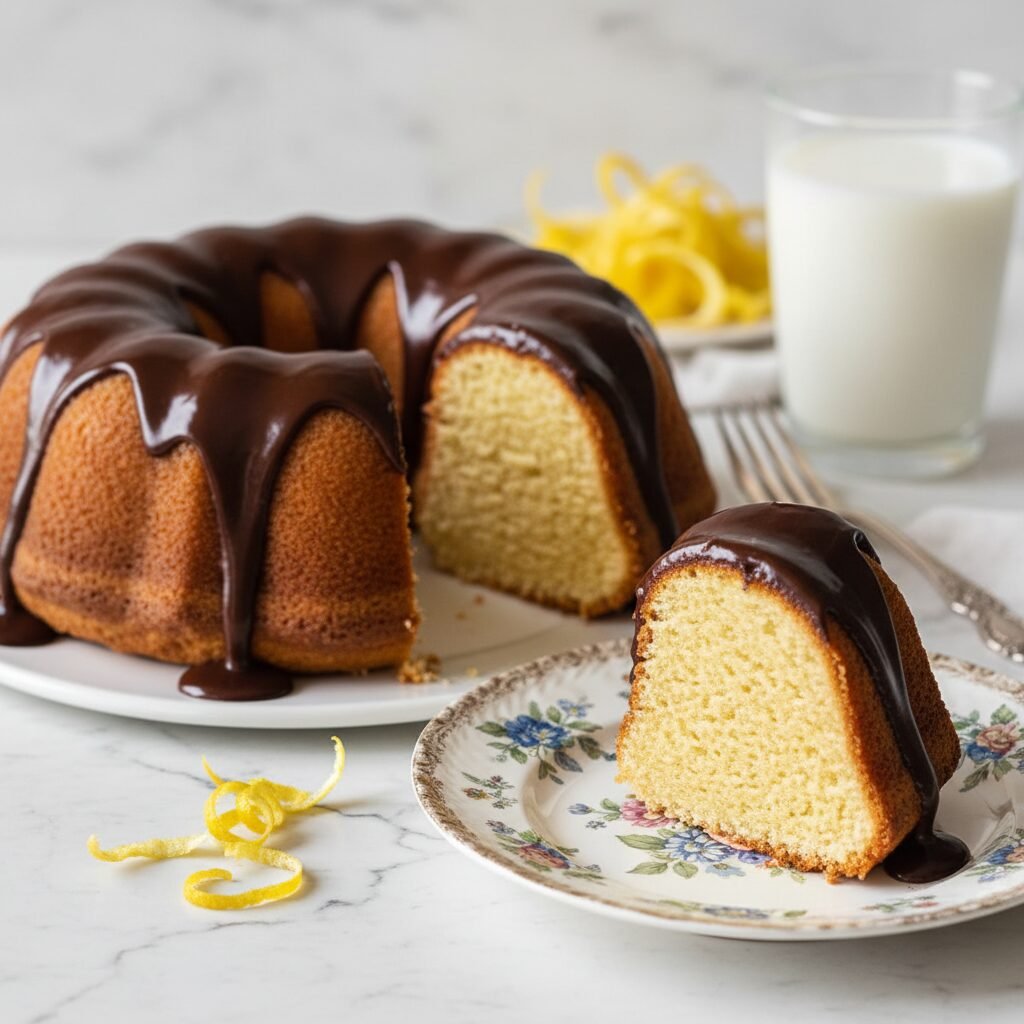
The Ultimate Moist Lemon Bundt Cake with Rich Chocolate Glaze
Moist Lemon Bundt Cake With Chocolate Glaze Recipe
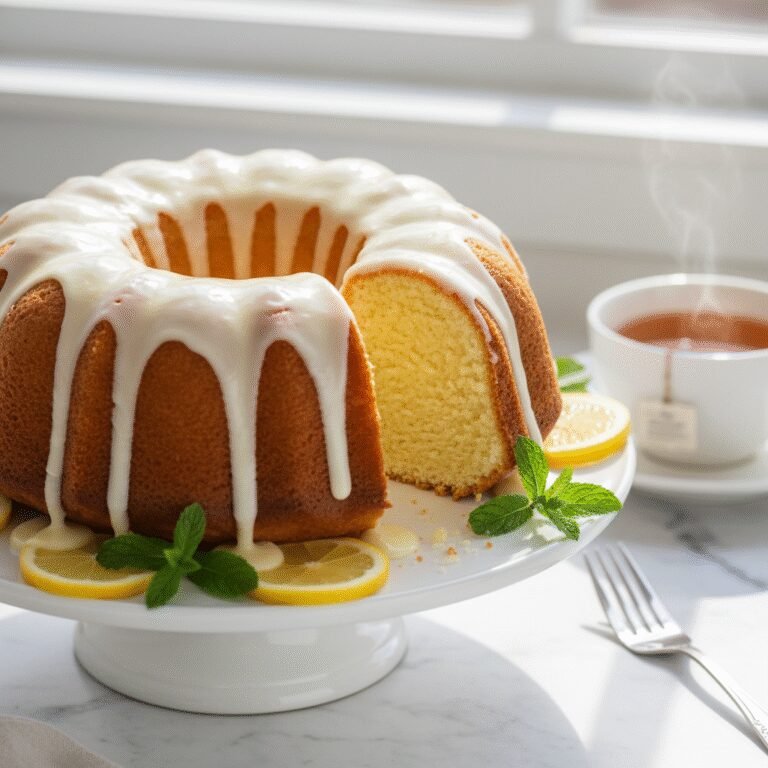
Experience the perfect marriage of bright citrus zest and decadent dark chocolate in this show-stopping dessert. This incredibly moist Lemon Bundt Cake is soaked in a tangy syrup and draped in a glossy chocolate ganache, creating a sophisticated flavor profile that will redefine your baking standards.
25 minutes
55 minutes
1 hour 20 minutes (plus cooling)
12-14 servings
Dessert
Baking
American Fusion
Vegetarian
There is something undeniably elegant about a Bundt cake. It stands tall, commanding attention on the dessert table with its intricate ridges and valleys, promising a texture that is substantial yet tender. But this isn’t just any Bundt cake. This is the ultimate Moist Lemon Bundt Cake with Chocolate Glaze, a recipe that challenges the traditional lemon-poppyseed or lemon-glaze norms by introducing a bold, sophisticated partner: dark chocolate.
At first glance, lemon and chocolate might seem like an unlikely pair to some, often overshadowed by the classic orange and chocolate combination. However, the sharp, aromatic brightness of fresh lemon zest cuts through the richness of a semi-sweet chocolate glaze in a way that is nothing short of culinary magic. The cake itself is engineered for supreme moisture. We aren’t looking for a light, airy sponge here; we are aiming for that classic ‘pound cake’ density—velvety, tight-crumbed, and melt-in-your-mouth soft.
Achieving this texture requires a precise balance of fats—butter for flavor and oil for lasting moisture—along with the tang of sour cream or Greek yogurt to activate the baking soda and tenderize the gluten. As the cake bakes, your kitchen will fill with the intoxicating aroma of caramelized sugar and citrus oils. Once cooled, the cake is enrobed in a luxurious chocolate ganache that settles into every curve of the Bundt design. Whether you are serving this for a springtime brunch, a holiday dessert spread, or simply as a comforting companion to your afternoon coffee, this cake delivers a complex flavor journey from the bright, zesty first bite to the lingering, rich chocolate finish.
History & Origins
The history of the Bundt cake is a fascinating tale of European tradition meeting American mid-century innovation. The cake’s lineage can be traced back to the European ‘Gugelhupf’ or ‘Kugelhopf,’ a yeast-based brioche-style cake baked in a fluted ring mold, popular in Germany, Austria, and Alsace for centuries. The hole in the center was practical, allowing heat to penetrate the dense dough more evenly.
However, the ‘Bundt’ as we know it today is distinctly American. In the 1950s, H. David Dalquist, the founder of Nordic Ware in Minneapolis, was approached by a group of Jewish women from the local Hadassah society. They wanted a modern, aluminum version of the heavy ceramic Gugelhupf pans their mothers used in the old country. Dalquist created the cast aluminum pan and trademarked the name ‘Bundt’ (adding a ‘t’ to the German ‘Bund’ to aid pronunciation and trademarking).
Sales were initially slow until 1966, when Ella Helfrich won second place in the Pillsbury Bake-Off with her ‘Tunnel of Fudge’ cake. Suddenly, every household in America wanted a Bundt pan. Since then, the vessel has become a staple of American baking. The combination of citrus and chocolate, while less traditional in the 1960s, gained traction in the refined palate revolution of the late 90s and early 2000s, where pastry chefs began experimenting with high-contrast flavor profiles. This recipe honors that history, utilizing the iconic shape to hold a modern, sophisticated flavor pairing.
Why This Recipe Works
This recipe succeeds where many dry Bundt cakes fail because of three critical factors: the fat ratio, the ‘reverse creaming’ of lemon zest, and the chemical reaction of acidity. First, relying solely on butter can lead to a dry cake once cooled because butter creates a solid structure. By using a blend of high-quality unsalted butter and neutral vegetable oil, we get the best of both worlds: the buttery flavor we crave and the sensation of moistness that oil provides because it remains liquid at room temperature.
Secondly, we use a technique where the lemon zest is rubbed directly into the granulated sugar before any wet ingredients are added. Sugar is abrasive; rubbing the zest releases the essential oils from the lemon skin, infusing the sugar crystals with concentrated citrus flavor that permeates the entire batter more effectively than simply stirring zest in at the end.
Finally, the inclusion of sour cream (or full-fat Greek yogurt) provides necessary acidity. This acidity reacts with the baking soda to create carbon dioxide bubbles, giving the heavy batter lift, while simultaneously breaking down gluten strands to ensure the crumb remains tender rather than tough. The chocolate glaze works because it provides a bitterness that balances the high sugar content required to keep a lemon cake moist, preventing the dessert from being cloyingly sweet.
Why You’ll Love This Recipe
- ✓Incredibly moist crumb that stays fresh for days.
- ✓Unique and sophisticated lemon-chocolate flavor pairing.
- ✓Beautiful presentation with minimal decorating effort required.
- ✓Freezer-friendly, making it perfect for making ahead.
- ✓Uses common pantry staples alongside fresh lemons.
Equipment You’ll Need
- ✓10-12 cup Bundt pan (non-stick preferred)
- ✓Stand mixer or electric hand mixer
- ✓Large mixing bowl
- ✓Medium mixing bowl
- ✓Whisk
- ✓Rubber spatula
- ✓Microplane or fine grater
- ✓Wire cooling rack
- ✓Small saucepan (for glaze)
Ingredients
- ✓3 cups All-purpose flour
- ✓1 tsp Baking powder
- ✓1/2 tsp Baking soda
- ✓1 tsp Salt
- ✓2 1/2 cups Granulated sugar
- ✓3 tbsp Fresh lemon zest (approx. 3 lemons)
- ✓1 cup Unsalted butter, room temperature
- ✓1/4 cup Vegetable oil (or canola)
- ✓5 Large eggs, room temperature
- ✓1/3 cup Fresh lemon juice
- ✓1 cup Full-fat sour cream or Greek yogurt
- ✓1 tsp Pure vanilla extract
- ✓GLAZE: 6 oz Semi-sweet chocolate, chopped
- ✓GLAZE: 1/2 cup Heavy cream
- ✓GLAZE: 1 tbsp Unsalted butter
- ✓GLAZE: 1 tsp Corn syrup (optional for shine)
Instructions
- Preheat your oven to 350°F (175°C). Thoroughly grease your Bundt pan with baking spray (the kind with flour in it) or butter and flour, ensuring every crevice is coated. Tap out excess flour.
- In a medium bowl, whisk together the flour, baking powder, baking soda, and salt. Set aside.
- In the bowl of a stand mixer, combine the granulated sugar and lemon zest. Use your fingertips to rub the zest into the sugar until it resembles wet sand and is very fragrant. This releases the lemon oils.
- Add the room temperature butter and vegetable oil to the sugar mixture. Beat on medium-high speed for 5-7 minutes until the mixture is very pale and fluffy. Do not rush this step; it incorporates air for structure.
- Add the eggs one at a time, beating well after each addition and scraping down the sides of the bowl as needed. Stir in the vanilla extract and lemon juice.
- Reduce the mixer speed to low. Add the flour mixture in three parts, alternating with the sour cream in two parts, starting and ending with the flour (Flour -> Sour Cream -> Flour -> Sour Cream -> Flour). Mix only until just combined to avoid overworking the gluten.
- Pour the batter into the prepared Bundt pan and smooth the top with a spatula. Tap the pan firmly on the counter 2-3 times to release any large air bubbles.
- Bake for 50-60 minutes, or until a tester inserted into the center comes out clean or with just a few moist crumbs attached. Start checking at 50 minutes.
- Remove from the oven and let the cake cool in the pan for exactly 10 minutes. Then, invert it onto a wire rack to cool completely.
- While the cake cools, make the glaze. Place the chopped chocolate, butter, and corn syrup in a heatproof bowl. Heat the heavy cream in a small saucepan until it just begins to simmer. Pour the hot cream over the chocolate mixture. Let sit for 5 minutes, then whisk gently until smooth and glossy.
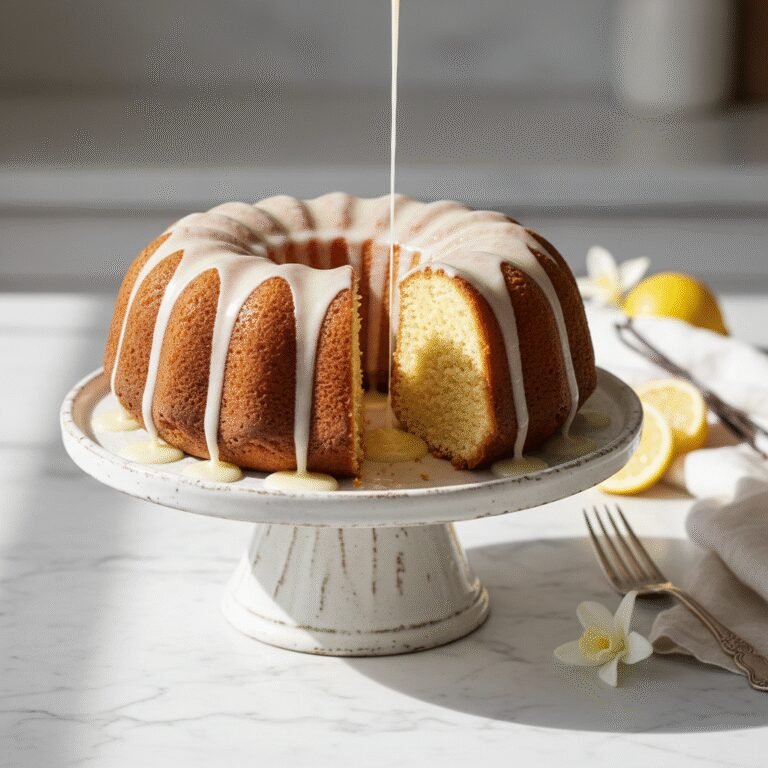
- Once the cake is completely cool, pour the glaze over the top, letting it drip down the sides. Allow the glaze to set for 20 minutes before slicing.
Expert Cooking Tips
- ✓Room Temperature Ingredients: Ensure your butter, eggs, and sour cream are at room temperature. This allows them to emulsify properly, creating a smooth batter.
- ✓Greasing the Pan: Bundt pans are notorious for sticking. Use a baking spray containing flour, or melt butter, brush it into every crevice, and dust with flour. Do not miss the center tube.
- ✓Don’t Overmix: Once the flour is added, mix gently. Overmixing develops gluten, which leads to a tough, rubbery cake rather than a tender one.
- ✓Cooling Time: Let the cake cool in the pan for 10 minutes—no more, no less. Too hot, and it’s fragile; too cool, and the sugars solidify, making it stick to the pan.
- ✓Zest First: Always zest your lemons before juicing them. It is nearly impossible to zest a juiced lemon efficiently.
- ✓Testing Doneness: Use a long wooden skewer rather than a toothpick to test the cake, as Bundt cakes are deep.
Substitutions and Variations
This recipe is versatile enough to handle several substitutions without compromising integrity. If you are out of sour cream, full-fat Greek yogurt is the best alternative, though full-fat buttermilk can also work (the batter will be slightly thinner). For a gluten-free version, use a high-quality 1:1 gluten-free all-purpose flour blend that contains xanthan gum; the texture will be slightly different but still delicious. If you prefer to avoid vegetable oil, you can use melted coconut oil, though it may impart a slight coconut flavor. For the citrus, Meyer lemons offer a sweeter, more floral note, or you can swap for oranges for a ‘chocolate orange’ profile. Regarding the glaze, you can substitute the semi-sweet chocolate with dark chocolate (70% cocoa) for a more bitter contrast, or white chocolate for a sweeter finish, though white chocolate can sometimes get lost against the lemon flavor.
Common Mistakes to Avoid
The most heartbreaking mistake with Bundt cakes is the cake sticking to the pan. This usually happens because the pan wasn’t greased thoroughly or the cake cooled in the pan for too long. Another common error is opening the oven door too early. This releases heat and can cause the cake to collapse or ‘fall’ in the center. Wait until at least 45 minutes have passed before peeking. Additionally, using cold ingredients is a major culprit for curdled batter. If your batter looks separated after adding eggs, your cake won’t rise evenly. Finally, measuring flour by scooping the cup into the bag packs the flour down, leading to a dry, dense cake. Always use the ‘spoon and level’ method or a kitchen scale.
Serving Suggestions
This cake is a stunner on its own, but proper plating elevates it. Serve slices on dessert plates garnished with a twist of fresh lemon peel or a few edible flowers for a pop of color. A dollop of unsweetened whipped cream or crème fraîche pairs beautifully with the sweet glaze. For beverages, this cake pairs exceptionally well with a dark roast coffee or an Earl Grey tea, as the bergamot in the tea complements the lemon in the cake. If serving for a dinner party, warm the slices slightly in the microwave for 10 seconds to soften the chocolate glaze before serving.
Storage and Reheating Tips
Bundt cakes are excellent for storage because their density helps them retain moisture. Store the cake in an airtight cake carrier or wrap it tightly in plastic wrap at room temperature for up to 3 days. For longer storage, keep it in the refrigerator for up to 1 week, but allow it to come to room temperature before serving for the best texture. This cake also freezes beautifully. You can freeze the whole unglazed cake or individual slices. Wrap tightly in plastic wrap followed by aluminum foil. Frozen cake will last for up to 3 months. Thaw overnight in the refrigerator or on the counter for a few hours.
Nutrition Facts (Estimated)
| Serving Size | 1 slice |
| Calories | 480 |
| Fat | 24g |
| Saturated Fat | 12g |
| Unsaturated Fat | 10g |
| Trans Fat | 0g |
| Cholesterol | 85mg |
| Sodium | 210mg |
| Carbohydrates | 62g |
| Fiber | 2g |
| Sugar | 32g |
| Protein | 6g |
Frequently Asked Questions
Why did my Bundt cake stick to the pan?
Sticking usually occurs due to insufficient greasing or letting the cake cool too long in the pan. The sugars in the cake caramelize and harden as they cool, acting like glue. Stick to the 10-minute cooling rule.
Can I use bottled lemon juice?
Ideally, no. Bottled lemon juice lacks the fresh, floral notes of fresh lemon, and since this recipe relies heavily on the zest for flavor, you need fresh lemons anyway.
Why is my cake dense?
Bundt cakes are meant to be denser than chiffon cakes, but if it is heavy like a brick, you likely overmixed the batter or measured the flour incorrectly by scooping instead of spooning and leveling.
Can I make this cake ahead of time?
Yes! In fact, moist cakes like this often taste better the next day as the flavors have time to meld and the moisture redistributes. Glaze it on the day you plan to serve it for the best appearance.
My glaze is too thin/thick, what do I do?
If the glaze is too thin, let it sit and cool longer; it thickens as it cools. If it is too thick, gently warm it over a pot of simmering water or microwave for 5-10 seconds and whisk again.
Can I use milk instead of heavy cream for the glaze?
You can, but the glaze will be thinner and less rich. You will need to reduce the amount of liquid significantly if using milk to achieve a coating consistency.
Why did my cake sink in the middle?
Sinking usually happens if the cake was underbaked (the center structure wasn’t set) or if too much leavening (baking powder/soda) was used, causing it to rise too fast and then collapse.
Do I have to use a Bundt pan?
You can bake this in two 9×5 inch loaf pans, but the baking time will need to be adjusted (likely 40-50 minutes). The texture may vary slightly without the central heat core of the Bundt pan.
Conclusion
This Moist Lemon Bundt Cake with Chocolate Glaze is more than just a recipe; it is a reliable centerpiece for any gathering that bridges the gap between comforting home baking and sophisticated patisserie flavors. The contrast between the bright, sunny lemon crumb and the dark, indulgent chocolate glaze ensures that every bite is interesting and satisfying. Whether you are a seasoned baker or a novice looking to impress, this cake promises a high reward for your efforts. So, grab your zester, preheat your oven, and get ready to bake a cake that will likely become your new signature dessert.