The Ultimate Moist Gingerbread Cake With Vanilla Bean Glaze
Moist Gingerbread Cake With Vanilla Glaze Recipe
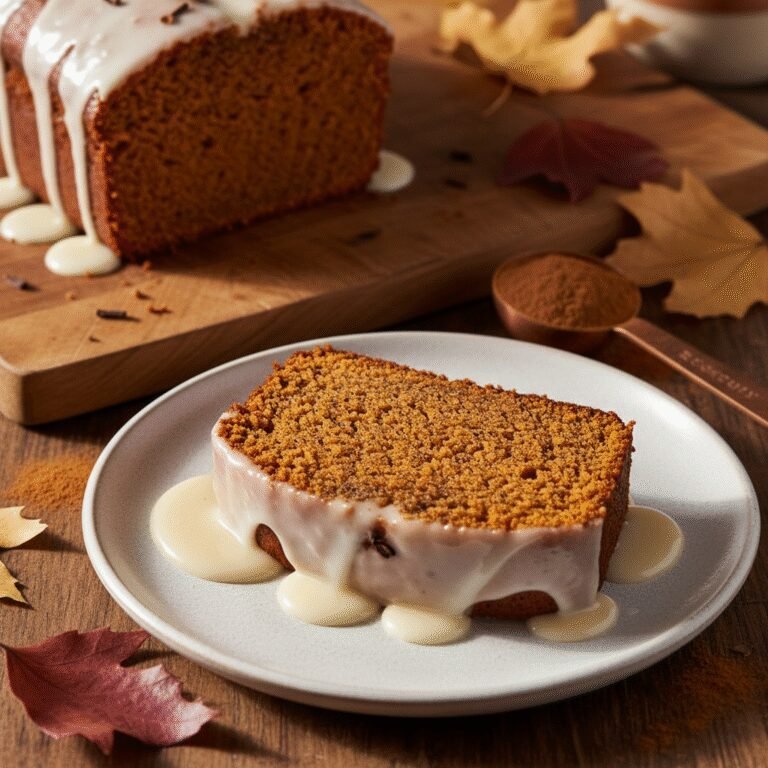
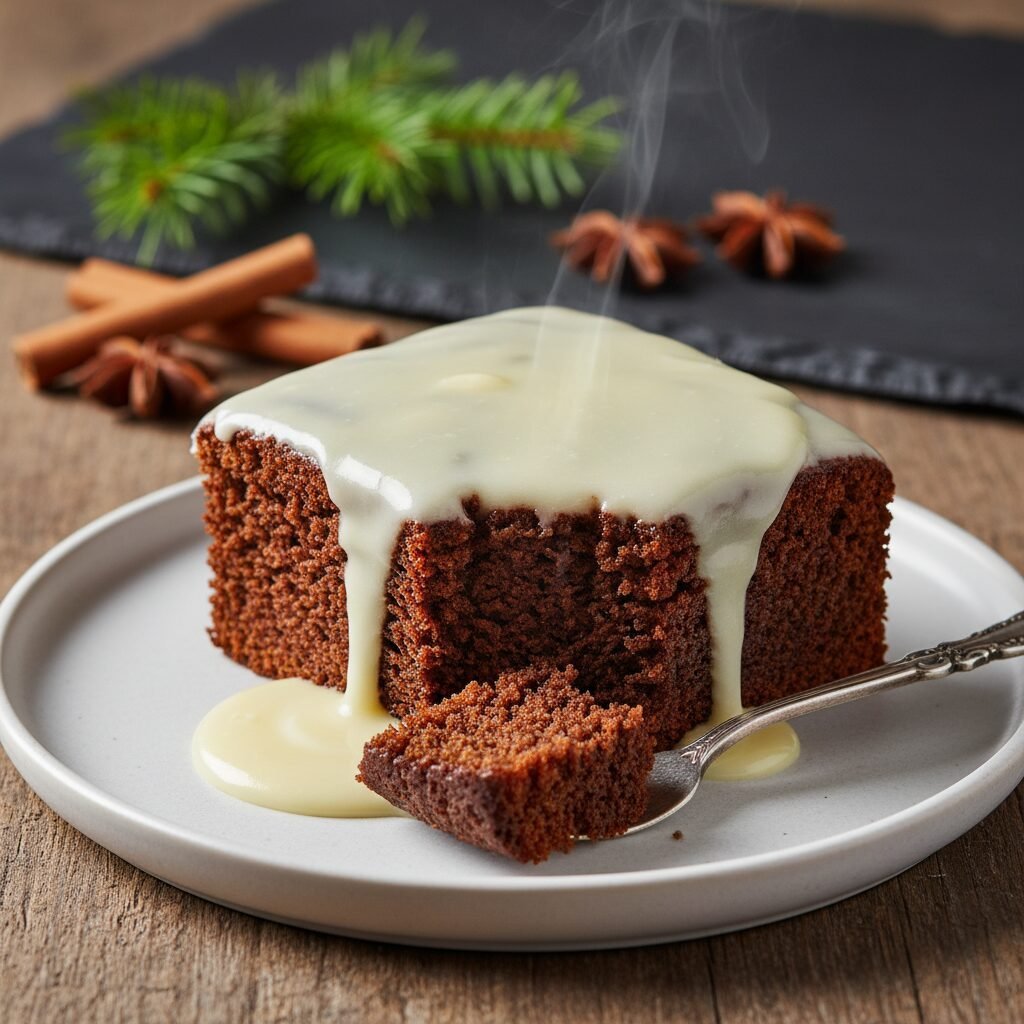
This incredibly moist gingerbread cake is the quintessential holiday dessert, featuring a deep, rich molasses flavor balanced by a medley of warm spices. Topped with a silky, sweet vanilla bean glaze, it is an easy-to-make treat that tastes like Christmas on a plate.
20 minutes
40 minutes
1 hour
9 servings
Dessert
Baking
American
Vegetarian
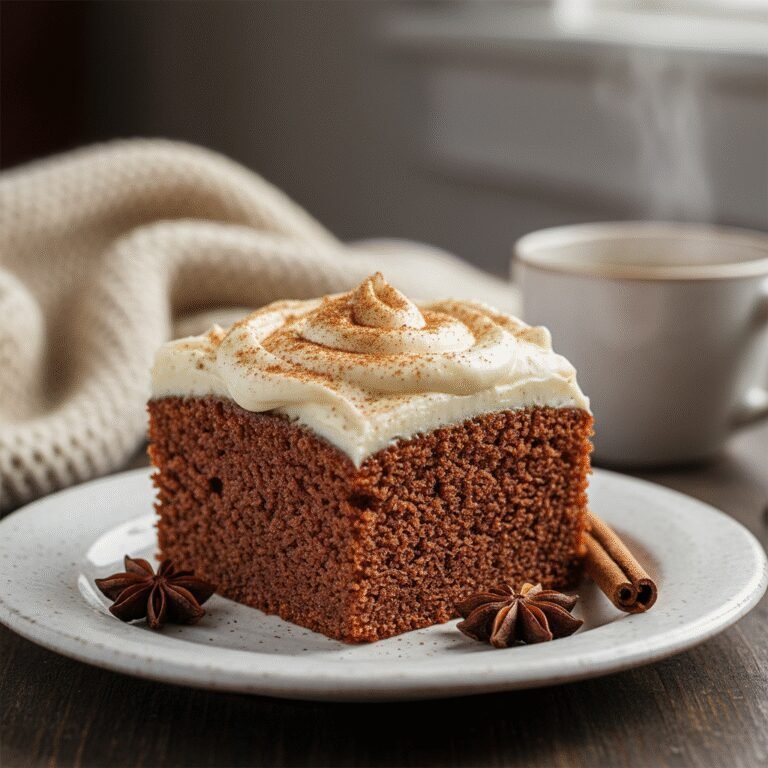
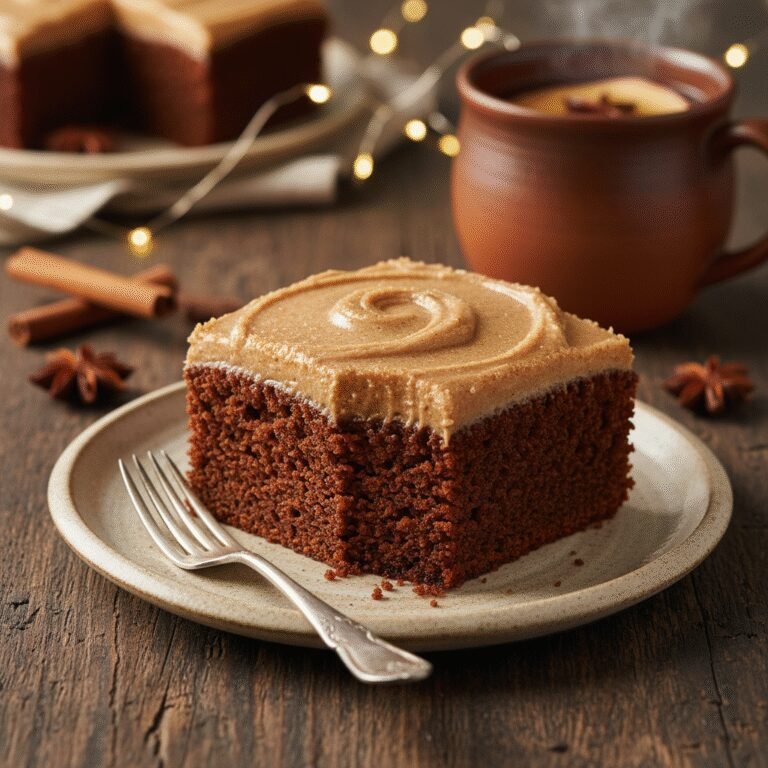
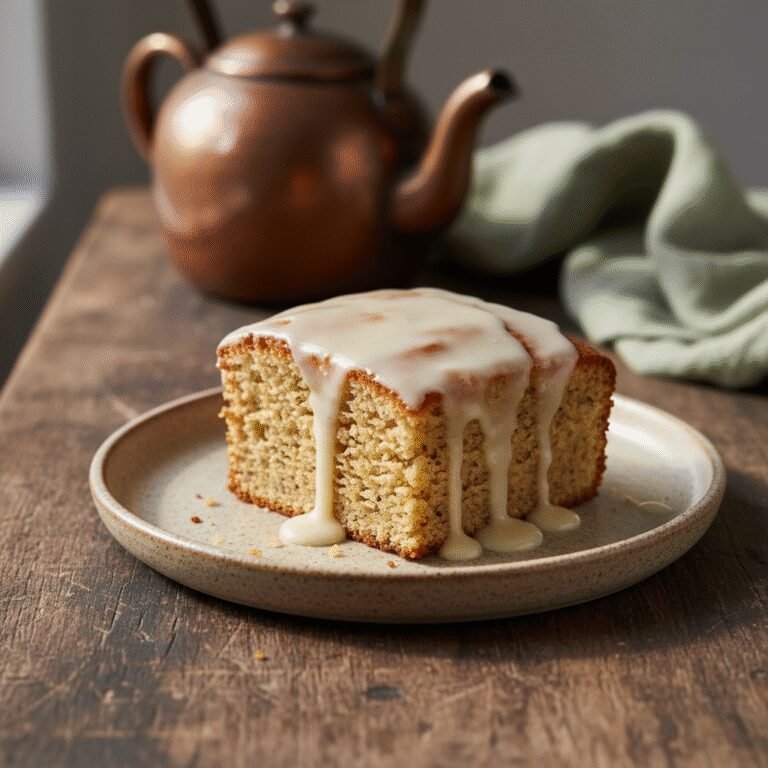
There is something undeniably magical about the aroma of gingerbread baking in the oven. It is a scent that instantly transports you to cozy winter evenings, crackling fireplaces, and the joy of holiday gatherings. This Moist Gingerbread Cake with Vanilla Glaze is not just a dessert; it is a sensory experience that captures the very essence of the festive season. Unlike dry, crisp gingerbread cookies, this cake boasts a crumb that is incredibly tender, dark, and decadent, thanks to the generous use of dark molasses and a secret technique involving hot water. The flavor profile is a sophisticated dance of spicy and sweet. Freshly grated ginger, ground cinnamon, and aromatic cloves provide a warming kick that lingers pleasantly on the palate, while the deep, caramel-like notes of the molasses ground the sweetness with an earthy richness. We finish this masterpiece with a stark white vanilla bean glaze that not only looks stunning against the dark cake but also provides a creamy, sugary counterpoint to the bold spices. Whether you are hosting a grand Christmas dinner, looking for a comforting treat to pair with your morning coffee, or simply craving a slice of nostalgia, this recipe delivers on every front. It is robust enough to stand up to winter chills yet delicate enough to melt in your mouth. Best of all, this cake actually improves with age, becoming stickier and more flavorful the day after baking, making it the perfect make-ahead candidate for your busy holiday schedule. Prepare to fall in love with your new favorite winter tradition.
History & Origins
The history of gingerbread is as rich and complex as its flavor, spanning centuries and crossing continents to become the beloved treat we know today. The origins can be traced back to ancient Greece and Egypt, where ginger was first used for ceremonial purposes. However, it was in 11th-century Europe, brought back by Crusaders from the Middle East, that ginger began to make its mark on Western culinary traditions. Medieval gingerbread was often a dense, honey-sweetened confection, sometimes molded into elaborate shapes to tell stories or depict royalty. By the 16th century, Queen Elizabeth I of England is credited with popularizing the idea of decorating gingerbread figures, which evolved into the gingerbread men we see today. In America, the history of gingerbread took a slightly different turn. Early settlers brought recipes from Europe, but the availability of molasses—a byproduct of sugar refining—shifted the sweetener of choice from honey to molasses, giving American gingerbread its distinctive dark color and moist texture. George Washington’s mother, Mary Ball Washington, was famous for her soft gingerbread recipe, which she famously served to the Marquis de Lafayette. This ‘soft’ version, often baked as a loaf or cake rather than a crisp cookie, became a staple in American households, particularly during political elections in the 18th and 19th centuries, where it was known as ‘Muster Gingerbread.’ Today, this cake represents the culmination of that history: a modern refinement of a centuries-old tradition that celebrates the timeless marriage of ginger and molasses.
Why This Recipe Works
This recipe succeeds where many others fail because it meticulously balances moisture retention with structural integrity. The primary challenge with gingerbread cake is avoiding a dry, crumbly texture. We overcome this through three key scientific interactions. First, the use of ‘hot water’ is critical. When you add boiling hot water to the batter at the end, it does two things: it blooms the spices (cinnamon, cloves, and ginger), releasing their essential oils for a more potent flavor, and it melts the butter and molasses into a cohesive emulsion that ensures the crumb remains uniform and velvety. Second, the interaction between the acidic molasses and the baking soda creates a robust chemical leavening reaction. This produces carbon dioxide bubbles that lift the heavy batter, ensuring the cake is fluffy rather than dense and gummy. Third, we use buttermilk instead of regular milk. The acidity in the buttermilk further tenderizes the gluten strands in the flour, resulting in a melt-in-your-mouth texture that remains soft for days. The glaze is designed to be thick enough to set but thin enough to drip dramatically down the sides, adding a visual appeal and a texture contrast that elevates the rustic cake into an elegant dessert.
Why You’ll Love This Recipe
- ✓Incredibly moist texture that stays fresh for days
- ✓Deep, complex flavor profile with triple-spice blend
- ✓Simple one-bowl mixing method for easy cleanup
- ✓Perfect make-ahead dessert for holiday stress-free hosting
- ✓Beautiful presentation with the contrasting white glaze
- ✓Fill your home with the nostalgic scent of Christmas
Equipment You’ll Need
- ✓9×9 inch square baking pan
- ✓Large mixing bowl
- ✓Whisk
- ✓Saucepan (for boiling water)
- ✓Measuring cups and spoons
- ✓Wire cooling rack
- ✓Parchment paper
- ✓Rubber spatula
Ingredients
- ✓1/2 cup unsalted butter, softened
- ✓1/2 cup granulated sugar
- ✓1 large egg, room temperature
- ✓1 cup unsulphured molasses (not blackstrap)
- ✓2 1/2 cups all-purpose flour
- ✓1 1/2 teaspoons baking soda
- ✓1 teaspoon ground cinnamon
- ✓1 teaspoon ground ginger
- ✓1/2 teaspoon ground cloves
- ✓1/2 teaspoon salt
- ✓1 cup hot water
- ✓1 cup powdered sugar (for glaze)
- ✓2 tablespoons milk or heavy cream (for glaze)
- ✓1/2 teaspoon vanilla bean paste or extract (for glaze)
Instructions
- Preheat your oven to 350°F (175°C). Grease a 9×9 inch square baking pan and line it with parchment paper, leaving an overhang on the sides for easy removal.
- In a large mixing bowl, cream together the softened butter and granulated sugar until light and fluffy, about 2-3 minutes.
- Beat in the egg until fully incorporated. Then, slowly pour in the molasses and whisk until the mixture is smooth and combined.
- In a separate bowl, sift together the flour, baking soda, cinnamon, ginger, cloves, and salt.
- Gradually add the dry ingredients to the wet mixture, stirring gently until just combined. The batter will be thick.
- Carefully pour the hot water into the batter. Whisk gently but quickly until the water is fully incorporated and the batter is smooth and thin.
- Pour the batter into the prepared baking pan. Tap the pan gently on the counter to release any large air bubbles.
- Bake in the center of the preheated oven for 35-40 minutes, or until a toothpick inserted into the center comes out clean or with just a few moist crumbs.
- Remove the cake from the oven and let it cool in the pan for at least 30 minutes. Then, use the parchment paper handles to lift it onto a wire rack to cool completely.
- While the cake cools, prepare the glaze. Whisk together the powdered sugar, milk, and vanilla bean paste until smooth. Adjust consistency with more milk if needed.
- Drizzle the glaze over the completely cooled cake. Let the glaze set for 10 minutes before slicing into squares.
Expert Cooking Tips
- ✓Do not use Blackstrap molasses; it is too bitter and will alter the taste and texture negatively. Stick to standard unsulphured molasses like Grandma’s brand.
- ✓Ensure your water is truly hot (near boiling) when adding it to the batter. This helps activate the baking soda immediately and blooms the spices.
- ✓Resist the urge to overmix the batter once the flour is added to prevent the cake from becoming tough.
- ✓For an extra kick, you can add 1 tablespoon of fresh grated ginger along with the ground ginger.
- ✓Let the cake cool completely before glazing, otherwise, the glaze will melt and soak into the cake rather than sitting on top.
Substitutions and Variations
If you need to make this recipe gluten-free, you can successfully substitute the all-purpose flour with a high-quality 1:1 gluten-free baking flour blend that contains xanthan gum. For a dairy-free version, substitute the butter with a plant-based butter stick or coconut oil, and use almond milk or oat milk for the glaze. If you don’t have buttermilk (though not explicitly listed in the main ingredients, it is often a variant), you can make a sour milk substitute by adding a tablespoon of vinegar to regular milk. If you are out of molasses, dark corn syrup or maple syrup can be used in a pinch, though the flavor will be significantly milder and less authentic to traditional gingerbread. Brown sugar can be swapped for granulated sugar in the creamed mixture for an even deeper caramel flavor.
Common Mistakes to Avoid
The most common mistake is overbaking the cake. Gingerbread is dark, so it is hard to tell by color if it is done. Rely on the toothpick test and check it at the 35-minute mark. Another error is using old baking soda. Since this recipe relies heavily on the reaction between the acidic molasses and the baking soda for lift, ensure your leavening agent is fresh. Using cold ingredients can also cause the batter to curdle; ensure your egg and butter are at room temperature. Finally, cutting the cake while it is still warm will result in messy slices; patience during the cooling process is key for clean cuts.
Serving Suggestions
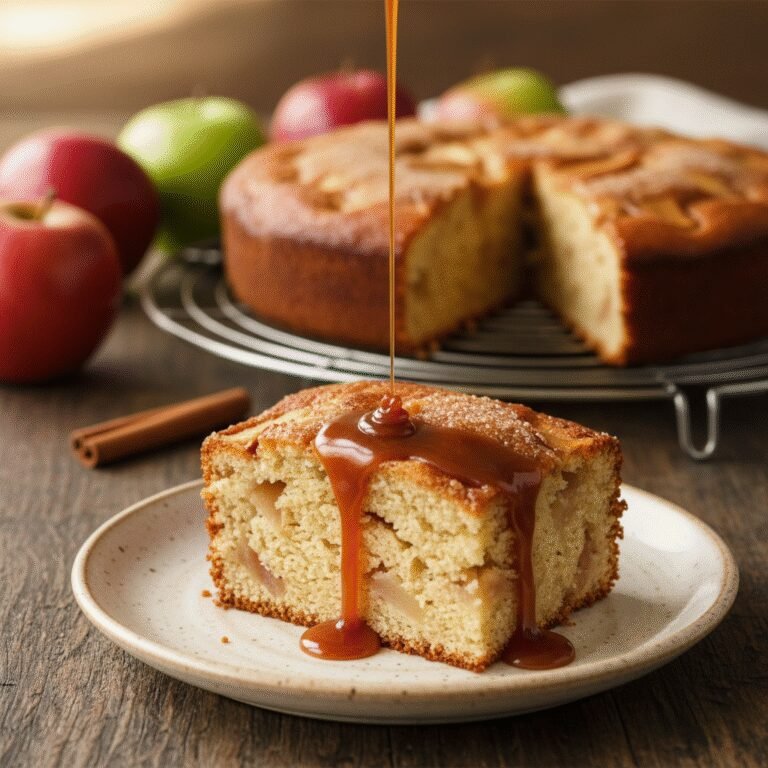
This cake is incredibly versatile in how it can be served. For a cozy afternoon treat, serve a slice slightly warmed in the microwave for 10 seconds, paired with a hot mug of chai tea or black coffee. For a more elegant dessert presentation, serve it at room temperature with a dollop of lightly sweetened whipped cream and a dusting of cinnamon or fresh pomegranate seeds for a pop of festive color. It also pairs beautifully with a scoop of vanilla bean ice cream or a drizzle of warm salted caramel sauce. If serving at a holiday party, cut the squares smaller into bite-sized ‘tea cake’ portions.
Storage and Reheating Tips
This gingerbread cake is one of those rare baked goods that gets better with time. Store the cake in an airtight container at room temperature for up to 4-5 days; the flavors will meld and the cake will become even moister. If you live in a very humid climate, you may want to store it in the refrigerator to prevent spoilage, but bring it to room temperature before eating for the best texture. For long-term storage, the unglazed cake freezes beautifully. Wrap the whole cake or individual slices tightly in plastic wrap, then in aluminum foil, and freeze for up to 3 months. Thaw overnight on the counter and glaze before serving.
Nutrition Facts (Estimated)
| Serving Size | 1 slice |
| Calories | 340 |
| Fat | 14g |
| Saturated Fat | 8g |
| Unsaturated Fat | 5g |
| Trans Fat | 0g |
| Cholesterol | 45mg |
| Sodium | 180mg |
| Carbohydrates | 52g |
| Fiber | 1g |
| Sugar | 28g |
| Protein | 4g |
Frequently Asked Questions
Can I bake this in a bundt pan?
Yes, but you will need to double the recipe for a standard 10-12 cup bundt pan. Bake at 350°F for 50-60 minutes, checking for doneness with a long skewer.
Why did my gingerbread sink in the middle?
Sinking usually happens if the oven door was opened too early during baking, causing the structure to collapse before it set, or if there was too much leavening (baking soda).
Can I add mix-ins like nuts or raisins?
Absolutely! 1/2 cup of chopped walnuts, pecans, or crystallized ginger makes a wonderful addition. Toss them in a teaspoon of flour before adding to the batter to prevent sinking.
Is mild or full-flavor molasses better?
For this cake, ‘original’ or ‘mild’ unsulphured molasses is best. ‘Full flavor’ is also acceptable but stronger. Avoid ‘blackstrap’ as it is too bitter and salty.
Can I make this as cupcakes?
Yes, this batter works for cupcakes. Line a muffin tin and bake for 18-22 minutes at 350°F.
My glaze is too runny, how do I fix it?
Simply add more powdered sugar, one tablespoon at a time, whisking until you reach your desired thickness.
Can I use fresh ginger instead of ground?
You can, but ground ginger provides a more concentrated, spicy heat that is traditional for baking. If using fresh, triple the amount (3 teaspoons fresh for 1 teaspoon ground).
Why does the recipe call for hot water?
Hot water helps to melt the butter and molasses together, ensuring a smooth batter, and it helps bloom the spices to release their full flavor profile.
Is this cake suitable for shipping?
Yes, because it stays moist for days, it is an excellent candidate for holiday care packages. Wrap it tightly and ship without the glaze, including a small packet of glaze ingredients or a recipe card for the recipient.
Can I use honey instead of molasses?
Technically yes, but it will no longer taste like gingerbread. It will be a spiced honey cake, which is delicious but lacks the dark color and depth of traditional gingerbread.
Conclusion
In a world of complicated desserts and fleeting food trends, this Moist Gingerbread Cake with Vanilla Glaze stands as a testament to the power of classic, comforting flavors. It is a recipe that invites you to slow down, savor the season, and share a slice of homemade happiness with those you love. Whether you are a seasoned baker or a novice in the kitchen, the simplicity and forgiving nature of this cake ensure success every time. So, grab your apron, preheat your oven, and let the warming scents of ginger, cinnamon, and cloves fill your home. We guarantee this will become a requested favorite at your holiday table for years to come. Happy baking!