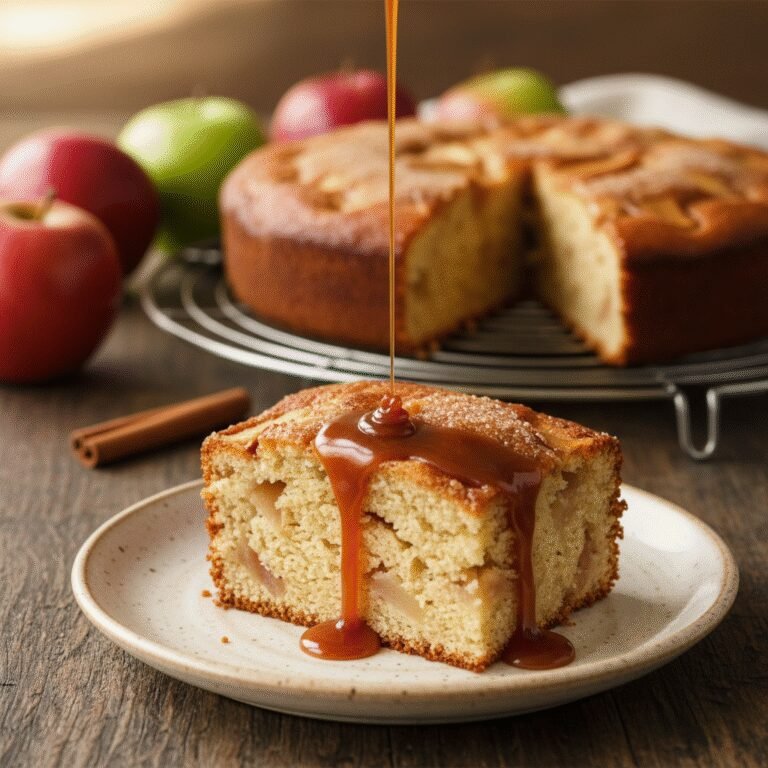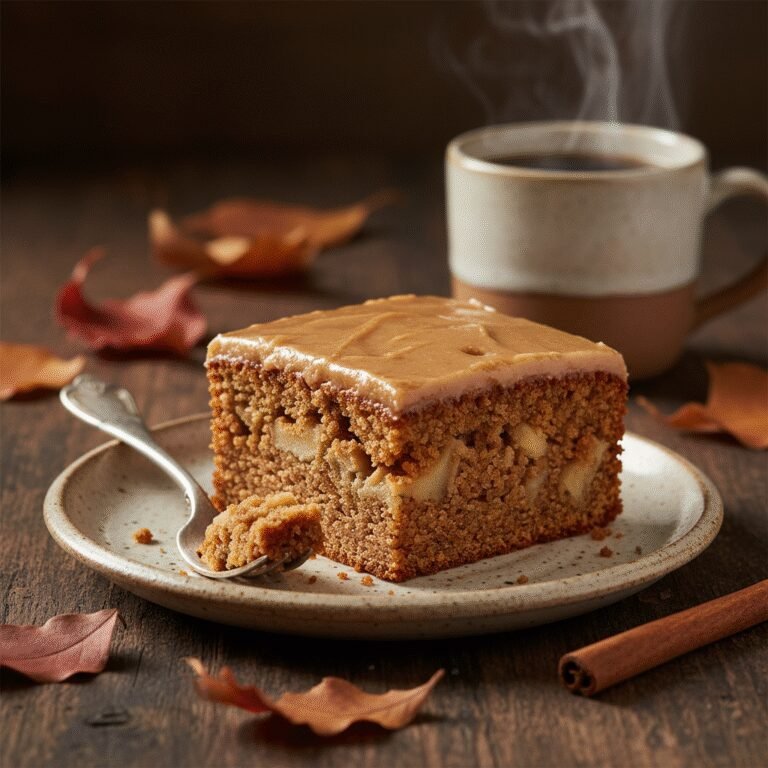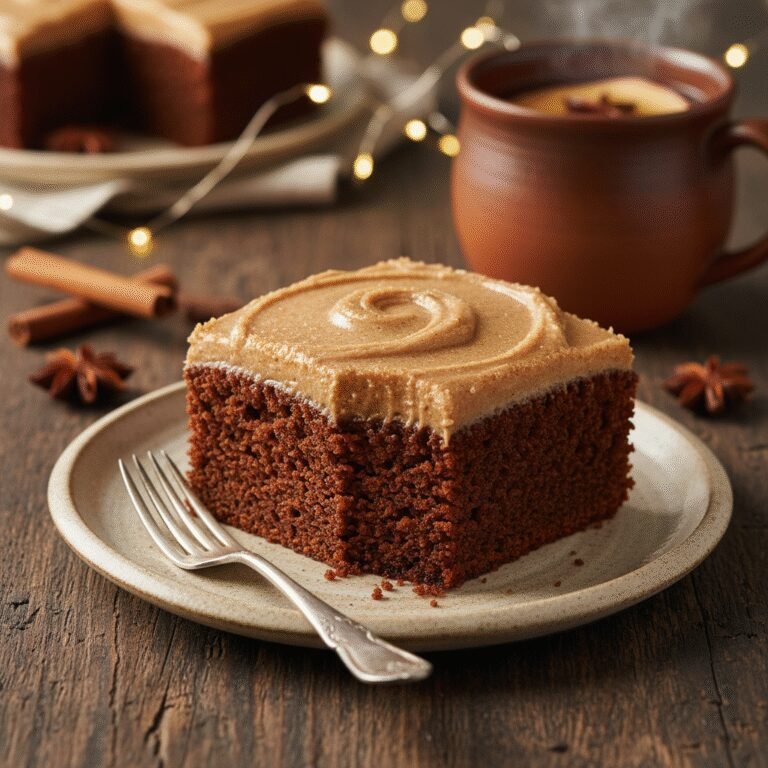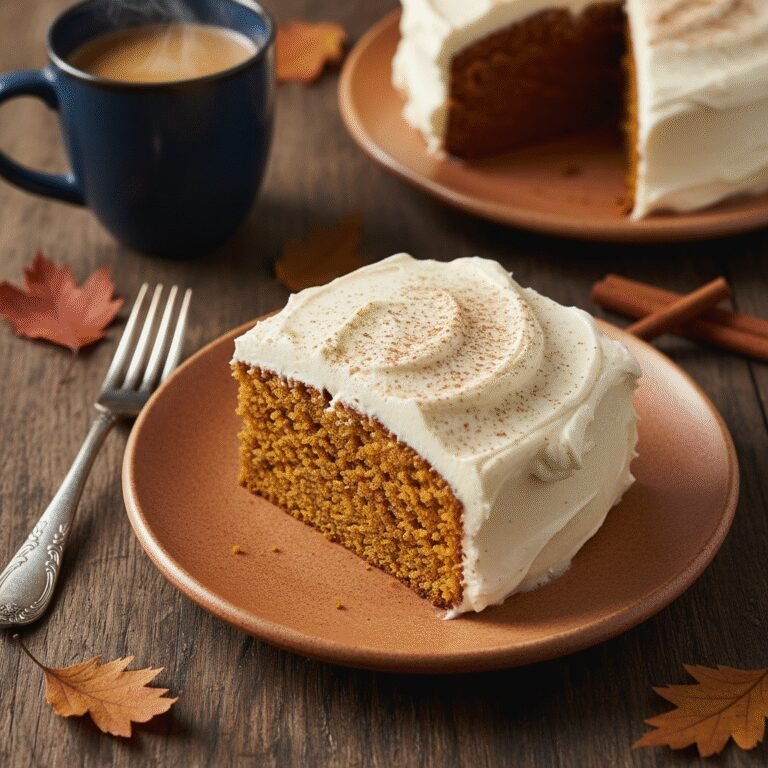
The Ultimate Moist Gingerbread Cake with Cinnamon Cream Cheese Frosting
Moist Gingerbread Cake With Cinnamon Cream Cheese Frosting Recipe
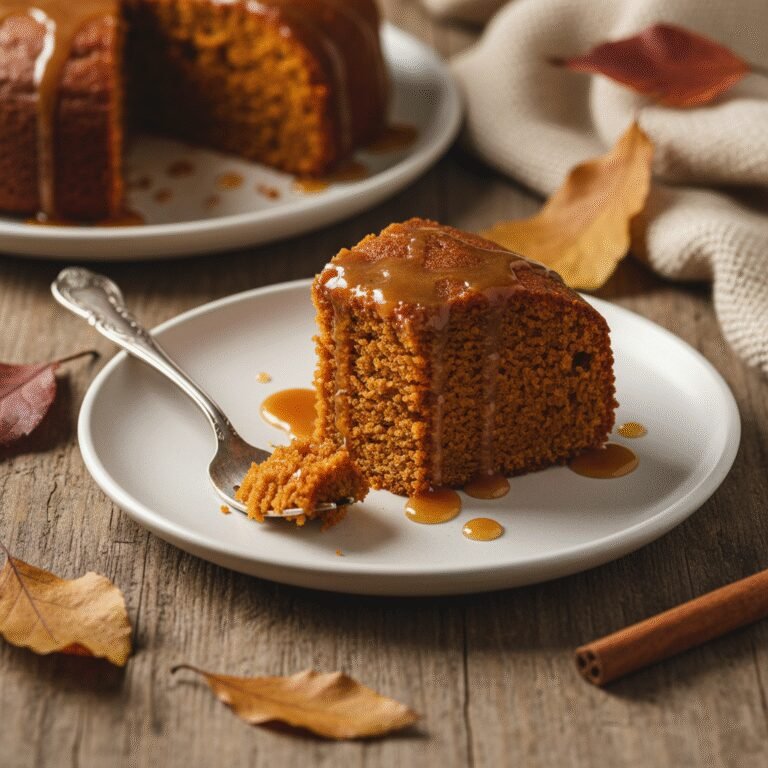
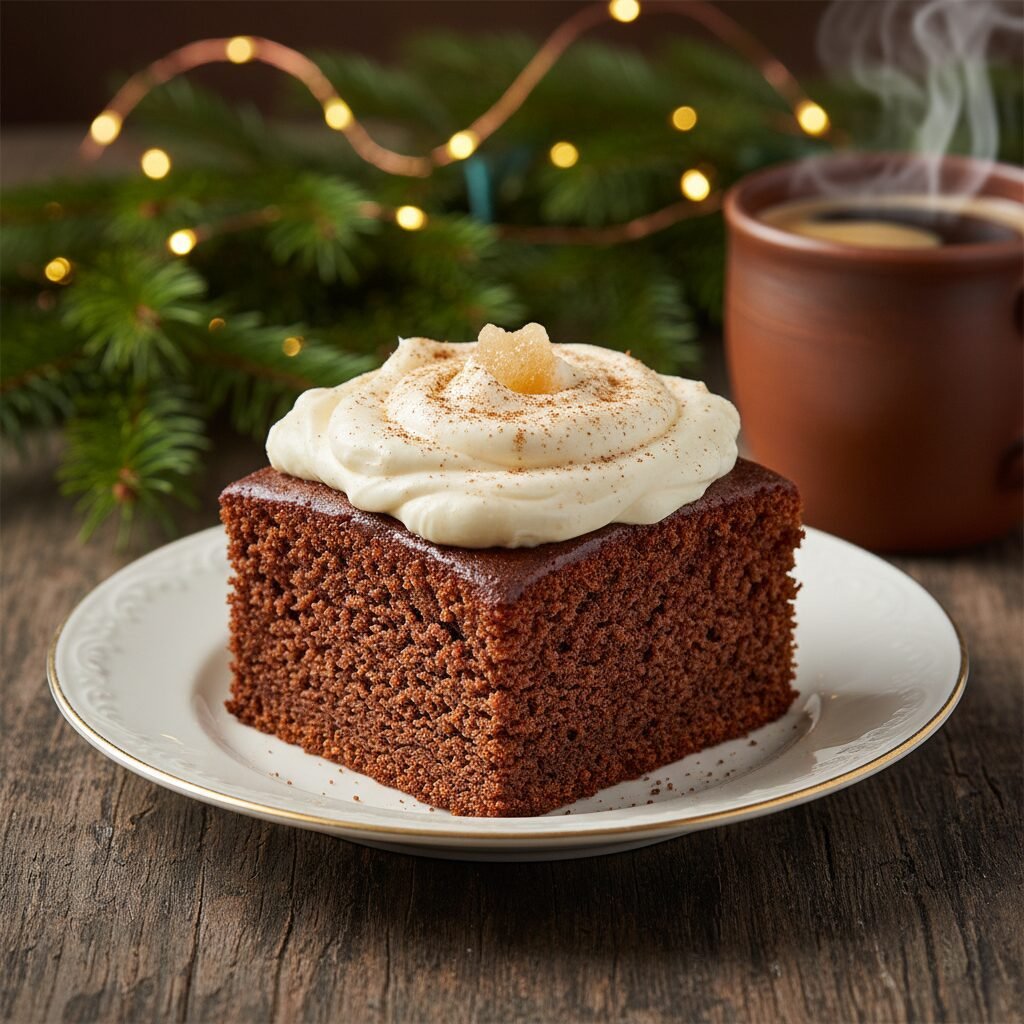
Embrace the holiday season with this incredibly moist gingerbread cake, infused with warm spices and rich molasses. Topped with a tangy, velvety cinnamon cream cheese frosting, this dessert is the perfect balance of sweet and spicy comfort.
20 minutes
35 minutes
55 minutes
12 servings
Dessert
Baking
American
Vegetarian
There is something undeniably magical about the aroma of gingerbread baking in the oven. It is the quintessential scent of the holidays, evoking memories of cozy fireplaces, wool socks, and gathering with loved ones. But let’s be honest: not all gingerbread is created equal. Too often, we encounter dry, crumbly loaves that rely too heavily on coffee or tea to wash them down. This recipe changes the narrative entirely. We are talking about a deeply dark, incredibly moist cake that practically melts in your mouth. The secret lies in the balance of premium molasses, dark brown sugar, and a specific blend of spices that are bloomed in hot liquid to release their full potency before mixing.
This isn’t just a cake; it is an experience. The crumb is tender yet substantial, holding up beautifully to the thick, luscious layer of cinnamon-spiced cream cheese frosting. The tang of the cream cheese cuts through the richness of the molasses, while the cinnamon echoes the warmth of the cake below. Whether you are serving this for a festive Christmas dessert, a Thanksgiving treat, or simply as a comforting slice to enjoy with your morning coffee, this gingerbread cake delivers on every level. It is rustic enough for a casual family dinner yet elegant enough to be the centerpiece of a holiday spread. Get ready to fill your kitchen with the most intoxicating, spicy-sweet fragrance imaginable.
History & Origins
The history of gingerbread is as rich and complex as its flavor profile. The journey begins thousands of years ago with the ginger root itself, which was first cultivated in ancient China for medical treatments. It eventually made its way to Europe via the Silk Road, where it became a prized spice during the Middle Ages. In medieval England, the term ‘gingerbread’ simply referred to preserved ginger, not the cake or cookie we know today. It wasn’t until the 15th century that gingerbread began to take the form of treacle-based cakes and biscuits. Monks in Franconia, Germany, were famous for their ‘Lebkuchen,’ a spicy honey cake that is a direct ancestor of modern gingerbread.
Interestingly, Queen Elizabeth I is often credited with the invention of the gingerbread man, as she would have cookies baked in the likeness of visiting dignitaries. However, the soft, cake-like gingerbread that is popular in the United States owes much of its evolution to the colonization of the Americas. With the abundance of sugar cane plantations in the Caribbean, molasses became a readily available and affordable byproduct of sugar refining. American colonists used this ‘treacle’ to create softer, denser cakes compared to the crisp European biscuits. This transition from honey to molasses gave American gingerbread its signature dark color and robust, bittersweet flavor. Over centuries, recipes have been refined, moving from dense, heavy loaves to the lighter, moister cakes we crave today, cementing gingerbread as a timeless staple of Western culinary tradition.
Why This Recipe Works
This recipe succeeds where others fail primarily due to the science of moisture retention and flavor blooming. First, we utilize the ‘blooming’ technique by mixing the spices and baking soda with boiling water. The heat instantly releases the essential oils in the ginger, cinnamon, and cloves, ensuring the flavor permeates every crumb rather than sitting dormant. Furthermore, the reaction between the hot water, acidic molasses, and baking soda creates immediate aeration, which contributes to a lighter lift despite the heavy batter.
Secondly, we opt for oil instead of butter for the cake batter. While butter provides flavor, it is about 80% fat and 20% water; the water evaporates during baking, which can lead to dryness. Oil is 100% fat and remains liquid at room temperature, guaranteeing that the cake stays incredibly moist and tender for days after baking. Finally, the frosting is designed to be a counterpoint, not just a topping. The acidity in the cream cheese balances the deep, earthy sweetness of the molasses, preventing the dessert from becoming cloyingly sweet. The addition of cinnamon to the frosting bridges the flavor gap between the topping and the cake, creating a cohesive flavor profile.
Why You’ll Love This Recipe
- ✓Incredibly moist crumb that stays fresh for days
- ✓Rich, deep molasses flavor balanced by warm spices
- ✓Tangy cinnamon cream cheese frosting cuts the sweetness
- ✓Easy one-bowl mixing method for the cake batter
- ✓Perfect festive dessert for Christmas or Thanksgiving
- ✓Fills your home with an amazing holiday aroma
Equipment You’ll Need
- ✓9×13 inch baking pan
- ✓Large mixing bowl
- ✓Whisk
- ✓Electric hand mixer or stand mixer
- ✓Measuring cups and spoons
- ✓Rubber spatula
- ✓Saucepan or kettle (for boiling water)
- ✓Parchment paper
Ingredients
- ✓2 1/2 cups all-purpose flour
- ✓2 teaspoons ground ginger
- ✓1 1/2 teaspoons ground cinnamon
- ✓1/2 teaspoon ground cloves
- ✓1/2 teaspoon ground nutmeg
- ✓1/2 teaspoon salt
- ✓2 teaspoons baking soda
- ✓1 cup mild or dark molasses (not blackstrap)
- ✓1 cup boiling water
- ✓1/2 cup granulated sugar
- ✓1/2 cup dark brown sugar, packed
- ✓1/2 cup vegetable oil or canola oil
- ✓2 large eggs, room temperature
- ✓1 teaspoon vanilla extract
- ✓8 oz full-fat cream cheese, softened (Frosting)
- ✓1/2 cup unsalted butter, softened (Frosting)
- ✓3 cups powdered sugar (Frosting)
- ✓1 teaspoon ground cinnamon (Frosting)
- ✓1 teaspoon vanilla extract (Frosting)
- ✓1 tablespoon milk or heavy cream (optional, for consistency)
Instructions
- Preheat your oven to 350°F (175°C). Grease a 9×13 inch baking pan generously with non-stick spray or line it with parchment paper for easy removal.
- In a large mixing bowl, whisk together the flour, ground ginger, cinnamon, cloves, nutmeg, and salt until well combined. Set aside.
- In a separate heat-proof bowl or large measuring cup, whisk the baking soda into the boiling water. The mixture will bubble up slightly. Stir in the molasses until fully dissolved.
- In a large bowl (or the bowl of your stand mixer), whisk together the granulated sugar, brown sugar, vegetable oil, eggs, and vanilla extract until smooth and slightly thickened.
- Gradually whisk the molasses and water mixture into the sugar and egg mixture until fully incorporated.
- Gently fold the dry ingredients into the wet ingredients using a rubber spatula or a whisk. Mix just until no flour streaks remain. The batter will be thin and liquidy; this is normal.
- Pour the batter into the prepared baking pan. Tap the pan gently on the counter to release any large air bubbles.
- Bake for 30-35 minutes, or until a toothpick inserted into the center comes out clean or with just a few moist crumbs attached. Be careful not to overbake.
- Remove the cake from the oven and place the pan on a wire rack. Allow the cake to cool completely in the pan. It must be cool before frosting, or the frosting will melt.
- While the cake cools, make the frosting. In a large bowl, beat the softened cream cheese and butter together on medium-high speed until smooth and creamy (about 2-3 minutes).
- Add the powdered sugar, one cup at a time, beating on low speed until incorporated. Add the cinnamon and vanilla extract.
- Increase the mixer speed to high and whip for 2 minutes until the frosting is fluffy and light. If it is too stiff, add a tablespoon of milk or cream.
- Spread the frosting generously over the cooled cake. Slice into squares and serve.
Expert Cooking Tips
- ✓Do not use blackstrap molasses; it is too bitter and will alter the taste of the cake. Stick to ‘mild’, ‘original’, or ‘unsulphured’ molasses.
- ✓Ensure your water is actually boiling when you mix it with the baking soda and spices to properly bloom the flavors.
- ✓Room temperature ingredients are crucial for the frosting to ensure it is silky smooth and lump-free.
- ✓The batter is very thin compared to standard cakes. Do not add more flour; the thin batter ensures a moist result.
- ✓Line your pan with parchment paper leaving an overhang on the sides so you can lift the entire cake out for cleaner slicing.
- ✓Sift your powdered sugar before making the frosting to avoid gritty lumps.
Substitutions and Variations
If you find yourself missing an ingredient, there are several substitutions you can make without sacrificing too much quality. For the molasses, while true flavor comes from the real thing, you can substitute dark corn syrup, maple syrup, or honey in a pinch, though the flavor will be significantly milder and lighter in color. If you don’t have vegetable oil, melted coconut oil or melted butter works, but remember that butter may result in a slightly drier cake the next day. For a gluten-free version, use a high-quality 1:1 gluten-free flour blend that contains xanthan gum. If you are out of brown sugar, you can make your own by mixing white sugar with a tablespoon of molasses. For the frosting, mascarpone cheese can be a luxurious substitute for cream cheese, offering a creamier, less tangy finish.
Common Mistakes to Avoid
The most common mistake with gingerbread is using the wrong type of molasses. Blackstrap molasses is very concentrated and bitter, often leading to an unpalatable cake. Always check the label. Another frequent error is overmixing the batter after adding the flour. Because the batter is wet, it is easy to want to keep mixing, but this develops gluten and leads to a rubbery texture. Mix only until combined. Additionally, do not frost the cake while it is even slightly warm. The butter and cream cheese in the frosting will separate and melt, sliding right off the cake. Finally, rely on the toothpick test rather than just the timer, as oven temperatures can vary wildly.
Serving Suggestions
This cake is versatile in its presentation. For a rustic look, serve squares directly from the pan. For a more elegant dinner party dessert, lift the cake out, trim the edges, and cut into sharp, clean rectangles. It pairs beautifully with a hot cup of coffee, chai tea, or a tall glass of cold milk. You can garnish the top with a dusting of cinnamon, candied ginger pieces for a spicy kick, or even a drizzle of salted caramel sauce. A scoop of vanilla bean ice cream on the side is never a bad idea if you want to add an extra layer of indulgence.
Storage and Reheating Tips
Gingerbread cake is one of those rare desserts that actually gets better with time as the flavors meld and the moisture redistributes. Store the frosted cake in an airtight container in the refrigerator for up to 5 days. The cream cheese frosting requires refrigeration. If you want to make it ahead, you can bake the cake, let it cool, wrap it tightly in plastic wrap, and store it at room temperature for 2 days before frosting. To freeze, wrap individual unfrosted slices in plastic wrap and foil; they will keep for up to 3 months. Thaw in the fridge overnight before serving. Cold cake is delicious, but bringing it to room temperature for 20 minutes before eating yields the softest texture.
Nutrition Facts (Estimated)
| Serving Size | 1 slice |
| Calories | 450 |
| Fat | 22g |
| Saturated Fat | 8g |
| Unsaturated Fat | 12g |
| Trans Fat | 0g |
| Cholesterol | 45mg |
| Sodium | 210mg |
| Carbohydrates | 62g |
| Fiber | 1g |
| Sugar | 38g |
| Protein | 4g |
Frequently Asked Questions
Can I bake this in a bundt pan?
Yes, but you will need to adjust the baking time. A bundt pan usually takes about 45-55 minutes at 350°F. Grease the pan very thoroughly to prevent sticking.
Why did my gingerbread sink in the middle?
Sinking usually happens if the oven door was opened too early, causing a drop in temperature, or if the cake was underbaked. It can also happen if there is too much leavening (baking soda).
Is fresh ginger better than ground ginger?
For this specific cake recipe, ground ginger is preferred because it distributes more evenly and provides a concentrated warmth. Fresh ginger can be stringy and has a different moisture content.
Can I make this recipe as cupcakes?
Absolutely. Fill cupcake liners about 2/3 full and bake for 18-22 minutes. This recipe should yield about 24 cupcakes.
What is the difference between mild and dark molasses?
Mild molasses is from the first boiling of the sugar syrup and is sweetest. Dark molasses is from the second boiling and is less sweet with a stronger flavor. Either works here, but dark gives a more classic gingerbread taste.
How do I know when the frosting is whipped enough?
The frosting should hold its shape when you lift the beaters and look pale and creamy. If it looks glossy or runny, it needs more whipping or more powdered sugar.
Can I add nuts or raisins?
Yes, you can fold in up to 1 cup of chopped walnuts, pecans, or raisins into the batter right before pouring it into the pan.
Is this cake spicy?
It has a warm kick from the ginger and cloves, but it is not ‘spicy’ like a chili pepper. It is a warming spice level that is generally kid-friendly.
Conclusion
This Moist Gingerbread Cake with Cinnamon Cream Cheese Frosting is more than just a recipe; it is a reliable ticket to holiday cheer. The combination of the dark, complex cake with the light, tangy frosting creates a harmony of flavors that is hard to beat. It is a forgiving recipe that rewards you with a professional-quality dessert, regardless of your baking experience. Whether you are starting a new family tradition or simply satisfying a Tuesday night craving, this cake is sure to earn a permanent spot in your recipe box. Happy baking!