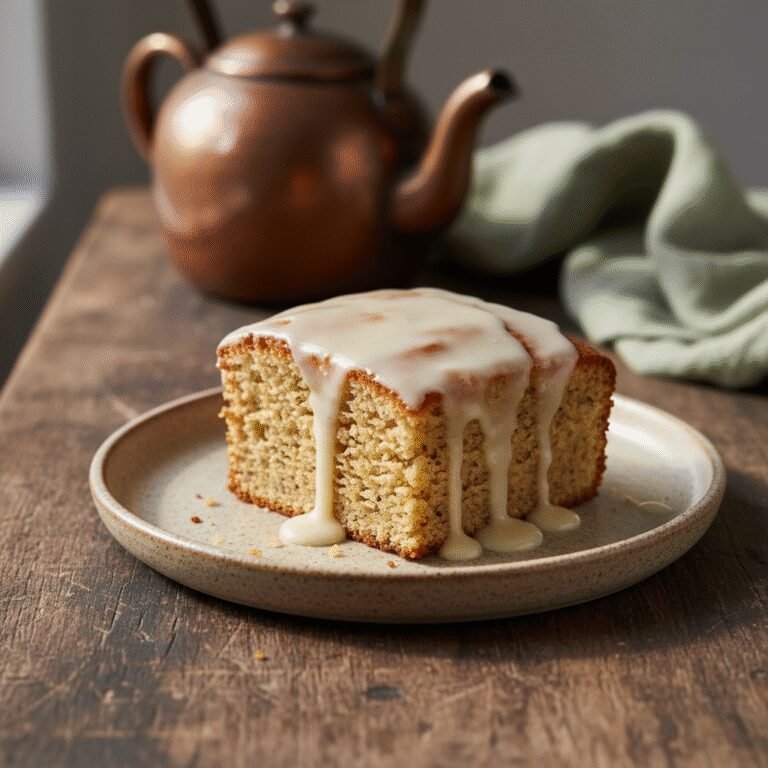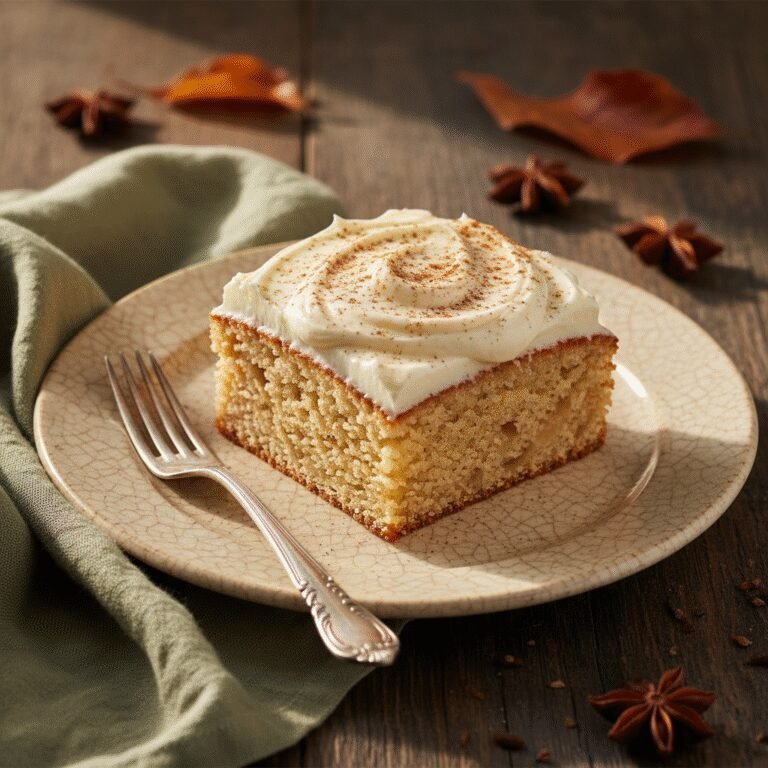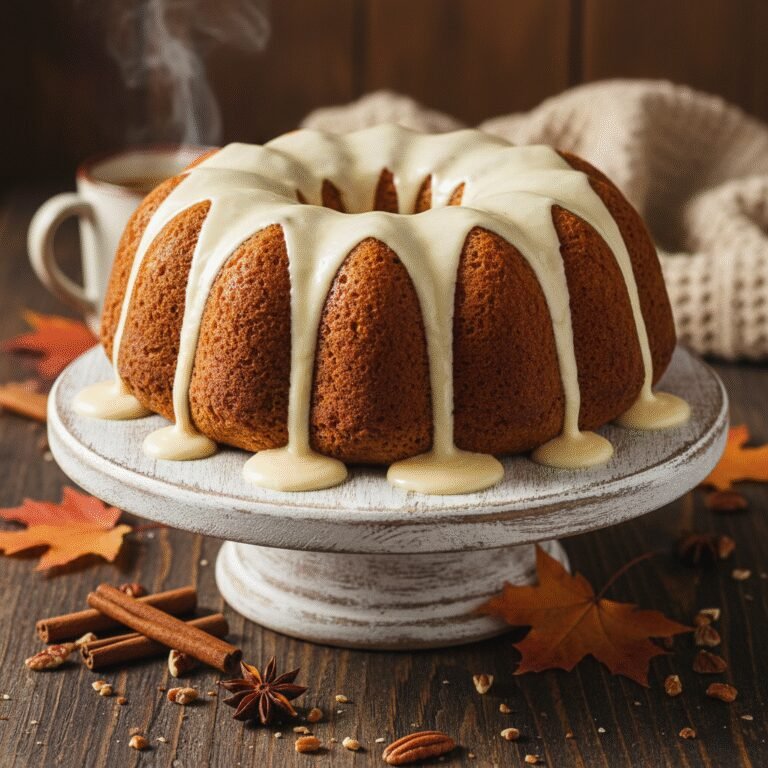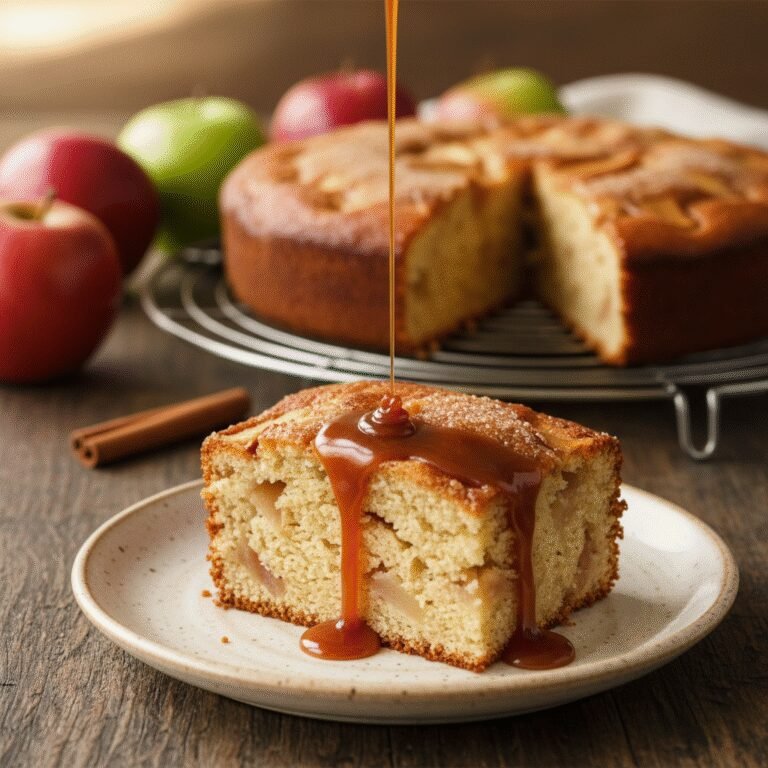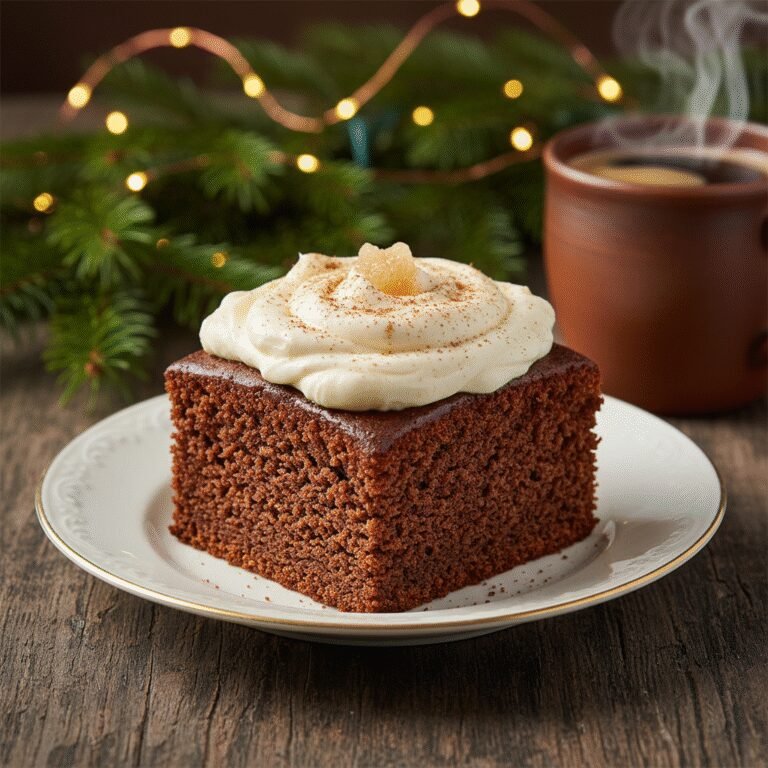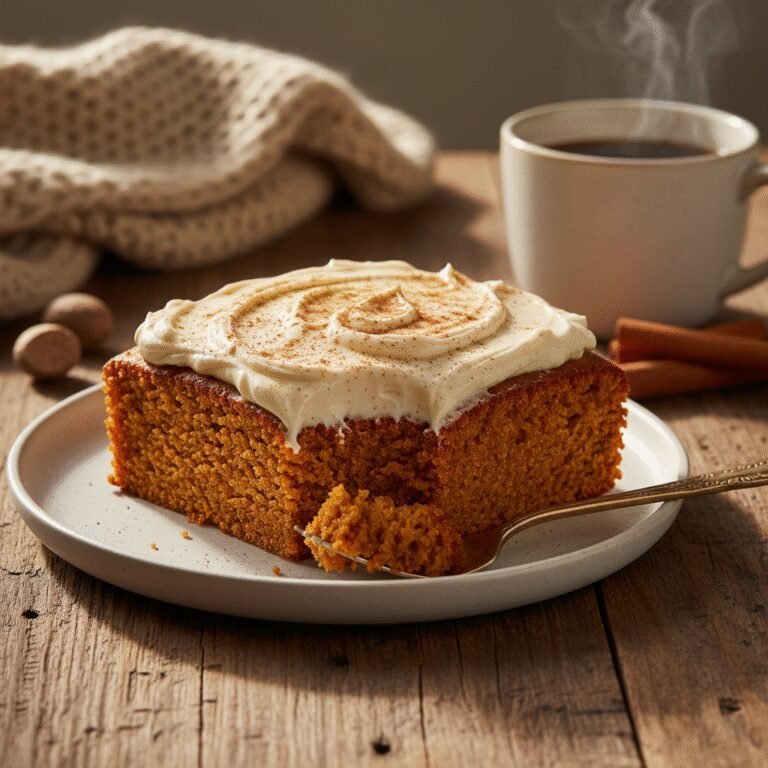
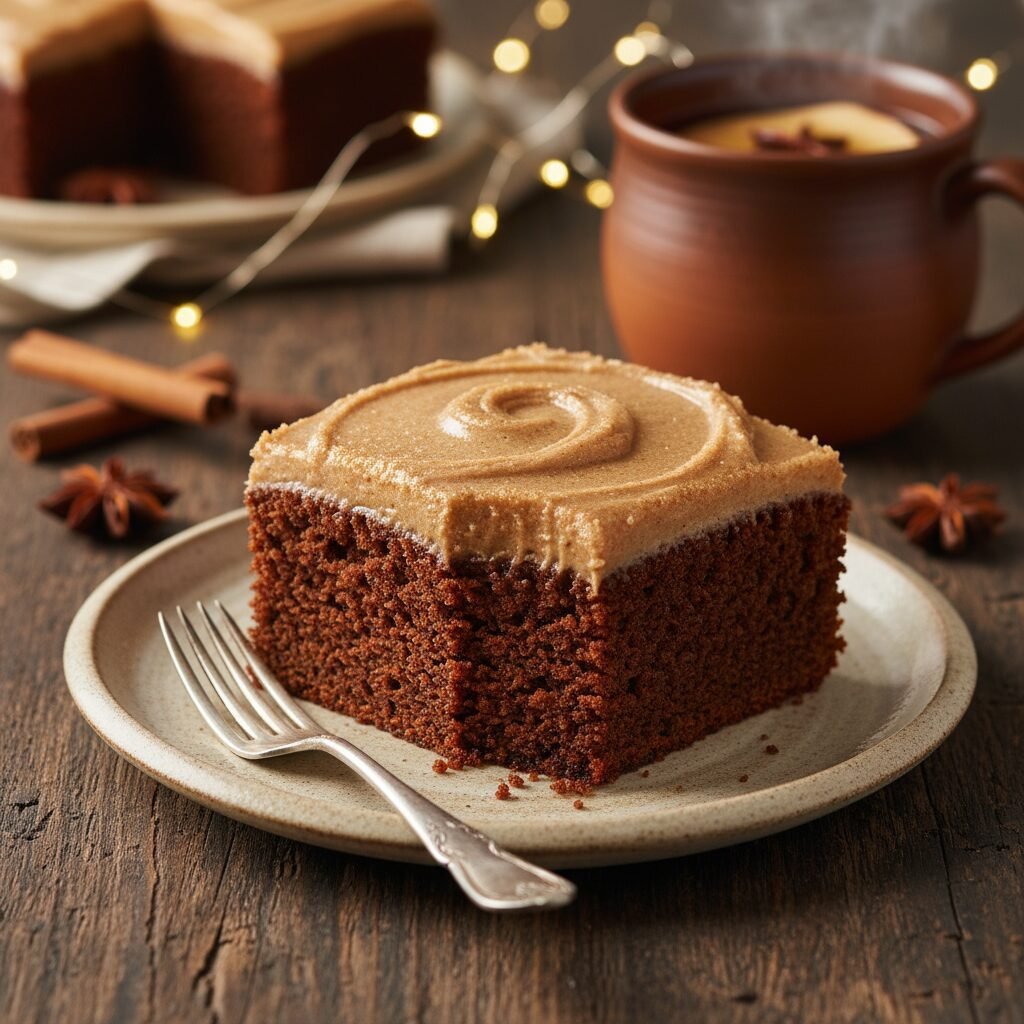
The Ultimate Moist Gingerbread Cake With Brown Sugar Frosting
Moist Gingerbread Cake With Brown Sugar Frosting Recipe
Embrace the cozy flavors of the season with this incredibly moist gingerbread cake, infused with warm molasses and spicy ginger. Topped with a decadent, fudge-like brown sugar frosting, this easy-to-make dessert is the perfect centerpiece for holiday gatherings or a comforting winter treat.
20 minutes
35 minutes
55 minutes
9 servings
Dessert
Baking
American
Vegetarian
There is something undeniably magical about the scent of gingerbread baking in the oven. It is the olfactory signal that the holidays have arrived, bringing with it memories of snowy afternoons, crackling fires, and the comfort of home. However, traditional gingerbread often gets a bad reputation for being dry or overly dense—a sturdy brick meant more for construction than consumption. This recipe for Moist Gingerbread Cake completely rewrites that narrative. We have developed a cake that is impossibly soft, deeply flavorful, and tender enough to melt in your mouth, thanks to a specific combination of ingredients and a unique mixing method.
The flavor profile here is a sophisticated balance of sweet and spicy. The dark molasses provides a robust, earthy sweetness that anchors the bright, sharp notes of ground ginger, cinnamon, and cloves. Unlike a standard spice cake, this gingerbread has a depth of character that only comes from the reaction between molasses and baking soda. But the real showstopper is the brown sugar frosting. Instead of a standard vanilla buttercream or a tangy cream cheese topping, we use a cooked brown sugar base that mimics the flavor of penuche or caramel. It offers a rich, buttery sweetness that perfectly complements the spice of the cake without overpowering it.
Whether you are looking for a festive dessert to bring to a Christmas potluck, a special treat for a winter birthday, or simply a cozy baking project for a Sunday afternoon, this cake delivers on all fronts. It is rustic enough to be served straight from the pan with a cup of coffee, yet elegant enough to be plated for a dinner party. Prepare to fall in love with gingerbread all over again.
History & Origins
The history of gingerbread is as rich and complex as its flavor, spanning thousands of years and crossing multiple continents. The root ginger was first cultivated in ancient China for medical treatments and arrived in Europe via the Silk Road. By the Middle Ages, preserved ginger was a high-luxury ingredient. In medieval Europe, ‘gingerbread’ didn’t necessarily refer to a cake or cookie, but rather to preserved ginger itself. It eventually evolved into a honey-sweetened confection. The first known recipe for gingerbread came from Greece in 2400 BC, but it was the European adaptation that set the stage for modern baking.
During the 15th century, gingerbread making was considered a distinct profession; in fact, only professional gingerbread bakers were allowed to make it, except during Christmas and Easter when the restrictions were lifted for the general public. This is largely why the dessert is so heavily associated with the holidays today. Queen Elizabeth I is often credited with inventing the gingerbread man, presenting visiting dignitaries with likenesses of themselves.
However, the soft, cake-like gingerbread we know in America has roots in the colonization of the New World. While European gingerbreads were often crisp biscuits (like Lebkuchen or snaps), American recipes began incorporating molasses—a cheaper byproduct of sugar refining available in the colonies—instead of honey. In 1796, Amelia Simmons published ‘American Cookery,’ which contained recipes for soft gingerbread loaves leavened with pearlash (a precursor to baking soda). This chemical leavening, combined with the acidity of molasses, allowed for the rise of the dark, moist cake that became a staple in American kitchens, eventually leading to the version we cherish today.
Why This Recipe Works
This recipe succeeds where many others fail due to the precise science of moisture retention and pH balance. The primary complaint with gingerbread is dryness. To combat this, we utilize the ‘hot water method.’ By adding boiling water to the batter at the very end, two crucial things happen. First, the heat blooms the cocoa (if used) and spices, intensifying their flavor. Second, the hot liquid melts the butter and relaxes the gluten strands in the flour, preventing the cake from becoming tough and ensuring a velvety, plush crumb.
Furthermore, the interaction between the molasses and the baking soda is vital. Molasses is acidic, and when it hits the alkaline baking soda, it creates carbon dioxide gas bubbles. This reaction provides a powerful lift, making the cake airy despite the heavy liquid content. We also use a combination of brown sugar and granulated sugar; the molasses content in the brown sugar adds hygroscopic properties, meaning it draws moisture from the air into the cake, keeping it soft for days.
For the frosting, the ‘Why This Works’ factor lies in the cooking process. By melting butter and brown sugar together with milk before adding powdered sugar, we dissolve the grainy sugar crystals and create a caramel-like syrup. This results in a frosting that has a deeper, more complex flavor profile than a simple mixture of butter and sugar, bridging the gap between a glaze and a buttercream.
Why You’ll Love This Recipe
- ✓Incredibly moist crumb that stays soft for days.
- ✓Deep, complex spice flavor bloomed with hot water.
- ✓Rich, caramel-like brown sugar frosting.
- ✓Simple one-bowl mixing method for the cake.
- ✓Fills the kitchen with the ultimate holiday aroma.
- ✓Versatile: perfect for dessert or a decadent breakfast.
Equipment You’ll Need
- ✓9×9 inch square baking pan
- ✓Large mixing bowl
- ✓Medium saucepan
- ✓Whisk
- ✓Electric hand mixer or stand mixer
- ✓Rubber spatula
- ✓Measuring cups and spoons
- ✓Wire cooling rack
Ingredients
- ✓1/2 cup unsalted butter, softened
- ✓1/2 cup granulated sugar
- ✓1/2 cup unsulfured molasses (not blackstrap)
- ✓1 large egg, room temperature
- ✓1 cup plain yogurt or sour cream
- ✓2 1/3 cups all-purpose flour
- ✓1 teaspoon baking soda
- ✓1/2 teaspoon salt
- ✓2 teaspoons ground ginger
- ✓1 teaspoon ground cinnamon
- ✓1/4 teaspoon ground cloves
- ✓1/4 teaspoon ground nutmeg
- ✓1/2 cup boiling water
- ✓FOR THE FROSTING:
- ✓1/2 cup unsalted butter
- ✓1 cup light brown sugar, packed
- ✓1/4 cup heavy cream or whole milk
- ✓2 cups powdered sugar, sifted
- ✓1 teaspoon vanilla extract
Instructions
- Preheat your oven to 350°F (175°C). Grease a 9×9 inch baking pan with butter or non-stick spray, and line with parchment paper for easy removal.
- In a large mixing bowl, beat the softened butter and granulated sugar together until light and fluffy (about 2-3 minutes).
- Add the egg and molasses to the butter mixture. Beat until combined. Scrape down the sides of the bowl.
- Stir in the yogurt (or sour cream) until smooth.
- In a separate medium bowl, whisk together the flour, baking soda, salt, ginger, cinnamon, cloves, and nutmeg.
- Gradually add the dry ingredients to the wet ingredients, mixing on low speed until just combined. The batter will be thick.
- With the mixer on the lowest speed (or by hand), carefully pour in the boiling water. Mix gently until the batter is smooth and uniform. It will be thinner now; this is normal.
- Pour the batter into the prepared baking pan and smooth the top with a spatula.
- Bake for 30-35 minutes, or until a toothpick inserted into the center comes out clean or with just a few moist crumbs. Do not overbake.
- Remove the cake from the oven and place the pan on a wire rack to cool completely before frosting.
- To make the frosting: In a medium saucepan over medium heat, melt the 1/2 cup butter. Stir in the brown sugar and heavy cream.
- Bring the mixture to a gentle boil, stirring constantly. Let it bubble for just 1 minute, then remove from heat.
- Allow the mixture to cool for about 5-10 minutes until it is warm but not piping hot.
- Whisk in the vanilla extract and powdered sugar. If the mixture is too thick, add a teaspoon of milk. If too thin, add more powdered sugar. Beat with a hand mixer for 1 minute to make it fluffy.
- Immediately pour and spread the warm frosting over the cooled cake. The frosting sets quickly as it cools, so work fast.
- Allow the frosting to set for at least 20 minutes before slicing and serving.
Expert Cooking Tips
- ✓Measure flour correctly using the spoon-and-level method to avoid a dense cake.
- ✓Ensure your spices are fresh; old spices lose their potency and will result in a bland cake.
- ✓Do not skip the boiling water step; it is crucial for the texture and activating the baking soda.
- ✓Use standard unsulfured molasses (like Grandma’s brand), not blackstrap molasses, which is too bitter.
- ✓Sift the powdered sugar before adding it to the frosting to prevent lumps.
- ✓Wait until the cake is completely cool before frosting, or the frosting will melt and slide off.
- ✓If using a glass baking dish, reduce oven temperature by 25°F to prevent burning the edges.
Substitutions and Variations
This recipe is quite adaptable. If you need a gluten-free version, substitute the all-purpose flour with a high-quality 1:1 gluten-free baking flour blend that includes xanthan gum. For a dairy-free cake, use plant-based butter sticks, a dairy-free yogurt (like coconut or almond), and swap the heavy cream in the frosting for full-fat coconut milk or oat milk. If you don’t have yogurt or sour cream, you can make buttermilk by adding a tablespoon of vinegar to a cup of milk and letting it sit for 5 minutes. Regarding the molasses, honey or maple syrup can be used in a pinch, but the flavor will be significantly lighter and less authentic to traditional gingerbread. You can also substitute fresh grated ginger for the ground ginger (use 1 tablespoon fresh for 2 teaspoons ground) for a sharper kick.
Common Mistakes to Avoid
The most common mistake with gingerbread is overbaking. Because the batter is dark, it is hard to tell visual cues for doneness. Rely on the toothpick test and start checking 5 minutes before the timer goes off. Another mistake is using blackstrap molasses. Blackstrap is the final extraction of molasses and is extremely bitter and salty; always check the label for ‘unsulfured’ or ‘fancy’ molasses. Regarding the frosting, a common error is letting the boiled brown sugar mixture cool completely before adding the powdered sugar. If it gets cold, it hardens into a rock. It needs to be warm to melt the powdered sugar and create a spreadable consistency. Finally, do not overmix the batter after adding the flour, as this develops gluten and makes the cake tough.
Serving Suggestions
This cake is rich enough to be served on its own, but it pairs beautifully with a dollop of unsweetened whipped cream to cut through the sweetness of the brown sugar frosting. For a warm contrast, serve a slice with a scoop of vanilla bean or cinnamon ice cream. It is excellent alongside a hot cup of coffee, chai tea, or a festive eggnog latte. If you want to dress it up for a holiday party, garnish the top with candied ginger pieces, a sprinkle of cinnamon, or even some pomegranate arils for a pop of color.
Storage and Reheating Tips
This gingerbread cake is excellent for making ahead because the flavors meld and deepen over time. Store the frosted cake in an airtight container at room temperature for up to 3 days. If your kitchen is particularly hot or humid, you may want to store it in the refrigerator for up to 5 days, but bring it to room temperature before serving for the best texture. To freeze, it is best to freeze the cake unfrosted. Wrap the cooled cake tightly in plastic wrap and then aluminum foil, and freeze for up to 3 months. Thaw overnight on the counter before frosting. If you must freeze it frosted, flash freeze individual slices on a baking sheet before wrapping them to keep the frosting intact.
Nutrition Facts (Estimated)
| Serving Size | 1 slice |
| Calories | 450 |
| Fat | 18g |
| Saturated Fat | 11g |
| Unsaturated Fat | 6g |
| Trans Fat | 0g |
| Cholesterol | 55mg |
| Sodium | 210mg |
| Carbohydrates | 68g |
| Fiber | 1g |
| Sugar | 42g |
| Protein | 4g |
Frequently Asked Questions
Can I bake this in a different size pan?
Yes, you can bake this in an 8×8 pan (increase bake time by 5-10 minutes) or double the recipe for a 9×13 pan (bake for 35-40 minutes). It also makes great cupcakes; fill liners 2/3 full and bake for 18-22 minutes.
Why did my cake sink in the middle?
Sinking usually happens if the oven door was opened too early, causing a temperature drop, or if the cake was underbaked. It can also happen if there was too much leavening (baking soda).
Is fresh ginger better than ground ginger?
For this specific style of cake, ground ginger is preferred because it distributes more evenly and provides that classic ‘baked good’ spice profile. Fresh ginger adds a nice kick but creates a different texture.
Can I use dark brown sugar instead of light for the frosting?
Absolutely. Dark brown sugar has more molasses content, which will make the frosting darker in color and give it a deeper, more intense toffee flavor.
My frosting is too grainy, what happened?
This usually means the brown sugar didn’t dissolve completely during the boiling phase, or the powdered sugar wasn’t sifted. Make sure to simmer the butter and sugar until smooth.
Can I make this without molasses?
Technically yes, but it won’t taste like traditional gingerbread. Molasses provides the signature color, moisture, and flavor. Dark corn syrup or treacle are the closest substitutes.
Does the water have to be boiling?
Yes. Warm tap water isn’t enough. The water needs to be boiling hot to properly bloom the spices and melt the butter within the batter for the correct emulsion.
Can I add mix-ins to the cake?
Yes! 1/2 cup of chopped walnuts, pecans, or crystallized ginger pieces folded into the batter before baking makes for a delicious textural contrast.
Conclusion
This Moist Gingerbread Cake with Brown Sugar Frosting is more than just a recipe; it is a comfort classic that embodies the warmth and spirit of the holiday season. The contrast between the spicy, tender cake and the sweet, creamy frosting creates a bite that is perfectly balanced and utterly addictive. Whether you are an experienced baker or a novice in the kitchen, this straightforward recipe promises impressive results that will have your friends and family asking for seconds. So, put the kettle on, gather your spices, and get ready to bake a new holiday tradition that you will cherish for years to come.