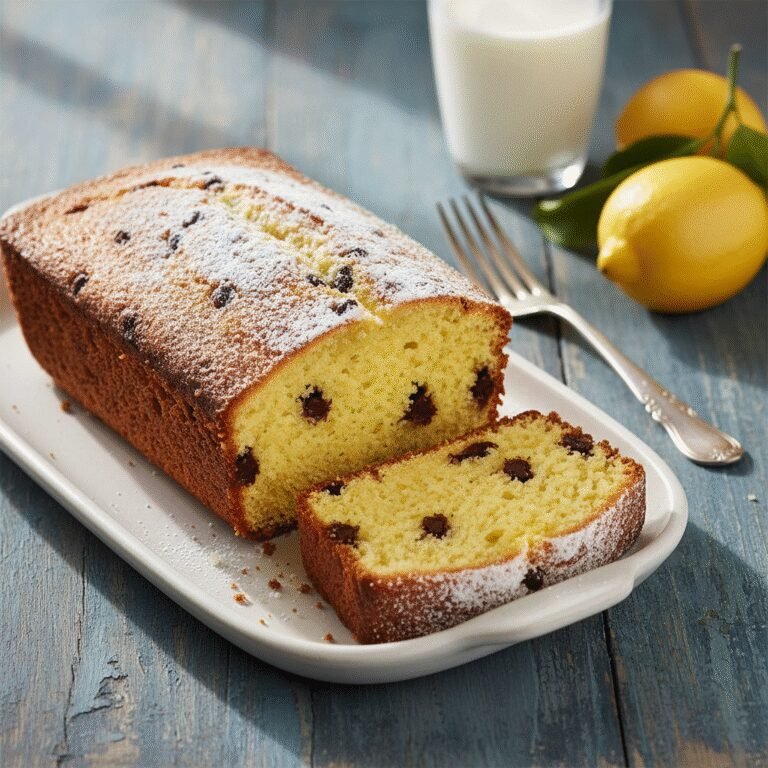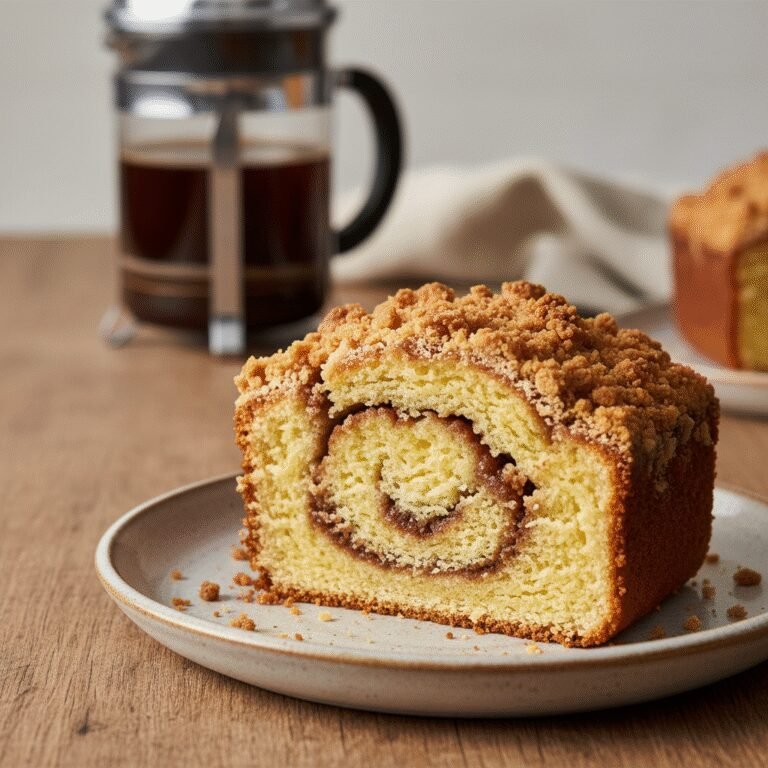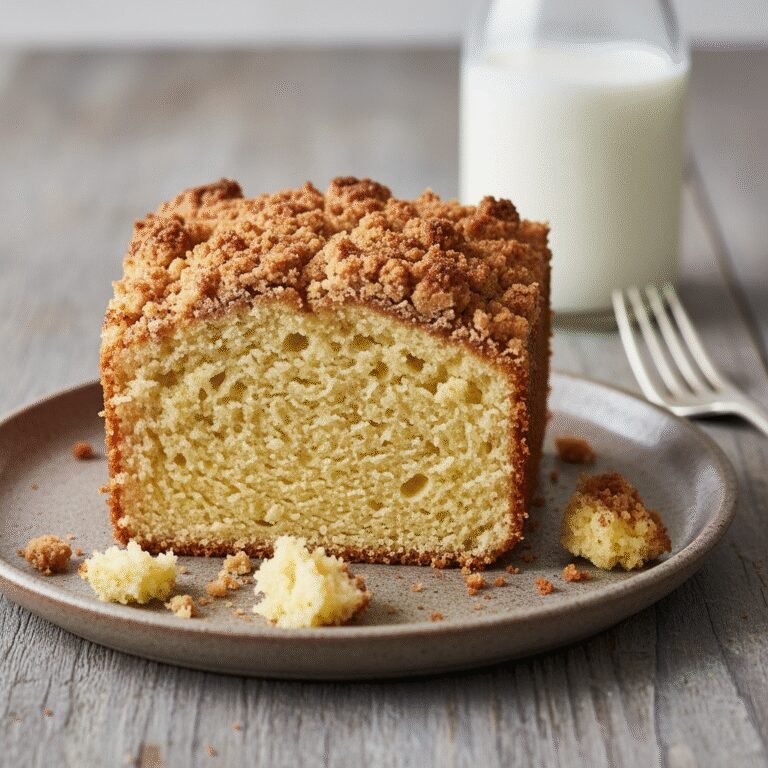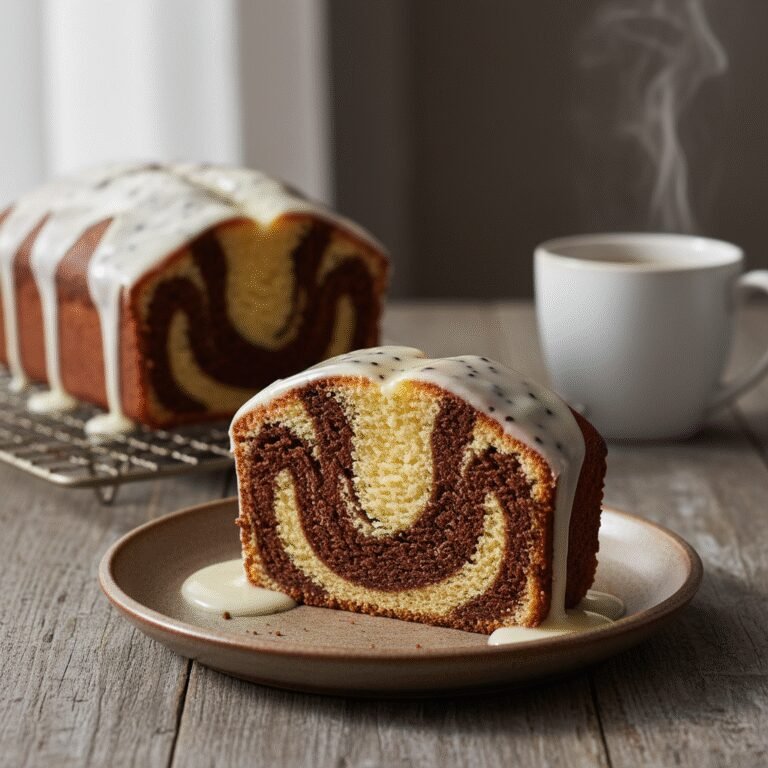
The Ultimate Moist Cream Cheese Pound Cake with Zesty Lemon Glaze
Moist Cream Cheese Pound Cake With Lemon Glaze Recipe
Experience the velvety texture of this classic Southern cream cheese pound cake, perfectly balanced with a bright, tangy lemon glaze. It’s a dense, buttery masterpiece that melts in your mouth, making it the perfect centerpiece for brunch or dessert.
20 minutes
1 hour 20 minutes
1 hour 40 minutes
12-16 servings
Dessert
Baking
American / Southern
Vegetarian
There are few things in the baking world as comforting and universally adored as a perfectly executed pound cake. But not all pound cakes are created equal. If you have been searching for that elusive recipe that delivers a tight, velvety crumb without being dry, and a rich, buttery flavor that isn’t overwhelmingly sweet, you have arrived at your destination. This Moist Cream Cheese Pound Cake with Lemon Glaze is a love letter to Southern baking traditions, where patience and premium ingredients combine to create something truly magical.
The secret weapon here is, of course, the cream cheese. Unlike traditional milk or buttermilk, cream cheese adds a density and richness that transforms the cake’s structure. It creates a crumb that is sturdy enough to hold its shape yet tender enough to dissolve on the tongue. When paired with the brightness of fresh lemon zest baked right into the batter and topped with a simple yet punchy lemon glaze, the result is a sophisticated balance of heavy and light, rich and refreshing.
This cake is not just a dessert; it’s an event. As it bakes, it fills the kitchen with the intoxicating aroma of vanilla, butter, and citrus, promising a slice of happiness. Whether you are serving it at a summer garden party, a cozy winter gathering, or simply keeping it on the counter for a week of indulgent breakfasts, this pound cake ages beautifully, often tasting even better on the second or third day. Get ready to master the art of the cold-oven start (optional, but discussed!) and the importance of room-temperature ingredients as we dive into this culinary gem.
History & Origins
The history of the pound cake is as rich as the dessert itself, dating back to the early 1700s in Northern Europe. The original name, ‘pound cake,’ was quite literal: the recipe called for one pound each of flour, butter, eggs, and sugar. This simple 1:1:1:1 ratio made it easy for home bakers to remember without the need for cookbooks, which were a luxury at the time. These early cakes were dense, heavy, and relied solely on the air beaten into the eggs for leavening, as chemical leaveners like baking powder and baking soda had not yet been invented.
As the recipe migrated to the United States, particularly the American South, it evolved. Southern bakers, known for their hospitality and love of rich desserts, began experimenting with the formula to improve texture and flavor. The 20th century brought the commercial availability of cream cheese, a uniquely American product. Innovative home cooks discovered that swapping some of the butter or liquid for cream cheese produced a cake with a finer grain and superior moisture retention. This variation became a staple at church potlucks, weddings, and holiday tables.
Today, the Cream Cheese Pound Cake is considered a distinct sub-genre of the classic pound cake. It represents a shift from the heavy, somewhat dry loaves of the 18th century to the moist, flavorful, and tender cakes we prize today. It stands as a testament to the ingenuity of home bakers who dared to tamper with tradition to create something even more delicious.
Why This Recipe Works
This recipe succeeds where others fail due to the precise interplay of fat, sugar, and acidity. The primary reason this cake is so incredibly moist is the inclusion of full-fat cream cheese. Cream cheese has a higher fat content and lower water content than milk, which inhibits the formation of tough gluten strands in the flour. This results in a ‘short’ texture—baking speak for tender and melt-in-your-mouth. Furthermore, the acidity in the cream cheese helps to tenderize the proteins in the flour even further.
Technically, the success of this cake relies heavily on the ‘creaming method.’ By beating the butter, cream cheese, and sugar together for an extended period (often 5-7 minutes), you are mechanically forcing air bubbles into the fat. These microscopic bubbles are then trapped by the structure of the egg proteins and flour. During baking, the heat expands these bubbles, giving the cake its lift. Because this recipe uses a high volume of sugar, the sugar crystals act as tiny shovels, carving out space in the butter for air.
Finally, the addition of lemon juice and glaze provides a necessary counterpoint to the richness. Palate fatigue can set in with heavy, buttery desserts, but the sharp acidity of the lemon cuts through the fat, cleansing the palate and making you ready for the next bite. The glaze also acts as a seal, locking in moisture as the cake cools.
Why You’ll Love This Recipe
- ✓Incredibly moist texture thanks to full-fat cream cheese.
- ✓Bright, zesty lemon flavor that balances the rich butteriness.
- ✓Sturdy structure perfect for bundt pans with intricate designs.
- ✓Keeps fresh for days, often tasting better over time.
- ✓Simple ingredients found in any standard pantry.
- ✓A show-stopping glaze that sets beautifully for presentation.
Equipment You’ll Need
- ✓10-12 cup Bundt pan or Tube pan
- ✓Stand mixer or electric hand mixer
- ✓Large mixing bowl
- ✓Rubber spatula
- ✓Cooling rack
- ✓Zester or microplane
- ✓Citrus juicer
- ✓Measuring cups and spoons
Ingredients
- ✓1 1/2 cups (3 sticks) unsalted butter, softened to room temperature
- ✓8 oz full-fat cream cheese, softened to room temperature
- ✓3 cups granulated sugar
- ✓6 large eggs, room temperature
- ✓3 cups cake flour (sifted)
- ✓1 teaspoon vanilla extract
- ✓1 teaspoon lemon extract
- ✓2 tablespoons lemon zest (freshly grated)
- ✓1/2 teaspoon salt
- ✓2 cups powdered sugar (for glaze)
- ✓3-4 tablespoons fresh lemon juice (for glaze)
Instructions
- Preheat your oven to 325°F (163°C). Thoroughly grease and flour your Bundt pan. Do not skip this step; ensure every crevice is coated to prevent sticking.
- In the bowl of a stand mixer fitted with the paddle attachment, beat the softened butter and cream cheese on medium-high speed until smooth and creamy, about 2 minutes.
- Gradually add the granulated sugar, about 1/2 cup at a time, while continuing to mix. Once all sugar is added, increase speed to high and beat for a full 5-7 minutes. The mixture should look pale, fluffy, and almost white.
- Add the eggs one at a time, mixing well after each addition. Scrape down the sides and bottom of the bowl with a rubber spatula frequently to ensure even incorporation.
- Stir in the vanilla extract, lemon extract, and fresh lemon zest.
- Reduce the mixer speed to low. Gradually add the sifted cake flour and salt. Mix only until the flour is just disappeared. Do not overmix at this stage, or the cake will be tough.
- Pour the batter into the prepared Bundt pan. Smooth the top with a spatula. Tap the pan gently on the counter a few times to release any large air bubbles.
- Bake for 1 hour and 15 minutes to 1 hour and 30 minutes. The cake is done when a long skewer inserted into the center comes out clean or with just a few moist crumbs attached.
- Remove from the oven and let the cake cool in the pan for exactly 10-15 minutes. This allows the structure to set.
- Invert the cake onto a wire cooling rack and allow it to cool completely before glazing.
- To make the glaze: Whisk together the powdered sugar and fresh lemon juice in a small bowl until smooth. Adjust consistency by adding more juice for a thinner glaze or more sugar for a thicker one.
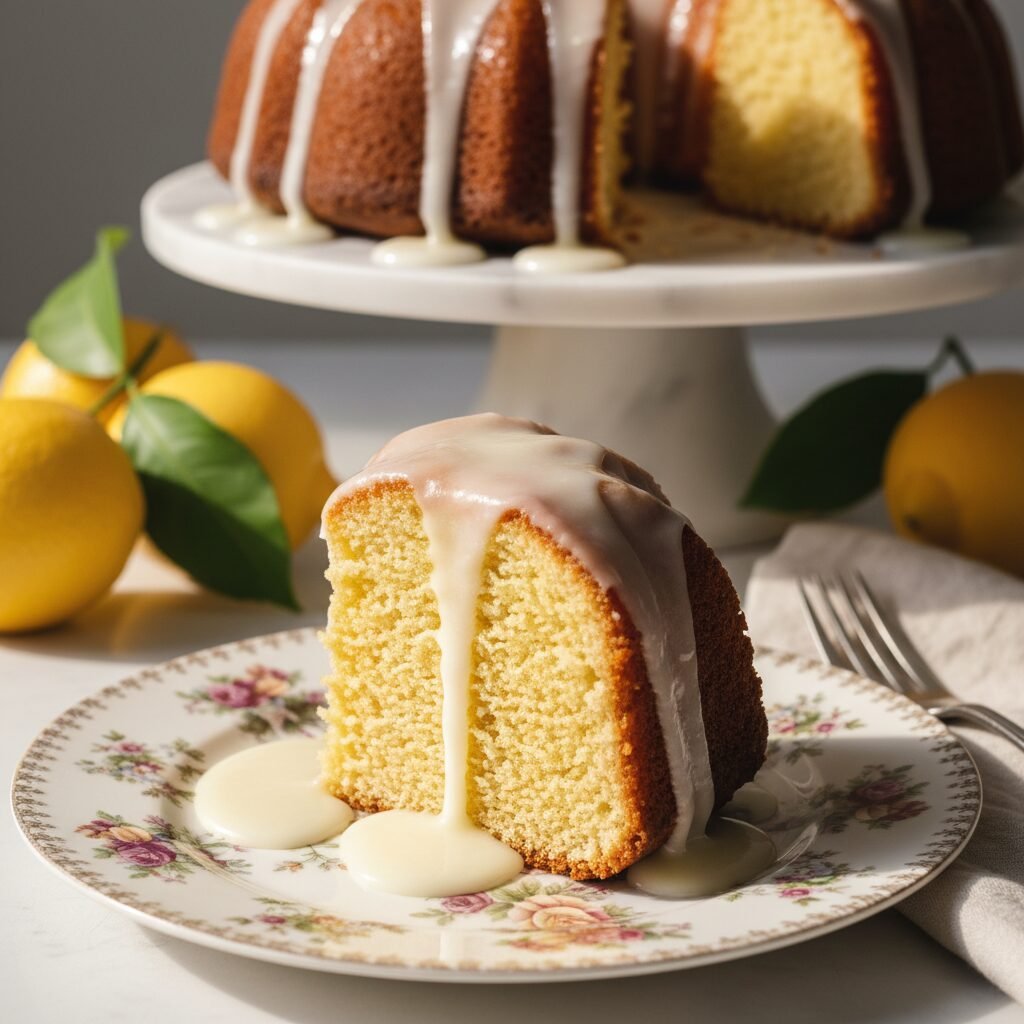
- Drizzle the glaze over the cooled cake, letting it drip down the sides. Let the glaze set for 15 minutes before slicing.
Expert Cooking Tips
- ✓Room temperature ingredients are non-negotiable. If the butter or cream cheese is cold, they won’t emulsify properly with the sugar, leading to a dense or greasy cake.
- ✓Measure flour correctly. Spoon the flour into the measuring cup and level it off with a knife. Scooping directly packs the flour, leading to a dry cake.
- ✓Don’t rush the creaming process. That 5-7 minutes of beating sugar and fat is what creates the cake’s lift.
- ✓Grease the pan right before filling. If you do it too early, the oil can slide down the sides of the pan, leaving top edges exposed.
- ✓Cooling time matters. If you try to flip the cake too soon, it may break. If you wait too long, it may stick to the pan as the sugars cool and harden.
- ✓Use fresh lemons. Bottled lemon juice lacks the zest oils and brightness required for the signature flavor profile.
Substitutions and Variations
Baking is chemistry, so substitutions should be made with caution. However, there are a few safe swaps. If you cannot find cake flour, you can make a substitute by removing 2 tablespoons of all-purpose flour from every cup and replacing it with cornstarch; sift together twice before using. For the fat, you must use full-fat cream cheese in a block, not the whipped spreadable kind in a tub, as the water content is different. If you prefer a different citrus profile, orange or lime zest and juice can replace the lemon 1:1 for a different flavor twist. Salted butter can be used instead of unsalted, but you should omit the added salt in the recipe. Do not substitute margarine for butter, as the water content is too high and the flavor will suffer.
Common Mistakes to Avoid
The most common mistake is opening the oven door too early. Pound cakes are heavy and take a long time to set; a rush of cold air can cause the cake to collapse in the center. Another frequent error is overmixing the batter after adding the flour. Once the flour hits the liquid, gluten begins to develop. Mixing too much creates a chewy, bread-like texture rather than a tender crumb. Using a dark-colored Bundt pan can sometimes cause the outside of the cake to burn before the inside is cooked; if you have a dark pan, consider lowering the oven temperature by 25°F. Lastly, failing to scrape the bowl during mixing results in streaks of unincorporated butter or egg, which can cause uneven baking.
Serving Suggestions
This cake is stunning on its own, but it pairs beautifully with fresh berries—strawberries, blueberries, or raspberries—which complement the lemon flavor. A dollop of freshly whipped cream or a scoop of vanilla bean ice cream can turn a slice into a decadent dessert course. For a brunch setting, serve thin slices alongside coffee or Earl Grey tea; the bergamot in the tea echoes the citrus notes in the cake. If you want to dress it up for a holiday, garnish with candied lemon peel or edible flowers like pansies or nasturtiums.
Storage and Reheating Tips
Pound cake is one of the few cakes that stores exceptionally well. Store the cake in an airtight container or under a cake dome at room temperature for up to 3-4 days. In fact, the flavors often meld and improve on the second day. For longer storage, wrap the cake (whole or slices) tightly in plastic wrap, then in aluminum foil, and freeze for up to 3 months. Thaw frozen cake on the counter at room temperature before serving. Avoid storing it in the refrigerator, as the cold environment will dry out the crumb and make the butter harden, altering the texture.
Nutrition Facts (Estimated)
| Serving Size | 1 slice |
| Calories | 480 |
| Fat | 24g |
| Saturated Fat | 14g |
| Unsaturated Fat | 8g |
| Trans Fat | 0.5g |
| Cholesterol | 115mg |
| Sodium | 210mg |
| Carbohydrates | 62g |
| Fiber | 1g |
| Sugar | 42g |
| Protein | 6g |
Frequently Asked Questions
Why did my pound cake crack on top?
Cracking is actually normal and often desired for pound cakes! It indicates the batter rose properly and the crust set before the interior finished expanding. However, if the crack is excessive, your oven temperature might be too high.
Can I use all-purpose flour instead of cake flour?
Yes, but the texture will be slightly denser and less velvety. Cake flour has less protein, which ensures a tender crumb. See the substitutions section for a DIY cake flour hack.
Why is my cake heavy and gluey at the bottom?
This is often called a ‘sad streak.’ It usually happens if the butter and sugar weren’t creamed long enough, or if the oven temperature was too low, preventing the cake from rising before the structure set.
Can I bake this in loaf pans instead of a Bundt pan?
Absolutely. This recipe yields a large amount of batter, enough for two standard 9×5 inch loaf pans. Adjust the baking time to roughly 55-65 minutes and check for doneness.
How do I prevent the cake from sticking to the Bundt pan?
Use a ‘baking spray with flour’ specifically designed for baking, or grease thoroughly with shortening and dust with flour. Ensure you get into every nook and cranny of the design.
Do I have to use room temperature eggs?
Yes. Cold eggs will shock the creamed butter mixture, causing it to curdle or separate. This breaks the emulsion and leads to a dense, greasy cake.
Can I add blueberries or nuts to this recipe?
Yes! Toss about 1.5 cups of blueberries or chopped nuts in a tablespoon of flour before folding them into the batter at the very end. The flour helps prevent them from sinking to the bottom.
Is the lemon extract necessary?
It enhances the flavor, but if you prefer a subtle lemon taste, you can rely solely on the zest. Alternatively, you can use vanilla extract only for a classic cream cheese flavor with just a lemon glaze.
Conclusion
Mastering this Moist Cream Cheese Pound Cake with Lemon Glaze is a milestone for any home baker. It is a recipe that rewards patience and attention to detail with a product that is superior to anything you can buy in a store. The interplay of the tangy glaze against the rich, dense crumb creates a harmony of flavors that is simply unforgettable. Whether you are baking for a special occasion or just to treat your family, this cake is sure to become a requested favorite in your household. Happy baking!