The Ultimate Moist Chocolate Sheet Cake With Creamy Peanut Butter Frosting
Moist Chocolate Sheet Cake With Peanut Butter Frosting Recipe
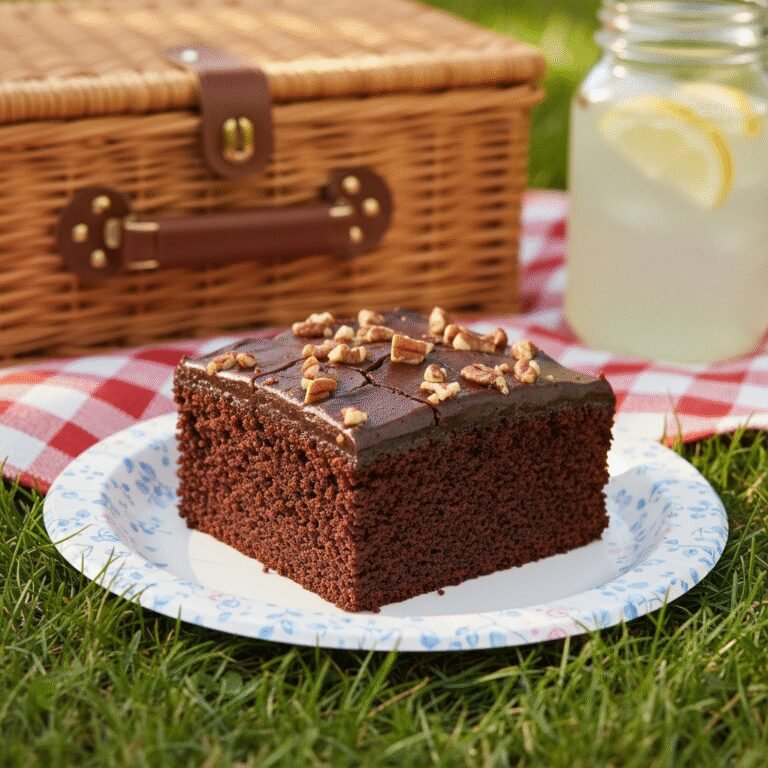
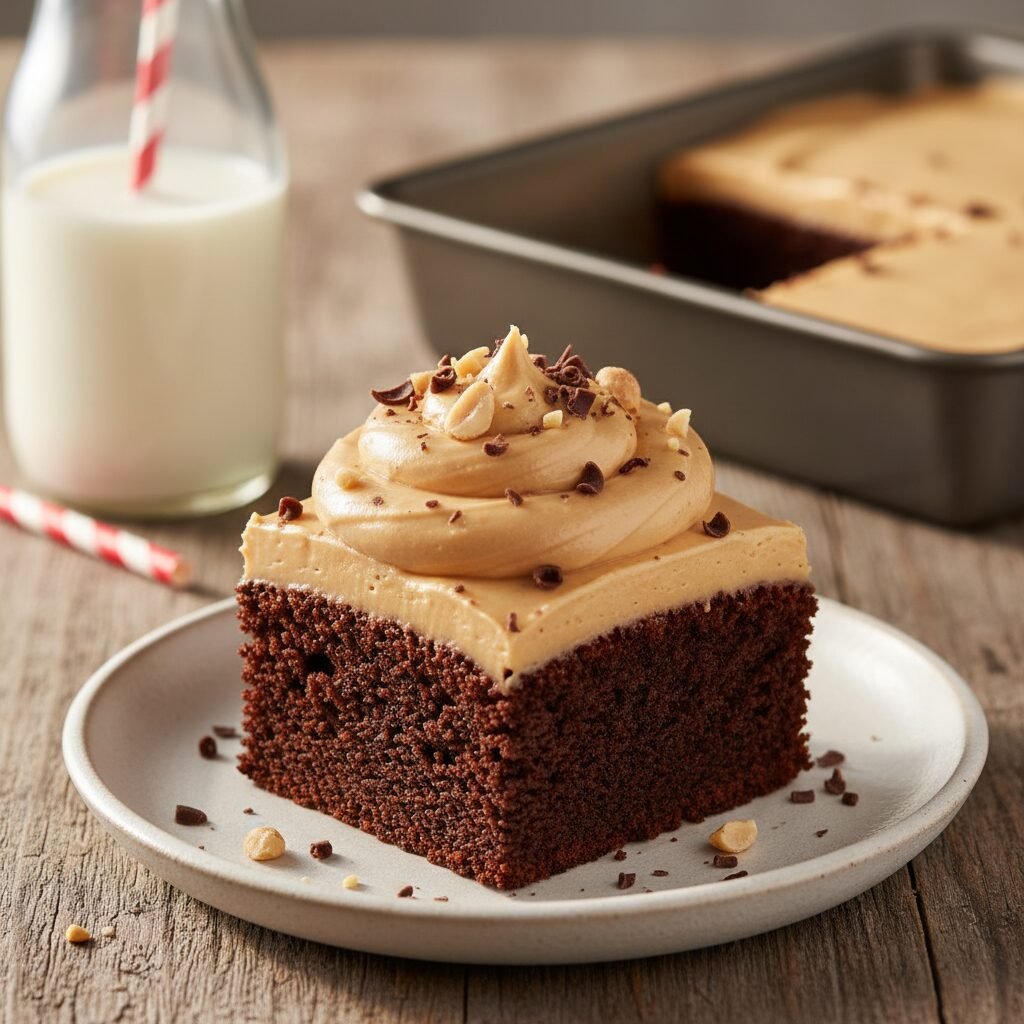
This crowd-pleasing chocolate sheet cake pairs a tender, ultra-moist crumb with a rich and fluffy peanut butter frosting. It is the quintessential potluck dessert that comes together in minutes and feeds a crowd, delivering a nostalgic flavor combination that never goes out of style.
20 minutes
20 minutes
40 minutes (plus cooling)
24 servings
Dessert
Baking
American
Vegetarian
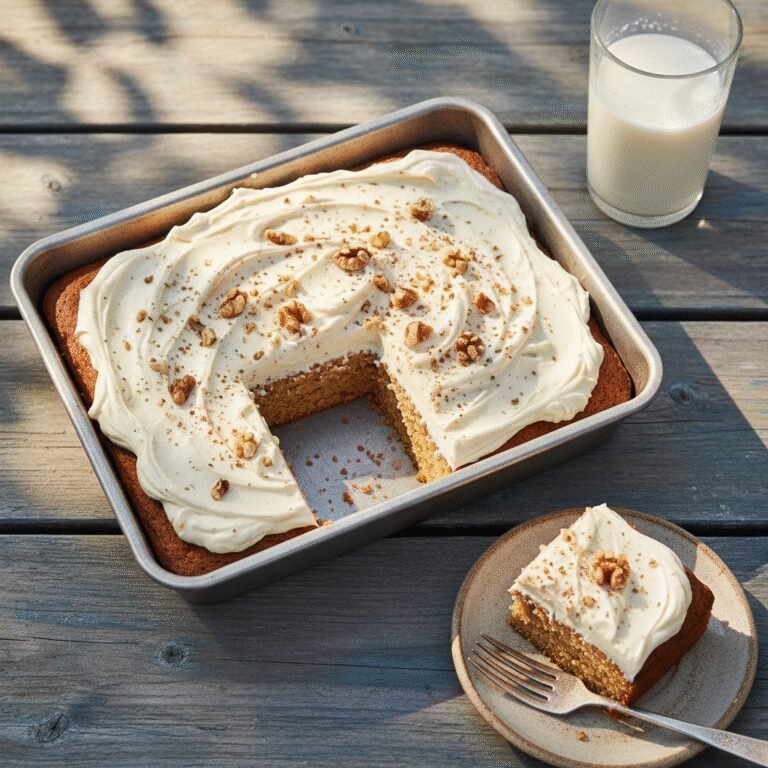
There are few flavor combinations as iconic and universally adored as chocolate and peanut butter. It is a marriage of textures and tastes that transcends trends, finding its way into candy bars, cookies, and, most gloriously, this Moist Chocolate Sheet Cake with Peanut Butter Frosting. This recipe is not just another cake; it is a celebration of comfort food at its finest. Imagine a cake base that is impossibly soft, deeply chocolatey, and moist enough to stay fresh for days, thanks to a specific method of melting butter and boiling water with cocoa powder. This technique, often associated with the classic Texas Sheet Cake, blooms the cocoa, intensifying the chocolate flavor while ensuring the crumb remains tender rather than dry or crumbly. But the real showstopper here is the frosting. Unlike a standard buttercream that can sometimes be too stiff or overly sweet, this peanut butter frosting is whipped to a cloud-like consistency. It strikes the perfect balance between salty and sweet, with a nutty richness that cuts through the dark intensity of the chocolate cake. This dessert is designed for gathering. It is baked in a large jelly roll pan or sheet pan, making it ideal for birthdays, church picnics, backyard barbecues, or simply a Tuesday night when you need a slice of happiness. The beauty of a sheet cake lies in its surface area; every single slice gets a generous, equal ratio of frosting to cake, ensuring that no bite is left wanting. Whether you are a seasoned baker or a novice in the kitchen, this recipe is forgiving and straightforward, yielding bakery-quality results with minimal effort. Get ready to become the most popular person at the party, because once you set this pan down, it will disappear in record time.
History & Origins
The concept of the sheet cake, particularly the chocolate variety often known as ‘Texas Sheet Cake,’ has deep roots in 20th-century American home baking. While the exact origins of the name ‘Texas Sheet Cake’ are debated—some claim it is because the cake is as large as Texas, others suggest it was first published in a Texas newspaper—the method of boiling liquid and fat before adding flour dates back to early 20th-century ‘boiled’ cakes. These recipes became staples in community cookbooks and newspapers because they were reliable, economical, and could feed a large number of people with relatively inexpensive pantry ingredients. The integration of peanut butter frosting is a distinctly American evolution. Peanut butter became a household staple in the United States after World War II, moving from a savory protein substitute to a beloved confectionery ingredient. By the 1960s and 70s, ‘lunch lady’ cakes—large sheet cakes served in school cafeterias—often featured this winning combination. The peanut butter frosting variation gained traction in the Midwest and South, where potlucks are a cultural institution. It offered a savory-sweet alternative to the traditional boiled chocolate fudge icing found on the classic Texas version. Over the decades, this cake has cemented its status as a nostalgic classic, evoking memories of school lunches, family reunions, and community gatherings. It represents a time in culinary history when convenience and volume were paramount, yet flavor was never sacrificed. Today, it stands as a testament to the enduring appeal of simple, honest, scratch-made baking.
Why This Recipe Works
This recipe succeeds where others fail due to the specific science behind the ingredient interactions and the preparation method. First, the ‘blooming’ of the cocoa powder is critical. By mixing the cocoa with boiling water, we dissolve the cocoa butter and release flavor compounds that are otherwise locked away, resulting in a deeper, more complex chocolate taste without requiring expensive chocolate bars. Second, the inclusion of buttermilk and baking soda creates a chemical reaction that produces carbon dioxide gas. This leavening action, combined with the acidity of the buttermilk, tenderizes the gluten in the flour, ensuring the cake is incredibly soft and fluffy rather than dense or chewy. The high ratio of liquid to flour guarantees moisture retention, meaning the cake won’t dry out even if sitting out for a party. Regarding the frosting, adding the peanut butter while the butter is softened but not melted allows for an emulsion that holds air when whipped. This creates a frosting that is spreadable and light, rather than heavy and greasy. Finally, the geometry of a sheet pan works in favor of the texture; because the cake is thin, it bakes quickly and evenly, preventing the edges from drying out before the center is cooked, which is a common issue with deeper round cakes.
Why You’ll Love This Recipe
- ✓Incredibly moist crumb that stays soft for days.
- ✓Perfect frosting-to-cake ratio in every slice.
- ✓Feeds a large crowd, making it perfect for parties.
- ✓Rich peanut butter flavor that isn’t overly sweet.
- ✓Simple pantry ingredients with no fancy equipment needed.
- ✓Bakes in under 25 minutes.
Equipment You’ll Need
- ✓13×18 inch jelly roll pan or baking sheet
- ✓Large saucepan
- ✓Large mixing bowl
- ✓Whisk
- ✓Electric hand mixer or stand mixer
- ✓Rubber spatula
- ✓Measuring cups and spoons
- ✓Offset spatula
Ingredients
- ✓2 cups all-purpose flour
- ✓2 cups granulated sugar
- ✓1 teaspoon baking soda
- ✓1/2 teaspoon salt
- ✓1 cup unsalted butter (2 sticks)
- ✓1 cup water
- ✓1/4 cup unsweetened cocoa powder
- ✓1/2 cup buttermilk, room temperature
- ✓2 large eggs, room temperature
- ✓1 teaspoon pure vanilla extract
- ✓For the Frosting: 1/2 cup unsalted butter, softened
- ✓1 cup creamy peanut butter (commercial brand preferred)
- ✓3 cups powdered sugar
- ✓1/3 cup heavy cream or whole milk
- ✓1 teaspoon vanilla extract
- ✓Pinch of salt
Instructions
- Preheat your oven to 350°F (175°C). Grease a 13×18 inch jelly roll pan or rimmed baking sheet generously with butter or non-stick cooking spray.
- In a large mixing bowl, whisk together the flour, sugar, baking soda, and salt until well combined. Set aside.
- In a large saucepan over medium heat, combine the 1 cup of butter, water, and cocoa powder. Bring the mixture to a boil, whisking constantly to ensure the cocoa is smooth and fully dissolved. Remove from heat immediately once it boils.
- Pour the hot chocolate mixture over the dry ingredients in the large bowl. Whisk gently until the mixture is smooth and combined. It will be relatively thin; this is normal.
- In a separate small bowl or measuring cup, whisk together the buttermilk, eggs, and vanilla extract until the eggs are broken up.
- Add the buttermilk mixture to the chocolate batter and whisk until fully incorporated and the batter is uniform in color.
- Pour the batter into the prepared baking pan. Use a spatula to spread it out evenly into the corners.
- Bake for 18 to 22 minutes, or until a toothpick inserted into the center comes out clean or with just a few moist crumbs. Do not overbake.
- Remove the cake from the oven and place the pan on a wire rack to cool completely. The cake must be cool before frosting, or the peanut butter frosting will melt.
- While the cake cools, prepare the frosting. In a large bowl using an electric mixer, beat the softened butter and peanut butter together on medium-high speed until smooth and creamy (about 2 minutes).
- Reduce the mixer speed to low and gradually add the powdered sugar, alternating with the heavy cream/milk. Add the vanilla and pinch of salt.
- Once all ingredients are added, increase the speed to high and whip for 2-3 minutes until the frosting is fluffy and light.
- Spread the frosting evenly over the cooled cake using an offset spatula. Slice into squares and serve.
Expert Cooking Tips
- ✓Ensure your eggs and buttermilk are at room temperature to prevent the butter from seizing when mixed.
- ✓Do not skip the boiling step; it blooms the cocoa for a richer chocolate flavor.
- ✓Use a commercial peanut butter like Jif or Skippy for the frosting; natural peanut butters can separate and make the frosting oily.
- ✓If you don’t have buttermilk, make a substitute by adding 1/2 tablespoon of lemon juice or vinegar to 1/2 cup of milk and letting it sit for 5 minutes.
- ✓Watch the cake closely during the final minutes of baking; sheet cakes bake fast and can dry out quickly.
- ✓Sift your powdered sugar before making the frosting to ensure a lump-free, silky texture.
- ✓For a decorative touch, sprinkle chopped peanuts, chocolate chips, or Reese’s pieces on top of the frosting.
Substitutions and Variations
This recipe is quite adaptable if you find yourself missing a few ingredients. For the flour, you can use a 1:1 gluten-free all-purpose flour blend that contains xanthan gum if you need to make this gluten-free. If you are out of buttermilk, you can use sour cream or plain Greek yogurt thinned with a little milk as a direct substitute, or use the milk and vinegar trick mentioned in the tips. For the cocoa powder, natural unsweetened cocoa is standard, but Dutch-processed cocoa can be used for a darker color and mellower flavor. In the frosting, you can swap the heavy cream for whole milk or even almond milk, though the frosting might be slightly less rich. If you have a nut allergy but want a similar texture, cookie butter (Speculoos) or sunflower seed butter can replace the peanut butter, creating a delicious alternative flavor profile. Salted butter can be used in place of unsalted; just omit the additional salt listed in the ingredients. For a dairy-free version, use plant-based butter sticks and almond milk mixed with vinegar for the buttermilk, and ensure your chocolate and peanut butter are dairy-free compliant.
Common Mistakes to Avoid
The most common mistake with sheet cakes is overbaking. Because the batter is spread thin, the difference between a moist cake and a dry one is a matter of two or three minutes. Start checking for doneness at the 18-minute mark. Another frequent error is frosting the cake while it is still warm. While traditional Texas Sheet Cake calls for pouring warm icing over warm cake, this peanut butter frosting is a buttercream style. If the cake is even slightly warm, the butter in the frosting will melt, causing it to slide off or become greasy and translucent. Additionally, using natural peanut butter (the kind that requires stirring) can be disastrous for the frosting’s texture, often leading to separation or a gritty mouthfeel. Stick to stabilized, creamy peanut butter for the best results. Finally, when mixing the wet and dry ingredients, be careful not to overmix once the flour is added. Overmixing develops gluten, which can make this tender cake tough and rubbery.
Serving Suggestions
This cake is a star on its own, but it can be elevated with a few simple additions. Serve a square on a dessert plate with a tall glass of cold milk, which perfectly complements the rich peanut butter and chocolate. For a more decadent dessert, add a scoop of vanilla bean ice cream on the side; the cold ice cream against the soft cake is delightful. You can also drizzle chocolate ganache or caramel sauce over the top for extra flair. If serving at a party, cut the pieces smaller than usual; sheet cakes are rich, and bite-sized squares allow guests to grab a treat without committing to a huge slice. It pairs wonderfully with hot coffee or espresso, cutting the sweetness. For a festive look, garnish the top with chopped roasted peanuts, mini chocolate chips, or even chocolate sprinkles to add texture and visual appeal.
Storage and Reheating Tips
This cake stores beautifully, which is one of its best qualities. Because of the high fat and moisture content, it stays fresh at room temperature for up to 3 days. Keep it tightly covered with plastic wrap or a fitted lid for the pan to prevent air from drying out the cut edges. If your kitchen is particularly hot or humid, or if you want to keep it longer, you can store the cake in the refrigerator for up to 5 days. Just be sure to let it come to room temperature before serving, as cold butter frosting can be hard and the cake flavor is more muted when cold. This cake also freezes exceptionally well. You can freeze individual slices wrapped in plastic wrap and then placed in a freezer bag for up to 3 months. To freeze the whole cake, flash freeze it uncovered for an hour to set the frosting, then wrap the entire pan tightly in two layers of plastic wrap and one layer of foil. Thaw on the counter for a few hours before serving.
Nutrition Facts (Estimated)
| Serving Size | 1 slice |
| Calories | 380 |
| Fat | 20g |
| Saturated Fat | 9g |
| Unsaturated Fat | 11g |
| Trans Fat | 0g |
| Cholesterol | 45mg |
| Sodium | 210mg |
| Carbohydrates | 48g |
| Fiber | 2g |
| Sugar | 32g |
| Protein | 6g |
Frequently Asked Questions
Can I make this cake in a 9×13 pan instead of a sheet pan?
Yes, you can, but the baking time will change significantly. A 9×13 pan will result in a much thicker cake. You will likely need to bake it for 35-45 minutes. Keep an eye on it and test with a toothpick.
Why is my frosting runny?
Runny frosting usually happens if the butter was melted rather than softened, or if too much liquid (milk/cream) was added. You can thicken it by adding more powdered sugar, a few tablespoons at a time, until it reaches the desired consistency.
Can I use crunchy peanut butter?
Absolutely! If you prefer texture in your frosting, crunchy peanut butter works great. Just be aware that it won’t pipe smoothly if you were planning to use a piping bag, but for spreading with a spatula, it is delicious.
Do I really need to boil the water and butter?
Yes, this is a crucial step for the texture of the cake. The hot liquid blooms the cocoa powder and starts the chemical reaction with the baking soda immediately upon mixing, creating the unique, tender crumb of a sheet cake.
Can I halve this recipe?
Yes, you can halve the ingredients and bake it in a 9×13 pan for a thinner cake (similar to the sheet pan thickness) or a 9×9 square pan for a thicker cake. Adjust baking times accordingly.
Why did my cake sink in the middle?
Sinking usually occurs if the oven door was opened too early during baking, causing a temperature drop, or if the cake was underbaked. It can also happen if there was too much leavening (baking soda) measured.
Is this cake safe to leave out overnight?
Yes, the sugar content in the frosting acts as a preservative for the dairy. It is safe to leave covered at room temperature for 2-3 days. If you live in a very hot climate, refrigeration might be better.
Can I use coffee instead of water?
Yes! substituting the 1 cup of water with 1 cup of hot brewed coffee will intensify the chocolate flavor without making the cake taste like coffee. It is a popular variation.
How do I get clean cuts on the slices?
Chill the cake for about 30 minutes before slicing. Use a sharp chef’s knife and wipe the blade clean with a warm, damp cloth between each cut for perfect, bakery-style squares.
Conclusion
There is something undeniably magical about a homemade sheet cake. It represents hospitality, abundance, and the simple joy of sharing food with the people you love. This Moist Chocolate Sheet Cake with Peanut Butter Frosting is more than just a recipe; it is a reliable companion for all of life’s celebrations, big and small. The contrast between the deep, dark chocolate base and the airy, nutty frosting creates a flavor profile that is both sophisticated and deeply comforting. We hope this cake becomes a staple in your kitchen, a recipe you turn to whenever you need to bring a smile to someone’s face. Whether it is for a birthday party, a holiday spread, or just a treat for yourself, this cake delivers on every promise. Happy baking!