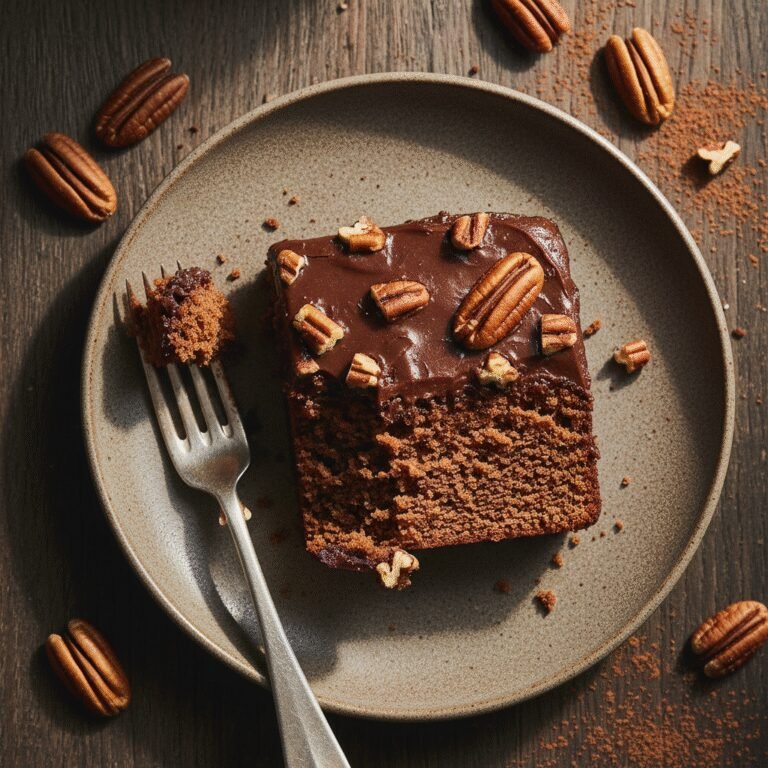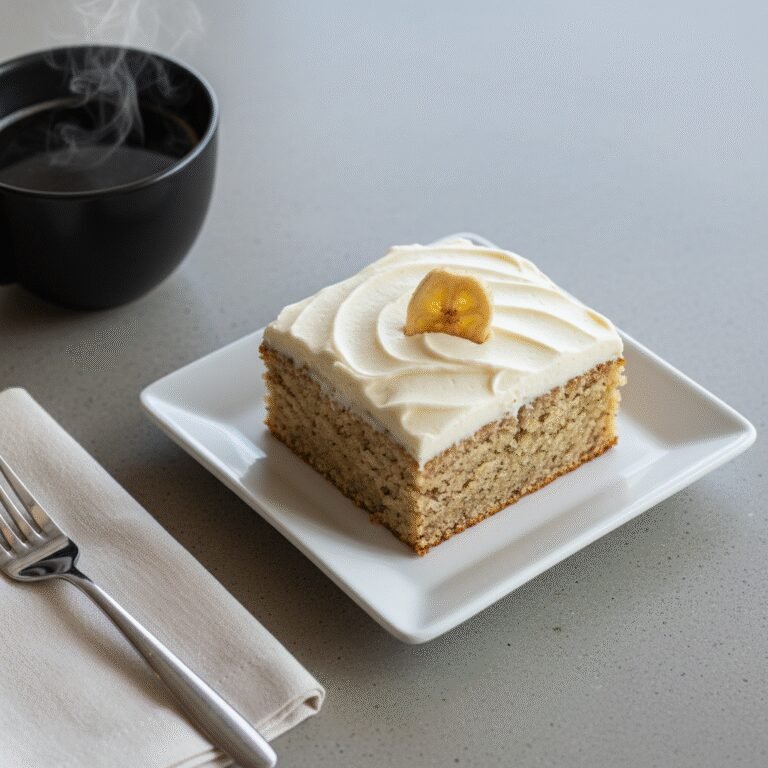
The Ultimate Moist Chocolate Sheet Cake With Cream Cheese Frosting
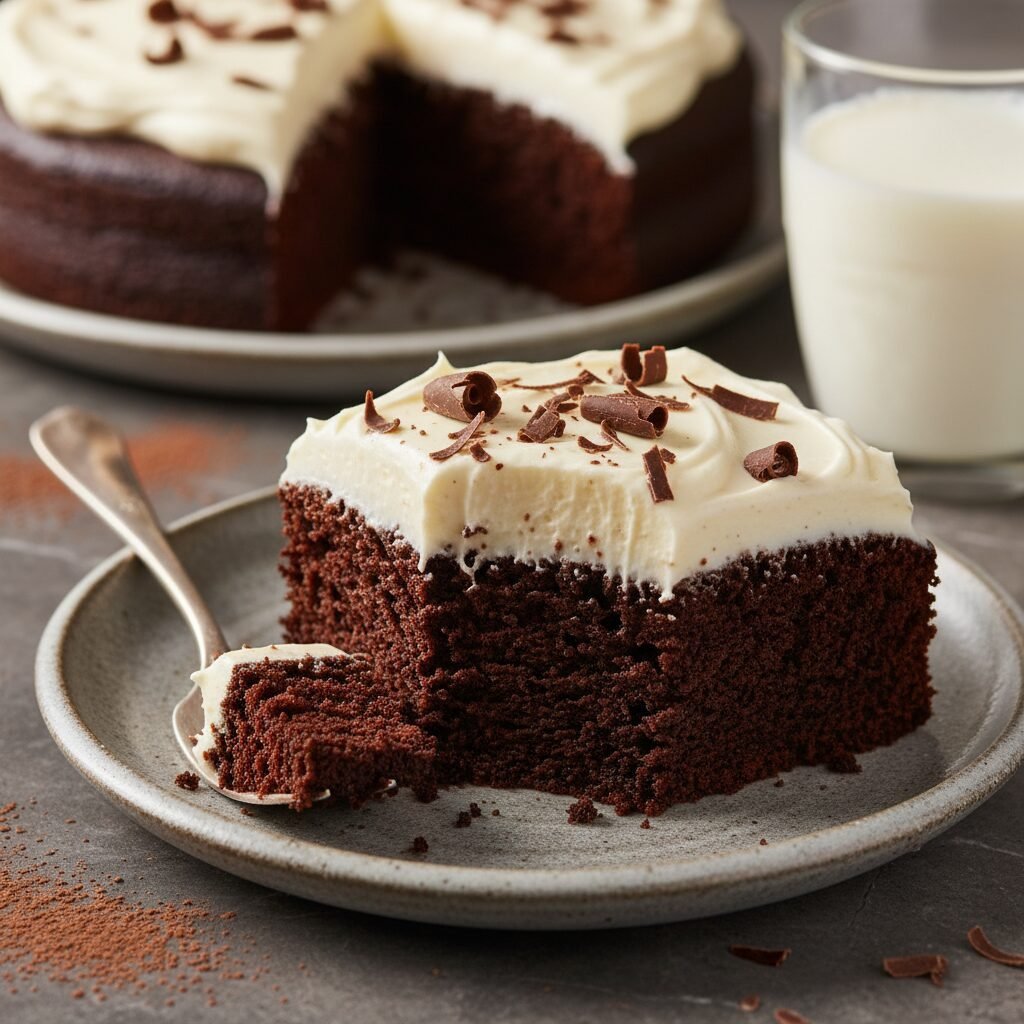
Moist Chocolate Sheet Cake With Cream Cheese Frosting Recipe
Discover the secret to the most tender, melt-in-your-mouth chocolate sheet cake you will ever taste. Paired with a tangy, velvety cream cheese frosting, this crowd-pleasing dessert is perfect for birthdays, potlucks, or any time you need a serious chocolate fix.
20 minutes
35 minutes
55 minutes
15 servings
Dessert
Baking
American
Vegetarian
There are few things in the culinary world as universally comforting as a slice of homemade chocolate cake, but this Moist Chocolate Sheet Cake with Cream Cheese Frosting takes that comfort to an entirely new level. If you have been searching for a recipe that delivers deep, intense chocolate flavor without the dryness that often plagues baked goods, your search ends here. This cake is affectionately known in baking circles as the ‘fail-proof’ chocolate cake because it relies on a specific chemical reaction between acidic ingredients and cocoa powder to ensure a crumb that is impossibly soft and moist.
The magic lies in the simplicity of the sheet cake format. Unlike towering layer cakes that require structural integrity and often sacrifice texture for stability, a sheet cake is allowed to be incredibly tender. It bakes evenly and quickly, retaining moisture that taller cakes often lose during long oven stints. But the cake is only half the story. The crowning glory is the luscious cream cheese frosting. While a traditional buttercream can sometimes be cloyingly sweet, the slight tang of cream cheese cuts through the richness of the chocolate, creating a sophisticated balance of flavors that dances on the palate.
This recipe is designed for the home baker who wants bakery-quality results without the fuss. It requires no fancy equipment—just a few bowls and a whisk—and comes together in minutes. Whether you are hosting a large family gathering, preparing for a school bake sale, or simply treating yourself after a long week, this cake promises to deliver pure joy in every bite. The texture is akin to a fudge brownie meeting a fluffy sponge, resulting in a decadent mouthfeel that keeps people coming back for seconds, and often thirds.
History & Origins
The concept of the sheet cake is deeply rooted in mid-20th-century American home cooking, a time when convenience and feeding large crowds were paramount. While chocolate cakes have existed since the 19th century—initially as yellow cakes with chocolate frosting before cocoa powder became more accessible—the specific evolution of the moist chocolate sheet cake is often tied to the legendary ‘Texas Sheet Cake.’
Emerging in popularity during the 1950s and 60s, the Texas Sheet Cake was a staple at church picnics, rodeos, and community potlucks across the Southern United States. Its defining characteristics were its size (baked in a jelly roll pan), its richness (often involving boiled icing poured over warm cake), and the inclusion of buttermilk and pecans. Food historians speculate that the name might reference the sheer size of the cake—as big as Texas—or perhaps a recipe published in a Texas newspaper that gained syndication.
Our version pays homage to this culinary icon but swaps the traditional warm fudge icing for a thick, swirlable cream cheese frosting. Cream cheese frosting itself gained massive popularity in the US alongside the rise of Carrot Cake in the 1960s. By marrying the structural ease of the Southern sheet cake with the tangy, creamy topping popularized by carrot cake enthusiasts, this recipe represents a modern fusion of two beloved American baking traditions. It reflects a shift in palate towards contrasting flavors—rich cocoa and tangy dairy—rather than the singular sweetness of the past. Today, the chocolate sheet cake remains a symbol of hospitality, offering a generous yield that invites sharing and community.
Why This Recipe Works
The science behind this cake is what separates a ‘good’ recipe from a ‘great’ one. First and foremost, we use oil instead of butter for the cake base. While butter adds flavor, it contains water and milk solids that can lead to a drier crumb once the cake cools. Oil, being 100% fat and liquid at room temperature, coats the flour proteins more effectively, preventing gluten over-development and ensuring the cake stays moist for days.
Secondly, the recipe calls for hot coffee. This isn’t to make the cake taste like java; rather, the heat helps to ‘bloom’ the cocoa powder. Blooming releases the flavor compounds trapped in the cocoa solids, resulting in a more robust and complex chocolate profile. The acidity of the coffee, combined with the buttermilk, reacts vigorously with the baking soda. This reaction creates carbon dioxide bubbles that expand the batter, giving the cake a glorious lift and an airy, yet fudgy texture.
Finally, the cream cheese frosting works because of its fat-to-sugar ratio. Cream cheese has a higher water content and acidity compared to butter. When whipped with powdered sugar and a touch of butter for stability, it creates an emulsion that is silky and spreadable without being greasy. The tangy lactic acid in the cheese neutralizes the heavy sweetness of the powdered sugar, providing a refreshing counterpoint to the dense, dark chocolate sponge.
Why You’ll Love This Recipe
- ✓Incredibly moist texture that stays fresh for days.
- ✓Deep, intense chocolate flavor boosted by hot coffee.
- ✓Tangy cream cheese frosting balances the sweetness perfectly.
- ✓Feeds a crowd: yields 12-15 generous servings.
- ✓No mixer required for the cake batter—just a whisk!
- ✓Simple ingredients found in any standard pantry.
Equipment You’ll Need
- ✓9×13 inch baking pan
- ✓Large mixing bowl
- ✓Medium mixing bowl
- ✓Whisk
- ✓Electric hand mixer or stand mixer (for frosting)
- ✓Rubber spatula
- ✓Measuring cups and spoons
- ✓Wire cooling rack
Ingredients
- ✓2 cups all-purpose flour
- ✓2 cups granulated sugar
- ✓3/4 cup unsweetened cocoa powder
- ✓2 teaspoons baking soda
- ✓1 teaspoon baking powder
- ✓1 teaspoon salt
- ✓2 large eggs, room temperature
- ✓1 cup buttermilk, room temperature
- ✓1 cup strong hot coffee
- ✓1/2 cup vegetable oil or canola oil
- ✓2 teaspoons vanilla extract
- ✓8 oz cream cheese, softened (for frosting)
- ✓1/2 cup unsalted butter, softened (for frosting)
- ✓3 cups powdered sugar (for frosting)
- ✓1 teaspoon vanilla extract (for frosting)
- ✓Pinch of salt (for frosting)
Instructions
- Preheat your oven to 350°F (175°C). Grease a 9×13 inch baking pan with butter or non-stick cooking spray and lightly dust with flour or cocoa powder.
- In a large mixing bowl, whisk together the dry ingredients: flour, sugar, cocoa powder, baking soda, baking powder, and salt until well combined and no lumps remain.
- In a separate medium bowl, whisk together the wet ingredients: eggs, buttermilk, oil, and vanilla extract.
- Pour the wet ingredients into the dry ingredients and whisk until just combined. Do not overmix.
- Slowly pour in the hot coffee while whisking gently. The batter will be very thin and liquid; this is normal and essential for moisture.
- Pour the batter into the prepared baking pan. Tap the pan gently on the counter to release any large air bubbles.
- Bake for 30-35 minutes, or until a toothpick inserted into the center comes out clean or with just a few moist crumbs attached.
- Remove the cake from the oven and let it cool completely in the pan on a wire rack. The cake must be cool before frosting.
- While the cake cools, make the frosting: In a large bowl using a handheld or stand mixer, beat the softened cream cheese and butter together on medium-high speed until smooth and creamy (about 2-3 minutes).
- Reduce the mixer speed to low and gradually add the powdered sugar, one cup at a time, until fully incorporated.
- Add the vanilla extract and a pinch of salt. Increase the speed to high and beat for another 2 minutes until the frosting is fluffy and white.
- Spread the frosting generously over the cooled cake using a spatula or offset knife. Slice and serve.
Expert Cooking Tips
- ✓Ensure all refrigerated ingredients (eggs, buttermilk, cream cheese) are at room temperature before starting. This ensures a smooth emulsion.
- ✓Do not skip the hot coffee; if you are sensitive to caffeine, use decaf. Hot water works too, but coffee adds depth.
- ✓Don’t over-bake! Check the cake at the 30-minute mark. Over-baking is the number one cause of dry cake.
- ✓Sift your cocoa powder and powdered sugar to avoid lumpy batter and grainy frosting.
- ✓If the frosting feels too soft, refrigerate it for 15 minutes before spreading it on the cake.
Substitutions and Variations
If you find yourself missing an ingredient, there are several reliable swaps you can make without compromising the integrity of the cake. For buttermilk, you can make a ‘sour milk’ substitute by adding one tablespoon of lemon juice or white vinegar to a cup of regular milk and letting it sit for 5 minutes. If you prefer not to use coffee, hot water is an acceptable alternative, though the chocolate flavor may be slightly less intense. For the vegetable oil, melted coconut oil or melted butter can be used, though melted butter will result in a slightly denser texture. In the frosting, mascarpone cheese can be swapped for cream cheese for a richer, less tangy flavor profile. For a gluten-free version, use a high-quality 1:1 gluten-free all-purpose flour blend that contains xanthan gum.
Common Mistakes to Avoid
The most common mistake with this recipe is overmixing the batter after adding the flour. Once the wet and dry ingredients meet, gluten begins to form. Too much agitation will result in a tough, rubbery cake rather than a tender one. Another pitfall is frosting the cake while it is still warm. Even a slightly warm cake will melt the butter in the cream cheese frosting, causing it to slide right off or turn into a glaze. Additionally, measuring flour incorrectly can lead to a dry cake; always use the ‘spoon and level’ method or a kitchen scale for accuracy. Finally, using cold cream cheese for the frosting will result in lumps that are impossible to beat out; ensure it is perfectly soft before mixing.
Serving Suggestions
This cake is rich and decadent, so it pairs beautifully with beverages that can cleanse the palate. A tall glass of cold milk is the classic choice, but it also goes wonderfully with a hot espresso or a cup of Earl Grey tea. For a dinner party presentation, serve each square with a garnish of fresh raspberries or strawberries; the tart fruit cuts through the creamy sweetness. You can also sprinkle the top with toasted pecans, chocolate shavings, or colorful sprinkles for a festive touch. If serving in the summer, a scoop of vanilla bean ice cream on the side is never a bad idea.
Storage and Reheating Tips
Because of the cream cheese frosting, this cake should be stored in the refrigerator. Cover the pan tightly with plastic wrap or aluminum foil, or transfer slices to an airtight container. It will keep well in the fridge for up to 5 days. However, cold cake can seem dry, so it is highly recommended to let the slices sit at room temperature for 15-20 minutes before eating to allow the frosting to soften and the crumb to relax. For long-term storage, you can freeze the frosted cake slices. Wrap individual slices in plastic wrap and then foil; they can be frozen for up to 3 months. Thaw in the refrigerator overnight before serving.
Nutrition Facts (Estimated)
| Serving Size | 1 slice |
| Calories | 450 |
| Fat | 24g |
| Saturated Fat | 9g |
| Unsaturated Fat | 14g |
| Trans Fat | 0g |
| Cholesterol | 45mg |
| Sodium | 320mg |
| Carbohydrates | 56g |
| Fiber | 3g |
| Sugar | 38g |
| Protein | 5g |
Frequently Asked Questions
Can I make this cake ahead of time?
Yes, absolutely. The cake actually tastes better the next day as the flavors have time to meld. You can bake the cake one day in advance, cover it, and frost it the next day, or store the fully frosted cake in the fridge for up to 2 days before serving.
Why is my batter so runny?
Do not panic! This batter is supposed to be very thin and liquid, almost like chocolate milk. This high liquid content ensures the flour fully hydrates and results in that signature moist texture. It will bake up perfectly.
Can I use natural cocoa powder instead of Dutch-processed?
This recipe uses baking soda, which requires an acid to activate. Natural cocoa powder is acidic, so it works perfectly here. Dutch-processed cocoa is neutral, but since the recipe also includes buttermilk and coffee (acidic ingredients), you can technically use either, though natural cocoa is preferred for the best rise.
My frosting is too runny, how do I fix it?
Runny frosting usually happens if the butter or cream cheese was too warm or melted. Try adding another 1/2 cup of powdered sugar to stiffen it up, or place the bowl in the fridge for 20 minutes to firm up the fats before beating again.
Can I bake this in round cake pans?
Yes, this recipe yields enough batter for two 9-inch round cake pans. You will need to adjust the baking time to approximately 25-30 minutes. Keep an eye on them and use the toothpick test.
Is it necessary to use room temperature eggs?
Yes. Room temperature eggs emulsify better with the oil and buttermilk, creating a more uniform batter structure that rises more evenly in the oven.
Can I reduce the sugar amount?
Baking is chemistry, and sugar does more than just sweeten; it provides moisture and tenderness. Reducing the sugar significantly will alter the texture, making the cake closer to bread. You can reduce it by about 1/4 cup without disaster, but proceed with caution.
What if I don’t have a whisk?
You can use a fork for the dry ingredients and a wooden spoon for the wet ones. Just be careful to mix thoroughly without overworking the batter.
Conclusion
In a world of complicated desserts and multi-step patisserie projects, the Moist Chocolate Sheet Cake with Cream Cheese Frosting stands as a testament to the beauty of simplicity. It is a recipe that asks for very little but gives back so much—warmth, comfort, and the undeniable pleasure of chocolate. Whether you are a novice baker looking for your first big win or a seasoned pro needing a reliable classic, this cake will not let you down. So brew that coffee, soften that butter, and get ready to bake a cake that will likely become a permanent fixture in your recipe box. Happy baking!