The Ultimate Moist Chocolate Sheet Cake For Potluck Recipe
Moist Chocolate Sheet Cake For Potluck Recipe
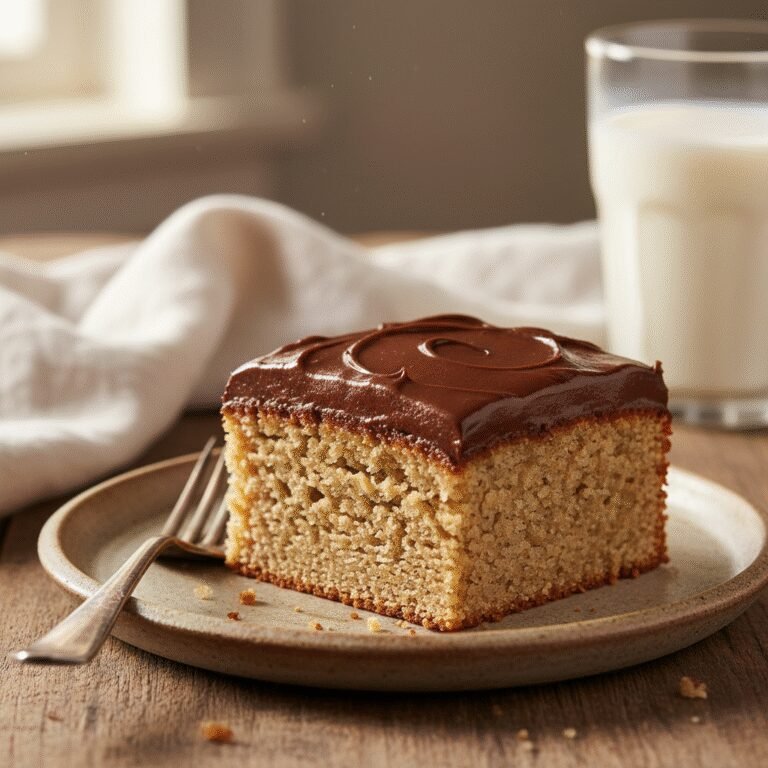
This legendary chocolate sheet cake is the undisputed champion of potlucks and family gatherings. Featuring a tender, melt-in-your-mouth crumb and a rich, warm fudge frosting poured right over the hot cake, it is incredibly easy to make and feeds a crowd with absolute ease.
20 minutes
20 minutes
45 minutes
24 servings
Dessert
Baking
American
Vegetarian
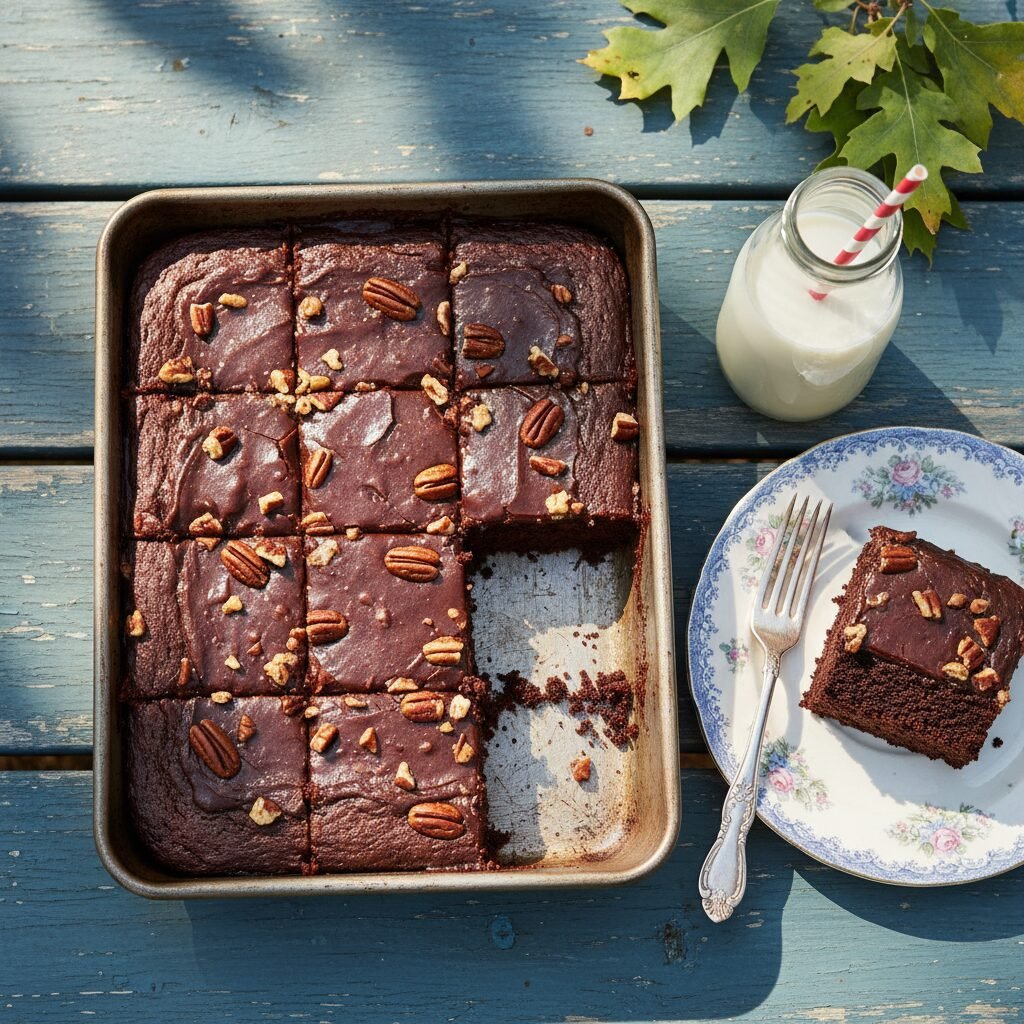
If there is one dessert that reigns supreme in the pantheon of American community gatherings, church picnics, and backyard barbecues, it is the classic Chocolate Sheet Cake. Often referred to as Texas Sheet Cake, this recipe is not your average birthday sponge. It is a culinary masterpiece of efficiency and decadence, designed specifically to feed a multitude without sacrificing an ounce of flavor. The magic of this cake lies in its unique preparation method and its texture, which sits delightfully somewhere between a fluffy cake and a fudgy brownie. Unlike traditional cakes that require creaming butter and sugar until fluffy, this recipe utilizes a boiling liquid method that melts the butter and blooms the cocoa powder before they ever hit the flour. This results in a depth of chocolate flavor that is robust and profound, rather than mild and sweet. But the true pièce de résistance is the frosting. It is not a buttercream that sits high and stiff; rather, it is a warm, pourable pecan fudge icing that is spread over the cake the moment it comes out of the oven. This creates a magical interface where the frosting slightly seeps into the warm crumb, locking in moisture and creating a gooey, transitional layer that is pure bliss. Whether you are a novice baker or a seasoned pro, this moist chocolate sheet cake for potluck recipe is guaranteed to be the first platter emptied at your next event. It evokes a sense of nostalgia and comfort that few other desserts can match, making it a timeless staple in recipe boxes across the country.
History & Origins
The history of the Chocolate Sheet Cake is as rich and layered as the dessert itself, deeply enterwined with mid-century American home cooking culture. While it is most commonly associated with the Lone Star State under the moniker ‘Texas Sheet Cake,’ its actual origins are a subject of sweet debate among food historians. Some theories suggest the name comes simply from the sheer size of the cake—it is as big as Texas—baked in a large jelly roll pan to maximize servings. Others trace it back to a recipe published in a Dallas newspaper in 1957, which solidified its regional association. However, the technique of boiling liquids and pouring them over flour bears a striking resemblance to earlier recipes for ‘boiled chocolate cake’ found in Southern cookbooks dating back to the early 20th century. The inclusion of buttermilk and pecans also points clearly to Southern agricultural staples. During the 1960s and 70s, as suburban entertaining boomed, the sheet cake became a symbol of hospitality. It represented a shift towards ‘convenience’ baking that didn’t rely on boxed mixes but was still approachable for the busy housewife. The recipe traveled through community cookbooks, Junior League collections, and handwritten recipe cards passed between neighbors, evolving slightly with each iteration but always retaining its core identity: a large, flat chocolate cake with warm icing. Today, it stands as a testament to the enduring power of communal food—a dish designed not for the individual, but for the sharing of joy among many.
Why This Recipe Works
This recipe succeeds where many other chocolate cakes fail due to a few key scientific principles occurring in the mixing bowl. First and foremost is the ‘blooming’ of the cocoa powder. By mixing the cocoa with boiling water (or hot coffee) and melted butter, you dissolve the cocoa solids more effectively than cold mixing ever could. This releases the flavorful oils within the cocoa, resulting in a far more intense chocolate profile. Secondly, the use of buttermilk is non-negotiable. The acidity in the buttermilk reacts with the baking soda to create carbon dioxide bubbles, which gives the cake its lift, but more importantly, the acid breaks down the long strands of gluten in the flour. This tenderizes the crumb, ensuring the cake is soft and velvety rather than tough or chewy. The high ratio of sugar to flour also contributes to the moisture retention, as sugar is hygroscopic and holds onto water. Finally, the frosting technique is the game-changer. Pouring hot, sugar-based icing over a hot cake defies standard baking rules which usually dictate cooling before frosting. In this case, the heat allows the icing to spread effortlessly and form a slight seal over the top. As the cake cools, the icing sets into a fudge-like consistency that creates a protective barrier, preventing the sponge underneath from drying out. This is why a sheet cake can sit on a counter for days and remain as moist as the moment it was baked.
Why You’ll Love This Recipe
- ✓Feeds a crowd of 20-24 people easily, making it the ultimate potluck weapon.
- ✓No electric mixer required; just a saucepan and a whisk.
- ✓Ready from start to finish in under 45 minutes.
- ✓The warm-on-warm frosting technique locks in moisture for days.
- ✓Rich, fudgy texture that bridges the gap between cake and brownie.
- ✓Uses pantry staple ingredients you likely already have on hand.
Equipment You’ll Need
- ✓10×15 inch Jelly Roll Pan or 13×18 inch Rimmed Baking Sheet
- ✓Large Saucepan
- ✓Large Mixing Bowl
- ✓Whisk
- ✓Measuring Cups and Spoons
- ✓Rubber Spatula
- ✓Sifter (for powdered sugar)
Ingredients
- ✓2 cups all-purpose flour
- ✓2 cups granulated sugar
- ✓1 teaspoon baking soda
- ✓1/2 teaspoon salt
- ✓1 cup unsalted butter (2 sticks)
- ✓1/3 cup unsweetened cocoa powder (high quality preferred)
- ✓1 cup water (or hot coffee for deeper flavor)
- ✓1/2 cup buttermilk, room temperature
- ✓2 large eggs, room temperature
- ✓1 teaspoon pure vanilla extract
- ✓FOR THE FROSTING: 1/2 cup unsalted butter (1 stick)
- ✓1/4 cup unsweetened cocoa powder
- ✓1/3 cup whole milk
- ✓3 cups powdered sugar, sifted
- ✓1 teaspoon pure vanilla extract
- ✓1 cup chopped pecans (optional, but recommended)
Instructions
- Preheat your oven to 350°F (175°C). Grease a 10×15-inch jelly roll pan or a standard 13×18-inch rimmed baking sheet generously with butter or non-stick cooking spray.
- In a large mixing bowl, whisk together the flour, granulated sugar, baking soda, and salt until well combined. Set aside.
- In a large saucepan over medium heat, melt the 1 cup of butter. Once melted, whisk in the 1/3 cup cocoa powder and 1 cup water (or coffee). Bring the mixture to a rapid boil, then immediately remove from heat.
- Pour the hot chocolate mixture over the dry ingredients in the large bowl. Whisk gently until the mixture is smooth and no large lumps remain. It will be thin; this is normal.
- In a separate small bowl or measuring cup, whisk together the buttermilk, eggs, and vanilla extract. Pour this into the chocolate batter and whisk until fully incorporated and the batter is uniform in color.
- Pour the batter into the prepared baking pan, spreading it out evenly to the corners with a spatula. Bake for 18-22 minutes, or until a toothpick inserted into the center comes out clean or with just a few moist crumbs.
- While the cake has about 5 minutes left in the oven, start the frosting. In the same saucepan used earlier (wiped clean), melt the 1/2 cup butter over medium heat.
- Whisk in the 1/4 cup cocoa powder and milk. Cook, stirring constantly, until the mixture comes to a gentle simmer. Do not let it boil vigorously.
- Remove the pan from the heat. Gradually whisk in the sifted powdered sugar and vanilla extract until the frosting is smooth and glossy. If using pecans, stir them in now.
- As soon as you remove the cake from the oven, immediately pour the warm frosting over the hot cake. Use a spatula to gently spread it to the edges, working quickly before it begins to set.
- Allow the cake to cool completely in the pan on a wire rack for at least an hour before slicing. The frosting needs this time to set into a fudge-like consistency.
Expert Cooking Tips
- ✓Sift your powdered sugar before making the frosting to prevent white lumps in your dark chocolate icing.
- ✓Use room temperature eggs and buttermilk to ensure the batter emulsifies properly without seizing the butter.
- ✓If you don’t have a jelly roll pan, a standard 9×13 pan works, but you will need to increase the baking time to 30-35 minutes.
- ✓Toast the pecans in a dry skillet for 2-3 minutes before adding them to the frosting for a crunchier texture and nuttier flavor.
- ✓For an extra depth of flavor, substitute the boiling water in the cake batter with hot, strong brewed coffee. It enhances the chocolate without making the cake taste like coffee.
- ✓Work quickly when frosting! The icing sets fast as it cools, so have everything ready to go the moment the cake comes out of the oven.
Substitutions and Variations
This recipe is quite robust, but there are several substitutions you can make depending on dietary needs or pantry availability. If you do not have buttermilk, you can make a quick substitute by adding one tablespoon of lemon juice or white vinegar to a half-cup of regular milk and letting it sit for 5 minutes until it curdles. For the fat, while butter provides the best flavor, you can use margarine or even coconut oil, though the latter will impart a slight coconut taste. If you need to make this gluten-free, a high-quality 1:1 gluten-free all-purpose flour blend usually works very well because the cake relies on baking soda and eggs for structure rather than gluten development. For the nuts, walnuts are a perfectly acceptable substitute for pecans, or you can omit them entirely for a nut-free version. If you want to reduce the sugar slightly, you can cut the sugar in the cake by 1/4 cup, but do not reduce the sugar in the frosting as it is structural for the setting process. Lastly, for a dairy-free version, use plant-based butter sticks and almond milk mixed with vinegar for the buttermilk, and almond milk for the frosting.
Common Mistakes to Avoid
The most common mistake with this recipe is overbaking the cake. Because it is thin, it bakes much faster than a traditional round cake. If left in too long, it loses its signature moisture. Start checking it at the 18-minute mark. Another frequent error is letting the cake cool before frosting. The ‘Texas’ method specifically relies on the heat from the cake to help the frosting spread evenly and adhere properly; if you wait, the frosting will be stiff and difficult to spread, likely tearing the surface of the cake. Additionally, failing to sift the powdered sugar is a mistake that leads to a grainy, lumpy frosting that ruins the smooth aesthetic. Finally, using a pan that is too small (like a 9×13) without adjusting the bake time will result in a center that is raw while the edges are burnt. Stick to the recommended pan size or watch your oven like a hawk if adjusting.
Serving Suggestions
While this Moist Chocolate Sheet Cake is undeniably delicious on its own, it pairs exceptionally well with a scoop of high-quality vanilla bean ice cream. The contrast between the cold, creamy ice cream and the dense, rich chocolate cake is heavenly. For a lighter option, a dollop of unsweetened freshly whipped cream and a few fresh raspberries or strawberries cut through the sweetness perfectly. It is best served at room temperature, but some aficionados prefer it slightly warmed in the microwave for 10 seconds to re-melt the frosting slightly. A tall glass of ice-cold milk or a hot cup of black coffee are the traditional beverage accompaniments that balance the sugar intensity.
Storage and Reheating Tips
One of the best features of this cake is its shelf life. It can be stored right in the baking pan, covered tightly with aluminum foil or plastic wrap, at room temperature for up to 3 days. In fact, many find it tastes even better on the second day as the flavors meld. If you need to keep it longer, you can refrigerate it for up to 5 days, though the cold air may dry out the crumb slightly, so bring it back to room temperature before serving. This cake also freezes beautifully. You can freeze individual slices wrapped in parchment and foil, or freeze the whole cake (if you have freezer space). Thaw wrapped slices on the counter for an hour before eating. Avoid stacking slices without parchment paper in between, as the fudge frosting will stick them together.
Nutrition Facts (Estimated)
| Serving Size | 1 slice |
| Calories | 420 |
| Fat | 22g |
| Saturated Fat | 10g |
| Unsaturated Fat | 11g |
| Trans Fat | 0.5g |
| Cholesterol | 45mg |
| Sodium | 180mg |
| Carbohydrates | 54g |
| Fiber | 2g |
| Sugar | 38g |
| Protein | 4g |
Frequently Asked Questions
Can I use a 9×13 pan instead of a jelly roll pan?
Yes, you can. However, the cake will be significantly thicker, more like a traditional cake than a sheet cake. You will need to increase the baking time to approximately 30-35 minutes. Keep an eye on it to ensure the center cooks through.
Why do I have to boil the water and butter?
Boiling the mixture blooms the cocoa powder, releasing its full flavor potential, and ensures the butter is completely emulsified. It also creates a very fluid batter that results in the unique, tender texture of the final cake.
My frosting is too thick to pour. What happened?
You likely either cooked the frosting mixture too long, evaporating too much liquid, or added too much powdered sugar. You can fix this by whisking in an extra tablespoon of hot milk until it reaches a pourable consistency.
Can I make this cake ahead of time?
Absolutely. This is one of the best make-ahead cakes because it stays moist for days. Making it one day before your potluck allows the frosting to set perfectly and the flavors to deepen.
Can I use semi-sweet chocolate chips instead of cocoa powder?
No, this recipe is specifically designed for cocoa powder. Using melted chocolate chips would alter the fat and sugar ratios, changing the texture of both the cake and the frosting.
Why is my cake dry?
Dryness usually comes from overbaking or measuring flour incorrectly (packing it down instead of spooning and leveling). Since this is a thin cake, even 2 or 3 extra minutes in the oven can dry it out.
Do I have to use pecans?
Not at all. While traditional Texas Sheet Cake includes pecans, they are strictly optional. You can omit them for a nut-free version or substitute them with walnuts or even sprinkles for a festive look.
Can I use Dutch-process cocoa powder?
Yes, Dutch-process cocoa will work and will give the cake a darker color and a mellower, more earthy flavor. However, natural cocoa powder is the classic choice for the acidic reaction with the baking soda.
Conclusion
In the world of complicated pastries and multi-step confections, the Moist Chocolate Sheet Cake stands as a reminder that sometimes, the simplest methods yield the most spectacular results. This recipe is more than just a list of ingredients; it is a ticket to becoming the hero of your next potluck, office party, or family reunion. The combination of the tender, buttermilk-enriched sponge and the crackly, fudgy pecan topping is a texture lover’s dream. It is reliable, forgiving, and utterly delicious. So, grab your saucepan, preheat your oven, and prepare to bake a dessert that will have everyone asking for the recipe before the pan is even licked clean.