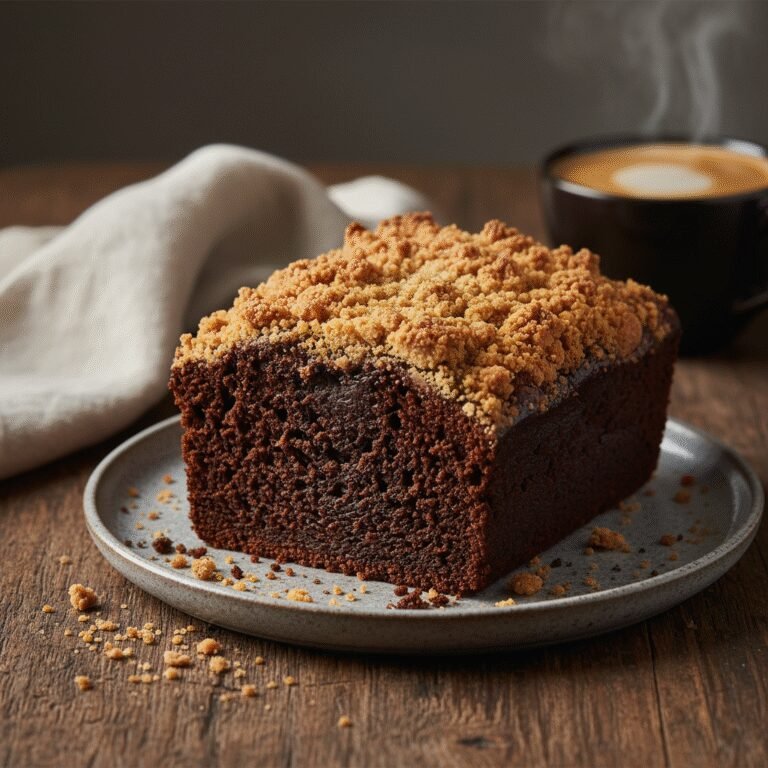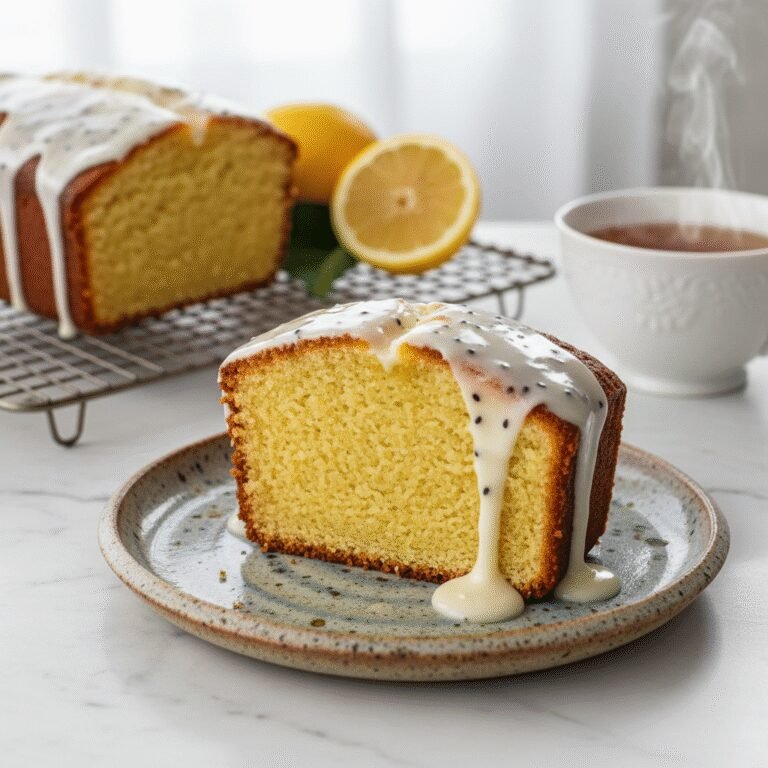
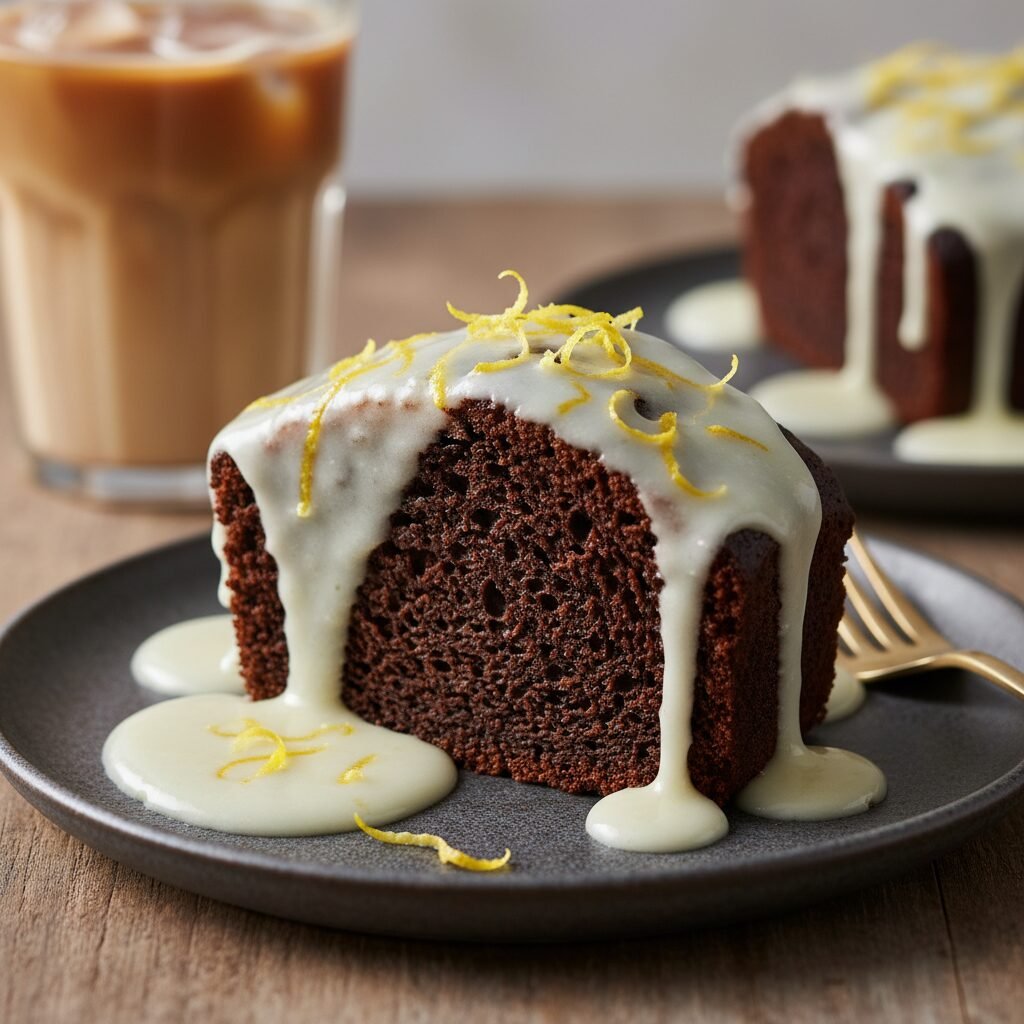
Moist Chocolate Loaf Cake With Zesty Lemon Glaze
Moist Chocolate Loaf Cake With Lemon Glaze Recipe
Experience the ultimate flavor contrast with this deeply rich, fudgy chocolate loaf cake topped with a bright, citrusy lemon glaze. It is the perfect marriage of dark cocoa depth and refreshing zest, making it an unforgettable treat for coffee breaks or dessert.
20 minutes
55 minutes
1 hour 15 minutes
1 Loaf (8-10 Slices)
Dessert
Baking
American Fusion
Vegetarian
There are few combinations in the baking world as surprisingly harmonious as dark chocolate and bright lemon. While orange is the traditional citrus companion to cocoa, lemon brings a sharper, more sophisticated acidity that cuts right through the richness of a dense chocolate crumb. This Moist Chocolate Loaf Cake with Lemon Glaze is not just another dessert; it is a study in texture and flavor balance. The cake itself is engineered to be incredibly moist—somewhere between a traditional pound cake and a fudgy brownie—thanks to the inclusion of sour cream and oil rather than just butter. When you slice into it, you are met with a dark, velvety interior that holds its shape but melts in your mouth. But the real magic happens when that deep, earthy chocolate flavor meets the glaze. We use fresh lemon juice and plenty of zest to create a topping that is tart, sweet, and aromatic. As the glaze sets, it forms a delicate crust that shatters slightly upon the first bite, giving way to the soft cake beneath. This recipe is designed for those who love baking but want something approachable enough for a Tuesday afternoon yet elegant enough for a dinner party. It requires no mixer, just a few bowls and a whisk, bringing the joy of artisanal baking into your home kitchen with minimal fuss. Whether paired with a dark espresso to echo the cocoa notes or a cup of Earl Grey tea to highlight the citrus, this loaf cake is versatile, comforting, and utterly delicious.
History & Origins
The concept of the loaf cake, often synonymous with the ‘pound cake,’ traces its lineage back to Northern Europe in the early 1700s. The original formula was simple: a pound each of flour, butter, eggs, and sugar. It was a dense, caloric cake designed to sustain and satisfy. As baking powder and baking soda were introduced in the 19th century, bakers began to experiment with lighter, more aerated textures, moving away from the heavy brick-like consistency of the original quatre-quarts. The introduction of chocolate into these cakes coincides with the democratization of cocoa in the mid-19th century, particularly after Coenraad van Houten invented the Dutching process, which made cocoa powder easier to mix with water and less bitter. This allowed home bakers to infuse their batters with deep chocolate flavor without the expense of solid chocolate bars. The pairing of citrus and chocolate, however, is a more modern evolution, likely stemming from European confectioneries where candied citrus peels were often dipped in dark chocolate. In the mid-20th century, American food writers began exploring these ‘gourmet’ pairings in home baking. The specific combination of lemon and chocolate gained traction as palates shifted towards desserts that offered complexity rather than just sweetness. Today, the chocolate lemon loaf represents a fusion of comforting, old-world loaf baking with the contemporary desire for bright, contrasting flavor profiles.
Why This Recipe Works
This recipe succeeds because it relies on the science of baking to ensure moisture retention and flavor release. First, we use a combination of oil and sour cream instead of relying solely on butter. While butter adds flavor, it contains water that evaporates, and milk solids that can dry out. Oil is 100% fat and remains liquid at room temperature, ensuring the cake stays soft and moist for days. The sour cream provides acidity, which tenderizes the gluten strands in the flour, preventing the cake from becoming tough. Furthermore, the recipe calls for ‘blooming’ the cocoa powder with hot coffee or boiling water. Cocoa powder is full of starch; adding hot liquid dissolves these starches and releases the flavor compounds trapped within, resulting in a more intense chocolate taste than if you simply sifted the dry cocoa into the batter. The chemical leavening is also carefully balanced; baking soda reacts with the acidity of the sour cream and the natural acidity of the cocoa (if not fully Dutch-processed) to create a lift that is substantial but not airy, maintaining that desirable loaf density. Finally, the lemon glaze acts as a palate cleanser. The high sugar content of the glaze balances the bitterness of the cocoa, while the citric acid cuts through the fat, making each bite feel lighter and encouraging you to take another.
Why You’ll Love This Recipe
- ✓Incredibly moist texture that stays soft for days.
- ✓No electric mixer required; easy one-bowl style mixing.
- ✓Sophisticated flavor pairing of dark chocolate and bright lemon.
- ✓Uses pantry staples like oil, cocoa powder, and sugar.
- ✓Freezes beautifully for make-ahead meal prep.
Equipment You’ll Need
- ✓9×5 inch Loaf Pan
- ✓Large Mixing Bowl
- ✓Medium Mixing Bowl
- ✓Whisk
- ✓Rubber Spatula
- ✓Wire Cooling Rack
- ✓Citrus Zester
- ✓Measuring Cups and Spoons
Ingredients
- ✓1 1/2 cups All-Purpose Flour
- ✓1/2 cup Unsweetened Cocoa Powder (Dutch-processed preferred)
- ✓1 cup Granulated White Sugar
- ✓1 teaspoon Baking Soda
- ✓1/2 teaspoon Sea Salt
- ✓2 Large Eggs, room temperature
- ✓1/2 cup Vegetable Oil (or Canola Oil)
- ✓1 cup Full-Fat Sour Cream or Greek Yogurt
- ✓1 teaspoon Pure Vanilla Extract
- ✓1/2 cup Hot Coffee (or boiling water)
- ✓1 cup Confectioners’ Sugar (Powdered Sugar)
- ✓2 tablespoons Fresh Lemon Juice
- ✓1 tablespoon Fresh Lemon Zest
Instructions
- Preheat your oven to 350°F (175°C). Grease a 9×5 inch loaf pan generously with butter or non-stick spray and line it with parchment paper, leaving an overhang on the sides for easy removal.
- In a large mixing bowl, sift together the all-purpose flour, cocoa powder, baking soda, and salt. Whisk in the granulated sugar until well combined and no lumps of cocoa remain.
- In a separate medium bowl, whisk together the eggs, vegetable oil, sour cream (or Greek yogurt), and vanilla extract until the mixture is smooth and creamy.
- Pour the wet ingredients into the dry ingredients. Using a rubber spatula or wooden spoon, gently mix until just combined. Do not overmix at this stage.
- Carefully pour the hot coffee (or boiling water) into the batter. Whisk gently but quickly until the liquid is fully incorporated. The batter will appear thin and liquidy; this is normal and essential for a moist cake.
- Pour the batter into the prepared loaf pan. Tap the pan gently on the counter once or twice to release any large air bubbles.
- Bake in the center of the oven for 50 to 60 minutes. Test for doneness by inserting a toothpick into the center of the cake; it should come out with a few moist crumbs attached, but no wet batter.
- Remove the cake from the oven and let it cool in the pan for about 15 minutes. Then, use the parchment paper handles to lift the cake out and transfer it to a wire rack to cool completely.
- While the cake cools, prepare the glaze. In a small bowl, whisk together the confectioners’ sugar, fresh lemon juice, and lemon zest until smooth. If the glaze is too thick, add more juice a teaspoon at a time; if too thin, add more sugar.
- Once the cake is completely cool to the touch, drizzle the lemon glaze generously over the top, allowing it to drip down the sides. Let the glaze set for 15 minutes before slicing.
Expert Cooking Tips
- ✓Ensure all cold ingredients (eggs, sour cream) are at room temperature before mixing to prevent the batter from curdling.
- ✓Do not skip the hot liquid step; blooming the cocoa powder intensifies the chocolate flavor significantly.
- ✓Measure flour correctly by spooning it into the cup and leveling it off, rather than scooping directly, to avoid a dense cake.
- ✓If the top of the cake is browning too quickly while baking, tent it loosely with aluminum foil for the last 15 minutes.
- ✓Wait until the cake is fully cooled before glazing, otherwise the glaze will melt and soak into the cake rather than sitting on top.
- ✓Use fresh lemon juice, not bottled, for the glaze. The flavor difference is drastic.
- ✓For an extra lemon kick, rub the lemon zest into the granulated sugar with your fingers before adding it to the batter.
Substitutions and Variations
This recipe is quite forgiving and allows for several substitutions depending on dietary needs or pantry availability. For the flour, you can use a high-quality 1:1 Gluten-Free All-Purpose Baking Flour blend if you are avoiding gluten; look for one that contains xanthan gum. If you don’t have vegetable oil, melted coconut oil or grapeseed oil are excellent alternatives that won’t alter the flavor too much; avoid olive oil unless you want a distinct savory note. The sour cream can be replaced with full-fat plain Greek yogurt or buttermilk. If using buttermilk, the batter will be slightly thinner, so check baking time 5 minutes early. For the eggs, flax eggs (1 tbsp ground flaxseed meal + 3 tbsp water per egg) work reasonably well, though the cake may be slightly denser. Regarding the cocoa powder, Dutch-processed gives a darker color and mellower flavor, but natural cocoa powder works fine too, though it will result in a lighter-colored crumb. Finally, if you are sensitive to caffeine, decaf coffee or simply boiling water works perfectly for the hot liquid component.
Common Mistakes to Avoid
The most common mistake with this loaf cake is overmixing the batter after adding the flour. Once the wet and dry ingredients meet, gluten begins to form. Overmixing leads to a tough, rubbery texture rather than a tender crumb. Mix only until the streaks of flour disappear. Another frequent error is overbaking. Chocolate cakes are tricky because you can’t see them browning. Rely on the toothpick test—remember that a few moist crumbs are better than a clean toothpick, which indicates the cake might be dry. Also, using cold ingredients is a pitfall; cold eggs and sour cream don’t emulsify properly with the oil, leading to an uneven bake. Lastly, glazing the cake while it is still warm is a temptation to resist. The heat will dissolve the sugar in the glaze, turning it into a syrup that makes the top of the cake soggy instead of creating that beautiful, white, zesty crust.
Serving Suggestions
This Moist Chocolate Loaf Cake is versatile enough to be served at various times of the day. For a decadent breakfast or brunch, serve a thick slice alongside a cappuccino or a latte; the coffee notes in the beverage will highlight the mocha undertones in the cake. For an afternoon snack, it pairs beautifully with Earl Grey or Lady Grey tea, as the bergamot and citrus notes in the tea mirror the lemon glaze. If serving this as a dessert for a dinner party, consider elevating the presentation. Place a slice on a dessert plate and add a dollop of unsweetened whipped cream or crème fraîche to balance the sweetness. A garnish of fresh raspberries or candied lemon peel adds a pop of color and texture. In the summer, a scoop of vanilla bean ice cream or even a lemon sorbet on the side creates a refreshing temperature contrast.
Storage and Reheating Tips
To keep this cake moist, proper storage is key. At room temperature, store the cake in an airtight container or tightly wrapped in plastic wrap for up to 3 days. The high oil content helps it stay soft. If you live in a very hot or humid climate, you may prefer to store it in the refrigerator, where it will last for up to 1 week. However, note that the cold will firm up the texture slightly; allow the slice to come to room temperature before eating for the best experience. This cake also freezes exceptionally well. You can freeze the entire loaf (unglazed is best, but glazed works too) by wrapping it in a layer of plastic wrap followed by a layer of aluminum foil. Alternatively, freeze individual slices separated by parchment paper in a freezer-safe bag. It will keep in the freezer for up to 3 months. Thaw on the counter for a few hours before serving.
Nutrition Facts (Estimated)
| Serving Size | 1 Slice |
| Calories | 340 |
| Fat | 16g |
| Saturated Fat | 4g |
| Unsaturated Fat | 11g |
| Trans Fat | 0g |
| Cholesterol | 45mg |
| Sodium | 210mg |
| Carbohydrates | 45g |
| Fiber | 3g |
| Sugar | 28g |
| Protein | 5g |
Frequently Asked Questions
Can I use butter instead of oil?
You can, but the texture will change. Butter creates a denser, firmer crumb that dries out faster than oil-based cakes. If you must use butter, melt it first and cool it slightly.
Why do I need to use hot coffee?
Hot liquid ‘blooms’ the cocoa powder, dissolving the particles to release more intense chocolate flavor. Coffee enhances chocolate without making the cake taste like coffee. Boiling water works if you prefer.
My glaze is too runny, what happened?
You likely added too much lemon juice or glazed the cake while it was warm. Add more powdered sugar to thicken it, and ensure the cake is completely cool.
Can I bake this in a round cake pan?
Yes, you can bake this in a standard 8-inch or 9-inch round cake pan. The baking time will likely decrease to 30-40 minutes, so keep an eye on it.
Can I use orange instead of lemon?
Absolutely! Blood orange or standard naval orange zest and juice make a fantastic substitute if you prefer a sweeter citrus profile.
Why did my cake sink in the middle?
This usually happens if the oven door was opened too early, causing a temperature drop, or if the cake was underbaked. It can also result from too much leavening (baking soda).
Is Dutch-processed cocoa necessary?
It is preferred for a darker color and smoother flavor, but regular unsweetened cocoa powder works fine. The cake might just be lighter in color and slightly more acidic.
How do I make the glaze less sweet?
Powdered sugar glaze is inherently sweet. To balance it, add a pinch of salt or increase the amount of lemon zest for more bitterness and aroma.
Conclusion
This Moist Chocolate Loaf Cake with Lemon Glaze is a testament to the power of contrasting flavors. It proves that chocolate doesn’t always need to be paired with heavy cream or caramel to be decadent; sometimes, a splash of bright citrus is all it takes to elevate a simple recipe into something extraordinary. Whether you are a novice baker looking for a foolproof win or a seasoned pro wanting a reliable, crowd-pleasing recipe, this loaf is sure to earn a permanent spot in your recipe box. The ease of preparation combined with the sophisticated final result makes it the perfect candidate for gift-giving, potlucks, or simply treating yourself after a long week. So, brew a fresh pot of coffee, grab your zester, and get ready to enjoy one of the most delightful flavor pairings in the baking world.