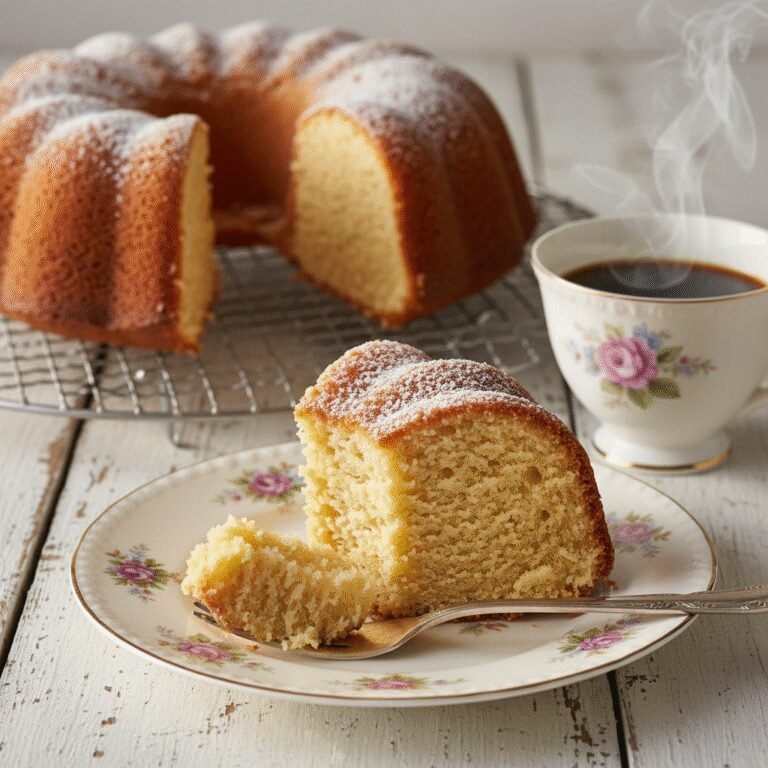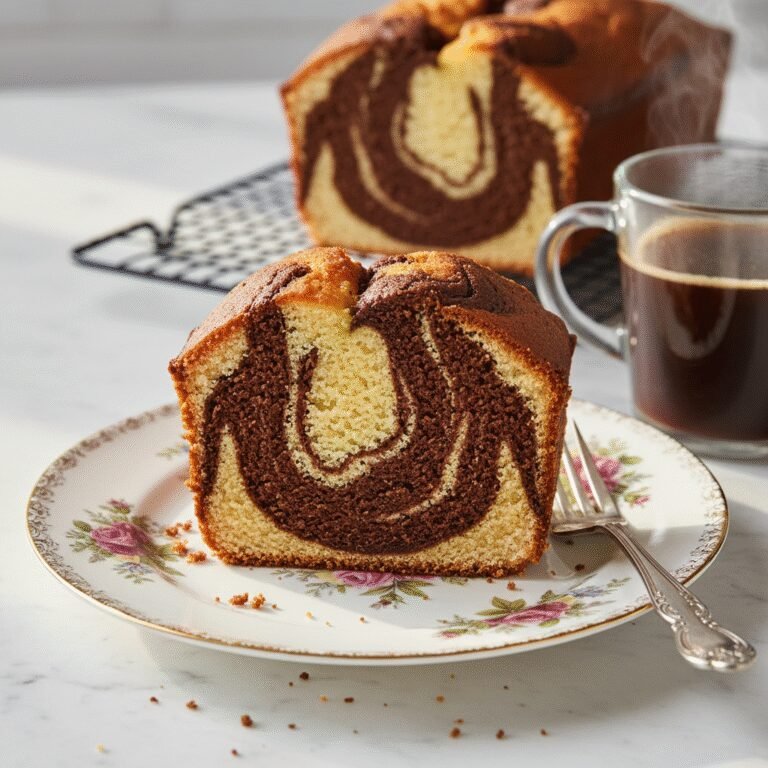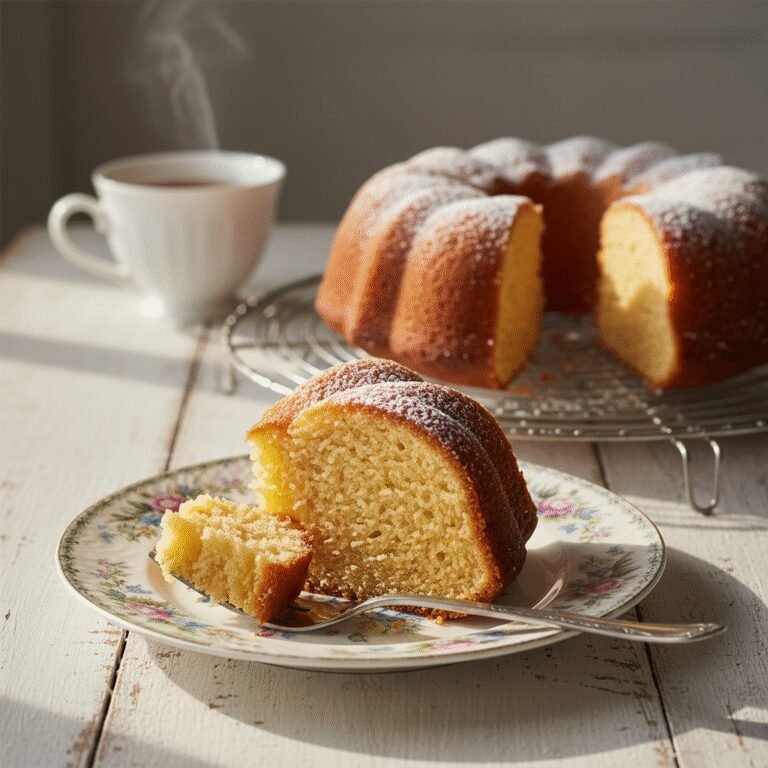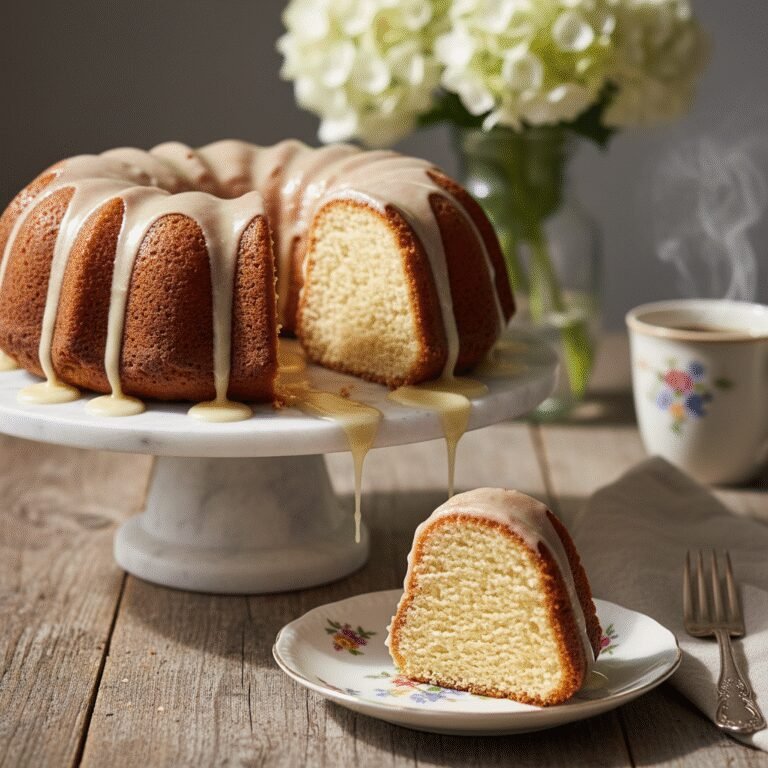
The Ultimate Moist Chocolate Loaf Cake for Afternoon Tea
Moist Chocolate Loaf Cake For Afternoon Tea Recipe
This incredibly moist chocolate loaf cake is the epitome of indulgence, featuring a deep, rich cocoa flavor and a tender crumb that stays soft for days. Perfectly paired with a cup of Earl Grey, it is an elegant yet easy-to-make treat that will elevate your afternoon tea spread.
20 minutes
55 minutes
1 hour 15 minutes
1 Loaf (10-12 slices)
Dessert
Baking
American / British Fusion
Vegetarian
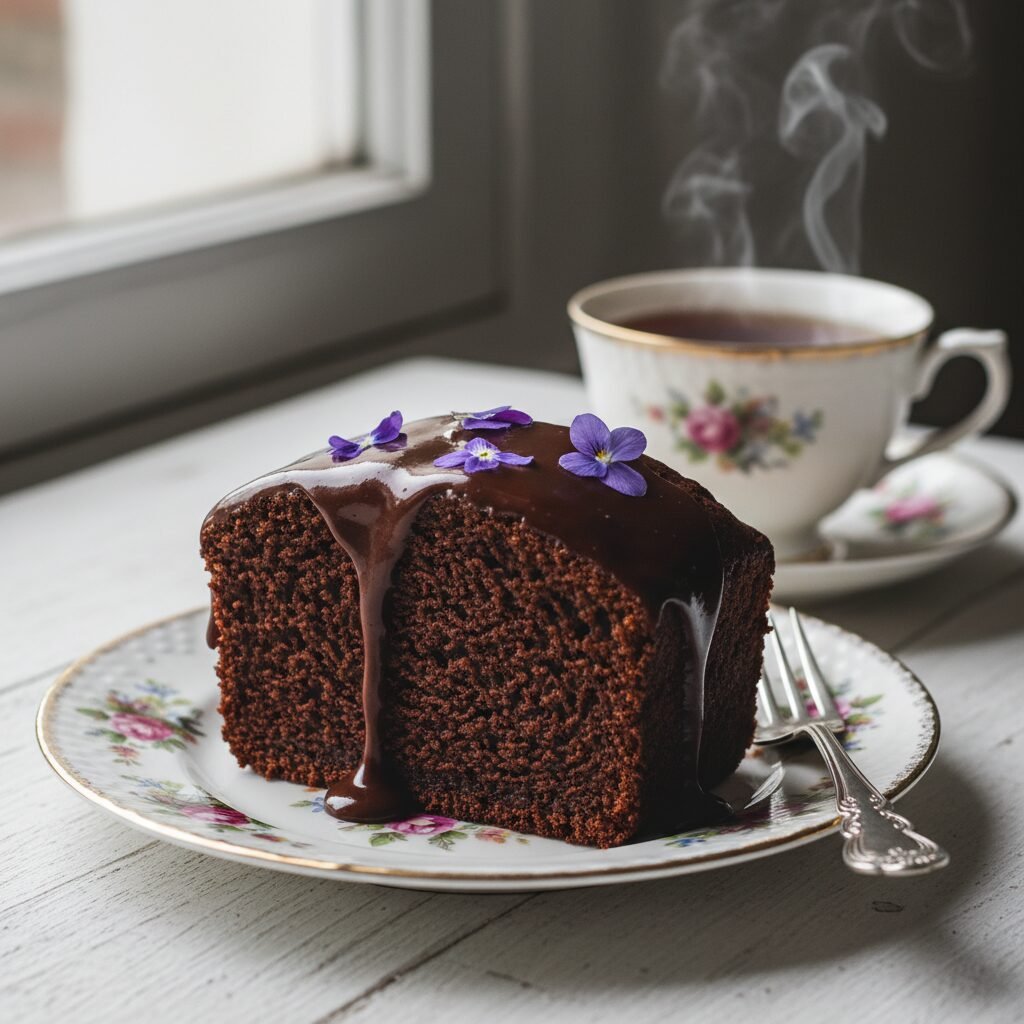
There is something profoundly comforting about the ritual of afternoon tea, a pause in the day dedicated to slowing down, sipping a warm beverage, and enjoying a slice of something sweet. While scones and finger sandwiches often steal the spotlight, this Moist Chocolate Loaf Cake is the unsung hero that deserves center stage. Imagine a cake so rich and velvety that it almost melts on your tongue, with a depth of chocolate flavor that is sophisticated rather than cloyingly sweet. This recipe was born out of a desire to create a chocolate cake that doesn’t require layers of frosting to be delicious; it stands confidently on its own, perhaps with just a simple dusting of powdered sugar or a drizzle of ganache. The magic lies in the texture—a dense yet fluffy crumb that avoids the dryness often plaguing loaf cakes. Whether you are hosting a formal gathering or simply treating yourself on a rainy Sunday, this cake transforms a simple break into a luxurious experience. We utilize specific ingredients like Dutch-processed cocoa and sour cream to ensure that every bite delivers a harmonious balance of tangy richness and bittersweet chocolate notes. It is the kind of recipe that fills your kitchen with an intoxicating aroma, promising comfort long before the timer goes off. This isn’t just a dessert; it’s a slice of happiness, ready to be shared or savored in solitude.
History & Origins
The history of chocolate cake is a fascinating journey that mirrors the evolution of chocolate itself. For centuries, chocolate was consumed primarily as a beverage by the Maya and Aztecs, and later by European aristocracy. It wasn’t until the mid-19th century, with the invention of the cocoa press by Conrad van Houten and the subsequent development of smoother chocolate by Rodolphe Lindt, that chocolate became a viable ingredient for baking. The earliest ‘chocolate cakes’ were actually yellow cakes served with a chocolate drink on the side! As baking powder became more accessible in the late 1800s, cooks began incorporating cocoa powder directly into the batter, giving birth to the chocolate cake we recognize today. The loaf shape, however, traces its lineage back to the European pound cake tradition—a simple cake made with a pound each of four ingredients. Over time, the loaf pan became a staple in home kitchens for its practicality and ease of slicing, making it a favorite for ‘tea breads’ and daily snacking cakes. In the context of the British afternoon tea, a tradition popularized by Anna, the Duchess of Bedford, in the 1840s to bridge the gap between lunch and late dinner, cakes became essential. While lighter sponges like Victoria Sandwich are traditional, the chocolate loaf has carved out its own niche as a modern, decadent addition to the tea tier. It represents the democratization of chocolate, transforming what was once a luxury for the elite into a beloved comfort food found in cafes and homes across the globe.
Why This Recipe Works
This recipe succeeds where many others fail because it is scientifically formulated to prioritize moisture and depth of flavor. First, we use oil instead of butter. While butter provides great flavor, it is roughly 80% fat and 20% water; the water evaporates during baking, which can lead to a drier texture, especially once the cake cools and the butter solidifies. Oil remains liquid at room temperature, coating the flour proteins and ensuring the cake stays incredibly soft and moist for days. Second, the inclusion of sour cream is a game-changer. The acidity in sour cream tenderizes the gluten strands in the flour, preventing the cake from becoming tough, while its high fat content adds richness. We also employ the ‘blooming’ technique with the cocoa powder. By mixing the cocoa with hot coffee or boiling water before adding it to the batter, we dissolve the cocoa butter and release the flavor compounds that are otherwise locked away. This results in a significantly more intense chocolate taste without requiring more sugar. Finally, the use of both baking powder and baking soda ensures the heavy batter rises properly, creating a lift that keeps the dense loaf from feeling heavy or brick-like. The result is a fail-proof balance of structural integrity and melt-in-your-mouth tenderness.
Why You’ll Love This Recipe
- ✓Stays moist for up to 5 days thanks to the oil-based batter.
- ✓Deep, intense chocolate flavor enhanced by hot coffee.
- ✓No mixer required—can be made with just two bowls and a whisk.
- ✓Freezes beautifully for future cravings.
- ✓Perfectly shaped for easy slicing and serving at tea time.
Equipment You’ll Need
- ✓9×5 inch Loaf Pan
- ✓Large Mixing Bowl
- ✓Medium Mixing Bowl
- ✓Whisk
- ✓Rubber Spatula
- ✓Measuring Cups and Spoons
- ✓Wire Cooling Rack
- ✓Parchment Paper
Ingredients
- ✓1 1/2 cups All-purpose flour
- ✓1 cup Granulated sugar
- ✓1/2 cup Unsweetened Dutch-process cocoa powder
- ✓1 tsp Baking powder
- ✓1/2 tsp Baking soda
- ✓1/2 tsp Salt
- ✓2 large Eggs, room temperature
- ✓1/2 cup Vegetable oil or canola oil
- ✓1/2 cup Sour cream or full-fat Greek yogurt, room temperature
- ✓1/2 cup Hot strong brewed coffee (or hot water)
- ✓1 tsp Pure vanilla extract
- ✓3/4 cup Semisweet chocolate chips (optional, for extra richness)
Instructions
- Preheat your oven to 350°F (175°C). Grease a 9×5 inch loaf pan with non-stick spray or butter and line it with parchment paper, leaving an overhang on the sides for easy removal.
- In a large mixing bowl, sift together the flour, granulated sugar, cocoa powder, baking powder, baking soda, and salt. Whisk gently to ensure all dry ingredients are evenly distributed.
- In a medium mixing bowl, whisk together the eggs, vegetable oil, sour cream, and vanilla extract until the mixture is smooth and creamy.
- Slowly pour the wet ingredients into the dry ingredients. Begin to fold them together using a rubber spatula or whisk.
- When the batter is partially mixed, carefully pour in the hot coffee (or hot water). Continue to mix gently until the batter is smooth and glossy. It will be relatively thin; this is normal. Do not overmix.
- If using chocolate chips, toss them in 1 tablespoon of flour (to prevent sinking) and fold them into the batter now.
- Pour the batter into the prepared loaf pan. Tap the pan gently on the counter once or twice to release any large air bubbles.
- Bake in the center of the oven for 50 to 60 minutes. The cake is done when a toothpick inserted into the center comes out clean or with just a few moist crumbs attached.
- Remove the cake from the oven and let it cool in the pan for about 15 minutes. This resting period is crucial for the structure to set.
- Lift the cake out using the parchment paper handles and transfer it to a wire cooling rack to cool completely before slicing.
Expert Cooking Tips
- ✓Measure flour correctly by spooning it into the cup and leveling it off, rather than scooping directly, to avoid a dense cake.
- ✓Use room temperature eggs and sour cream to ensure the batter emulsifies properly.
- ✓Don’t skip the hot coffee! You won’t taste the coffee, but it intensifies the chocolate flavor significantly.
- ✓Check the cake at the 45-minute mark; if the top is browning too quickly, tent it loosely with aluminum foil.
- ✓Wait for the cake to cool completely before slicing, as it is very tender when warm and might crumble.
- ✓For a bakery-style crack on top, pipe a thin line of softened butter down the center of the batter before baking.
Substitutions and Variations
This recipe is quite versatile if you need to make swaps. If you don’t have sour cream, full-fat plain Greek yogurt or even buttermilk can be used as a 1:1 substitute, though the texture may vary slightly. For the oil, any neutral oil like canola, grapeseed, or even melted coconut oil works well; avoid strong olive oils unless you want that specific flavor profile. If you are avoiding caffeine, hot water or decaf coffee works perfectly for blooming the cocoa. To make this gluten-free, use a high-quality 1:1 gluten-free flour blend that contains xanthan gum. For a dairy-free version, substitute the sour cream with a dairy-free yogurt alternative (coconut or almond based) and ensure your chocolate chips are dairy-free.
Common Mistakes to Avoid
The most common mistake with loaf cakes is overmixing the batter. Once the flour meets the liquid, gluten begins to form; mixing too vigorously will result in a rubbery, tough cake rather than a tender one. Another pitfall is overbaking. Because the batter is dark, it’s hard to see visual cues of doneness, so rely on the toothpick test. Remember that the cake continues to cook slightly as it cools in the pan, so a few moist crumbs on the toothpick are actually desirable. Finally, using cold ingredients can cause the batter to curdle or not mix evenly, leading to an inconsistent crumb, so always plan ahead to bring eggs and dairy to room temperature.
Serving Suggestions
This loaf is elegant enough to be served plain, but it pairs wonderfully with various accompaniments. For a classic afternoon tea, serve thin slices on fine china with a dollop of clotted cream and fresh raspberries. A simple dusting of powdered sugar adds a snowy, professional finish. If you want to turn it into a dessert course, warm a slice slightly and top it with vanilla bean ice cream and warm chocolate fudge sauce. For a morning treat, spread a little salted butter or cream cheese on a slice to contrast the sweetness.
Storage and Reheating Tips
To keep the cake moist, store it in an airtight container at room temperature for up to 4 days. In fact, the flavor often improves on the second day as the ingredients meld. If you live in a very hot or humid climate, you may store it in the refrigerator for up to a week, but allow it to come to room temperature before eating for the best texture. To freeze, wrap the completely cooled loaf (or individual slices) tightly in plastic wrap, then in aluminum foil. It can be frozen for up to 3 months. Thaw on the counter overnight before serving.
Nutrition Facts (Estimated)
| Serving Size | 1 Slice |
| Calories | 340 |
| Fat | 18g |
| Saturated Fat | 4g |
| Unsaturated Fat | 13g |
| Trans Fat | 0g |
| Cholesterol | 45mg |
| Sodium | 210mg |
| Carbohydrates | 42g |
| Fiber | 3g |
| Sugar | 28g |
| Protein | 5g |
Frequently Asked Questions
Can I use natural cocoa powder instead of Dutch-process?
Yes, but Dutch-process cocoa provides a darker color and a smoother, less acidic flavor. If you use natural cocoa, the cake will be lighter in color and have a slightly tangier taste, but it will still be delicious.
Why did my chocolate chips sink to the bottom?
This happens when the batter is thin or the chips are too heavy. Tossing the chocolate chips in a tablespoon of flour before adding them helps them grip the batter and stay suspended.
Can I bake this in a different pan?
Absolutely. You can bake this in an 8×8 inch square pan or a round cake pan, but you will need to reduce the baking time to approximately 30-40 minutes. Keep an eye on it and use the toothpick test.
Is the coffee flavor strong?
No, the coffee flavor is imperceptible in the final product. Its primary purpose is to enhance the richness of the chocolate. If you dislike coffee entirely, hot water works as a substitute.
Why is my cake dry?
Dryness usually comes from overmeasuring flour (packing it into the cup) or overbaking. Ensure you weigh your flour or use the spoon-and-level method, and check the cake for doneness early.
Can I add nuts to this recipe?
Yes! 1/2 cup of chopped walnuts or pecans makes a wonderful addition. Fold them in at the same time you would add the chocolate chips.
Can I reduce the sugar?
Sugar plays a structural role in keeping the cake moist and tender, not just adding sweetness. Reducing it by more than 1/4 cup may affect the texture and moisture retention.
How do I get the cake out of the pan without breaking it?
Lining the pan with parchment paper with overhanging edges creates a ‘sling’ that allows you to lift the cake out easily once it has cooled for 15 minutes.
Conclusion
This Moist Chocolate Loaf Cake is truly a keeper, a recipe that bridges the gap between everyday snacking and special occasions. Whether you are an experienced baker or a novice in the kitchen, the straightforward method and forgiving nature of this batter ensure success every time. It captures the essence of a relaxing afternoon tea—indulgent, comforting, and restoring. We hope this cake becomes a regular feature in your home, filling your kitchen with the scent of chocolate and your table with smiles. Bake it for a friend, bring it to a potluck, or simply enjoy a slice in quiet contemplation; however you serve it, it promises to be delicious.