Decadent Moist Chocolate Bundt Cake With Zesty Lemon Glaze
Moist Chocolate Bundt Cake With Lemon Glaze Recipe
Discover the ultimate flavor pairing in this incredibly moist chocolate bundt cake topped with a bright, zesty lemon glaze. This recipe combines deep, fudgy richness with a refreshing citrus kick, ensuring a sophisticated dessert that is as beautiful as it is delicious.
20 minutes
55 minutes
1 hour 25 minutes
12-14 servings
Dessert
Baking
American
Vegetarian
There is something undeniably magical about a well-executed chocolate cake. It speaks to the soul, offering comfort and indulgence in every bite. However, the world of chocolate desserts is vast, and finding a recipe that stands out from the crowd can be a challenge. Enter the Moist Chocolate Bundt Cake with Lemon Glaze—a dessert that defies expectations and elevates the standard chocolate experience into something truly gourmet. While chocolate and orange is a classic combination often found in confectioneries, the pairing of deep, dark chocolate with bright, acidic lemon is a sophisticated twist that many home bakers overlook. The sharp tang of the lemon glaze cuts through the intense richness of the chocolate crumb, creating a balance that is both refreshing and decadent.
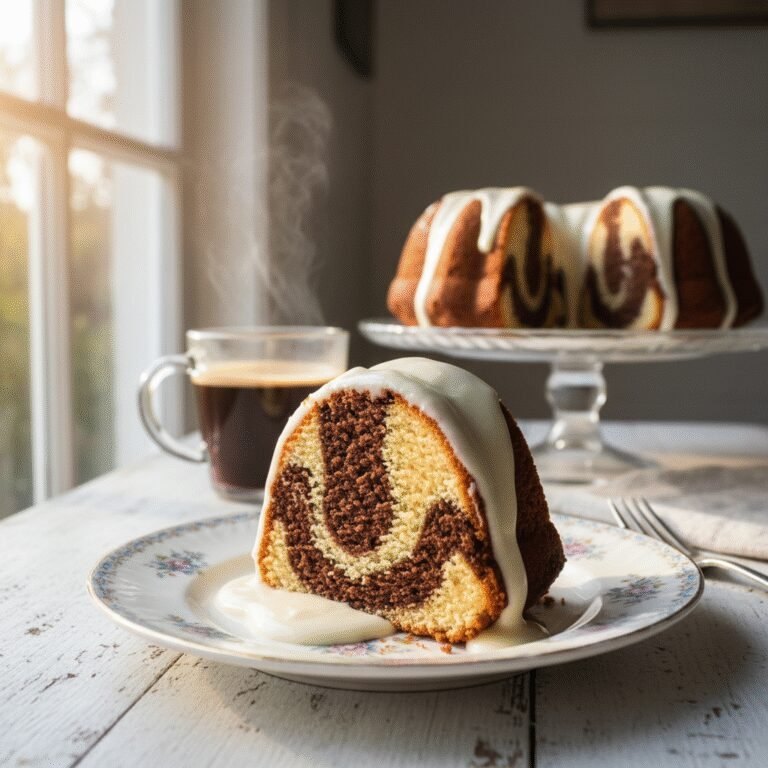
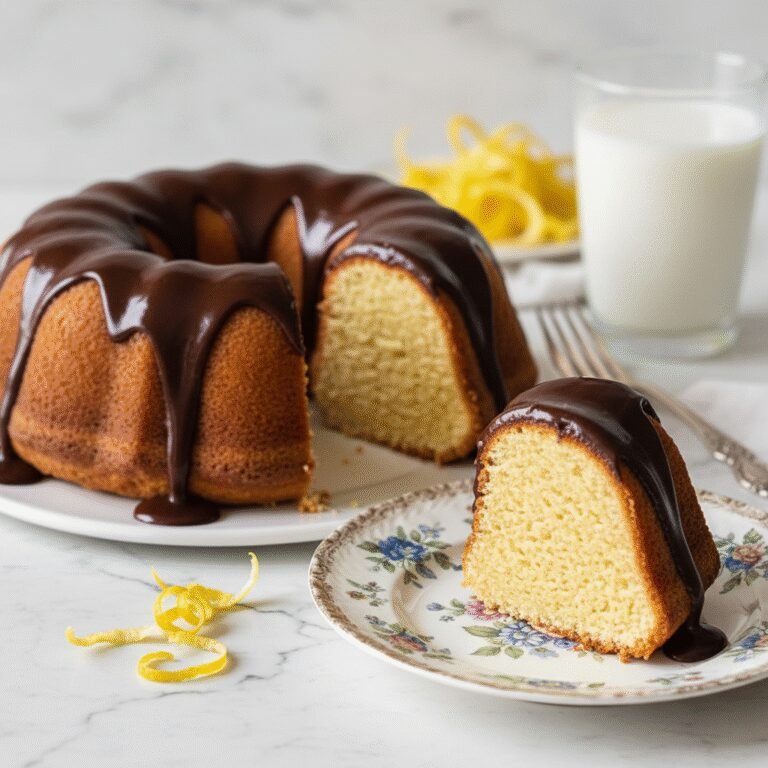
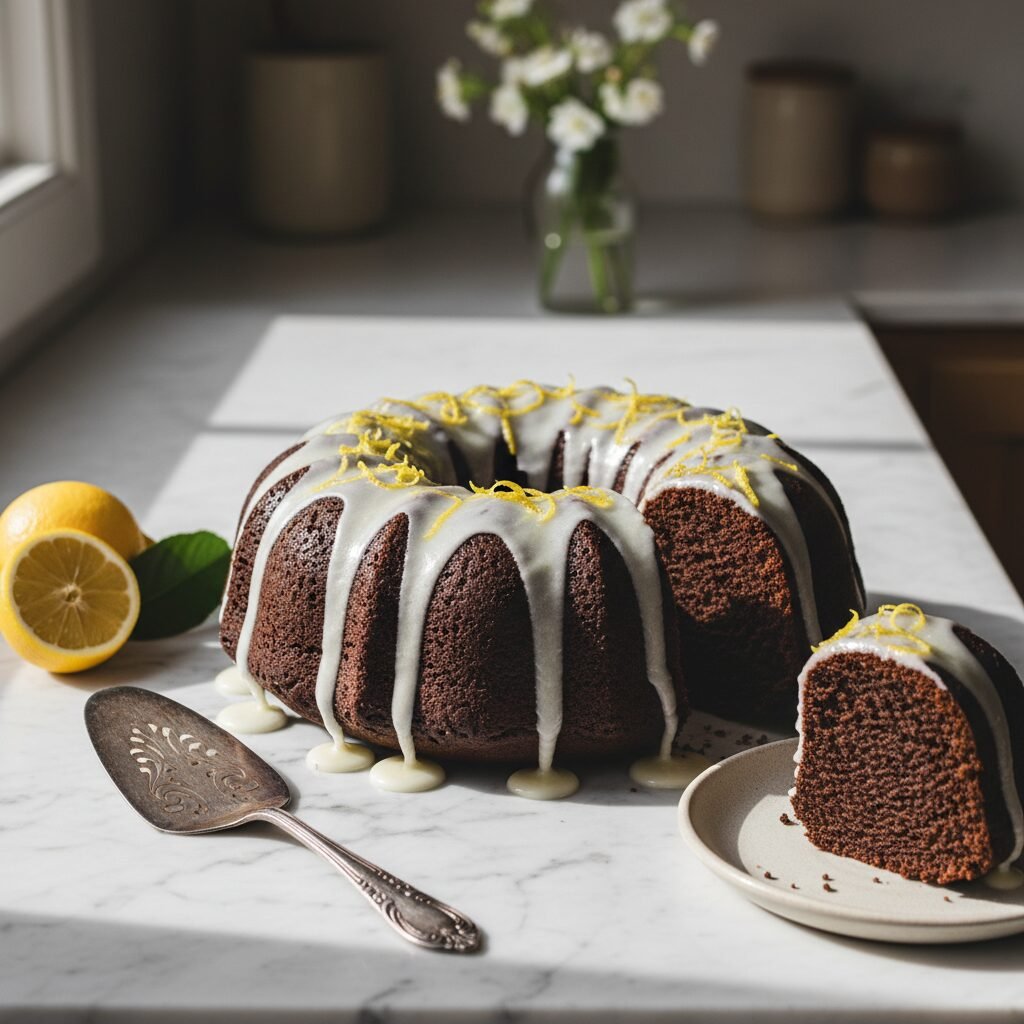
This cake is not just about flavor; it is a masterclass in texture. We are talking about a crumb that is incredibly moist, almost fudgy, yet structured enough to hold the beautiful shape of a Bundt pan. The secret lies in the specific combination of fats and liquids used in the batter, ensuring that the cake remains tender for days after baking. Whether you are hosting a refined dinner party, looking for a show-stopping contribution to a potluck, or simply satisfying a Tuesday night craving, this cake delivers on all fronts. The visual appeal of the dark cake contrasting with the snowy white, dripping glaze makes it an instant centerpiece. As you slice into it, the aroma of cocoa and fresh lemon zest fills the air, promising a sensory experience that is sure to become a new family tradition. This isn’t just another chocolate cake; it’s a conversation starter and a testament to the power of contrasting flavors.
History & Origins
The history of the Bundt cake is a fascinating journey that intertwines European tradition with American innovation. The cake’s lineage can be traced back to the ‘Gugelhupf’ or ‘Kugelhopf,’ a brioche-style cake popular in Austria, Germany, and Alsace for centuries. These cakes were traditionally baked in ceramic or metal molds with a central tube, which allowed the dense dough to bake evenly. However, the modern iteration of the Bundt cake is a distinctly American phenomenon, largely thanks to H. David Dalquist, the founder of Nordic Ware. In 1950, Dalquist was approached by a group of women from the Minneapolis chapter of Hadassah, a Jewish women’s organization. They were looking for a modern version of the traditional heavy cast-iron Gugelhupf molds. Dalquist created a lighter aluminum version and trademarked the name ‘Bundt.’
For over a decade, the pan sold poorly and was nearly discontinued. The turning point came in 1966 during the 17th Annual Pillsbury Bake-Off, when Ella Helfrich of Houston, Texas, won second place with her ‘Tunnel of Fudge’ cake. The recipe required a Bundt pan, and practically overnight, the demand for the pans skyrocketed. Nordic Ware went from producing a handful a day to running their factory 24 hours a day to keep up with over 200,000 requests. Since then, the Bundt cake has become a staple of American baking, celebrated for its beautiful, sculptural shapes and its ability to feed a crowd. The chocolate variant has evolved significantly from the dry sponges of the past to the moist, rich versions we love today, often incorporating ingredients like sour cream, pudding mixes, or, in this case, buttermilk and coffee to enhance the texture. Pairing it with lemon is a nod to the European tradition of balancing heavy sweets with fruit essences, bringing the history of this dessert full circle.
Why This Recipe Works
This recipe succeeds where many others fail because it relies on the fundamental chemistry of baking to ensure moisture retention and depth of flavor. First and foremost, the use of oil instead of butter is crucial for a moist Bundt cake. While butter adds flavor, it contains water which evaporates during baking, and it solidifies at room temperature, which can lead to a drier, firmer texture. Oil remains liquid at room temperature, coating the flour proteins and preventing gluten from over-developing, resulting in a tender, plush crumb that stays moist for days.
Secondly, the inclusion of hot coffee is a game-changer. The heat from the coffee ‘blooms’ the cocoa powder, dissolving the particles completely and releasing the essential oils within the cocoa. This intensifies the chocolate flavor significantly without adding a distinct coffee taste. Furthermore, the acidity in the buttermilk and the coffee reacts with the baking soda. This chemical reaction produces carbon dioxide bubbles, which leaven the cake, giving it a lift that counteracts the heaviness of the batter. Finally, the lemon glaze provides the necessary acid to cut through the fat. The palate can become fatigued by the singular note of heavy chocolate; the sharp, citric acid of the lemon cleanses the palate between bites, making the next forkful of chocolate taste just as rich as the first. This dynamic contrast keeps the eating experience exciting and balanced.
Why You’ll Love This Recipe
- ✓Incredibly moist texture that stays fresh for days.
- ✓Sophisticated flavor pairing of dark chocolate and bright lemon.
- ✓Stunning visual presentation with minimal decorating effort.
- ✓No mixer required; can be made with two bowls and a whisk.
- ✓Perfect balance of sweetness and acidity.
- ✓Ideal for preparing ahead of time as flavors meld overnight.
Equipment You’ll Need
- ✓10-12 cup Bundt pan
- ✓Large mixing bowl
- ✓Medium mixing bowl
- ✓Whisk
- ✓Rubber spatula
- ✓Measuring cups and spoons
- ✓Wire cooling rack
- ✓Small saucepan (optional for glaze)
- ✓Zester or microplane
Ingredients
- ✓2 cups granulated sugar
- ✓1 3/4 cups all-purpose flour
- ✓3/4 cup unsweetened cocoa powder (preferably Dutch-processed)
- ✓2 teaspoons baking soda
- ✓1 teaspoon baking powder
- ✓1 teaspoon kosher salt
- ✓2 large eggs
- ✓1 cup buttermilk, room temperature
- ✓1 cup strong brewed coffee, hot
- ✓1/2 cup vegetable oil or canola oil
- ✓2 teaspoons pure vanilla extract
- ✓2 cups powdered sugar (for glaze)
- ✓3-4 tablespoons fresh lemon juice (for glaze)
- ✓1 tablespoon lemon zest (for glaze)
- ✓1 tablespoon unsalted butter, melted (for glaze)
Instructions
- Preheat your oven to 350°F (175°C). Thoroughly grease your Bundt pan with baking spray (the kind with flour in it) or grease with butter and dust with cocoa powder. Shake out excess cocoa.
- In a large mixing bowl, whisk together the granulated sugar, flour, cocoa powder, baking soda, baking powder, and salt until well combined and free of lumps.
- In a medium bowl, whisk together the eggs, buttermilk, oil, and vanilla extract until the mixture is smooth and emulsified.
- Pour the wet ingredients into the dry ingredients and whisk until just combined. The batter will be thick at this stage.
- Carefully pour the hot coffee into the batter. Whisk gently but quickly until the coffee is fully incorporated and the batter is smooth. The batter will be very thin and liquid; this is normal and essential for moisture.
- Pour the batter into the prepared Bundt pan. Tap the pan gently on the counter once or twice to release any large air bubbles.
- Bake in the center of the oven for 50 to 60 minutes, or until a wooden skewer inserted into the center comes out clean or with just a few moist crumbs attached.
- Remove the cake from the oven and let it cool in the pan for exactly 10 minutes. This allows the structure to set.
- Place a wire cooling rack over the base of the cake and invert the pan to release the cake. Lift the pan off carefully. Let the cake cool completely to room temperature before glazing.
- To make the glaze, whisk together the powdered sugar, melted butter, lemon zest, and 3 tablespoons of lemon juice in a small bowl. Add more lemon juice one teaspoon at a time until you reach a thick but pourable consistency.
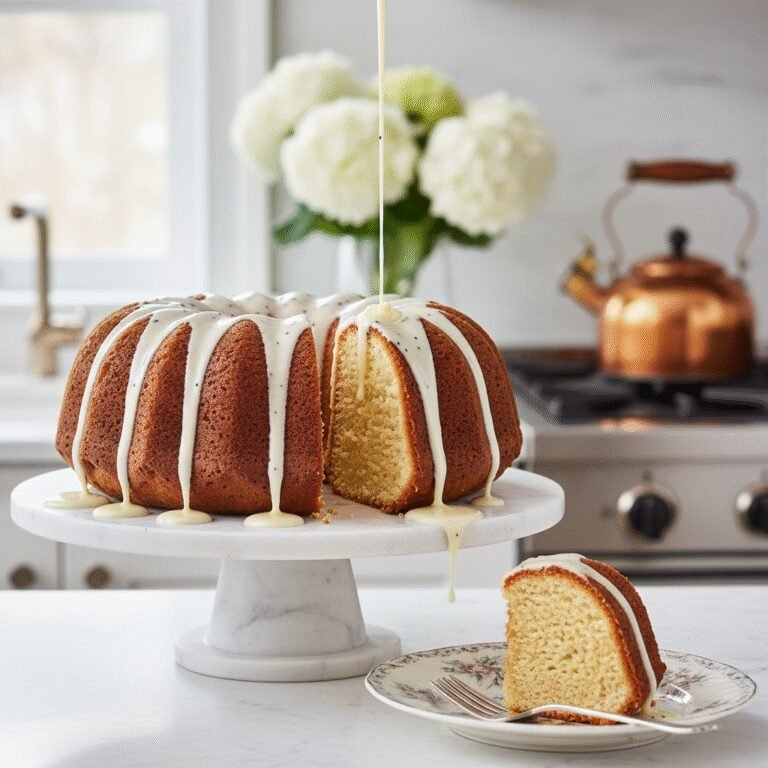
- Drizzle the glaze over the cooled cake, allowing it to drip down the sides naturally. Let the glaze set for 15 minutes before slicing.
Expert Cooking Tips
- ✓Room temperature ingredients are key: Ensure your eggs and buttermilk are at room temperature to allow for better emulsification.
- ✓Don’t overmix: Once the flour is added, mix only until combined to prevent a tough, rubbery cake.
- ✓Grease the pan well: Bundt pans are notorious for sticking. Use a baking spray containing flour or be meticulous with butter and cocoa powder.
- ✓Use hot coffee: Do not skip this step or let the coffee cool. The heat is necessary to bloom the cocoa.
- ✓Check for doneness early: Oven temperatures vary. Start checking at the 50-minute mark to avoid overbaking.
- ✓Cooling time matters: Do not try to flip the cake immediately out of the oven; it will crumble. Wait exactly 10 minutes.
- ✓Sift the cocoa: Cocoa powder often clumps. Sifting ensures a smooth batter without bitter pockets of dry powder.
Substitutions and Variations
This recipe is quite forgiving, and there are several substitutions you can make if you find yourself missing an ingredient. If you do not have buttermilk, you can make a quick substitute by adding one tablespoon of white vinegar or lemon juice to a cup of regular milk and letting it sit for 5 minutes until it curdles. For the vegetable oil, you can substitute melted coconut oil or a light olive oil, though olive oil may impart a slight fruitiness. If you want to avoid caffeine, decaf coffee works perfectly well as it is the heat and water content that matters, not the caffeine. Alternatively, you can use hot water, though the chocolate flavor will be slightly less intense. For a gluten-free version, substitute the all-purpose flour with a high-quality 1:1 gluten-free baking flour blend that contains xanthan gum. If you prefer a different citrus, orange or blood orange juice and zest can be swapped directly for the lemon components in the glaze.
Common Mistakes to Avoid
The most common mistake when making a Bundt cake is improper pan preparation. Because of the intricate designs of many Bundt pans, batter can easily get stuck in the crevices. Simply rubbing butter around isn’t always enough; using a pastry brush to apply melted shortening or using a dedicated baking spray with flour is the safest bet. Another frequent error is over-baking. Because the cake is dark, it is hard to tell visually when it is done. Rely on the skewer test. If you bake it until the skewer is bone dry, the cake may be overdone; look for a few moist crumbs. Additionally, attempting to glaze the cake while it is still warm is a recipe for disaster. The glaze will simply melt and run off the cake, soaking into the crumb and making it soggy rather than creating a beautiful white finish. Finally, using cold ingredients can shock the batter and lead to uneven baking, so patience in bringing ingredients to room temperature is vital.
Serving Suggestions
This cake is a showstopper on its own, but it can be dressed up for special occasions. Serve thick slices on dessert plates garnished with a twist of fresh lemon peel or a few candied lemon slices for an elegant touch. Fresh berries, particularly raspberries or strawberries, pair beautifully with both the chocolate and the lemon flavors, adding a pop of color and freshness. A dollop of unsweetened whipped cream or a scoop of vanilla bean ice cream can add a creamy element that contrasts with the dense cake. For a cozy winter treat, serve it alongside a hot espresso or a cappuccino; the coffee notes in the drink will echo the coffee used in the batter. If you are serving this for a brunch, it pairs surprisingly well with Earl Grey tea, as the bergamot in the tea complements the lemon glaze perfectly.
Storage and Reheating Tips
This Moist Chocolate Bundt Cake keeps exceptionally well, thanks to the oil-based batter. To store it, keep the cake covered in a cake dome or wrapped tightly in plastic wrap at room temperature for up to 4 days. In fact, many find that the cake becomes even moister on the second day as the moisture redistributes. If you live in a particularly hot or humid climate, you may want to store it in the refrigerator to prevent the glaze from melting, but allow it to come to room temperature before serving for the best texture and flavor. The cake also freezes beautifully. You can freeze individual slices wrapped in parchment paper and foil for up to 3 months. Alternatively, freeze the whole unglazed cake, thaw it overnight in the refrigerator, and glaze it fresh before serving.
Nutrition Facts (Estimated)
| Serving Size | 1 slice |
| Calories | 420 |
| Fat | 22g |
| Saturated Fat | 4g |
| Unsaturated Fat | 17g |
| Trans Fat | 0g |
| Cholesterol | 45mg |
| Sodium | 310mg |
| Carbohydrates | 54g |
| Fiber | 3g |
| Sugar | 32g |
| Protein | 5g |
Frequently Asked Questions
Can I use natural cocoa powder instead of Dutch-processed?
Yes, but the flavor will be slightly different. Dutch-processed cocoa is less acidic and has a darker color and smoother flavor. Natural cocoa is more acidic and lighter. Since this recipe uses baking soda, natural cocoa will react vigorously, potentially making the cake rise and fall. If using natural cocoa, the cake may be lighter in color and have a sharper chocolate taste.
My cake stuck to the pan. How can I fix it?
If the cake breaks coming out of the pan, don’t panic. You can often piece it back together while it’s warm. Once it cools and you cover it with the thick lemon glaze, the cracks will be disguised. For the future, ensure you grease every crevice thoroughly.
Can I make this cake in a regular cake pan?
Yes, you can split this batter between two 9-inch round cake pans. The baking time will need to be reduced to approximately 30-35 minutes. Check for doneness early.
Why is my batter so runny?
The batter is supposed to be very thin, almost like chocolate milk. This is due to the high ratio of liquid (coffee, buttermilk, oil) which ensures the final cake is ultra-moist. Do not add extra flour.
Do I really need to use coffee?
You don’t *have* to, but it is highly recommended. The coffee enhances the chocolate flavor without making the cake taste like coffee. Hot water is the best substitute if you cannot use coffee.
Can I use a different glaze?
Absolutely. A chocolate ganache, a simple vanilla glaze, or even a dusting of powdered sugar works well. However, the lemon glaze offers a unique flavor contrast that elevates the dish.
How do I know when the cake is perfectly done?
Insert a long wooden skewer into the thickest part of the cake. It should come out with a few moist crumbs clinging to it. If it’s wet with batter, bake longer. If it’s completely clean, remove immediately.
Can I use Greek yogurt instead of buttermilk?
Yes, you can use plain Greek yogurt or sour cream. However, since they are thicker than buttermilk, you should thin them out with a little milk or water to reach a buttermilk-like consistency before measuring.
Conclusion
The Moist Chocolate Bundt Cake with Lemon Glaze is more than just a dessert; it is a celebration of contrasting flavors and textures that come together in perfect harmony. By combining the deep, comforting richness of chocolate with the bright, zesty spark of lemon, you create a treat that is sophisticated enough for a dinner party yet simple enough for a weekend baking project. The ease of the ‘mix and bake’ method, combined with the forgiving nature of the oil-based batter, makes this a foolproof recipe for bakers of all skill levels. We hope this cake brings a touch of elegance and a lot of joy to your table. Once you try this unexpected yet delightful combination, it is sure to secure a permanent spot in your recipe rotation. Happy baking!