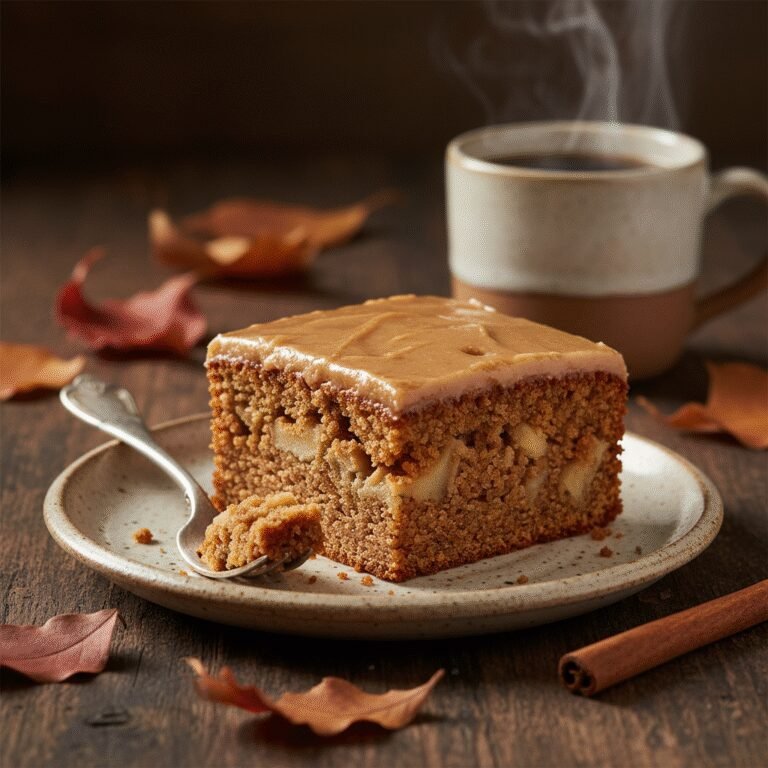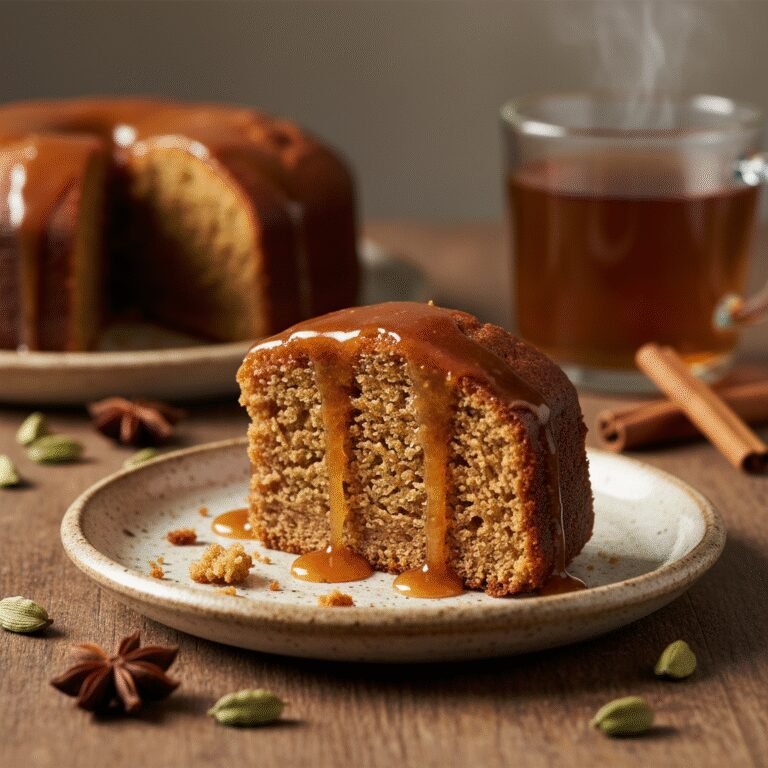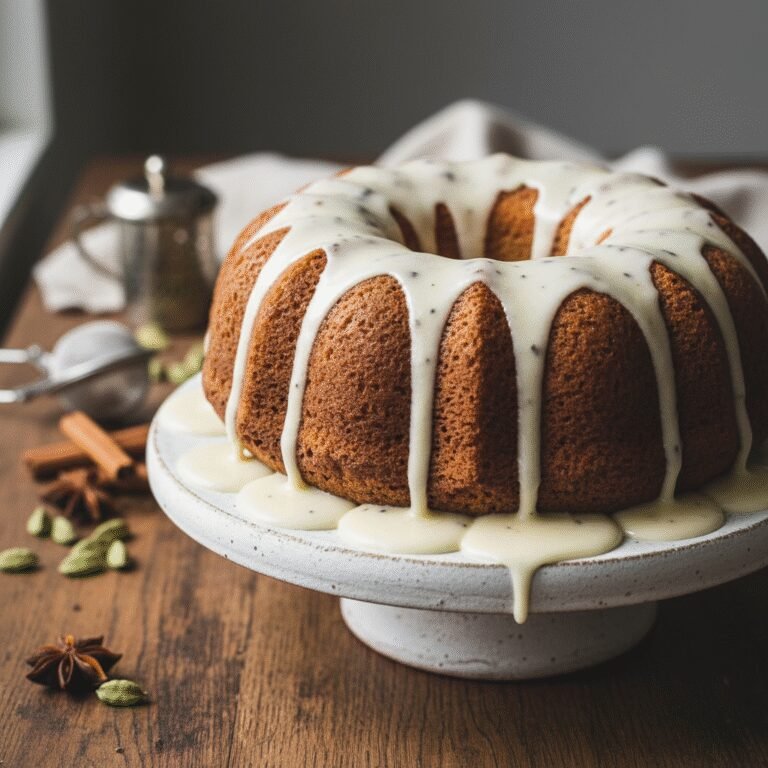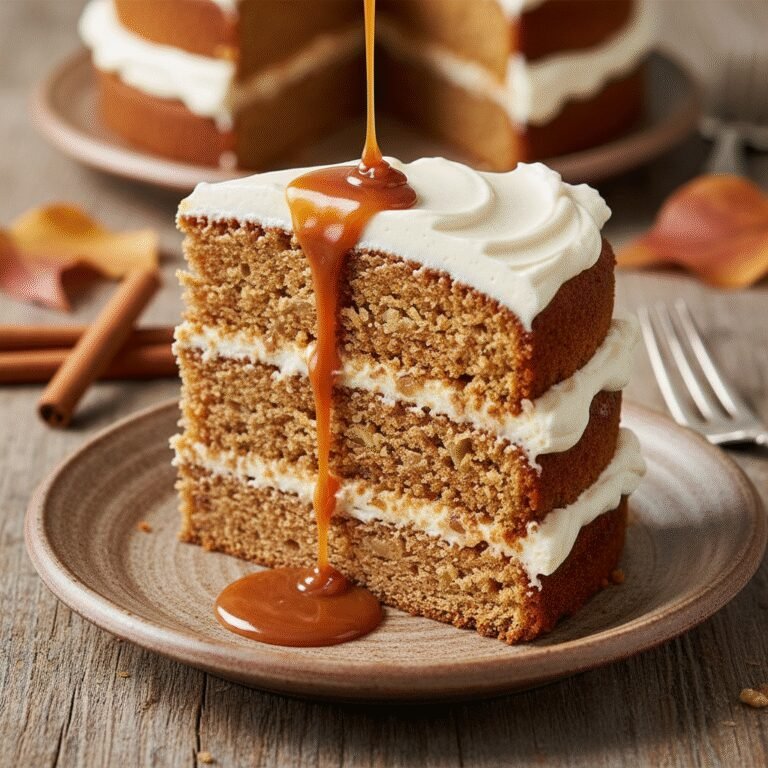
Moist Chai Spice Cake With Vanilla Glaze Recipe
Moist Chai Spice Cake With Vanilla Glaze Recipe
Experience the cozy warmth of your favorite latte in dessert form with this incredibly moist Chai Spice Cake. Infused with black tea and a robust blend of cardamom, cinnamon, and ginger, then topped with a silky vanilla bean glaze, it is the ultimate comfort bake for chilly days.
25 minutes
45 minutes
1 hour 10 minutes
12 servings
Dessert
Baking
American Fusion
Vegetarian
There is something undeniably magical about the aroma of chai spices wafting through the kitchen. It signals a shift in the seasons, a time to slow down, wrap your hands around a warm mug, and indulge in comfort. This Moist Chai Spice Cake with Vanilla Glaze is the physical embodiment of that feeling—a culinary hug that brings the sophisticated, aromatic flavors of traditional masala chai into a tender, decadent crumb. Unlike many spice cakes that simply rely on a dash of cinnamon and nutmeg, this recipe goes the extra mile by infusing the milk with high-quality black tea and incorporating a bold, homemade spice blend featuring cardamom, ginger, cloves, and a hint of black pepper for that authentic kick.
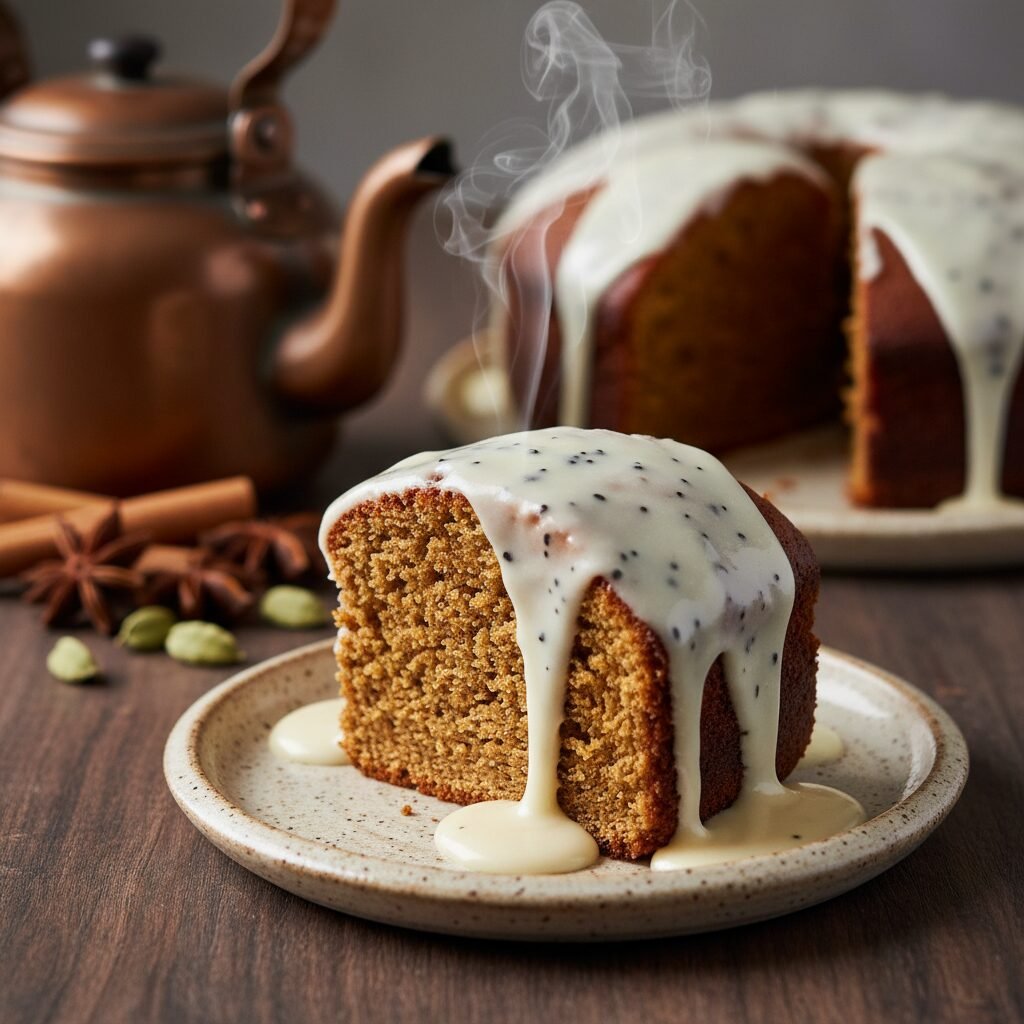
The texture of this cake is just as important as the flavor. We use a combination of oil and sour cream to ensure the crumb stays incredibly soft and moist for days, avoiding the dryness that often plagues dense bundt cakes. The sweetness of the brown sugar complements the spicy heat, creating a depth of flavor that is complex yet approachable. To finish, a thick, luscious vanilla bean glaze cascades down the sides, settling into every nook and cranny. The vanilla acts as the perfect creamy counterpoint to the spices, mimicking the milk in a cup of chai. Whether you are serving this for a holiday brunch, an afternoon tea, or a late-night treat, this cake promises to be a showstopper that looks as beautiful as it tastes.
History & Origins
The history of the flavors in this cake is deeply rooted in the origins of Masala Chai, a beverage that has been a staple in India for centuries. The word ‘chai’ simply means ‘tea’ in Hindi, derived from the Mandarin word ‘cha’. Historically, the concept of brewing spices for medicinal purposes in Ayurveda predates the addition of tea leaves. Ancient concoctions of spices like ginger, black pepper, cardamom, and cloves were used to aid digestion and improve circulation long before the British East India Company popularized the cultivation of Camellia sinensis (tea) in Assam during the 19th century.
As tea drinking became more accessible to the Indian populace in the early 20th century, vendors (chai wallahs) began adding milk, sugar, and their local spice blends to the strong black tea to make it more flavorful and affordable. This evolved into the Masala Chai we know and love today. In the West, the ‘Chai Tea’ craze (a linguistic redundancy) took off in the 1990s, transforming the beverage into a coffeehouse staple. Naturally, the baking world followed suit. Bakers realized that the warming profile of masala chai—cinnamon, ginger, cardamom, cloves, and pepper—paired exceptionally well with flour, sugar, and butter. This cake represents the modern fusion of these ancient flavors, taking the soul of a traditional Indian beverage and translating it into the medium of Western pastry, creating a cross-cultural delight that honors its spicy roots while offering the comfort of a classic American bundt cake.
Why This Recipe Works
This recipe succeeds where others fail because it attacks the flavor profile on two fronts: infusion and direct seasoning. Many chai cake recipes simply add dry spices to the flour, which can result in a muted flavor that disappears after baking. In this recipe, we steep strong black tea bags directly into the hot milk used in the batter. This ‘tea concentrate’ ensures that the tannic, malty backbone of the black tea is present in every bite, providing a robust base that stands up to the sugar.
Furthermore, the texture is scientifically engineered for moisture. Butter adds flavor, but oil is superior for texture in cakes like this because it remains liquid at room temperature, keeping the cake soft. We use a blend of vegetable oil for tenderness and sour cream (or Greek yogurt) for acidity. The acidity in the sour cream reacts with the baking soda to create a superior lift, while the fat content enriches the crumb. We also use a high ratio of brown sugar to white sugar; the molasses in the brown sugar is hygroscopic, meaning it attracts and holds onto water molecules, preventing the cake from drying out. Finally, the inclusion of black pepper in the spice blend might seem unusual, but it activates the palate and highlights the warmth of the ginger and cinnamon without making the cake spicy in a savory way.
Why You’ll Love This Recipe
- ✓Infused with real black tea for authentic flavor depth.
- ✓Stays moist for days thanks to sour cream and oil.
- ✓Aromatic homemade spice blend beats store-bought mixes.
- ✓Perfect balance of sweet vanilla glaze and spicy cake.
- ✓Beautiful presentation suitable for holidays and gatherings.
- ✓Easy to make without a stand mixer.
Equipment You’ll Need
- ✓10-12 cup Bundt pan or tube pan
- ✓Small saucepan (for steeping milk)
- ✓Large mixing bowl
- ✓Medium mixing bowl
- ✓Whisk
- ✓Rubber spatula
- ✓Wire cooling rack
- ✓Measuring cups and spoons
Ingredients
- ✓1 cup whole milk
- ✓4 bags strong black tea (e.g., Assam or Earl Grey)
- ✓2 1/2 cups all-purpose flour
- ✓1 1/2 tsp baking powder
- ✓1/2 tsp baking soda
- ✓1/2 tsp salt
- ✓2 tsp ground cinnamon
- ✓1 1/2 tsp ground cardamom
- ✓1 tsp ground ginger
- ✓1/2 tsp ground cloves
- ✓1/4 tsp ground allspice
- ✓1/4 tsp finely ground black pepper
- ✓1 cup granulated sugar
- ✓1/2 cup light brown sugar, packed
- ✓3 large eggs, room temperature
- ✓1/2 cup vegetable oil or canola oil
- ✓1/2 cup full-fat sour cream or Greek yogurt
- ✓2 tsp pure vanilla extract
- ✓1 1/2 cups powdered sugar (for glaze)
- ✓2-3 tbsp milk or heavy cream (for glaze)
- ✓1 tsp vanilla bean paste or vanilla extract (for glaze)
Instructions
- Preheat your oven to 350°F (175°C). Thoroughly grease and flour a 10-12 cup Bundt pan, ensuring all crevices are coated to prevent sticking. Tap out excess flour.
- Pour the 1 cup of milk into a small saucepan and heat over medium until it just begins to steam (do not boil). Remove from heat, add the 4 tea bags, cover, and let steep for 15-20 minutes. After steeping, squeeze the tea bags well to extract all flavor and discard them. Set the milk aside to cool slightly.
- In a medium bowl, whisk together the flour, baking powder, baking soda, salt, cinnamon, cardamom, ginger, cloves, allspice, and black pepper until well combined.
- In a large bowl, whisk together the granulated sugar, brown sugar, eggs, vegetable oil, sour cream, and vanilla extract until the mixture is smooth and glossy.
- Gradually whisk the tea-infused milk into the wet ingredients until fully incorporated.
- Add the dry ingredients to the wet ingredients in two batches. Use a rubber spatula to gently fold the batter together just until no flour streaks remain. Do not overmix.
- Pour the batter evenly into the prepared Bundt pan. Tap the pan on the counter a few times to release any trapped air bubbles.
- Bake for 40-50 minutes, or until a toothpick inserted into the center comes out clean or with just a few moist crumbs attached. The top should be golden brown and spring back when gently pressed.
- Remove from the oven and let the cake cool in the pan for exactly 10 minutes. Then, carefully invert the cake onto a wire cooling rack to cool completely before glazing.
- To make the glaze: In a small bowl, whisk the powdered sugar, vanilla bean paste, and 2 tablespoons of milk. Add more milk, one teaspoon at a time, until you reach a thick but pourable consistency.
- Drizzle the glaze over the completely cooled cake, letting it drip down the sides. Allow the glaze to set for 15 minutes before slicing.
Expert Cooking Tips
- ✓Room Temperature Ingredients: Ensure your eggs and sour cream are at room temperature. This helps them emulsify better with the oil and sugar, creating a uniform texture.
- ✓Don’t Skimp on Greasing: Bundt pans are notorious for sticking. Use a baking spray that contains flour, or grease thoroughly with butter and dust with flour.
- ✓Maximize Tea Flavor: Squeeze the tea bags hard when removing them from the milk. That concentrated liquid holds the most tannins and flavor.
- ✓Fresh Spices: Spices lose potency over time. For the punchiest flavor, ensure your cardamom and ginger are fresh, or grind whole spices yourself.
- ✓Cooling Time: Do not try to flip the cake immediately out of the oven; it is too fragile. The 10-minute rest allows the structure to set slightly.
- ✓Glaze Consistency: If the glaze is too thin, it will run off the cake entirely. It should be thick like molasses so it clings to the curves of the cake.
Substitutions and Variations
This recipe is quite versatile if you need to make adjustments. For a **dairy-free version**, swap the milk for oat milk (which pairs lovely with chai) and use a dairy-free yogurt or coconut cream instead of sour cream. For the glaze, use plant-based milk. If you want to make this **gluten-free**, use a high-quality 1:1 gluten-free baking flour blend that contains xanthan gum; the texture will remain very similar. If you don’t have **sour cream**, plain full-fat Greek yogurt or buttermilk are excellent substitutes. Regarding the **tea**, while black tea is traditional, you can use Rooibos for a caffeine-free version or even a pre-bagged Chai spice tea (though you should still add the dry spices for full impact). If you don’t have **vanilla bean paste**, regular vanilla extract works fine, though you will miss the beautiful black specks in the glaze.
Common Mistakes to Avoid
The most common mistake with this cake is **overmixing the batter**. Once the flour touches the liquid, gluten begins to develop. If you whisk vigorously at the end, you will end up with a tough, rubbery cake rather than a tender one. Another issue is **under-baking or over-baking**. Because bundt pans are deep, it can be tricky to judge doneness. Rely on the toothpick test rather than just the color of the crust. Also, **glazing a warm cake** is a recipe for disaster; the glaze will melt, become transparent, and soak into the cake rather than sitting beautifully on top. Finally, **using weak tea** will result in a cake that just tastes like spice cake, missing that distinct ‘chai’ maltiness. Steep it long and strong.
Serving Suggestions
This cake is versatile enough for breakfast, tea time, or dessert. Serve a slice slightly warmed with a dollop of unsweetened whipped cream to cut through the sweetness of the glaze. It pairs exceptionally well with, unsurprisingly, a hot cup of coffee or a dirty chai latte. For a festive holiday presentation, garnish the top of the glazed cake with star anise, cinnamon sticks, and a few sugared cranberries. If serving for dessert, a scoop of vanilla bean ice cream or cinnamon gelato on the side elevates it to restaurant quality.
Storage and Reheating Tips
Because this cake uses oil and sour cream, it has excellent keeping qualities. Store the cake in an airtight container at room temperature for up to 3-4 days. In fact, the flavors of the spices often meld and improve on the second day. If you live in a very hot or humid climate, you may want to store it in the refrigerator for up to a week, but bring it to room temperature before eating for the best texture. To freeze, wrap individual slices or the whole unglazed cake tightly in plastic wrap, then foil. It will keep in the freezer for up to 3 months. Thaw at room temperature and glaze before serving if freezing the whole cake.
Nutrition Facts (Estimated)
| Serving Size | 1 slice |
| Calories | 380 |
| Fat | 18g |
| Saturated Fat | 4g |
| Unsaturated Fat | 13g |
| Trans Fat | 0g |
| Cholesterol | 45mg |
| Sodium | 210mg |
| Carbohydrates | 52g |
| Fiber | 1g |
| Sugar | 28g |
| Protein | 5g |
Frequently Asked Questions
Can I use a chai tea concentrate instead of steeping tea bags?
Yes, but be careful with the liquid ratios. If you use a liquid concentrate, replace the 1 cup of milk with 1 cup of concentrate. However, commercial concentrates are often pre-sweetened, so you may need to reduce the sugar in the recipe by 1/4 cup.
I don’t have a Bundt pan. Can I make this in a loaf pan?
Absolutely. This recipe yields enough batter for two standard 9×5 inch loaf pans. You will need to adjust the baking time, likely checking around 35-40 minutes.
Can I use pre-made pumpkin pie spice instead of the individual spices?
You can, but the flavor profile will shift. Pumpkin pie spice is heavy on cinnamon and nutmeg, whereas chai relies more on cardamom, ginger, and black pepper. If using a blend, I recommend adding extra cardamom and a pinch of pepper.
Why is there black pepper in a cake recipe?
Black pepper is a traditional ingredient in Masala Chai. In small amounts, it adds a back-of-the-throat warmth that highlights the ginger and balances the sugar, giving the cake a sophisticated, complex flavor.
Can I reduce the sugar in this recipe?
You can reduce the granulated sugar by about 1/4 cup without ruining the texture. However, try not to reduce the brown sugar, as it is essential for the moisture and structure of the cake.
My glaze is too runny, how do I fix it?
Simply whisk in more powdered sugar, a tablespoon at a time, until it thickens. If it’s too thick, add drops of milk.
Can I make this cake vegan?
Yes, swap the eggs for flax eggs (3 tbsp flax meal mixed with 9 tbsp water), use plant-based milk, and use a dairy-free yogurt. The texture may be slightly denser but still delicious.
How do I prevent the cake from sticking to the Bundt pan?
The best insurance is a ‘baking spray with flour’ (like Baker’s Joy). Alternatively, grease every curve with solid shortening (not butter, which contains water) and dust thoroughly with flour.
Can I add nuts or dried fruit?
Yes! 1/2 cup of chopped walnuts, pecans, or raisins would be a lovely addition. Toss them in a teaspoon of flour before adding to the batter to prevent them from sinking.
Conclusion
This Moist Chai Spice Cake with Vanilla Glaze is more than just a dessert; it is an experience of comfort and warmth. Whether you are an avid baker or a novice in the kitchen, the simple method and forgiving nature of this batter make it a joy to prepare. The intoxicating scent that fills your home while it bakes is a reward in itself. We hope this recipe becomes a staple in your autumn and winter rotation, bringing a little bit of spicy magic to your table. Don’t forget to share a slice with someone you love—it tastes even better that way.