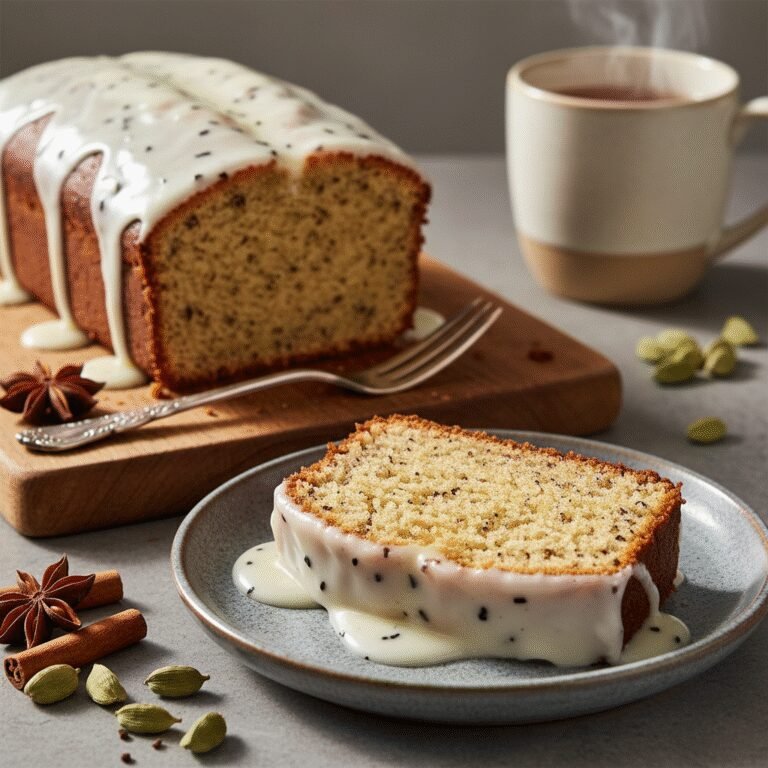
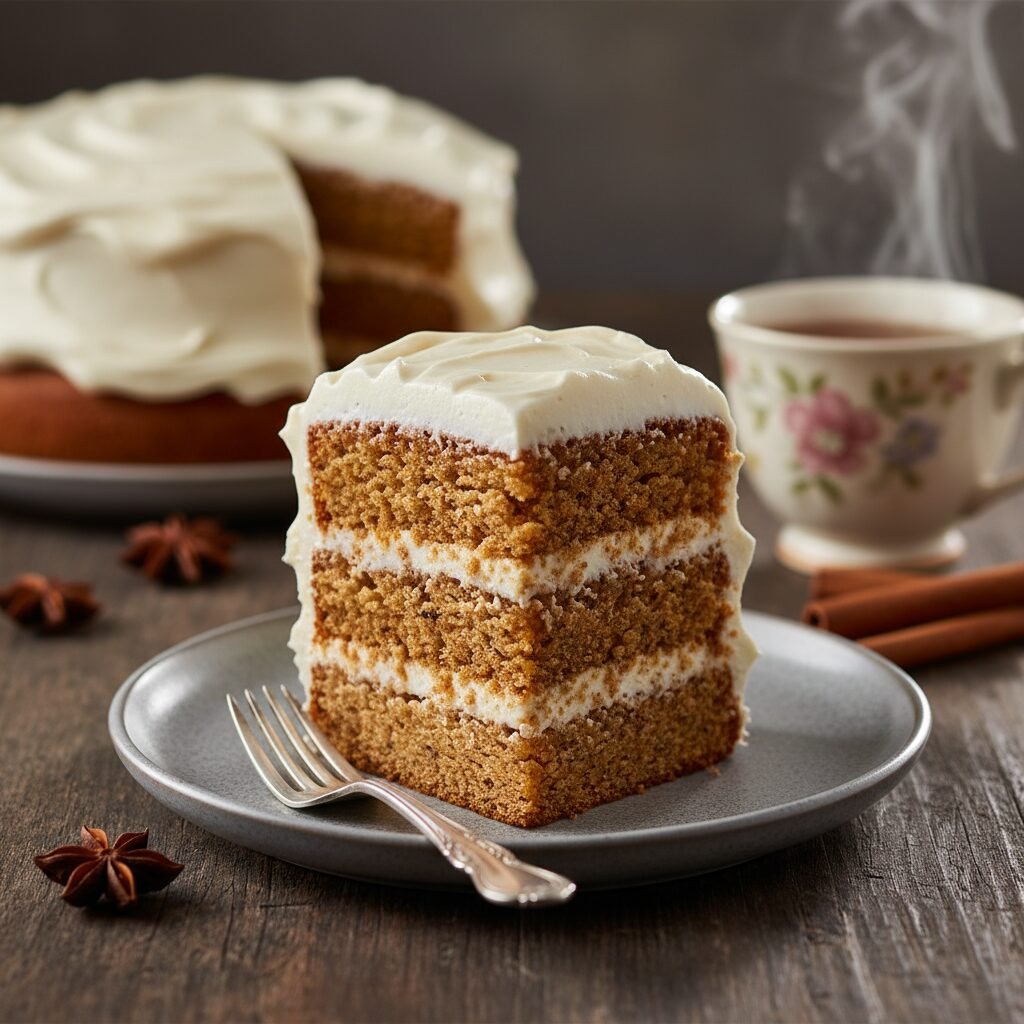
The Ultimate Moist Chai Spice Layer Cake with Cinnamon Cream Cheese Frosting
Moist Chai Spice Cake Layer Cake Recipe
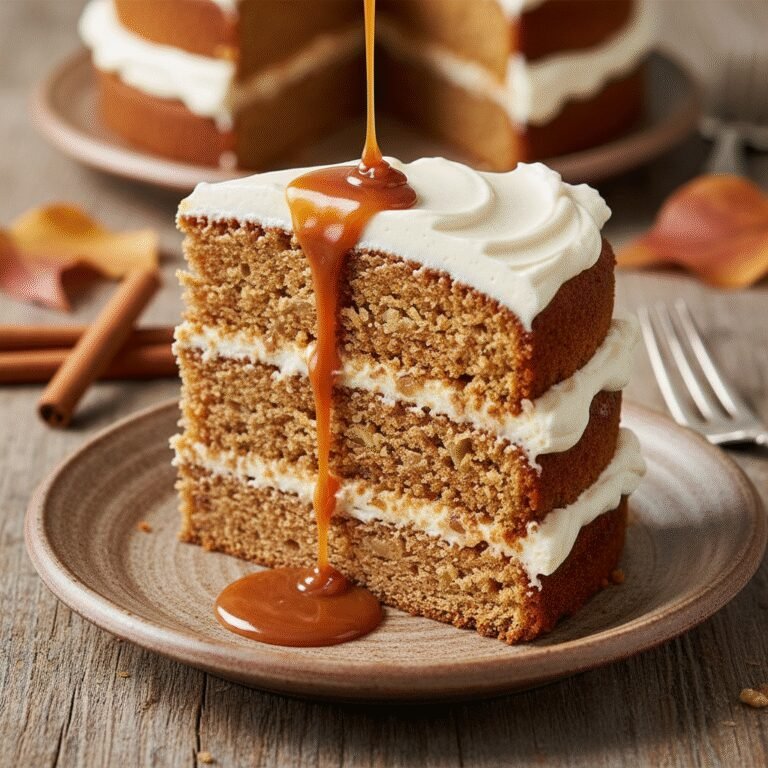
Experience the cozy warmth of your favorite latte in dessert form with this incredibly moist Chai Spice Layer Cake. Infused with a robust blend of cardamom, cinnamon, ginger, and cloves, and smothered in a tangy cinnamon cream cheese frosting, this cake is the perfect centerpiece for any autumn gathering or holiday table.
45 minutes
35 minutes
1 hour 20 minutes
12-14 servings
Dessert
Baking
American Fusion
Vegetarian
There is something undeniably magical about the aroma of chai spices wafting through a kitchen. It evokes a sense of comfort, warmth, and nostalgia that few other flavor profiles can achieve. This Moist Chai Spice Layer Cake is not just a dessert; it is a celebration of those cozy feelings, transformed into a decadent, towering treat. Imagine the robust, tannic notes of black tea perfectly balanced by the spicy heat of ginger, the floral sweetness of cardamom, and the woody depth of cinnamon. Now, imagine those flavors infused into a tender, melt-in-your-mouth cake crumb that stays soft for days. That is exactly what this recipe delivers.
For many home bakers, spice cakes can sometimes run the risk of being dry or overly dense. However, this recipe utilizes a specific combination of oil and buttermilk to ensure a texture that is light yet incredibly moist. We don’t just throw dry spices into the batter; we steep high-quality black tea bags in hot milk to create a concentrated ‘chai concentrate’ that serves as the liquid backbone of the cake. This technique ensures that the tea flavor is profound and authentic, rather than a whisper of flavor lost behind the sugar. Paired with a luscious, creamy cinnamon cream cheese frosting, the tanginess cuts through the sweetness of the cake, creating a harmonious bite that will have your guests asking for seconds. Whether you are baking for Thanksgiving, a winter birthday, or simply because you crave something special on a rainy weekend, this cake is guaranteed to impress.
History & Origins
The origins of the flavor profile we now recognize as ‘chai spice’ are deeply rooted in Indian history and culture. In India, ‘chai’ simply means ‘tea.’ Therefore, the term ‘chai tea’ often used in the West is linguistically redundant, translating to ‘tea tea.’ The traditional beverage is known as ‘Masala Chai,’ which translates to ‘mixed spice tea.’ The history of Masala Chai dates back thousands of years to the ancient courts of India and Siam. Legend has it that a king created the spiced beverage as an Ayurvedic cleansing drink. Originally, this mixture did not contain tea leaves (Camellia sinensis) at all; it was purely a medicinal blend of spices including ginger, black pepper, cardamom, cinnamon, and cloves, designed to improve digestion and circulation.
It wasn’t until the British colonization of India in the 19th century that black tea became a staple component of the drink. The British established tea plantations in Assam to break the Chinese monopoly on tea. As tea production soared, it became accessible to the Indian public. Vendors, known as ‘chai wallahs,’ began adding milk, sugar, and spices to the strong black tea to enhance the flavor and make it more sustaining and affordable for the working class. Over time, Masala Chai became the beverage of the nation, with every family and region boasting their own unique blend of spices (masala). In recent decades, the flavor profile traveled West, evolving into the ‘chai latte’ found in coffee shops and eventually making the leap from the teacup to the dessert plate. This cake pays homage to that rich history by highlighting the traditional spices that made the original beverage a global icon.
Why This Recipe Works
This recipe succeeds where others fail because of three critical factors: the tea infusion technique, the fat selection, and the spice blooming. First, rather than relying solely on ground spices which can sometimes taste dusty or muted, we steep a high concentration of black tea in the milk used for the batter. This ‘steeping’ process extracts the tannins and deep maltiness of the tea, providing a robust base that stands up to the sugar and flour. It ensures the cake actually tastes like chai, not just a generic spice cake.
Secondly, we use a blend of vegetable oil and butter. While butter provides that classic delicious flavor, oil is superior at keeping cakes moist at room temperature because it remains liquid, whereas butter solidifies. By using both, we get the best of both worlds: the rich taste of butter and the lasting moisture of oil. Furthermore, the addition of buttermilk introduces acidity, which breaks down the long strands of gluten (protein) in the flour, resulting in a much more tender, soft crumb.
Lastly, the spices are mixed with the dry ingredients but are activated by the heat of the oven and the moisture of the batter. We use a heavy hand with cardamom and ginger, which are the hallmark high-notes of a good masala chai. The cream cheese frosting is the final piece of the puzzle; its inherent tanginess balances the deep, molasses-heavy sweetness of the brown sugar in the cake, preventing the dessert from becoming cloyingly sweet.
Why You’ll Love This Recipe
- ✓Infused with real black tea for authentic flavor depth.
- ✓Stays incredibly moist for up to 4 days thanks to the oil-buttermilk blend.
- ✓Perfectly balanced spice mix featuring cardamom, ginger, and cloves.
- ✓Tangy cinnamon cream cheese frosting complements the sweet cake.
- ✓Ideal for make-ahead preparation as the flavors meld over time.
- ✓Visually stunning with a rustic, cozy aesthetic.
Equipment You’ll Need
- ✓Three 8-inch round cake pans
- ✓Stand mixer or handheld electric mixer
- ✓Large mixing bowls
- ✓Small saucepan (for steeping tea)
- ✓Fine mesh sieve
- ✓Whisk
- ✓Rubber spatula
- ✓Wire cooling rack
- ✓Offset spatula
- ✓Cake turntable (optional)
Ingredients
- ✓1 cup whole milk
- ✓6 bags of high-quality chai tea or strong black tea
- ✓3 cups all-purpose flour
- ✓2 teaspoons baking powder
- ✓1/2 teaspoon baking soda
- ✓1 teaspoon salt
- ✓2 teaspoons ground cinnamon
- ✓1.5 teaspoons ground cardamom
- ✓1 teaspoon ground ginger
- ✓1/2 teaspoon ground cloves
- ✓1/4 teaspoon ground black pepper
- ✓1 cup unsalted butter, softened
- ✓1/2 cup vegetable oil
- ✓1.5 cups granulated sugar
- ✓1/2 cup light brown sugar, packed
- ✓4 large eggs, room temperature
- ✓2 teaspoons pure vanilla extract
- ✓1/2 cup buttermilk, room temperature
- ✓16 oz cream cheese, softened (for frosting)
- ✓1 cup unsalted butter, softened (for frosting)
- ✓6 cups powdered sugar
- ✓1 teaspoon vanilla extract (for frosting)
- ✓1 teaspoon ground cinnamon (for frosting)
- ✓Pinch of salt
Instructions
- 1. Preheat your oven to 350°F (175°C). Grease three 8-inch round cake pans with butter or cooking spray, line the bottoms with parchment paper, and grease the paper. Dust with flour and tap out the excess.
- 2. In a small saucepan, heat the 1 cup of whole milk until it just begins to simmer. Remove from heat and add the 6 tea bags. Cover and let steep for 15-20 minutes. Afterward, squeeze the tea bags tightly to extract all the liquid and flavor. You should have about 3/4 cup of strong tea milk. If less, top up with a little extra milk. Set aside to cool completely.
- 3. In a medium bowl, whisk together the flour, baking powder, baking soda, salt, cinnamon, cardamom, ginger, cloves, and black pepper. Set aside.
- 4. In the bowl of a stand mixer fitted with the paddle attachment, beat the softened butter, oil, granulated sugar, and brown sugar on medium-high speed for about 5 minutes until light and fluffy.
- 5. Add the eggs one at a time, beating well after each addition and scraping down the sides of the bowl as needed. Stir in the vanilla extract.
- 6. Reduce the mixer speed to low. Add the dry ingredients in three parts, alternating with the tea-infused milk and the buttermilk. Start and end with the dry ingredients. Mix only until just combined to avoid over-mixing.
- 7. Divide the batter evenly among the three prepared cake pans. Smooth the tops with a spatula.
- 8. Bake for 30-35 minutes, or until a toothpick inserted into the center comes out clean or with just a few moist crumbs. The cakes should spring back when lightly touched.
- 9. Allow the cakes to cool in the pans for 10 minutes, then turn them out onto a wire rack to cool completely before frosting.
- 10. To make the frosting: In a clean mixer bowl, beat the softened cream cheese and butter together until completely smooth and creamy (about 3 minutes).
- 11. Gradually add the powdered sugar, one cup at a time, mixing on low speed. Once incorporated, increase to high speed and beat for 2 minutes until fluffy.
- 12. Add the vanilla extract, ground cinnamon, and a pinch of salt. Mix until combined.
- 13. Assemble the cake: Place one cake layer on your serving plate. Spread a generous layer of frosting over the top. Repeat with the second and third layers. Frost the outside of the cake with the remaining frosting. Decorate with a dusting of cinnamon or whole star anise if desired.
Expert Cooking Tips
- ✓Ensure all refrigerated ingredients (eggs, buttermilk, butter) are at room temperature before starting. This creates a smoother emulsion and a better rise.
- ✓Do not skip the tea steeping step; it is the primary source of the authentic chai flavor.
- ✓Be careful not to over-mix the batter once the flour is added, as this can lead to a dense, rubbery cake.
- ✓Squeeze the tea bags thoroughly! The liquid trapped inside holds the most concentrated flavor.
- ✓If your frosting is too soft, refrigerate it for 15-20 minutes to firm up before piping or spreading.
- ✓Weigh your flour using a kitchen scale for the most accurate results; scooping can pack the flour and dry out the cake.
- ✓Cool the tea-milk mixture completely before adding it to the batter so it doesn’t melt the butter.
Substitutions and Variations
If you cannot find buttermilk, you can make a quick substitute by adding 1/2 tablespoon of lemon juice or white vinegar to 1/2 cup of regular milk and letting it sit for 5 minutes. For a gluten-free version, substitute the all-purpose flour with a high-quality 1:1 gluten-free baking flour blend that includes xanthan gum. If you prefer a less sweet frosting, you can swap the cream cheese frosting for a Swiss Meringue Buttercream infused with cinnamon, though the tang of cream cheese is recommended to balance the spice. Vegans can substitute flax eggs (1 tbsp ground flaxseed meal + 3 tbsp water per egg), use plant-based butter and cream cheese, and swap the whole milk/buttermilk for soy or almond milk with a splash of apple cider vinegar. Regarding spices, if you don’t have all the individual ground spices, you can use a pre-made ‘chai spice blend’ or ‘pumpkin pie spice,’ though the flavor profile will be slightly less authentic to traditional chai.
Common Mistakes to Avoid
The most common mistake with this recipe is rushing the cooling process. If you try to frost the cakes while they are even slightly warm, the butter-based cream cheese frosting will melt and slide right off the cake. Another frequent error is not measuring the flour correctly. Using the ‘scoop and sweep’ method often results in too much flour, leading to a dry cake; always spoon flour into the measuring cup and level it off, or better yet, weigh it. Additionally, some bakers skimp on the steeping time for the tea. If you only steep for 2-3 minutes, the tea flavor will be lost behind the sugar and spices. Give it the full 20 minutes for a robust flavor. Finally, ensure your baking powder and soda are fresh; expired leavening agents will result in a flat, dense cake.
Serving Suggestions
This cake is a statement piece that deserves to be the star of the show. Serve it at room temperature to ensure the frosting is creamy and the cake is soft; cold cake can taste dry and the butter in it will be hard. It pairs beautifully with, naturally, a hot cup of masala chai or a strong black coffee to cut through the sweetness. For an elegant presentation, garnish the top of the cake with whole spices like cinnamon sticks, star anise, and cardamom pods (just be sure to tell guests they are for decoration!). A drizzle of salted caramel sauce over the individual slices adds a decadent finish that complements the spices perfectly. If serving for a holiday dinner, a side of vanilla bean ice cream is never a bad idea.
Storage and Reheating Tips
Because of the cream cheese in the frosting, this cake should be stored in the refrigerator. However, it is best eaten at room temperature. Store the cake in an airtight cake carrier or cover it gently with plastic wrap to prevent it from absorbing fridge odors. It will keep well in the refrigerator for up to 5 days. To serve, remove the cake (or slices) from the fridge about 30 to 60 minutes before eating to allow the buttercream and cake crumb to soften. This cake also freezes beautifully. You can freeze the unfrosted layers wrapped tightly in plastic wrap for up to 3 months. Alternatively, you can freeze individual slices of the finished cake; place them on a baking sheet to freeze the frosting solid, then wrap tightly in plastic wrap and foil.
Nutrition Facts (Estimated)
| Serving Size | 1 slice |
| Calories | 650 |
| Fat | 34g |
| Saturated Fat | 14g |
| Unsaturated Fat | 18g |
| Trans Fat | 0g |
| Cholesterol | 85mg |
| Sodium | 320mg |
| Carbohydrates | 82g |
| Fiber | 2g |
| Sugar | 48g |
| Protein | 6g |
Frequently Asked Questions
Can I use loose leaf tea instead of tea bags?
Absolutely. Use about 2 tablespoons of high-quality loose leaf black tea. You will need to strain the milk through a fine-mesh sieve after steeping to remove the leaves before adding it to the batter.
Why does the recipe call for black pepper?
Black pepper is a traditional ingredient in Masala Chai. It adds a subtle, sharp heat that lingers at the back of the throat and highlights the warmth of the ginger and cinnamon. It won’t make the cake taste savory.
Can I bake this in a 9×13 pan instead of layers?
Yes, you can bake this in a 9×13 inch rectangular pan. You will likely need to increase the baking time to 35-45 minutes. Keep an eye on it and use the toothpick test.
My cake turned out dry. What happened?
This is usually due to over-baking or over-measuring flour. Check your oven temperature with an external thermometer, and try to weigh your ingredients. Also, ensure you didn’t over-mix the batter after adding flour.
Can I make the cake layers ahead of time?
Yes! In fact, the flavor often improves after resting. Bake the layers, let them cool completely, wrap them tightly in plastic wrap, and store them in the fridge for up to 2 days or freeze for longer before assembling.
Is the caffeine content high in this cake?
There is a small amount of caffeine from the black tea, but spread across 12-14 slices, it is negligible—much less than a cup of coffee. However, if you are very sensitive, you can use decaffeinated black tea.
What kind of oil is best to use?
Any neutral-flavored oil works best so it doesn’t compete with the spices. Vegetable oil, canola oil, or grapeseed oil are excellent choices. Avoid olive oil or coconut oil unless you want those specific flavors.
Can I reduce the sugar in the recipe?
Reducing sugar can affect the moisture and texture of the cake, making it tougher and drier. If you must reduce sweetness, I recommend reducing the sugar in the frosting rather than the cake batter.
Conclusion
This Moist Chai Spice Layer Cake is more than just a sweet treat; it is a comforting embrace on a plate. The combination of aromatic spices, the depth of black tea, and the creamy tang of the frosting creates a dessert experience that is sophisticated yet undeniably homey. Whether you are an experienced baker looking for a showstopper or a novice wanting to try your hand at layer cakes, this recipe is forgiving, reliable, and utterly delicious. We hope this cake brings a little extra warmth and joy to your kitchen this season. Happy baking!