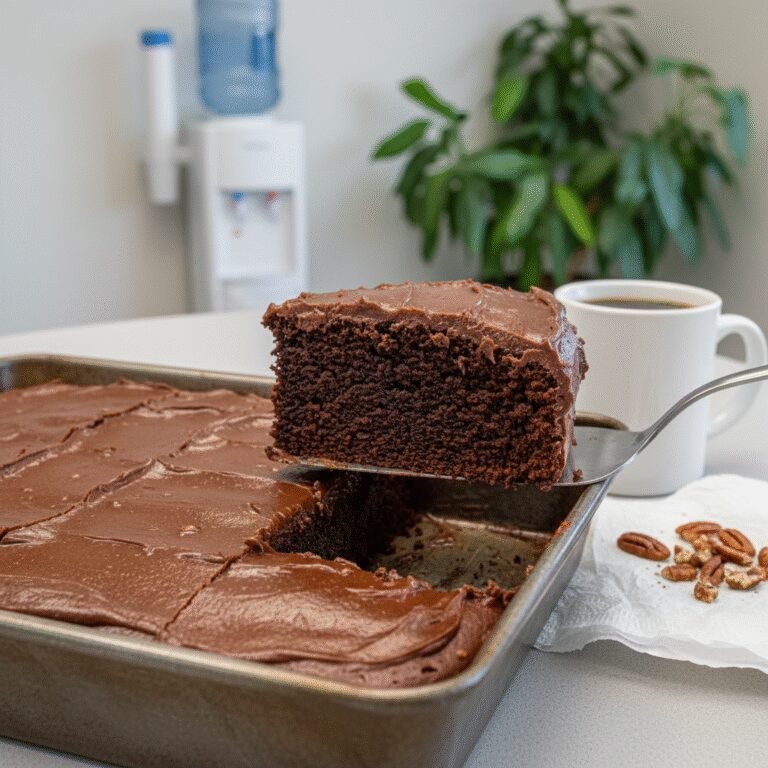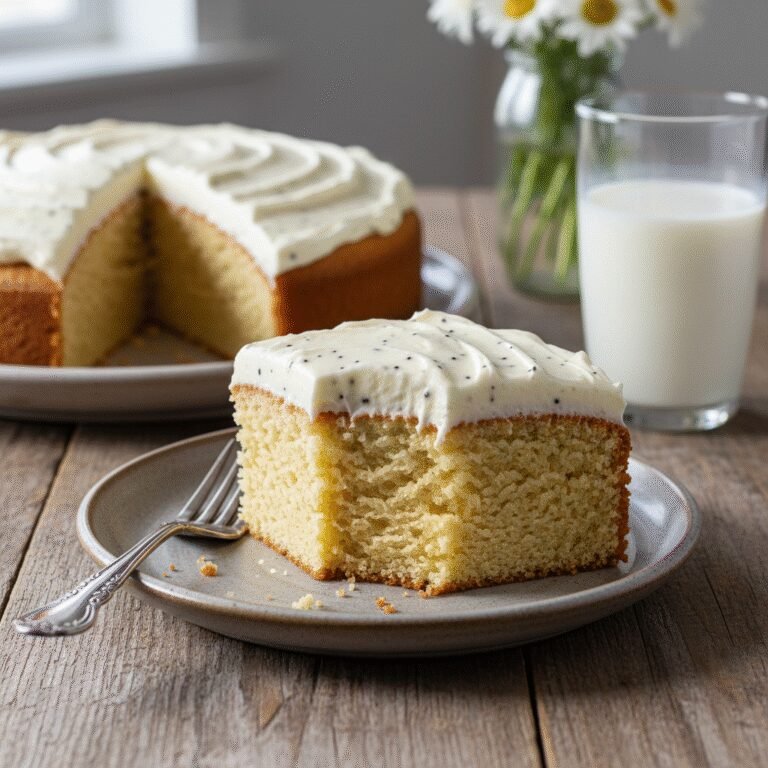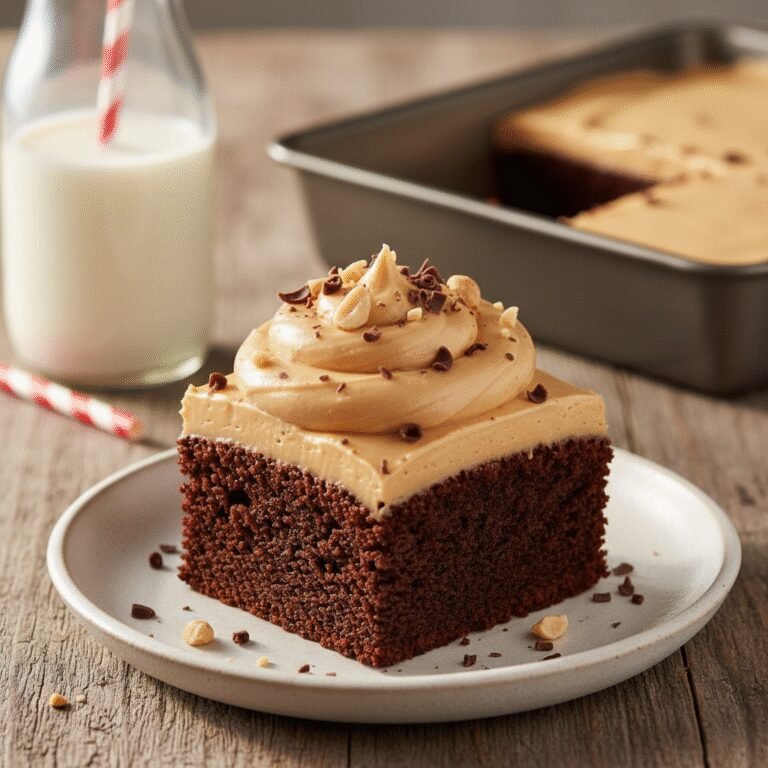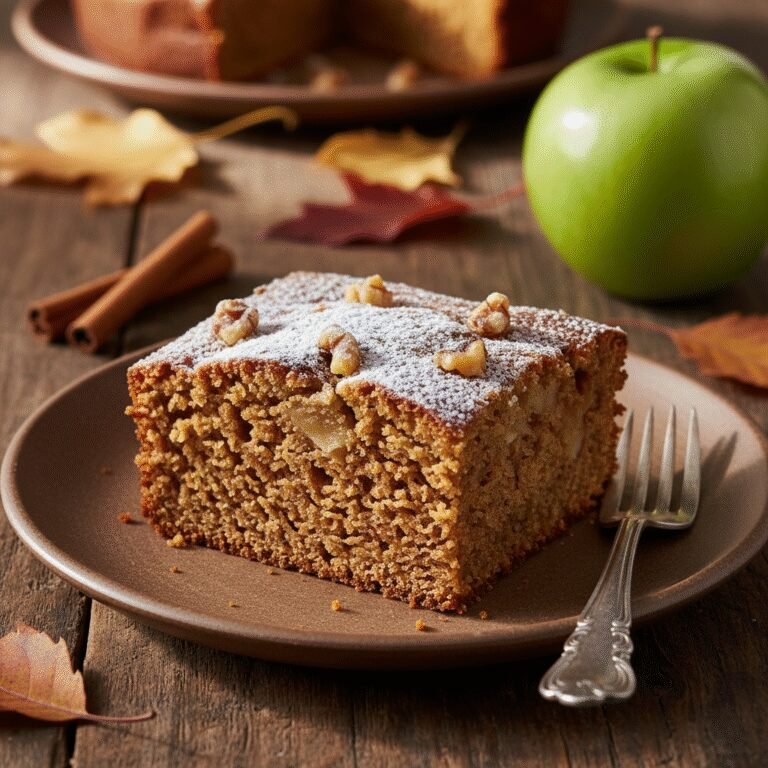
The Ultimate Moist Banana Snack Cake with Creamy Peanut Butter Frosting
Moist Banana Snack Cake With Peanut Butter Frosting Recipe
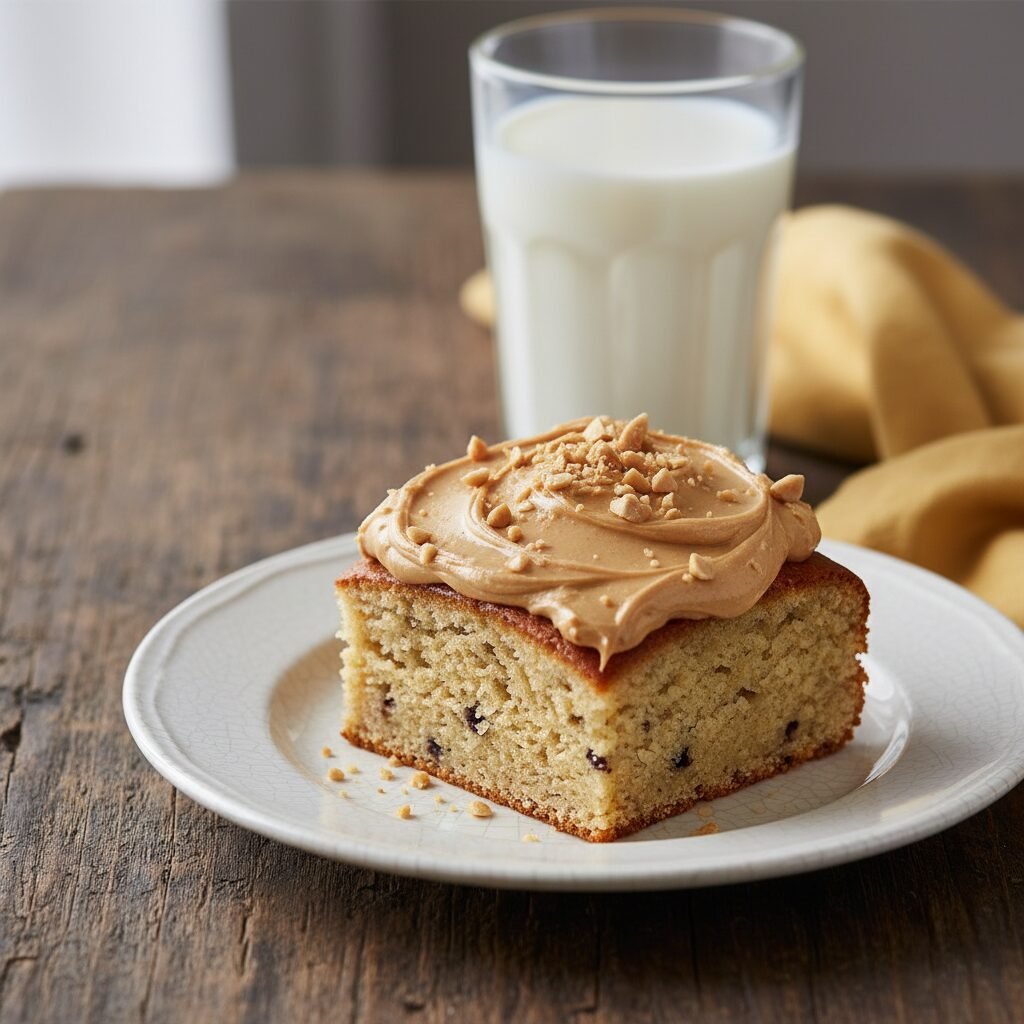
Use up those overripe bananas with this incredibly tender, moist banana snack cake topped with a thick layer of fluffy, salty-sweet peanut butter frosting. It’s an easy, one-pan dessert that tastes like a nostalgic hug and pairs perfectly with a cold glass of milk.
20 minutes
35 minutes
55 minutes (plus cooling time)
15-20 squares
Dessert
Baking
American
Vegetarian
There is something profoundly comforting about the combination of banana and peanut butter. It is a flavor pairing that transcends generations, evoking memories of after-school snacks, brown-bag lunches, and midnight cravings. While banana bread often holds the title for the most popular use of spotted, brown bananas, this Moist Banana Snack Cake is here to challenge that reign. Unlike a dense loaf that requires slicing and often toasting, this snack cake is designed to be light, fluffy, and incredibly tender, baked right in a 9×13 pan for ultimate ease. It bridges the gap between a breakfast bread and a decadent dessert, offering a crumb that is soft enough to melt in your mouth but sturdy enough to hold up a generous swoosh of frosting.
The magic of this cake lies in its simplicity and its texture. We aren’t looking for the heaviness of a pound cake here; we are aiming for a plush, velvet-like consistency that stays moist for days. The sweetness of the ripe bananas is deepened by brown sugar and warm cinnamon, creating a base that is delicious on its own. However, the true showstopper is the frosting. This isn’t just a glaze; it is a whipped, creamy, peanut butter buttercream that balances the sweetness of the cake with a savory, nutty punch. When you take that first bite—the cool, creamy frosting hitting the tender, spiced cake—you realize why this duo is a classic. Whether you are baking for a potluck, a kid’s birthday, or just to salvage those bananas on your counter, this recipe delivers a high-reward treat with minimal effort.
History & Origins
The history of the banana snack cake is deeply intertwined with the evolution of baking in America and the availability of the fruit itself. Bananas were considered a rare, exotic luxury in the United States until the late 19th century, when refrigeration and transport improvements made them more accessible. However, the concept of baking with mashed bananas truly took hold during the Great Depression. As food became scarce, throwing away overripe fruit was unthinkable. Resourceful home cooks discovered that rotting bananas, which were chemically changing from starch to sugar, added immense moisture and sweetness to baked goods, allowing them to cut back on expensive sugar and fat. This era gave birth to the ubiquitous banana bread.
The transition from ‘bread’ to ‘snack cake’ occurred largely during the mid-20th century, specifically the 1950s and 60s. This was the golden age of convenience cooking and the rise of the ‘sheet cake’ or ‘pan cake.’ As suburban life expanded, housewives sought recipes that could feed a crowd or a large family with a single pan, avoiding the fuss of layer cakes. The term ‘snack cake’ itself implies a casual nature—something meant to be eaten with your hands or a fork, straight from the pan, perhaps with afternoon coffee or after school.
The addition of peanut butter frosting pays homage to an American cultural icon: Elvis Presley. The King of Rock and Roll was famously obsessed with the combination of peanut butter and bananas (often fried in sandwiches). This flavor profile exploded in popularity in the American South and eventually spread nationwide. Today, the banana cake with peanut butter frosting is a modern classic, representing a marriage of Depression-era resourcefulness and the indulgent, comfort-food culture of the mid-century American kitchen.
Why This Recipe Works
This recipe succeeds where others fail because it meticulously balances moisture content and acidity to create a crumb that is tender, not gummy. Many banana cake recipes result in a dense, heavy texture similar to bread because they rely solely on the bananas for moisture. This recipe, however, utilizes a specific combination of oil and sour cream. Oil is hydrophobic, meaning it doesn’t mix with water; this prevents the flour from absorbing too much liquid and developing excessive gluten, which leads to toughness. Furthermore, oil remains liquid at room temperature, ensuring the cake stays soft on the counter, unlike butter-based cakes which can firm up.
The sour cream plays a dual role. First, its acidity activates the baking soda, ensuring a powerful rise that counteracts the heaviness of the fruit purée. Second, the protein and fat in the dairy tenderize the gluten strands, resulting in that desirable ‘velvet’ texture. We also use a blend of brown and white sugars. The molasses in the brown sugar is hygroscopic, meaning it attracts and holds water molecules, locking moisture into the cake long after it has left the oven.
Finally, the frosting ratio is calculated to provide the perfect counterpoint to the cake. Banana cake is very sweet; a standard vanilla buttercream would make it cloying. Peanut butter, naturally rich and savory, cuts through that sugar. By whipping the peanut butter with butter and a splash of heavy cream, we introduce air into the frosting, making it spreadable and light rather than a heavy paste, creating the ultimate textural contrast.
Why You’ll Love This Recipe
- ✓Stays moist for up to 4 days thanks to the oil and sour cream base.
- ✓The peanut butter frosting is whipped to perfection—salty, sweet, and creamy.
- ✓One-bowl method for the cake means minimal cleanup.
- ✓Perfect use for heavily spotted or brown overripe bananas.
- ✓Feeds a crowd: yields generous servings from a standard 9×13 pan.
- ✓Kid-friendly flavor profile that adults love too.
Equipment You’ll Need
- ✓9×13 inch baking pan
- ✓Large mixing bowl
- ✓Medium mixing bowl
- ✓Electric hand mixer or Stand mixer
- ✓Whisk
- ✓Rubber spatula
- ✓Measuring cups and spoons
- ✓Wire cooling rack
Ingredients
- ✓2 cups all-purpose flour
- ✓1 teaspoon baking soda
- ✓1/2 teaspoon salt
- ✓1 teaspoon ground cinnamon
- ✓1/2 cup unsalted butter, softened (for cake)
- ✓1/2 cup vegetable oil or canola oil
- ✓1 cup granulated sugar
- ✓1/2 cup light brown sugar, packed
- ✓3 large ripe bananas, mashed (approx. 1.5 cups)
- ✓2 large eggs, room temperature
- ✓1/2 cup full-fat sour cream or Greek yogurt
- ✓1 teaspoon vanilla extract
- ✓FOR THE FROSTING:
- ✓1/2 cup unsalted butter, softened
- ✓1 cup creamy peanut butter (standard commercial brand like Jif or Skippy)
- ✓2 cups powdered sugar (confectioners’ sugar)
- ✓1 teaspoon vanilla extract
- ✓2-3 tablespoons heavy cream or milk
- ✓Pinch of salt (optional, to taste)
Instructions
- 1. Preheat your oven to 350°F (175°C). Grease a 9×13 inch baking pan with non-stick spray or butter, and set it aside.
- 2. In a medium bowl, whisk together the flour, baking soda, salt, and cinnamon until well combined. This ensures the leavening agents are evenly distributed.
- 3. In a large mixing bowl (or stand mixer), cream together the softened butter, vegetable oil, granulated sugar, and brown sugar on medium speed until the mixture is light and fluffy (about 2-3 minutes).
- 4. Add the eggs one at a time, beating well after each addition. Scrape down the sides of the bowl.
- 5. Mix in the mashed bananas, sour cream, and vanilla extract until fully incorporated. The batter may look slightly curdled at this point; this is normal.
- 6. Reduce the mixer speed to low. Gradually add the dry ingredients to the wet ingredients. Mix only until streaks of flour disappear. Do not overmix.
- 7. Pour the batter into the prepared baking pan and smooth the top with a spatula.
- 8. Bake for 30-35 minutes, or until a toothpick inserted into the center comes out clean or with just a few moist crumbs attached.
- 9. Remove the cake from the oven and place the pan on a wire rack. Allow the cake to cool COMPLETELY before frosting. If the cake is warm, the frosting will melt.
- 10. While the cake cools, make the frosting. In a large bowl, beat the 1/2 cup softened butter and 1 cup peanut butter together until smooth and creamy.
- 11. Gradually add the powdered sugar, about 1/2 cup at a time, mixing on low speed until incorporated.
- 12. Add the vanilla extract and 1 tablespoon of heavy cream. Increase speed to high and whip for 2-3 minutes.
- 13. Add more cream, one teaspoon at a time, until you reach your desired spreading consistency. The frosting should be fluffy and pale.
- 14. Spread the frosting generously over the cooled cake. Slice into squares and serve.
Expert Cooking Tips
- ✓Use extremely ripe bananas. They should be covered in brown spots or mostly black. This ensures the maximum sweetness and moisture.
- ✓Do not overmix the batter once the flour is added. Overmixing develops gluten and will make the cake dense and rubbery instead of tender.
- ✓Room temperature ingredients are key. Ensure your eggs, sour cream, and butter are not cold. This allows them to emulsify properly, creating a uniform crumb.
- ✓Measure flour correctly. Spoon the flour into the measuring cup and level it off with a knife. Scooping directly from the bag packs the flour and can lead to a dry cake.
- ✓Cool completely. It is tempting to frost a warm cake, but the butter in the frosting will separate and slide right off. Patience is a virtue here.
- ✓Use commercial peanut butter. Natural peanut butters that require stirring can be too oily and may cause the frosting to separate or be too runny.
Substitutions and Variations
This recipe is quite resilient and allows for several substitutions. If you don’t have sour cream, full-fat plain Greek yogurt or buttermilk are excellent alternatives that provide the necessary acidity. For a dairy-free cake, you can use a plant-based sour cream or even applesauce (though this changes the texture slightly) and swap the butter for vegan butter sticks. The vegetable oil can be replaced with melted coconut oil, though this will impart a slight coconut flavor. For the flour, a 1:1 gluten-free all-purpose flour blend (like King Arthur or Bob’s Red Mill) works wonderfully; just ensure the blend contains xanthan gum. In the frosting, you can use almond butter or cashew butter if you have a peanut allergy, provided they are the ‘no-stir’ creamy variety. If you prefer a lighter frosting, you can swap half the peanut butter for cream cheese for a tangy twist.
Common Mistakes to Avoid
The most common mistake is using under-ripe bananas. Yellow or green bananas lack the sugar content and softness required for the texture of this cake; if your bananas aren’t ready, wait a few days or roast them in the oven to speed up the process. Another error is over-baking. Because the cake is dark from the cinnamon and brown sugar, it can be hard to tell when it’s done by color alone. Rely on the toothpick test and check it at the 30-minute mark. Finally, regarding the frosting, adding all the powdered sugar at once can result in a powdery mess and a lumpy texture. Add it slowly. Also, using ‘natural’ peanut butter (the kind with oil on top) often leads to a broken, greasy frosting. Stick to standard creamy peanut butter for the best stability.
Serving Suggestions
This cake is rich, so it pairs beautifully with beverages that cut the sweetness. A cold glass of dairy or oat milk is the classic choice. For adults, a hot cup of black coffee or an espresso provides a wonderful contrast to the sweet peanut butter frosting. If you want to dress up the cake for a party, sprinkle the top with chopped salted peanuts, mini chocolate chips, or a drizzle of chocolate ganache before serving. For a decadent summer treat, serve a square slightly warm (microwave for 10 seconds) with a scoop of vanilla bean ice cream, though be warned the frosting will melt into a delicious sauce.
Storage and Reheating Tips
Because the frosting contains dairy (cream and butter) and the cake is very moist, storage depends on how quickly you plan to eat it. The cake can be kept at room temperature in an airtight container for up to 2 days. However, for the best freshness and to prevent the frosting from getting too soft, store it in the refrigerator for up to 5 days. Let the slices come to room temperature for 15-20 minutes before eating for the best texture. To freeze, place unfrosted cake squares in an airtight container separated by parchment paper for up to 3 months. You can also freeze the frosted cake; simply flash freeze the slices on a baking sheet until the frosting is hard, then wrap them individually in plastic wrap and foil.
Nutrition Facts (Estimated)
| Serving Size | 1 square |
| Calories | 380 |
| Fat | 18g |
| Saturated Fat | 7g |
| Unsaturated Fat | 10g |
| Trans Fat | 0g |
| Cholesterol | 45mg |
| Sodium | 210mg |
| Carbohydrates | 52g |
| Fiber | 2g |
| Sugar | 32g |
| Protein | 5g |
Frequently Asked Questions
Can I bake this in a different size pan?
Yes. You can halve the recipe for an 8×8 or 9×9 inch square pan (bake for 25-30 minutes). You can also make cupcakes; this recipe yields about 24 cupcakes. Bake them for 18-22 minutes.
Why did my cake sink in the middle?
This usually happens if the cake was underbaked or if the oven door was opened too early, causing a sudden temperature drop. It can also result from over-leavening (too much baking soda) or over-beating the eggs.
Can I use frozen bananas?
Absolutely. Thaw them completely before using. You will notice a lot of liquid is released during thawing; do not discard this liquid! It contains sugars and flavor. Include it in the batter.
Is the vinegar or lemon juice necessary if I don’t have sour cream?
If you are substituting regular milk for sour cream, yes. You need to make ‘buttermilk’ by adding a teaspoon of vinegar or lemon juice to the milk to ensure the baking soda activates properly.
Can I use crunchy peanut butter for the frosting?
You can, but it will change the texture. It won’t be as smooth and pipeable, but if you enjoy the crunch of peanuts in your frosting, it works perfectly fine.
How do I ripen bananas quickly?
Place unpeeled bananas on a baking sheet and bake at 300°F for 15-20 minutes until the skins are black and the fruit is soft. Let them cool before peeling and mashing.
Can I reduce the sugar in the recipe?
You can reduce the sugar in the cake by about 1/4 cup without ruining the structure, but reducing it further may affect the moisture and texture. The frosting relies on powdered sugar for structure, so reducing it there will make the frosting runny.
Why is my frosting grainy?
This happens if the butter or peanut butter was too cold when mixing, or if the powdered sugar wasn’t sifted. Ensure ingredients are at room temperature and beat the mixture for longer to dissolve the sugar.
Conclusion
This Moist Banana Snack Cake with Peanut Butter Frosting is more than just a way to save dying bananas; it’s a celebration of simple, rustic flavors that work in perfect harmony. The combination of the spiced, tender crumb and the savory-sweet, cloud-like frosting is truly addictive. It’s the kind of recipe that gets requested at every family gathering and disappears from the counter in record time. Whether you are an experienced baker or a novice in the kitchen, this foolproof recipe promises a bakery-quality result with home-baked charm. So, grab those brown bananas, preheat your oven, and get ready to enjoy your new favorite comfort food.