
The Ultimate Moist Banana Snack Cake With Fudgy Chocolate Frosting
Moist Banana Snack Cake With Chocolate Frosting Recipe
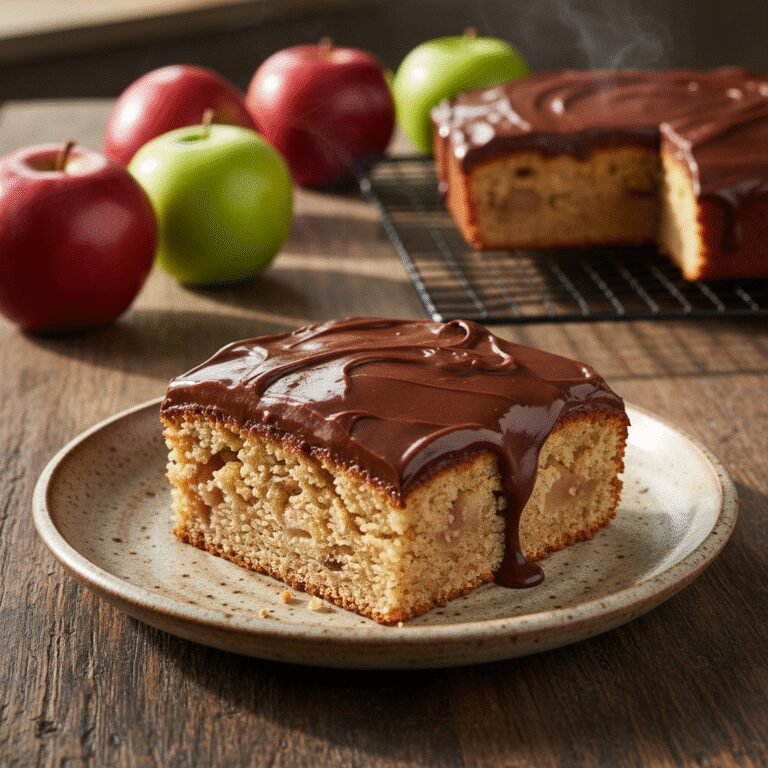
This impossibly moist banana snack cake is the perfect way to use up ripe bananas, featuring a tender crumb and a thick layer of luscious chocolate frosting. It is an easy, one-bowl bake that comes together quickly, making it the ultimate comfort food for afternoon cravings or impromptu gatherings.
15 minutes
35 minutes
50 minutes
9-12 servings
Dessert
Baking
American
Vegetarian
There is something undeniably nostalgic and comforting about a classic snack cake. Unlike elaborate layer cakes that require hours of chilling, crumb coating, and piping, a snack cake is humble, approachable, and designed to be eaten right out of the pan. This Moist Banana Snack Cake with Chocolate Frosting is the epitome of that comfort. It bridges the gap between a morning banana bread and a decadent evening dessert. The texture is the star of the show here: it is incredibly soft, plush, and moist, thanks to a specific combination of ripe bananas, oil, and sour cream. While banana bread is often dense and heavy, this cake retains a lightness that allows the banana flavor to shine without weighing you down. Then, there is the frosting. We are not just dusting this with powdered sugar; we are slathering it in a rich, fudgy chocolate buttercream that perfectly complements the fruity sweetness of the banana. The pairing of banana and chocolate is a tale as old as time, and in this recipe, they harmonize beautifully. This cake is designed for the busy home baker who wants a high-reward treat with minimal effort. Whether you are looking for a sweet addition to a brunch spread, a treat for a school bake sale, or simply something to enjoy with a tall glass of cold milk on a Tuesday afternoon, this recipe delivers every single time. It is the kind of recipe that you will memorize and return to whenever you spot those spotty brown bananas on your counter.
History & Origins
The history of banana baking in the United States is a fascinating journey through economic shifts and technological advancements. While bananas were available in the US in the late 19th century, they were initially expensive and rare. It wasn’t until refrigeration improved in the early 20th century that they became a household staple. The true explosion of banana-based baking, specifically banana bread, occurred during the Great Depression. During this era of scarcity, throwing away food was unthinkable. Housewives needed a way to use overripe bananas that were too mushy to eat out of hand, and simultaneously, the popularization of chemical leavening agents like baking powder and baking soda made ‘quick breads’ accessible. This resourcefulness birthed the banana bread we know today. The ‘snack cake’ concept, however, gained traction in the post-WWII era, particularly in the 1950s and 60s. As suburban life expanded and convenience became a priority, single-layer cakes that could be baked in a square or rectangular pan became a staple of American kitchens. These cakes were often marketed on the back of flour boxes or in community cookbooks as ‘busy day’ cakes. The addition of chocolate frosting to banana cake likely evolved from the popular ‘wacky cake’ or ‘depression cake’ trends, where bakers sought to elevate simple fruit-based cakes into more dessert-like treats. Today, the banana snack cake represents a perfect blend of that Depression-era resourcefulness and the mid-century love for convenient, frosted confections.
Why This Recipe Works
This recipe succeeds where others fail because it meticulously balances moisture retention with structural integrity. Many banana cakes end up either too dry or gummy. To avoid this, we use oil instead of butter for the batter. While butter adds flavor, it contains water which evaporates, and milk solids which can dry out. Oil is 100% fat and remains liquid at room temperature, ensuring the cake stays moist for days. We also incorporate sour cream (or Greek yogurt), which introduces acidity. This acidity reacts with the baking soda to create a superior lift, resulting in a tender crumb rather than a dense brick. Furthermore, we use a combination of brown and white sugar. The molasses in the brown sugar adds moisture and a depth of flavor that highlights the caramel notes in the ripe bananas. Finally, the frosting is designed to be sturdy enough to hold its shape but soft enough to melt in your mouth. By using cocoa powder bloomed in melted butter (if using the hot method) or simply beaten thoroughly with room temperature butter, we ensure a deep chocolate flavor that cuts through the sweetness of the banana cake. The ratio of flour to banana is also critical; too much banana makes it heavy, too little makes it dry. This recipe hits the mathematical sweet spot for the perfect hydration levels.
Why You’ll Love This Recipe
- ✓Uses oil instead of butter for lasting moisture
- ✓Requires only one bowl for the batter
- ✓Perfect way to utilize overripe brown bananas
- ✓Tangy sour cream ensures a tender, fluffy crumb
- ✓Rich chocolate frosting pairs perfectly with banana flavor
- ✓Freezes beautifully for meal prep treats
Equipment You’ll Need
- ✓9×9 inch square baking pan
- ✓Large mixing bowl
- ✓Medium mixing bowl
- ✓Whisk
- ✓Rubber spatula
- ✓Electric hand mixer (for frosting)
- ✓Measuring cups and spoons
- ✓Wire cooling rack
Ingredients
- ✓1 1/2 cups all-purpose flour
- ✓1 cup granulated sugar
- ✓1 tsp baking soda
- ✓1/2 tsp salt
- ✓3 large ripe bananas, mashed (approx 1 1/2 cups)
- ✓1 large egg, room temperature
- ✓1/3 cup vegetable oil or melted coconut oil
- ✓1 tsp pure vanilla extract
- ✓1/4 cup sour cream or plain Greek yogurt
- ✓For the Frosting:
- ✓1/2 cup unsalted butter, softened
- ✓2 cups powdered sugar
- ✓1/3 cup unsweetened cocoa powder
- ✓1-2 tbsp heavy cream or milk
- ✓1 tsp vanilla extract
- ✓Pinch of salt
Instructions
- Preheat your oven to 350°F (175°C). Grease a 9×9 inch square baking pan with non-stick spray or line it with parchment paper for easy removal.
- In a large bowl, whisk together the flour, sugar, baking soda, and salt until well combined to ensure the leavening agent is evenly distributed.
- In a separate medium bowl, mash the bananas thoroughly. Whisk in the egg, oil, vanilla extract, and sour cream until the mixture is smooth and uniform.
- Pour the wet ingredients into the dry ingredients. flavorfulUse a rubber spatula to gently fold the mixture together. Stop mixing as soon as the flour streaks disappear to avoid overworking the gluten, which can make the cake tough.
- Pour the batter into the prepared baking pan and smooth the top with the spatula. Tap the pan gently on the counter to release any large air bubbles.
- Bake for 30-35 minutes, or until a toothpick inserted into the center comes out clean or with just a few moist crumbs attached.
- Remove the cake from the oven and place the pan on a wire cooling rack. Allow the cake to cool completely before frosting. This is crucial; frosting a warm cake will cause the butter to melt and slide off.
- While the cake cools, prepare the frosting. In a large bowl using a hand mixer, beat the softened butter until creamy and pale (about 2 minutes).
- Sift the cocoa powder and powdered sugar into the butter to prevent lumps. Add the vanilla, salt, and 1 tablespoon of cream.
- Mix on low speed initially to incorporate the dry ingredients, then increase to high speed and whip for 2-3 minutes until fluffy. Add more cream one teaspoon at a time if the frosting is too stiff.
- Spread the frosting generously over the cooled cake. Slice into squares and serve.
Expert Cooking Tips
- ✓Use bananas that are heavily spotted or even black for the best sweetness and moisture.
- ✓Do not overmix the batter; stop as soon as the dry ingredients are incorporated.
- ✓Room temperature ingredients (egg and sour cream) emulsify better, creating a smoother batter.
- ✓Sifting the cocoa powder for the frosting is essential to avoid bitter, dry lumps.
- ✓If using a glass baking dish, reduce the oven temperature by 25°F as glass conducts heat differently.
Substitutions and Variations
This recipe is quite forgiving and allows for several substitutions. If you do not have sour cream, plain full-fat Greek yogurt is an excellent 1:1 substitute that maintains the moisture and tang. For a dairy-free version of the cake, use a dairy-free yogurt and ensure your oil is neutral; for the frosting, use vegan butter sticks and plant-based milk. You can swap up to half of the all-purpose flour with whole wheat pastry flour for a slightly nuttier taste without compromising texture too much. If you want to reduce refined sugar, you can use coconut sugar in the cake, though it will darken the color. For the oil, melted coconut oil, canola oil, or light olive oil all work well. If you lack heavy cream for the frosting, whole milk or even coffee (for a mocha twist) works perfectly to thin it out.
Common Mistakes to Avoid
The most common mistake is using under-ripe bananas. If your bananas are yellow or green, the cake will lack sweetness and moisture; you can speed up ripening by baking unpeeled bananas on a sheet pan at 300°F for 15-20 minutes until black. Another error is overmixing the batter after adding the flour, which develops gluten and results in a rubbery, chewy texture rather than a soft crumb. frosting the cake before it is completely cool is a disaster that leads to a greasy, melted mess—patience is key here. Finally, measuring flour by scooping the cup into the bag packs the flour down, leading to a dry cake. Always use the spoon-and-level method or weigh your ingredients for precision.
Serving Suggestions
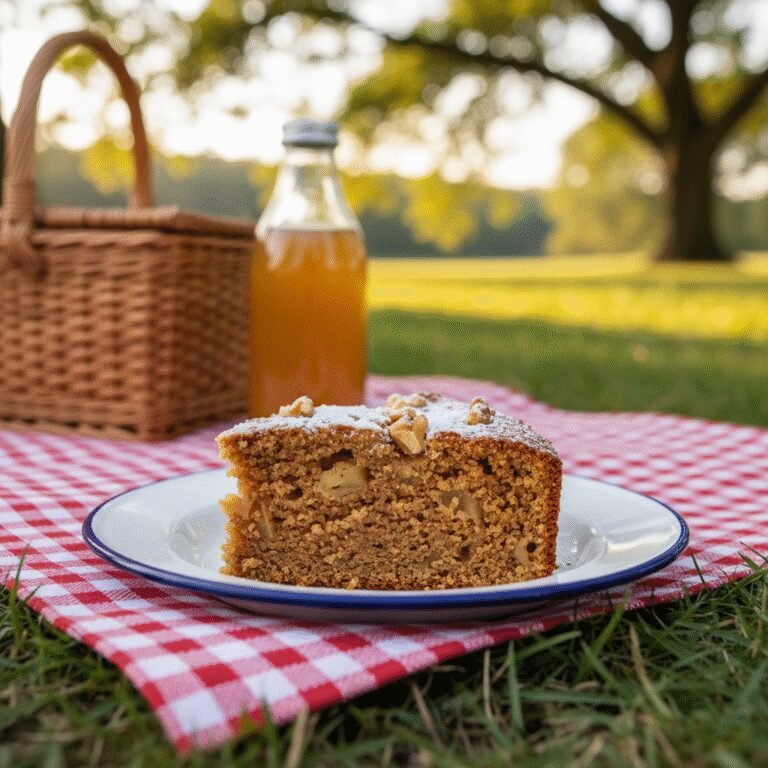
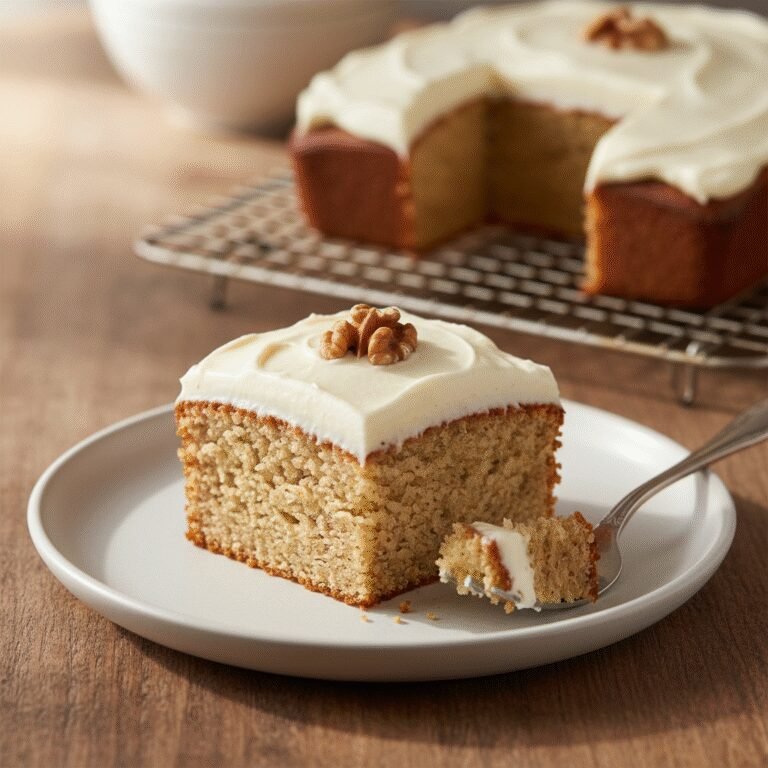
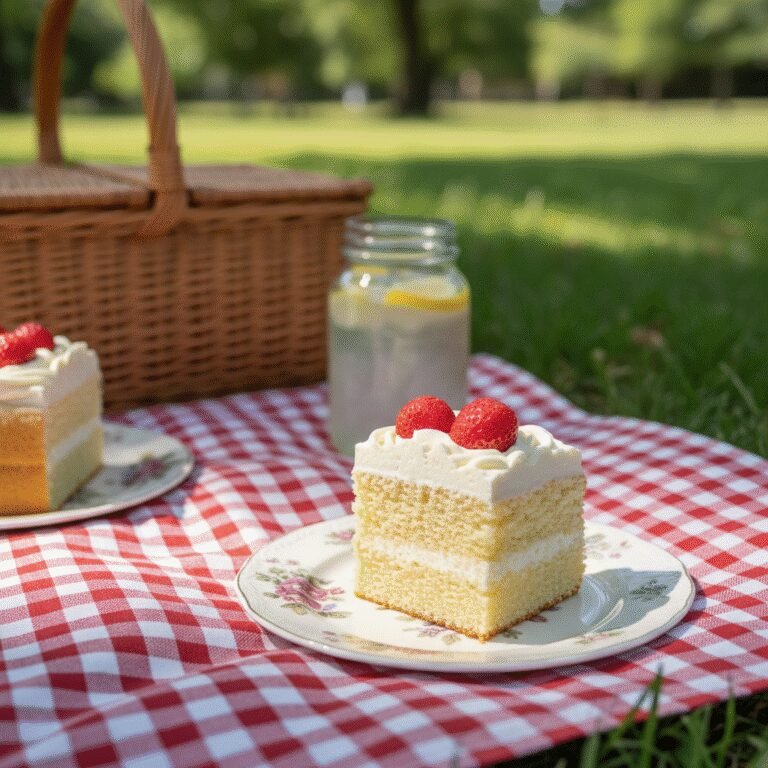
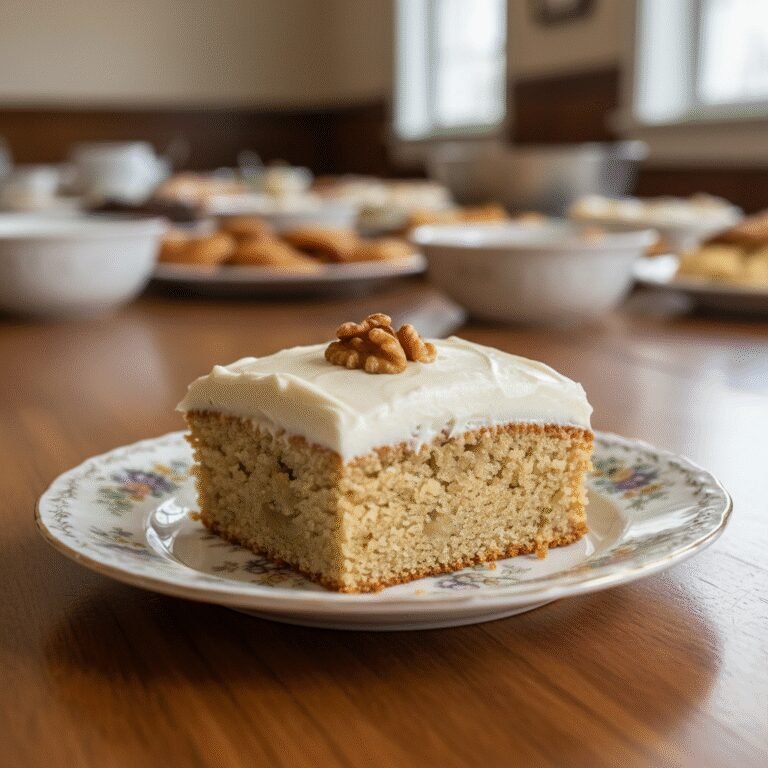
This cake is versatile enough to be served at various times of the day. For a dessert presentation, serve a slice slightly warmed (microwave for 10 seconds) with a scoop of vanilla bean ice cream on the side. For a brunch setting, it pairs wonderfully with hot coffee or an espresso to balance the sweetness. You can garnish the top with banana chips, chopped walnuts, or colorful sprinkles to make it festive for birthdays. It also travels well, making it an excellent choice for potlucks or picnics where you can serve it directly from the pan.
Storage and Reheating Tips
To store this snack cake, cover the pan tightly with plastic wrap or aluminum foil, or transfer slices to an airtight container. It can be kept at room temperature for up to 3 days, where it will remain moist. If you live in a very hot or humid climate, it is safer to store it in the refrigerator for up to 5 days, though you should let it come to room temperature before eating for the best texture. For long-term storage, you can freeze the unfrosted cake for up to 3 months wrapped in plastic and foil. You can also freeze frosted slices: place them on a baking sheet to freeze the frosting solid, then wrap individually in plastic wrap and place in a freezer bag. Thaw on the counter for a few hours before enjoying.
Nutrition Facts (Estimated)
| Serving Size | 1 slice |
| Calories | 380 |
| Fat | 18g |
| Saturated Fat | 6g |
| Unsaturated Fat | 11g |
| Trans Fat | 0g |
| Cholesterol | 45mg |
| Sodium | 210mg |
| Carbohydrates | 52g |
| Fiber | 2g |
| Sugar | 28g |
| Protein | 4g |
Frequently Asked Questions
Can I bake this in a round cake pan?
Yes, you can use a 9-inch round cake pan. The baking time should be roughly the same, but keep an eye on it starting at the 30-minute mark.
Why did my cake sink in the middle?
This usually happens if the cake was underbaked or if the oven door was opened too early during the baking process. It can also result from too much leavening (baking soda).
Can I add nuts or chocolate chips to the batter?
Absolutely! You can fold in up to 1/2 cup of chopped walnuts, pecans, or semi-sweet chocolate chips into the batter right before pouring it into the pan.
Is it necessary to use an electric mixer?
For the cake batter, no—a whisk and spatula are actually better to prevent overmixing. However, for the frosting, an electric hand mixer or stand mixer is highly recommended to get that fluffy texture.
Can I make this gluten-free?
Yes, you can use a high-quality 1:1 gluten-free all-purpose flour blend (like King Arthur or Bob’s Red Mill) in place of the wheat flour. The texture may vary slightly but it works well.
How do I know exactly when it is done?
Insert a toothpick or cake tester into the center. If it comes out with wet batter, it needs more time. If it comes out clean or with a few moist crumbs, it is perfect.
Can I reduce the sugar in the recipe?
You can reduce the sugar in the cake by about 1/4 cup without ruining the structure, but reducing it further may affect the moisture and texture. The frosting sweetness is harder to adjust as powdered sugar provides structure.
My frosting is too runny, what do I do?
Add more powdered sugar, a few tablespoons at a time, and beat until it thickens. If it is too hot in your kitchen, chill the frosting for 10 minutes.
Can I use frozen bananas?
Yes! Thaw them completely first and do not drain the liquid that comes out—include that liquid in the batter as it is packed with flavor and moisture.
What is the best way to ripen bananas quickly?
Place them in a brown paper bag with an apple overnight, or bake them in their skins at 300°F for 15-20 minutes until black and soft.
Conclusion
This Moist Banana Snack Cake with Chocolate Frosting is a testament to the beauty of simple, home-style baking. It does not require fancy techniques or exotic ingredients, yet the result is a dessert that feels special and indulgent. The contrast between the mellow, fruity banana crumb and the rich, intense chocolate frosting is a flavor combination that never goes out of style. Whether you are a novice baker looking for a foolproof recipe or a seasoned pro needing a quick fix for a sweet tooth, this cake is sure to become a cherished favorite in your recipe collection. So, the next time you see those bananas turning brown on your counter, skip the standard bread and treat yourself to this delightful snack cake instead. Happy baking!