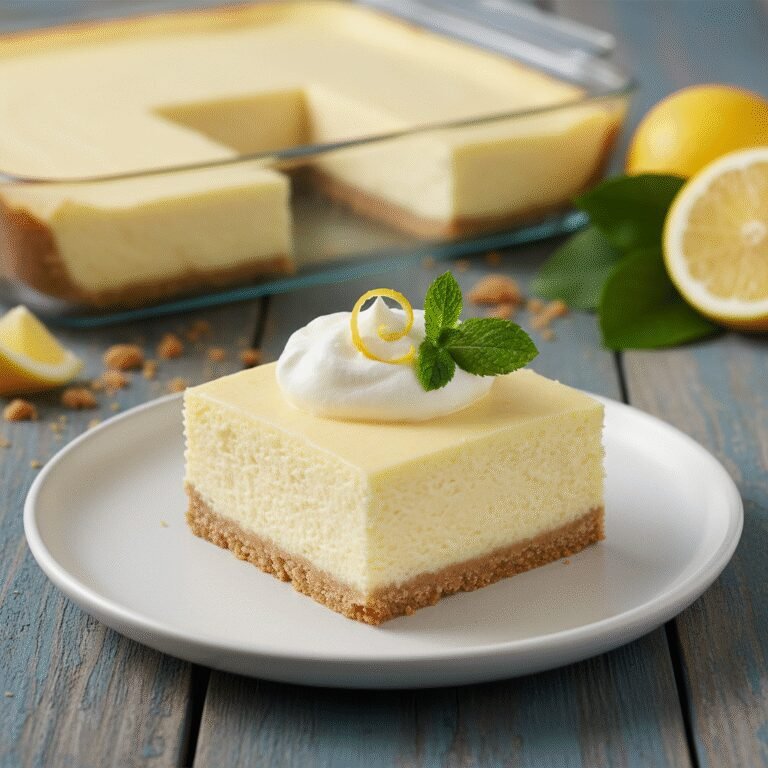
The Ultimate Easy No-Bake Lemon Cheesecake with Graham Cracker Crust
Easy No Bake Lemon Cheesecake With Graham Cracker Crust Recipe
This silky, sweet-tart No-Bake Lemon Cheesecake is the perfect dessert for when you crave indulgence without turning on the oven. Featuring a buttery homemade graham cracker crust and a luscious, airy lemon filling, it sets perfectly in the fridge for a stress-free treat.
20 minutes
0 minutes
6 hours 20 minutes (includes chilling)
10-12 servings
Dessert
No-Bake / Chilling
American
Vegetarian
There is something undeniably magical about a dessert that delivers gourmet flavor with minimal effort, and this Easy No-Bake Lemon Cheesecake is the absolute epitome of that magic. As the warmer months roll in, or simply when life gets too busy for water baths and cracked oven doors, this recipe becomes a steadfast savior in the kitchen. Imagine a dessert that captures the very essence of sunshine: bright, zesty, and incredibly refreshing, all wrapped up in a texture that is as light as a cloud yet rich enough to feel like a true indulgence. Unlike its baked New York-style cousin, which is dense and heavy, this no-bake version offers a mousse-like consistency that melts effortlessly on the tongue. The foundation is a classic, golden graham cracker crust—buttery, slightly salty, and crunchy—providing the perfect textural counterpoint to the smooth, velvety filling.
The filling itself is a masterpiece of balance. It marries the tangy punch of fresh lemon juice and zest with the creamy richness of full-fat cream cheese and whipped cream. It’s not cloyingly sweet; rather, it dances on the palate with a sophisticated tartness that makes you want to go back for just one more bite. Whether you are hosting a summer barbecue, a bridal shower, or just need a pick-me-up on a Tuesday night, this cheesecake fits the bill perfectly. It requires no eggs, no flour, and, most importantly, no heat. It is a testament to the power of simple ingredients coming together to create something greater than the sum of their parts. Prepare to fall in love with the easiest, most vibrant cheesecake you will ever make.
History & Origins
The history of cheesecake is a journey that spans millennia, evolving from ancient energy food to the decadent dessert we know today. While many associate cheesecake with New York City delis, its origins can actually be traced back to ancient Greece, specifically the island of Samos, around 2000 B.C. Anthropologists have found cheese molds dating back to this era. It was considered a potent source of energy and was even served to athletes during the first Olympic Games in 776 B.C. The Romans later adopted the recipe, adding crushed cheese and eggs, and called it ‘libum,’ often serving it as an offering to their gods. As the Roman Empire expanded, so did the recipe, eventually reaching Great Britain and Eastern Europe, where each culture added its own local spin, using ingredients like curd cheese and various sweeteners.
The modern American cheesecake, however, hinges on one crucial invention: cream cheese. In 1872, a New York dairyman named William Lawrence was attempting to replicate the French cheese Neufchâtel. In a serendipitous accident, he added too much cream, creating a richer, spreadable cheese that eventually became the Philadelphia brand. This revolutionized cheesecake making. The ‘No-Bake’ evolution is a more recent mid-20th-century phenomenon, rising in popularity alongside the advent of modern refrigeration and convenience foods in the 1950s and 60s. Home cooks sought desserts that didn’t require hours of baking, leading to the ‘icebox cake’ craze. This lemon version capitalizes on the chemical reaction between acid and dairy proteins to set the filling, a technique that became a staple in American households looking for elegant yet easy entertaining solutions.
Why This Recipe Works
This recipe succeeds where many others fail because it relies on food chemistry rather than gelatin or eggs to achieve its structure, resulting in a far superior texture. Many no-bake cheesecakes use gelatin as a stabilizer, which, if not handled correctly, can result in a rubbery or gummy consistency. This recipe, however, utilizes the natural reaction between the citric acid in the fresh lemon juice and the proteins in the sweetened condensed milk and cream cheese. The acid causes the casein proteins to coagulate and thicken the mixture naturally without heat.
Furthermore, the inclusion of heavy whipping cream is critical. By whipping the cream to stiff peaks and gently folding it into the denser cream cheese base, we introduce air bubbles that are suspended within the fat matrix. This creates a ‘mousse-like’ lightness that prevents the dessert from feeling heavy or greasy. The ratio of butter to graham cracker crumbs in the crust is also meticulously calculated. Too much butter makes the crust hard and greasy once chilled; too little makes it crumbly. This recipe hits the sweet spot, ensuring the crust holds together firmly when sliced but yields easily to a fork. Finally, using both lemon juice and lemon zest ensures a depth of flavor; the juice provides the tart acidity, while the zest contains the essential oils that deliver the aromatic floral notes of the lemon.
Why You’ll Love This Recipe
- ✓Requires absolutely no oven time, keeping your kitchen cool.
- ✓Achieves a professional, velvety texture without water baths.
- ✓Perfect balance of sweet and tart flavors.
- ✓Can be made up to 2 days in advance for stress-free hosting.
- ✓Uses simple, accessible pantry staples.
- ✓Easily customizable with different citrus fruits or toppings.
Equipment You’ll Need
- ✓9-inch Springform Pan
- ✓Electric Hand Mixer or Stand Mixer
- ✓Large Mixing Bowls
- ✓Rubber Spatula
- ✓Measuring Cups and Spoons
- ✓Zester or Microplane
- ✓Food Processor (optional, for crumbs)
Ingredients
- ✓1 1/2 cups Graham Cracker crumbs (about 10-12 full sheets)
- ✓1/3 cup Granulated Sugar (for crust)
- ✓6 tbsp Unsalted Butter, melted
- ✓16 oz (2 blocks) Full-fat Cream Cheese, softened to room temperature
- ✓1 can (14 oz) Sweetened Condensed Milk
- ✓1/3 cup Fresh Lemon Juice (approx. 2 large lemons)
- ✓1 tbsp Lemon Zest
- ✓1 tsp Pure Vanilla Extract
- ✓1 cup Heavy Whipping Cream, cold
Instructions
- Prepare the crust: In a medium bowl, combine the graham cracker crumbs, 1/3 cup granulated sugar, and melted butter. Stir until the mixture resembles wet sand.
- Press the crust: Pour the crumb mixture into a 9-inch springform pan. Use the bottom of a measuring cup or glass to firmly press the crumbs into the bottom and slightly up the sides of the pan. Place in the freezer for 10-15 minutes to set while you make the filling.
- Beat the cream cheese: In a large mixing bowl, beat the softened cream cheese on medium-high speed until it is completely smooth and creamy, about 3 minutes. Scrape down the sides of the bowl to ensure no lumps remain.
- Add sweeteners and flavor: Slowly pour in the sweetened condensed milk while continuing to beat the mixture. Add the lemon juice, lemon zest, and vanilla extract. Mix until fully combined and smooth.
- Whip the cream: In a separate cold bowl, whip the heavy whipping cream until stiff peaks form. Be careful not to overbeat it into butter.
- Fold and combine: Gently fold the whipped cream into the lemon cream cheese mixture using a rubber spatula. Use a sweeping motion to keep the mixture airy; do not stir vigorously.
- Assemble: Pour the filling over the chilled crust. Smooth the top with an offset spatula.
- Chill: Cover the pan loosely with plastic wrap and refrigerate for at least 6 hours, preferably overnight, to allow the cheesecake to set completely.
- Serve: Run a thin knife around the edge of the pan before releasing the springform ring. Garnish with extra whipped cream, lemon slices, or fresh berries before slicing.
Expert Cooking Tips
- ✓Room temperature cream cheese is non-negotiable; cold cheese will result in a lumpy filling.
- ✓Use fresh lemon juice, not bottled, for the chemical reaction to work best and for superior flavor.
- ✓Chill your beaters and bowl before whipping the cream to achieve volume faster.
- ✓Press the crust firmly; a loose crust will crumble when you serve the slice.
- ✓Do not skip the chilling time; the filling needs time to firm up or it will be runny.
- ✓Zest the lemons before juicing them—it is much harder to zest a squeezed lemon.
- ✓For clean slices, wipe your knife with a warm, damp cloth between each cut.
Substitutions and Variations
This recipe is quite flexible regarding dietary needs or pantry availability. For the crust, if you don’t have graham crackers, you can use digestive biscuits, vanilla wafers, or even gluten-free cookie crumbs for a GF version. If you prefer a salty-sweet contrast, crushed pretzels mixed with a little sugar work wonderfully. For the filling, full-fat cream cheese is essential for the structure, but you can use Neufchâtel cheese for a slightly lighter version, though it may be softer. If you are out of sweetened condensed milk, there is no direct 1:1 substitute that maintains the no-bake setting properties perfectly without adding gelatin, so stick to the recipe there. However, the citrus element is interchangeable; you can easily swap lemon for lime to make a Key Lime version, or use orange juice for a Creamsicle flavor profile. For a dairy-free version, you would need to use high-quality vegan cream cheese and coconut cream, though the setting agents might need to be assisted with agar-agar.
Common Mistakes to Avoid
The most common mistake with no-bake cheesecake is not allowing the cream cheese to soften sufficiently. If the cheese is even slightly cold, it won’t blend smoothly with the condensed milk, leaving you with tiny white lumps in your filling that ruin the texture. Another frequent error is over-mixing the heavy cream or folding it in too roughly. You want to preserve the air bubbles you created during whipping; stirring too aggressively deflates the mixture, resulting in a dense, heavy dessert rather than a light mousse. Additionally, rushing the chilling process is a recipe for disaster. Unlike baked cheesecakes that set in the oven, this relies on cold temperatures and time to firm up. Cutting into it after only 2 or 3 hours will result in a soup-like consistency that collapses on the plate.
Serving Suggestions
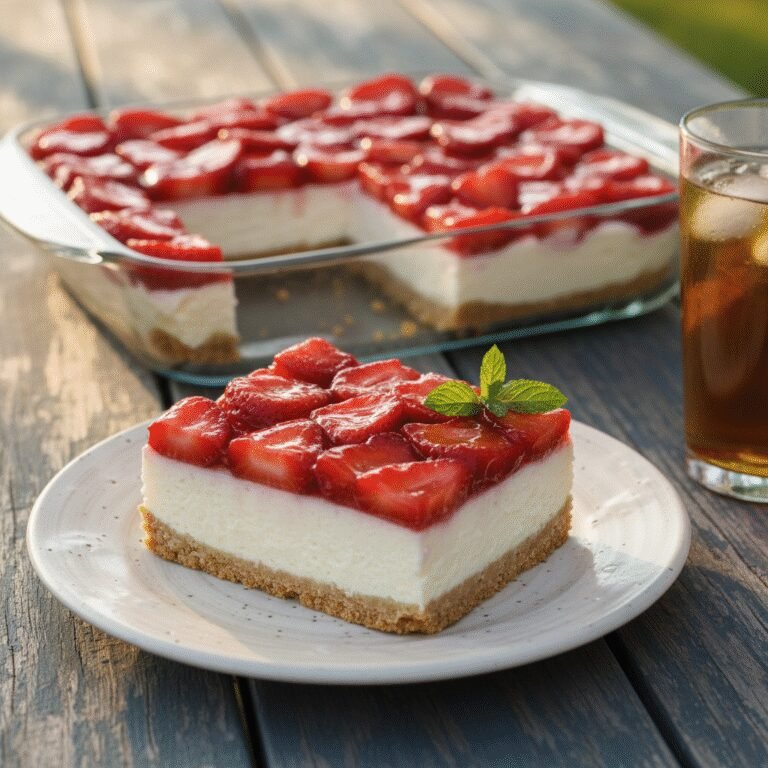
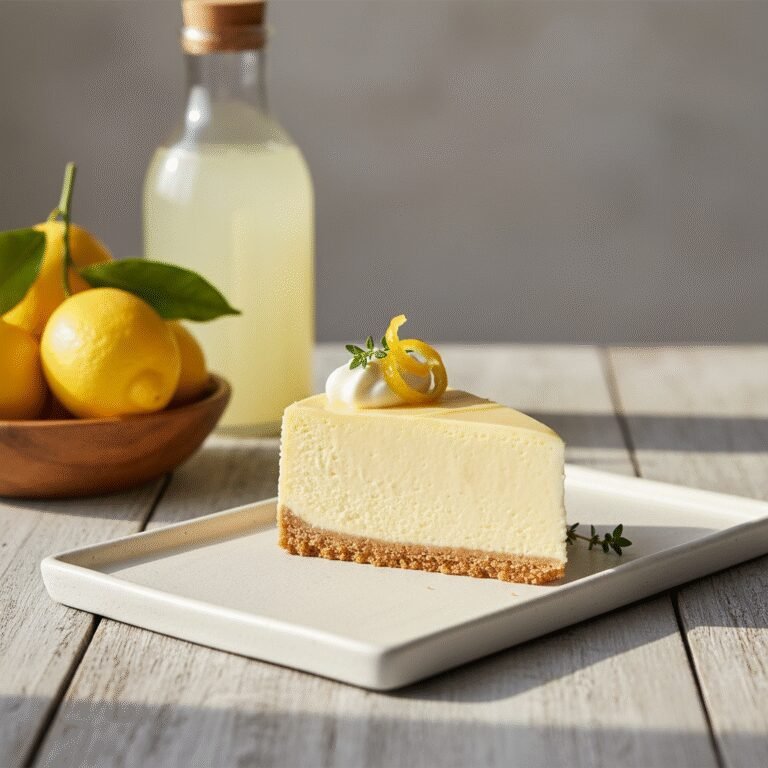
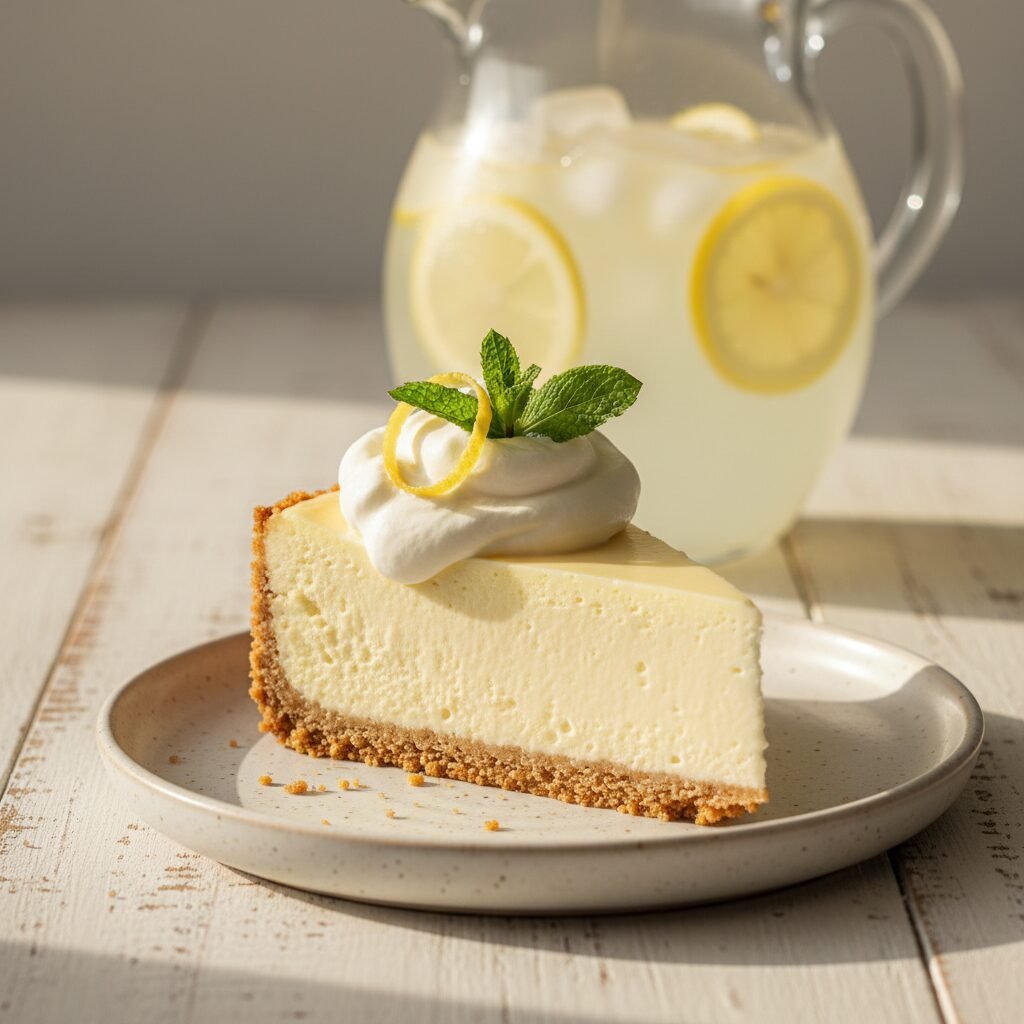
This lemon cheesecake is stunning on its own, but the right garnish can elevate it to bakery quality. Serve chilled, straight from the fridge. A dollop of freshly whipped cream and a thin twist of candied lemon peel make for an elegant presentation. For a burst of color and flavor contrast, top with fresh raspberries, blueberries, or a strawberry coulis; the berries’ sweetness pairs beautifully with the tart lemon. If you want to add texture, sprinkle some toasted coconut flakes or crushed white chocolate curls on top just before serving. For a summer party, serve alongside a glass of sparkling white wine or an iced tea to complement the citrus notes.
Storage and Reheating Tips
This cheesecake stores beautifully, making it an excellent make-ahead dessert. Keep it in the springform pan or transfer it to an airtight container in the refrigerator for up to 5 days. Cover it gently with plastic wrap or foil to prevent it from absorbing fridge odors. Do not leave it out at room temperature for more than 30-45 minutes, as the filling will begin to soften. This cheesecake also freezes exceptionally well. To freeze, let it set completely in the fridge first, then wrap the whole cheesecake (or individual slices) tightly in plastic wrap followed by a layer of aluminum foil. It can be frozen for up to 3 months. Thaw overnight in the refrigerator before serving.
Nutrition Facts (Estimated)
| Serving Size | 1 slice |
| Calories | 420 |
| Fat | 32g |
| Saturated Fat | 19g |
| Unsaturated Fat | 11g |
| Trans Fat | 0g |
| Cholesterol | 95mg |
| Sodium | 310mg |
| Carbohydrates | 38g |
| Fiber | 0.5g |
| Sugar | 28g |
| Protein | 6g |
Frequently Asked Questions
Can I use bottled lemon juice instead of fresh?
While you technically can, it is highly discouraged. Bottled lemon juice often contains preservatives that alter the flavor, giving it a metallic or artificial taste. Furthermore, the acidity levels can vary, which might affect how well the filling sets. Fresh lemon juice provides the bright, clean flavor that is central to this dessert.
Why is my cheesecake filling runny?
A runny filling usually results from one of two things: not whipping the heavy cream to stiff peaks before folding it in, or not chilling the cheesecake long enough. It needs at least 6 hours, but overnight is best. Also, using low-fat cream cheese can prevent it from setting properly.
Can I make this without a springform pan?
Yes, you can use a standard 9-inch pie dish or a square 8×8 baking dish. The only difference is that you won’t be able to remove the sides to reveal the layers, so you will have to serve it by scooping or lifting slices out of the dish.
Can I use Cool Whip instead of heavy cream?
Yes, you can substitute the 1 cup of heavy cream with about 2-3 cups of thawed Cool Whip. However, the texture will be slightly sweeter and less rich than using real heavy cream, and it may contain more artificial ingredients.
Do I need to use gelatin?
No, this specific recipe relies on the chemical reaction between the acid in the lemon juice and the proteins in the condensed milk to thicken the mixture. No gelatin is required, which keeps the texture creamy rather than rubbery.
How do I get the cream cheese to room temperature quickly?
Cut the cream cheese blocks into small cubes and spread them out on a plate. They should soften in about 20-30 minutes. Do not microwave it, as this can melt the fat and separate the mixture, leading to a greasy texture.
Is this recipe gluten-free?
The filling is naturally gluten-free. To make the entire dessert gluten-free, simply substitute the standard graham crackers with gluten-free graham crackers or gluten-free cookies for the crust.
Can I reduce the sugar in this recipe?
The sweetness comes primarily from the sweetened condensed milk, which is a structural component as well as a sweetener. Reducing it would affect the texture. You can reduce the sugar in the crust slightly, but the filling ratios should remain as written for the best set.
Conclusion
This Easy No-Bake Lemon Cheesecake is truly a testament to the fact that you don’t need complicated techniques or hours of baking to create a show-stopping dessert. Its bright, zesty flavor and cloud-like texture make it a favorite for cooks of all skill levels. Whether you are a seasoned pro looking for a quick summer treat or a beginner wanting to impress guests without the fear of a cracked oven-baked cheesecake, this recipe delivers every single time. The combination of the crunchy crust and the creamy, tangy filling is timeless. We hope this becomes a staple in your recipe box for years to come. Enjoy the slice of sunshine!