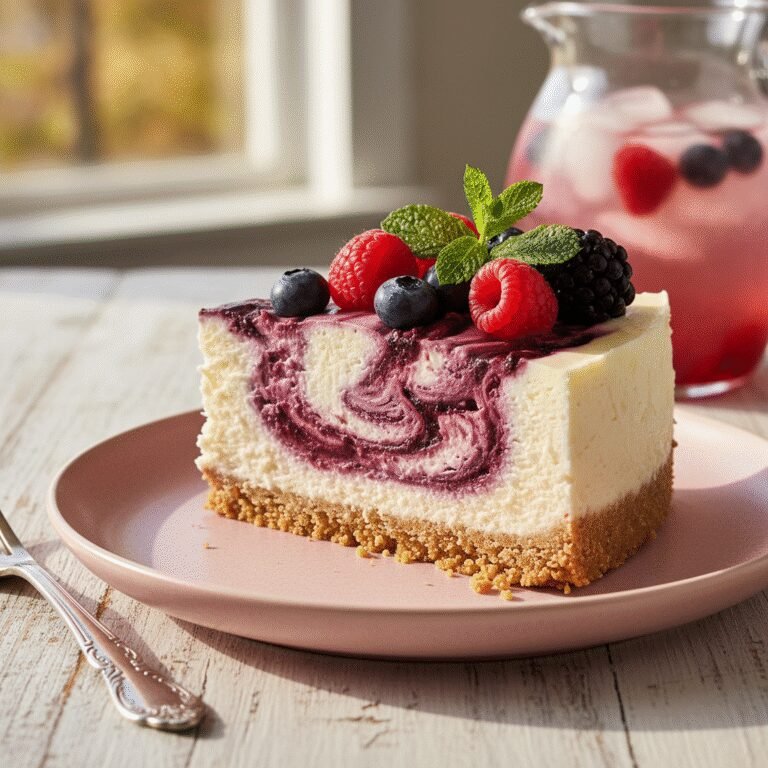
Easy No-Bake Lemon Cheesecake In Loaf Pan: The Ultimate Zesty Summer Dessert
Easy No Bake Lemon Cheesecake In Loaf Pan Recipe
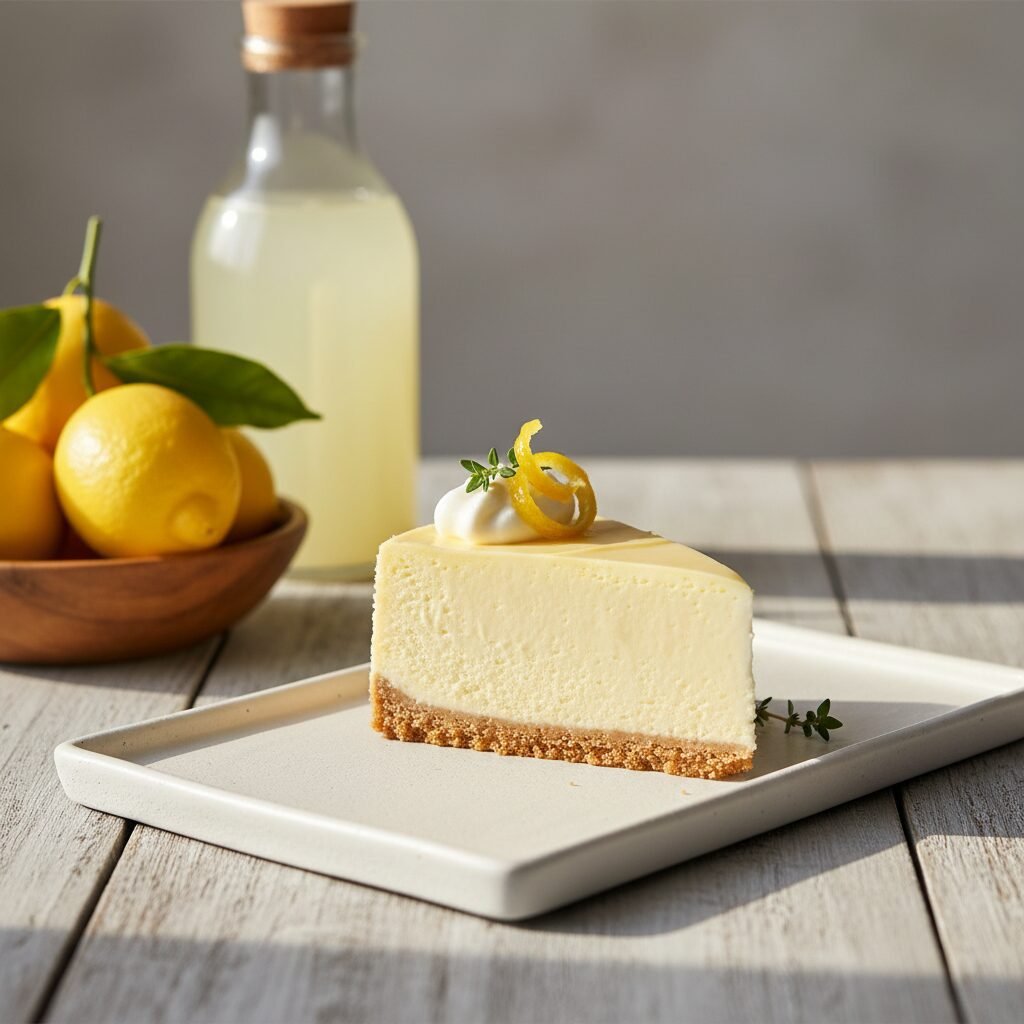
This refreshing, velvety No-Bake Lemon Cheesecake is crafted in a simple loaf pan for easy slicing and zero fuss. With a buttery graham cracker crust and a bright, tangy lemon filling, it is the perfect dessert to satisfy your sweet tooth without turning on the oven.
20 minutes
0 minutes
6 hours 20 minutes (includes chilling)
8-10 slices
Dessert
No-Bake / Refrigerator
American
Vegetarian
There is something undeniably magical about the combination of tart lemon and sweet, creamy cheesecake. It evokes memories of sunny afternoons, garden parties, and the simple joys of fresh ingredients. However, traditional cheesecake can be a daunting undertaking. The water baths, the risk of cracking, and the long baking times often deter home bakers from attempting this classic dessert. Enter the Easy No-Bake Lemon Cheesecake made in a loaf pan—a game-changer for dessert lovers everywhere. This recipe strips away the complexity while amplifying the flavor and texture. By utilizing a loaf pan instead of a traditional springform pan, we create a dessert that is not only easier to store but also slices into elegant, bar-like portions perfect for serving at casual gatherings or sophisticated dinners. The texture is where this dessert truly shines; it is lighter and airier than its baked counterpart, resembling a mousse-like consistency that melts in your mouth, yet it remains firm enough to hold its shape beautifully. The zest and juice of fresh lemons cut through the richness of the cream cheese and heavy whipping cream, creating a balanced profile that is never too heavy. This recipe is designed for the modern cook who craves gourmet results with minimal effort. Whether you are a seasoned baker looking for a quick fix or a novice wanting to impress guests, this no-bake lemon cheesecake offers high reward for low effort. We will explore how the acidity of the lemon interacts with the dairy to create that perfect set, and how the loaf pan method revolutionizes the presentation. Get ready to fall in love with your new go-to dessert.
History & Origins
The history of cheesecake is a journey that spans millennia, evolving from simple ancient energy cakes to the decadent desserts we know today. Its origins can be traced back to ancient Greece, specifically the island of Samos, where physical anthropologists excavated cheese molds dating back to 2,000 B.C. These early versions were likely a mixture of flour, honey, and soft cheese, served to athletes during the first Olympic Games in 776 B.C. for energy. When the Romans conquered Greece, they adopted the recipe, adding crushed cheese and eggs, and called it ‘libum.’ As the Roman Empire expanded, so did the cheesecake, reaching Great Britain and Eastern Europe, where each culture added its own regional twist. However, the modern cream cheese-based cheesecake is a distinctly American innovation. In 1872, a New York dairy farmer named William Lawrence accidentally invented cream cheese while attempting to replicate the French cheese Neufchâtel. This discovery paved the way for the iconic New York Style cheesecake. The ‘no-bake’ evolution gained popularity in the mid-20th century with the advent of modern refrigeration and the widespread availability of gelatin and condensed milk. Housewives in the 1950s and 60s embraced ‘icebox cakes’ for their convenience, especially during hot summer months. The loaf pan variation is a contemporary adaptation, born from the rise of small-batch baking and the aesthetic appeal of sliceable dessert bars seen on social media platforms like Pinterest. It represents the latest chapter in cheesecake’s long history—prioritizing convenience and visual appeal without sacrificing the timeless flavor that has been loved for thousands of years.
Why This Recipe Works
This recipe succeeds because it relies on the scientific interaction between fat, sugar, and acid, eliminating the need for heat. Traditional baked cheesecakes rely on eggs to coagulate and set the structure. In this no-bake version, the structure comes from two sources: the aeration of heavy whipping cream and the reaction between the lemon acid and the proteins in the cream cheese. When we whip heavy cream to stiff peaks, we are trapping air bubbles within a network of fat globules. Gently folding this into the sweetened cream cheese mixture lightens the density, giving it that luxurious, mousse-like mouthfeel. The lemon juice does more than just add flavor; the acidity helps to slightly thicken the mixture by tightening the protein structures in the dairy, ensuring the slice holds its shape once chilled. Furthermore, using a loaf pan is strategic. A standard 9×5 inch loaf pan provides a deeper layer of filling compared to a wide springform pan, which means you get a substantial, thick bite of creamy filling with every forkful. The ratio of crust to filling is optimized in this shape, providing the perfect crunch from the graham crackers to balance the smooth topping. Finally, the extended chilling time allows the flavors to meld and the crust to hydrate slightly from the filling’s moisture, creating a cohesive bite that doesn’t crumble apart.
Why You’ll Love This Recipe
- ✓No oven required – perfect for hot summer days.
- ✓Loaf pan format creates elegant, easy-to-serve slices.
- ✓Bright, zesty lemon flavor balances the rich creaminess.
- ✓Quick 20-minute active prep time.
- ✓Can be made ahead of time for stress-free entertaining.
Equipment You’ll Need
- ✓9×5 inch Loaf Pan
- ✓Electric Hand Mixer or Stand Mixer
- ✓Large Mixing Bowl
- ✓Medium Mixing Bowl
- ✓Rubber Spatula
- ✓Parchment Paper
- ✓Zester / Microplane
- ✓Citrus Juicer
Ingredients
- ✓1 1/2 cups graham cracker crumbs
- ✓6 tbsp unsalted butter, melted
- ✓1/4 cup granulated sugar (for crust)
- ✓16 oz (2 blocks) full-fat cream cheese, softened to room temperature
- ✓1 cup powdered sugar, sifted
- ✓1 cup heavy whipping cream, cold
- ✓1/4 cup fresh lemon juice
- ✓1 tbsp lemon zest
- ✓1 tsp vanilla extract
- ✓Pinch of salt
- ✓Optional garnish: Whipped cream, lemon slices, fresh mint
Instructions
- Line a 9×5 inch loaf pan with parchment paper, leaving an overhang on the long sides to act as handles for easy removal later.
- In a medium bowl, combine the graham cracker crumbs, melted butter, and 1/4 cup granulated sugar. Mix until the texture resembles wet sand.
- Press the crumb mixture firmly into the bottom of the prepared loaf pan in an even layer. You can use the bottom of a measuring cup to pack it down tight. Place the pan in the freezer while you prepare the filling.
- In a large mixing bowl using a hand mixer (or stand mixer fitted with the paddle attachment), beat the softened cream cheese until completely smooth and creamy. This should take about 2-3 minutes. Ensure there are no lumps.
- Add the sifted powdered sugar, lemon juice, lemon zest, vanilla extract, and a pinch of salt to the cream cheese. Beat on medium speed until well combined and smooth.
- In a separate cold bowl, whip the cold heavy whipping cream until stiff peaks form. Be careful not to over-whip it into butter.
- Gently fold the whipped cream into the cream cheese mixture using a rubber spatula. Do this in two batches to avoid deflating the air. Fold until just combined and no streaks of white remain.
- Remove the crust from the freezer. Pour the cheesecake filling over the crust and smooth the top with an offset spatula.
- Cover the pan loosely with plastic wrap and refrigerate for at least 6 hours, preferably overnight, to allow the cheesecake to set completely.
- Once set, lift the cheesecake out of the pan using the parchment paper overhang. Slice into thick bars using a sharp knife dipped in warm water. Garnish with extra lemon zest, slices, or whipped cream before serving.
Expert Cooking Tips
- ✓Room temperature cream cheese is non-negotiable; cold cream cheese will result in a lumpy batter.
- ✓Use full-fat brick style cream cheese, not the tub variety, for the best structure and firmness.
- ✓When zesting the lemon, avoid the white pith underneath the yellow skin, as it can be bitter.
- ✓Whip your heavy cream in a chilled bowl to achieve volume faster and more stably.
- ✓Pack the crust down very firmly; a loose crust will crumble when you try to lift the slices out.
Substitutions and Variations
This recipe is quite versatile if you need to make swaps based on dietary needs or pantry staples. For the crust, if you don’t have graham crackers, you can use digestive biscuits, vanilla wafers, or even Biscoff cookies for a spiced twist. For a gluten-free version, simply use gluten-free graham cracker crumbs. If you prefer a different citrus profile, lime juice and zest work perfectly to make a Key Lime version, or try orange for a ‘creamsicle’ flavor. Regarding the dairy, while full-fat cream cheese provides the best set, you can use Neufchâtel cheese for a slightly lower fat content, though the cheesecake may be softer. Do not substitute the heavy whipping cream with milk or half-and-half, as the fat content is crucial for the no-bake structure. If you want to avoid refined sugar in the filling, you can use a powdered erythritol sweetener, but be aware it may leave a slight cooling sensation.
Common Mistakes to Avoid
The most common mistake with no-bake cheesecake is rushing the chilling process. Unlike baked cheesecakes which are firm upon cooling, this relies on the cold to solidify the fats. Cutting it too early will result in a sloppy mess that doesn’t hold its shape. Another frequent error is over-mixing the whipped cream into the cheese base. You must fold gently; vigorous stirring knocks the air out, leading to a dense, heavy texture rather than a light, airy one. Using tub cream cheese (whipped spread) instead of block cream cheese is also a recipe for failure, as the tub variety contains more air and water, preventing the cake from setting properly. Finally, failing to line the loaf pan with parchment paper will make it nearly impossible to remove the cheesecake without destroying it.
Serving Suggestions
This lemon cheesecake loaf is a stunner on its own, but the right presentation can elevate it to restaurant quality. Serve slices chilled, as they soften quickly at room temperature. A dollop of freshly whipped cream on top adds height and luxury. For a burst of color and tartness, top with fresh berries like blueberries, raspberries, or blackberries; the dark fruit contrasts beautifully with the pale yellow filling. A drizzle of lemon curd or a raspberry coulis on the plate adds a professional touch. Pair this dessert with a hot cup of Earl Grey tea, which has bergamot notes that complement the lemon, or a glass of cold prosecco for a celebratory brunch.
Storage and Reheating Tips
Storage is straightforward but critical for maintaining texture. Keep the cheesecake in the refrigerator at all times when not serving. It can be stored in an airtight container for up to 5 days. If you have leftovers, you can place toothpicks in the top and drape plastic wrap over them to prevent the wrap from sticking to the surface. For longer storage, this cheesecake freezes exceptionally well. Wrap individual slices or the whole loaf tightly in plastic wrap, then a layer of aluminum foil. It can be frozen for up to 3 months. Thaw overnight in the refrigerator before serving. Do not refreeze after thawing, as the texture may become grainy.
Nutrition Facts (Estimated)
| Serving Size | 1 slice |
| Calories | 380 |
| Fat | 28g |
| Saturated Fat | 16g |
| Unsaturated Fat | 10g |
| Trans Fat | 0g |
| Cholesterol | 85mg |
| Sodium | 210mg |
| Carbohydrates | 32g |
| Fiber | 1g |
| Sugar | 22g |
| Protein | 5g |
Frequently Asked Questions
Can I use bottled lemon juice instead of fresh?
While you technically can, it is highly recommended to use fresh lemon juice. Bottled juice often contains preservatives and lacks the vibrant, floral essential oils found in fresh lemons, which makes a huge difference in a raw, no-bake dessert.
Why is my cheesecake filling runny?
A runny filling usually results from under-whipping the heavy cream or using low-fat cream cheese. Ensure your heavy cream reaches stiff peaks before folding, and always use full-fat block cream cheese.
Can I make this in a round springform pan?
Yes, you can use an 8-inch or 9-inch springform pan or pie dish. However, the loaf pan version creates a thicker layer of filling. If using a wider pan, the cheesecake layer will be thinner.
How do I get clean slices?
To get chef-quality clean cuts, dip a sharp knife into a tall glass of hot water, wipe it dry with a paper towel, and make one cut. Repeat the dip-and-wipe process for every single slice.
Can I add gelatin for a firmer set?
This recipe is designed to set without gelatin for a creamy texture. However, if you need it to be very firm (for warm weather transport), you can dissolve 1 teaspoon of unflavored gelatin in 1 tablespoon of water, warm it slightly to melt, and whisk it into the cream cheese mixture before folding in the cream.
Is this recipe keto-friendly?
As written, it is not keto due to the sugar and graham crackers. However, you can adapt it by using an almond flour crust and a powdered keto-friendly sweetener like allulose or erythritol.
Can I put fruit inside the filling?
It is best to avoid stirring fresh fruit into the filling as the water content can prevent it from setting properly. It is better to serve fruit on top or swirl in a thick fruit jam.
Do I need to bake the crust?
No, chilling the crust creates a solid base because the melted butter solidifies in the fridge. However, if you prefer a nuttier, crunchier crust, you can bake the crust alone at 350°F for 8-10 minutes and let it cool completely before filling.
Conclusion
The Easy No-Bake Lemon Cheesecake In Loaf Pan is more than just a convenient recipe; it is a testament to how simple ingredients can come together to create something truly spectacular. By removing the stress of the oven and utilizing the smart shape of a loaf pan, you achieve a dessert that is both rustic and refined. The bright lemon flavor serves as a perfect palate cleanser after a savory meal, while the creamy texture provides the comfort we all crave in a dessert. Whether you are making this for a family barbecue, a potluck, or just a Tuesday night treat, it is guaranteed to impress. We hope this guide helps you master the art of the no-bake cheesecake. Enjoy the process, savor the zest, and happy un-baking!