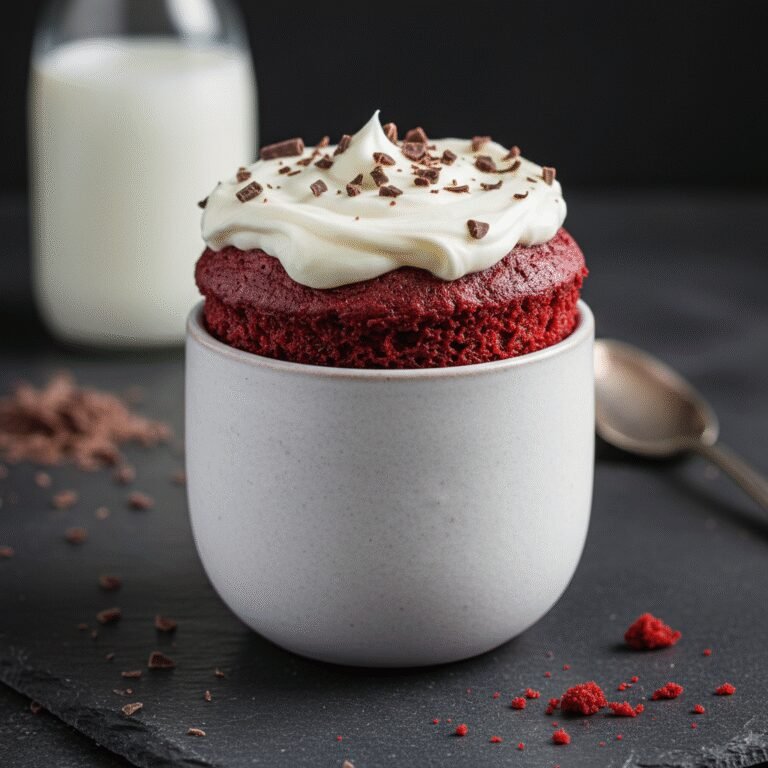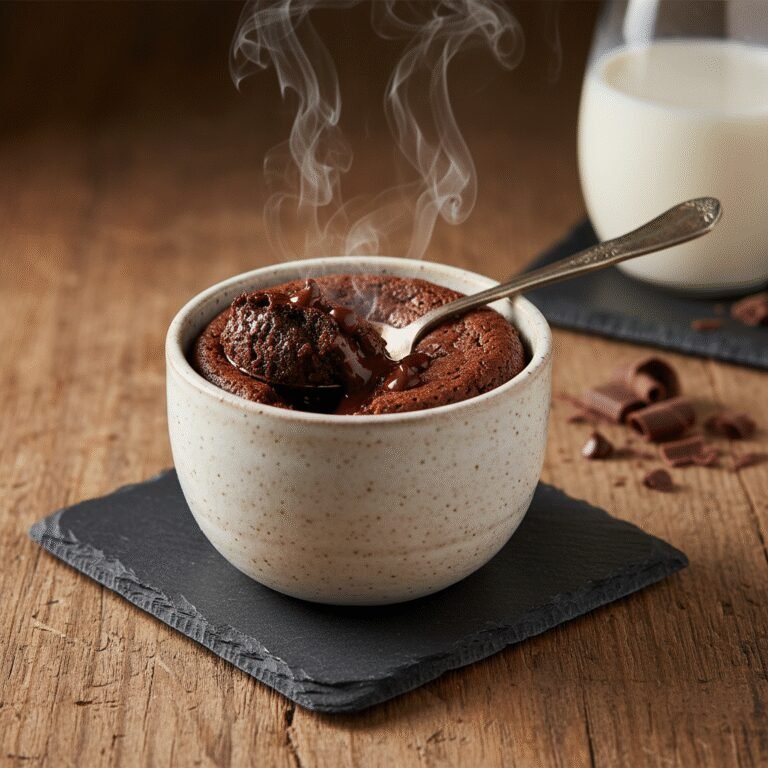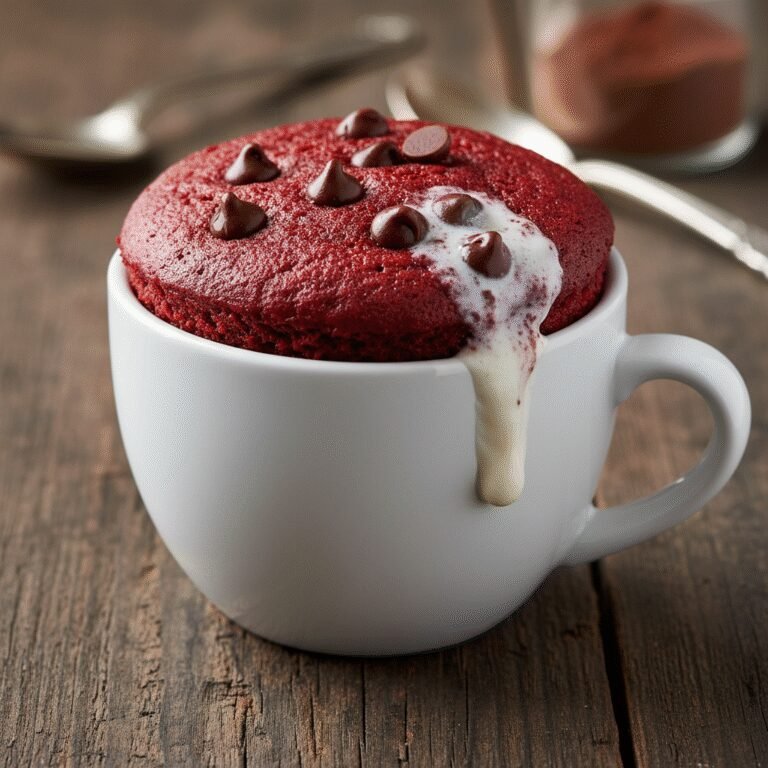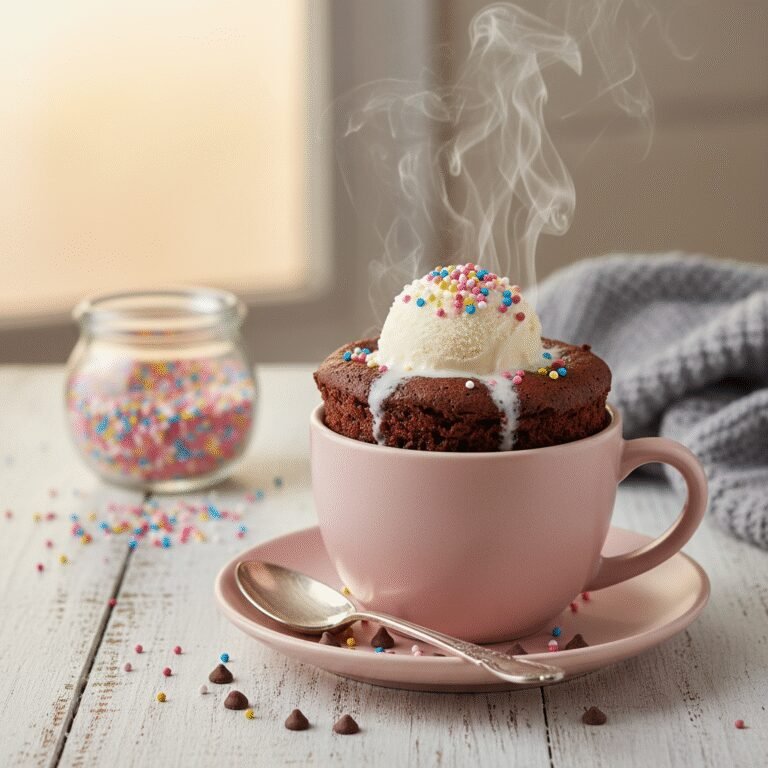
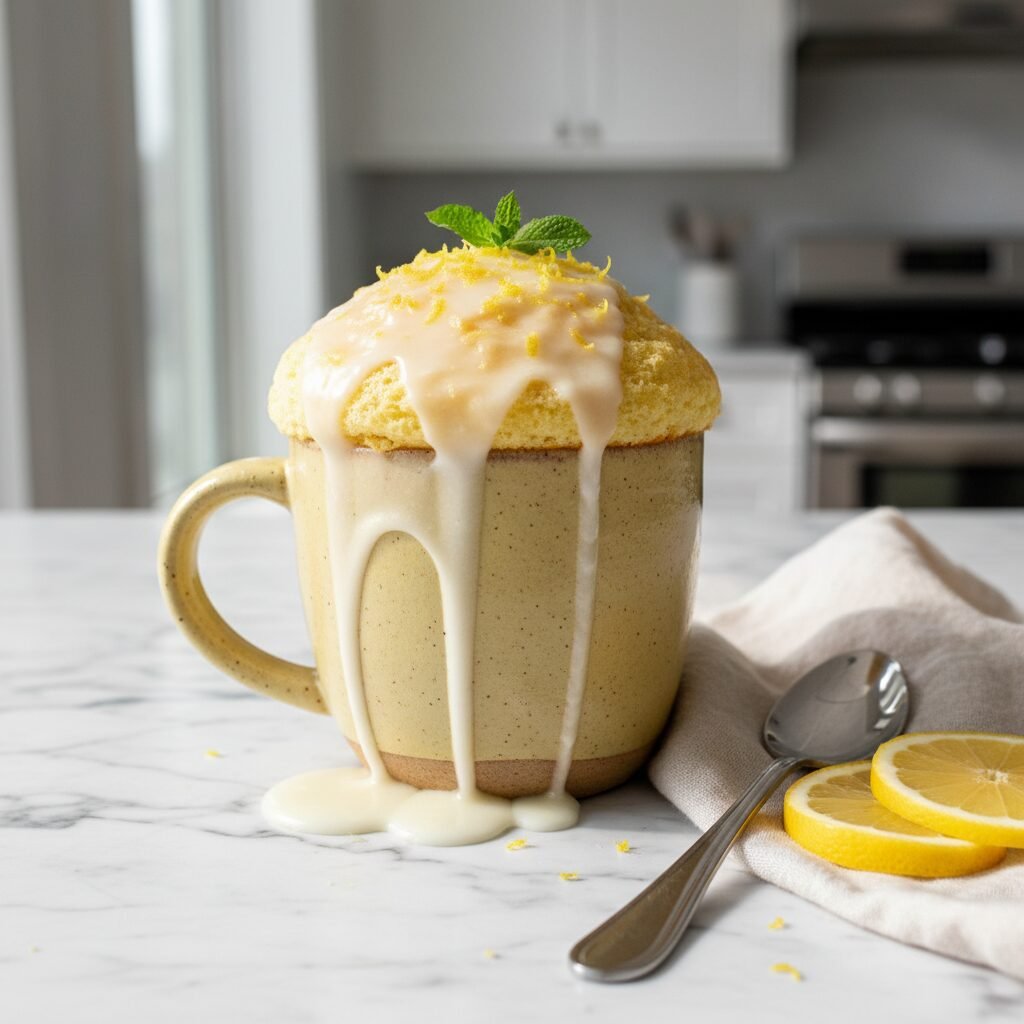
The Ultimate 5-Minute Easy Lemon Mug Cake with Zesty Glaze
Easy Lemon Mug Cake Recipe
Satisfy your sweet tooth instantly with this fluffy, vibrant Easy Lemon Mug Cake. Ready in under five minutes, this single-serving dessert delivers a burst of sunshine and tangy citrus flavor without the hassle of baking a whole cake.
3 minutes
90 seconds
5 minutes
1 serving
Dessert
Microwave
American
Vegetarian
There are few culinary emergencies quite as pressing as the sudden, undeniable need for cake at 9:00 PM on a Tuesday. We have all been there: the craving hits, but the prospect of dragging out the stand mixer, preheating the oven, and waiting an hour for a full-sized cake to bake is simply too daunting. Enter the hero of modern snacking: the Easy Lemon Mug Cake. This isn’t just a compromise for when you are desperate; it is a genuinely delightful dessert experience in its own right. Imagine a sponge that is incredibly moist, tender, and bursting with the aromatic oils of fresh lemon zest, all topped with a crackly, sweet-tart glaze that mimics the best bakery loaf cakes.
What makes this specific lemon mug cake recipe a standout is its texture. Often, microwave desserts can suffer from a rubbery or chewy consistency, a result of the unique way microwaves agitate water molecules. However, through a careful balance of fat, liquid, and acidity, we have achieved a crumb that rivals oven-baked goods. It is light, airy, and melts in your mouth. The lemon flavor is bright and awakening, cutting through the sweetness of the sugar to provide a sophisticated profile that feels far more elegant than the preparation time suggests. Whether you are a college student in a dorm, a busy parent needing a quick treat after the kids are asleep, or simply someone who loves the taste of lemon without the commitment of a bundt pan, this recipe is your new best friend. It requires only a handful of pantry staples, a microwave-safe mug, and a spoon. No heavy cleanup, no leftovers going stale on the counter—just a perfect, warm, lemon-infused moment of bliss tailored exactly for one.
History & Origins
The concept of the mug cake is a fascinating study in the evolution of home cooking technology and internet culture. While cakes have been around for centuries, the mug cake is a child of the microwave era. The microwave oven, patented in 1945 by Percy Spencer, didn’t become a common household staple until the late 1970s and early 1980s. Early microwave cookbooks attempted to adapt traditional baking recipes for this new device, often with mixed results. These early iterations were usually large cakes baked in ring molds, which often turned out dry or unevenly cooked.
The shift toward single-serving ‘cup cakes’ (literally cooked in a coffee cup) began to gain traction in the late 2000s and exploded in popularity with the rise of visual social media platforms like Pinterest and Instagram around 2010-2012. The ‘Mug Cake’ became a viral phenomenon because it solved a modern problem: the desire for instant gratification combined with portion control. It democratized baking, making it accessible to those without ovens or baking skills.
Initially, most mug cakes were chocolate-based, as cocoa powder effectively masked the sometimes distinct ‘steamed’ flavor of microwave cooking. However, as home cooks became more experimental, fruit-based variations began to emerge. The lemon mug cake represents the second generation of this trend—a more refined approach that relies on fresh ingredients like zest and juice rather than just shelf-stable powders. It mirrors the popularity of the classic Lemon Drizzle Cake, a British tea-time staple, adapting that beloved flavor profile for the high-speed, high-convenience world of the 21st century. Today, the lemon mug cake stands as a testament to culinary adaptability, proving that comfort food can be both fast and fresh.
Why This Recipe Works
This recipe succeeds where many other mug cakes fail because it scientifically addresses the physics of microwave cooking. Microwaves cook by vibrating water molecules, which generates heat. This happens much faster than conductive oven heat, often leading to a tough, rubbery gluten structure if not carefully managed. This recipe uses melted butter rather than just oil or milk; the milk solids and fat in the butter coat the flour proteins (gluten), shortening the protein strands and ensuring a tender crumb—this is literally where the term ‘shortening’ comes from.
Furthermore, the inclusion of fresh lemon juice provides acidity. This acid reacts with the baking powder (which is a base) to create carbon dioxide bubbles. Because microwaves cook so quickly, you need a leavening agent that acts fast to lift the batter before the structure sets. The lemon juice boosts this reaction, resulting in a fluffier cake. We also specifically calibrate the ratio of sugar to flour. Sugar is hygroscopic, meaning it holds onto water. In a microwave environment where moisture evaporates rapidly, the higher sugar content locks in moisture, preventing the cake from drying out into a hard puck. Finally, the glaze is not just for decoration; it adds a textural contrast—a crisp, sugary shell against the soft sponge—that mimics the experience of a high-end pastry.
Why You’ll Love This Recipe
- ✓Ready in under 5 minutes from start to finish
- ✓Perfect single-serving portion control
- ✓Bright, fresh citrus flavor using real lemon zest
- ✓No special equipment or oven required
- ✓Uses common pantry staples you likely already have
- ✓Moist, fluffy texture that rivals oven-baked cakes
Equipment You’ll Need
- ✓Microwave-safe mug (12oz capacity recommended)
- ✓Small mixing bowl (optional, can mix in mug)
- ✓Whisk or fork
- ✓Measuring spoons
- ✓Microplane or zester
Ingredients
- ✓4 tablespoons All-Purpose Flour
- ✓3 tablespoons Granulated Sugar
- ✓1/4 teaspoon Baking Powder
- ✓1 pinch Salt
- ✓1 tablespoon Unsalted Butter, melted
- ✓2 tablespoons Whole Milk (or milk of choice)
- ✓1 teaspoon Fresh Lemon Juice
- ✓1/2 teaspoon Fresh Lemon Zest
- ✓1/4 teaspoon Vanilla Extract
- ✓FOR THE GLAZE: 2 tablespoons Powdered Sugar
- ✓FOR THE GLAZE: 1 teaspoon Fresh Lemon Juice
Instructions
- 1. Prepare the Mug: Choose a microwave-safe mug that holds at least 10-12 ounces to prevent overflowing. Grease the inside lightly with a little butter or cooking spray.
- 2. Mix Dry Ingredients: In a small bowl (or directly in the mug if you prefer fewer dishes), whisk together the flour, sugar, baking powder, and salt until well combined and free of lumps.
- 3. Add Wet Ingredients: Stir in the melted butter, milk, 1 teaspoon of lemon juice, vanilla extract, and fresh lemon zest.
- 4. Combine: Mix gently with a fork or small whisk just until the batter is smooth. Do not overmix, or the cake may become rubbery.
- 5. Microwave: Place the mug in the center of the microwave. Cook on high power for 60 to 90 seconds. The timing depends on your microwave’s wattage (start with 60 seconds; the top should look set and spring back when touched).
- 6. Make the Glaze: While the cake cools for a minute, mix the powdered sugar and remaining 1 teaspoon of lemon juice in a small bowl until it forms a smooth, pourable consistency.
- 7. Garnish and Serve: Drizzle the glaze over the warm cake. Top with extra lemon zest if desired and enjoy immediately while warm.
Expert Cooking Tips
- ✓Do not overmix the batter; stop stirring as soon as the flour streaks disappear to keep it fluffy.
- ✓Microwave wattages vary greatly; watch your mug closely the first time you make this to ensure it doesn’t overflow.
- ✓Use fresh lemon juice and zest for the best flavor; bottled juice lacks the aromatic oils necessary for a vibrant taste.
- ✓If you want a richer cake, you can add a few white chocolate chips into the batter before cooking.
- ✓Let the cake cool for at least 1-2 minutes before eating; the sugar inside gets extremely hot and can burn your mouth.
- ✓Place a paper towel under the mug in the microwave to catch any potential spills for easy cleanup.
Substitutions and Variations
This recipe is quite flexible and can accommodate various dietary needs. To make this gluten-free, substitute the all-purpose flour with a high-quality 1:1 gluten-free baking blend (ensure it contains xanthan gum). For a vegan version, swap the dairy butter for melted coconut oil or a vegan butter stick, and use almond milk, soy milk, or oat milk instead of cow’s milk. If you are watching your sugar intake, you can use a granular sweetener like erythritol or monk fruit for the cake, and a powdered sweetener alternative for the glaze, though the texture may be slightly less moist. If you don’t have fresh lemons, you can use bottled juice, but add a drop of lemon extract to compensate for the lack of zest. You can also swap the lemon profile entirely for orange or lime for a different citrus twist.
Common Mistakes to Avoid
The most common mistake with mug cakes is overcooking. Because the portion is so small, even 10 extra seconds can turn a fluffy cake into a hard, dry rock. Always undercut the time; you can always add 10 seconds, but you cannot un-cook it. Another issue is using a mug that is too small. The batter rises significantly due to the baking powder and steam; use a standard 12oz mug rather than a small teacup to avoid a mess. Finally, forgetting to mix the dry ingredients first can lead to pockets of flour or baking powder in the finished product, resulting in an uneven taste and texture. Ensure the baking powder is distributed evenly before adding the liquids.
Serving Suggestions
This lemon mug cake is best served warm, straight from the microwave. While the glaze provided is delicious, you can elevate the dessert by topping it with a dollop of whipped cream or a scoop of vanilla bean ice cream, which melts beautifully into the warm sponge. Fresh berries, such as raspberries or blueberries, pair exceptionally well with lemon and add a pop of color and freshness. For a tea-time vibe, serve it alongside a hot cup of Earl Grey tea or a chamomile blend. If you are serving this for a quick brunch dessert, a dusting of plain powdered sugar and a sprig of fresh mint makes for a beautiful presentation.
Storage and Reheating Tips
Mug cakes are designed to be eaten immediately and do not store well. The texture tends to degrade and become chewy or stale once it cools completely and sits for hours. However, if you absolutely must save it, cover the mug tightly with plastic wrap and store it in the refrigerator for up to 24 hours. To reheat, sprinkle a few drops of water over the top to rehydrate it and microwave in 10-second intervals until warm. We do not recommend freezing this mug cake, as the thawing process will ruin the delicate texture. It is best to mix the dry ingredients in advance and store them in a jar (a ‘mug cake mix’) so you can just add wet ingredients and cook when you are ready to eat.
Nutrition Facts (Estimated)
| Serving Size | 1 mug cake |
| Calories | 380 |
| Fat | 14g |
| Saturated Fat | 8g |
| Unsaturated Fat | 5g |
| Trans Fat | 0g |
| Cholesterol | 35mg |
| Sodium | 180mg |
| Carbohydrates | 58g |
| Fiber | 1g |
| Sugar | 28g |
| Protein | 4g |
Frequently Asked Questions
Why did my mug cake turn out rubbery?
Rubbery texture is usually caused by two things: overmixing the batter (which develops too much gluten) or overcooking it in the microwave. Mix just until combined and reduce your cooking time by 10-15 seconds next time.
Can I make this without eggs?
Yes! This specific recipe is actually egg-free. Many mug cake recipes omit eggs because a whole egg is too much liquid and structure for such a small amount of flour, often leading to a spongy texture. This recipe relies on baking powder for lift.
Can I bake this in the oven instead?
Technically yes, but it defeats the purpose of a quick mug cake. If you must, bake in an oven-safe ramekin at 350°F (175°C) for about 12-15 minutes.
Why did my mug cake overflow?
This happens if the mug is too small or the microwave power is very high. Use a larger mug (at least 12oz) and fill it no more than halfway to allow room for the rise.
Can I use oil instead of butter?
Yes, you can use vegetable oil, canola oil, or melted coconut oil. However, butter provides a richer flavor and a slightly more tender crumb.
Is it possible to double the recipe?
Do not double the ingredients in a single mug; it will not cook evenly. If you want two cakes, mix them in separate mugs and cook them one at a time for the best results.
Can I use self-rising flour?
Yes. If you use self-rising flour, omit the baking powder and salt from the recipe ingredients.
My cake is dry, what happened?
You likely cooked it for too long. Microwaves vary in power. Start with 60 seconds next time and check it. Also, ensure you measured your flour correctly (spoon and level method) rather than packing it down.
Can I add poppy seeds?
Absolutely! Add 1/2 teaspoon of poppy seeds with the dry ingredients for a classic lemon-poppy seed variation.
Does the type of milk matter?
Whole milk gives the best flavor and tenderness due to the fat content, but skim milk, 2%, or any plant-based milk will work just fine.
Conclusion
The Easy Lemon Mug Cake is the ultimate solution for those moments when you need a sweet escape without the time or effort of traditional baking. It captures the essence of a sunny, citrusy afternoon tea in a format that fits into a busy modern lifestyle. By understanding the simple science behind microwave baking and following these tips, you can achieve a dessert that is fluffy, moist, and utterly satisfying every single time. So, the next time that craving strikes, don’t deny yourself—grab a mug, a lemon, and five minutes, and treat yourself to a little cup of happiness. Happy cooking!