The Ultimate Fudgy Chocolate Mug Cake For Two: Ready in 5 Minutes
Easy Chocolate Mug Cake For Two People Recipe
Satisfy your late-night chocolate cravings instantly with this rich, gooey, and incredibly easy chocolate mug cake recipe designed specifically for two. It is the perfect quick dessert hack that delivers oven-baked taste with microwave speed, requiring just a few pantry staples and five minutes of your time.
5 minutes
2 minutes
7 minutes
2 servings
Dessert
Microwave
American
Vegetarian
There is a specific kind of hunger that strikes at 9 PM on a Tuesday—a deep, soulful yearning for something warm, sweet, and unapologetically chocolatey. We have all been there. You want a brownie or a slice of decadent cake, but the thought of preheating the oven, dirtying mixing bowls, and waiting forty-five minutes for something to bake feels like an insurmountable mountain. Enter the chocolate mug cake for two. This isn’t just a compromise for the sake of speed; it is a culinary marvel in its own right. This recipe yields two perfectly portioned mugs of molten, fudgy goodness that bridge the gap between a steamed pudding and a rich chocolate gateau.
What makes this specific recipe stand out in the crowded world of internet food hacks is its texture. Many mug cakes suffer from a rubbery, sponge-like consistency—a side effect of microwaving eggs. By eliminating the egg and focusing on the ratio of fat to flour, we achieve a crumb that is tender, moist, and remarkably close to a traditional oven-baked treat. The flavor profile is intense and sophisticated; we use high-quality cocoa powder bloomed in warm liquid to unlock deep chocolate notes, balanced by a hint of vanilla and a pinch of salt to cut through the sweetness. Whether you are looking to share a romantic, low-effort dessert with a partner, treating your roommate, or simply saving the second portion for tomorrow’s breakfast (we won’t judge), this recipe is your new go-to solution for chocolate emergencies. It captures the essence of comfort food: warmth, ease, and instant gratification.
History & Origins
The concept of a cake cooked in a small vessel has roots that go back much further than the microwave oven, though the modern ‘mug cake’ is distinctly a product of the digital age. Historically, ‘cup cakes’ in the 18th and 19th centuries were literally cakes baked in teacups or small pottery molds, long before the term evolved to describe the frosted muffin-tin treats we know today. However, the revolution of the microwave in the mid-20th century changed the landscape of home cooking forever. Invented accidentally by Percy Spencer in 1945 and popularized in domestic kitchens by the 1970s, the microwave was initially marketed as a tool for reheating or cooking full meals, often with lackluster results for baked goods.
It wasn’t until the internet era, specifically the blog and Pinterest boom of the late 2000s and early 2010s, that the ‘mug cake’ became a viral phenomenon. Home cooks and bloggers began experimenting with single-serving desserts that could be ‘baked’ in under two minutes. Early iterations were often dry or rubbery, leading to a period of refinement where recipe developers learned to work *with* the microwave’s steaming mechanism rather than against it. The removal of eggs and the adjustment of leavening agents were pivotal moments in mug cake history, transforming them from a novelty science experiment into a legitimate dessert category. Today, the chocolate mug cake is a cultural staple of dormitory living, late-night snacking, and quick-fix comfort food, representing the ultimate intersection of technology, convenience, and culinary indulgence.
Why This Recipe Works
This recipe succeeds where many others fail due to a precise understanding of microwave thermodynamics and ingredient chemistry. Microwaves cook by exciting water molecules, essentially steaming the food from the inside out. This is why traditional cake batters, which rely on the dry heat of an oven to set an egg-based structure, often turn into rubbery pucks in the microwave. To combat this, our recipe is entirely egg-free. The structural integrity comes instead from the gluten in the flour and the emulsification of oil and milk. By removing the egg, we remove the risk of that unpleasant, chewy texture, ensuring the result is soft and spoonable.
Furthermore, we utilize oil rather than butter. While butter offers great flavor, it contains water and milk solids that can behave unpredictably in a rapid-cook environment. Oil is 100% fat, ensuring the cake remains moist and tender even as it cools. We also include a specific amount of baking powder—enough to give the cake lift and fluffiness, but not so much that it rises rapidly and spills over the mug, a common pitfall in mug cake cookery. Finally, the addition of chocolate chips is not just for flavor; as they melt, they create pockets of goo that mimic the texture of a molten lava cake, providing moisture and richness that a cocoa-only batter might lack.
Why You’ll Love This Recipe
- ✓Ready in under 5 minutes from pantry to spoon
- ✓Egg-free recipe ensures a moist, fudge-like texture without rubberiness
- ✓Perfectly portioned for two people to avoid leftovers
- ✓Minimal cleanup required—mix directly in the mug if desired
- ✓Highly customizable with add-ins like nuts, caramel, or peanut butter
- ✓Uses standard pantry staples you likely already have
Equipment You’ll Need
- ✓2 Microwave-safe mugs (10-12 oz capacity)
- ✓Measuring spoons
- ✓Small mixing bowl (optional)
- ✓Whisk or fork
Ingredients
- ✓1/4 cup all-purpose flour
- ✓1/4 cup granulated sugar
- ✓2 tablespoons unsweetened cocoa powder
- ✓1/4 teaspoon baking powder
- ✓pinch of salt
- ✓3 tablespoons milk (dairy or plant-based)
- ✓2 tablespoons vegetable oil or melted coconut oil
- ✓1/4 teaspoon vanilla extract
- ✓2 tablespoons semi-sweet chocolate chips
- ✓Water (1 tablespoon, optional for extra moisture)
Instructions
- Gather all your ingredients and two microwave-safe mugs. Ensure your mugs hold at least 10-12 ounces to prevent overflowing.
- In a small bowl, whisk together the dry ingredients: flour, sugar, cocoa powder, baking powder, and salt. This ensures the baking powder is evenly distributed.
- Divide the dry mixture evenly between the two mugs.
- Add the wet ingredients to each mug: 1.5 tablespoons of milk, 1 tablespoon of oil, and a drop of vanilla extract to each.
- Stir the batter vigorously with a fork or small whisk inside the mug. Make sure to scrape the bottom edges to incorporate any dry pockets of flour.
- Sprinkle 1 tablespoon of chocolate chips on top of the batter in each mug. Do not stir them in; they will sink slightly as it cooks.
- Place the mugs in the microwave on opposite sides of the turntable. This helps them cook evenly.
- Microwave on high for 60 to 90 seconds. The timing depends heavily on your microwave’s wattage (usually 1000W is standard). Start with 60 seconds. The cake should rise and look set on top but might still look slightly wet in the very center.
- If they are not done, continue microwaving in 10-second intervals. Be careful not to overcook, or they will become dry.
- Remove carefully from the microwave (mugs will be hot!) and let them sit for 1-2 minutes to cool and set before eating.
Expert Cooking Tips
- ✓Do not overfill your mugs; the batter rises significantly while cooking and will sink back down slightly when cooling.
- ✓If you prefer a molten center, cook for slightly less time (around 60-70 seconds).
- ✓Use a neutral oil like canola or vegetable oil for the best texture; olive oil may impart a strong flavor.
- ✓Mix the dry ingredients first to avoid clumps of cocoa powder in your final cake.
- ✓Place a paper towel under the mugs in the microwave just in case of any spills.
Substitutions and Variations
This recipe is incredibly forgiving and adaptable to various dietary needs and pantry limitations. For a vegan version, simply use a plant-based milk like almond, soy, or oat milk, and ensure your chocolate chips are dairy-free. If you are gluten-free, a 1:1 gluten-free all-purpose flour blend works wonderfully, though the texture may be slightly denser. You can substitute the granulated sugar with brown sugar for a deeper, caramel-like flavor, or use coconut sugar for a lower glycemic index option. If you don’t have vegetable oil, melted butter can be used, though it yields a slightly firmer cake. For a healthier twist, you can swap half the flour for oat flour, but be aware this changes the texture significantly. Applesauce or mashed banana can replace the oil for a lower-fat version, but this will result in a more bread-like consistency rather than a fudgy cake texture.
Common Mistakes to Avoid
The most common mistake with mug cakes is overcooking them. Because microwaves vary so wildly in power, following the time exactly can lead to a dry, hard puck. Always err on the side of undercooking; you can always add 10 seconds, but you cannot un-cook a dry cake. Another frequent error is not mixing the batter thoroughly at the bottom of the mug. It is disappointing to dig into your cake and find a pocket of dry flour at the base. Make sure to scrape the corners of the mug with your spoon. Using a mug that is too small is also a recipe for disaster—literally. The batter needs room to expand rapidly. Finally, omitting the salt is a mistake; salt is crucial for enhancing the chocolate flavor and preventing the cake from tasting flat and overly sugary.
Serving Suggestions
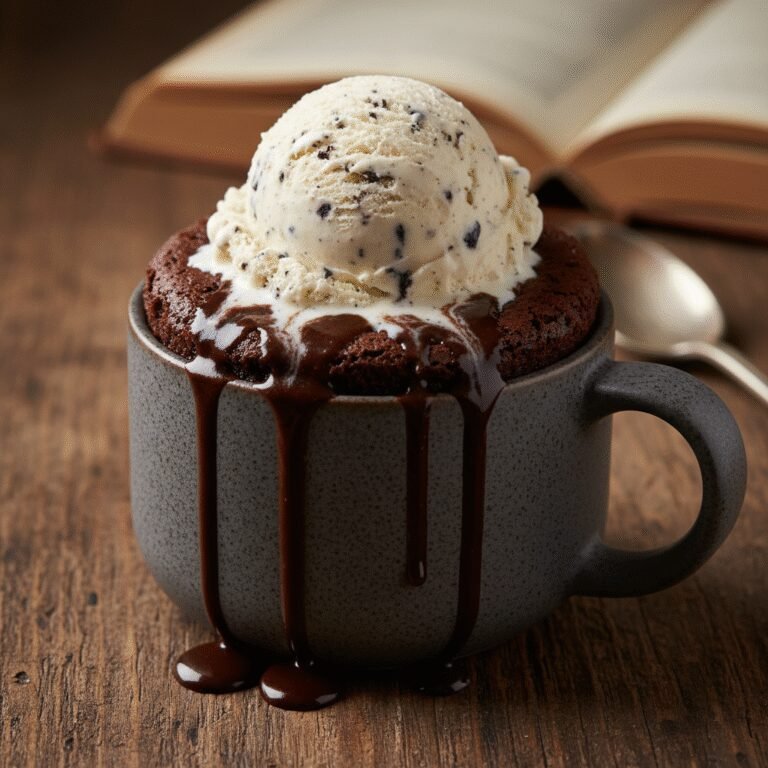
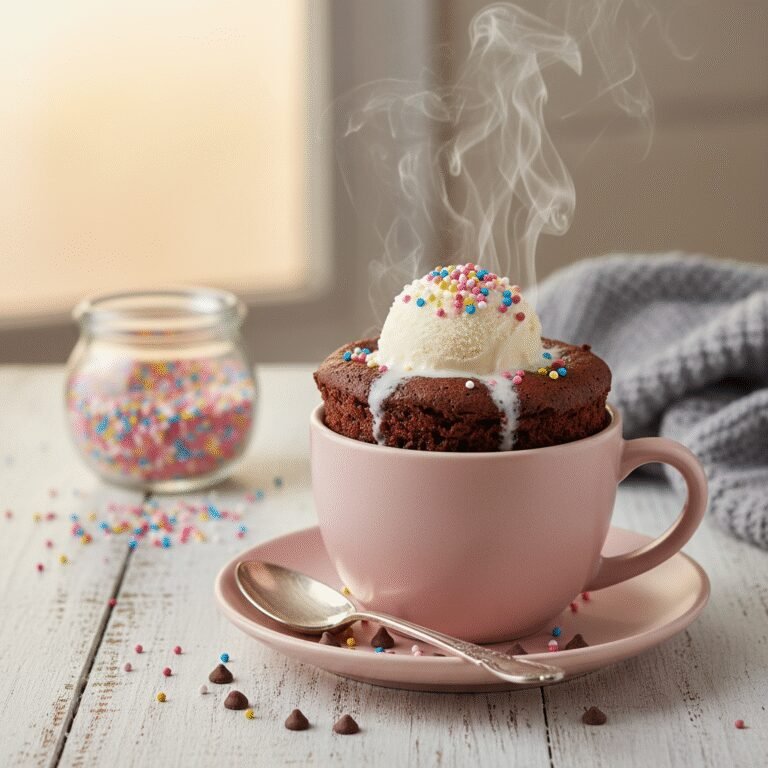
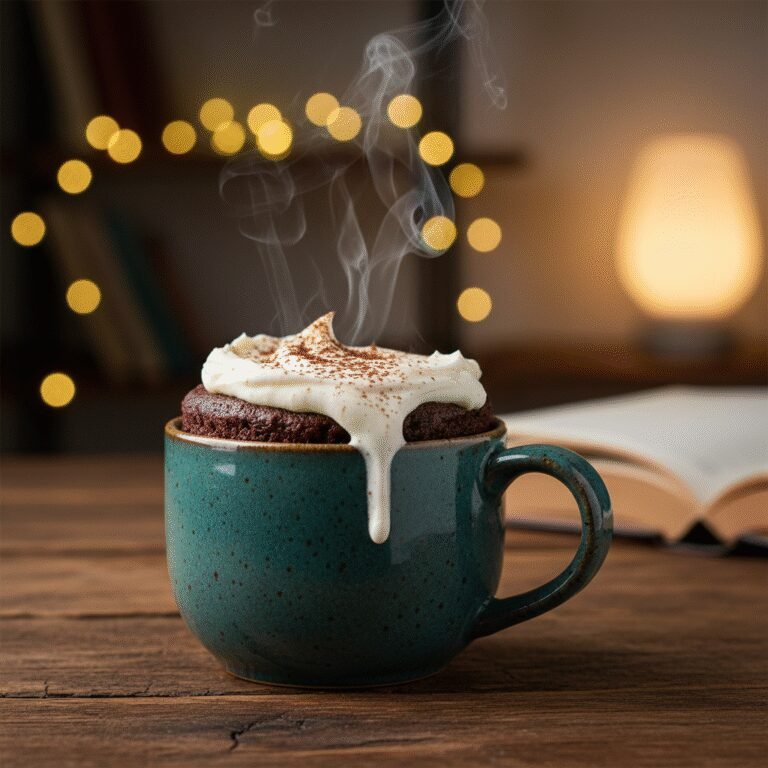
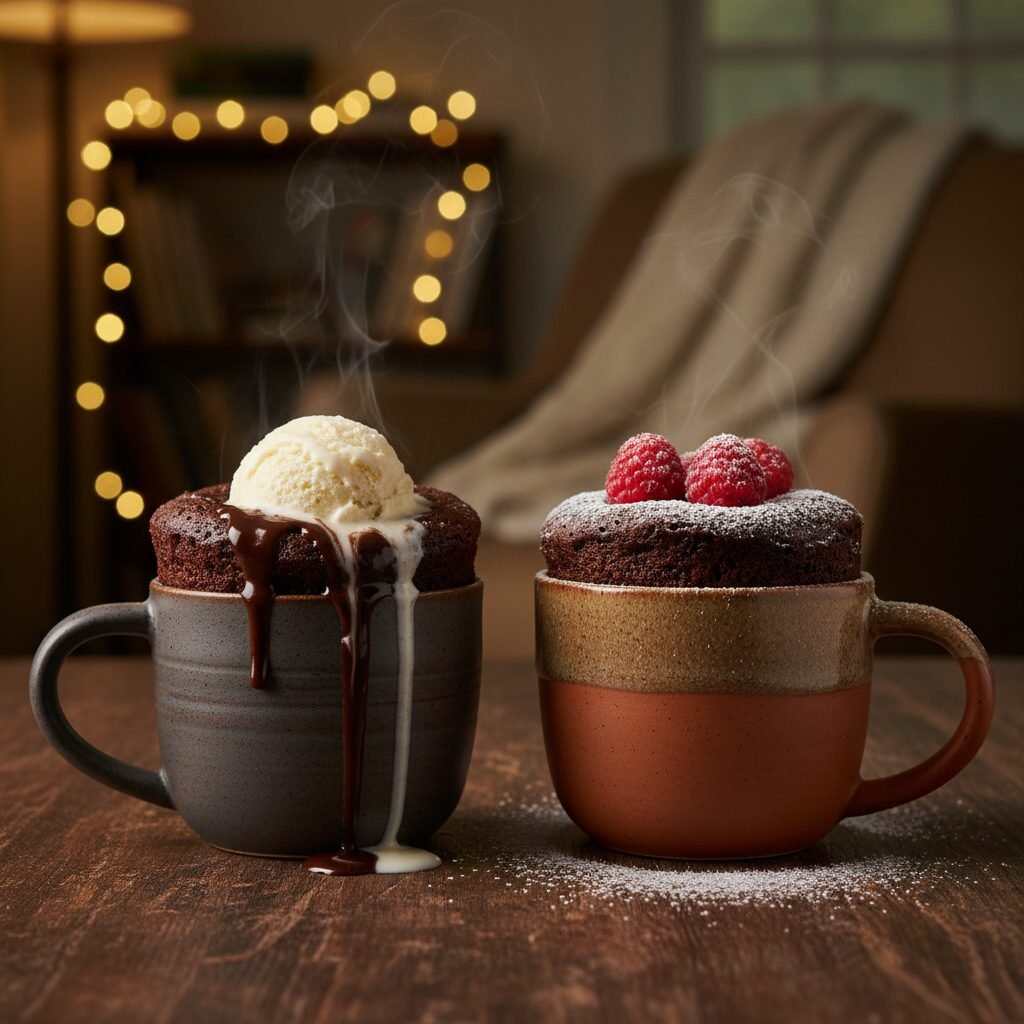
These mug cakes are best served immediately while they are still warm. A classic serving suggestion is a scoop of vanilla bean ice cream placed right on top, allowing it to melt into the warm cake creates a delicious sauce. Alternatively, a dollop of freshly whipped cream and a dusting of cocoa powder adds an elegant touch. For fruit lovers, fresh raspberries or sliced strawberries provide a tart contrast to the rich chocolate. You can also drizzle salted caramel sauce or peanut butter over the top for extra decadence. If you want to add crunch, sprinkle chopped walnuts, pecans, or toasted coconut flakes over the finished cake.
Storage and Reheating Tips
Mug cakes are designed to be eaten immediately and do not store particularly well. The texture tends to harden as they cool and sit. However, if you absolutely must save one, cover the mug tightly with plastic wrap to retain moisture and store it in the refrigerator for up to 24 hours. To reheat, remove the plastic wrap and microwave on high for 15-20 seconds. We do not recommend freezing the cooked cakes. However, you can mix the dry ingredients in advance and store them in a jar (a ‘mug cake mix’), so all you have to do is add the milk and oil when the craving strikes.
Nutrition Facts (Estimated)
| Serving Size | 1 mug cake |
| Calories | 380 |
| Fat | 18g |
| Saturated Fat | 4g |
| Unsaturated Fat | 12g |
| Trans Fat | 0g |
| Cholesterol | 5mg |
| Sodium | 210mg |
| Carbohydrates | 48g |
| Fiber | 3g |
| Sugar | 28g |
| Protein | 5g |
Frequently Asked Questions
Can I make this in a bowl instead of a mug?
Yes, you can use a small microwave-safe bowl or ramekin. Just ensure it has enough depth to allow the cake to rise without spilling over.
Why did my mug cake turn out hard?
Hardness usually results from overcooking. Microwaves are powerful; even 10 extra seconds can dry out the batter. Next time, reduce the cooking time.
Can I double this recipe?
This recipe is already designed for two servings. If you need more, it is best to mix them in separate batches or mugs to ensure even cooking in the microwave.
Can I use self-rising flour?
Yes, if you use self-rising flour, omit the baking powder and salt from the recipe as they are already included in the flour.
Is it safe to eat if it looks wet?
Because there are no eggs in this recipe, it is safe to eat even if slightly undercooked or gooey in the center. In fact, many people prefer it that way!
Can I use water instead of milk?
You can, but the result will be less rich and creamy. Milk adds fat and sugar that help tenderize the cake.
Why did my cake explode over the mug?
This happens if the mug is too small or if too much baking powder was used. Always use a mug that is only half full when the batter is mixed.
Can I bake this in an oven?
Technically yes, but the texture won’t be the same. If you must, bake at 350°F (175°C) for about 15-20 minutes in an oven-safe ramekin.
Can I add protein powder?
Yes, you can replace about 1 tablespoon of flour with protein powder, but you may need to add an extra splash of milk as protein powder absorbs a lot of liquid.
How do I know when it is done?
The cake should look set around the edges and have risen. The center might still look slightly shiny, which is fine as it continues to cook for a moment after removing from the microwave.
Conclusion
In the realm of quick desserts, the chocolate mug cake for two reigns supreme. It is the ultimate testament that delicious, homemade food doesn’t always require hours of labor or a sink full of dirty dishes. By understanding the simple science behind the ingredients and the microwave method, you can consistently produce a dessert that rivals your favorite bakery’s chocolate muffin. Whether you are celebrating a small win, comforting a friend, or just treating yourself and a loved one to a sweet moment, this recipe is a reliable, delicious companion. Keep these ingredients in your pantry, and you will never be more than five minutes away from chocolate bliss.