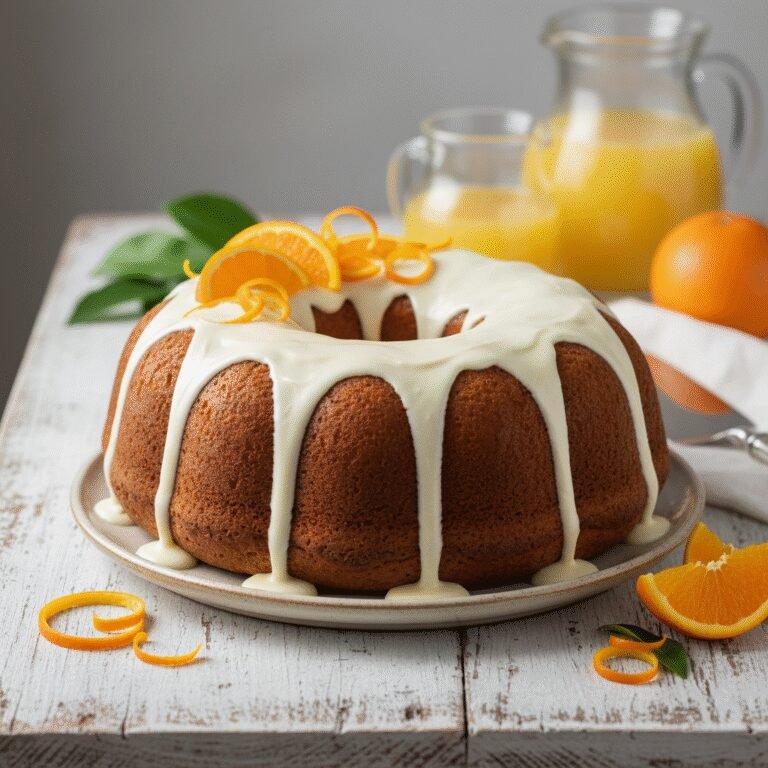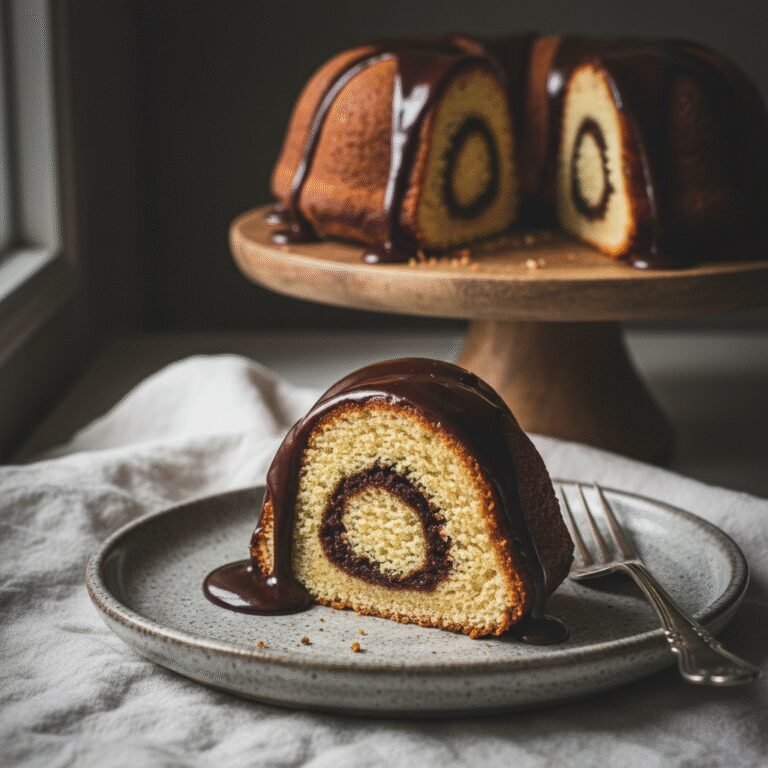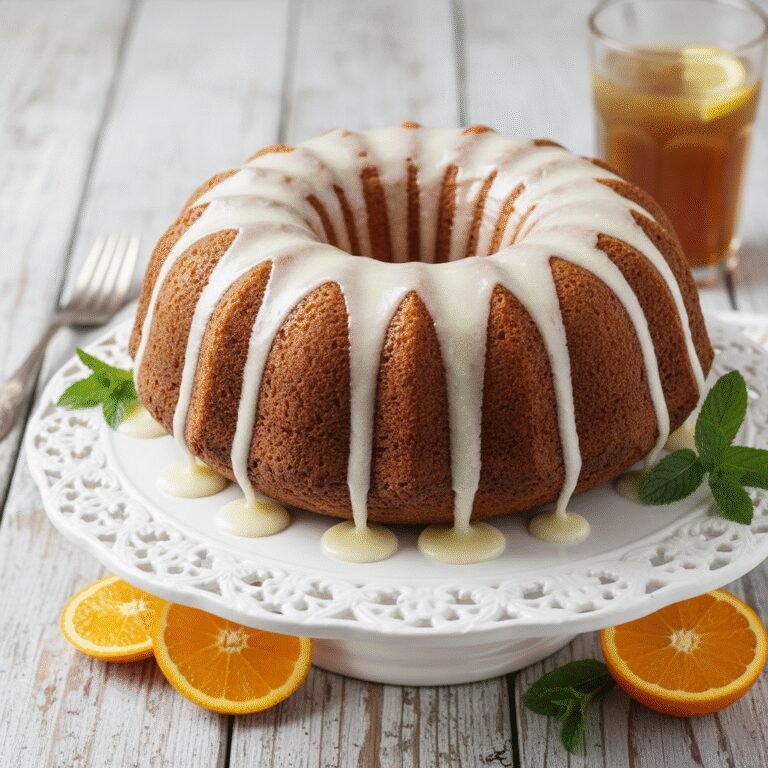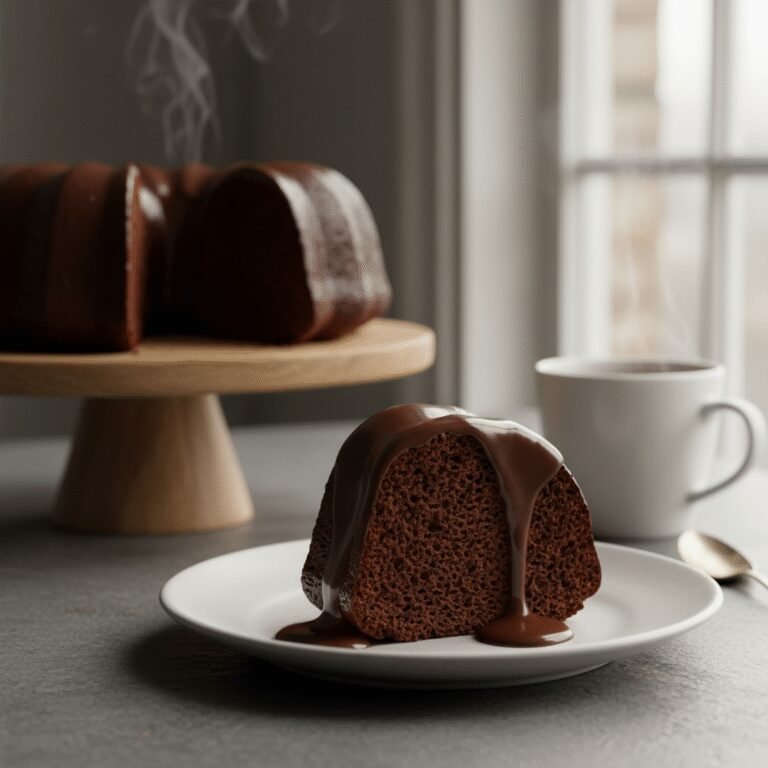
The Ultimate Moist Marble Bundt Cake With Zesty Lemon Glaze
Moist Marble Bundt Cake With Lemon Glaze Recipe
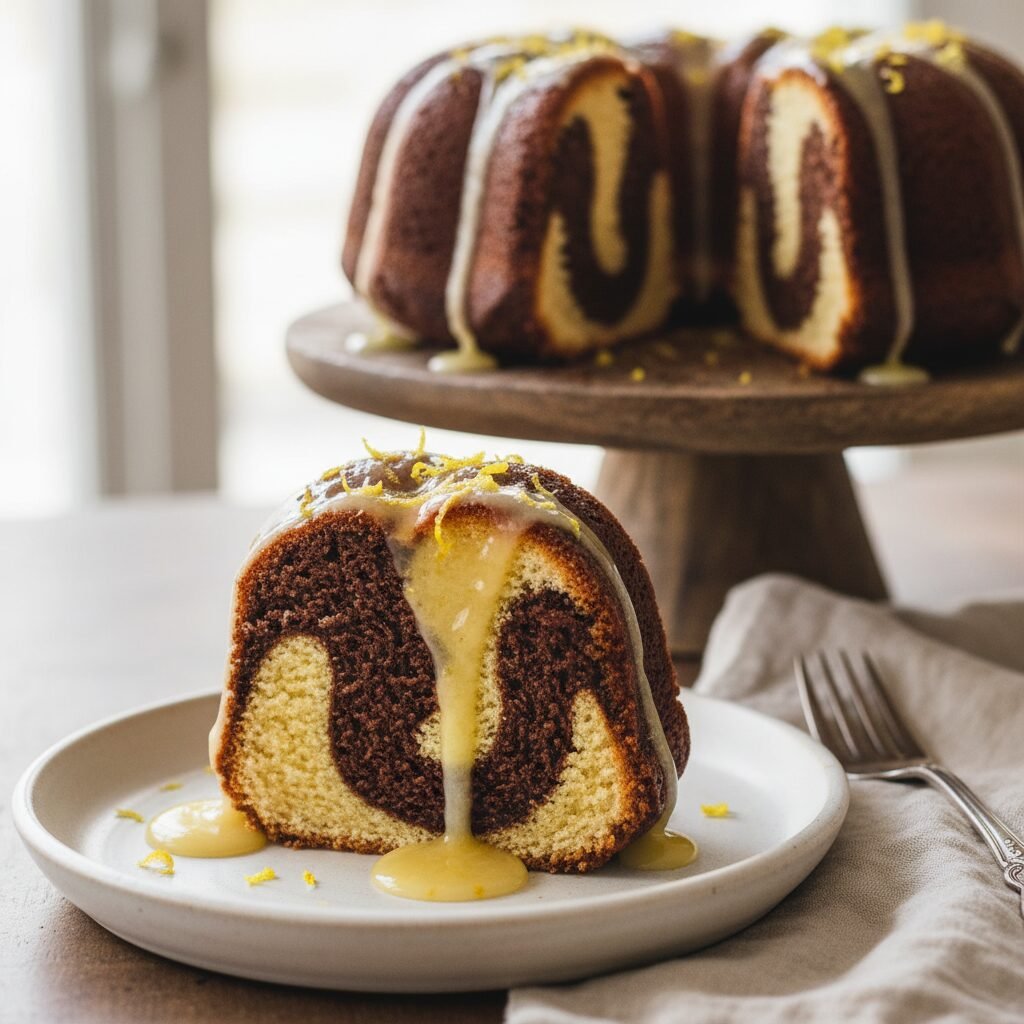
This show-stopping Moist Marble Bundt Cake swirls rich, fudgy chocolate and tender vanilla batters together for a dessert that looks as incredible as it tastes. Topped with a bright, zesty lemon glaze, this recipe delivers the perfect balance of deep cocoa notes and refreshing citrus tang in every melt-in-your-mouth bite.
25 minutes
55 minutes
1 hour 20 minutes
12-14 servings
Dessert
Baking
American / German Heritage
Vegetarian
There is something undeniably nostalgic and comforting about a classic marble cake. It is the diplomatic answer to the age-old dessert dilemma: chocolate or vanilla? With a marble cake, you never have to choose. But this recipe takes that beloved childhood classic and elevates it into something truly sophisticated. We are talking about a Moist Marble Bundt Cake that is dense yet tender, rich without being heavy, and visually stunning with its hypnotic swirls of dark and light batter. What truly sets this specific recipe apart, however, is the finish. While many marble cakes are dusted with powdered sugar or coated in a simple chocolate ganache, we have opted for a vibrant Lemon Glaze. It might sound unconventional to pair citrus with chocolate and vanilla, but the acidity of the lemon cuts through the richness of the buttery crumb and the depth of the cocoa, awakening the palate and adding a layer of complexity that transforms a good cake into an unforgettable one. The structure of a Bundt cake is also key here. The increased surface area of the fluted pan creates a delightful ratio of golden, slightly crisp crust to soft, velvety interior. This cake is sturdy enough to be transported to potlucks and picnics, yet elegant enough to serve at a dinner party. Whether you are a seasoned baker looking to perfect your swirling technique or a novice wanting a foolproof recipe that looks like it came from a high-end bakery, this Moist Marble Bundt Cake with Lemon Glaze is your new go-to. It keeps remarkably well, staying moist for days, making it the perfect make-ahead treat for busy holidays or leisurely weekends.
History & Origins
The history of the marble cake is a fascinating journey that begins in 19th-century Germany. Originally known as ‘Marmorkuchen’ or marble cake, the concept was brought to America by German immigrants before the Civil War. In its earliest iterations, the dark swirls were not created with chocolate, which was an expensive luxury at the time, but rather with molasses and spices like cinnamon, cloves, and allspice. This version, often called ‘Harlequin cake,’ relied on the contrast between the light, eggy batter and the dark, spiced molasses batter. It wasn’t until the late Victorian era, as chocolate became more accessible and affordable to the general public, that the chocolate-vanilla combination we know and love today became the standard. The vessel for this cake, the Bundt pan, has its own unique American history. The distinctive ring-shaped pan with fluted or grooved sides was popularized in the 1950s by H. David Dalquist, the founder of Nordic Ware. He created the pan at the request of a group of Jewish women in Minneapolis who wanted a modern version of the traditional European Gugelhupf mold. Initially, the pan was a slow seller and almost discontinued. However, in 1966, a Texas baker named Ella Helfrich won second place in the Pillsbury Bake-Off with her ‘Tunnel of Fudge’ cake, baked in a Nordic Ware Bundt pan. Overnight, the pan became a sensation, finding its way into millions of American kitchens. Today, the marble Bundt cake stands as a testament to this culinary evolution—blending European baking traditions with American innovation to create a timeless dessert centerpiece.
Why This Recipe Works
This recipe succeeds where many other marble cakes fail because it prioritizes moisture retention and flavor clarity. A common pitfall with marble cakes is that the chocolate portion can become dry because cocoa powder absorbs more liquid than flour. To combat this, our recipe adjusts the hydration levels specifically for the chocolate batter, ensuring that both the vanilla and chocolate swirls bake at the same rate and maintain the same tender crumb. We use a combination of butter and oil; the butter provides that classic, rich flavor, while the oil ensures the cake stays soft and moist for days, even after refrigeration. Furthermore, the use of sour cream or full-fat Greek yogurt introduces acidity, which tenderizes the gluten strands in the flour, resulting in a velvety texture that is dense but not heavy. The ‘reverse creaming’ method or ensuring room temperature ingredients creates a stable emulsion, preventing the batter from separating or becoming greasy. As for the glaze, the lemon juice provides a high-acid contrast to the alkaline nature of Dutch-processed cocoa and the sweetness of the sugar. This chemical and flavor balance prevents the cake from being cloyingly sweet. The glaze is thick enough to cling to the intricate ridges of the Bundt pan but fluid enough to create those appetizing drips. Every ingredient has a functional purpose, creating a harmony of texture and taste that is scientifically sound and deliciously proven.
Why You’ll Love This Recipe
- ✓Perfect moisture balance using both butter and oil.
- ✓High-contrast flavor profile with rich chocolate and zesty lemon.
- ✓Beautiful, distinct marble swirls in every slice.
- ✓Keeps fresh and moist for up to 4 days.
- ✓Elegant presentation suitable for holidays or casual snacking.
Equipment You’ll Need
- ✓10-12 cup Bundt pan
- ✓Stand mixer or electric hand mixer
- ✓Large mixing bowls
- ✓Rubber spatula
- ✓Whisk
- ✓Measuring cups and spoons
- ✓Wire cooling rack
- ✓Small saucepan (optional for glaze)
- ✓Skewer or butter knife for swirling
Ingredients
- ✓2 1/2 cups All-purpose flour
- ✓2 1/2 teaspoons Baking powder
- ✓1/2 teaspoon Salt
- ✓1 cup Unsalted butter, softened
- ✓2 cups Granulated sugar
- ✓4 large Eggs, room temperature
- ✓1 teaspoon Vanilla extract
- ✓1 cup Sour cream or Greek yogurt
- ✓1/2 cup Whole milk, divided
- ✓1/2 cup Unsweetened cocoa powder
- ✓2 tablespoons Vegetable oil
- ✓2 cups Powdered sugar (for glaze)
- ✓3-4 tablespoons Fresh lemon juice (for glaze)
- ✓1 tablespoon Lemon zest (for garnish)
Instructions
- Preheat your oven to 350°F (175°C). Thoroughly grease your Bundt pan with butter or non-stick baking spray, ensuring you get into every crevice. Dust with flour and tap out the excess.
- In a medium bowl, whisk together the flour, baking powder, and salt. Set aside.
- In the bowl of a stand mixer fitted with the paddle attachment, cream the softened butter and granulated sugar on medium-high speed for 5 minutes until pale and fluffy.
- Add the eggs one at a time, beating well after each addition. Scrape down the sides of the bowl. Mix in the vanilla extract.
- Reduce the mixer speed to low. Add the flour mixture in three parts, alternating with the sour cream, beginning and ending with the flour. Mix until just combined—do not overmix.
- Remove 2 cups of the batter and place it into a separate medium bowl. This will become your chocolate batter.
- To the reserved batter, add the cocoa powder, 1/4 cup of the milk, and the vegetable oil. Whisk until smooth and combined. If the vanilla batter seems too stiff, add the remaining 1/4 cup milk to it.
- Spoon the batters into the prepared Bundt pan. You can alternate scoops of vanilla and chocolate, or layer one-third of the vanilla, then the chocolate, then the remaining vanilla.
- Using a skewer or a butter knife, gently swirl the batters together in a figure-eight motion. Do not over-swirl, or the colors will muddy.
- Bake for 50-60 minutes, or until a toothpick inserted into the center comes out clean or with just a few moist crumbs.
- Let the cake cool in the pan for exactly 10 minutes, then invert it onto a wire rack to cool completely.
- While the cake cools, make the glaze. Whisk together the powdered sugar and fresh lemon juice until smooth. Adjust consistency with more juice or sugar if needed.
- Drizzle the glaze over the completely cooled cake and top with fresh lemon zest before serving.
Expert Cooking Tips
- ✓Grease the pan liberally; Bundt pans are notorious for sticking.
- ✓Ensure all dairy and eggs are at room temperature for a smooth emulsion.
- ✓Weigh your flour if possible to avoid a dense cake.
- ✓Do not over-swirl the batter; less is more for distinct marble patterns.
- ✓Cool in the pan for only 10 minutes; waiting longer can cause the sugar to stick to the pan.
- ✓Tap the pan on the counter before baking to release trapped air bubbles.
- ✓Use fresh lemon juice for the glaze, not bottled, for the best flavor.
Substitutions and Variations
Baking is chemistry, but there is room for flexibility. If you do not have sour cream, full-fat Greek yogurt or buttermilk are excellent substitutes that provide the same tang and moisture. For the flour, cake flour can be used for a lighter crumb, but increase the volume by 2 tablespoons per cup. If you are out of unsalted butter, salted butter works fine; just omit the additional salt in the recipe. For a dairy-free version, use a high-quality plant-based butter and coconut yogurt or almond milk mixed with a teaspoon of vinegar. The vegetable oil in the chocolate batter can be swapped for melted coconut oil or canola oil. If you prefer an orange glaze over lemon, simply swap the juice and zest for orange equivalents. For a deeper chocolate flavor, use Dutch-processed cocoa powder, but natural cocoa powder works well too.
Common Mistakes to Avoid
The most heartbreaking mistake is the cake sticking to the pan. This usually happens if the pan wasn’t greased thoroughly or if the cake cooled in the pan for too long. Another common issue is a dry cake, which results from over-baking or measuring flour by scooping the cup into the bag (packing it down) rather than spooning and leveling. ‘Muddy’ marbling occurs when the batter is swirled too vigorously; remember, a few gentle figure-eights are sufficient. Finally, adding the glaze while the cake is still warm will cause it to melt and slide right off. Patience is key; wait until the cake is fully cool.
Serving Suggestions
This cake is a centerpiece on its own, but you can elevate the presentation by serving slices with a dollop of lightly sweetened whipped cream or a side of fresh berries, such as raspberries or strawberries, which complement both the chocolate and lemon flavors. A scoop of vanilla bean ice cream is perfect for a dessert course. For a brunch setting, serve it alongside coffee or Earl Grey tea; the citrus notes in the tea pair beautifully with the lemon glaze. If you want to get fancy, garnish the plate with candied lemon peel or edible flowers.
Storage and Reheating Tips
This Moist Marble Bundt Cake stores beautifully. Keep it in an airtight container at room temperature for up to 4 days. The oil and sour cream ensure it stays moist. If you live in a very hot or humid climate, you may want to refrigerate it, but bring it back to room temperature before serving for the best texture. For freezing, you can freeze individual slices wrapped tightly in plastic wrap and then foil for up to 3 months. You can also freeze the whole unglazed cake; thaw it overnight in the refrigerator and glaze it fresh before serving.
Nutrition Facts (Estimated)
| Serving Size | 1 slice |
| Calories | 420 |
| Fat | 22g |
| Saturated Fat | 12g |
| Unsaturated Fat | 9g |
| Trans Fat | 0g |
| Cholesterol | 85mg |
| Sodium | 210mg |
| Carbohydrates | 54g |
| Fiber | 2g |
| Sugar | 32g |
| Protein | 6g |
Frequently Asked Questions
Can I bake this in a regular cake pan instead of a Bundt pan?
Yes, you can use two 9-inch round cake pans or a 9×13 inch rectangular pan. However, you will need to reduce the baking time significantly, likely to 30-40 minutes. Keep a close eye on it and test with a toothpick.
Why did my chocolate batter sink to the bottom?
Chocolate batter is naturally heavier and denser than vanilla batter. If your vanilla batter is too light or airy, the chocolate will sink. Ensure your vanilla batter has enough structure and don’t over-beat the eggs.
Can I use melted chocolate instead of cocoa powder?
Yes, you can substitute the cocoa powder and oil with about 4 ounces of melted, cooled semi-sweet chocolate. However, cocoa powder generally yields a more intense chocolate flavor in marble cakes.
How do I prevent the cake from having a tough crust?
A tough crust is often caused by too much sugar or over-greasing with butter that fries the exterior. Using a baking spray with flour can help, as can ensuring your oven temperature is accurate with an oven thermometer.
Can I add nuts or chocolate chips?
Absolutely. You can fold in up to 1 cup of chopped walnuts, pecans, or mini chocolate chips. Toss them in a tablespoon of flour before adding to the batter to prevent them from sinking.
My glaze is too runny, what do I do?
Simply add more powdered sugar, a tablespoon at a time, whisking until you reach your desired consistency. It should be thick like honey.
My glaze is too thick, how do I fix it?
Add more lemon juice or milk, one teaspoon at a time, until it thins out to a pourable consistency.
Why does my cake have tunnels or large holes?
This is usually caused by over-mixing the batter, which develops too much gluten, or by not tapping the pan on the counter before baking to release trapped air bubbles.
Conclusion
This Moist Marble Bundt Cake with Lemon Glaze is more than just a recipe; it is a celebration of contrasting flavors and textures coming together in perfect harmony. The visual appeal of the swirls makes it a joy to slice into, and the unexpected pop of lemon glaze keeps everyone coming back for ‘just one more sliver.’ Whether you are baking for a special occasion, a family gathering, or simply to treat yourself, this cake promises to deliver satisfaction in every crumb. We hope this detailed guide helps you master the art of the marble Bundt. Happy baking!