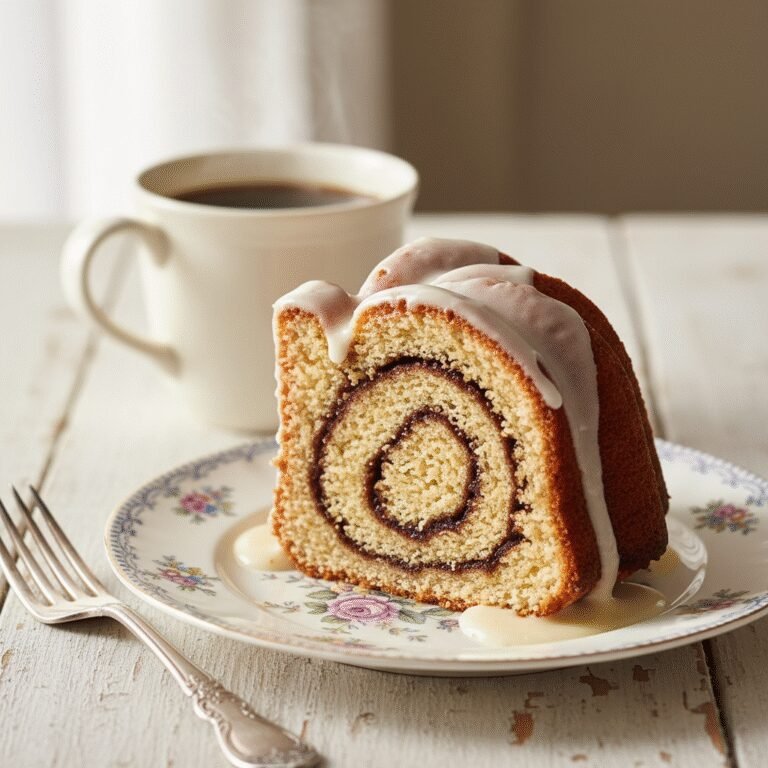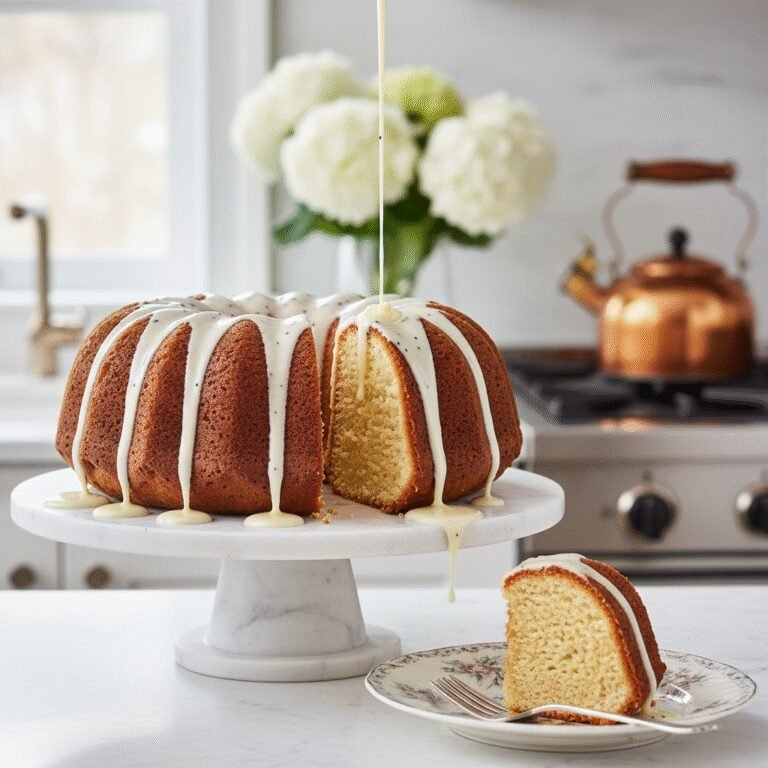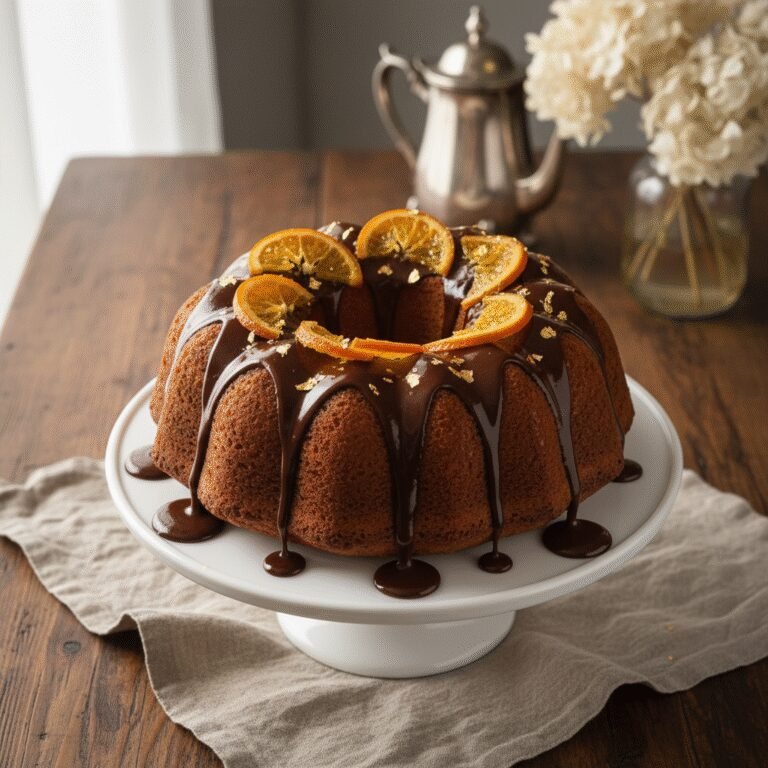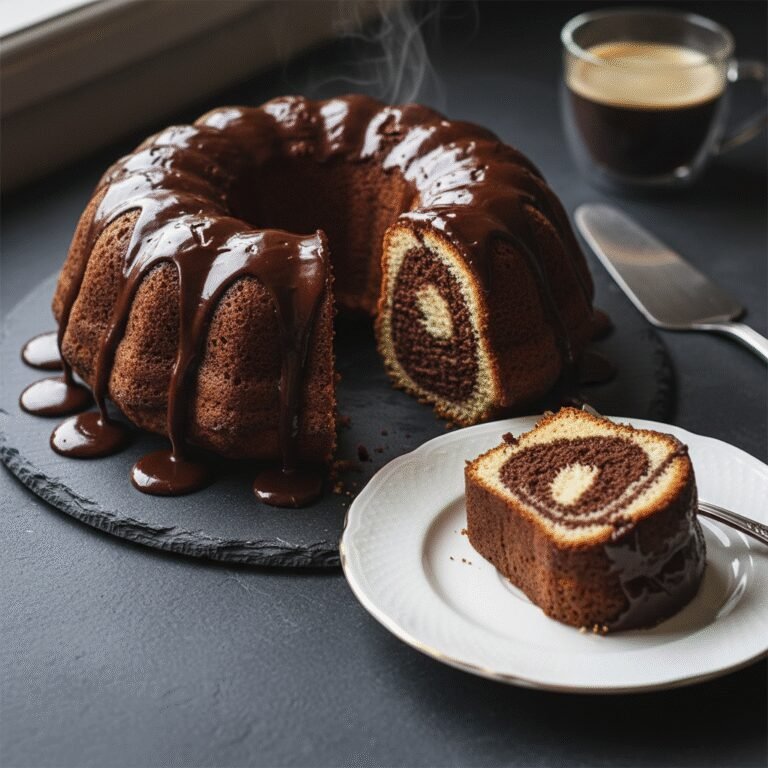

The Ultimate Moist Chocolate Bundt Cake with Tangy Cream Cheese Glaze
Moist Chocolate Bundt Cake With Cream Cheese Glaze Recipe
Indulge in the deepest, darkest chocolate experience with this incredibly moist Bundt cake. Topped with a silky, tangy cream cheese glaze that perfectly balances the richness, this show-stopping dessert is surprisingly easy to make and guaranteed to impress at any gathering.
20 minutes
55 minutes
1 hour 15 minutes
12-14 servings
Dessert
Baking
American
Vegetarian
There is something undeniably majestic about a Bundt cake. Unlike layered cakes that require precise leveling and intricate frosting techniques, a Bundt cake relies on the sheer beauty of its architecture and the depth of its flavor. This Moist Chocolate Bundt Cake with Cream Cheese Glaze is the epitome of comfort meeting elegance. It is not just a dessert; it is an experience. The crumb is impossibly tender, bordering on fudgy, yet it retains enough structure to slice beautifully. We achieve this texture by moving away from the traditional all-butter method and embracing the power of oil and sour cream, which ensures the cake stays moist for days, not just hours.
The flavor profile here is intense. We are talking about a profound chocolate hit, amplified by the addition of hot coffee which blooms the cocoa powder, awakening its complex, fruity notes without imparting a coffee taste. But a rich chocolate cake needs a counterpoint, and that is where the glaze comes in. A simple sugar glaze would be too sweet, disappearing into the sugary background. Instead, we use a thick, luscious cream cheese glaze. The slight tang of the cream cheese cuts through the density of the chocolate, providing a palate-cleansing brightness that makes you reach for a second slice immediately. Whether you are baking for a holiday table, a birthday celebration, or just a Tuesday night craving, this recipe delivers high-reward results with low-stress effort. It captures the essence of what home baking should be: heartwarming, delicious, and visually stunning without being fussy.
History & Origins
The history of the Bundt cake is a fascinating journey through time, culture, and serendipity. While the specific ‘Bundt’ pan is an American invention, its lineage can be traced back to the European ‘Gugelhupf’ or ‘Kugelhopf,’ a yeast-based cake traditionally baked in a fluted, ring-shaped mold in Germany, Austria, and Alsace. These early cakes were closer to brioche, studded with fruits and nuts, and served as a breakfast bread or tea-time treat. The distinctive hole in the center wasn’t just for aesthetics; it allowed heat to penetrate the dense dough more evenly, ensuring a thorough bake.
The modern incarnation of the Bundt cake began in 1950 in Minneapolis, Minnesota. H. David Dalquist, the founder of Nordic Ware, was approached by members of the local Hadassah society who wanted a pan to recreate the heavy cakes of their European mothers. Dalquist cast a lighter version of the traditional ceramic molds using aluminum and trademarked the name ‘Bundt.’ However, the pan remained a slow seller until 1966, when Ella Helfrich won second place in the Pillsbury Bake-Off with her ‘Tunnel of Fudge’ cake. Suddenly, the Bundt pan became a kitchen staple across America. This specific recipe pays homage to that mid-century explosion of baking creativity but updates the flavors for the modern palate. We have swapped the dry, box-mix textures of the past for a scratch-made batter that celebrates the evolution of chocolate baking, moving from simple cocoa sponges to the rich, decadent, and sophisticated desserts we crave today.
Why This Recipe Works
This recipe succeeds where many chocolate cakes fail—dryness—by leveraging the chemistry of specific fats and liquids. First, we use vegetable oil instead of butter as the primary fat. While butter offers great flavor, it contains water that evaporates during baking, sometimes leading to a drier crumb. Oil remains liquid at room temperature, coating the flour proteins and preventing gluten over-development, which guarantees a sensationally moist and tender texture that lasts for days.
Secondly, the inclusion of full-fat sour cream is non-negotiable. The acidity in the sour cream tenderizes the gluten strands, while its thickness adds body to the batter without thinning it out like milk would. This results in a plush, velvety mouthfeel.
Thirdly, the ‘blooming’ technique is utilized. By whisking boiling hot coffee into the cocoa powder, we dissolve the cocoa butter and release flavor compounds that are otherwise locked away. This doesn’t make the cake taste like mocha; it simply makes the chocolate taste more like itself.
Finally, the glaze is designed to have a specific viscosity. It is thick enough to cling to the ridges of the Bundt design without running off completely, creating distinct, appetizing drips. The ratio of cream cheese to powdered sugar is balanced to ensure the glaze sets slightly on the outside but remains creamy against the cake.
Why You’ll Love This Recipe
- ✓Stays moist for up to 5 days due to the oil and sour cream base.
- ✓Deep, intense chocolate flavor enhanced by hot coffee.
- ✓No mixer required for the cake batter; a simple two-bowl method.
- ✓The cream cheese glaze provides the perfect tangy contrast to the sweet cake.
- ✓Visually stunning presentation with minimal decorating effort.
- ✓Freezes beautifully, making it perfect for make-ahead entertaining.
Equipment You’ll Need
- ✓10-12 cup Bundt pan
- ✓Large mixing bowl
- ✓Medium mixing bowl
- ✓Whisk
- ✓Rubber spatula
- ✓Measuring cups and spoons
- ✓Wire cooling rack
- ✓Small saucepan or microwave-safe bowl (for coffee)
Ingredients
- ✓2 cups granulated sugar
- ✓1 3/4 cups all-purpose flour
- ✓3/4 cup unsweetened cocoa powder (preferably Dutch-processed)
- ✓2 teaspoons baking soda
- ✓1 teaspoon baking powder
- ✓1 teaspoon kosher salt
- ✓2 large eggs, room temperature
- ✓1 cup full-fat sour cream, room temperature
- ✓1/2 cup vegetable oil (or canola oil)
- ✓2 teaspoons pure vanilla extract
- ✓1 cup freshly brewed hot coffee
- ✓4 oz cream cheese, softened (for glaze)
- ✓2 tablespoons unsalted butter, softened (for glaze)
- ✓1 1/2 cups powdered sugar (for glaze)
- ✓3-4 tablespoons milk or heavy cream (for glaze)
- ✓1/2 teaspoon vanilla extract (for glaze)
Instructions
- Preheat your oven to 350°F (175°C). Thoroughly grease a 10-12 cup Bundt pan with baking spray (the kind with flour in it) or grease with butter and dust with cocoa powder. Tap out excess cocoa.
- In a large mixing bowl, whisk together the granulated sugar, flour, cocoa powder, baking soda, baking powder, and salt until well combined and no lumps remain.
- In a separate medium bowl, whisk together the eggs, sour cream, vegetable oil, and vanilla extract until the mixture is smooth and creamy.
- Pour the wet ingredients into the dry ingredients. Use a rubber spatula or whisk to mix until just combined. Do not overmix.
- Carefully pour the hot coffee into the batter. Whisk gently until the batter is smooth and glossy. The batter will be very thin and liquidy; this is normal and essential for a moist cake.
- Pour the batter into the prepared Bundt pan. Tap the pan gently on the counter a few times to release any trapped air bubbles.
- Bake for 45-55 minutes, or until a wooden skewer inserted into the deepest part of the cake comes out clean or with just a few moist crumbs attached.
- Remove the cake from the oven and let it cool in the pan for exactly 10 minutes. This allows the structure to set.
- Invert the cake onto a wire cooling rack. If greased properly, it should slide right out. Allow the cake to cool completely to room temperature before glazing.
- To make the glaze: In a medium bowl, beat the softened cream cheese and butter until smooth and creamy.
- Gradually add the powdered sugar, alternating with tablespoons of milk, beating until you reach a thick but pourable consistency. Stir in the vanilla extract.
- Spoon the glaze over the cooled cake, allowing it to drip naturally down the sides. Let the glaze set for 15 minutes before slicing.
Expert Cooking Tips
- ✓Room temperature ingredients are crucial. Cold eggs or sour cream can shock the batter and prevent proper emulsification.
- ✓Do not over-bake. Start checking the cake at the 45-minute mark. A dry Bundt cake is often just an over-baked one.
- ✓Grease every nook and cranny. Bundt pans are notorious for sticking. Use a pastry brush to ensure the grease gets into every intricate design element.
- ✓Use Dutch-processed cocoa for a darker color and a smoother, less acidic chocolate flavor.
- ✓Let the cake cool completely before glazing. If the cake is warm, the glaze will melt and run off entirely, leaving a translucent, sticky mess instead of a thick white drip.
- ✓Sift your cocoa powder and powdered sugar to avoid unpleasant lumps in your batter and glaze.
Substitutions and Variations
If you do not have sour cream, full-fat plain Greek yogurt or buttermilk are excellent substitutes that provide similar acidity and moisture. For the vegetable oil, melted coconut oil or melted butter can be used, though butter will result in a slightly denser texture. If you want to avoid caffeine, decaf coffee works perfectly, or you can substitute hot water; however, coffee really does deepen the chocolate flavor. For a gluten-free version, swap the all-purpose flour for a high-quality 1:1 gluten-free baking flour blend that contains xanthan gum. In the glaze, you can swap the milk for heavy cream for a richer finish, or use almond milk for a lighter version.
Common Mistakes to Avoid
The most common mistake with Bundt cakes is removing them from the pan too early or too late. If you flip it immediately, the cake is too fragile and will break. If you wait until it’s cold, the sugars may harden and stick to the pan. The sweet spot is 10 minutes. Another error is overmixing the batter after adding the flour; this develops gluten and leads to a tough, rubbery cake rather than a tender one. Finally, using a pan that is too small will cause the batter to overflow and burn on the bottom of your oven; ensure you are using a standard 10-12 cup capacity pan.
Serving Suggestions
This cake is a showstopper on its own, but you can elevate it by serving slices with fresh berries like raspberries or strawberries to cut the richness. A dollop of whipped cream or a scoop of vanilla bean ice cream pairs wonderfully with the chocolate. For a festive touch, garnish the top with chocolate shavings, chopped toasted pecans, or edible flowers.
Storage and Reheating Tips
Store the cake in an airtight container or under a cake dome at room temperature for up to 3 days. If your kitchen is particularly hot or humid, store it in the refrigerator for up to 5 days, but let it come to room temperature before serving for the best texture. The unglazed cake freezes exceptionally well. Wrap it tightly in plastic wrap and then foil, and freeze for up to 3 months. Thaw overnight in the refrigerator.
Nutrition Facts (Estimated)
| Serving Size | 1 slice |
| Calories | 480 |
| Fat | 26g |
| Saturated Fat | 8g |
| Unsaturated Fat | 16g |
| Trans Fat | 0g |
| Cholesterol | 45mg |
| Sodium | 310mg |
| Carbohydrates | 58g |
| Fiber | 3g |
| Sugar | 38g |
| Protein | 6g |
Frequently Asked Questions
Can I use a regular cake pan instead of a Bundt pan?
Yes, you can split this batter between two 9-inch round cake pans. Bake for approximately 30-35 minutes. However, the texture and crust-to-crumb ratio will be different.
Why did my cake stick to the pan?
Sticking usually happens if the pan wasn’t greased thoroughly enough or if the non-stick coating on an old pan has worn off. Using a baking spray containing flour is the most reliable method.
Can I make this cake ahead of time?
Absolutely. In fact, this cake often tastes better the next day as the flavors have time to meld and the moisture distributes evenly. Glaze it on the day you plan to serve it.
Do I have to use coffee?
You don’t have to, but it is highly recommended. The coffee enhances the chocolate flavor without making the cake taste like coffee. Hot water is a suitable substitute if you insist.
Why is my batter so thin?
This is a high-liquid batter, which is intentional. The thin consistency allows the leavening agents to work effectively and results in a very moist crumb. Do not add extra flour.
Can I use natural cocoa powder instead of Dutch-processed?
Yes, but the cake will be lighter in color and have a slightly more acidic flavor profile. Dutch-processed cocoa is alkalized and generally preferred for this type of rich cake.
How do I fix a broken Bundt cake?
If the cake breaks coming out of the pan, don’t panic! You can ‘glue’ the pieces back together with a little extra glaze or ganache, and then cover the cracks generously with the main glaze topping.
Is the glaze safe to leave out?
Because of the high sugar content, cream cheese glaze is generally stable at room temperature for a day or two. However, for longer storage, refrigeration is recommended.
Conclusion
This Moist Chocolate Bundt Cake with Cream Cheese Glaze is more than just a recipe; it is a reliable companion for life’s sweet moments. The deep, resonant chocolate flavor combined with the effortless elegance of the Bundt shape makes it a perennial favorite. Whether you are a novice baker or a seasoned pro, the simplicity of the method and the sophistication of the result will have you coming back to this recipe time and time again. So brew some coffee, grease that pan, and get ready to enjoy what might just be the best chocolate cake you have ever tasted.