The Ultimate Moist Vanilla Bundt Cake with Sweet Cream Glaze
Moist Vanilla Bundt Cake Recipe
Discover the secret to the perfect crumb with this incredibly moist Vanilla Bundt Cake. Infused with real vanilla bean and topped with a silky cream glaze, this recipe guarantees a show-stopping dessert that melts in your mouth with every bite.
20 minutes
55 minutes
1 hour 15 minutes
12-14 servings
Dessert
Baking
American
Vegetarian
There is something undeniably elegant and comforting about a classic Vanilla Bundt Cake. Unlike layered cakes that rely heavily on frosting to hide imperfections, a Bundt cake stands tall and proud, exposing its golden crust and tender interior for all to see. This particular recipe is the result of years of testing to find that elusive balance between a dense, pound-cake-like texture and a soft, velvety crumb. It is not just another vanilla cake; it is a celebration of pure, unadulterated vanilla flavor, amplified by the richness of butter and the tang of sour cream.
The beauty of this dessert lies in its simplicity. It doesn’t require complex decorating skills or hard-to-find ingredients. Yet, when sliced, it reveals a tight, moist crumb that holds up perfectly to a cup of coffee in the morning or a scoop of ice cream after dinner. We use a combination of high-quality butter and neutral oil to ensure the cake stays moist for days, not just hours. The addition of sour cream tenderizes the gluten strands, ensuring that ‘melt-in-your-mouth’ sensation we all crave. Whether you are baking for a holiday gathering, a birthday, or simply because you need a slice of comfort on a Tuesday afternoon, this Moist Vanilla Bundt Cake is designed to impress without the stress. Prepare your senses for the intoxicating aroma of warm vanilla and butter filling your kitchen.
History & Origins
The iconic shape of the Bundt cake is deeply rooted in European baking traditions, specifically derived from a fruit cake known as ‘Gugelhupf’ or ‘Kugelhopf’, which was popular in Germany, Austria, and Alsace. These cakes were traditionally baked in ceramic or cast-iron molds with a central tube, allowing dense batters to bake evenly without a raw center. However, the modern Bundt pan as we know it is a distinctly American innovation with a fascinating backstory.
In 1950, H. David Dalquist, the founder of Nordic Ware based in Minneapolis, was approached by a group of women from the local Hadassah society. They wanted a modern version of the traditional Gugelhupf mold to recreate the cakes of their heritage. Dalquist cast an aluminum pan and trademarked the name ‘Bundt’, adding a ‘t’ to the German word ‘Bund’ (meaning an alliance or bond) to secure the trademark. For over a decade, the pan sold poorly and nearly fell into obscurity.
The turning point came in 1966 during the Pillsbury Bake-Off, when Ella Helfrich used a Nordic Ware Bundt pan to create the ‘Tunnel of Fudge’ cake. She won second place, but her cake won the hearts of American home bakers. Virtually overnight, the demand for Bundt pans skyrocketed, surpassing the production capabilities of the factory. Since then, the Bundt cake has become a staple of American baking culture, symbolizing hospitality and home comfort. It has evolved from heavy fruit and nut cakes to lighter, flavor-forward creations like this vanilla masterpiece, proving that good design and delicious recipes stand the test of time.
Why This Recipe Works
This recipe succeeds where many others fail because it scientifically addresses the two biggest complaints about Bundt cakes: dryness and lack of flavor. First, we tackle moisture. Many recipes rely solely on butter, which provides excellent flavor but is solid at room temperature, often leading to a firmer, drier texture once the cake cools. By introducing a calculated amount of neutral oil alongside the butter, we ensure the cake remains soft and moist even days after baking, as oil remains liquid at room temperature.
Secondly, we incorporate full-fat sour cream. The acidity in the sour cream reacts with the baking soda, creating a lift that keeps the cake from becoming a brick, while the fat content coats the flour proteins, shortening gluten strands for a tender bite.
Flavor is the next hurdle. A ‘vanilla’ cake often tastes just like sugar. To combat this, we use a mix of vanilla bean paste and pure vanilla extract. The paste provides those beautiful little specks and a depth of flavor that extract alone cannot achieve. Furthermore, we cream the butter and sugar for a full five minutes—longer than most home bakers realize is necessary. This process aerates the batter, creating a mechanical leavening that supports the chemical leavening, resulting in a structure that is sturdy enough to hold the intricate shape of the pan but light enough to be pleasant on the palate. Finally, the glaze is applied while the cake is slightly warm, allowing a portion of it to seep into the crust, locking in moisture and adding a sweet, creamy finish.
Why You’ll Love This Recipe
- ✓Stays moist for up to 5 days thanks to the oil-butter blend.
- ✓Deep, authentic vanilla flavor using vanilla bean paste.
- ✓Dense yet tender crumb, perfect for dipping in coffee.
- ✓Foolproof release method to ensure it never sticks to the pan.
- ✓Versatile base that accepts mix-ins like nuts or chocolate chips.
Equipment You’ll Need
- ✓10-12 cup Bundt pan
- ✓Stand mixer or electric hand mixer
- ✓Large mixing bowls
- ✓Silicone spatula
- ✓Wire cooling rack
- ✓Measuring cups and spoons
- ✓Whisk
Ingredients
- ✓3 cups All-Purpose Flour (spooned and leveled)
- ✓1 teaspoon Baking Powder
- ✓1/2 teaspoon Baking Soda
- ✓1 teaspoon Salt
- ✓1 cup Unsalted Butter, softened to room temperature
- ✓1/2 cup Vegetable Oil (or Canola Oil)
- ✓2 cups Granulated Sugar
- ✓4 large Eggs, room temperature
- ✓1 tablespoon Vanilla Bean Paste (or pure vanilla extract)
- ✓1 cup Full-Fat Sour Cream, room temperature
- ✓For the Glaze: 1 1/2 cups Powdered Sugar
- ✓For the Glaze: 3-4 tablespoons Heavy Cream or Milk
- ✓For the Glaze: 1 teaspoon Vanilla Extract
Instructions
- Preheat your oven to 350°F (175°C). Thoroughly grease your Bundt pan with butter or non-stick baking spray (baking spray with flour is recommended) and dust with flour, tapping out the excess. Ensure every nook and cranny is coated.
- In a medium bowl, whisk together the flour, baking powder, baking soda, and salt until well combined. Set aside.
- In the bowl of a stand mixer fitted with the paddle attachment (or a large bowl with a hand mixer), beat the softened butter, vegetable oil, and granulated sugar together on medium-high speed for 5 full minutes. The mixture should look pale, fluffy, and aerated.
- Add the eggs one at a time, beating well after each addition. Scrape down the sides and bottom of the bowl with a spatula to ensure even mixing.
- Mix in the vanilla bean paste.
- Reduce the mixer speed to low. Add half of the dry flour mixture and mix until just combined.
- Add the sour cream and mix until incorporated.
- Add the remaining flour mixture and mix until just combined and no streaks of flour remain. Do not overmix.
- Pour the batter into the prepared Bundt pan. Smooth the top with a spatula and gently tap the pan on the counter 2-3 times to release any large air bubbles.
- Bake for 50-60 minutes, or until a wooden skewer inserted into the thickest part of the cake comes out clean or with just a few moist crumbs attached.
- Remove from the oven and let the cake cool in the pan for exactly 10 minutes. This allows the structure to set.
- Place a wire cooling rack over the top of the pan, then carefully invert the cake onto the rack. Lift the pan off gently. Allow the cake to cool completely before glazing.
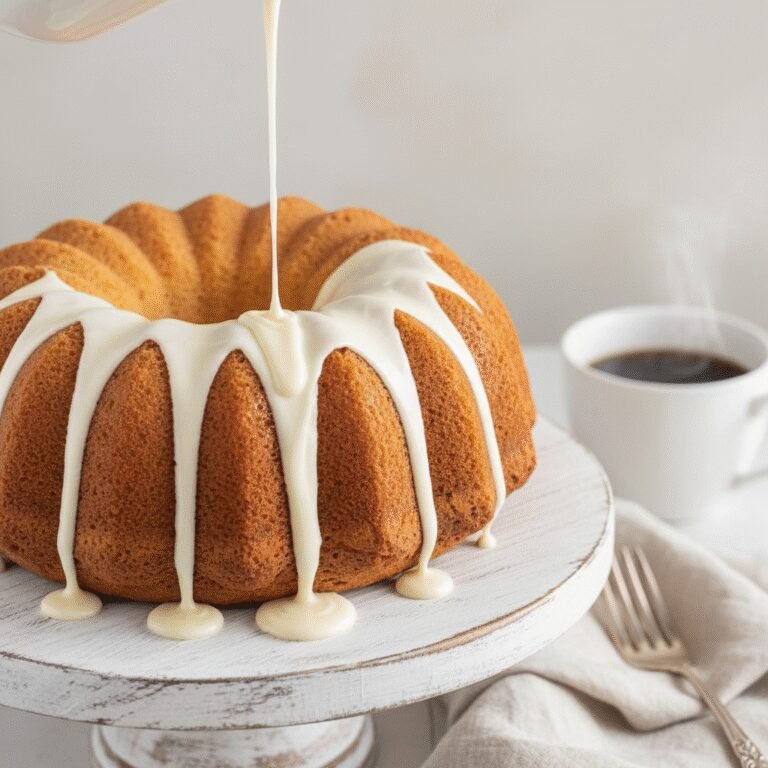
- To make the glaze, whisk together the powdered sugar, heavy cream, and vanilla extract until smooth. If it is too thick, add more cream one teaspoon at a time. Drizzle over the cooled cake.
Expert Cooking Tips
- ✓Room temperature ingredients are non-negotiable; they emulsify better creating a superior texture.
- ✓Do not scoop flour directly with the measuring cup; spoon it in and level it off to avoid a dense cake.
- ✓Grease the pan right before filling it so the oil doesn’t slide down the sides while you prep.
- ✓Use an oven thermometer to ensure your oven is actually at 350°F, as many ovens run hot or cold.
- ✓If the top of the cake is browning too quickly before the inside is done, tent it loosely with aluminum foil.
- ✓Letting the cake cool in the pan for too long (over 20 minutes) can cause it to stick as the sugars harden.
Substitutions and Variations
If you do not have sour cream, full-fat plain Greek yogurt is an excellent 1:1 substitute that provides similar acidity and moisture. For a lighter crumb, you can substitute the all-purpose flour with cake flour, though you should increase the amount by roughly 2 tablespoons per cup. If vanilla bean paste is unavailable, use a high-quality pure vanilla extract, but avoid imitation vanilla as the flavor is the star here. You can swap the vegetable oil for melted coconut oil, but be aware it may impart a slight coconut flavor. For a dairy-free version, use plant-based butter sticks, a dairy-free sour cream alternative, and almond milk for the glaze.
Common Mistakes to Avoid
The most common mistake with Bundt cakes is improper greasing of the pan. Even non-stick pans need to be greased and floured, or sprayed with a baking spray that contains flour. Another frequent error is overmixing the batter once the flour is added; this develops the gluten too much and leads to a tough, rubbery cake rather than a tender one. Opening the oven door too early can cause the cake to collapse, so resist the urge to check until at least 45 minutes have passed. Finally, slicing the cake while it is still warm can cause it to crumble; the crumb structure needs to set completely as it cools.
Serving Suggestions
This cake is stunning on its own, but it pairs beautifully with fresh seasonal berries like strawberries, raspberries, or blueberries to cut through the richness. A dollop of freshly whipped cream or a scoop of vanilla bean ice cream turns it into a decadent dessert. For a cozy afternoon treat, serve a slice alongside a hot cup of coffee or Earl Grey tea. You can also garnish with edible flowers or fresh mint leaves for a spring-time presentation.
Storage and Reheating Tips
Store the cake in an airtight container or a cake dome at room temperature for up to 4 days. The oil in the recipe helps it stay moist. If you live in a very hot or humid climate, you may want to refrigerate it, but bring it to room temperature before serving for the best texture. To freeze, wrap individual slices or the whole cake tightly in plastic wrap, followed by a layer of aluminum foil. It can be frozen for up to 3 months. Thaw on the counter before serving.
Nutrition Facts (Estimated)
| Serving Size | 1 slice |
| Calories | 420 |
| Fat | 22g |
| Saturated Fat | 12g |
| Unsaturated Fat | 9g |
| Trans Fat | 0g |
| Cholesterol | 85mg |
| Sodium | 210mg |
| Carbohydrates | 52g |
| Fiber | 1g |
| Sugar | 28g |
| Protein | 5g |
Frequently Asked Questions
Why did my Bundt cake stick to the pan?
Sticking usually happens if the pan wasn’t greased thoroughly enough or if the cake cooled in the pan for too long. Grease every crevice generously and invert the cake after 10 minutes.
Can I make this recipe in a regular cake pan?
Yes, you can split the batter between two 9-inch round cake pans. The baking time will need to be reduced to approximately 30-35 minutes.
Why is my cake dry?
Dryness is often caused by overbaking or measuring too much flour. Always spoon and level your flour and check the cake for doneness a few minutes before the timer goes off.
Can I add nuts or chocolate chips?
Absolutely. Toss 1 cup of mix-ins (nuts, chips, dried fruit) with a tablespoon of flour before folding them into the batter to prevent them from sinking to the bottom.
How do I know when the cake is done?
Insert a long wooden skewer into the center. It should come out clean or with a few moist crumbs. If it has wet batter, it needs more time.
What if I don’t have a stand mixer?
A hand mixer works perfectly fine. You can even mix by hand with a whisk and wooden spoon, though it will require some serious elbow grease to cream the butter and sugar properly.
Why did my cake sink in the middle?
This can happen if the oven door was opened too early, the oven temperature was too low, or there was too much leavening (baking powder/soda) used.
Can I use salted butter?
Yes, if you use salted butter, reduce the added salt in the recipe to 1/2 teaspoon to maintain the correct flavor balance.
Conclusion
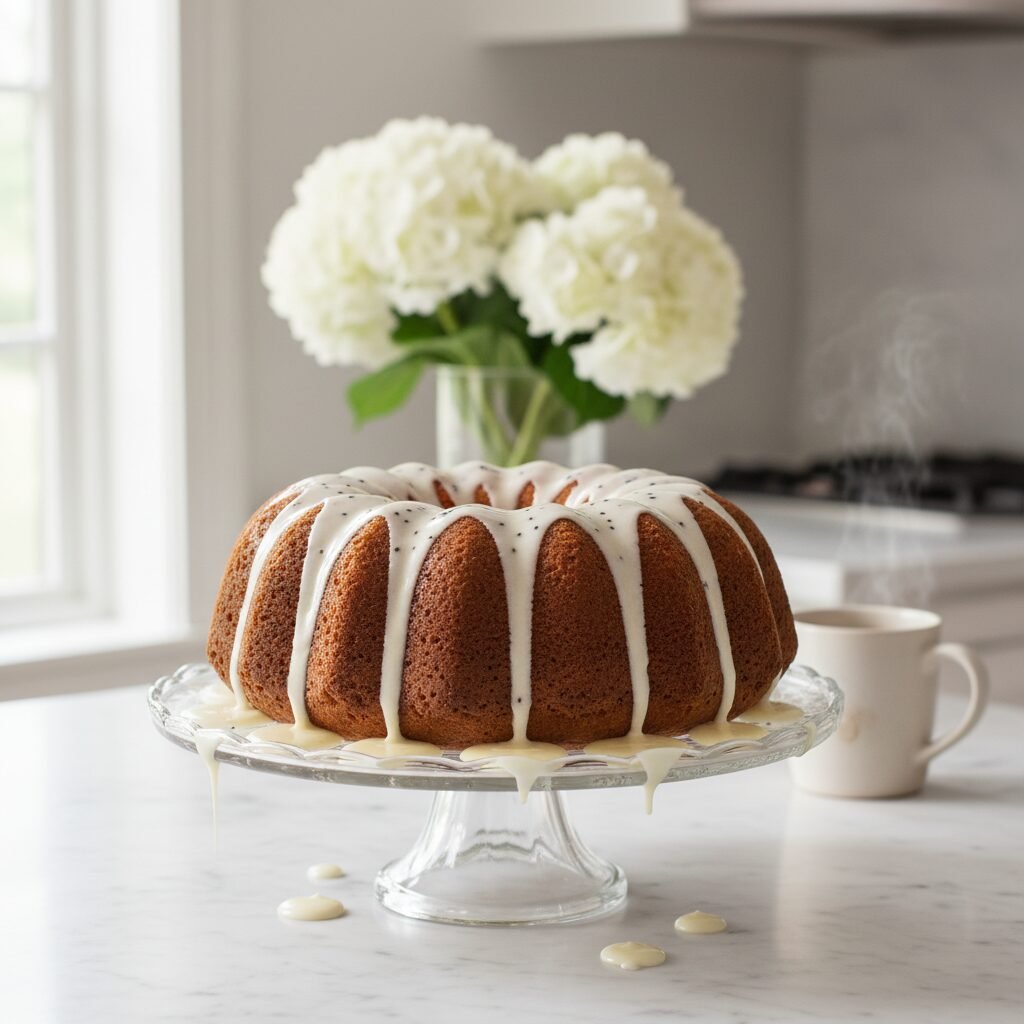
Mastering the perfect Vanilla Bundt Cake is a feather in the cap of any home baker. This recipe offers a reliable, delicious, and visually appealing result that requires minimal effort for maximum payoff. The combination of a golden, sturdy crust and a moist, fragrant interior makes it a timeless classic that appeals to all ages. Whether you are a novice in the kitchen or a seasoned pro, this cake is sure to become a requested favorite in your repertoire. So, dust off that Bundt pan, grab your vanilla bean paste, and get ready to bake a memory that tastes just like home.