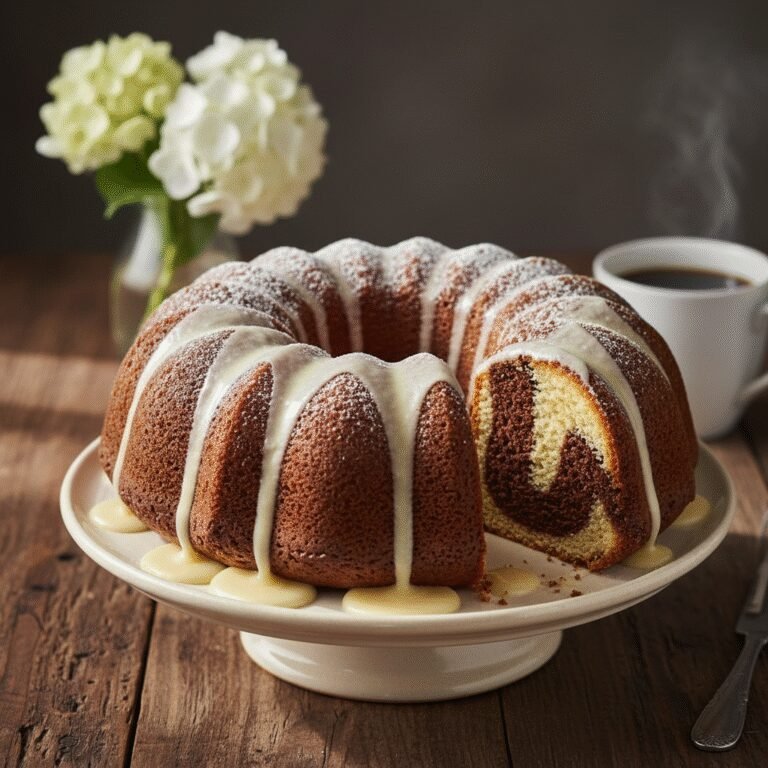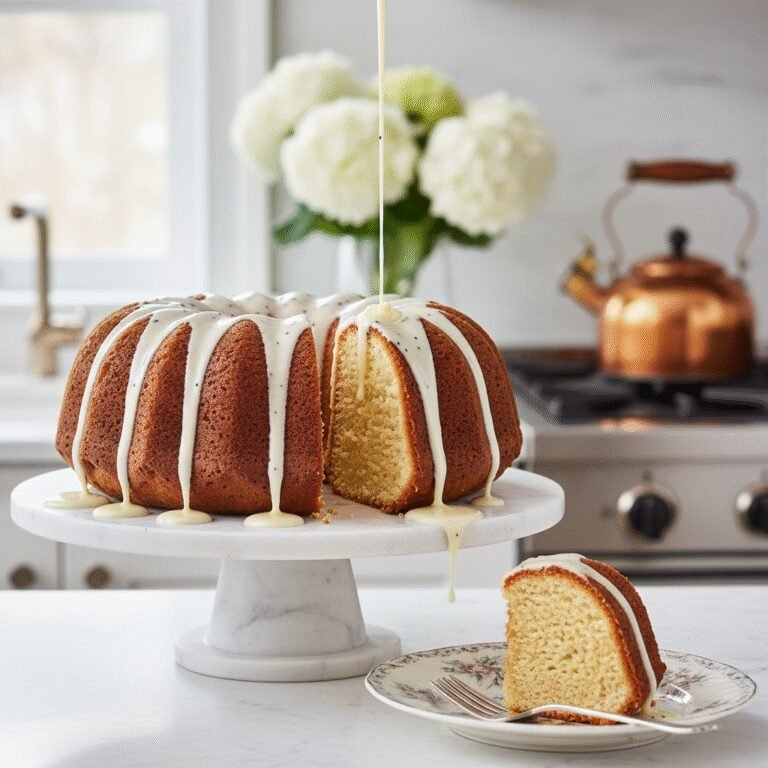

The Ultimate Moist Lemon Bundt Cake With Cream Cheese Glaze
Moist Lemon Bundt Cake With Cream Cheese Glaze Recipe
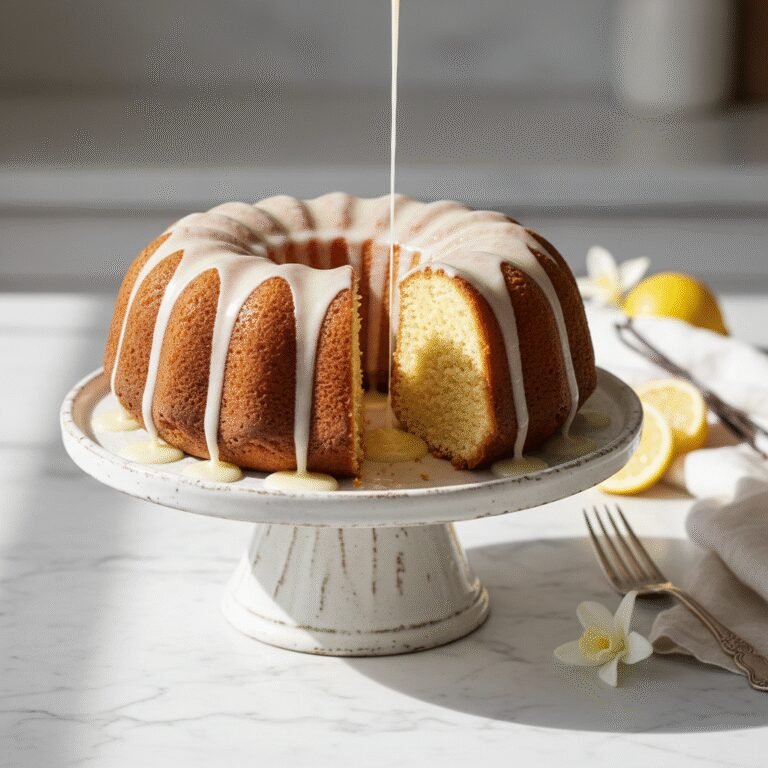
This is the sunniest, most vibrant cake you will ever bake! Bursting with fresh lemon zest and juice, this incredibly moist Bundt cake is crowned with a luscious, tangy cream cheese glaze. It’s the perfect balance of sweet and tart, making it an unforgettable dessert for brunch, Easter, or afternoon tea.
25 minutes
55 minutes
1 hour 20 minutes
12-14 servings
Dessert
Baking
American
Vegetarian
There is something undeniably cheerful about a lemon cake. It is the culinary equivalent of a ray of sunshine breaking through the clouds. While rich chocolate cakes and spiced carrot cakes have their place, nothing quite cleanses the palate and lifts the spirit like the bright, zesty punch of citrus. This Moist Lemon Bundt Cake with Cream Cheese Glaze is not just another dessert; it is a celebration of texture and flavor designed to banish the memory of every dry, lackluster sponge you have ever tasted.
The secret to this cake’s allure lies in its crumb. We aren’t looking for the airy fluffiness of a chiffon cake here; we are aiming for that distinctively velvety, dense-yet-tender texture that only a Bundt pan can provide. Every bite is infused with natural lemon oils, thanks to a technique of rubbing fresh zest directly into the sugar before mixing. This releases the aromatics in a way that extracts simply cannot replicate. But the cake is only half the story. The crowning glory is a thick, luxurious cream cheese glaze that cascades down the fluted sides of the cake. It adds a creamy tang that cuts through the sweetness, providing a sophisticated finish that looks like it came straight from a high-end bakery window.
Whether you are hosting a spring brunch, looking for the perfect Easter dessert, or simply craving a slice of comfort with your afternoon coffee, this recipe delivers every time. It is robust enough to slice cleanly, yet moist enough to melt in your mouth. Get ready to fill your kitchen with the intoxicating aroma of fresh lemons and warm vanilla—this is a recipe you will want to keep in your family collection for years to come.
History & Origins
The history of the Bundt cake is a fascinating journey that bridges Old World European traditions with mid-century American innovation. The distinct ring shape of the cake traces its lineage back to the ‘Gugelhupf’ or ‘Kugelhopf,’ a yeast-based cake traditionally baked in ceramic or cast-iron molds in Germany, Austria, and Alsace. These early cakes were dense, bread-like, and often studded with dried fruits and nuts. However, the transition from the European Gugelhupf to the American Bundt is largely credited to H. David Dalquist, the founder of Nordic Ware. In 1950, at the request of a group of Jewish women in Minneapolis who wanted to recreate the cakes of their European heritage, Dalquist designed a lighter cast aluminum pan. He trademarked the name ‘Bundt,’ adding a ‘t’ to the German word ‘Bund’ (which means an alliance or gathering) to aid in trademarking and distinct pronunciation.
For over a decade, the pan sold poorly, languishing in obscurity until the 1966 Pillsbury Bake-Off. A contestant named Ella Helfrich used a Nordic Ware pan to create the ‘Tunnel of Fudge’ cake, which won second place but captured the heart of the nation. Suddenly, the Bundt pan became a staple in every American kitchen. Lemon cakes, specifically, have a history intertwined with the availability of citrus. While pound cakes (the precursor to the modern Bundt batter) date back to the 1700s, the heavy incorporation of fresh lemon juice and zest became particularly popular in the 19th and 20th centuries as trade routes improved and fresh citrus became a symbol of freshness and vitality in American baking. Today, the Lemon Bundt is a modern classic, representing the perfect marriage of the sturdy, historical pound cake and the American love for bright, bold flavors.
Why This Recipe Works
This recipe succeeds where many others fail because it addresses the two biggest complaints about Bundt cakes: dryness and lack of flavor. First, to combat dryness, we utilize a ‘double-fat’ strategy. We use butter for that unmistakable rich flavor, but we also incorporate a significant amount of full-fat sour cream (or Greek yogurt). The acidity in the sour cream tenderizes the gluten strands in the flour, resulting in a crumb that is soft rather than tough. Furthermore, the thick batter of a Bundt cake protects the interior during the long bake time, steaming it gently from the inside out.
Secondly, to maximize flavor, we employ the method of mechanical zest extraction. By rubbing the lemon zest into the granulated sugar with your fingertips before adding any wet ingredients, the abrasive sugar crystals cut open the zest’s oil pockets. This infuses the entire batter with a deep, floral lemon essence that doesn’t bake out. We also use both fresh lemon juice and zest in the batter, and we echo those flavors in the glaze. The cream cheese in the glaze provides a necessary counterweight; its slight savoriness and tang prevent the cake from being cloyingly sweet, creating a perfectly balanced bite. Finally, using room temperature ingredients ensures a proper emulsion, trapping air bubbles that expand during baking for a lift that prevents the dense cake from becoming heavy or greasy.
Why You’ll Love This Recipe
- ✓Incredibly moist texture thanks to sour cream
- ✓Intense natural lemon flavor from zest-infused sugar
- ✓Rich, tangy cream cheese glaze that sets perfectly
- ✓Beautiful presentation with minimal decorating effort
- ✓Stays fresh and moist for days
- ✓Freezer-friendly for make-ahead convenience
Equipment You’ll Need
- ✓10-12 cup Bundt pan
- ✓Stand mixer or electric hand mixer
- ✓Microplane or fine zester
- ✓Citrus juicer
- ✓Large mixing bowl
- ✓Medium mixing bowl
- ✓Wire cooling rack
- ✓Rubber spatula
- ✓Measuring cups and spoons
Ingredients
- ✓3 cups All-Purpose Flour
- ✓1/2 teaspoon Baking Soda
- ✓1/2 teaspoon Salt
- ✓1 cup Unsalted Butter, softened to room temperature
- ✓2 1/2 cups Granulated Sugar
- ✓3 tablespoons Fresh Lemon Zest (approx. 3 lemons)
- ✓6 large Eggs, room temperature
- ✓1/4 cup Fresh Lemon Juice
- ✓1 teaspoon Pure Vanilla Extract
- ✓1 cup Full-Fat Sour Cream, room temperature
- ✓4 oz Cream Cheese, softened (for glaze)
- ✓2 tablespoons Unsalted Butter, softened (for glaze)
- ✓2 cups Confectioners’ Sugar (powdered sugar)
- ✓2-3 tablespoons Fresh Lemon Juice (for glaze)
- ✓1 tablespoon Milk or Heavy Cream (optional, for consistency)
Instructions
- Preheat your oven to 325°F (165°C). Thoroughly grease your Bundt pan with butter and dust with flour, or use a baking spray containing flour. Ensure every nook and cranny is coated to prevent sticking.
- In a medium bowl, whisk together the flour, baking soda, and salt. Set this dry mixture aside.
- In the bowl of a stand mixer, combine the granulated sugar and fresh lemon zest. Use your clean fingertips to rub the zest into the sugar until it becomes fragrant and resembles wet sand. This releases the lemon oils.
- Add the softened butter to the sugar-zest mixture. Beat on medium-high speed for about 3-4 minutes until the mixture is pale, light, and fluffy. Scrape down the sides of the bowl as needed.
- Add the eggs one at a time, beating well after each addition. Incorporate the vanilla extract and the 1/4 cup fresh lemon juice. (The mixture may look slightly curdled at this point; this is normal).
- Reduce the mixer speed to low. Add half of the flour mixture, followed by the sour cream, and then the remaining flour mixture. Mix only until just combined and no streaks of flour remain. Do not overmix.
- Pour the batter into the prepared Bundt pan and smooth the top with a spatula. Tap the pan gently on the counter a few times to release any large air bubbles.
- Bake for 55-65 minutes, or until a toothpick inserted into the center comes out clean or with just a few moist crumbs attached. The top should be golden brown.
- Remove from the oven and let the cake cool in the pan for exactly 10 minutes. Then, invert the cake onto a wire rack to cool completely before glazing.
- To make the glaze: In a medium bowl, beat the softened cream cheese and butter until smooth and creamy. Gradually add the confectioners’ sugar and lemon juice, whisking until smooth. Add milk if you prefer a thinner consistency.
- Once the cake is completely cool, spoon the glaze over the top, letting it drip down the sides naturally. Garnish with extra zest or lemon slices if desired.
Expert Cooking Tips
- ✓Room temperature ingredients are non-negotiable; cold eggs or dairy will break the emulsion and lead to a dense cake.
- ✓Do not rely on the timer alone; ovens vary. Start checking for doneness at the 50-minute mark.
- ✓Grease the pan right before filling it. If you grease it too early, the oil can slide down the sides and pool at the bottom.
- ✓Measure flour correctly by spooning it into the cup and leveling it off, rather than scooping directly from the bag, to avoid a dry cake.
- ✓Cooling in the pan for exactly 10 minutes is the sweet spot; too short and it may break, too long and it may stick as the sugars cool.
- ✓Zest the lemons before you juice them; it is nearly impossible to zest a squashed lemon.
- ✓For a super smooth glaze, sift the powdered sugar before mixing to remove any lumps.
Substitutions and Variations
Baking is a science, but there is some room for flexibility in this recipe. If you do not have sour cream, full-fat plain Greek yogurt is an excellent 1:1 substitute that maintains the moisture and acidity required. In a pinch, you can use buttermilk, though the batter will be slightly thinner. For the flour, cake flour can be used for an even lighter crumb, but you will need to increase the volume by about 2 tablespoons per cup. If you are gluten-free, a high-quality 1:1 gluten-free baking flour blend (look for one containing xanthan gum) works surprisingly well in this dense batter. For the glaze, if you find cream cheese too heavy, you can make a simple lemon icing using just powdered sugar and lemon juice. Conversely, if you love citrus but want a change, this entire recipe works beautifully with oranges or blood oranges, though you may want to reduce the sugar slightly as oranges are sweeter than lemons.
Common Mistakes to Avoid
The most heartbreaking mistake with Bundt cakes is the ‘stick.’ This usually happens because the pan wasn’t greased thoroughly enough or the cake was left to cool in the pan for too long. Use a pastry brush to get the grease into every flute of the pan. Another common error is overmixing the batter after adding the flour. Once the flour hits the liquid, gluten development starts; overworking it leads to a rubbery, tough texture rather than a tender crumb. Also, avoid opening the oven door frequently to check on the cake. This releases heat and can cause the cake to collapse or sink in the middle. Finally, glazing a warm cake is a mistake; the glaze will simply melt, become translucent, and slide off entirely. Patience is key—wait for the cake to be cool to the touch.
Serving Suggestions
This cake is a stunner on its own, but you can elevate it for special occasions. Serve slices with a dollop of lightly sweetened whipped cream and a handful of fresh raspberries or blueberries; the berries provide a nice color contrast and tartness. For a warm afternoon tea, a slice of this cake pairs beautifully with Earl Grey tea or a floral chamomile blend. If serving for dessert at a dinner party, add a scoop of vanilla bean ice cream on the side. You can also garnish the top of the cake with candied lemon slices or edible flowers like pansies or violets for a breathtaking spring presentation.
Storage and Reheating Tips
Because of the cream cheese in the glaze, this cake is best stored in the refrigerator if you plan to keep it for more than 24 hours. However, it tastes best at room temperature, so remove slices from the fridge about 30 minutes before serving. Store the cake in an airtight cake carrier or wrap it tightly in plastic wrap to prevent it from drying out; it will keep in the fridge for up to 5 days. This cake also freezes beautifully. You can freeze the whole unglazed cake or individual slices. Wrap tightly in plastic wrap and then foil. Thaw overnight in the refrigerator and glaze before serving if freezing the whole cake.
Nutrition Facts (Estimated)
| Serving Size | 1 slice |
| Calories | 460 |
| Fat | 24g |
| Saturated Fat | 14g |
| Unsaturated Fat | 8g |
| Trans Fat | 0g |
| Cholesterol | 85mg |
| Sodium | 210mg |
| Carbohydrates | 58g |
| Fiber | 1g |
| Sugar | 38g |
| Protein | 6g |
Frequently Asked Questions
Why did my Bundt cake sink in the middle?
Sinking usually happens if the cake is underbaked in the center, if the oven door was opened too early causing a temperature drop, or if there was too much leavening (baking soda) used.
Can I use bottled lemon juice instead of fresh?
Technically yes, but we highly recommend fresh lemon juice. Bottled juice lacks the bright, floral notes of fresh citrus and often has a harsh, artificial aftertaste that is noticeable in a lemon-forward dessert.
How do I get the cake out of the pan without it breaking?
Grease the pan thoroughly with shortening and flour or a baking spray with flour. Let the cake cool for exactly 10 minutes. Place a wire rack over the top of the pan, hold both firmly, and flip them over together. Give it a gentle shake if it doesn’t release immediately.
Can I make this cake ahead of time?
Yes! In fact, Bundt cakes often taste better the next day as the flavors meld and the moisture distributes. Bake it the day before, store it covered at room temperature, and glaze it on the day of serving.
My glaze is too runny, how do I fix it?
If the glaze is too thin, simply add more sifted powdered sugar, one tablespoon at a time, until it reaches a thick, slowly dripping consistency.
Can I use a regular cake pan instead of a Bundt pan?
You can use two 9-inch round pans or a 9×13 rectangular pan, but you will need to drastically reduce the baking time to about 30-40 minutes. Keep an eye on it.
Why is my cake dry?
Dryness is usually caused by overbaking or measuring flour incorrectly (packing it into the cup). Always spoon and level your flour, and check the cake 5 minutes before the timer goes off.
Do I have to use cream cheese for the glaze?
No, if you prefer a standard glaze, just mix 2 cups of powdered sugar with 3-4 tablespoons of lemon juice. It will be more translucent and sweeter than the cream cheese version.
Conclusion
There are few things in the baking world as satisfying as pulling a perfect Bundt cake out of the oven—golden, aromatic, and structurally magnificent. This Moist Lemon Bundt Cake with Cream Cheese Glaze is a recipe that promises high rewards for your efforts. It captures the essence of sunshine on a plate, bringing joy with its bright flavor and comforting texture. Whether you are an experienced baker or trying your first Bundt, this foolproof recipe is bound to become a requested favorite. So, grab your lemons, grease that pan, and get ready to enjoy a slice of pure citrus bliss!