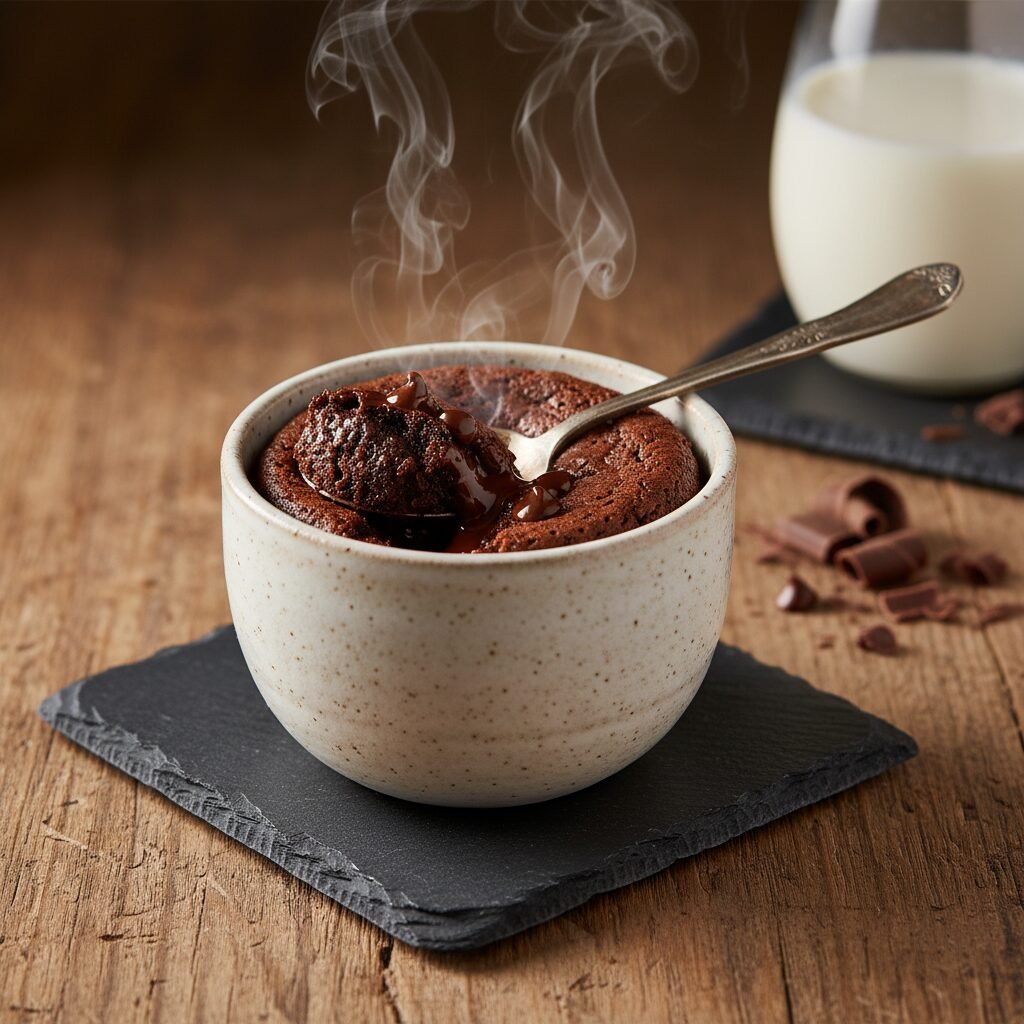
The Ultimate Fudgy Brownie Mug Cake with Chocolate Chips (Ready in 2 Minutes!)
Easy Brownie Mug Cake With Chocolate Chips Recipe
Satisfy your chocolate craving instantly with this rich, gooey brownie mug cake. It takes less than two minutes to whip up in the microwave and delivers that perfect fudgy texture without the hassle of baking a whole pan.
2 minutes
1 minute
3 minutes
1 serving
Dessert
Microwave
American
Vegetarian
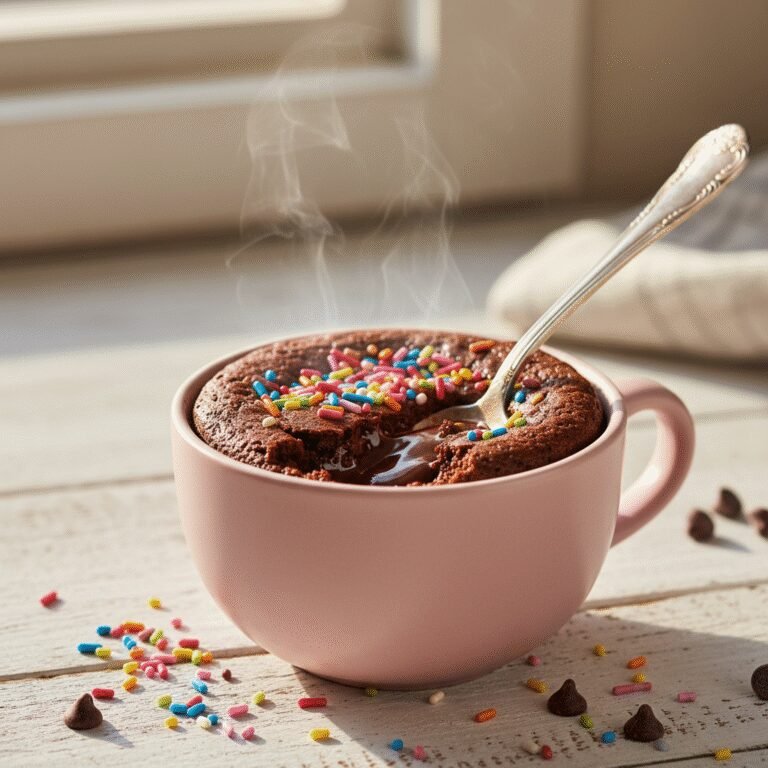
There is a specific kind of hunger that strikes at 9 PM on a Tuesday. It is not a hunger for savory snacks or a full meal; it is a deep, resonating need for something warm, chocolaty, and decadent. In the past, satisfying this craving meant preheating an oven, dirtying multiple mixing bowls, and waiting forty-five minutes for a pan of brownies to bake. But we live in the golden age of instant gratification, and the brownie mug cake is the undisputed king of quick desserts. This isn’t just any mug cake, however. Many microwave desserts suffer from a common flaw: they turn out rubbery, sponge-like, or dry. This recipe has been meticulously tested to ensure that doesn’t happen. By ditching the egg—which often cooks too firmly in the microwave—and optimizing the fat-to-flour ratio, we achieve a texture that is genuinely fudgy, dense, and moist, mimicking the center piece of a slow-baked brownie tray. The addition of semi-sweet chocolate chips elevates the experience, creating pockets of molten chocolate that ooze out with every spoonful. Whether you are a college student in a dorm, a busy parent needing a moment of solace, or simply a chocolate lover with zero patience, this recipe is your new secret weapon. It requires nothing more than a standard mug, a spoon, and a handful of pantry staples. The magic happens in the microwave, transforming a simple batter into a steaming, aromatic cake in sixty seconds flat. Serve it as is, or top it with a scoop of vanilla bean ice cream for a hot-cold contrast that rivals any high-end restaurant dessert. Get your spoon ready; you are about to make the best instant dessert of your life.
History & Origins
The history of the mug cake is a fascinating collision of culinary tradition and technological innovation. To understand the mug cake, one must first look at the history of the brownie itself. The brownie is a distinctly American invention, with legends tracing its origin to the Palmer House Hotel in Chicago during the 1893 World’s Columbian Exposition. Bertha Palmer requested a dessert for ladies attending the fair that would be smaller than a cake but easily eaten from boxed lunches. The result was a dense, fudgy confection that started a national obsession. Fast forward nearly half a century to the invention of the microwave oven by Percy Spencer in the 1940s. While initially used for reheating and defrosting, the microwave eventually found its place in creative cooking. However, it wasn’t until the internet age, specifically the mid-2000s and early 2010s, that the ‘mug cake’ phenomenon truly went viral. Food bloggers and YouTubers began experimenting with single-serving cakes that could be cooked in minutes. Early iterations were often ‘cup cakes’ in the literal sense—standard cake batter poured into a cup—but these often failed texturally because microwaves cook via dielectric heating, exciting water molecules rapidly, which is vastly different from the convection heat of an oven. Over the last decade, the ‘mug cake’ has evolved into its own culinary category with specific scientific rules designed to combat the rubbery texture caused by gluten development and egg coagulation in microwaves. This specific Brownie Mug Cake represents the modern pinnacle of that evolution: a recipe designed specifically for the physics of a microwave to honor the legacy of the 1893 classic.
Why This Recipe Works
The science behind why this specific mug cake recipe succeeds where others fail lies in the omission of eggs and the balance of moisture. In traditional baking, eggs provide structure and lift. However, in a microwave, the proteins in egg whites coagulate incredibly fast, often resulting in a tough, omelet-like texture before the rest of the cake is done. By removing the egg entirely, we eliminate the risk of a rubbery brownie. Instead, we rely on a combination of oil (or melted butter) and milk to keep the crumb tender. The oil coats the flour proteins, inhibiting gluten formation, which ensures the brownie remains soft rather than chewy. Furthermore, we use both granulated sugar and a touch of brown sugar if available; the molasses in brown sugar is hygroscopic, meaning it holds onto moisture, preventing the cake from drying out as it cools. The cooking time is also critical; microwaves vary in power, but cooking for just 60 seconds ensures the center remains slightly underdone and gooey, which carries overcooking heat just enough to set without drying out. Finally, the molten chocolate chips act as internal ‘fudge pockets,’ adding moisture and richness that cocoa powder alone cannot achieve.
Why You’ll Love This Recipe
- ✓Ready in under 3 minutes from start to finish
- ✓No eggs required, preventing a rubbery texture
- ✓Uses basic pantry staples you likely have on hand
- ✓Single-serving portion control
- ✓Rich, fudgy texture that rivals oven-baked brownies
- ✓Highly customizable with nuts, swirls, or candies
Equipment You’ll Need
- ✓Microwave-safe mug (10-12 oz capacity)
- ✓Tablespoon
- ✓Teaspoon
- ✓Mixing spoon
Ingredients
- ✓4 tablespoons all-purpose flour
- ✓3 tablespoons granulated sugar
- ✓2 tablespoons unsweetened cocoa powder
- ✓1/4 teaspoon baking powder
- ✓Pinch of salt
- ✓3 tablespoons milk (dairy or non-dairy)
- ✓2 tablespoons vegetable oil or melted butter
- ✓2 tablespoons semi-sweet chocolate chips
Instructions
- In a microwave-safe mug (approx. 10-12 oz), whisk together the dry ingredients: flour, sugar, cocoa powder, baking powder, and salt. Ensure there are no large lumps of cocoa powder.
- Add the wet ingredients: pour in the milk and the oil (or melted butter).
- Stir the mixture vigorously with a spoon. Be sure to scrape the bottom corners of the mug to ensure no pockets of dry flour remain.
- Stir in the chocolate chips. If desired, save a few chips to sprinkle on top for presentation.
- Microwave on high for 60 seconds. The timing may vary based on your microwave’s wattage (usually between 700W and 1200W). The cake should look risen and set on top but may still look slightly moist.
- Let the mug cake sit for 1-2 minutes before eating. This is crucial as the cake continues to cook and set as it cools, and the filling will be extremely hot.
- Top with whipped cream or ice cream if desired and enjoy immediately.
Expert Cooking Tips
- ✓Do not overcook. If you are unsure of your microwave wattage, start with 50 seconds and check. It is better to be slightly undercooked and fudgy than overcooked and dry.
- ✓Use a wide mug rather than a tall, narrow one. This allows for more even cooking and prevents the batter from overflowing.
- ✓Mix the dry ingredients first to ensure the baking powder and salt are evenly distributed before adding the liquid.
- ✓If you want a molten center, push a square of chocolate into the middle of the batter just before microwaving.
- ✓Let it rest. The texture changes significantly from ‘hot slop’ to ‘perfect brownie’ in the two minutes after cooking.
Substitutions and Variations
This recipe is incredibly forgiving and allows for numerous substitutions to fit dietary needs or pantry availability. For the flour, you can substitute a 1:1 Gluten-Free All-Purpose baking blend if you are gluten-intolerant; almond flour works but will result in a denser, flatter cake. If you are vegan, simply use a plant-based milk like almond, soy, or oat milk, and ensure your chocolate chips are dairy-free. The oil can be swapped for melted coconut oil for a slight tropical flavor, or melted butter for a richer, savory undertone. If you don’t have granulated sugar, brown sugar works beautifully and actually makes the brownie moister due to the molasses content. You can also use maple syrup, though you may need to reduce the milk slightly to balance the liquid ratio. For the chocolate chips, feel free to swap them for white chocolate chips, butterscotch morsels, or even chopped nuts like walnuts or pecans for added crunch.
Common Mistakes to Avoid
The most common mistake people make with mug cakes is overcooking them. Because microwaves cook unevenly and rapidly, even 10 extra seconds can turn a moist brownie into a hard, dry puck. Always err on the side of undercooking. Another frequent error is not mixing the batter thoroughly at the bottom of the mug. It is disappointing to dig into your cake and find a pocket of dry, bitter flour and cocoa powder at the base. Make sure to tilt the mug and scrape the edges well. Additionally, using a mug that is too small is a recipe for disaster; the batter rises rapidly while cooking and can spill over, creating a mess in your microwave. Always use a mug that holds at least 10-12 ounces. Finally, skipping the salt is a mistake; the pinch of salt is essential to balance the sweetness and make the chocolate flavor pop.
Serving Suggestions
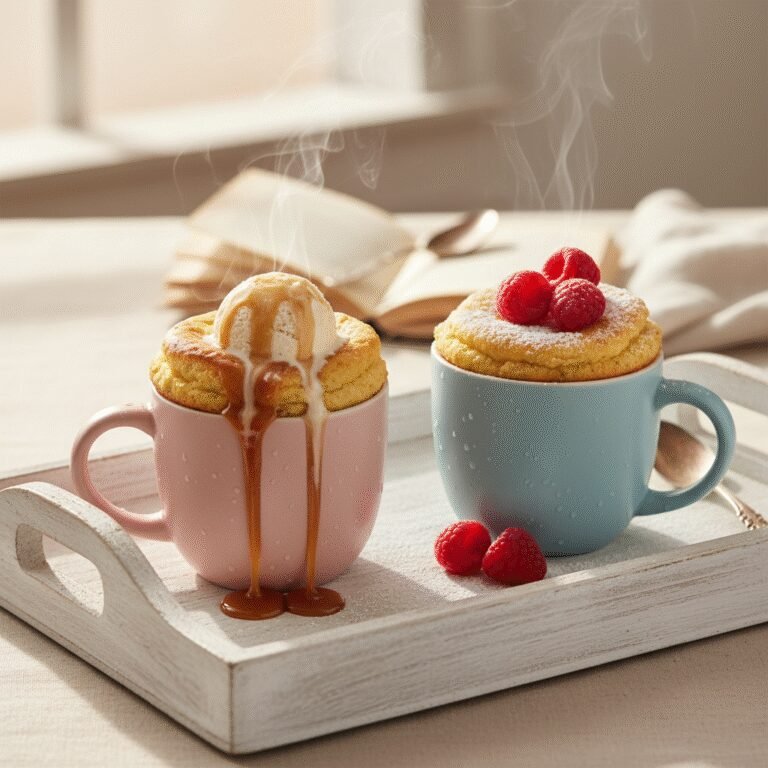
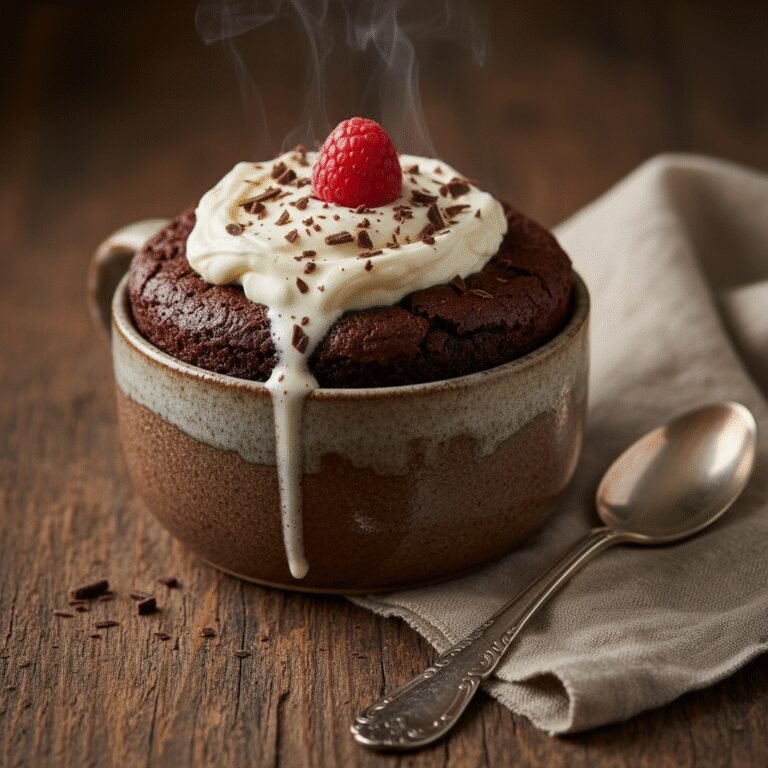
While this brownie mug cake is delicious on its own, the right toppings can turn it into a gourmet experience. The classic pairing is a scoop of vanilla bean ice cream, which melts into the warm cake creating a creamy sauce. Fresh berries, such as raspberries or sliced strawberries, add a tart freshness that cuts through the rich chocolate. A dollop of whipped cream and a dusting of extra cocoa powder make for a beautiful presentation. For true decadence, drizzle warm caramel sauce or peanut butter over the top. You can also serve it with a glass of cold milk or a hot espresso to balance the sweetness.
Storage and Reheating Tips
Mug cakes are designed to be eaten immediately and do not store particularly well. The texture tends to degrade and become stale or rubbery once it cools completely and sits for hours. However, if you absolutely must save it, cover the mug tightly with plastic wrap to prevent moisture loss and store it at room temperature for up to 24 hours. To reheat, sprinkle a few drops of water on top and microwave for 10-15 seconds just to warm it through. Freezing is not recommended for this recipe as the texture will not recover upon thawing.
Nutrition Facts (Estimated)
| Serving Size | 1 mug cake |
| Calories | 380 |
| Fat | 18g |
| Saturated Fat | 6g |
| Unsaturated Fat | 10g |
| Trans Fat | 0g |
| Cholesterol | 10mg |
| Sodium | 180mg |
| Carbohydrates | 52g |
| Fiber | 3g |
| Sugar | 28g |
| Protein | 5g |
Frequently Asked Questions
Why is my mug cake rubbery?
Rubberiness is usually caused by overcooking or over-mixing the batter (developing too much gluten). Since this recipe has no egg, the culprit is likely leaving it in the microwave too long.
Can I make this in the oven?
Technically yes, but it defeats the purpose of a quick mug cake. If you must, bake at 350°F (175°C) for about 12-15 minutes in an oven-safe ramekin.
Can I use water instead of milk?
Yes, you can use water in a pinch, but the result will be less rich and creamy. Milk provides fat and protein that improve the flavor and texture.
Can I double the recipe?
Do not double the recipe in the same mug, as it will likely overflow and cook unevenly. You can double the ingredients in a small microwave-safe bowl or make two separate mugs.
Is baking powder necessary?
Yes, the baking powder provides the lift. Without it, you will have a very dense, heavy fudge paste rather than a cake-like brownie.
Can I use sweetened cocoa powder?
It is not recommended as it contains extra sugar and milk solids that can throw off the recipe ratios. Unsweetened cocoa powder allows you to control the sweetness and chocolate intensity.
Why did my mug cake overflow?
This happens if the mug is too small or narrow. The batter expands significantly as steam forms. Always use a standard or large coffee mug, leaving at least an inch or two of space at the top.
Can I use self-rising flour?
Yes, if you use self-rising flour, omit the baking powder and the salt from the recipe, as they are already included in the flour mix.
Is this recipe vegan?
It can easily be made vegan by using plant-based milk (like almond or oat) and ensuring your chocolate chips are dairy-free.
Can I add protein powder?
You can replace about 1 tablespoon of flour with protein powder, but be aware that whey protein can sometimes make the texture a bit tougher or drier, so you might need a splash more milk.
Conclusion
The Easy Brownie Mug Cake is more than just a recipe; it is a lifestyle hack for anyone who believes that chocolate is a food group. It proves that you do not need a fully stocked pastry kitchen or hours of free time to enjoy a warm, homemade dessert. By mastering this simple method, you are always just two minutes away from chocolate bliss. Whether you are treating yourself after a long day, making a quick snack for the kids, or impressing a date with a spontaneous dessert, this mug cake delivers every time. So keep your pantry stocked with cocoa and chips, and never let a chocolate craving go unanswered again.