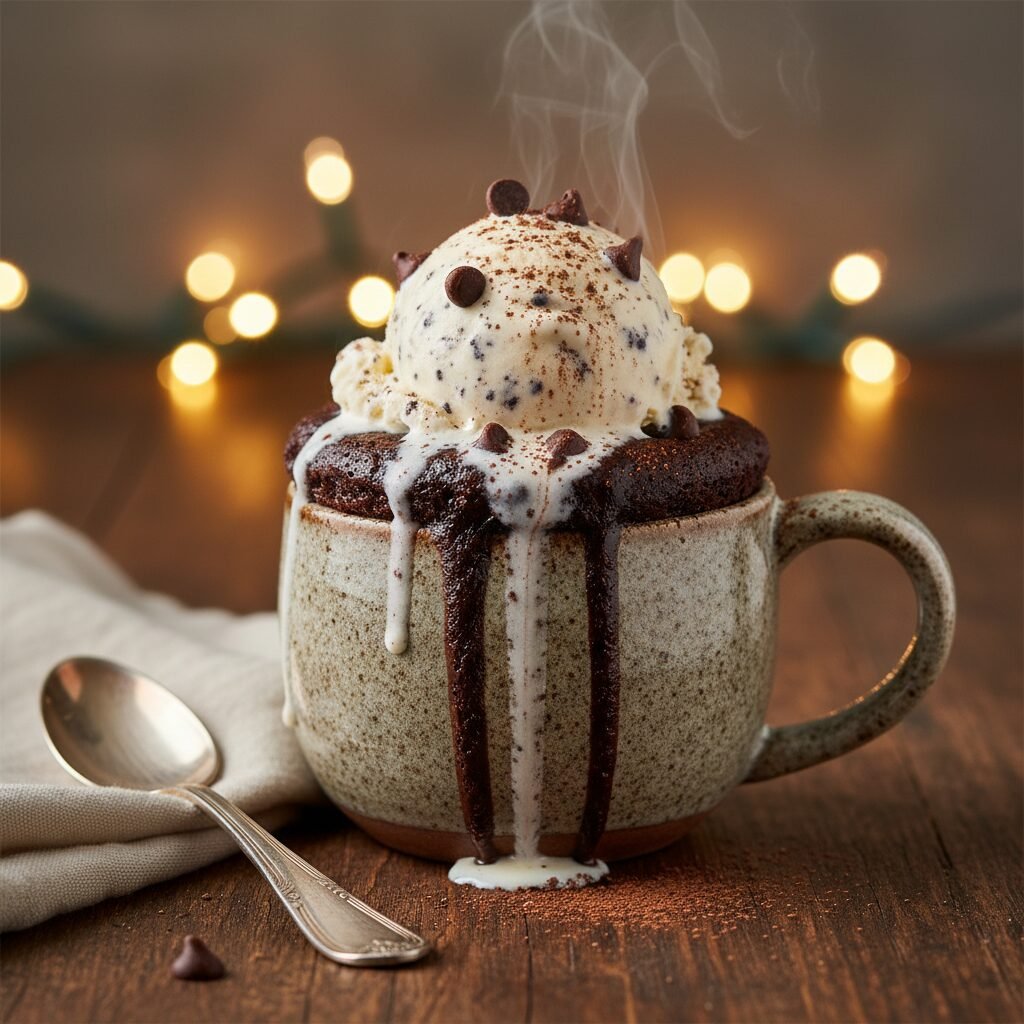
The Ultimate Fudgy Chocolate Mug Cake Without Egg – Ready in 2 Minutes
Easy Chocolate Mug Cake Without Egg Recipe
Satisfy your sudden chocolate cravings instantly with this incredibly moist and rich eggless mug cake. It comes together in just one mug using simple pantry staples and cooks in the microwave in under 90 seconds for the perfect single-serving dessert.
3 minutes
2 minutes
5 minutes
1 serving
Dessert
Microwave
American
Vegetarian
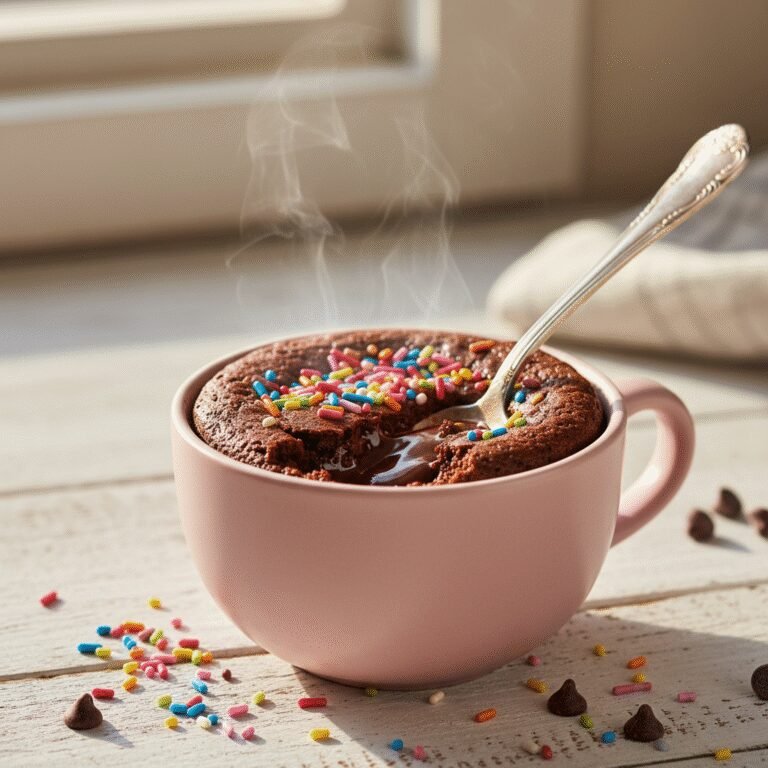
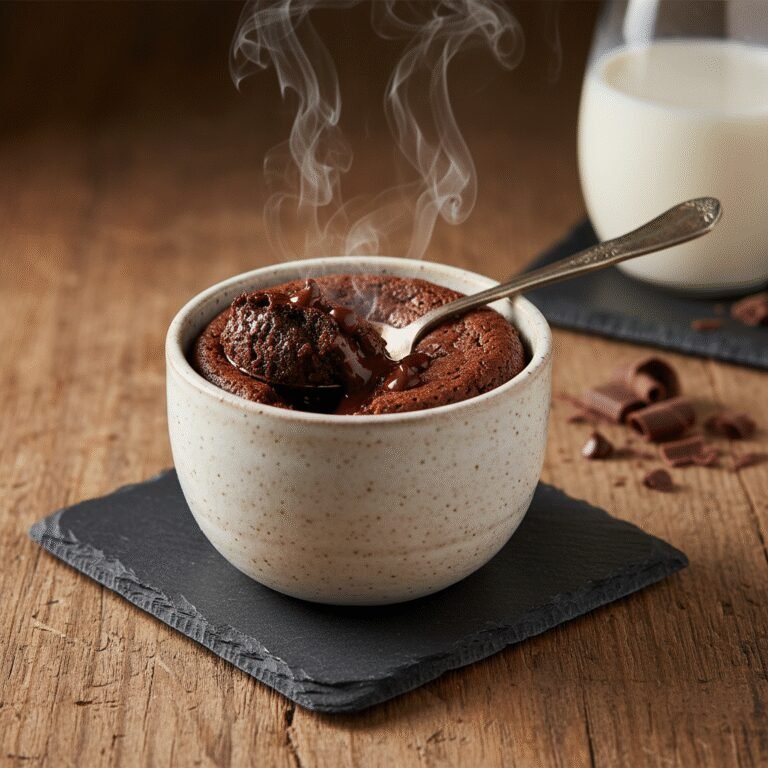
We have all been there: it is late at night, you are curled up on the couch watching your favorite show, and suddenly, a craving hits. Not just any craving, but a deep, undeniable need for something warm, gooey, and intensely chocolatey. Baking a whole cake is out of the question—too much time, too much mess, and way too many leftovers. This is where the magic of the chocolate mug cake comes in, specifically this egg-free version that promises a texture so velvety, you won’t believe it came from a microwave. Unlike many mug cakes that can turn out rubbery or sponge-like due to the egg cooking too quickly, omitting the egg actually yields a superior, fudgier texture that is closer to a molten lava cake or a dense brownie. This recipe is the holy grail of emergency desserts. It is designed for the busy parent, the college student in a dorm, or anyone who needs a quick sweet fix without destroying the kitchen. The flavor profile is deep and robust, thanks to the cocoa powder and a hint of vanilla, while chocolate chips scattered throughout provide pockets of melted bliss in every bite. Whether you are a novice baker or a seasoned pro, this recipe levels the playing field, proving that gourmet satisfaction is only minutes away. It is vegan-friendly if you use plant-based milk, making it a versatile crowd-pleaser for one.
History & Origins
While the concept of cakes cooked in cups dates back to the 18th and 19th centuries with ‘cup cakes’ (which referred to the measurements or the baking vessel), the modern microwave mug cake is a relatively recent culinary phenomenon. The rise of the microwave oven in the late 20th century revolutionized home cooking, initially focused on reheating and defrosting. However, as internet culture exploded in the late 2000s and early 2010s, food bloggers and forums began experimenting with ‘instant’ desserts. The mug cake became a viral sensation, celebrated for its photogenic nature and instant gratification. This specific variation—the eggless chocolate mug cake—has roots in the ‘Depression cake’ or ‘Wacky cake’ era of the 1930s, where bakers had to improvise without scarce ingredients like eggs and butter. During those times, chemical leaveners like baking soda and vinegar were used to create lift. In the context of a microwave mug cake, removing the egg is actually a strategic culinary choice rather than just a substitute for scarcity. Eggs provide structure and stability, but in a small vessel blasted with high heat, they can often make the texture toughen rapidly. By leaning on the history of egg-free baking and adapting it for modern microwave technology, we achieve a dessert that honors the ingenuity of the past while catering to the fast-paced lifestyle of the present.
Why This Recipe Works
This recipe succeeds where many others fail because it addresses the fundamental science of microwave cooking. Microwaves cook food by agitating water molecules, generating heat from within. This happens incredibly fast. When you include an egg in a small volume of batter, the proteins coagulate rapidly, often resulting in a rubbery, omelet-like texture that is unappealing in a cake. By eliminating the egg, we remove that risk entirely, relying instead on baking powder for lift and oil for moisture. The ratio of fat (oil) to liquid (milk) and dry ingredients (flour and cocoa) is meticulously balanced to ensure the cake remains moist and tender. We use oil instead of butter because oil remains liquid at room temperature, ensuring the cake stays soft even as it cools down slightly. Furthermore, the inclusion of a pinch of salt is crucial; it doesn’t make the cake salty, but rather sharpens the chocolate flavor, cutting through the sugar to prevent it from being cloyingly sweet. The cooking time is also optimized; we aim for ‘just set’ rather than ‘fully baked’ to allow carryover cooking to finish the job, guaranteeing a gooey, fudgy center.
Why You’ll Love This Recipe
- ✓Ready in under 5 minutes from start to finish
- ✓No eggs required, preventing a rubbery texture
- ✓Uses standard pantry ingredients you likely have right now
- ✓Minimal cleanup with only one mug and a spoon needed
- ✓Easily adaptable for vegan and dairy-free diets
- ✓Rich, brownie-like consistency with melted chocolate pockets
Equipment You’ll Need
- ✓Microwave-safe mug (12-14 oz capacity)
- ✓Tablespoon measure
- ✓Teaspoon measure
- ✓Small whisk or fork
Ingredients
- ✓4 tablespoons all-purpose flour
- ✓3 tablespoons granulated sugar
- ✓2 tablespoons unsweetened cocoa powder
- ✓1/2 teaspoon baking powder
- ✓Pinch of salt
- ✓4 tablespoons milk (dairy or non-dairy)
- ✓2 tablespoons vegetable oil or melted coconut oil
- ✓1/4 teaspoon vanilla extract
- ✓1 tablespoon semi-sweet chocolate chips (optional but recommended)
Instructions
- Grab your favorite microwave-safe mug. A standard 12-14 ounce coffee mug works best to prevent overflow.
- Add the dry ingredients directly into the mug: 4 tablespoons flour, 3 tablespoons sugar, 2 tablespoons cocoa powder, 1/2 teaspoon baking powder, and a pinch of salt.
- Use a fork or small whisk to mix the dry ingredients thoroughly, ensuring there are no lumps of flour or cocoa powder at the bottom.
- Add the wet ingredients: 4 tablespoons milk, 2 tablespoons oil, and 1/4 teaspoon vanilla extract.
- Stir the batter gently but thoroughly until smooth. Be sure to scrape the bottom edges of the mug so no dry flour pockets remain.
- Sprinkle the chocolate chips on top or gently fold them into the batter.
- Place the mug in the center of the microwave. Cook on high power for 60 to 90 seconds. Start with 60 seconds; the cake should rise and look set but slightly shiny on top. If it looks wet, add 10-15 seconds.
- Carefully remove the mug from the microwave (it will be hot!) and let it stand for 1-2 minutes. This allows the cake to finish setting and cool to a safe temperature.
- Top with whipped cream or ice cream if desired and enjoy immediately.
Expert Cooking Tips
- ✓Do not overmix the batter once the wet ingredients are added, or the cake may become tough.
- ✓Microwave wattages vary significantly; 1 minute in a 1200W microwave might be 90 seconds in a 700W one. Watch it closely the first time.
- ✓Use a mug with straight sides if possible for the most even cooking.
- ✓Place a paper towel under the mug in the microwave just in case of any accidental spills.
- ✓For a molten center, push a piece of chocolate into the middle of the batter before cooking.
- ✓Eat it while it is warm; mug cakes tend to dry out if left to sit for too long.
Substitutions and Variations
This recipe is incredibly forgiving and adaptable to various dietary needs. For a gluten-free version, simply substitute the all-purpose flour with a 1:1 gluten-free baking flour blend; almond flour works too but will result in a denser, nuttier cake. If you are vegan or dairy-free, use any plant-based milk such as almond, soy, or oat milk, and ensure your chocolate chips are dairy-free. You can swap the granulated sugar for brown sugar for a deeper, molasses-like flavor, or use a sugar alternative like erythritol or stevia, though the texture may be slightly drier. The vegetable oil can be replaced with melted butter for a richer taste, or melted coconut oil for a hint of tropical flavor. If you don’t have vanilla extract, a tiny pinch of instant coffee powder can enhance the chocolate flavor beautifully.
Common Mistakes to Avoid
The most common mistake is overcooking the cake. Because microwaves cook unevenly and quickly, leaving it in for even 15 seconds too long can turn a moist cake into a dry, hard puck. Always err on the side of undercooking, as the cake continues to cook as it cools. Another frequent error is using a mug that is too small. The batter rises significantly due to the baking powder, so using a small teacup will result in a messy overflow. Always use a standard or large mug. Finally, failing to mix the dry ingredients at the bottom of the mug can result in unpleasant mouthfuls of dry flour; make sure to dig your spoon into the corners when mixing.
Serving Suggestions
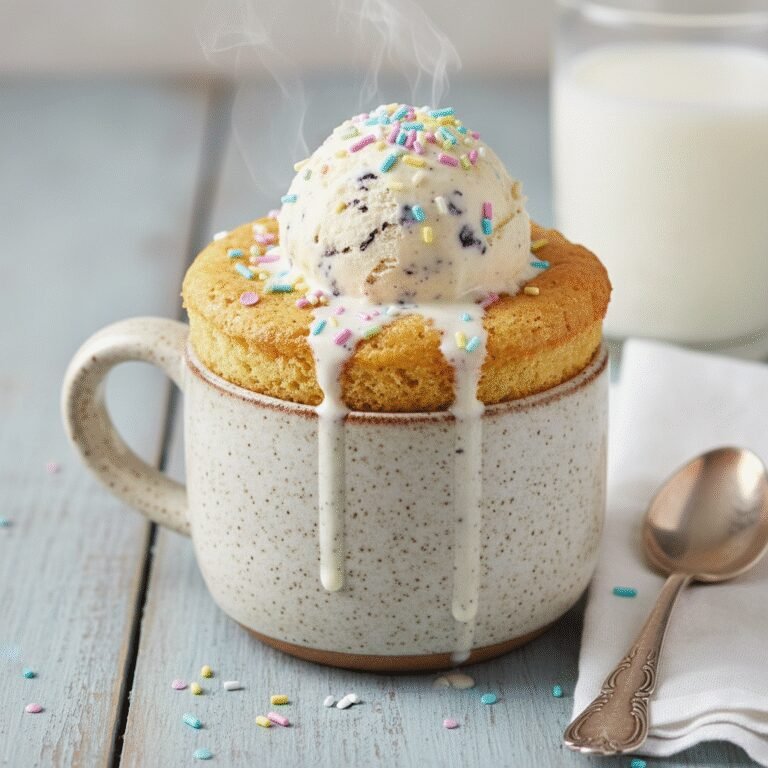
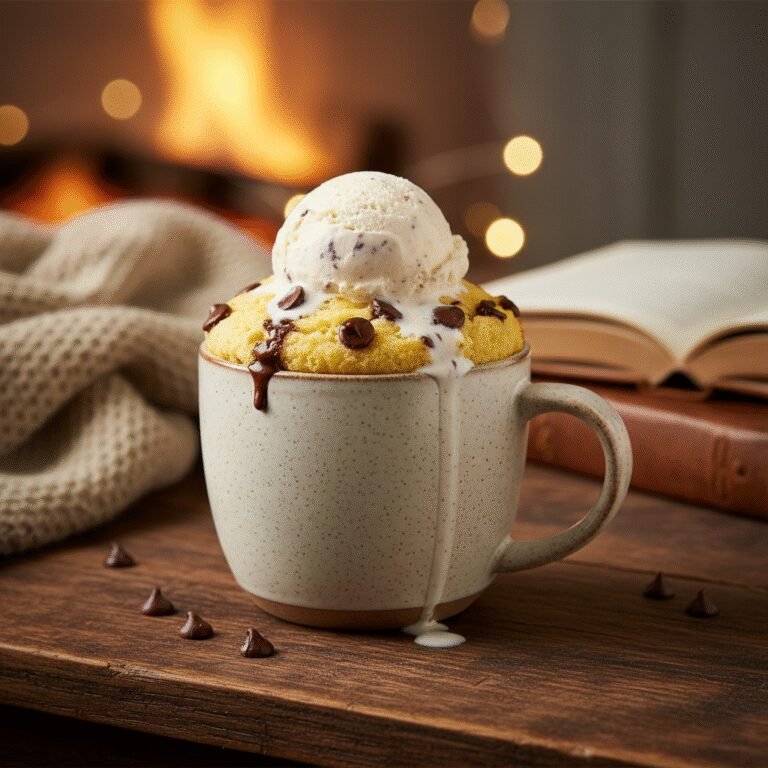
While delicious on its own, this mug cake shines with toppings. A scoop of vanilla bean ice cream is the classic choice, creating a hot-and-cold contrast that is irresistible. Fresh berries, such as raspberries or strawberries, add a tart freshness that cuts through the rich chocolate. A dollop of whipped cream, a drizzle of salted caramel sauce, or a dusting of powdered sugar can elevate this simple snack into a dessert worthy of guests. For texture lovers, chopped nuts like walnuts or pecans added on top provide a nice crunch.
Storage and Reheating Tips
Mug cakes are best enjoyed immediately after baking. They are designed to be single-serving, instant treats. However, if you simply cannot finish it, you can cover the mug tightly with plastic wrap and store it in the refrigerator for up to 24 hours. To reheat, remove the wrap and microwave for 10-15 seconds. Note that the texture will not be as soft as when it was fresh. Freezing is not recommended for this type of quick bread as it will likely become soggy upon thawing.
Nutrition Facts (Estimated)
| Serving Size | 1 mug cake |
| Calories | 380 |
| Fat | 18g |
| Saturated Fat | 4g |
| Unsaturated Fat | 12g |
| Trans Fat | 0g |
| Cholesterol | 5mg |
| Sodium | 210mg |
| Carbohydrates | 52g |
| Fiber | 4g |
| Sugar | 28g |
| Protein | 6g |
Frequently Asked Questions
Can I make this in an oven if I don’t have a microwave?
Yes, you can bake this in an oven-safe ramekin at 350°F (175°C) for about 15-20 minutes, but the texture might be slightly different and it defeats the ‘quick’ purpose.
Why is my mug cake rubbery?
Rubbery texture usually comes from overmixing the batter (developing too much gluten) or overcooking it in the microwave.
Can I double the recipe?
You can double the ingredients, but do not cook them in the same mug unless it is a giant soup mug. It is better to make two separate mugs.
Can I use water instead of milk?
Technically yes, but the cake will be less rich and flavorful. Milk adds fat and sugar which helps with tenderness.
Does the type of cocoa powder matter?
Standard unsweetened cocoa powder works best. Dutch-processed cocoa can be used for a darker color and mellower flavor.
Is baking soda a good substitute for baking powder?
No, they are not the same. Baking soda needs an acid to activate. Since this recipe relies on baking powder, sticking to it is best for reliable rise.
Why did my cake overflow?
The mug was likely too small for the amount of batter and the rise caused by the leavening agent. Use a larger mug next time.
Can I add protein powder?
Yes, you can replace about 1 tablespoon of flour with protein powder, but you may need to add a splash more milk to adjust the consistency.
Conclusion
This Easy Chocolate Mug Cake Without Egg is truly a game-changer for dessert lovers everywhere. It proves that you don’t need a pantry full of fancy ingredients or hours of time to create something decadent and satisfying. By removing the egg, we’ve created a foolproof recipe that yields a fudgy, moist, and deeply chocolatey treat every single time. Whether you are treating yourself after a long day or whipping up a quick snack for the kids, this recipe is sure to become a staple in your repertoire. So grab your favorite mug, spend five minutes in the kitchen, and enjoy a spoonful of warm chocolate heaven.