The Ultimate Moist Lemon Cupcakes for Kids’ Birthday Parties
Moist Lemon Cupcake For Kids Birthday Recipe
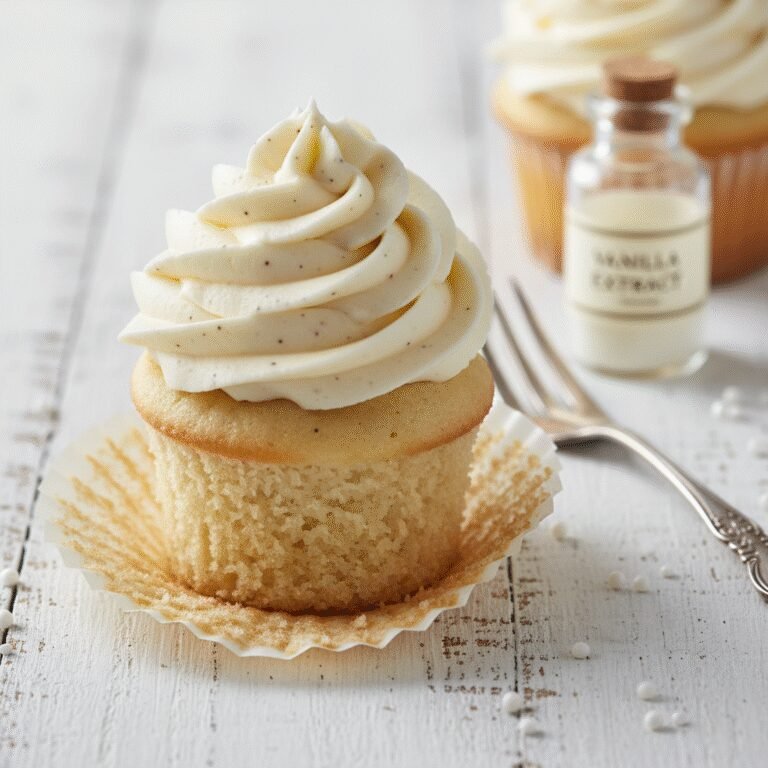
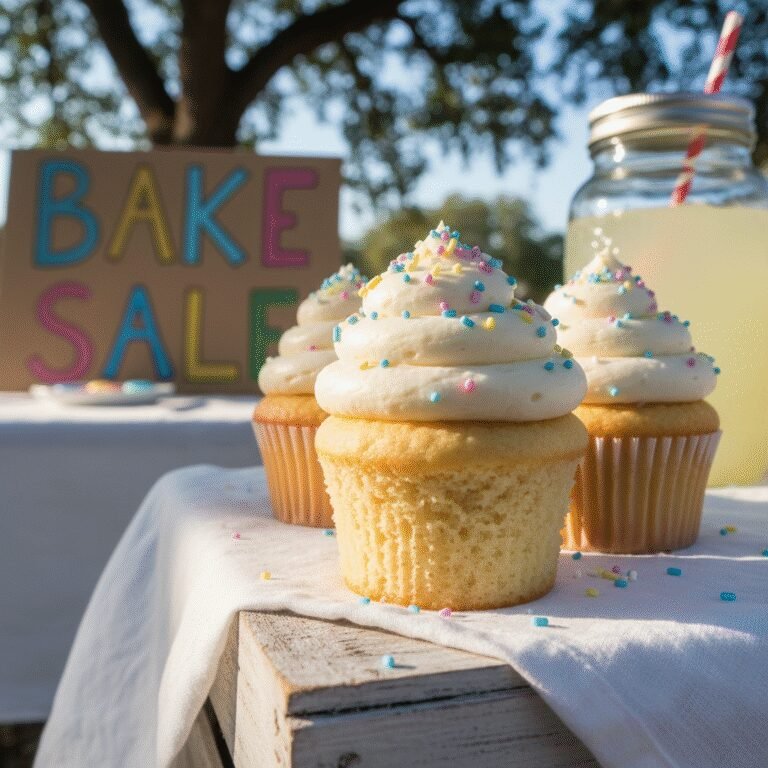
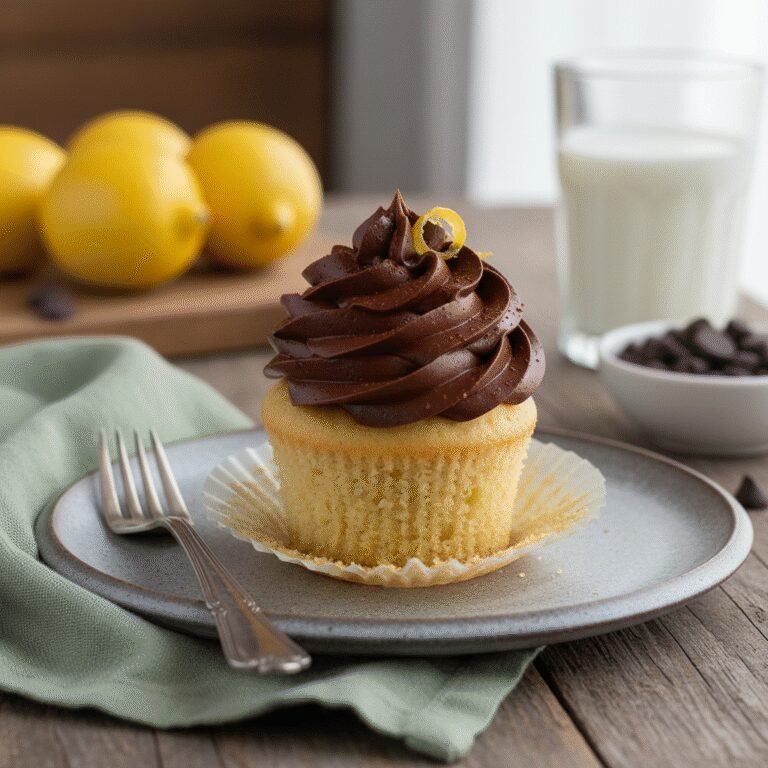
These sun-kissed lemon cupcakes are the perfect balance of zesty and sweet, featuring an incredibly tender crumb that melts in your mouth. Designed specifically for kids’ birthdays, they are sturdy enough for little hands yet soft enough to feel like a special treat.
20 minutes
18 minutes
38 minutes
12 cupcakes
Dessert
Baking
American
Vegetarian
When planning a child’s birthday party, the dessert table is often the centerpiece of the celebration. While chocolate and vanilla are standard standbys, there is something universally cheerful and refreshing about a perfectly executed lemon cupcake. This recipe for Moist Lemon Cupcakes is crafted to be the ultimate crowd-pleaser, offering a bright pop of sunshine that cuts through the sugar rush of a party. Unlike many lemon recipes that lean too tart or acidic for younger palates, this version strikes a delicate harmony. We use fresh lemon zest to infuse natural oils and a fragrant aroma without the biting sourness that might deter picky eaters.
The texture here is paramount. We have all experienced dry, crumbly cupcakes that look beautiful but taste like cardboard. This recipe utilizes a specific combination of fats and dairy to ensure that every bite is pillowy soft and stays moist for days. It is a recipe born out of the need for a birthday treat that doesn’t just look good on Pinterest but actually gets eaten down to the last crumb. Whether you are hosting a summer garden party or brightening up a winter birthday bash, these cupcakes bring a sense of joy and lightness to the occasion. They are easy to whip up in a single afternoon, decorate beautifully with sprinkles or toppers, and pair wonderfully with a variety of frostings, from a classic vanilla buttercream to a tangy cream cheese whip. Get ready to bake the most requested treat in your neighborhood!
History & Origins
The concept of the cupcake can be traced back to 1796, when a recipe for ‘a light cake to bake in small cups’ was written in ‘American Cookery’ by Amelia Simmons. However, the term ‘cupcake’ itself didn’t fully emerge until the early 19th century. Originally, these small cakes were baked in heavy pottery cups or ramekins before the invention of the multi-cup muffin tin. They revolutionized home baking because they cooked much faster than large hearth cakes, a significant advantage in the days of wood-fired ovens.
Lemon as a primary flavoring in cakes has its own distinct lineage. Citrus fruits were often considered a luxury item in colder climates, reserved for special occasions. By the mid-20th century, with the advent of better transportation and refrigeration, lemons became a household staple in America. The 1950s and 60s saw a boom in citrus-flavored desserts, often associated with ‘ladies’ luncheons’ and garden parties. This era solidified the lemon cake as a symbol of hospitality and cheer.
Adapting lemon cake for children’s birthdays is a more modern evolution. Historically, kids’ cakes were simple sponges. As palates expanded and baking became a hobby rather than just a chore, parents began experimenting with brighter flavors. Today, the lemon cupcake represents a sophisticated yet accessible treat, bridging the gap between an adult’s appreciation for flavor nuance and a child’s love for sugary, soft confections.
Why This Recipe Works
This recipe succeeds where others fail due to the precise balance of fat, acidity, and mixing technique. First, we use a combination of unsalted butter and vegetable oil. Butter provides that classic, rich flavor that oil alone cannot achieve, while the oil ensures the cupcakes remain moist and tender even after they have cooled. Butter is solid at room temperature, which can sometimes lead to a denser cake, but the addition of liquid oil keeps the crumb open and airy.
Secondly, the inclusion of sour cream is a game-changer. Sour cream is acidic, which tenderizes the gluten strands in the flour, preventing the cupcakes from becoming tough or rubbery. It also adds a thickness to the batter that helps suspend the air bubbles created by the leavening agents, resulting in a perfect dome.
Finally, we rely on lemon zest rather than just lemon juice for the flavor. Lemon juice can alter the pH of the batter too drastically if used in large quantities, potentially messing with the baking soda reaction. The zest contains essential oils that pack a massive punch of lemon flavor without adding extra liquid or acidity that could curdle the dairy. This ensures a consistent rise and a flavor that permeates every crumb.
Why You’ll Love This Recipe
- ✓Incredibly moist texture thanks to a butter-oil blend.
- ✓Kid-friendly flavor profile: sweet, not too sour.
- ✓Stays fresh for up to 3 days, perfect for making ahead.
- ✓Uses fresh lemon zest for a natural, aromatic taste.
- ✓Sturdy crumb structure ideal for piling on frosting.
- ✓One-bowl method options for easier cleanup.
Equipment You’ll Need
- ✓12-cup muffin tin
- ✓Cupcake liners
- ✓Stand mixer or electric hand mixer
- ✓Large mixing bowl
- ✓Medium mixing bowl
- ✓Whisk
- ✓Microplane or zester
- ✓Rubber spatula
- ✓Wire cooling rack
Ingredients
- ✓1 1/2 cups All-Purpose Flour
- ✓1 1/2 tsp Baking Powder
- ✓1/4 tsp Baking Soda
- ✓1/4 tsp Salt
- ✓3/4 cup Granulated Sugar
- ✓1/4 cup Unsalted Butter, softened
- ✓1/4 cup Vegetable Oil
- ✓2 Large Eggs, room temperature
- ✓1 tsp Pure Vanilla Extract
- ✓1/2 cup Sour Cream, room temperature
- ✓1/4 cup Whole Milk, room temperature
- ✓1 tbsp Fresh Lemon Zest (approx. 1 lemon)
- ✓1 tbsp Fresh Lemon Juice
Instructions
- Preheat your oven to 350°F (175°C). Line a 12-cup muffin tin with paper cupcake liners.
- In a medium bowl, whisk together the flour, baking powder, baking soda, and salt until well combined. Set aside.
- In a small bowl, rub the fresh lemon zest into the granulated sugar with your fingertips until the sugar is fragrant and pale yellow. This releases the lemon oils.
- In a large bowl or stand mixer fitted with the paddle attachment, beat the softened butter, oil, and the lemon-infused sugar on medium-high speed for about 3 minutes, until the mixture is light and fluffy.
- Add the eggs one at a time, beating well after each addition. Scrape down the sides of the bowl as needed. Mix in the vanilla extract and fresh lemon juice.
- In a separate measuring cup, whisk together the sour cream and milk.
- Reduce the mixer speed to low. Add the dry ingredients in three parts, alternating with the sour cream mixture in two parts, starting and ending with the dry ingredients. Mix only until just combined—do not overmix.
- Use a rubber spatula to give the batter one final gentle fold to ensure no flour pockets remain at the bottom.
- Divide the batter evenly among the cupcake liners, filling them about 2/3 full.
- Bake for 16-19 minutes, or until a toothpick inserted into the center comes out clean or with just a few moist crumbs. The tops should be pale golden and spring back when lightly touched.
- Allow the cupcakes to cool in the pan for 5 minutes, then transfer them to a wire rack to cool completely before frosting.
Expert Cooking Tips
- ✓Room temperature ingredients are crucial. Cold eggs or dairy can cause the batter to curdle.
- ✓Do not overfill the liners; 2/3 full is the sweet spot to prevent muffin tops that spill over.
- ✓Rubbing the zest into the sugar is a secret chef technique that amplifies the lemon flavor significantly.
- ✓Check for doneness at the 16-minute mark to ensure you don’t dry them out.
- ✓Use a spring-loaded ice cream scoop for uniform cupcakes.
- ✓If you don’t have sour cream, full-fat Greek yogurt is an excellent substitute.
- ✓Let them cool completely! Frosting warm cupcakes will result in a melted, sliding mess.
Substitutions and Variations
Baking is a science, but there is some room for flexibility if you find yourself missing an ingredient. If you don’t have sour cream, plain full-fat Greek yogurt works almost identically, providing the same acidity and fat content. In a pinch, buttermilk can be used, though the batter will be slightly thinner. For a dairy-free version, substitute the butter with vegan butter sticks (not tub margarine) and use a plant-based milk like almond or oat milk mixed with a teaspoon of vinegar to mimic buttermilk. The vegetable oil can be swapped for melted coconut oil or canola oil. If you are out of fresh lemons, you can use 1 teaspoon of lemon extract, but the flavor will lack the fresh brightness of the zest. Gluten-free 1:1 baking flour blends usually work well in this recipe, though the texture may be slightly denser.
Common Mistakes to Avoid
The most common mistake with cupcakes is overmixing the batter. Once the flour hits the wet ingredients, gluten begins to form. If you mix too vigorously, you will end up with tough, chewy cupcakes rather than light, fluffy ones. Stop mixing as soon as the white streaks of flour disappear. Another frequent error is inaccurate oven temperature. Most home ovens run hot or cold, so an oven thermometer is a worthy investment. Opening the oven door too early can also cause the cupcakes to collapse in the center due to a sudden drop in temperature. Lastly, using bottled lemon juice instead of fresh can result in a metallic, artificial taste that ruins the delicate flavor profile.
Serving Suggestions
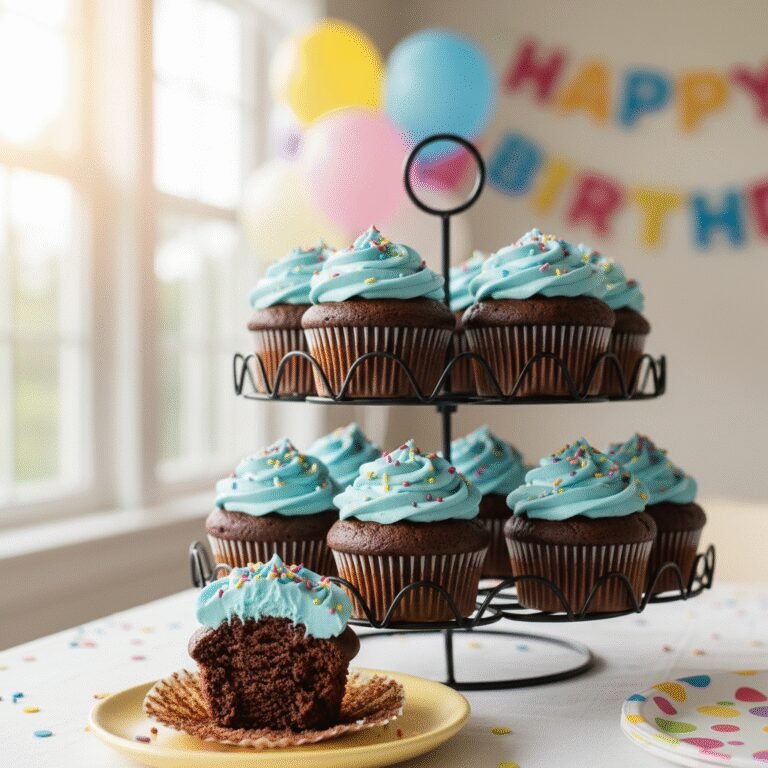
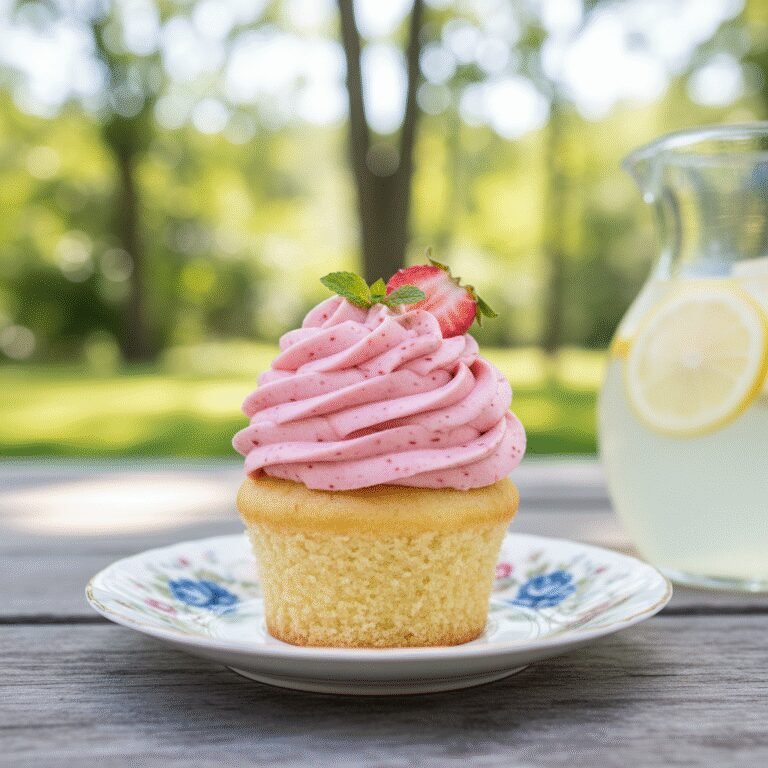
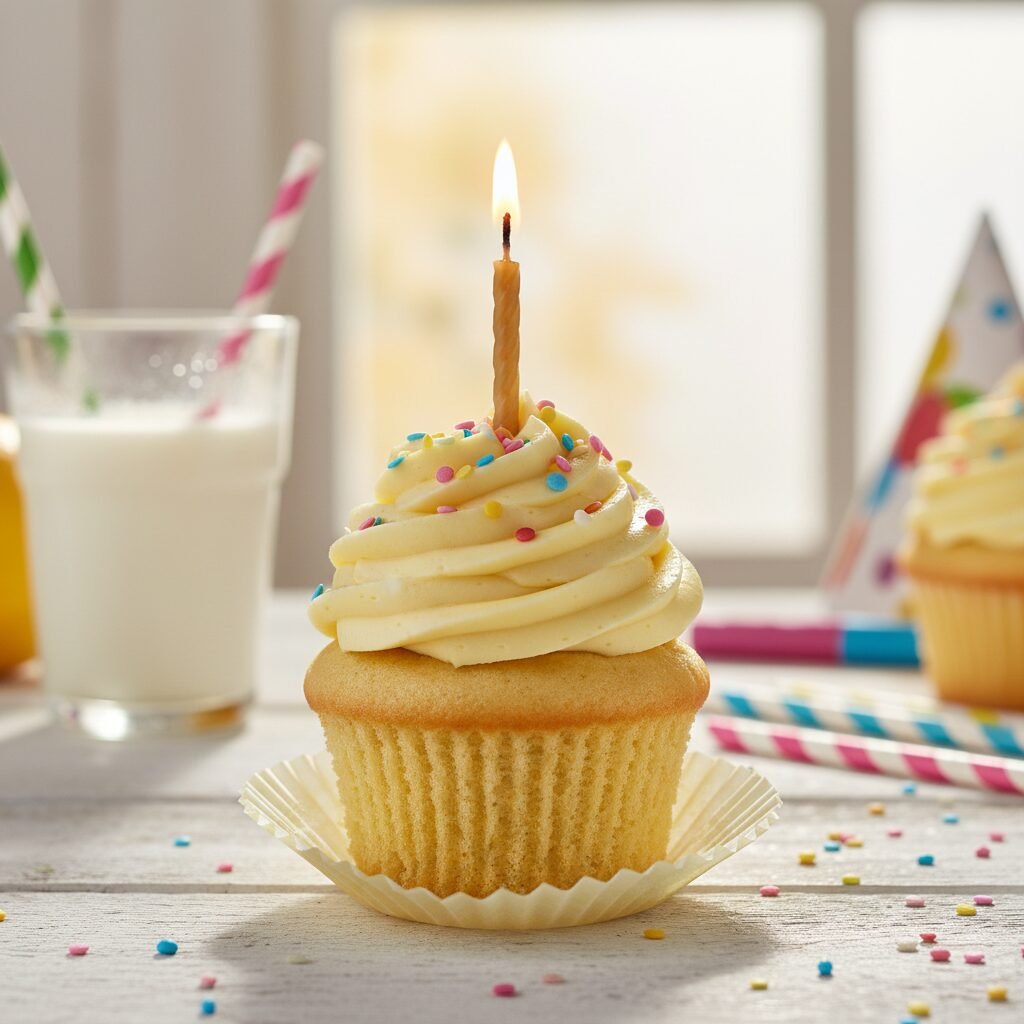
These moist lemon cupcakes are incredibly versatile when it comes to presentation. For a classic kid’s birthday, top them with a swirl of bright yellow vanilla buttercream and rainbow sprinkles. If you want to lean into the lemon theme, a lemon cream cheese frosting adds a lovely tang that complements the cake. For a lighter summer option, a simple dusting of powdered sugar and a fresh raspberry on top looks elegant and tastes fresh. You can also core the cupcakes and fill them with lemon curd for a surprise burst of flavor in the center. Arrange them on a tiered cupcake stand for a dramatic centerpiece at the party table.
Storage and Reheating Tips
To keep these cupcakes fresh, store them in an airtight container at room temperature for up to 3 days. If you have frosted them with cream cheese frosting or a perishable filling, they must be stored in the refrigerator. However, bring them back to room temperature before serving, as cold cake can taste dry and the butter in the frosting needs to soften. These cupcakes freeze beautifully! You can freeze the unfrosted cupcakes for up to 3 months. Wrap each cupcake individually in plastic wrap and then place them in a freezer-safe bag. Thaw on the counter for about an hour before frosting and serving.
Nutrition Facts (Estimated)
| Serving Size | 1 cupcake |
| Calories | 245 |
| Fat | 12g |
| Saturated Fat | 4g |
| Unsaturated Fat | 7g |
| Trans Fat | 0g |
| Cholesterol | 35mg |
| Sodium | 160mg |
| Carbohydrates | 32g |
| Fiber | 0.5g |
| Sugar | 18g |
| Protein | 3g |
Frequently Asked Questions
Can I make these cupcakes ahead of time?
Yes! You can bake them 1-2 days in advance. Store them in an airtight container at room temperature to keep them moist. Frost them on the day of the party for the best presentation.
Why did my cupcakes sink in the middle?
Sinking usually happens if the oven door was opened too early, interrupting the rising process, or if the batter was overmixed, incorporating too much air that collapsed later. Ensure your baking powder is fresh as well.
Can I use this recipe to make a cake instead?
Absolutely. This batter fits perfectly into an 8-inch or 9-inch round cake pan. You will need to increase the baking time to approximately 25-30 minutes.
Are these cupcakes very sour?
No, they are designed for kids. The lemon flavor is present and aromatic but balanced with enough sugar and vanilla to be sweet and pleasant, not puckeringly tart.
Can I use bottled lemon juice?
Technically yes, but we strongly recommend fresh lemon juice. Bottled juice often contains preservatives that can give a slightly chemical aftertaste.
How do I get the cupcakes to be flat on top for decorating?
Baking at a slightly lower temperature (like 325°F) for a longer time can help, but generally, filling the liners only 2/3 full is the key to preventing large domes.
Can I add poppy seeds to this recipe?
Yes! Add 1 tablespoon of poppy seeds with the dry ingredients for a classic lemon-poppy seed variation.
Is it necessary to use both butter and oil?
We recommend it. Butter gives flavor, while oil gives moisture. Using only butter can lead to a drier cupcake, and using only oil misses out on the rich taste.
Conclusion
There is nothing quite like the satisfaction of seeing a tray of homemade cupcakes disappear within minutes at a birthday party. These Moist Lemon Cupcakes offer a delightful break from the heavy chocolate desserts often found at kids’ gatherings, bringing a zesty, cheerful vibe to the table. With their tender crumb, bright flavor, and easy preparation, they are sure to become a requested favorite in your household year-round. Whether you are an experienced baker or a novice in the kitchen, this recipe provides a foolproof path to bakery-quality treats. So grab your lemons, preheat that oven, and get ready to make some birthday magic!