Sunshine on a Plate: The Ultimate Moist Lemon Cupcakes for Birthday Parties
Moist Lemon Cupcake For Birthday Party Recipe
Brighten up any celebration with these incredibly tender, bakery-style lemon cupcakes. Bursting with fresh citrus flavor and topped with a velvety lemon buttercream, they are the perfect balance of sweet and tart for a memorable birthday treat.
20 minutes
18 minutes
1 hour (includes cooling)
14 cupcakes
Dessert
Baking
American
Vegetarian
There is something undeniably cheerful about the flavor of lemon. It is like capturing a ray of sunshine and baking it into a dessert. When it comes to birthday parties, we often default to chocolate or vanilla, but I am here to make a strong case for the lemon cupcake. This isn’t just any muffin-like cake; this is the Moist Lemon Cupcake For Birthday Party Recipe that will change your mind about citrus desserts forever. The search for the perfect lemon cupcake is often fraught with dry sponges or artificial flavors that taste more like cleaning products than confectionary. This recipe changes all of that. We are talking about a crumb so tender it practically melts in your mouth, infused with the zest of fresh lemons and the tang of buttermilk. The aroma that fills your kitchen while these bake is enough to start the party before the guests even arrive. What makes this recipe truly stand out for birthdays is its versatility and crowd-pleasing nature. It is light enough to follow a heavy meal but rich enough to feel like a decadent celebration. The frosting is a cloud of whipped butter and sugar, spiked with fresh lemon juice to cut through the sweetness. Whether you are baking for a toddler’s first birthday, a sweet sixteen, or a sophisticated 50th, these cupcakes bring a vibrant energy to the dessert table. In this comprehensive guide, I will walk you through the science of keeping them moist, the history of this beloved treat, and exactly how to achieve that professional bakery swirl at home.
History & Origins
The history of the cupcake is a fascinating journey through American culinary evolution. The concept of baking small cakes in individual cups dates back to the late 18th century. The first known mention of a cupcake-like recipe can be found in Amelia Simmons’ 1796 cookbook, ‘American Cookery,’ where she describes ‘a light cake to bake in small cups.’ However, the term ‘cupcake’ itself was first recorded in 1828 in Eliza Leslie’s ‘Receipts.’ In those early days, cupcakes were often called ‘number cakes’ because of the easy-to-remember ratios of ingredients (one cup of butter, two cups of sugar, etc.), a method that revolutionized home baking by eliminating the need for weighing scales. The incorporation of lemon into these cakes has its own rich history. Lemons, originally from Asia, made their way to the Americas via Christopher Columbus and eventually flourished in regions like Florida and California. By the 19th century, lemon was a popular flavoring in American desserts, prized for its ability to preserve freshness and add a bright note to heavy, suet-based puddings of the time. The convergence of the convenient cupcake and the readily available lemon created a staple of American hospitality. As birthday celebrations shifted from simple family dinners to more elaborate parties in the 20th century, the cupcake became the ideal vessel for individual treats, allowing for personalized decoration and easy distribution. Today, the lemon cupcake stands as a testament to this history—a blend of colonial ingenuity, agricultural expansion, and the modern desire for bite-sized indulgence.
Why This Recipe Works
This recipe succeeds where many others fail because it meticulously balances the ratio of fat, sugar, and acid. Many lemon cupcakes end up dry because lemon juice is acidic and can toughen the gluten in the flour if not counteracted properly. In this recipe, we use a combination of butter and oil. Butter provides that classic, rich flavor and structure, while vegetable oil ensures the cupcakes stay moist for days, as oil remains liquid at room temperature. Furthermore, we utilize both sour cream and buttermilk. These dairy products are high in fat and acidity. The acidity tenderizes the gluten strands, resulting in a plush, soft crumb, while also reacting with the baking soda to create a superior lift. Another key technique employed here is rubbing the lemon zest into the granulated sugar before creaming. The friction releases the essential oils from the zest directly into the sugar crystals, amplifying the lemon flavor throughout the batter without adding excess liquid that could throw off the texture. Finally, we use cake flour instead of all-purpose flour; the lower protein content in cake flour guarantees a lighter, fluffier texture that is essential for a delicate birthday cupcake.
Why You’ll Love This Recipe
- ✓Incredibly moist texture that lasts for days
- ✓Bursting with natural lemon flavor from fresh zest and juice
- ✓Perfectly balanced sweet and tart buttercream
- ✓Ideal for making ahead of busy party schedules
- ✓Sturdy enough for decorations but soft enough to melt in your mouth
- ✓Uses simple pantry staples alongside fresh citrus
Equipment You’ll Need
- ✓Muffin tin (12-cup capacity)
- ✓Cupcake liners
- ✓Stand mixer or electric hand mixer
- ✓Large mixing bowl
- ✓Medium mixing bowl
- ✓Whisk
- ✓Rubber spatula
- ✓Microplane or zester
- ✓Citrus juicer
- ✓Cooling rack
- ✓Piping bag and star tip (optional)
Ingredients
- ✓1 1/2 cups Cake Flour (spooned and leveled)
- ✓1/2 tsp Baking Powder
- ✓1/4 tsp Baking Soda
- ✓1/2 tsp Salt
- ✓1 cup Granulated Sugar
- ✓1 tbsp Fresh Lemon Zest (approx. 1 large lemon)
- ✓1/2 cup Unsalted Butter, softened to room temperature
- ✓2 tbsp Vegetable Oil (or canola oil)
- ✓2 Large Eggs, room temperature
- ✓1 tsp Pure Vanilla Extract
- ✓1/4 cup Fresh Lemon Juice
- ✓1/4 cup Sour Cream, room temperature
- ✓1/3 cup Buttermilk, room temperature
- ✓FOR THE FROSTING: 1 cup Unsalted Butter, softened
- ✓3 1/2 cups Powdered Sugar
- ✓2 tbsp Fresh Lemon Juice
- ✓1 tbsp Heavy Cream (if needed)
- ✓Pinch of Salt
- ✓Yellow food coloring (optional)
Instructions
- Preheat your oven to 350°F (175°C). Line a standard muffin tin with paper cupcake liners. This recipe makes about 14 cupcakes, so have a second pan ready or bake in batches.
- In a medium bowl, whisk together the cake flour, baking powder, baking soda, and salt. Set this dry mixture aside.
- In the bowl of a stand mixer fitted with the paddle attachment (or a large bowl if using a hand mixer), combine the granulated sugar and fresh lemon zest. Rub the zest into the sugar with your fingertips until the sugar is fragrant and looks like wet sand. This releases the essential oils.
- Add the softened butter to the sugar-zest mixture. Beat on medium-high speed for about 3-4 minutes until the mixture is pale, light, and fluffy. Scrape down the sides of the bowl as needed.
- Pour in the vegetable oil and vanilla extract, mixing until combined. Add the eggs one at a time, beating well after each addition and scraping down the bowl to ensure everything is incorporated.
- In a small measuring cup, whisk together the fresh lemon juice, sour cream, and buttermilk.
- Reduce the mixer speed to low. Add the dry ingredients in three parts, alternating with the wet lemon/buttermilk mixture in two parts, starting and ending with the dry ingredients. Mix only until just combined. Do not overmix, or the cupcakes will be dense.
- Fill the cupcake liners about 2/3 full. Avoid overfilling to prevent them from spilling over or sinking in the middle.
- Bake for 16-19 minutes, or until a toothpick inserted into the center comes out clean or with just a few moist crumbs. The tops should spring back when lightly touched.
- Allow the cupcakes to cool in the pan for 5 minutes, then transfer them to a wire rack to cool completely before frosting.
- To make the frosting: Beat the softened butter on medium-high speed for 5 minutes until it is incredibly pale and creamy.
- Gradually add the powdered sugar, one cup at a time, mixing on low speed. Once incorporated, add the lemon juice, salt, and heavy cream (if needed for consistency). Increase speed to high and whip for another 3 minutes until light and airy.
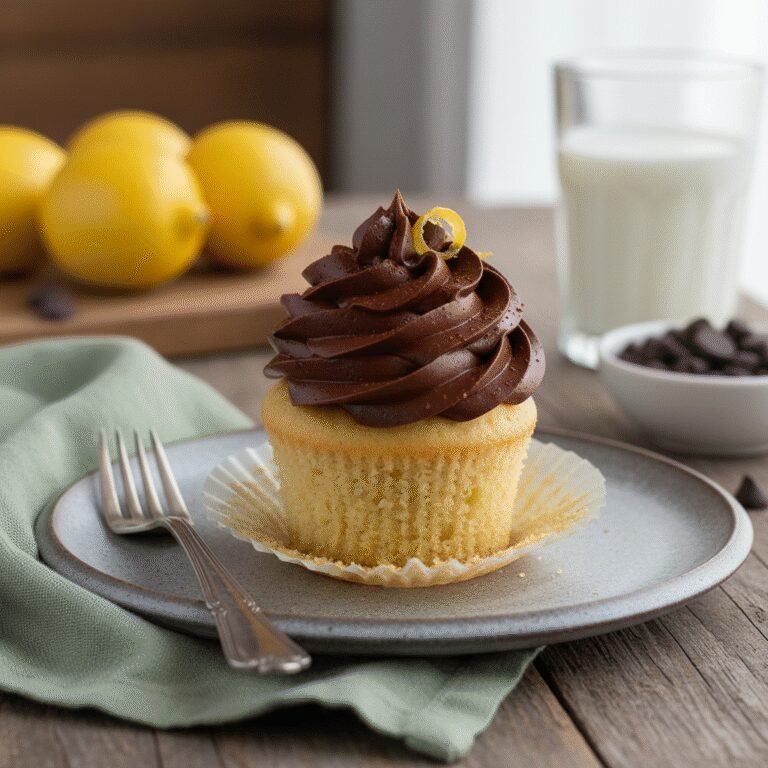
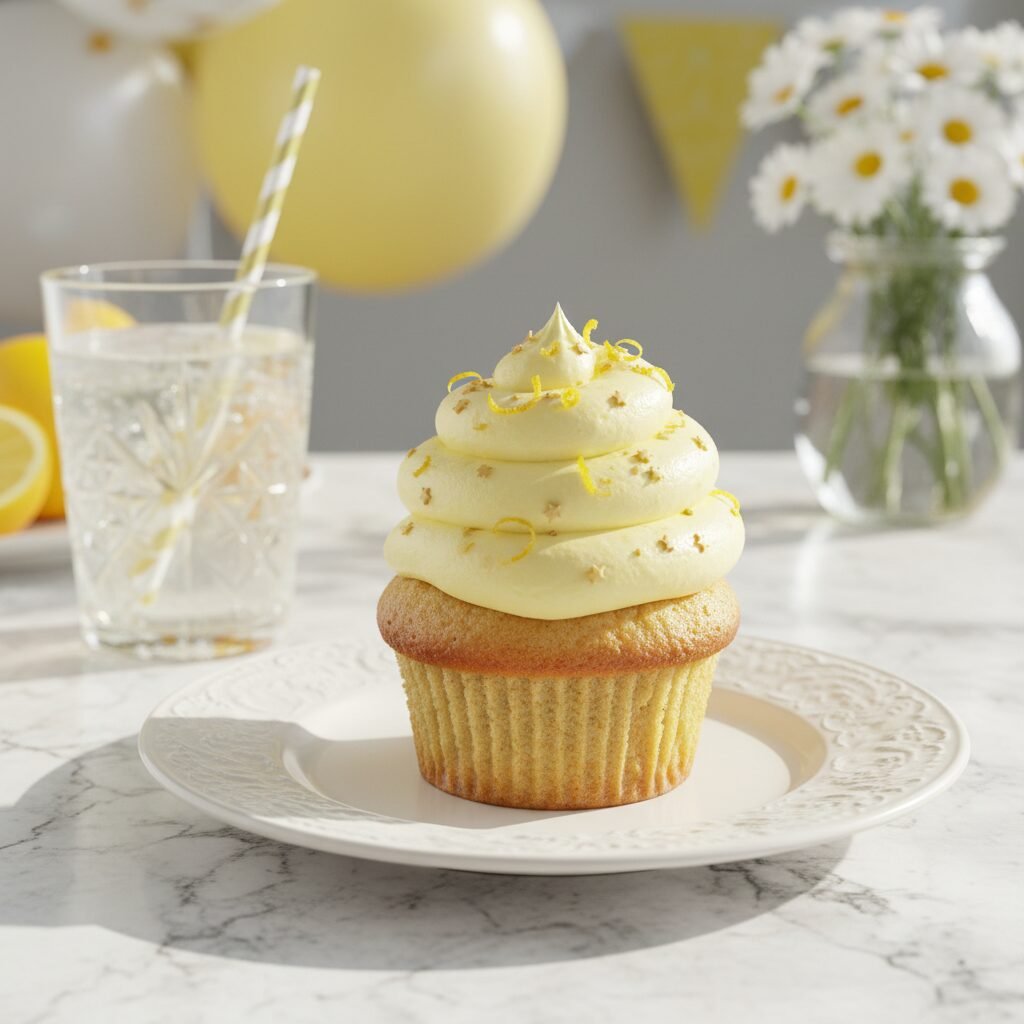
- Pipe the frosting onto the cooled cupcakes and garnish with extra zest, sprinkles, or a small lemon wedge.
Expert Cooking Tips
- ✓Room temperature ingredients are non-negotiable; they emulsify better creating a uniform crumb.
- ✓If you don’t have cake flour, you can make a substitute by removing 2 tablespoons of all-purpose flour from 1 cup and replacing it with 2 tablespoons of cornstarch.
- ✓Rubbing the zest into the sugar is the secret to intense lemon flavor without adding extra liquid.
- ✓Do not open the oven door during the first 12 minutes of baking to prevent the cupcakes from collapsing.
- ✓Measure flour correctly by spooning it into the cup and leveling it off, rather than scooping directly from the bag.
- ✓If your frosting is too soft, refrigerate it for 10 minutes before piping.
- ✓Use fresh lemon juice, not bottled, for the brightest, cleanest flavor profile.
Substitutions and Variations
Baking is a science, but there is room for some careful substitutions if you find yourself missing an ingredient. If you do not have buttermilk, you can make a ‘sour milk’ substitute by adding one teaspoon of white vinegar or lemon juice to a scant 1/3 cup of regular whole milk and letting it sit for 5 minutes. For the sour cream, full-fat plain Greek yogurt is an excellent 1:1 substitute that maintains the moisture and acidity needed for the recipe. If you need to make these gluten-free, swap the cake flour for a high-quality 1:1 gluten-free baking flour blend that contains xanthan gum; the texture may be slightly different but still delicious. For a dairy-free version, use a high-quality plant-based butter stick (not tub margarine) and replace the buttermilk/sour cream with a dairy-free yogurt or soy milk mixed with vinegar. Note that coconut oil can replace vegetable oil, but it may impart a slight coconut flavor.
Common Mistakes to Avoid
The most common mistake when making these cupcakes is overmixing the batter. Once the flour is added, you must mix gently and stop as soon as the white streaks disappear; overmixing develops gluten and leads to a tough, rubbery texture. Another frequent error is using cold ingredients. Cold butter won’t cream properly with sugar to create air pockets, and cold eggs can shock the butter, causing the batter to curdle. Baking powder shelf life is also a culprit; if your cupcakes don’t rise, check that your leavening agents aren’t expired. Finally, filling the liners too high often results in a ‘muffin top’ that spreads onto the pan and creates a crispy edge rather than a soft, domed cupcake. Stick to filling them 2/3 full for the perfect shape.
Serving Suggestions
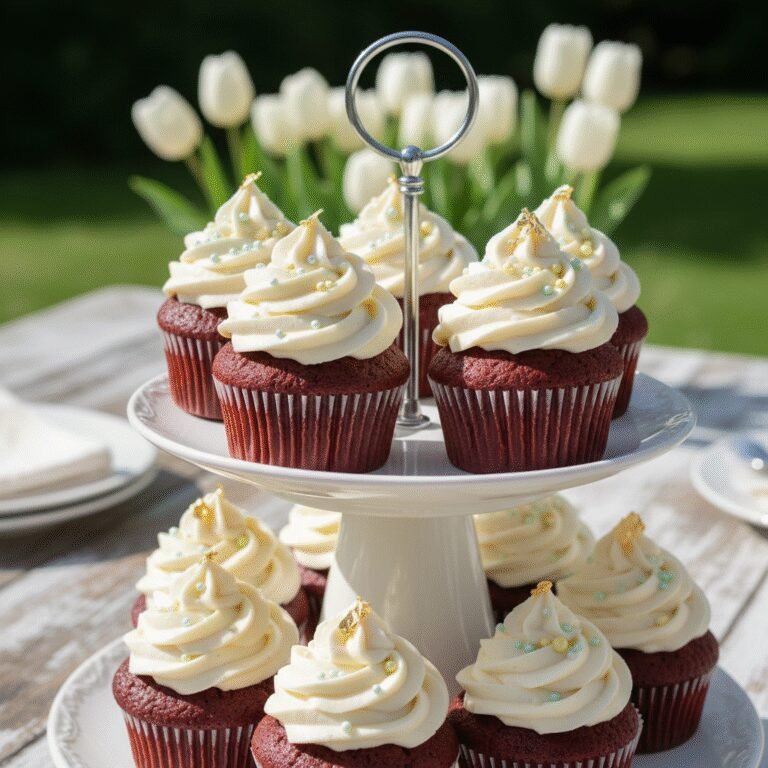
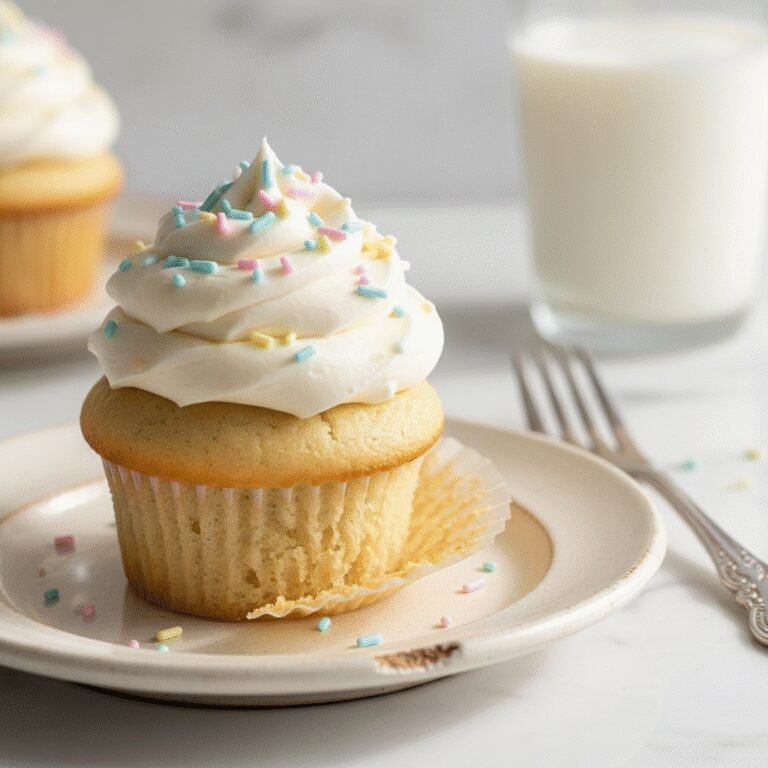
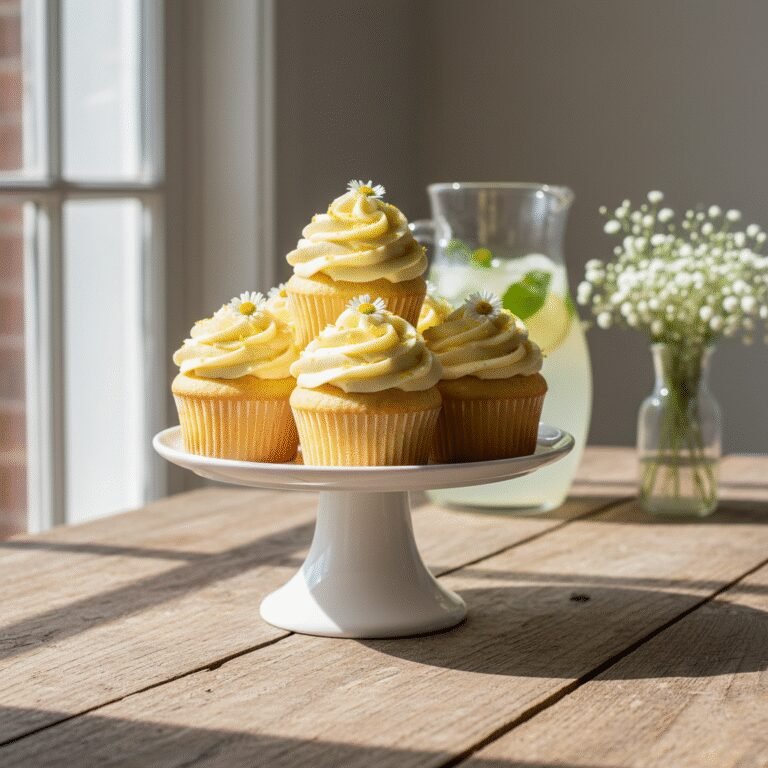
These cupcakes are the star of the show, so presentation matters. For a birthday party, arrange them on a tiered cupcake stand to create a centerpiece effect. They pair beautifully with a refreshing iced tea, sparkling lemonade, or a flute of prosecco for adult celebrations. If you are serving them at a summer gathering, garnish with fresh berries like raspberries or blueberries, which complement the lemon flavor perfectly. For a more whimsical birthday look, use colorful sprinkles that match the party theme, or top with edible flowers for a garden party vibe. You can also serve them alongside a scoop of vanilla bean ice cream or a dollop of raspberry coulis for a plated dessert option.
Storage and Reheating Tips
Proper storage is key to maintaining that ‘moist’ texture we worked so hard for. Unfrosted cupcakes can be stored in an airtight container at room temperature for up to 2 days. If they are frosted, they can stay at room temperature for a day if the kitchen isn’t too hot, but generally, it’s safer to store them in the refrigerator for up to 4 days. However, the refrigerator can dry out cake, so ensure the container is truly airtight. Allow them to come to room temperature before serving, as the buttercream will be hard when cold. For longer storage, you can freeze the unfrosted cupcakes for up to 3 months. Wrap each cupcake individually in plastic wrap and then place them in a freezer bag. Thaw on the counter before frosting. You can also freeze frosted cupcakes by flash-freezing them on a tray until the frosting is hard, then wrapping them carefully.
Nutrition Facts (Estimated)
| Serving Size | 1 cupcake |
| Calories | 340 |
| Fat | 16g |
| Saturated Fat | 9g |
| Unsaturated Fat | 6g |
| Trans Fat | 0g |
| Cholesterol | 55mg |
| Sodium | 180mg |
| Carbohydrates | 44g |
| Fiber | 0.5g |
| Sugar | 28g |
| Protein | 3g |
Frequently Asked Questions
Can I make these cupcakes ahead of time?
Yes! You can bake the cupcakes 1-2 days in advance and store them in an airtight container at room temperature. Make the frosting the day of the party for the best texture, or make the frosting ahead and re-whip it before using.
Why did my cupcakes sink in the middle?
Sinking usually happens if the cupcakes were underbaked or if the oven door was opened too early, causing a sudden temperature drop. It can also be caused by over-leavening (too much baking powder/soda).
Can I use this batter to make a layer cake?
Absolutely. This recipe yields enough batter for two 6-inch round cake pans or one 8-inch round pan. You will need to adjust the baking time to approximately 25-30 minutes.
My frosting is too runny, what do I do?
If the frosting is too runny, add more powdered sugar, a quarter cup at a time. Also, ensure your butter wasn’t melted or too warm when you started. If the kitchen is hot, chill the bowl for 10 minutes.
Can I use bottled lemon juice?
While you technically can, I strongly advise against it. Bottled lemon juice lacks the floral notes and zest oils of fresh lemons and often has a harsh, metallic acidic taste.
How do I get a high dome on my cupcakes?
Starting with a hot oven (350°F or even 375°F for the first 5 minutes then dropping to 350°F) helps activate the leavening agents quickly. Also, the batter needs to be thick enough to support the rise.
Are these cupcakes very sweet?
They are a balanced dessert. The cupcake itself is moderately sweet but tangy from the lemon and buttermilk. The frosting is sweet, as American buttercream is sugar-based, but the lemon juice cuts the sweetness significantly.
Can I add poppy seeds to this recipe?
Yes! Add 1 to 2 tablespoons of poppy seeds to the dry ingredients step to turn these into classic Lemon Poppy Seed cupcakes.
Conclusion
In conclusion, this Moist Lemon Cupcake For Birthday Party Recipe is more than just a set of instructions; it is a ticket to becoming the hero of the dessert table. By understanding the science behind the ingredients and following the tips for success, you can create a bakery-quality treat right in your own kitchen. Whether you are celebrating a milestone birthday or just want to bring a little sunshine into your home, these cupcakes deliver on every front—flavor, texture, and visual appeal. So, grab your lemons, preheat your oven, and get ready to bake the best lemon cupcakes you have ever tasted. Happy baking!