The Ultimate Moist Lemon Cupcakes with Rich Chocolate Buttercream
Moist Lemon Cupcake With Chocolate Buttercream Recipe
Tangy, bright, and incredibly soft, these lemon cupcakes are the perfect canvas for a decadent, velvety chocolate buttercream frosting. This unexpected flavor pairing balances zesty citrus notes with deep cocoa richness, creating a sophisticated treat that is impossible to eat just one of.
25 minutes
20 minutes
45 minutes
12 cupcakes
Dessert
Baking
American
Vegetarian
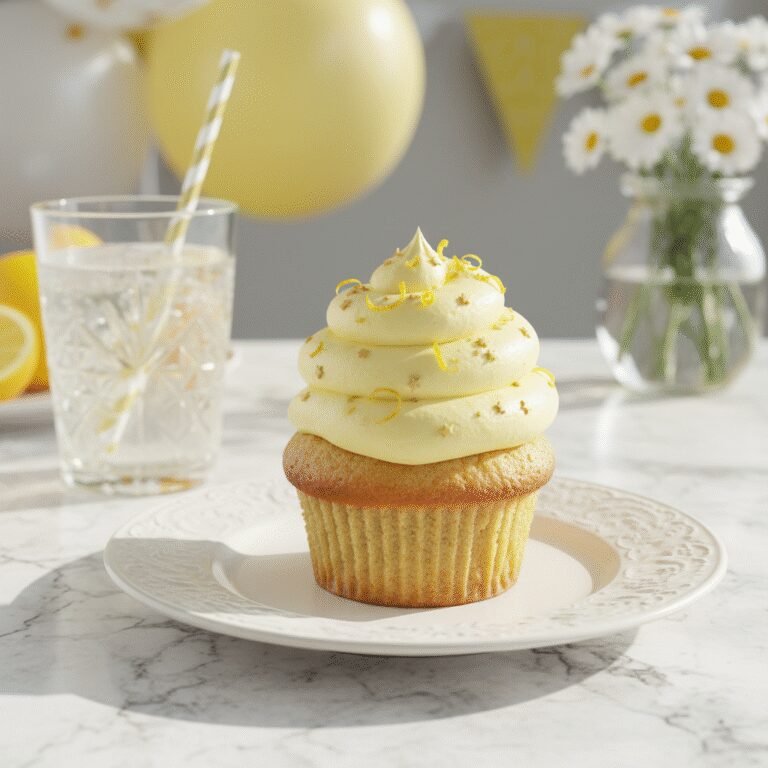
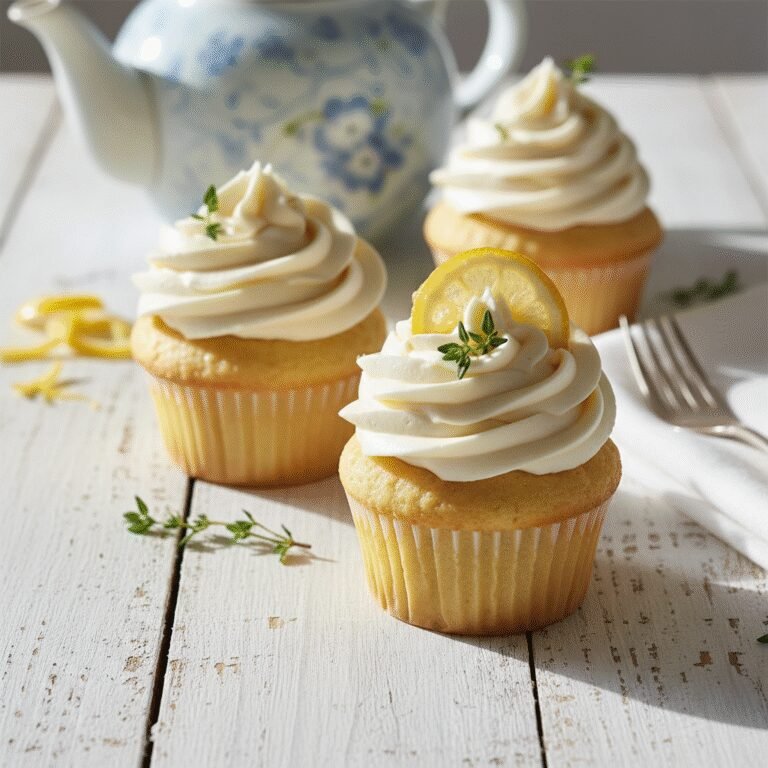
If there is one flavor combination that is criminally underrated in the baking world, it is the marriage of bright, zesty lemon and deep, rich chocolate. We often see lemon paired with berries or vanilla, and chocolate paired with peanut butter or caramel, but when you bring citrus and cocoa together, magic happens. These moist lemon cupcakes with chocolate buttercream are designed to prove exactly that. The base of the cupcake is everything you want a lemon dessert to be: fluffy, tender, and bursting with fresh lemon flavor, thanks to the use of both zest and fresh juice. It is not just a vanilla cupcake with a hint of lemon; it is a bold citrus statement.
But the real showstopper here is the contrast. Topping a light, airy fruit-forward cake with a dense, fudgy chocolate buttercream creates a sensory experience that hits every note on the palate. The acidity of the lemon cuts through the richness of the butter and cocoa, preventing the cupcake from becoming cloyingly sweet. Meanwhile, the earthy undertones of the chocolate ground the bright high notes of the citrus. This recipe has been tested repeatedly to ensure the crumb stays moist for days—a feat achieved by using a specific blend of butter for flavor and oil for texture, along with sour cream to lock in moisture. Whether you are baking for a summer picnic, a birthday party, or just a Tuesday afternoon craving, these cupcakes are guaranteed to impress. Get ready to abandon your diet, because one bite of this zesty, chocolatey delight will have you reaching for a second before you’ve even finished the first.
History & Origins
The history of the cupcake is as delightful as the treat itself, dating back to the late 18th century. The first mention of a cake to be baked in small cups was in 1796 in ‘American Cookery’ by Amelia Simmons, where she described ‘a light cake to bake in small cups’. However, the term ‘cupcake’ itself didn’t truly take hold until 1828 in Eliza Leslie’s ‘Receipts’. These early versions were often denser and more akin to muffins than the delicate sponges we know today. Over the ensuing centuries, the cupcake evolved from a convenient way to bake cakes quickly (since smaller cakes bake faster than large loaves) into a cultural icon of celebration and indulgence, particularly in the United States during the early 2000s cupcake boom.
The specific pairing of lemon and chocolate has roots in European confectionery, particularly in Italy and France, where candied citrus peels are often dipped in dark chocolate. This combination works on a chemical level; the volatile oils in lemon zest interact with the complex flavor compounds in cocoa to enhance the perception of both. While lemon is traditionally paired with meringue or cream cheese frosting in American baking, the introduction of chocolate buttercream to a lemon sponge is a more modern, gourmet twist. It reflects a shift in home baking towards more complex flavor profiles that challenge the traditional ‘vanilla vs. chocolate’ binary. Today, this pairing represents a sophisticated step up from the standard classroom birthday cupcake, offering a blend of nostalgia and culinary refinement.
Why This Recipe Works
This recipe succeeds where others fail because it meticulously balances moisture content with structural integrity. Many lemon cupcakes tend to dry out because the acidity in lemon juice can alter the protein structure of the flour, sometimes making the crumb tough or dry if not counteracted properly. To solve this, we utilize a ‘reverse creaming’ method or a careful balance of fats. By using a combination of unsalted butter and neutral vegetable oil, we get the best of both worlds: the butter provides that classic, rich mouthfeel and flavor, while the oil ensures the cupcakes remain soft and moist even after sitting at room temperature for a day or two.
Furthermore, the addition of sour cream is a game-changer. The acidity in the sour cream works in tandem with the lemon juice to tenderize the gluten strands, resulting in a melt-in-your-mouth texture. For the frosting, we don’t just use cocoa powder; we bloom the cocoa in a bit of warm liquid or ensure the butter is perfectly room temperature to create an emulsion that is silky rather than gritty. The bitterness of the cocoa in the buttercream acts as a foil to the sweet and sour profile of the cake. This interplay of textures—the fluffy, light crumb against the dense, creamy frosting—and the interplay of flavors—acidic brightness against earthy richness—makes this recipe scientifically and gastronomically superior.
Why You’ll Love This Recipe
- ✓Perfect balance of tart lemon and sweet chocolate.
- ✓Stays moist for days thanks to sour cream and oil.
- ✓Silky, pipeable chocolate buttercream that holds its shape.
- ✓Uses fresh lemon zest and juice for authentic citrus flavor.
- ✓Ideal for parties, bake sales, or gourmet desserts.
- ✓No complicated equipment required—just a mixer and muffin tin.
Equipment You’ll Need
- ✓12-cup muffin tin
- ✓Cupcake liners
- ✓Stand mixer or electric hand mixer
- ✓Large mixing bowl
- ✓Medium mixing bowl
- ✓Whisk
- ✓Rubber spatula
- ✓Microplane or zester
- ✓Citrus juicer
- ✓Wire cooling rack
- ✓Piping bag and star tip (optional)
Ingredients
- ✓1 1/2 cups All-Purpose Flour
- ✓1 tsp Baking Powder
- ✓1/4 tsp Baking Soda
- ✓1/4 tsp Salt
- ✓1/2 cup Unsalted Butter, softened
- ✓1 cup Granulated Sugar
- ✓2 Large Eggs, room temperature
- ✓1 tsp Pure Vanilla Extract
- ✓2 tbsp Fresh Lemon Zest (about 2 lemons)
- ✓1/4 cup Fresh Lemon Juice
- ✓1/2 cup Sour Cream, room temperature
- ✓2 tbsp Vegetable Oil
- ✓FOR THE BUTTERCREAM:
- ✓1 cup Unsalted Butter, softened
- ✓3 cups Powdered Sugar
- ✓1/2 cup Unsweetened Cocoa Powder
- ✓1/4 cup Heavy Cream
- ✓1 tsp Vanilla Extract
- ✓Pinch of Salt
Instructions
- Preheat your oven to 350°F (175°C) and line a 12-cup muffin tin with paper liners.
- In a medium bowl, whisk together the flour, baking powder, baking soda, and salt. Set aside.
- In the bowl of a stand mixer fitted with the paddle attachment (or a large bowl with a hand mixer), beat the 1/2 cup softened butter and granulated sugar on medium-high speed until light and fluffy, about 3 minutes.
- Add the eggs one at a time, beating well after each addition. Scrape down the sides of the bowl as needed.
- Mix in the vanilla extract, lemon zest, and vegetable oil until combined.
- Reduce the mixer speed to low. Add half of the dry ingredients and mix just until barely combined.
- Add the lemon juice and sour cream, mixing gently. Then add the remaining dry ingredients and mix until just incorporated. Do not overmix.
- Divide the batter evenly among the cupcake liners, filling them about 2/3 full.
- Bake for 18-22 minutes, or until a toothpick inserted into the center comes out clean or with just a few moist crumbs. The tops should spring back when lightly touched.
- Remove from the oven and let the cupcakes cool in the pan for 5 minutes, then transfer them to a wire rack to cool completely before frosting.
- While cupcakes cool, make the buttercream. Beat the 1 cup softened butter in a large bowl until creamy and pale.
- Sift the powdered sugar and cocoa powder together to remove lumps. Gradually add this mixture to the butter, mixing on low speed.
- Add the heavy cream, vanilla extract, and a pinch of salt. Increase speed to medium-high and whip for 3-4 minutes until the frosting is fluffy and glossy.
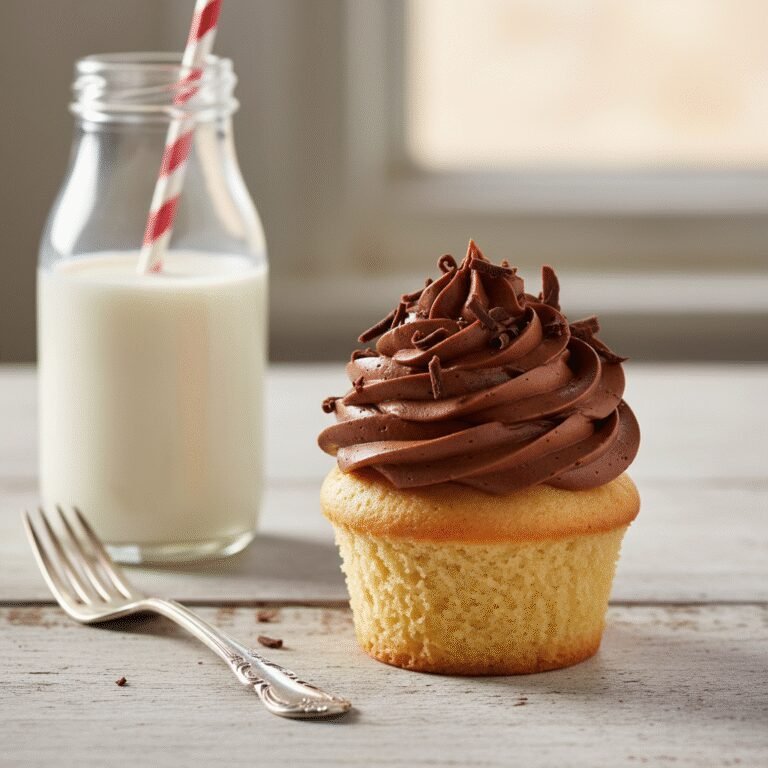
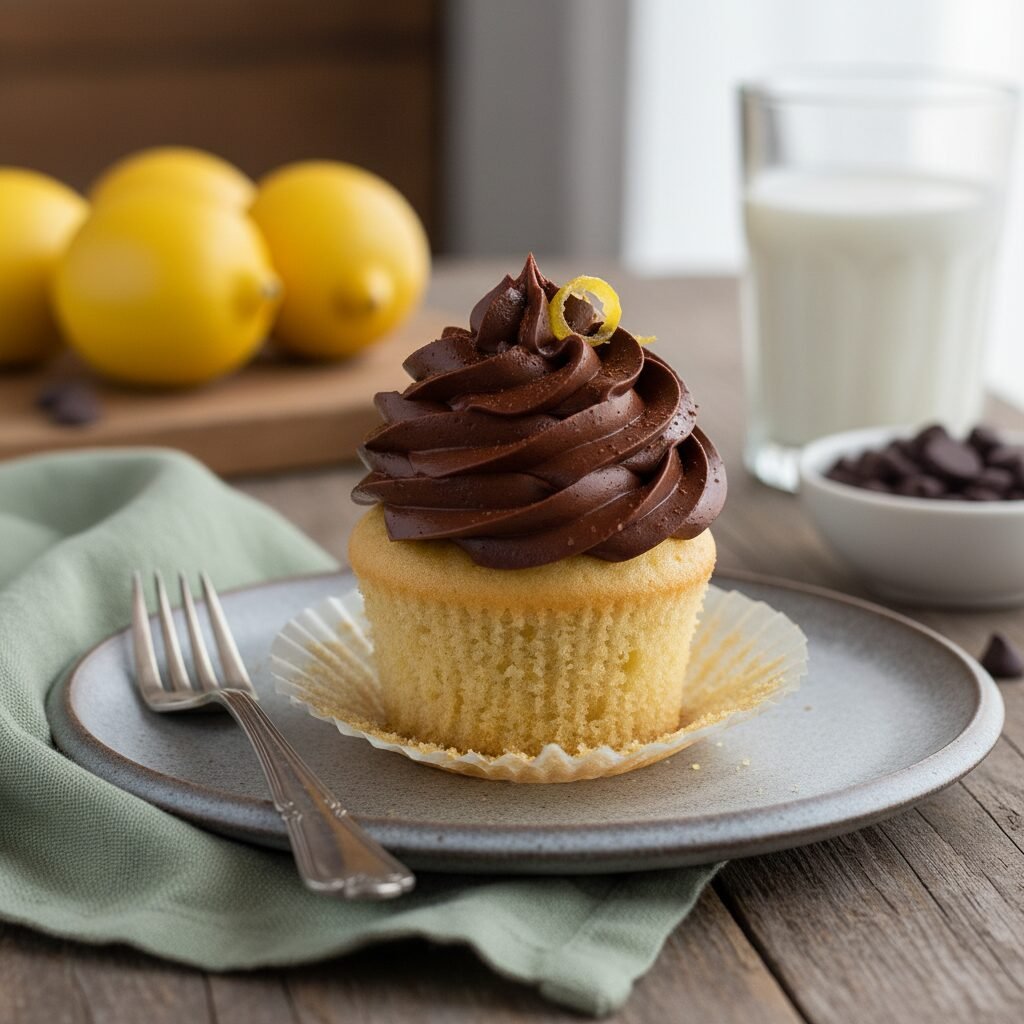
- Pipe or spread the chocolate buttercream onto the completely cooled lemon cupcakes. Garnish with extra lemon zest if desired.
Expert Cooking Tips
- ✓Ensure all refrigerated ingredients (eggs, sour cream, butter) are at room temperature to prevent the batter from curdling.
- ✓Rub the lemon zest into the granulated sugar with your fingers before creaming with butter to release the fragrant oils.
- ✓Do not overfill the cupcake liners; 2/3 full is the sweet spot to get a nice dome without overflowing.
- ✓Sift your cocoa powder and powdered sugar for the frosting to ensure a silky smooth texture.
- ✓If the buttercream is too stiff, add more heavy cream one teaspoon at a time; if too soft, add more powdered sugar.
- ✓Let cupcakes cool completely before frosting, or the butter in the frosting will melt and slide off.
- ✓Use fresh lemon juice, not bottled, for the bright, authentic acidity that makes this recipe shine.
Substitutions and Variations
Baking is a science, but there is some room for flexibility if you find yourself missing an ingredient. If you do not have sour cream, full-fat plain Greek yogurt is an excellent 1:1 substitute that maintains the tangy moisture profile. In a pinch, buttermilk can also work, though the batter will be slightly thinner. For the vegetable oil, melted coconut oil or canola oil are perfectly fine alternatives. If you need to make this gluten-free, swap the all-purpose flour for a high-quality gluten-free 1-to-1 baking flour blend that includes xanthan gum. For the frosting, if you run out of heavy cream, whole milk works, though the frosting may be slightly less rich. You can also use Dutch-processed cocoa powder for a darker, mellower chocolate flavor compared to natural cocoa powder. Vegans can substitute flax eggs, vegan butter sticks, and plant-based sour cream/milk, though texture variances may occur.
Common Mistakes to Avoid
The most common mistake with lemon cupcakes is overmixing the batter. Once the flour is added, you must mix gently. Overmixing develops gluten, turning your tender cupcakes into tough, rubbery muffins. Another frequent error is using cold ingredients. Cold eggs or sour cream can shock the butter, causing the batter to separate or appear curdled, which affects the final rise. Regarding the frosting, failing to sift the powdered sugar and cocoa powder often leads to lumpy buttercream that clogs piping tips and feels gritty. Additionally, be careful with the baking time; lemon cake dries out faster than vanilla cake due to the acidity, so watch the oven closely near the 18-minute mark. Finally, do not try to frost warm cupcakes—patience is key, or you will end up with a chocolate puddle.
Serving Suggestions
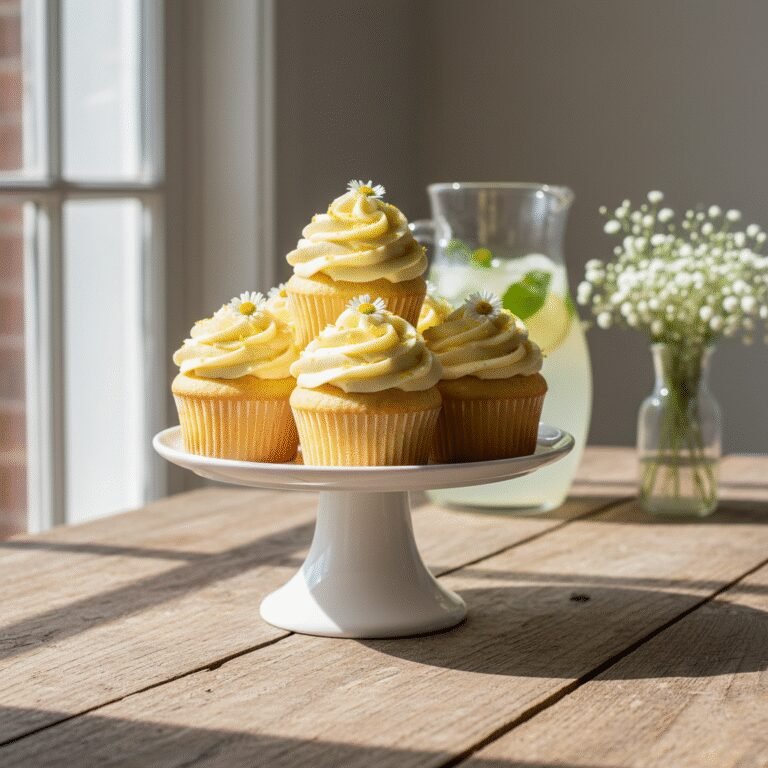
These cupcakes are visually stunning and deserve a presentation to match. Serve them on a tiered cake stand for an afternoon tea or a dessert buffet. The contrast between the pale yellow cake and the dark chocolate frosting is beautiful, so peeling the wrapper down halfway before serving can showcase the colors. Pair these cupcakes with a hot cup of Earl Grey tea, as the bergamot notes complement both the lemon and the chocolate. Alternatively, a cold glass of milk or a robust espresso works wonders to balance the sweetness. For a garnish, a candied lemon slice, a sprinkle of gold dust, or a few chocolate shavings on top of the buttercream adds a professional finishing touch.
Storage and Reheating Tips
Store leftover cupcakes in an airtight container at room temperature for up to 2 days. The sugar and fat content act as preservatives. If you need to keep them longer, refrigerate them for up to 5 days, but be sure to let them come to room temperature before eating, as cold butter-based cakes can taste dense and the frosting will be hard. You can also freeze the unfrosted cupcakes for up to 3 months; wrap them individually in plastic wrap and then place in a freezer bag. The buttercream can also be frozen in an airtight container; thaw it in the fridge overnight and re-whip it with a paddle attachment to restore its fluffy texture before using.
Nutrition Facts (Estimated)
| Serving Size | 1 cupcake |
| Calories | 380 |
| Fat | 20g |
| Saturated Fat | 12g |
| Unsaturated Fat | 8g |
| Trans Fat | 0g |
| Cholesterol | 65mg |
| Sodium | 180mg |
| Carbohydrates | 48g |
| Fiber | 2g |
| Sugar | 28g |
| Protein | 4g |
Frequently Asked Questions
Can I use bottled lemon juice instead of fresh?
While you can, it is highly recommended to use fresh lemon juice. Bottled juice often contains preservatives that can give a slightly metallic or artificial taste, lacking the bright, floral notes of fresh citrus.
Why did my cupcakes sink in the middle?
Sinking usually happens if the oven door was opened too early, causing a temperature drop, or if the cupcakes were underbaked. It can also result from over-leavening (too much baking powder) or over-beating the batter.
Can I make these cupcakes ahead of time?
Yes! You can bake the cupcakes a day in advance and store them in an airtight container. Make the frosting the day of serving for the best texture, or make it ahead and re-whip it.
How do I make the lemon flavor stronger?
To boost the lemon flavor without adding too much liquid, increase the amount of lemon zest. You can also rub the zest into the sugar before mixing, or brush the warm cupcakes with a lemon syrup.
My buttercream is too runny, what should I do?
If your kitchen is warm or you added too much liquid, the buttercream might be soft. Add more sifted powdered sugar, 1/4 cup at a time, or chill the bowl in the fridge for 10-15 minutes before whipping again.
Can I use salted butter instead of unsalted?
Yes, you can. If you use salted butter, omit the additional salt called for in the recipe to prevent the flavor from becoming too savory.
Why are my cupcakes dry?
Dry cupcakes are usually the result of overbaking or measuring flour incorrectly (packing it into the cup). Always scoop flour lightly or weigh it, and check for doneness a few minutes early.
Can I use this batter to make a cake instead?
Absolutely. This recipe fits well in an 8-inch or 9-inch round cake pan. You will need to increase the baking time to approximately 30-35 minutes.
Is the sour cream necessary?
Sour cream adds fat and acidity, which are crucial for the moist texture and tender crumb. While you can substitute it with Greek yogurt, omitting it entirely would require rebalancing the liquid and fat ratios.
Conclusion
Moist Lemon Cupcakes with Chocolate Buttercream are a testament to the joy of baking—taking simple ingredients and transforming them into something extraordinary. The dance between the zesty, sunshine-filled lemon sponge and the luxurious, dark chocolate frosting creates a dessert that is sophisticated yet comforting. Whether you are an experienced baker or a novice in the kitchen, this recipe is designed to guide you to success. So, preheat your oven, zest those lemons, and get ready to enjoy a treat that is sure to become a new favorite in your recipe repertoire. Happy baking!