The Ultimate Moist Lemon Cupcakes with Velvety Vanilla Buttercream
Moist Lemon Cupcake With Vanilla Buttercream Recipe
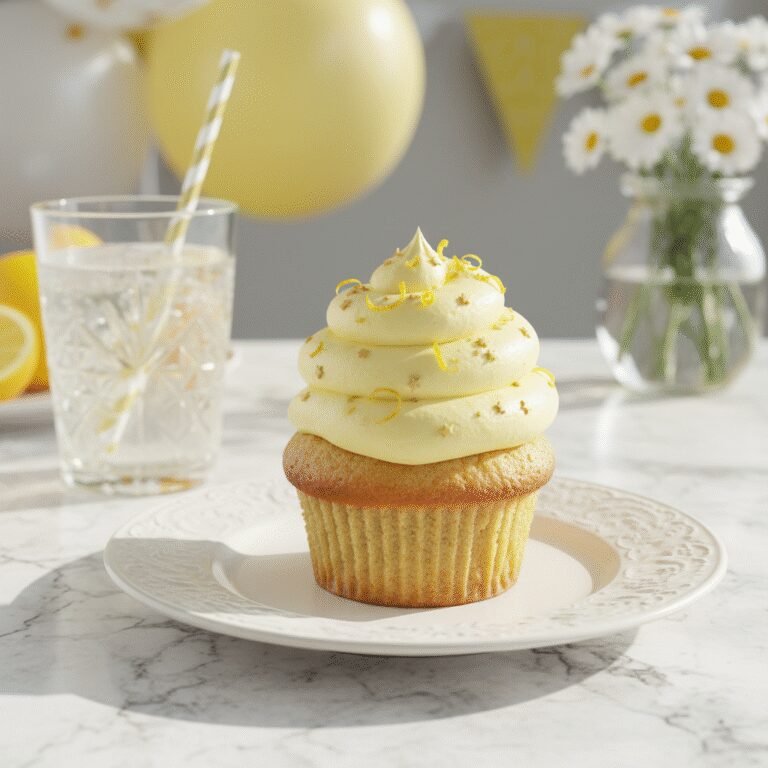
These cupcakes are a burst of sunshine in every bite, combining the zingy brightness of fresh lemons with a tender, melt-in-your-mouth crumb. Topped with a cloud of silky vanilla buttercream, they are the perfect balance of tart and sweet for any occasion.
25 minutes
20 minutes
45 minutes
12 cupcakes
Dessert
Baking
American
Vegetarian
If you have been searching for the holy grail of lemon desserts, look no further. There is something truly magical about the combination of bright, acidic citrus and the comforting sweetness of cake, but finding a recipe that delivers a punchy lemon flavor without drying out the crumb can be a challenge. This recipe for Moist Lemon Cupcakes with Vanilla Buttercream is the result of years of testing, tweaking, and tasting. It is designed to be the ultimate crowd-pleaser, perfect for spring picnics, summer barbecues, or just a rainy Tuesday when you need a little edible sunshine.
The secret lies in the layering of lemon flavor. We don’t just use juice; we use the zest, and we rub it into the sugar to release those essential oils before mixing begins. This technique ensures that the floral, aromatic qualities of the lemon permeate every single crumb. Furthermore, the texture here is paramount. Dry cupcakes are the enemy of joy. To combat this, we incorporate sour cream into the batter. The acidity in the sour cream not only tenderizes the gluten strands, resulting in a plush, soft texture, but it also adds a subtle tang that complements the lemon beautifully.
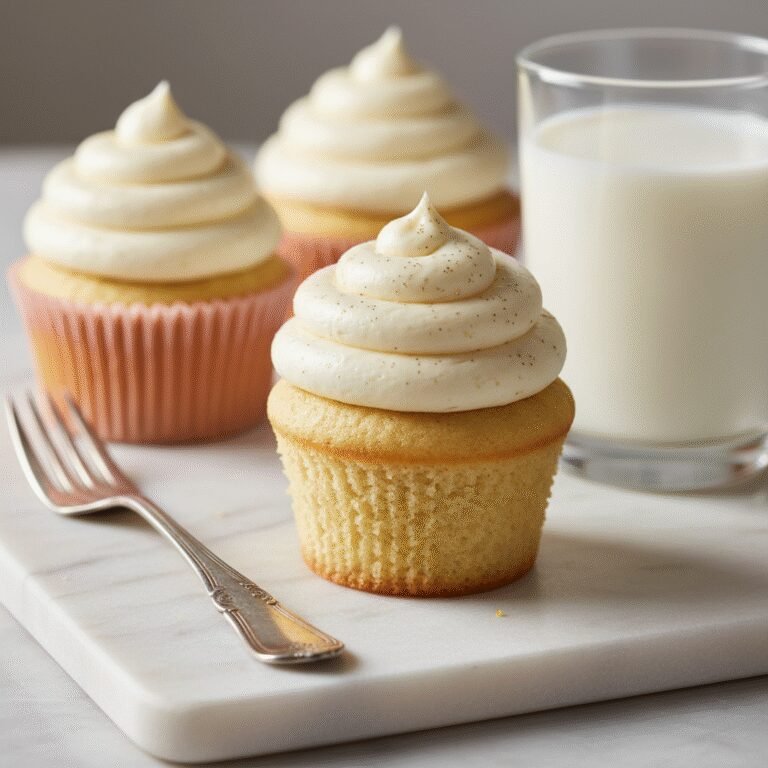
Topping these golden gems is a classic American vanilla buttercream. While a lemon frosting might seem like the obvious choice, I find that a high-quality vanilla bean buttercream provides a creamy, mellow counterpoint to the zesty cake, preventing the dessert from becoming one-note or overly acidic. The result is a sophisticated interplay of flavors: the sharp, bright lemon against the warm, floral vanilla. Whether you are an experienced baker or a novice in the kitchen, this recipe is approachable and forgiving, promising bakery-quality results right from your home oven.
History & Origins
The history of the cupcake is a fascinating journey through American culinary evolution. The term ‘cupcake’ first appeared in 1828 in Eliza Leslie’s ‘Seventy-Five Receipts for Pastry, Cakes, and Sweetmeats,’ though the concept of baking small cakes in individual cups (often pottery ramekins) dates back even further to Amelia Simmons’ ‘American Cookery’ in 1796. Before the invention of muffin tins, these small cakes were revolutionary because they baked much faster than large hearth cakes, making them a practical choice for busy households.
Lemon, as a flavor profile in baking, has an even deeper lineage. Lemons were introduced to the Americas by Christopher Columbus in 1493, and by the 18th and 19th centuries, they were a prized ingredient in colonial kitchens. The Victorian era saw a boom in citrus-flavored sponge cakes and tea cakes, as the bright flavor was seen as refreshing and elegant, a perfect accompaniment to afternoon tea. The marriage of the convenient cupcake format with the classic appeal of lemon cake likely occurred as baking powder became commercially available in the mid-19th century, allowing for lighter, fluffier cakes that could support delicate fruit flavors.
Over the decades, the lemon cupcake has evolved from a dense, pound-cake-like treat to the airy, chiffon-style delights we see today. The addition of modern ingredients like sour cream and refined cake flour has transformed the texture, but the core appeal remains the same: a nostalgic, comforting treat that brings a touch of brightness to the table. This recipe pays homage to that long history while utilizing modern food science to ensure the perfect moistness that early bakers could only dream of.
Why This Recipe Works
This recipe succeeds where others fail because it respects the science of baking, particularly the relationship between fat, sugar, and acid. First, we use the ‘creaming method,’ beating butter and sugar until pale and fluffy. This incorporates air into the batter, which expands during baking to create lift. However, the real game-changer is the infusion of lemon zest into the sugar. Sugar crystals act as an abrasive, tearing open the zest’s oil cells and infusing the entire sugar mass with lemon oil. This prevents the flavor from baking out, which often happens when you only use lemon juice.
Secondly, moisture is guaranteed through the use of both butter and sour cream. Butter provides flavor and structure, while sour cream adds fat and acidity. The acid in the sour cream and lemon juice reacts with the baking soda and baking powder, creating carbon dioxide bubbles that make the cake rise while simultaneously tenderizing the protein in the flour. This prevents the cupcakes from becoming tough or rubbery.
Finally, we use a combination of all-purpose flour and cornstarch (or cake flour if you have it) to lower the protein content slightly, ensuring a tender crumb without compromising structural integrity. The vanilla buttercream is whipped for a full 5 minutes, introducing enough air to make it light and silky rather than heavy and greasy, providing the perfect textural contrast to the dense, moist cake.
Why You’ll Love This Recipe
- ✓Infused with real lemon zest for a natural, vibrant flavor.
- ✓Uses sour cream to guarantee a moist, tender crumb that lasts for days.
- ✓Perfectly domed tops that are easy to decorate.
- ✓Silky, whipped vanilla buttercream that isn’t overly sweet.
- ✓Ideal for making ahead—flavors meld and improve overnight.
Equipment You’ll Need
- ✓12-cup muffin tin
- ✓Cupcake liners
- ✓Stand mixer or electric hand mixer
- ✓Large mixing bowl
- ✓Medium mixing bowl
- ✓Whisk
- ✓Rubber spatula
- ✓Microplane or zester
- ✓Citrus juicer
- ✓Wire cooling rack
- ✓Piping bag and star tip (optional)
Ingredients
- ✓1 1/2 cups All-Purpose Flour
- ✓1 tsp Baking Powder
- ✓1/4 tsp Baking Soda
- ✓1/4 tsp Salt
- ✓1/2 cup Unsalted Butter, softened to room temperature
- ✓1 cup Granulated Sugar
- ✓2 Large Eggs, room temperature
- ✓1 tsp Pure Vanilla Extract
- ✓1/2 cup Sour Cream, room temperature
- ✓1 tbsp Fresh Lemon Zest (about 1 large lemon)
- ✓3 tbsp Fresh Lemon Juice
- ✓1 cup Unsalted Butter (for frosting), softened
- ✓3-4 cups Powdered Sugar (for frosting)
- ✓2 tbsp Heavy Cream (for frosting)
- ✓1 tsp Vanilla Bean Paste or Extract (for frosting)
- ✓Pinch of Salt (for frosting)
Instructions
- Preheat your oven to 350°F (175°C). Line a 12-cup muffin tin with paper liners.
- In a medium bowl, whisk together the flour, baking powder, baking soda, and salt. Set aside.
- In the bowl of a stand mixer fitted with the paddle attachment (or a large bowl with a hand mixer), combine the granulated sugar and lemon zest. Rub the zest into the sugar with your fingertips until the sugar is fragrant and pale yellow.
- Add the softened butter to the lemon-sugar mixture. Beat on medium-high speed for about 3-4 minutes until the mixture is light, pale, and fluffy. Scrape down the sides of the bowl as needed.
- Add the eggs one at a time, beating well after each addition. Mix in the vanilla extract.
- In a small bowl or measuring cup, whisk together the sour cream and fresh lemon juice.
- Reduce the mixer speed to low. Add the dry ingredients in three batches, alternating with the sour cream mixture, starting and ending with the dry ingredients. Mix only until just combined—do not overmix.
- Divide the batter evenly among the cupcake liners, filling them about 2/3 full.
- Bake for 18-22 minutes, or until a toothpick inserted into the center comes out clean or with just a few moist crumbs. The tops should spring back when lightly touched.
- Allow the cupcakes to cool in the pan for 5 minutes, then transfer them to a wire rack to cool completely before frosting.
- To make the frosting: Beat the softened butter on medium-high speed for 5 minutes until it is very pale and creamy.
- Gradually add the powdered sugar, one cup at a time, mixing on low speed until incorporated. Add the vanilla, heavy cream, and salt.
- Increase the speed to high and whip for another 3-4 minutes until the frosting is light and airy.
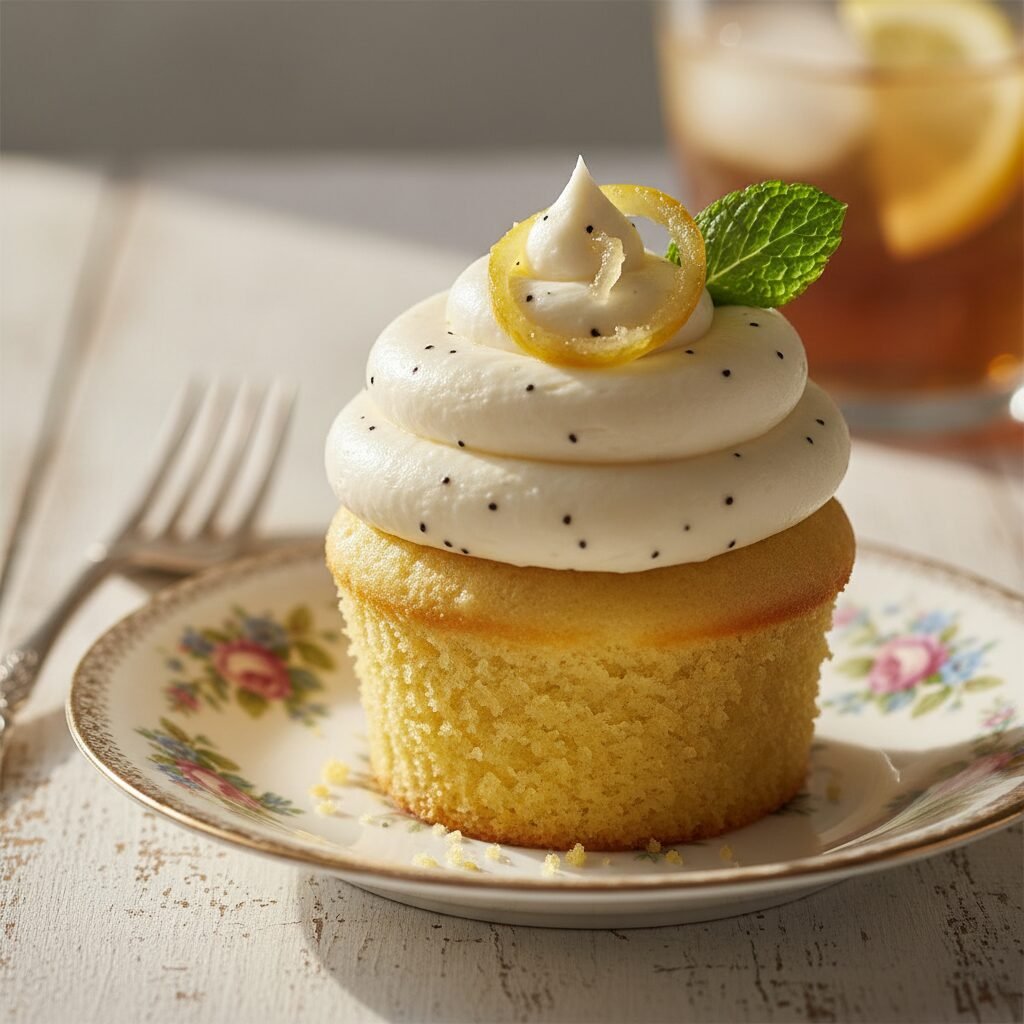
- Pipe or spread the frosting onto the cooled cupcakes. Garnish with extra lemon zest or a lemon wedge if desired.
Expert Cooking Tips
- ✓Room temperature ingredients are non-negotiable. Cold eggs or sour cream can curdle the batter and affect the rise.
- ✓Do not overfill the liners. Filling them 2/3 full ensures a nice dome without overflowing.
- ✓Rubbing the zest into the sugar is the key to intense lemon flavor without adding too much liquid.
- ✓Weigh your flour if possible (approx 120g per cup) to avoid dense cupcakes.
- ✓If the frosting is too soft, chill it for 10 minutes before piping; if too stiff, add a teaspoon more cream.
- ✓Use a cookie scoop to portion the batter evenly so all cupcakes bake at the same rate.
- ✓Check for doneness at the minimum bake time to ensure you don’t dry them out.
Substitutions and Variations
Baking is a science, but there is some room for flexibility if you find yourself missing an ingredient. If you don’t have sour cream, full-fat Greek yogurt is an excellent 1:1 substitute that provides similar acidity and moisture. In a pinch, buttermilk can also work, though the batter will be slightly thinner. For the flour, cake flour can be used instead of all-purpose for an even lighter crumb; just increase the amount by 2 tablespoons per cup. If you are gluten-free, a high-quality 1:1 gluten-free baking flour blend (like King Arthur or Bob’s Red Mill) works wonderfully in this recipe. For the fat, while butter provides the best flavor, you can substitute half of the butter with vegetable oil if you want an incredibly moist texture, though you will lose some of the buttery taste. For the frosting, if you run out of heavy cream, whole milk will work, though the frosting may not be quite as rich.
Common Mistakes to Avoid
The most common mistake with these cupcakes is overmixing the batter. Once the flour is added, you must mix gently and only until the flour streaks disappear. Overmixing develops the gluten too much, leading to tough, dense cupcakes with tunnels inside. Another frequent error is using cold ingredients. When cold eggs hit creamed butter, the fat solidifies, breaking the emulsion and resulting in a grainy batter that doesn’t rise properly. Measuring flour incorrectly is also a culprit for dry cakes; always spoon the flour into the measuring cup and level it off, rather than scooping directly from the bag, which packs the flour down. Finally, opening the oven door too early can cause the cupcakes to collapse. Wait until at least 15 minutes have passed before taking a peek.
Serving Suggestions
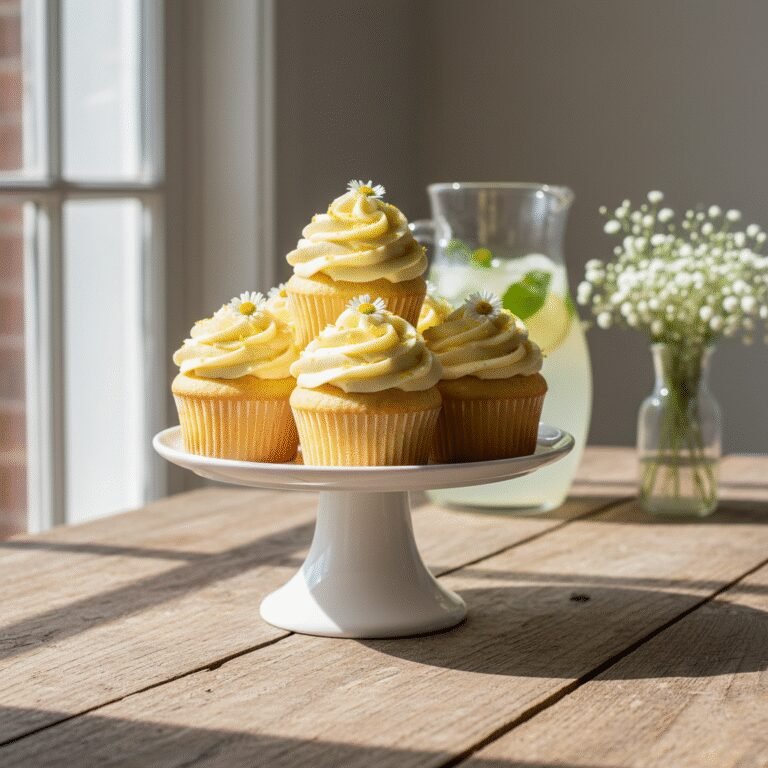
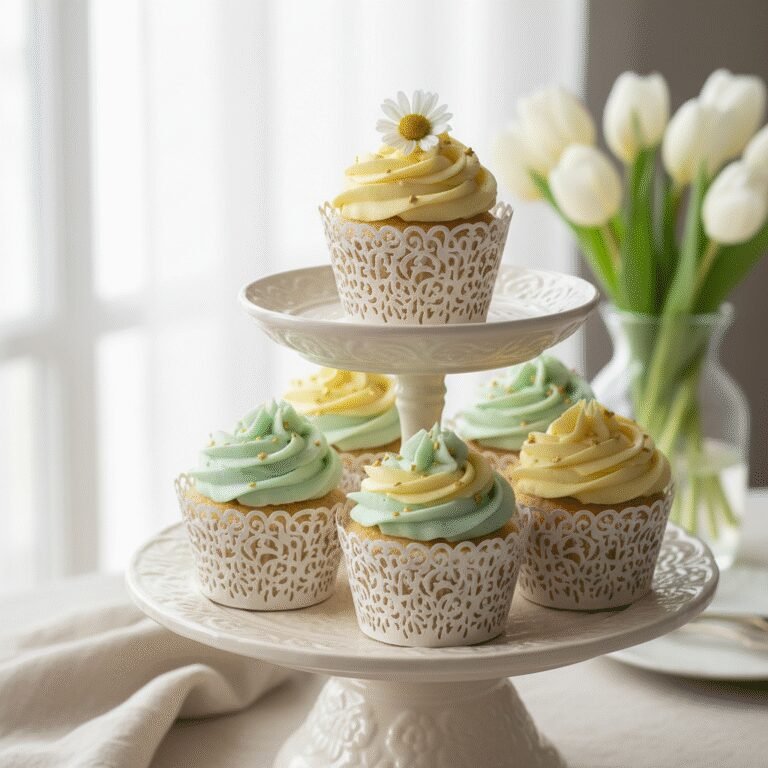
These cupcakes are versatile and present beautifully. Serve them on a tiered cake stand for an elegant afternoon tea or a bridal shower. They pair exceptionally well with a hot cup of Earl Grey tea, as the bergamot notes complement the lemon perfectly. For a summer dessert, serve them alongside a bowl of fresh berries—raspberries and blueberries are particularly good matches. If you want to dress them up for a party, garnish with candied lemon peel, a sprig of fresh mint, or even edible flowers like pansies or violas. For a more rustic look, simply use an offset spatula to create swirls and top with a dusting of yellow sanding sugar.
Storage and Reheating Tips
These cupcakes store surprisingly well. Frosted cupcakes can be kept in an airtight container at room temperature for up to 2 days. The sugar in the buttercream acts as a preservative for the dairy. If you need to keep them longer, store them in the refrigerator for up to 5 days, but be sure to let them come to room temperature before serving, as cold buttercream is hard and waxy. Unfrosted cupcakes can be frozen for up to 3 months. Wrap them individually in plastic wrap and then place them in a freezer-safe bag. Thaw on the counter for an hour before frosting. You can also freeze the buttercream separately; just let it thaw and rewhip it briefly to restore its texture.
Nutrition Facts (Estimated)
| Serving Size | 1 cupcake |
| Calories | 380 |
| Fat | 18g |
| Saturated Fat | 11g |
| Unsaturated Fat | 6g |
| Trans Fat | 0g |
| Cholesterol | 65mg |
| Sodium | 190mg |
| Carbohydrates | 52g |
| Fiber | 1g |
| Sugar | 28g |
| Protein | 4g |
Frequently Asked Questions
Can I use bottled lemon juice instead of fresh?
Technically yes, but I highly recommend fresh lemon juice. Bottled juice often contains preservatives and lacks the bright, floral notes of fresh citrus. Since lemon is the star flavor here, fresh is best.
Why did my cupcakes sink in the middle?
Sinking usually happens if the oven door was opened too early, causing a temperature drop, or if the cupcakes were underbaked. It can also be caused by over-leavening (too much baking powder) or over-beating the batter.
Can I make this recipe as a whole cake instead?
Yes! This batter fits perfectly into an 8-inch or 9-inch round cake pan. You will need to increase the baking time to approximately 30-35 minutes. Check for doneness with a toothpick.
How do I get my buttercream white instead of yellow?
Butter naturally has a yellow tint. To get whiter frosting, beat the butter for a full 5 minutes until it becomes very pale. You can also add a tiny drop of purple food coloring to counteract the yellow tones.
Can I reduce the sugar in the recipe?
I don’t recommend reducing the sugar in the cake batter, as sugar provides moisture and structure, not just sweetness. Reducing it can result in dry, tough cupcakes. You can, however, reduce the sugar in the frosting to taste.
Do I have to use a stand mixer?
No, a hand mixer works perfectly fine. You can even mix by hand with a whisk and a lot of elbow grease, though creaming the butter and sugar properly will be a workout!
Why are my cupcakes dry?
Dry cupcakes are usually the result of overbaking or measuring too much flour. Check your oven temperature with a separate thermometer and ensure you aren’t packing your flour into the measuring cup.
Can I add poppy seeds to this recipe?
Absolutely! Lemon and poppy seed is a classic combination. Add 1 to 2 tablespoons of poppy seeds to the batter when you add the flour.
What if I don’t have a zester?
If you don’t have a microplane or zester, you can carefully peel the yellow skin off the lemon with a vegetable peeler (avoiding the white pith) and then finely chop it with a sharp knife.
Is this recipe dairy-free capable?
To make it dairy-free, substitute the butter with a high-quality vegan butter block, and use a dairy-free sour cream or yogurt alternative. The texture might vary slightly, but it will still be delicious.
Conclusion
There you have it—the blueprint for the most delightful Moist Lemon Cupcakes with Vanilla Buttercream you will ever taste. This recipe is a testament to the fact that simple flavors, when executed with care and the right techniques, can create the most memorable desserts. Whether you are baking for a special birthday, a holiday gathering, or just to treat yourself after a long week, these cupcakes are guaranteed to bring a smile to your face. The burst of citrus combined with the creamy, sweet frosting is a timeless pairing that never goes out of style. I hope you enjoy baking these as much as I do. Don’t forget to pin this recipe for later and share your creations on social media!