Ultra-Moist Lemon Cupcakes with Zesty Cream Cheese Frosting
Moist Lemon Cupcake Recipe
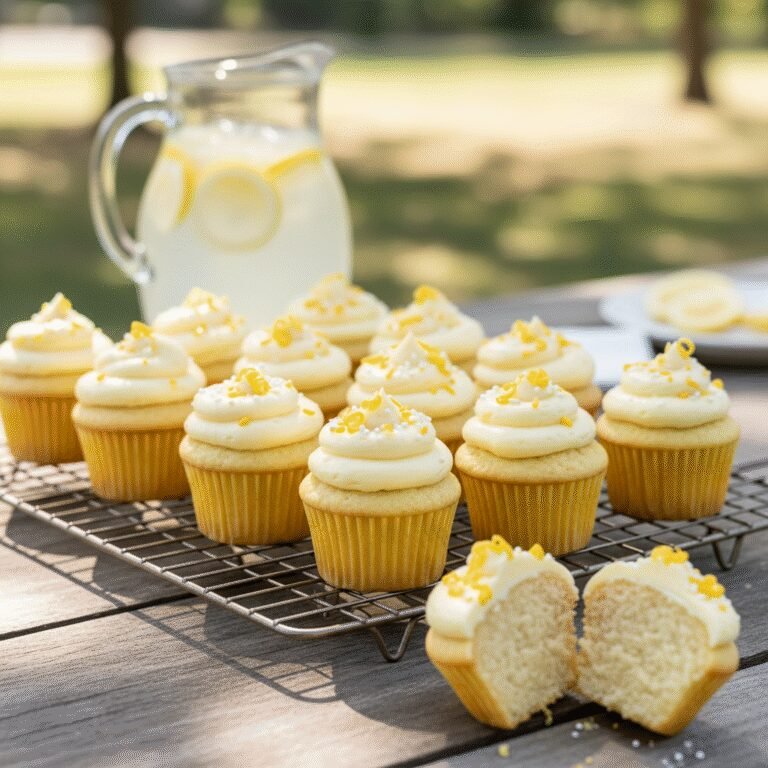
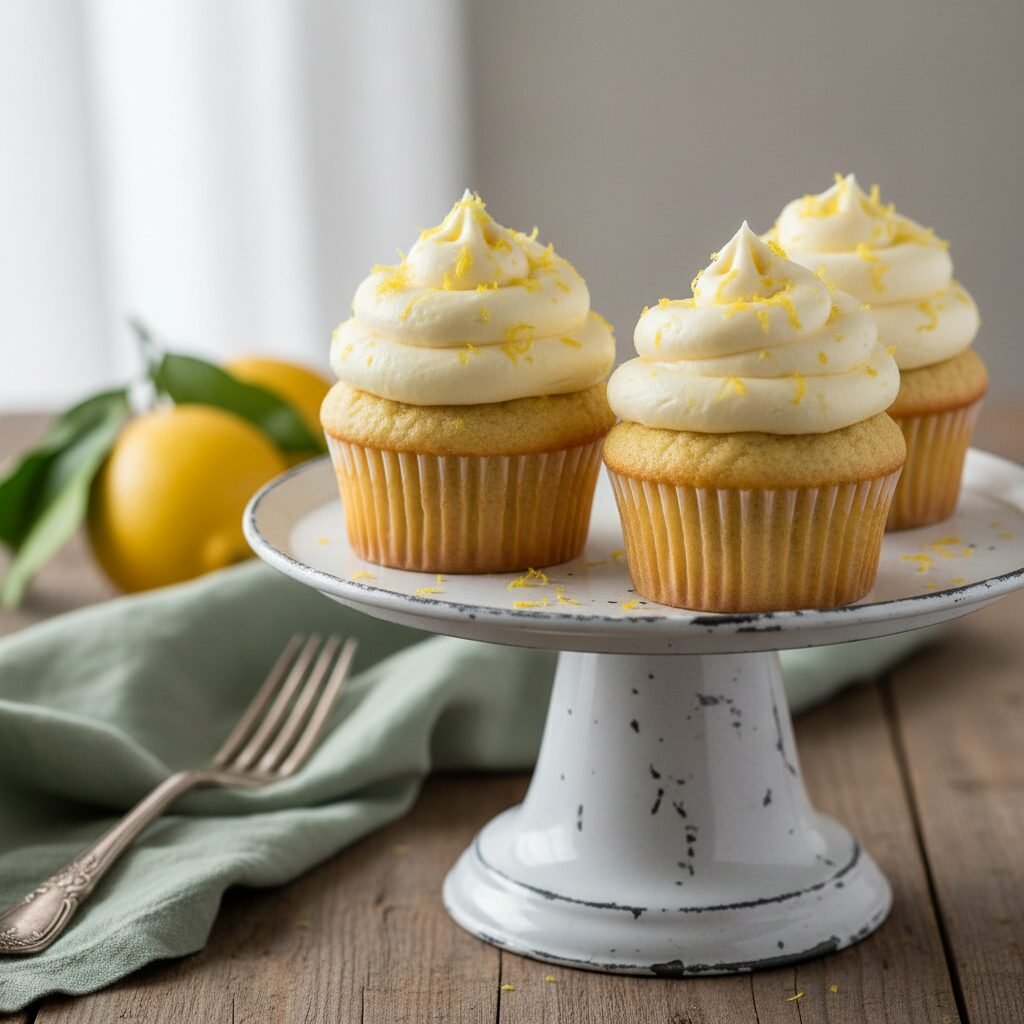
These ultra-moist lemon cupcakes are a burst of sunshine in every bite, featuring a tender crumb infused with fresh lemon zest and juice. Topped with a tangy, velvety cream cheese buttercream, they are the perfect balance of sweet and tart for any occasion.
20 minutes
18 minutes
45 minutes
12 cupcakes
Dessert
Baking
American
Vegetarian
There is something undeniably cheerful about lemon desserts. They possess a unique ability to lift spirits, evoking memories of sunny afternoons and garden parties even in the depths of winter. This recipe for Ultra-Moist Lemon Cupcakes is my absolute love letter to citrus. Unlike many fruit-flavored cakes that can end up dry or lacking in punch, these cupcakes are engineered to be impossibly soft and vibrant. The secret lies in the delicate balance of fats and the aggressive use of fresh citrus. We aren’t just relying on extract here; we are using the zest to release those essential oils and fresh juice for that unmistakable tang.
As a food blogger who has tested dozens of variations, I have found that the texture of a lemon cupcake is just as important as the flavor. You want a crumb that is sturdy enough to hold a generous swirl of frosting but tender enough to melt in your mouth. This recipe achieves that ‘bakery-style’ density—fluffy yet substantial. The aroma that fills your kitchen while these bake is intoxicating, a mix of caramelized sugar and bright, zesty lemon that promises a delicious reward. Whether you are baking for a bridal shower, a birthday, or just a Tuesday pick-me-up, these cupcakes deliver a sophisticated flavor profile that appeals to both adults and children. The accompanying cream cheese frosting is the perfect partner, cutting through the sweetness of the cake with its own creamy tang, resulting in a dessert that is harmonious and utterly addictive.
History & Origins
The history of the cupcake is a fascinating journey through American culinary evolution. The concept of baking small cakes in individual cups dates back to 1796, when Amelia Simmons wrote a recipe for ‘a light cake to bake in small cups’ in her book, ‘American Cookery.’ However, the term ‘cupcake’ itself didn’t truly gain traction until the early 19th century. Originally, the name referred to the unit of measurement used in the recipe—the 1-2-3-4 cake method (1 cup butter, 2 cups sugar, 3 cups flour, 4 eggs)—rather than the vessel they were baked in. These early treats were often baked in teacups or ramekins before the invention of the specialized muffin tin.
Lemon, as a flavor, has an even more ancient lineage. Citrons and lemons were cultivated in Asia for millennia before making their way to the Mediterranean and eventually the Americas. By the Victorian era, lemon was a staple flavoring in high-tea dainties and sponge cakes, prized for its ability to cut through the richness of butter and cream. The marriage of the convenient, single-serving cupcake with the classic, refreshing taste of lemon became particularly popular in the mid-20th century US, coinciding with the rise of suburban entertaining and the availability of fresh citrus year-round. Today, the lemon cupcake stands as a modern classic, representing a shift away from heavy chocolate desserts toward lighter, brighter flavor profiles that celebrate fresh ingredients.
Why This Recipe Works
This recipe succeeds where others fail because of a specific scientific approach to moisture retention and flavor infusion. First, we utilize a combination of butter and vegetable oil. Butter provides that classic, rich dairy flavor that we crave in baked goods, while oil—which remains liquid at room temperature—ensures the cupcakes stay soft and moist for days, not just hours. If you use all butter, the cakes can become firm once cooled; if you use all oil, you lose flavor depth. This hybrid approach gives you the best of both worlds.
Secondly, the inclusion of sour cream is pivotal. Sour cream is acidic, which does two things: it tenderizes the gluten strands in the flour, preventing the cake from becoming tough, and it activates the baking soda for a superior rise. This results in a plush, velvety crumb. Furthermore, we rub the lemon zest directly into the granulated sugar before mixing. The friction releases the essential oils from the zest into the sugar crystals, amplifying the lemon aroma throughout the batter far better than simply stirring the zest in at the end. Finally, the cream cheese in the frosting provides a stability and tang that mirrors the cake’s profile, creating a cohesive flavor experience from top to bottom.
Why You’ll Love This Recipe
- ✓Incredibly moist texture that lasts for days thanks to the oil-butter blend.
- ✓Intense, natural lemon flavor derived from fresh zest and juice, not artificial extracts.
- ✓Perfectly balanced sweetness that isn’t cloying.
- ✓Easy-to-follow method suitable for beginner bakers.
- ✓Versatile frosting that holds its shape for beautiful piping.
- ✓Freezes beautifully for make-ahead meal prep.
Equipment You’ll Need
- ✓12-cup muffin tin
- ✓Cupcake liners
- ✓Stand mixer or electric hand mixer
- ✓Large mixing bowl
- ✓Medium mixing bowl
- ✓Whisk
- ✓Rubber spatula
- ✓Microplane or zester
- ✓Wire cooling rack
- ✓Piping bag and star tip (optional)
Ingredients
- ✓1 1/2 cups All-Purpose Flour
- ✓1 tsp Baking Powder
- ✓1/4 tsp Baking Soda
- ✓1/4 tsp Salt
- ✓1 cup Granulated Sugar
- ✓2 tbsp Fresh Lemon Zest (approx. 2 lemons)
- ✓1/2 cup Unsalted Butter, softened
- ✓2 tbsp Vegetable Oil
- ✓2 Large Eggs, room temperature
- ✓1 tsp Pure Vanilla Extract
- ✓1/4 cup Fresh Lemon Juice
- ✓1/2 cup Sour Cream, room temperature
- ✓8 oz Cream Cheese, softened (for frosting)
- ✓1/2 cup Unsalted Butter, softened (for frosting)
- ✓3 cups Powdered Sugar
- ✓1 tbsp Fresh Lemon Juice (for frosting)
- ✓Pinch of Salt (for frosting)
Instructions
- Preheat your oven to 350°F (175°C) and line a 12-cup muffin tin with paper liners.
- In a medium bowl, whisk together the flour, baking powder, baking soda, and salt. Set aside.
- In the bowl of a stand mixer (or a large bowl using a hand mixer), combine the granulated sugar and fresh lemon zest. Rub the zest into the sugar with your fingertips until the sugar is moist and fragrant. This releases the essential oils.
- Add the softened butter and vegetable oil to the sugar mixture. Beat on medium-high speed for about 3-4 minutes until light, pale, and fluffy.
- Add the eggs one at a time, beating well after each addition. Scrape down the sides of the bowl. Mix in the vanilla extract and fresh lemon juice. (The mixture may look slightly curdled due to the acid, this is normal).
- Reduce the mixer speed to low. Add half of the dry flour mixture and mix until just combined.
- Add the sour cream and mix until incorporated.
- Add the remaining flour mixture and mix until just combined. Do not overmix; stop when streaks of flour disappear. Use a spatula to give it one final fold by hand.
- Divide the batter evenly among the cupcake liners, filling them about 2/3 full.
- Bake for 16-20 minutes, or until a toothpick inserted into the center comes out clean or with just a few moist crumbs. The tops should spring back when lightly touched.
- Allow the cupcakes to cool in the pan for 5 minutes, then transfer them to a wire rack to cool completely before frosting.
- To make the frosting: Beat the softened cream cheese and butter together on medium-high speed until smooth and creamy (about 3 minutes).
- Gradually add the powdered sugar, one cup at a time, mixing on low speed until incorporated. Add the lemon juice and salt.
- Increase speed to high and whip for 2-3 minutes until the frosting is fluffy and white.
- Pipe or spread the frosting onto the completely cooled cupcakes. Garnish with extra zest or a lemon slice if desired.
Expert Cooking Tips
- ✓Room temperature ingredients are crucial. Ensure your eggs, butter, and sour cream are not cold, or the batter will not emulsify properly.
- ✓Do not overfill the liners. Filling them only 2/3 full ensures they rise to a nice dome without spilling over the edges.
- ✓Rubbing the zest into the sugar is a game-changer. It prevents the flavor from baking out and distributes the lemon essence evenly.
- ✓Use fresh lemon juice, not bottled. The flavor difference is significant, as bottled juice often has preservatives that alter the taste.
- ✓Weigh your flour if possible. If using cups, spoon the flour into the cup and level it off rather than scooping directly, which packs too much flour and dries out the cake.
- ✓Cool completely before frosting. Even a slightly warm cupcake will melt the butter in the frosting, causing it to slide off.
Substitutions and Variations
If you are out of sour cream, full-fat plain Greek yogurt is an excellent 1:1 substitute that maintains the moisture and acidity needed for the recipe. You can also use buttermilk, though the batter will be slightly thinner. For a gluten-free version, a high-quality 1:1 gluten-free baking flour blend (like King Arthur or Bob’s Red Mill) works very well; just ensure it contains xanthan gum. If you prefer a dairy-free cupcake, substitute the butter with a high-quality plant-based butter stick and use a dairy-free yogurt or sour cream alternative; however, the texture may be slightly less fluffy. For the oil, any neutral oil like canola, grapeseed, or light olive oil will work perfectly. If you don’t have a lemon on hand, you can use orange or lime for a different citrus twist, though the flavor profile will obviously change.
Common Mistakes to Avoid
The most common mistake with lemon cupcakes is overmixing the batter. Once the flour is added, you must mix gently. Overmixing develops gluten, which leads to a dense, rubbery cupcake rather than a tender one. Another frequent error is opening the oven door too early. This can cause the cupcakes to collapse in the center due to the sudden drop in temperature. Wait until at least 15 minutes have passed before checking. Additionally, using cold ingredients can cause the batter to curdle or separate, resulting in an uneven bake. Finally, be careful not to overbake; lemon cakes dry out faster than chocolate ones. Check them at the earliest recommended time.
Serving Suggestions
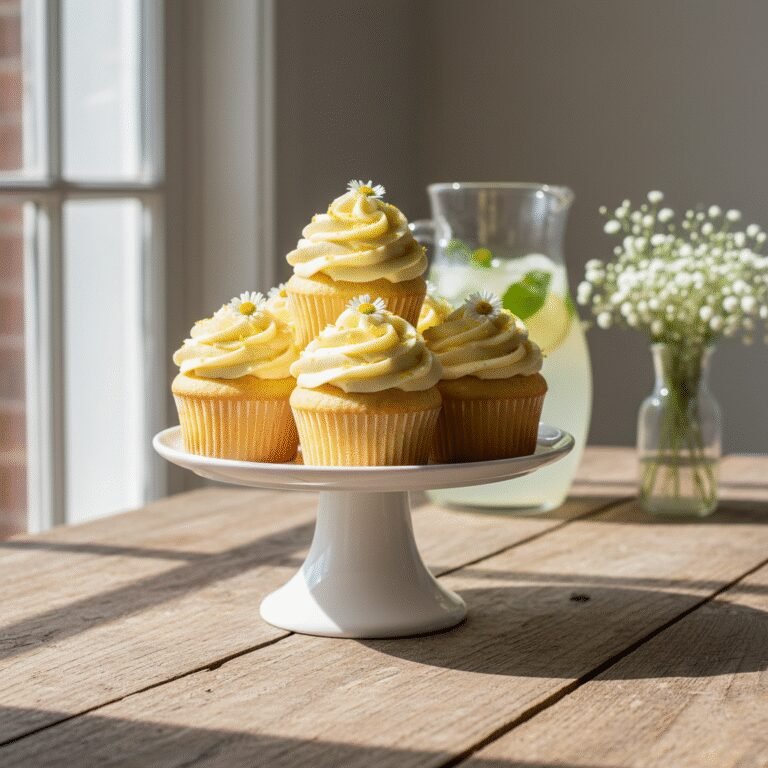
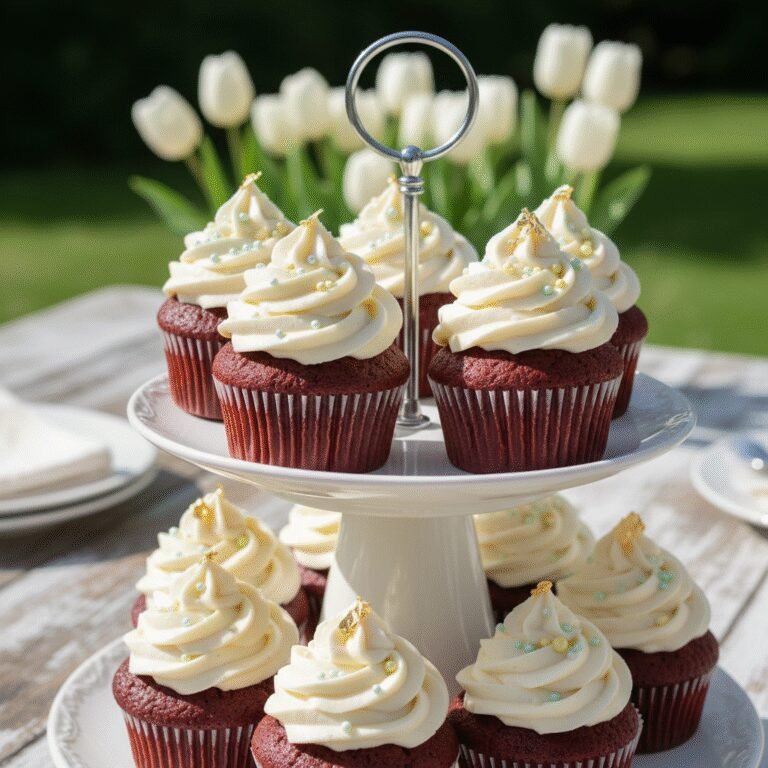
These cupcakes are stunning when served on a tiered cake stand for afternoon tea or a bridal shower. They pair beautifully with Earl Grey tea, which complements the citrus notes, or a cold glass of prosecco for a celebration. For a summer barbecue, serve them chilled for a refreshing treat. You can garnish them with candied lemon peel, a small wedge of fresh lemon, a sprig of mint, or even edible flowers like pansies or violas for a sophisticated look. If you want to add a crunch, a sprinkle of white sparkling sugar or crushed meringue on top of the frosting adds a lovely texture.
Storage and Reheating Tips
Store these cupcakes in an airtight container. Because of the cream cheese frosting, they should be kept in the refrigerator if you are storing them for more than 24 hours, where they will last for up to 5 days. However, they are best eaten at room temperature, so remove them from the fridge about 30-60 minutes before serving to allow the frosting and cake to soften. Unfrosted cupcakes can be stored at room temperature for 2 days or frozen for up to 3 months. To freeze, wrap each unfrosted cupcake tightly in plastic wrap and place them in a freezer bag. Thaw on the counter before frosting.
Nutrition Facts (Estimated)
| Serving Size | 1 cupcake |
| Calories | 340 |
| Fat | 16g |
| Saturated Fat | 6g |
| Unsaturated Fat | 9g |
| Trans Fat | 0g |
| Cholesterol | 45mg |
| Sodium | 180mg |
| Carbohydrates | 42g |
| Fiber | 0.5g |
| Sugar | 28g |
| Protein | 3g |
Frequently Asked Questions
Can I make these cupcakes ahead of time?
Yes! You can bake the cupcakes 1 day in advance and store them in an airtight container at room temperature. Make the frosting the day of serving for the best texture, or make it ahead and refrigerate it, then rewhip it briefly before piping.
Why did my cupcakes sink in the middle?
Sinking usually happens if the cupcakes were underbaked (the structure wasn’t set), the oven door was opened too early, or there was too much leavening (baking powder/soda) which caused them to rise too fast and then collapse.
Can I use lemon extract instead of fresh juice and zest?
Technically yes, but I highly recommend against it. Extract lacks the brightness and acidity of fresh lemon. If you must use it, use only 1 teaspoon, but the texture and flavor depth will not be the same.
How do I get a flat top for decorating?
Baking at a slightly lower temperature (like 325°F) for a longer time can help create a flatter top. However, this recipe is designed to have a gentle dome. You can also trim the tops with a serrated knife if you need them perfectly flat.
Can I double this recipe?
Yes, this recipe doubles easily. Just ensure your mixer bowl is large enough to handle the volume, or make the batter in two batches to avoid overmixing.
Why is my frosting runny?
Runny frosting is usually caused by butter or cream cheese that was too warm or melted, or adding too much liquid (lemon juice). If it’s too soft, refrigerate it for 20 minutes and whip again, or add more powdered sugar.
Can I fill these cupcakes?
Absolutely! A lemon curd filling is a fantastic addition. Use a cupcake corer or knife to remove the center of the cooled cupcake and spoon in a teaspoon of lemon curd before frosting.
Do I have to use a stand mixer?
No, a hand mixer works perfectly fine. You can even mix the dry and wet ingredients by hand with a whisk and spatula, though creaming the butter and sugar is much easier with an electric mixer.
Conclusion
These Moist Lemon Cupcakes are truly a keeper in any baker’s repertoire. They offer that elusive combination of comfort and elegance, bringing a bright pop of flavor to any table. Whether you are a seasoned pro or just starting your baking journey, this recipe is forgiving and rewarding. The zesty aroma that fills your home is just the appetizer to the delight of that first bite—soft, tangy, and sweet. I hope these cupcakes bring as much joy to your kitchen as they do to mine. Happy baking, and don’t forget to share your creations on social media!